When we talk about accessories today, most of us immediately think of jewelry, purses, shoes and possibly belts. However, if we look to history, we’ll see that one of the earliest accessories of all was in fact the scarf.
History
In Egypt, Queen Nefertiti was known to wear them under her jeweled headdresses. This prevented her hair from becoming entangled in the ornate adornments. In North America, in the 1950s, women wore them over their hair curlers and went out shopping, Ena Sharples wore hers to the pub! In ancient Rome, men wore scarves to prevent perspiration during the summer, and heavier versions to keep them warm in the cold weather. They were mainly a male-oriented accessory at that time, although women did wear veil-like head covering, which was actually part of the draped gowns they wore.
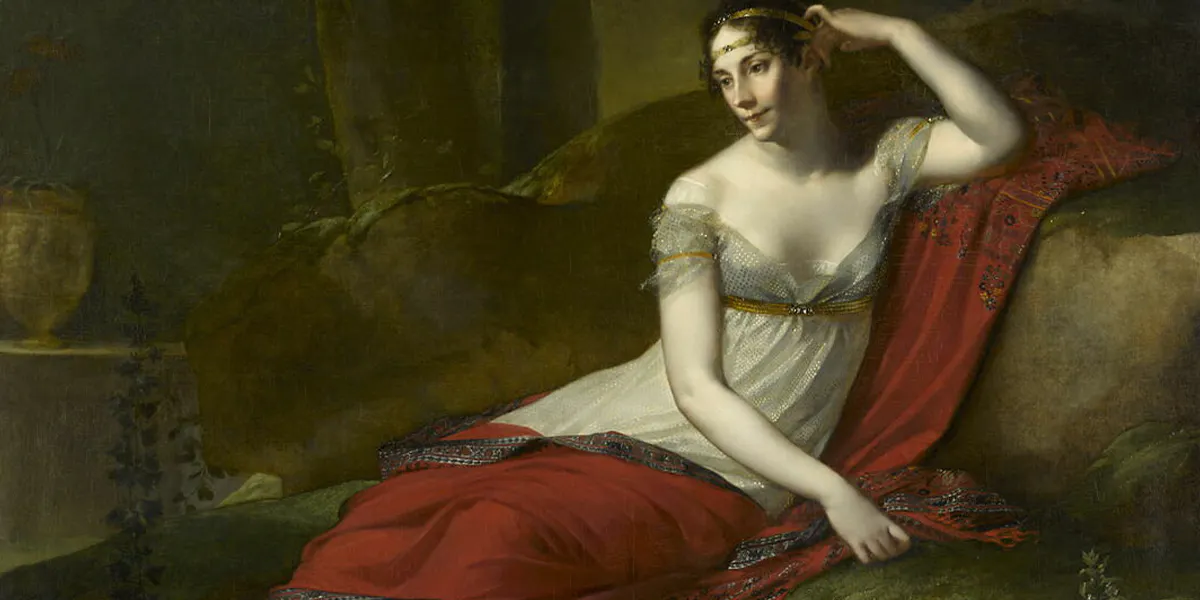
Napoleon Bonaparte would often bring his wife Empress Joséphine gifts and trinkets. He returned to her with a Pashmina after a trip to Egypt in 1798. She thought it to be quite ugly at the time, but added that it was very lightweight and amazingly warm, and eventually amassed a collection of over 400.
Related: Vintage Costume Jewelry: Where to Begin
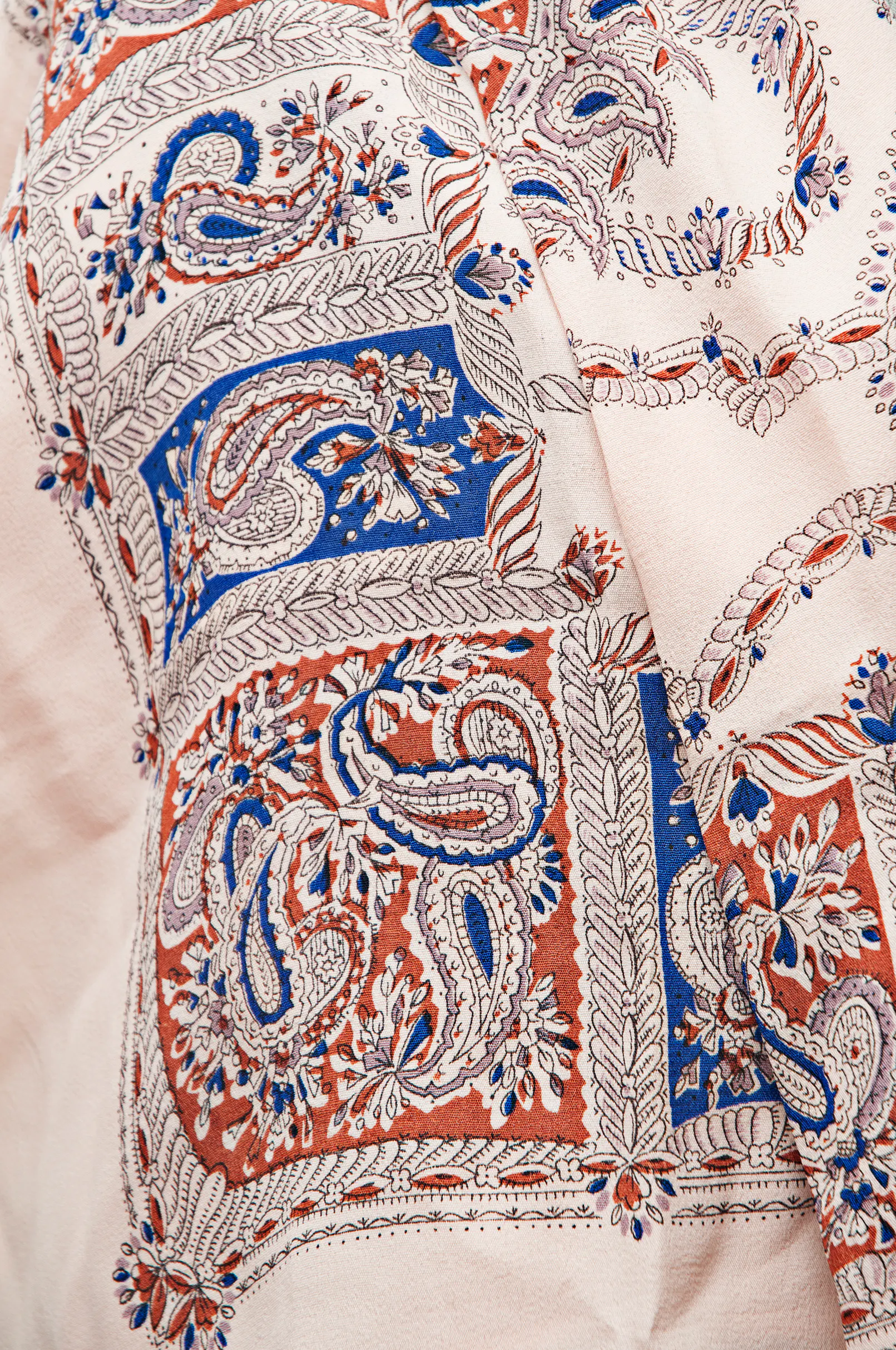
One of the iconic designs recognized worldwide and believed to have first been made in Scotland is paisley, manufactured in the town of Paisley between 1800 and 1850. Queen Victoria wore a paisley shawl in 1842 made by a Scottish weaver, and set a trend for a love of paisley – which is still strong today. The design, which represents teardrops, is in fact centuries old and from Kashmir.
Silk
Another fascinating, little known fact to today's collectors and buyers is that during World War I, military charges (for weapons) were packed into silk bags for transport. The silk was easily disposed of, and burned, leaving not a trace for the enemy to find. Not quite what we think about when we think silk. But what does this have to do with the evolution of the scarf?
At the end of the Great War, the surplus silk was bought up and used for garments, such as undergarments and negligees, which were top of the list, and, of course, scarves. Silk thus became very popular, and designers recognized this growing demand and potential as early as 1930.
Related: The 8 Most Popular Fashion Brands
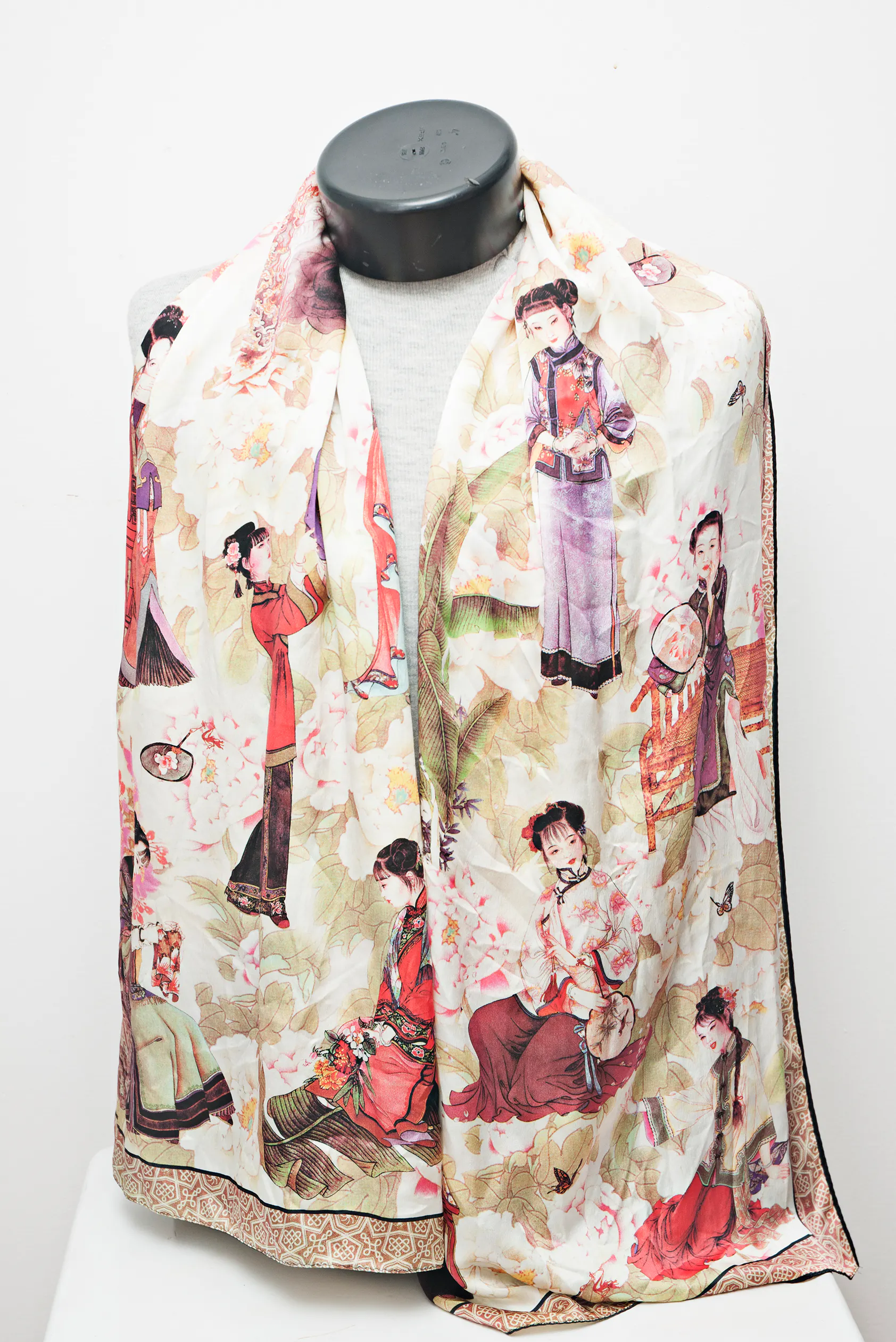
Raw silk from China was still inexpensive and easily sourced. One of the very first haute couture design houses to import raw silk was Hermès. They saw the strength and quality of the fine Chinese silk, plus its appeal as an exotic textile, especially when dyed and woven into beautiful designs.
As with all fashion trends, be it wearable or home décor, history has much to answer for as an influence and catalyst for change. When silk popularity expanded, the price increased considerably, relegating it to luxury brands. Most women couldn’t afford Hermès or other fine labels.
Synthetics and evolution
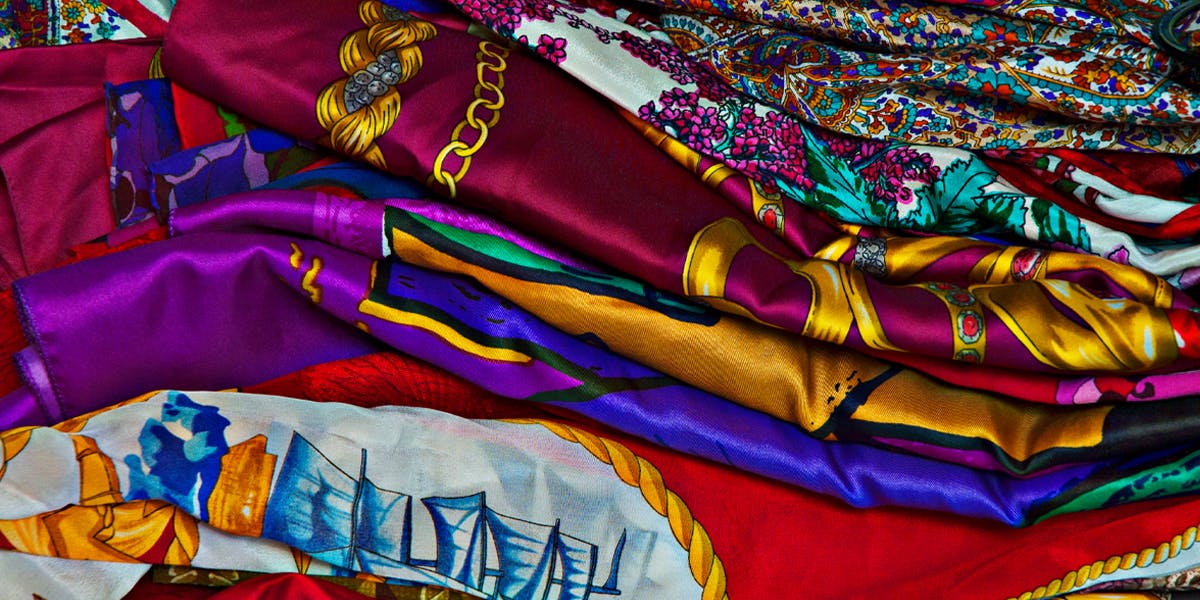
Much in the same way that handbag makers began to produce man-made ‘exotic skins’, such as faux crocodile and snakeskin, the textile industry began to experiment and innovate – and evolve. Synthetic fabrics with silk-like texture and appearance were produced and ‘man-made silk’ became the affordable and equally beautiful alternative to the very expensive silks. It had the appeal, and could be woven and dyed in a vast array of vibrant patterns and color combinations.
Want to know what your scarf is worth? Have it valued with Value My Stuff
The scarf became less of a functional item and more of a fashion statement. This lasted for a relatively short period of time, as only 21 short years after World War I, history interjected itself and World War II began setting the world on its heels once again, including the fashion industry.
The war effort impacted every aspect of life. Textile mills were transformed into munitions factories, and locations which once made garments were now making medical supplies, such as slings, bandages and dressings. Silk, which had become a mainstay in the garment industry was commandeered for use in factories to make thousands of parachutes.
Silk was no longer a luxury item: it had become an essential commodity in the war effort. With many of the men away fighting and the rest farming or working in war-related occupations, women took up the call, leaving their homemaker roles and going to work. They were employed in the factories, on assembly lines, on the farms, working as drivers, at hospitals; wherever they were needed. With so many in mechanized locations, scarves became the hard hat and safety goggles required today. They were no longer a fashion statement but a statement of fact. If you had long hair, it had to be safely out of the way. Hair combs, clasps, hair pins and scarves in particular were a mainstay of the daily ‘uniform’: overalls, work gloves and a scarf, plus sturdy shoes and if you could find it, a little lipstick and blush to help with some sense of normal.
Related: Fashion Comes to a Head: The History of the Hat
Silk was no longer available, and scarves were utilitarian, made of linen or cotton. They were inexpensive – in comparison with others – and washable and replaceable. These new ‘artificial’ or ‘man-made’ silks were being used more often. Rayon really did change the fashion industry, and it was helped by the need to find a replacement for silk.
Back to fashion
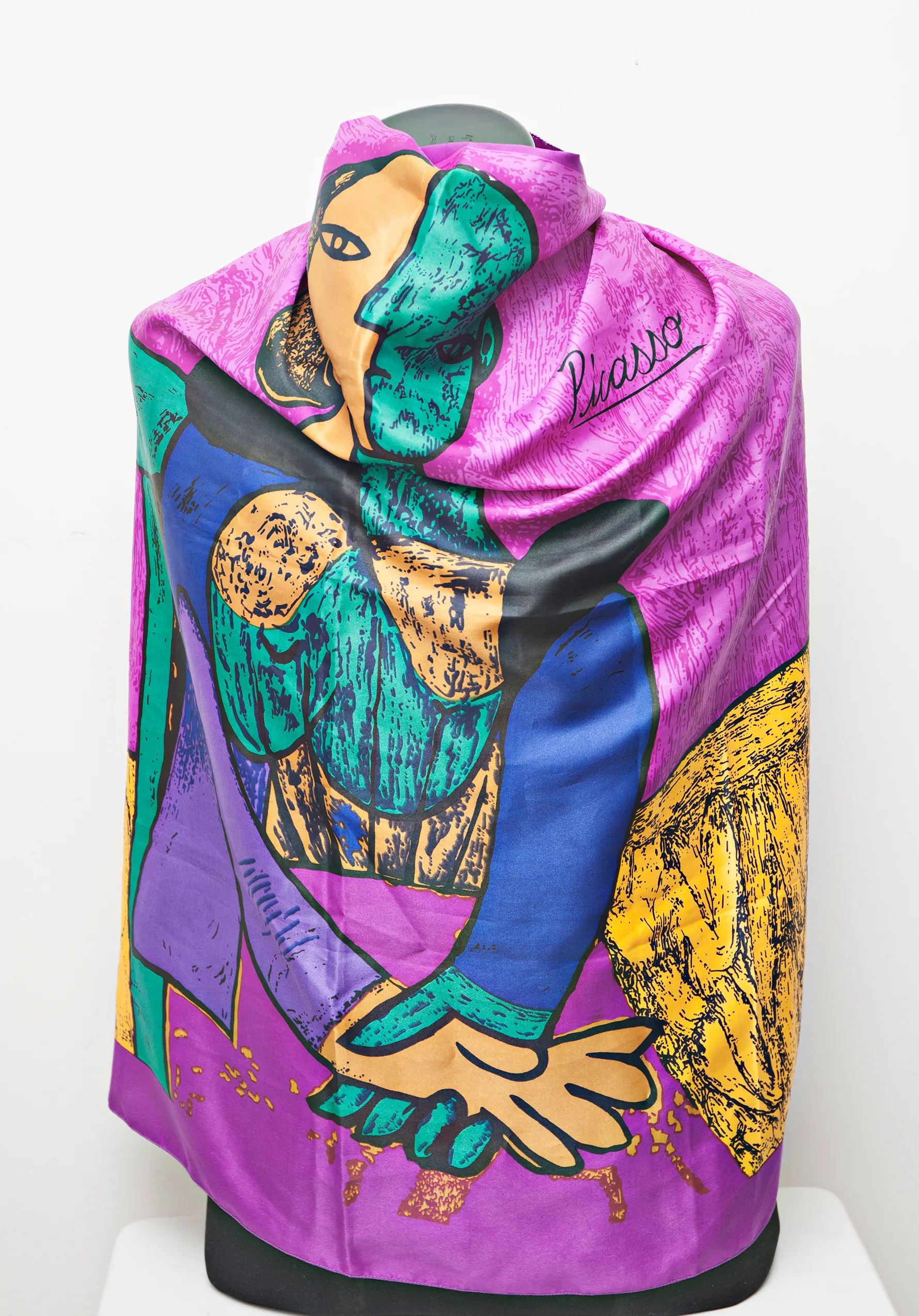
At the end of the war, women wanted to be more fashionable, and were desperate to add color and style back into their lives after years of dull drab colors and limited fabrics. Designs were bold and vibrant and striking. Many designs were based on some of the more avant garde artists of the day, such as Henry Moore and Pablo Picasso. Abstracts were immensely popular because they could include a wide color palette and the fashion world craved color.
Related: The Hand Fan: An Enchanting Collectible
While the choice of clothing was still somewhat restricted in post-war Europe and Great Britain, scarves were available, and now, being made of man-made fabrics, they were becoming more affordable fashionable accessories once again.
Hollywood
The film industry had an enormous impact on fashion in general. While many couldn’t yet afford to buy new wardrobes with the most up-to-date styles and designs, accessories became the most economical way to revamp and accent existing outfits. The demand for elegant fashionable scarves came around thanks to stars who donned them, like Grace Kelly, Audrey Hepburn, Diana Dors, Julie Christie, Celia Johnson and Elizabeth Taylor, to name a few.
The iconic romantic scene between Cary Grant and Deborah Kerr, atop the Empire State Building in the oh so very romantic 1957 film An Affair To Remember, did more for the sale of green scarves than any St Patrick's Day parade in New York city ever could.
Buying luxury
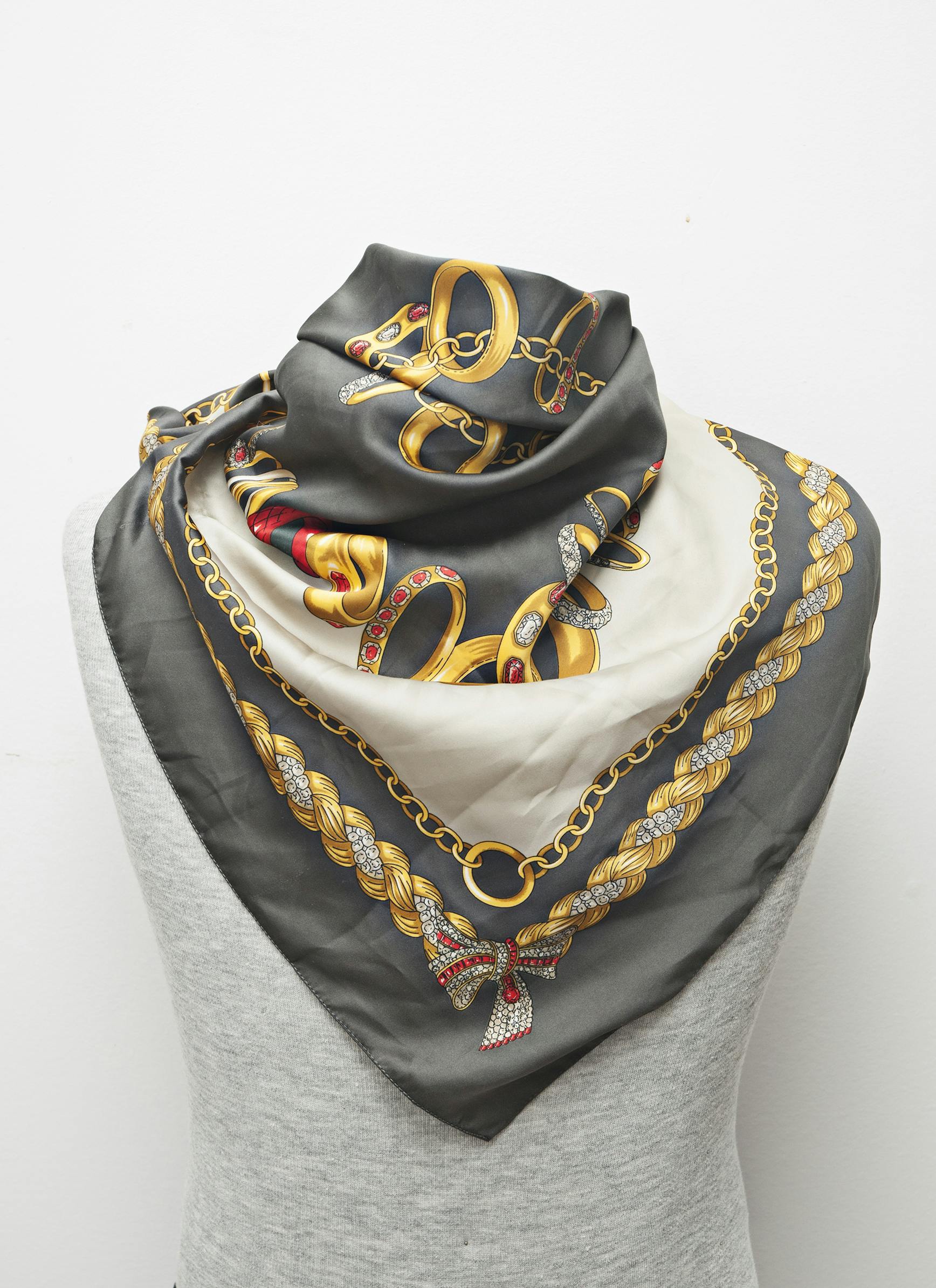
Today, while many items made by haute couture design houses are out of the question for the large majority of us – a Dior gown, Chanel suit or Hermès bag isn't an attainable goal – a well-made designer scarf is within the realm of reality.
Related: How Coco Chanel Revolutionized the Handbag
Vintage and pre-owned scarves in particular are perfect alternatives to new scarves from retail stores or boutiques. Fine vintage dealers and vintage and consignment stores make it easier to find wonderful designer scarves at affordable price points. The internet is fully stocked with every possible kind of scarf imaginable. While buying online is easy, for the most part, it is always wonderful to be able to examine closely and check for any tiny flaws not seen on a monitor or smartphone screen. It is important to feel the texture, try it on and make sure it hasn't been absorbing perfume or other odors for years.
If you want more articles like this, sign up to our free newsletter
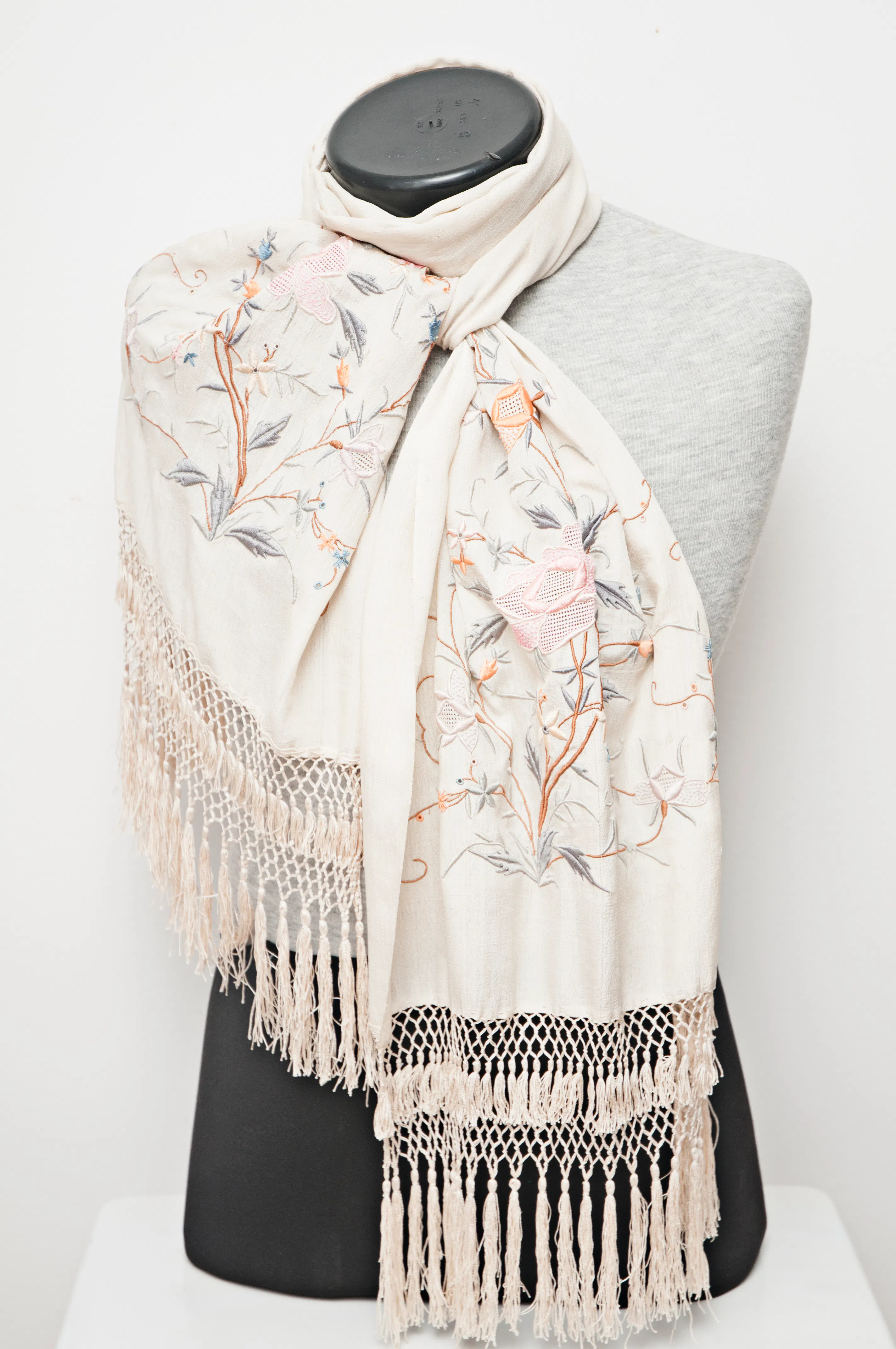
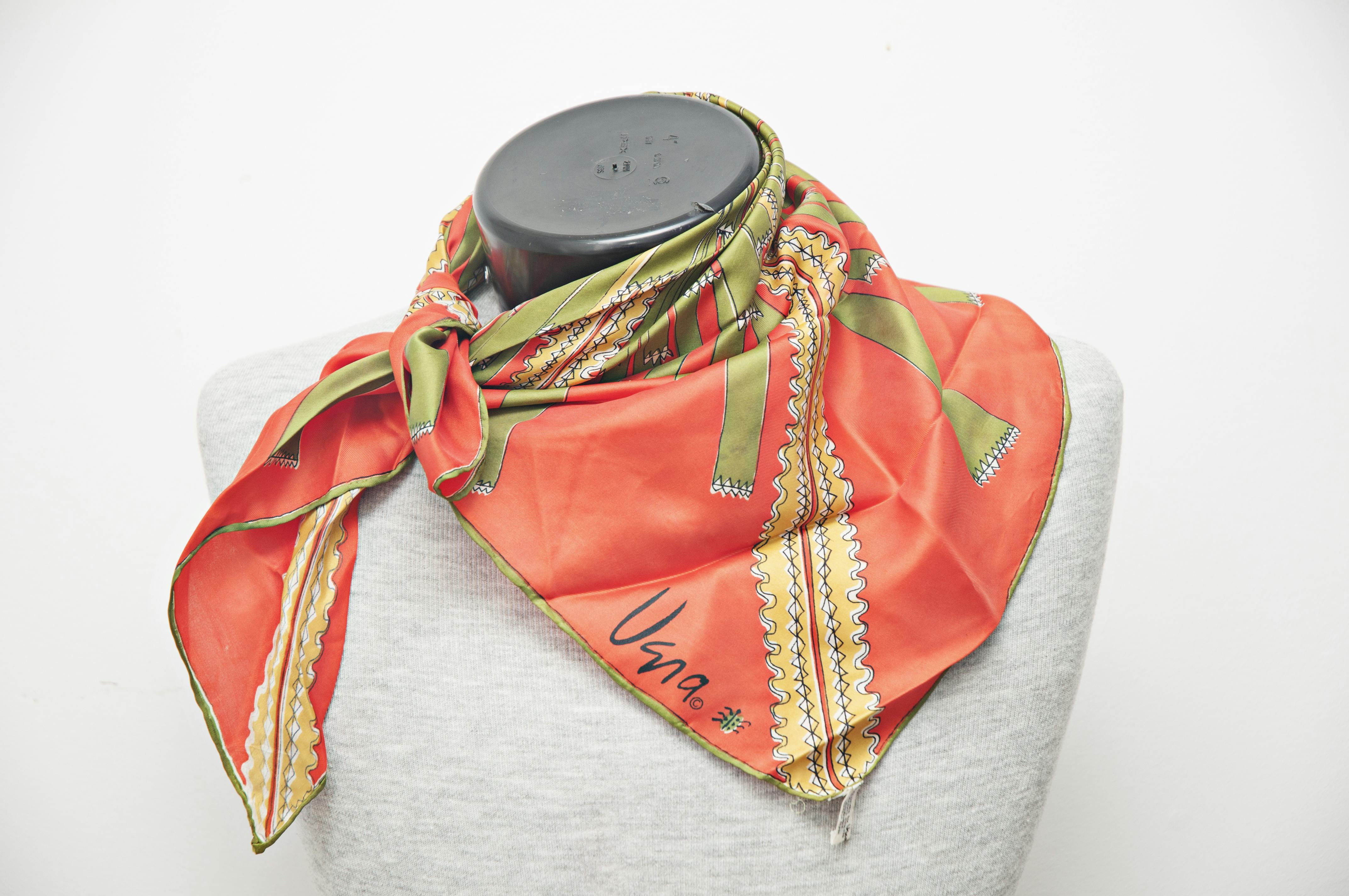
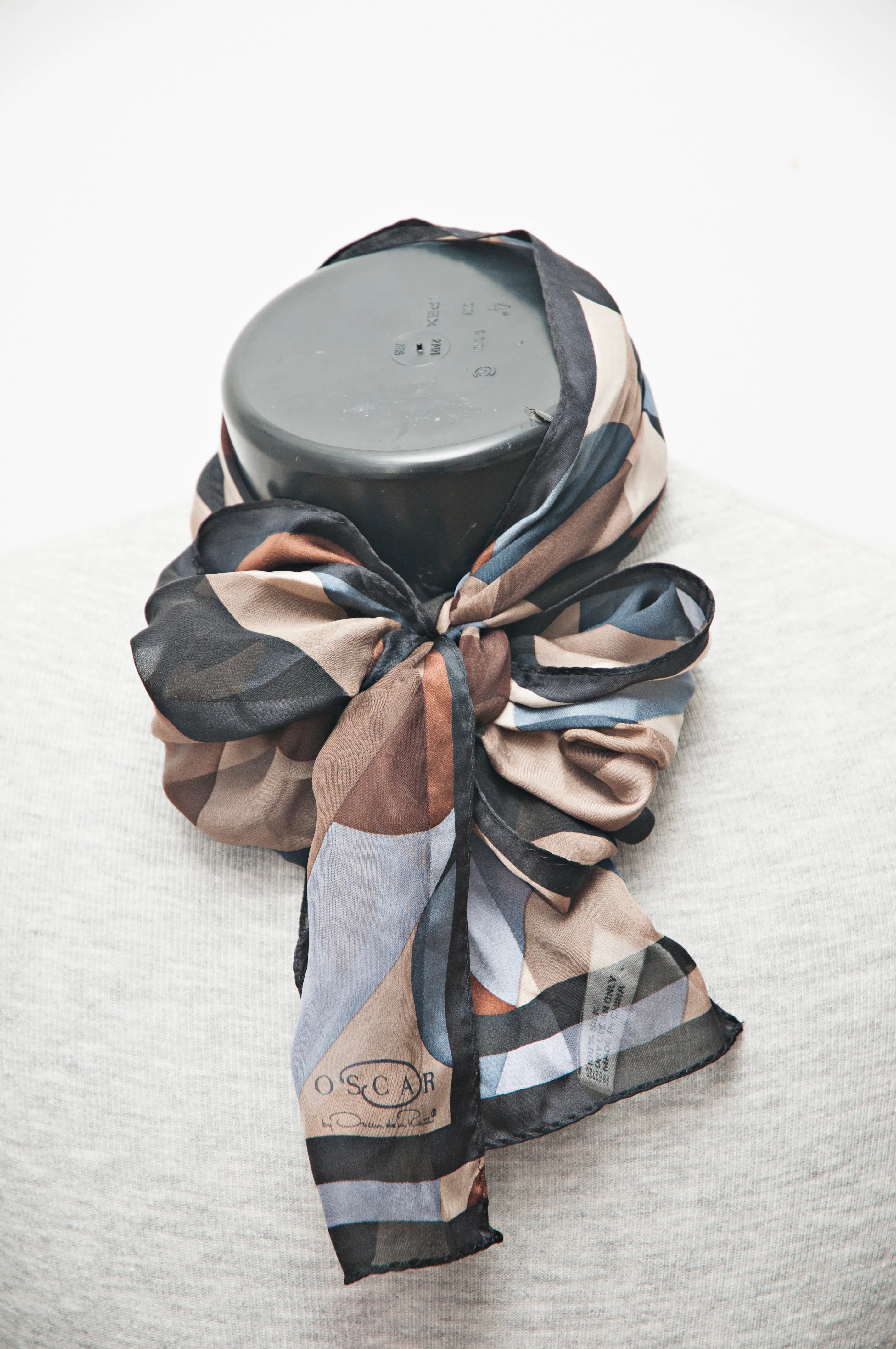
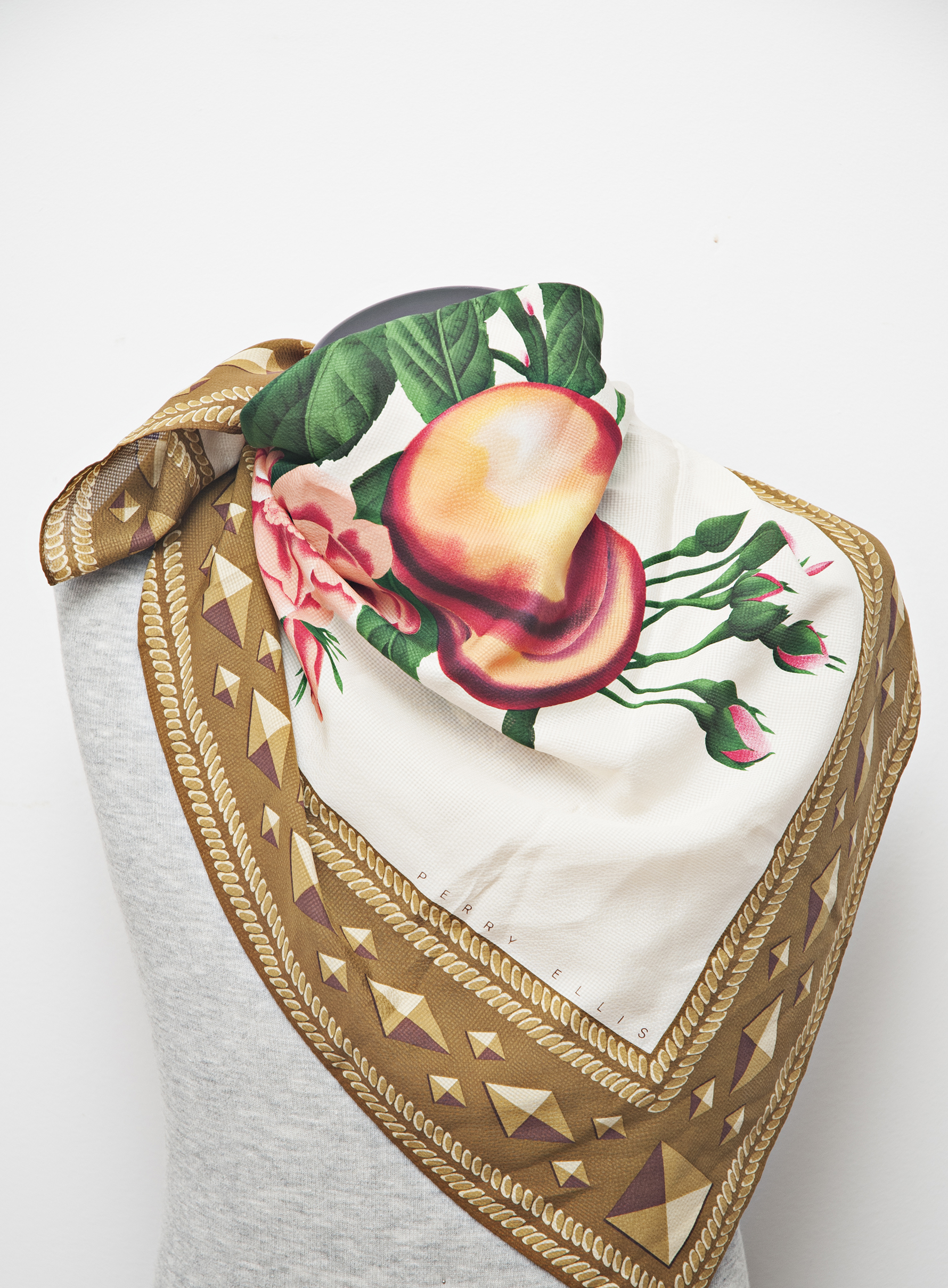
There’s an endless supply of antique, vintage and contemporary scarves available at all resale levels. Some of the most desirable but affordable designer brands these days are Laura Ashley, Ralph Lauren, Paloma Picasso (which is rapidly increasing in value along with her jewelry), Italian silks from the 1950s-80s, Pucci and Gucci. Early paisley designs are ever popular scarves, especially those made in Hong Kong or mid-20th-century China and with a silk factory label. Liberty's has an old world cache with beautiful designs. Multicolored abstracts and colorful scenic designs are some of their most interesting, roses and paisley are very vintage, and other florals are perfect to brighten subdued fall clothing. The bolder the color, the bigger the fashion statement.
Related: The Woman Behind One of the World's Most Famous Patterns
Of course, the haute couture brands are top of the list, but, again, can still be out of our price range, even pre-owned ones – look for similar styles but avoid fakes. These days, some sellers are asking very high prices for scarves advertised as ‘Hermès Style’, ‘Prada replica’, ‘Gucci design’ and ‘original reproduction’. The wording is meant to mislead. When in doubt, ask for proof of authenticity, make sure you know what the sellers return or refund policies are, and, if possible, check unbiased, unsponsored reviews of the website or seller. If Hermès is out of your range, choose another make with the same type of design. But don't waste your money on counterfeits. They are cheaper for a reason!
Styling scarves
There are dozens of ways to wear scarves. Around your neck, tied in a number of ways, tied around the crown of your favorite hats. An elegant bow on the handle of a plain handbag elevates it to Kelly level (without the painful price). An oblong scarf draped over one shoulder and secured in a belt or with a fabulous vintage brooch is a stunning fashion statement and takes a shirt and dress trousers into the evening looking simply fabulous. A long scarf through belt loops make an exciting and colorful sash. Soft, comfortable and versatile pashmina-size wraps can be used as sarongs or cover ups, knotted at the corners to make a loose kimono jacket over a single color ensemble.
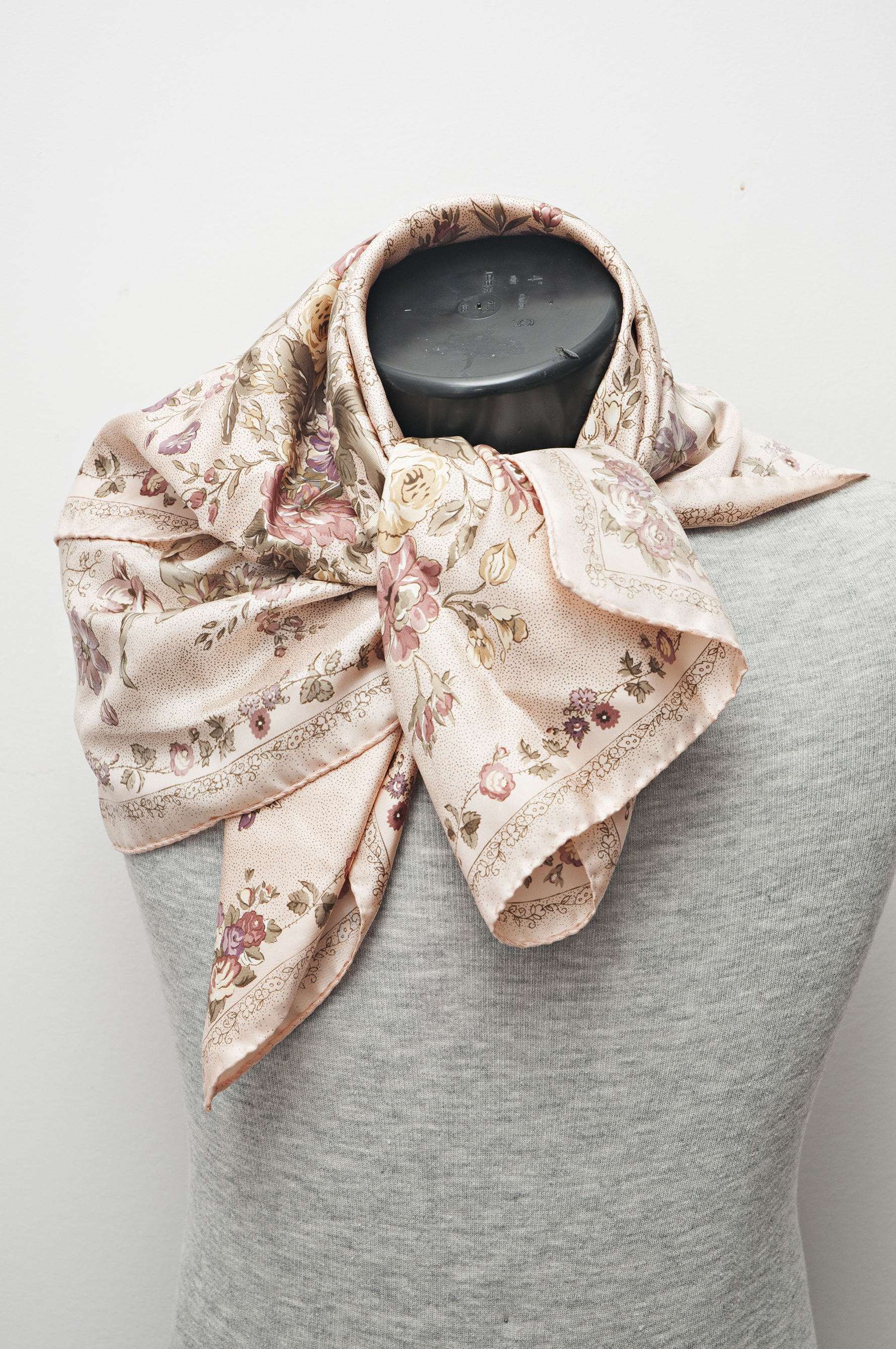
There are dozens of ways to wear scarves, including the tried and true ‘on your head’. They can be rolled and tightly twisted to create a wonderful rose or flower, and three silks (or silk types) can be braided together to create a blaze of color and tied in an infinity style. The internet offers superb tutorials on how to wear them.
Related: 10 Reasons to Buy Vintage
Then there are old scarves. Any scarves which may be slightly worn or out of favor make amazing table runners, bed scarves or covers for throw pillows. I have used small scarves as ‘wrapping paper’ on gifts, or as ribbons or bows. They make lovely curtain tie backs, can trim a metal wall element and add a punch of color to a room. They are gorgeous framed or draped over the back of a chair. Large scarves make wonderful table covers or furniture throws; there are so many uses and a world of choices.
French fashion icon Sonia Rykiel tied it all up in a bow for us when she said: “... a scarf has to be the most beautiful thing ever invented to wear!”
In 2015, the BBC stated that the scarf was the “new power symbol” for women. So is it a status symbol or a stunning accessory?
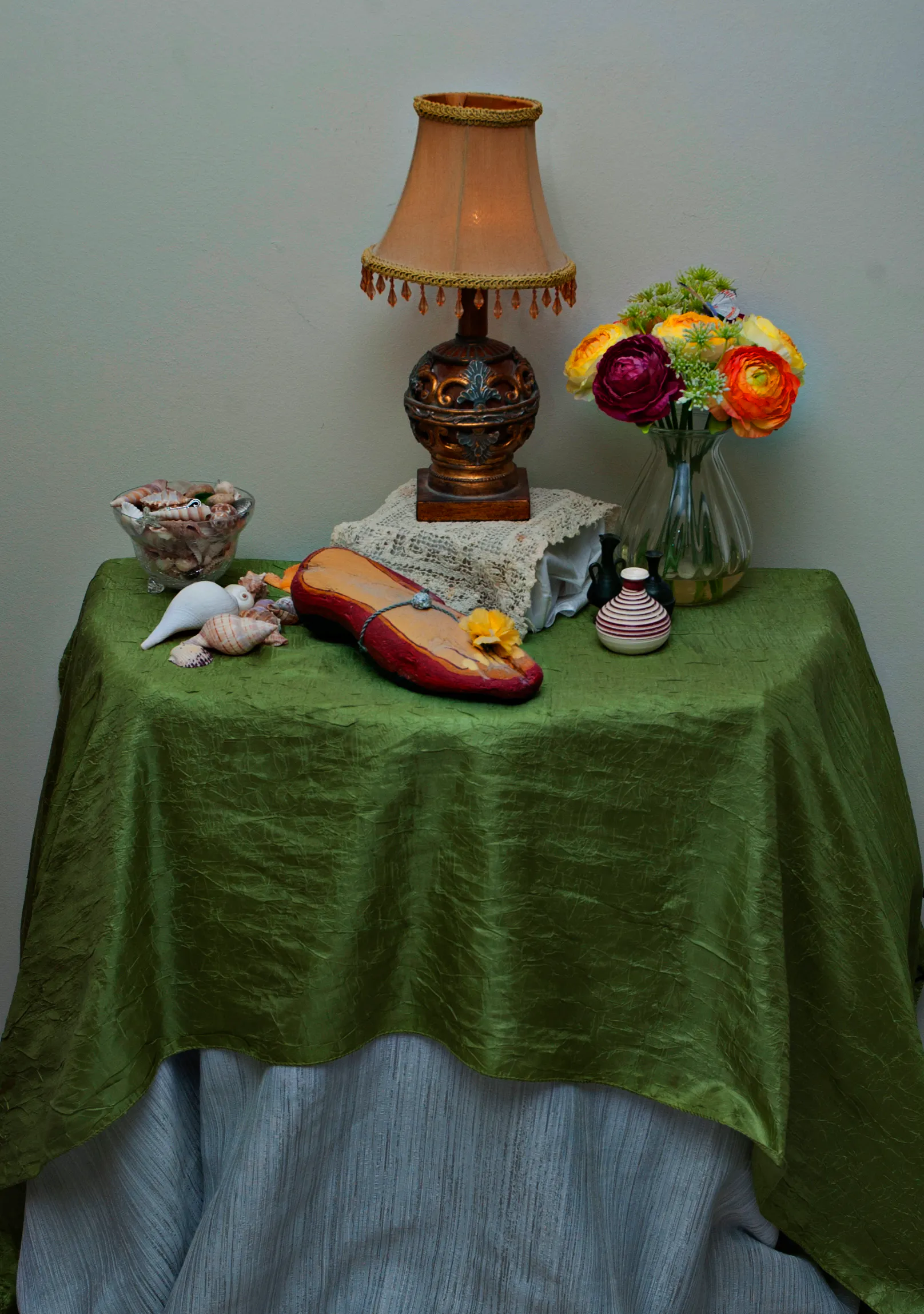
The fabulous aspect of scarves, be they vintage or new, designer label or simply beautiful, is their versatility and timeless style.
I called my sister recently, and told her I was thrilled because I cleaned out my closet and found an item I loved but hadn't worn in years, and it still fitted me! Knowing how most of us have added some Covid ‘I’m stuck at home and totally bored pounds’, she asked: “That’s fabulous! What is it?”
I replied, “A scarf”.
Find more fashion article on Barnebys Magazine
Article by Val Hammond
Val Hammond has been an antique and vintage jewelry dealer since 1985. She develops courses and does guest speaking across Ontario, Canada, and conducts interactive workshops on antiques and collectables for organizations, clubs and libraries. She is a contributing writer to numerous antique journals, is an online appraiser and supplies props and jewelry for television commercials and film. Val was also the Poet Laureate for the city of North York, Ontario from 1981-83, and the first female Poet Laureate in Canada.