
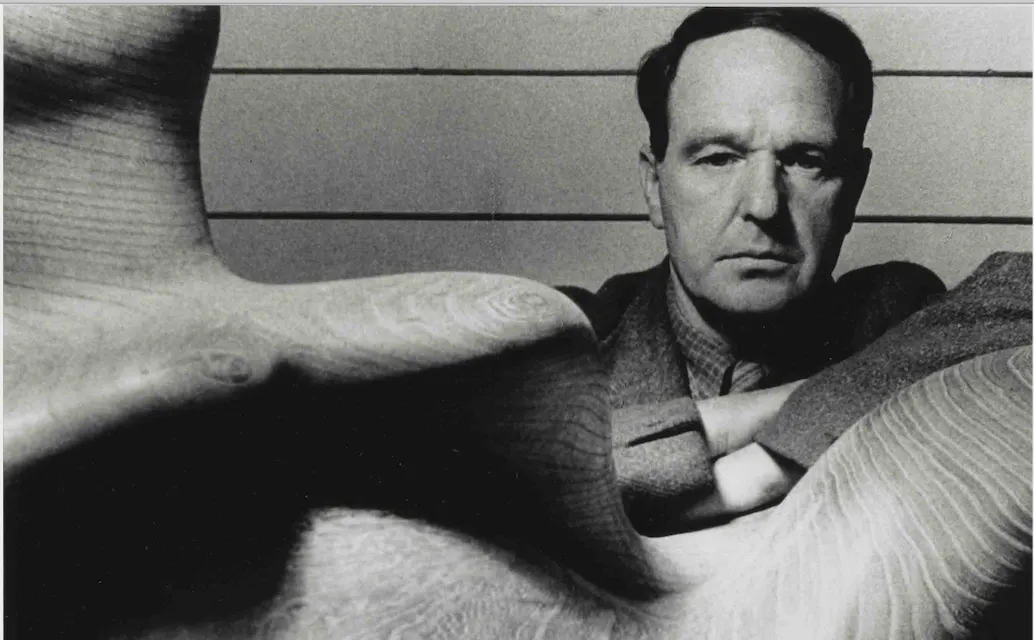
Here are eight facts about the modern master Henry Moore (1898-1986).
1. Moore originally studied to be a teacher,
Henry Moore was born in Yorkshire, England on 30 July 1898, the seventh child in a family of eight. Moore's father, who worked in a coal mine, encouraged his children to study. Although the young Henry showed great artistic talent at an early age, his father wanted him to have a different career. Moore taught at the Castleford Grammar School, which he had attended as a child.
2. He was injured in World War I
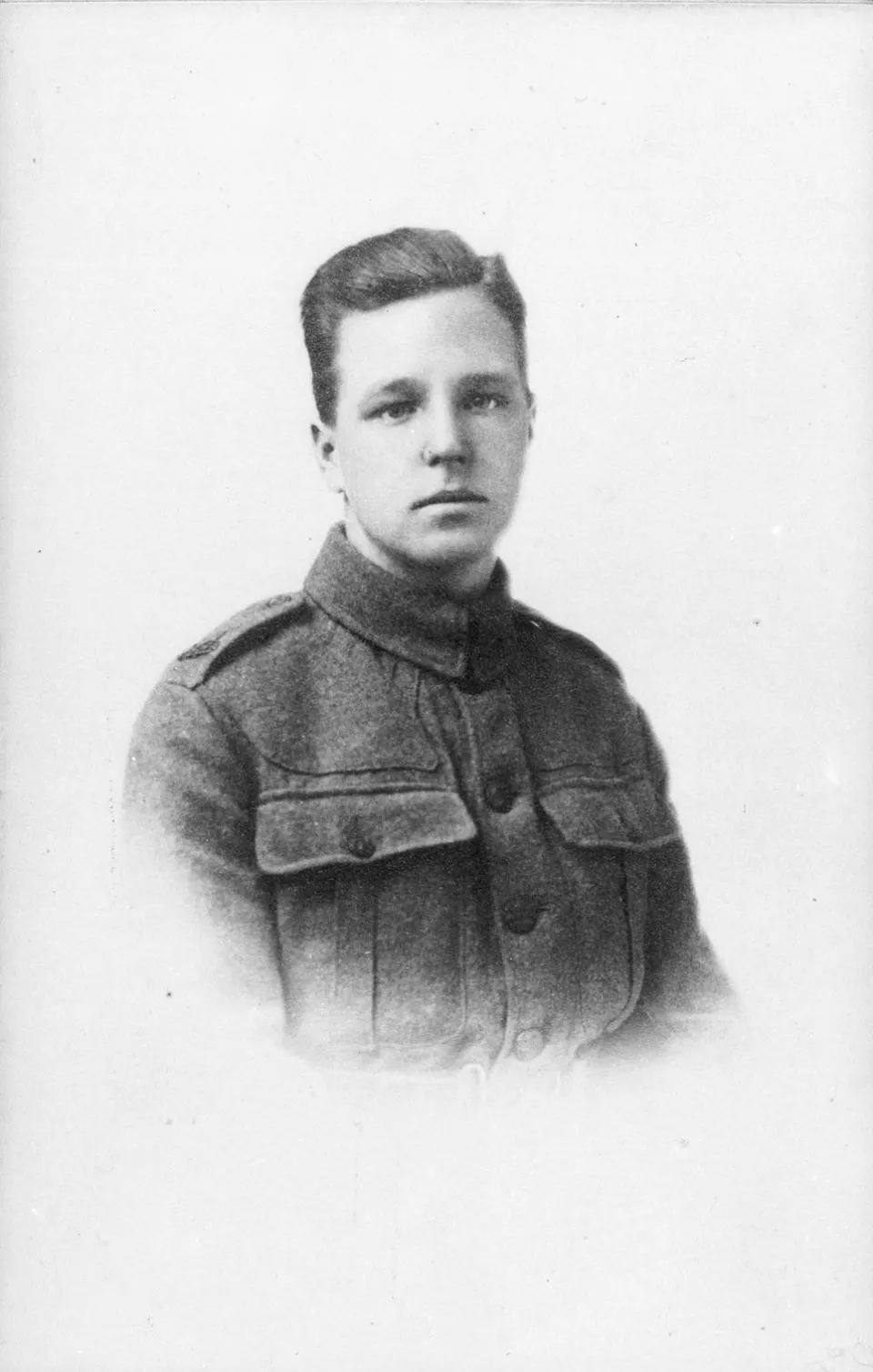
In 1916, 18-year-old Henry Moore volunteered for military service. He was the regiment's youngest participant and the following year, he was badly injured during a gas attack in France. He was hospitalized and then spent the remaining time of his military service as a fitness coach. After the end of the war, Moore was awarded a scholarship and in 1919 he began his studies at the Leeds School of Art. Once at school, Moore began his sculptural work and was introduced to modernism.
3. Moore had many sources of inspiration
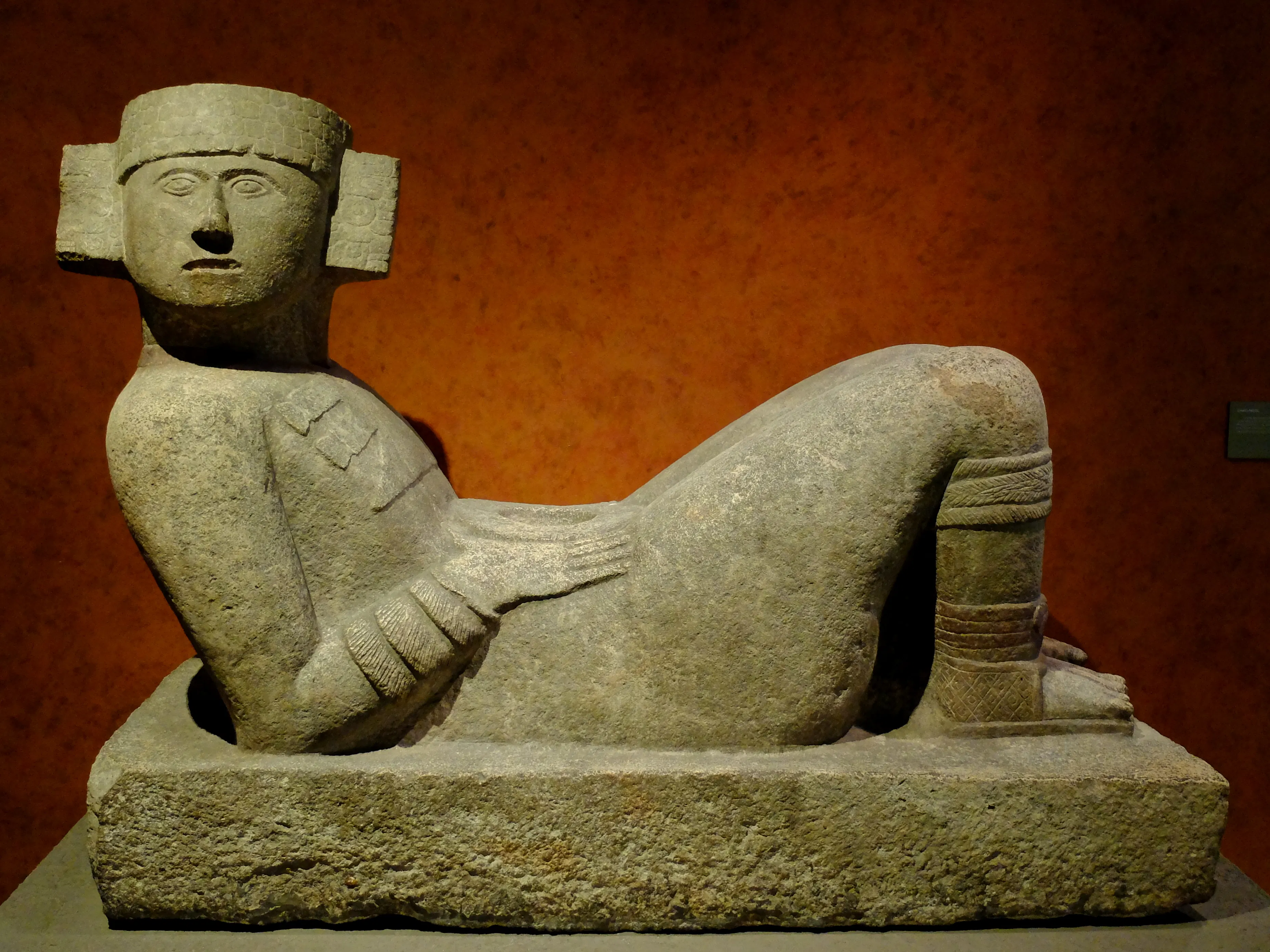
Moore was inspired by both classic sculpture of the Old Masters and Pablo Picasso's 1920s surrealism. He was also fascinated by ancient Mayan design that dominated the art of the Mesoamerican high cultures. Among them, the Mayan-toltec figure Chac Mool came to be his most recurring form, which he encountered for the first time at the anthropological museum Musée d'Ethnographie du Trocadéro in Paris in 1924. The reclining figure played a crucial role in Moore's artistry and influenced him for the rest of his life.
See also: A New Renaissance for Old Masters
4. Moore carved his sculptures directly
During the 1920s, Henry Moore's artistic process changed. Inspired by artists like Constantin Brâncuși, Moore began to carve out his sculptures directly, without first having worked out a model or cast. 'Direct carving', working with the final material throughout the process without preparatory steps, was revolutionary in British sculpture and was soon taken up by two of Moore's contemporary colleagues – Barbara Hepworth and her then-husband John Skeaping. The technology required great skill and as well as the understanding of material.
5. He joined a Surrealist group
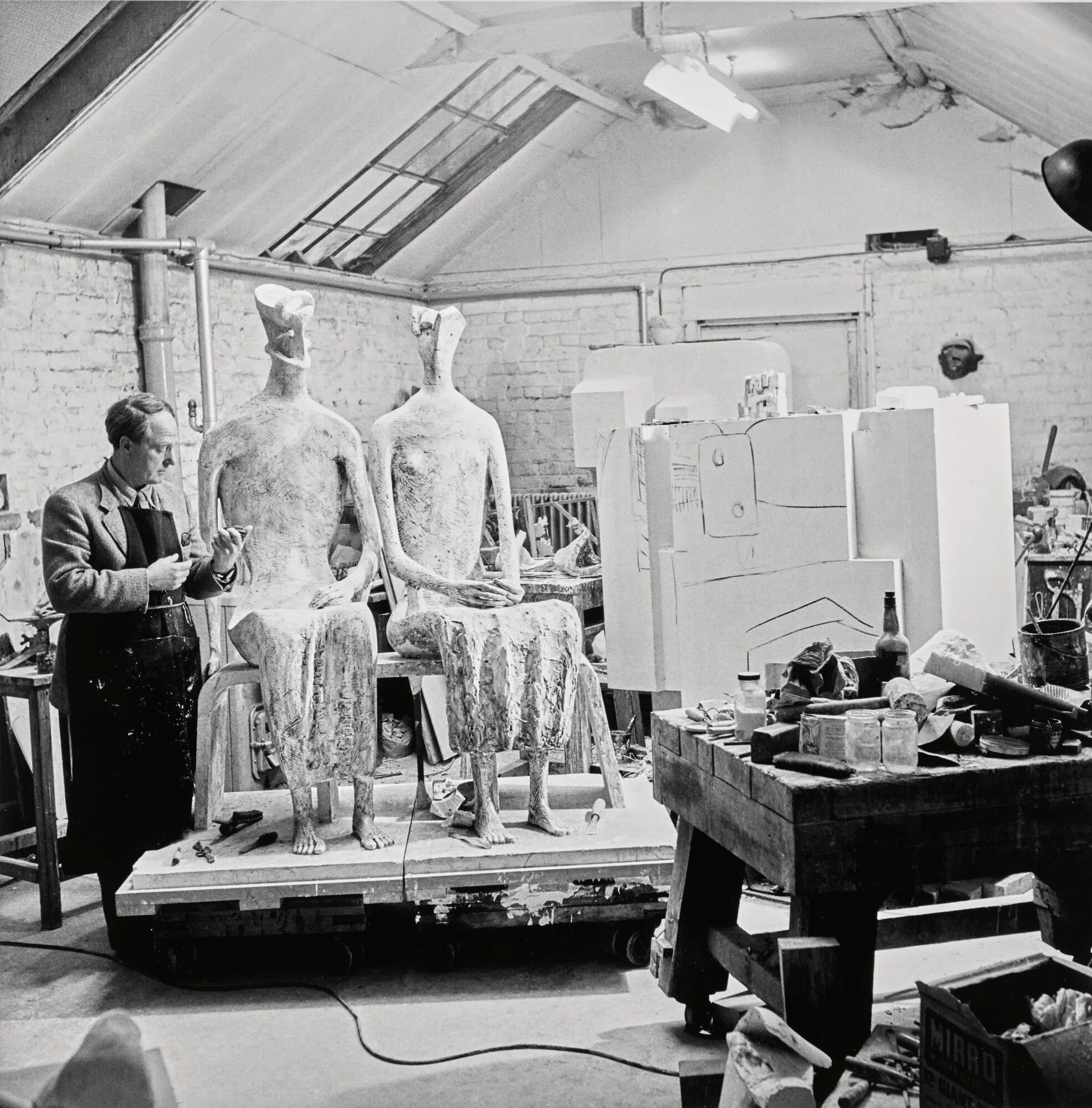
In 1936, Moore joined Unit One, a British Surrealist group founded by Paul Nash three years earlier. Side by side with Nash and the British author and artist Roland Penrose, Moore arranged the International Surrealist Exhibition in London that year. Moore never considered himself a surrealist, however, but was interested in the Surrealist concept of biomorphism (artistic representations found in nature). His works did become increasingly abstract, but still retained their figural form.
See also: Abstract Art: From Genre to Movement
6. Moore sketched the atrocities of World War II
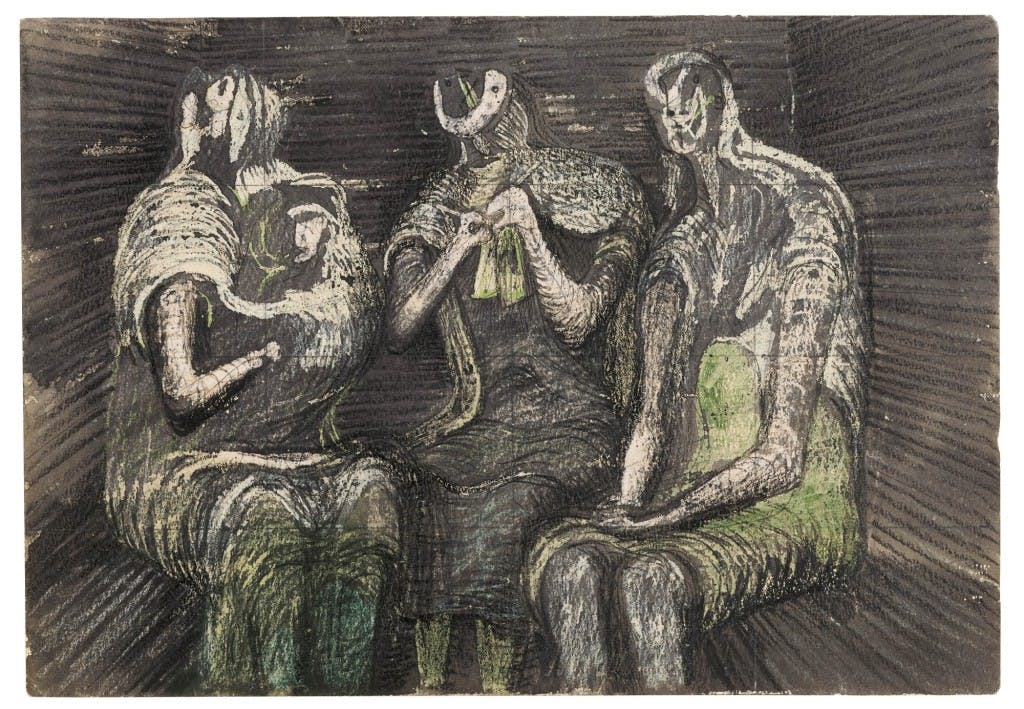
In 1932, Moore became the head of the sculpture department at the Chelsea School of Art in London. But at World War II's outbreak, the school, like many other institutions, closed. In September 1940, his home studio in Hampstead was bombed. Moore and his wife, Irina, moved to Hertfordshire, and he started drawing depictions of the horrors of war.
During the bombings, Londoners sought shelter in the Tube. Moore's poignant sketches were released in 1945 under the name of Shelter Sketchbook and have been described as some of the most iconic depictions of the war.
7. He created many works for public view
Henry Moore received numerous public assignments during his lifetime. The first was called West Wind (1928-29) and was placed above the entrance to the London Underground headquarters. In the 1950s, Moore increasingly commissioned sculptures for public view. The artist, who thought public art had an important role to play in society, donated many works to various foundations and institutions on the condition that they would be placed in public. At the end of the 1970s, Moore's works appeared in more than forty different exhibitions annually.
See also: Tony Cragg: Sculptor of Energy

8. He is the second most expensive British modern artist
After Francis Bacon, Moore is the most expensive modern British artist with the $35.7 million sale of his Reclining Figure: Festival in 2012. The artist, who died in 1986 at the age of 88, lived to see great critical and financial success and is considered the leading British modern sculptor. Today, the Henry Moore Foundation, founded by Moore in 1977, manages his home as a sculpture centre and provides grants to support contemporary artists.