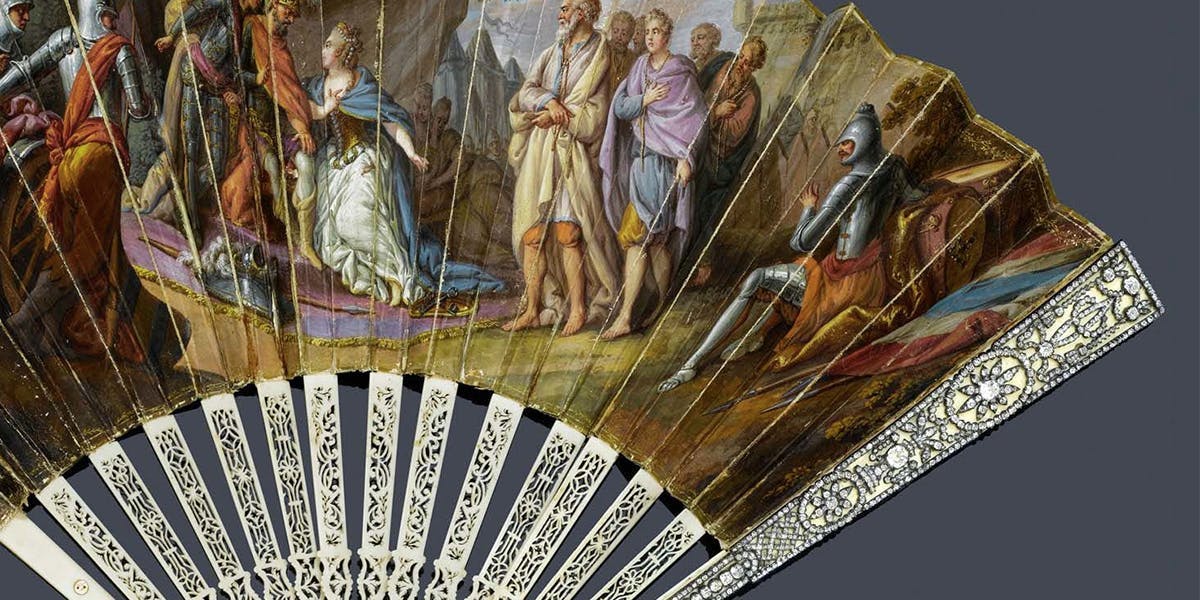
The fan has been known in Europe since ancient times. Depictions from a kingdom on the Nile show a slave discreetly waving a long-handled fan to cool the pharaoh, and corresponding fans were discovered in the 1920s in Tutankhamun's tomb. Aristocratic Greeks and Romans were also happy to make use of such a service, often using smaller hand fans.
Related: Fashion Comes to a Head: The History of the Hat
At the end of antiquity, the long-handled fan fell out of fashion in Europe. Only the Christian church rediscovered it and used it in liturgical ceremonies, on the one hand to create air flow in the heat and on the other to simply drive flies away from the hosts.
In the high and late Middle Ages the hand fan was popularized in Europe again when it was brought back from the Orient by crusaders. This fan consisted of a stiff sheet that could not be folded. But it became a status symbol, as expensive and exotic materials such as peacock or ostrich feathers were used in their manufacture.
The fan was also a status symbol in the Far Eastern homeland of the folding fan. In imperial China, only the emperor himself, members of his family and the highest dignitaries were allowed to refresh themselves with fans.
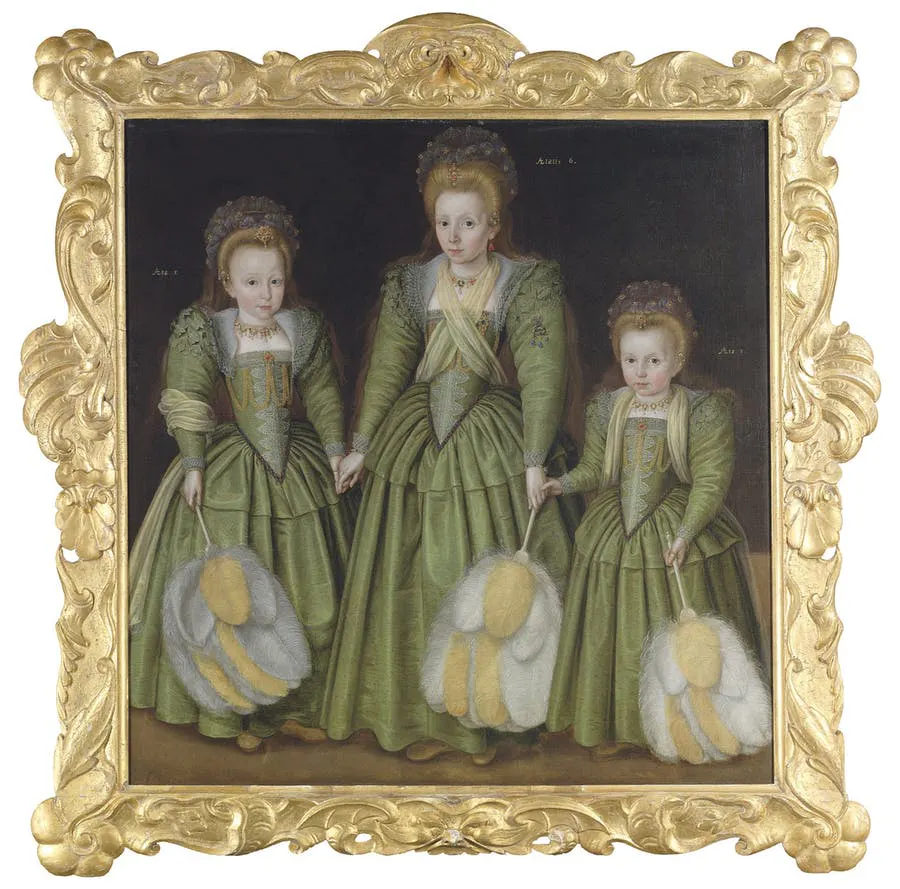
The folding fan made its way to Europe when the Portuguese first expanded their maritime trade in the early 16th century to China. On the way back, the bellies of their ships were not only filled with silk, jade and spices, but also fans.

The folded version of the fan also remained a status symbol that was reserved for the wealthiest women, such as aristocrats. Fan fashion was at its peak in the 18th century, with Paris, the fashion capital of the world, as its center. Production flourished and around 500 fan manufacturers had settled in and around Paris. Added to this was production by housewives who wanted to earn some extra money by embroidering fans with beads, sequins or lace.
Related: A Brief History of Furniture Design
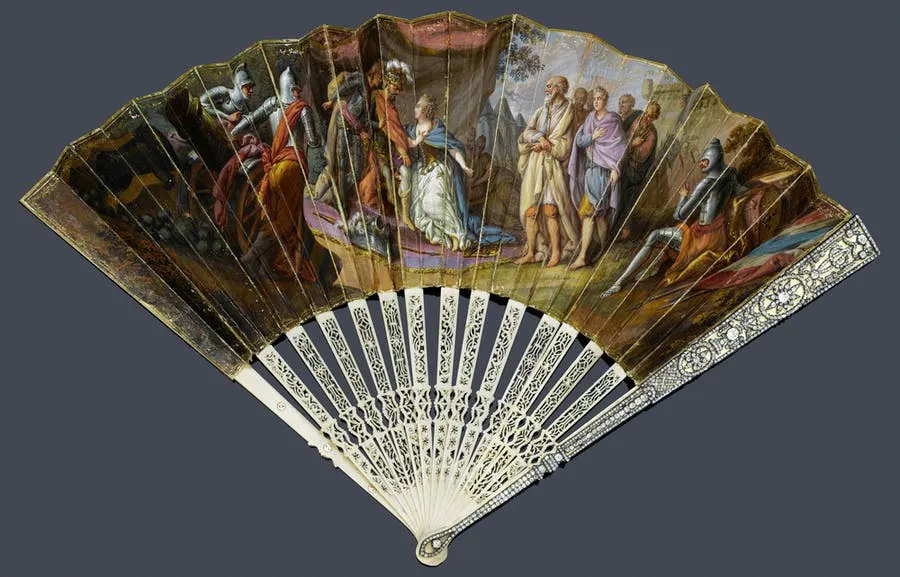
The leaf of the fan offered plenty of space to present a beautiful motif. First they were painted with historical or mythological scenes, for which paintings often served as models. In the gallant Rococo era, shepherd scenes were added, as were the chinoiseries that were popular at the time, reminiscent of the fan's country of origin.
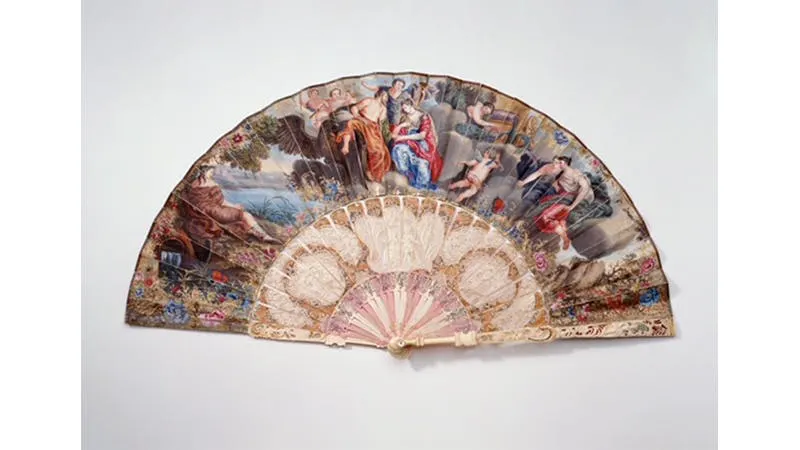
A fan could be designed at the customer's request, but numerous ready-made fans were also sold. As before, only the most valuable materials were used: fine woods, ivory or tortoise shell for the staffs, and silk, parchment or paper for the sheet, which was very expensive at the time. The so-called "swan skin" was also a popular choice, which was the very fine leather of newborn goats or lambs. Gold, silver and precious stones were used for further decoration, the latter especially on the outer cover rods.
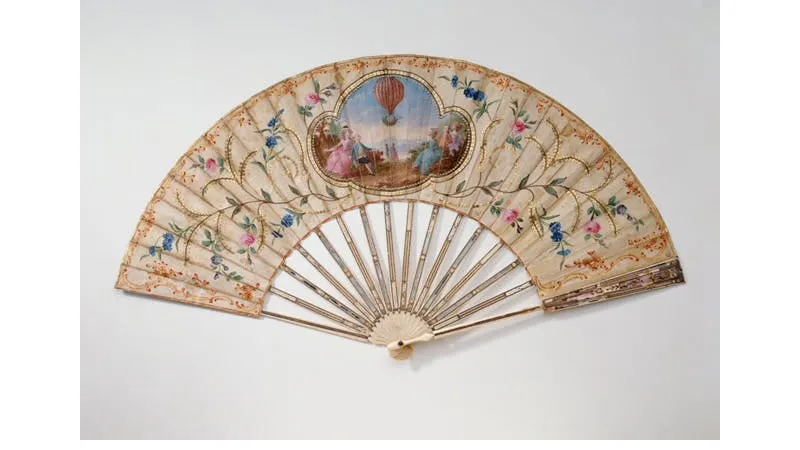
Another way of communicating with fans, which definitely developed over the course of the 18th century, was using the fan leaf to portray political or social events. In addition, the fan was gradually no longer just a privilege of the nobility. As the aspiring bourgeoisie took the stage on the eve of the French Revolution, the wives of bankers, tax tenants and army contractors were able to afford these expensive accessories.
Related: Not Just for Royals: A History of the Tiara
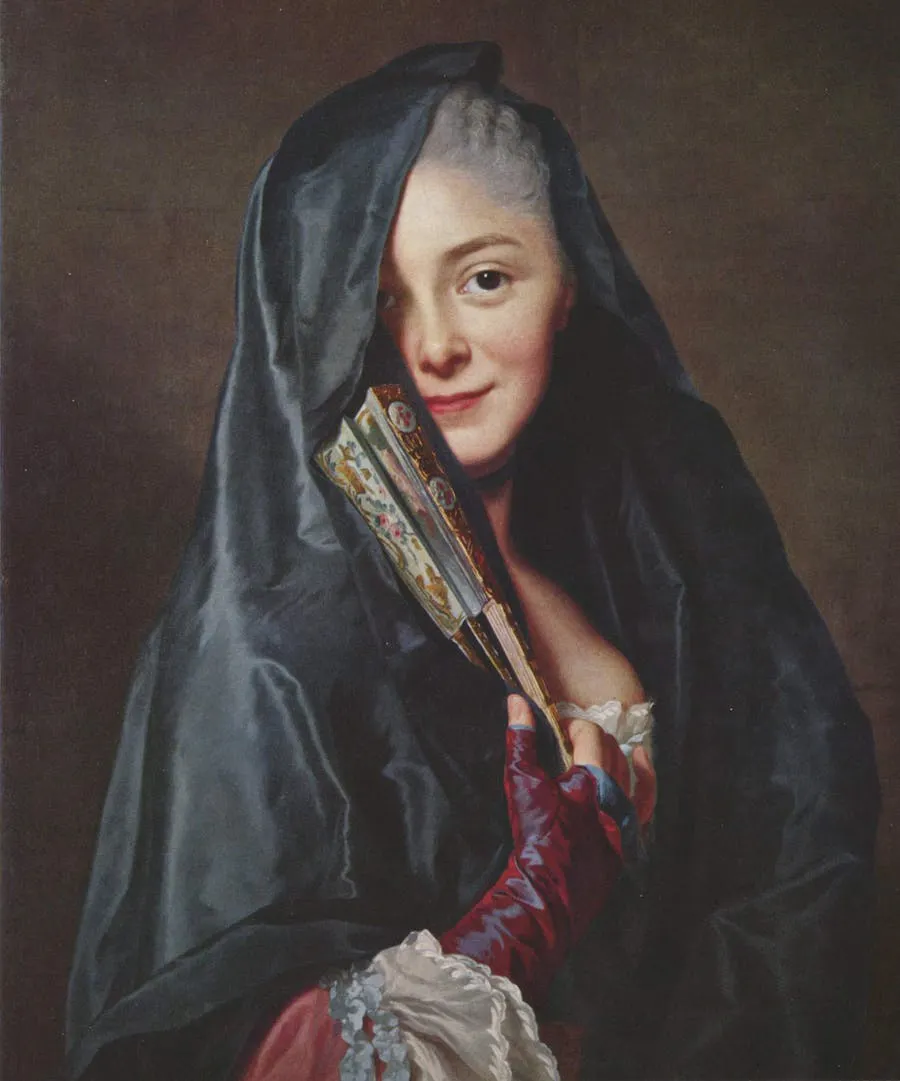
The advancement of fashion played a role in the manufacture of fans. Towards the end of the 18th century, for the first time in history, women began to wear an early form of handbags on their wrists in which to carry their most important items. The classic folding fan, or the variant of the "convertible fan", in which the leaf was divided into two, sometimes even three parts, did not fit into these small round bags. Out of this necessity the "telescopic fan" was probably invented, which could collapse the fan quickly and make it smaller.
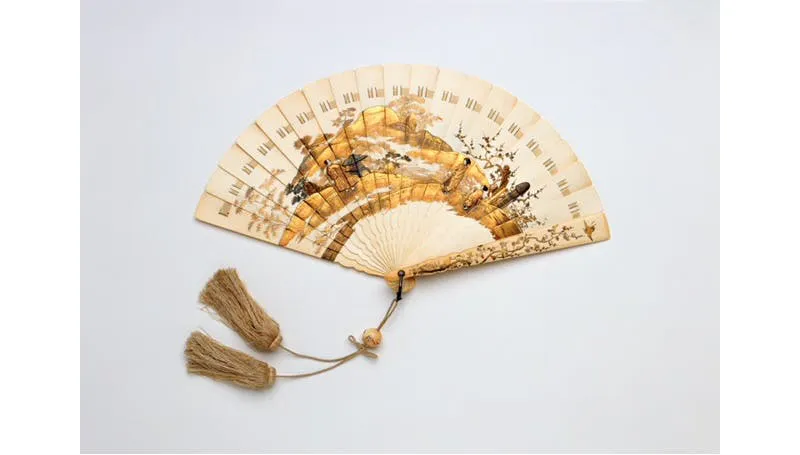
In general, fan production experienced an enormous slump after the French Revolution. Status symbols like these were no longer in demand, and the women's fashion of shirt-like Empire dresses required less cooling than the heavy silk fabrics of the Ancien Régime. If at all, the so-called "Brisé fans" were in demand, which did not have any leaves and consisted only of elaborately carved or painted sticks tapering downwards.
Related: The Eternal Appeal of Vintage Handbags
Fan fashion was revived around 1830 by the young and very committed fan manufacturer Jean-François Duvelleroy in Paris, whose company still exists today.
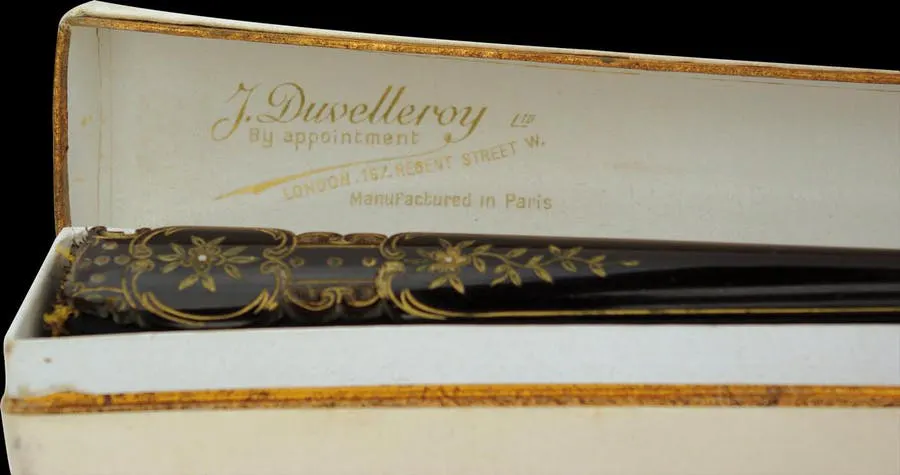
Since fans were now available to virtually everyone through the improved and more varied manufacturing possibilities that the Industrial Revolution had brought with them, women had to be even more careful that their fans emphasized their position in society.
Related: The Art of Fashion: Fashion in Art
An upper-class lady would change her outfit several times a day, and a matching fan would always go with the appropriate ensemble, whether walking, visiting, or attending a ball. In fact, there were differences between a morning, afternoon, and evening fan. The collection of a lady from the highest circles could then easily include 300 to 400 fans.
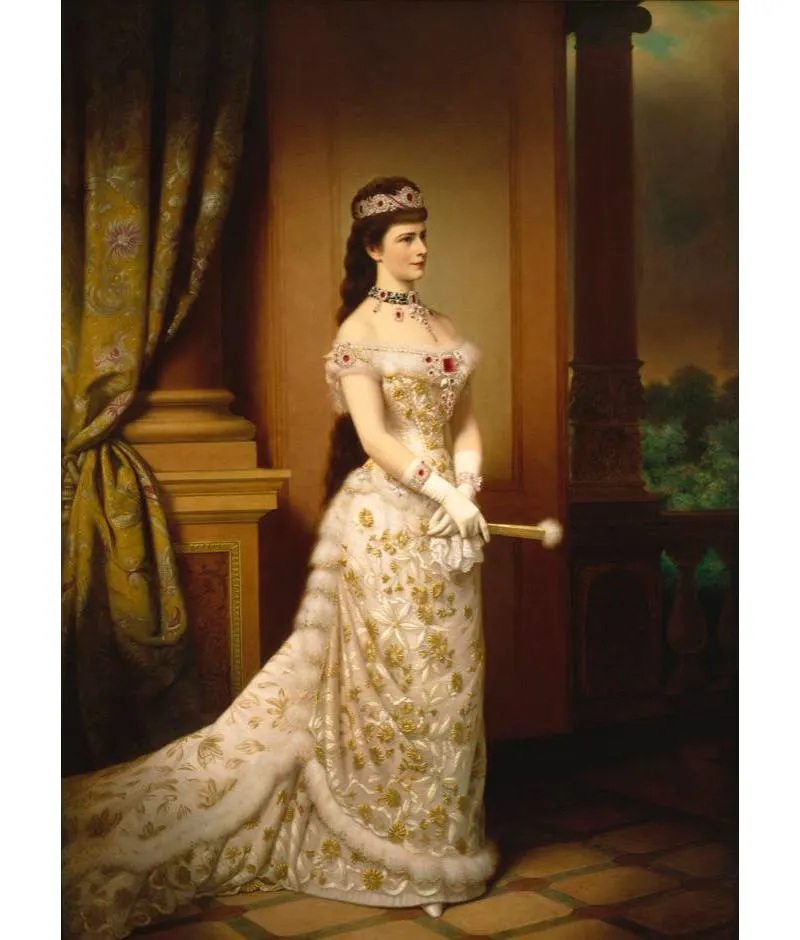
With this knowledge in mind, one can imagine the murmurs of Viennese nobility when it turned out that the dowry of the future Empress Elisabeth, who only came from a side line of the Bavarian royal family, contained only two fans in 1854. Later, the shy Empress never left her rooms without a fan so that she could immediately hide her face from any stranger she met.
Related: History’s Best Wedding Dresses
The importance of fan fashion was also emphasized by the tradition of "wedding fans". These were always passed on from mother to daughter on the wedding day and were usually decorated with corresponding motifs, such as historical or mythological marriages.
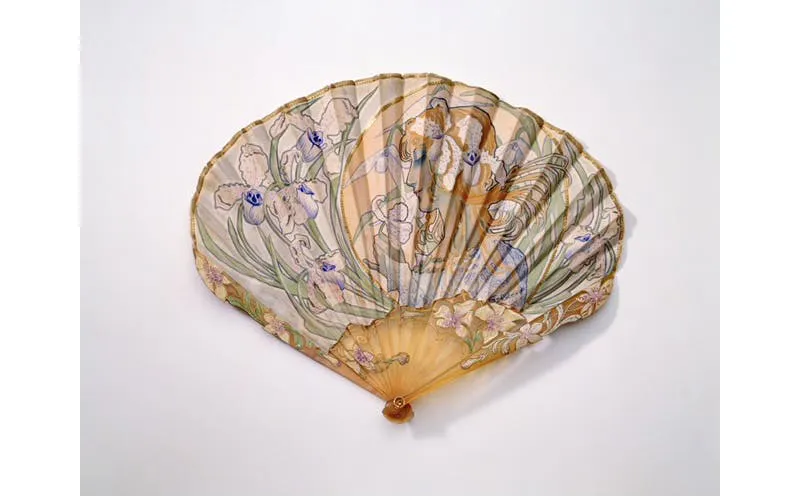
When Art Nouveau brought forth a new design language at the end of the 19th century, no one would have guessed that fan fashion would finally be doomed just a few decades later. Duvelleroy invented the popular balloon fan, which owes its name to its shape when unfolded.
Related: Art Deco: The Great Celebration
But as enchanting as this last major fan fashion was, by the 1920s the once-essential accessories were obsolete. On the one hand, this was once again due to the changes in fashion, which no longer wanted to have anything to do with long dresses and stiff corsets. On the other hand, the fan had to make room for a new accessory that was considered extremely chic: the cigarette.
After the ubiquity of the fan in the western hemisphere had gone up in smoke, so to speak, it was remembered by posterity primarily through costume films and flamenco dancers. However, a dedicated community of collectors was also established, which is now globally networked through interest groups such as the Fan Circle International (FCI) and has growing interest from Asia, where the fan is still widespread in everyday life.
Joining such a group, as well as visiting museums that exhibit historical clothing and fans, are the best places to go if you are looking to start collecting fans, or if you already have a fan collection.
You can also consult an online appraisal service or experts from auction houses. Fans are often only sporadically auctioned, but in all price categories, from a few hundred to several thousand dollars. You can use the Barnebys price bank to find out where fans have come under the hammer in the past.
Related: The Top Trends at Auction
What you have to keep in mind when collecting fans is that the purchase is not enough. A certain commitment is also required afterwards to protect the historical pieces, which are made of valuable and sometimes sensitive materials and can be affected by moisture, sunlight, worms and moths.
If you want to start collecting historical fans, you have chosen a collecting category that is not only interesting but also aesthetically very appealing. In any case, the effort to keep an eye out for these versatile treasures is worthwhile, in order to preserve these enchanting witnesses of the past.
I would like to express my heartfelt thanks to Ms. Maria Plet, head of the German Fan Museum in Bielefeld, whose specialist knowledge made it possible to find many interesting details for this article. Founded in 1995 as a foundation, the museum, which includes the outstanding collection of Marie-Luise and Günter Barisch, is one of only three museums in the world dedicated specifically to the fans. The other two fan museums are found in London and Healdsburg, California.
For articles on other collecting areas see Barnebys Magazine