![Photo by Pascal Le Segretain / Getty Images [detail])](https://images.prismic.io/barnebys/f7a754db-f343-437d-8fe8-95885a525e18_t9.jpeg?auto=compress,format)
The origins of the tiara go back to antiquity. For the Greeks, a tiara (also known as a diadem) was initially a simple headband made of fabric, which was worn mainly by the winners of the Olympic Games (the Greek word diadema means "headband"). As a symbol of authority, diadems crowned the heads of Persian shahs, Egyptian pharaohs and Hellenistic kings. It was not until the 3rd century that the diadem also came into fashion under the emperors of the Roman Empire.
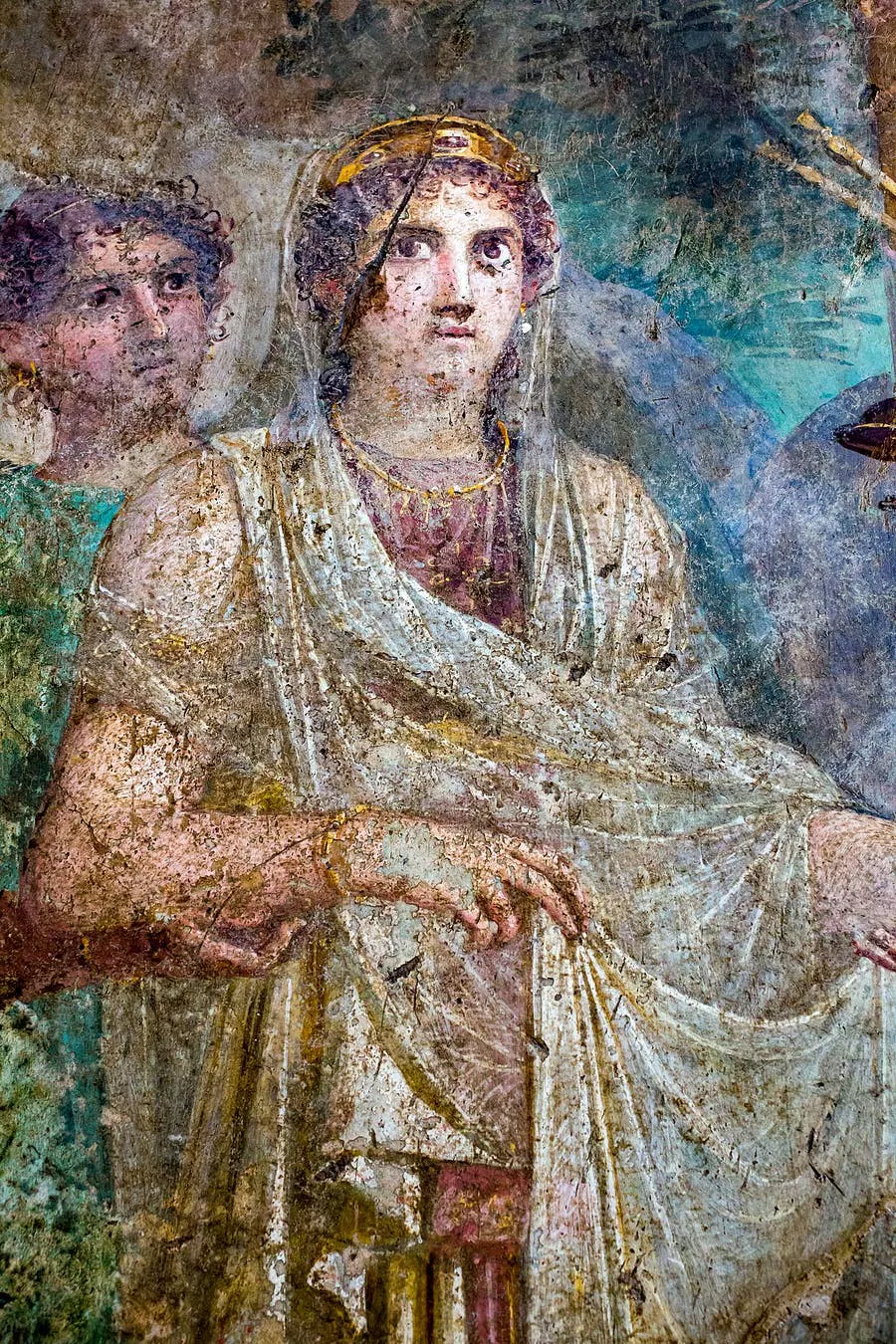
Their wives were two centuries ahead of them. As early as the 1st century, they adorned their heads with headbands that rested like a crescent moon in their hair. Though tiaras had also been worn in the Eastern Roman Empire (Byzantium), they went out of fashion in the Middle Ages, when women mostly hid their hair under hoods.
Related: Diamonds: An Iridescent Investment
In the centuries that followed, tiaras were largely forgotten. This only changed when styles from antiquity were revived in the late 18th century. The ladies wore high-belted shirt dresses reminiscent of Roman tunics and tiaras in their hair.
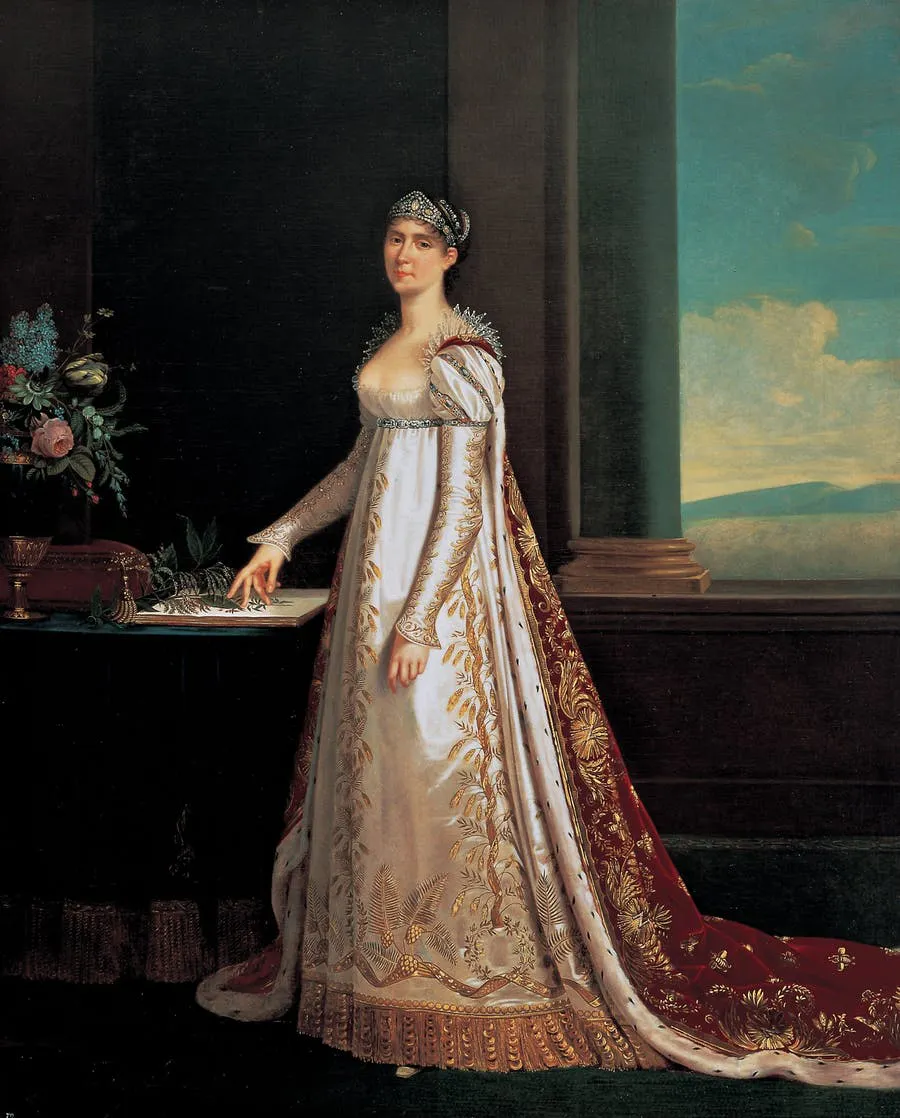
Empress Joséphine had a particularly large number of tiaras, often as part of magnificent jewelry sets that Napoleon gave her. As generously as Joséphine received presents, she also gave presents to others. She gifted her granddaughter, who became Queen of Sweden, some of her jewelry, including her cameo diadem, which was last worn by Crown Princess Victoria at her wedding.
Related: Queen Josephine's Pearl Necklace at Auction
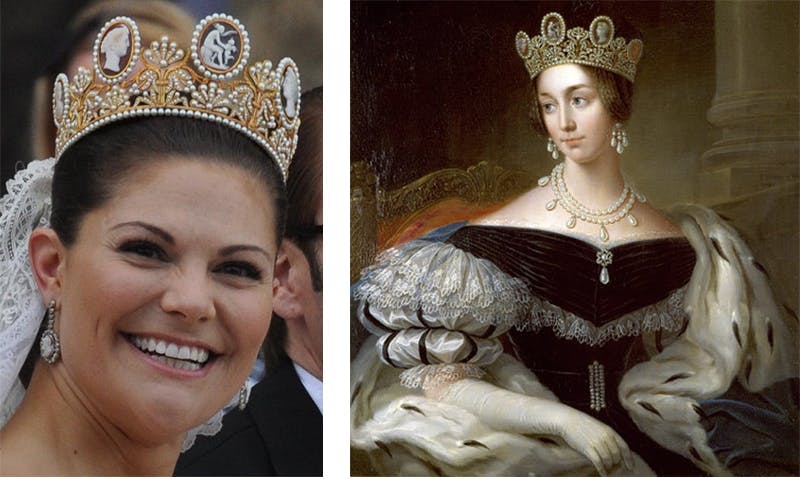
From thereon out, tiaras were an indispensable part of the jewelry repertoire of noble ladies and complemented ball and state robes. Each ruling house had magnificent specimens made for its ladies, which consisted of sparkling diamonds, shimmering pearls and other fine jewels.
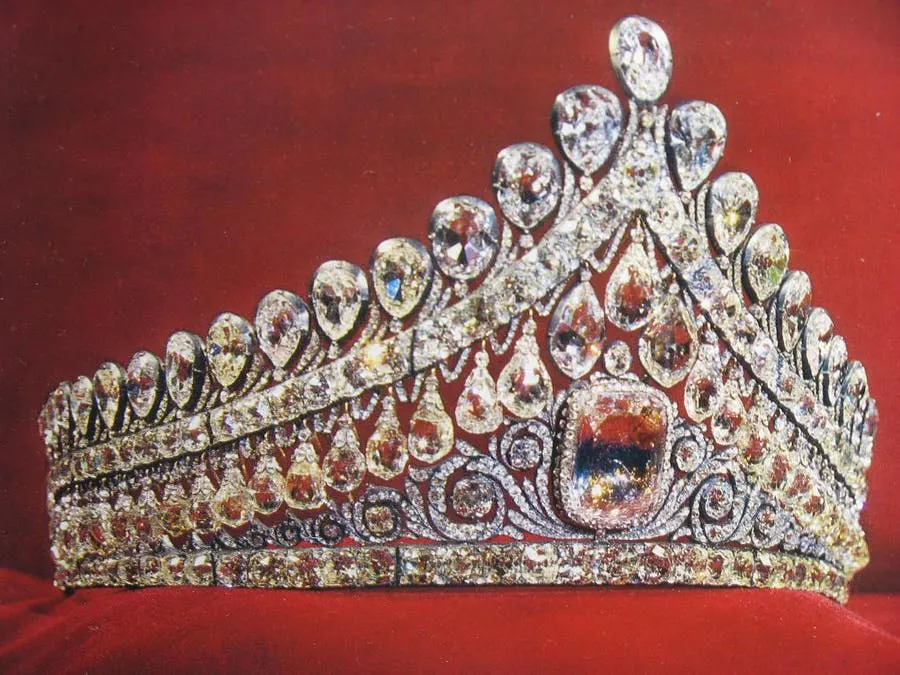
The way to wear a tiara changed at the beginning of the 20th century and adapted to fashion styles. In general, narrow headbands were back in vogue, which were more reminiscent of the original headbands of ancient athletes than of the splendid status symbols of the aristocracy.
Related: Two Royal Fabergé Tiaras Sold in Geneva
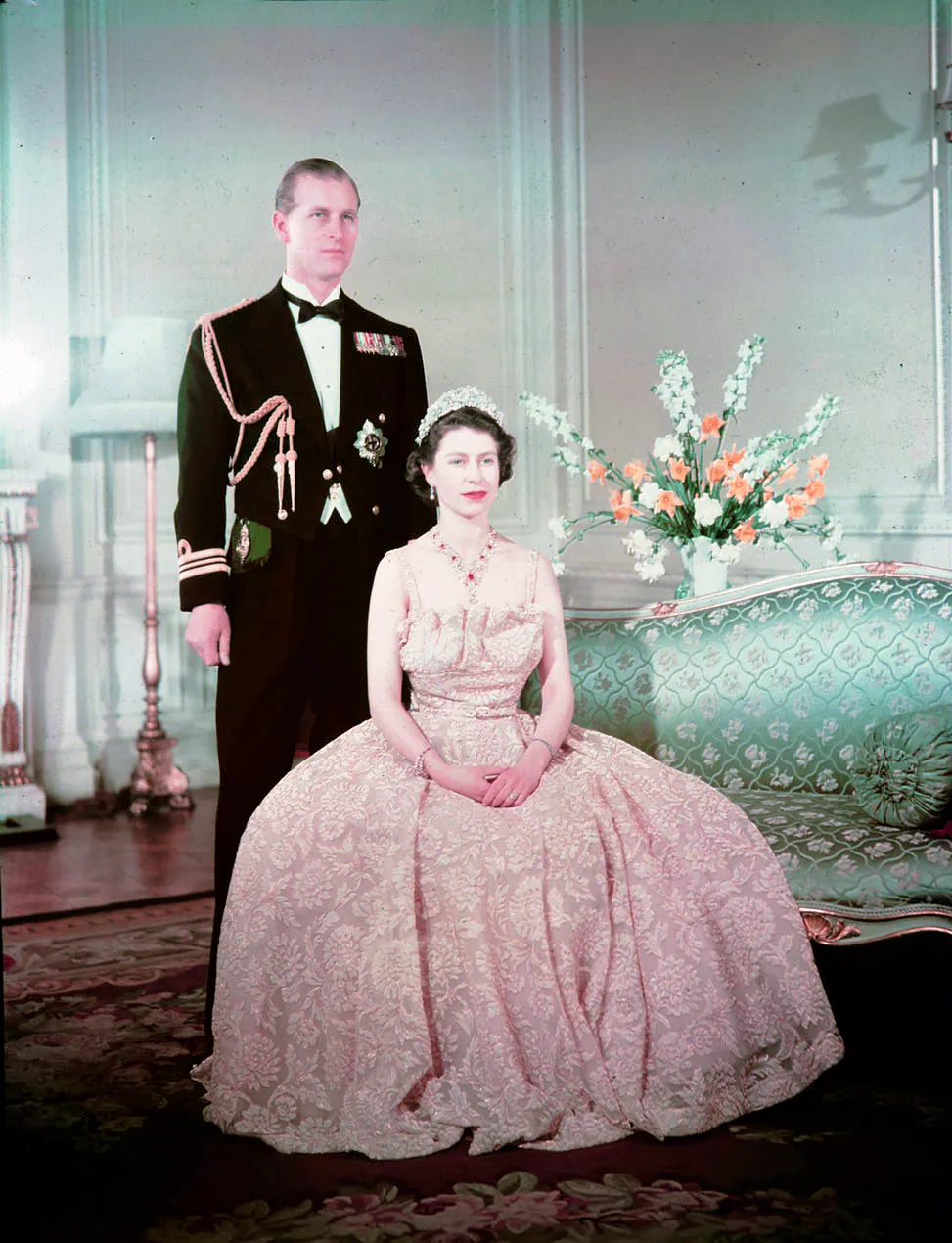
The most famous collection of tiaras today is undoubtedly that of Queen Elizabeth II. Which tiara each royal bride borrows from the Queen is almost as eagerly awaited as the wedding dress design.
Also read: History’s Best Wedding Dresses
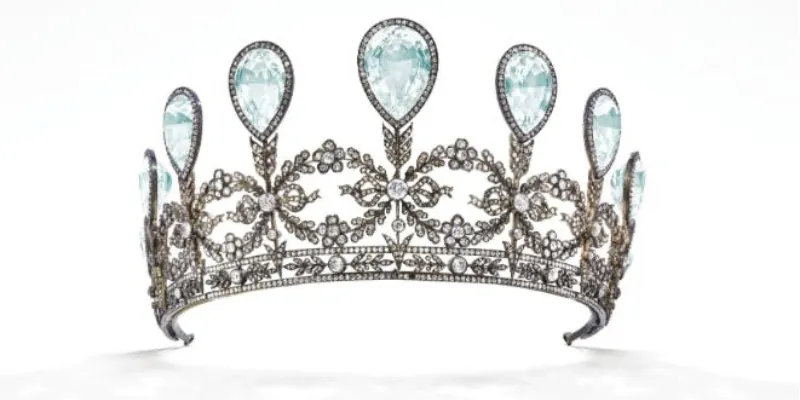
The current interest in these prestigious pieces of jewelry is also reflected on the auction market. Large sums of money are paid for diamond-studded tiaras, especially if they have an interesting provenance. For example, a tiara designed in 1904 for Princess Alexandra of Hanover, in celebration of her marriage to the Grand Duke of Mecklenburg-Schwerin, Frederick Franz IV sold at Christie's for $1.03 million in 2019.
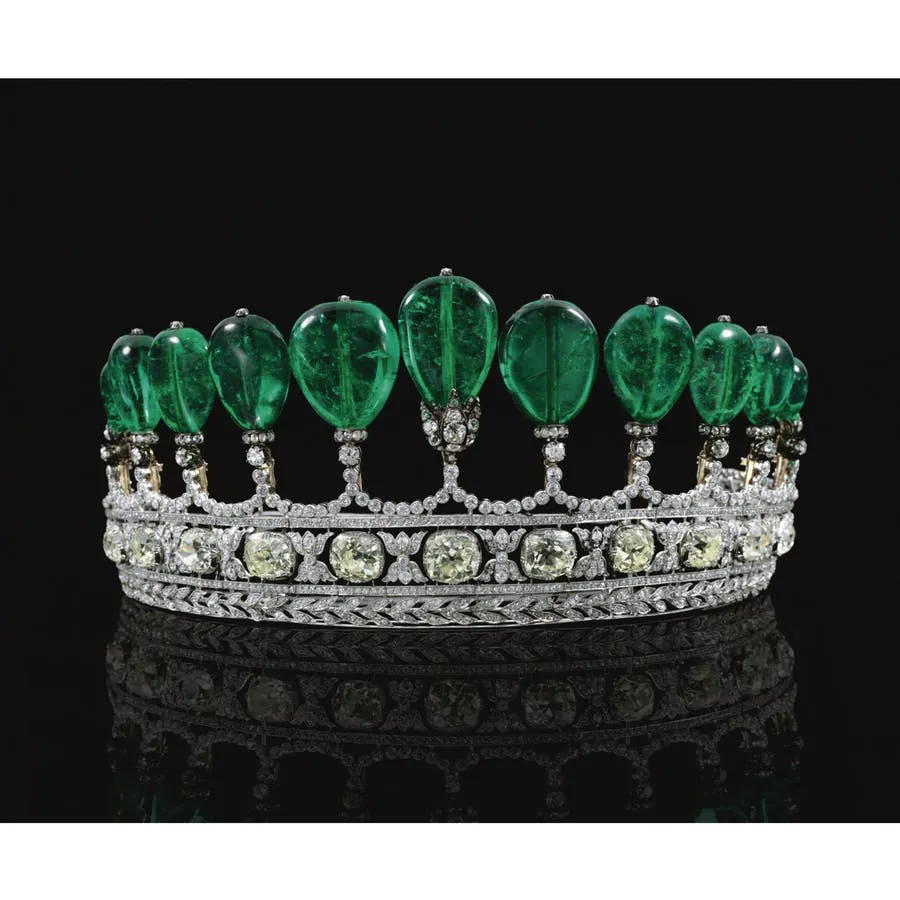
However, the most expensive tiara in auction history to date was auctioned off in 2011 by Sotheby's in Geneva for $12.7 million. The commissioner of this piece was Prince Henckel von Donnersmarck as gift to his second wife Princess Katherina Henckel Von Donnersmarck. The eleven emeralds incorporated in it once belonged to Empress Joséphine.
You can find many more articles on jewelry and collectibles on Barnebys Magazine