In 1790, the silk industry in the Scottish town of Paisley faced a crisis. A gradual shift in fashion towards lightweight cotton garments resulted in a diminishing demand for heavy and opulent silk fabrics. A solution was needed, and it materialized in the form of large exotic woolen shawls from the Kashmir region in northern India. These shawls, worn by upper-class men in that region, were brought back by British soldiers of the East India Company. In Paisley, the decision was made to replicate these exquisite and remarkably expensive scarves. This marked the birth of the paisley pattern, still prevalent in the fashion world today, drawing inspiration from the Persian boteh pattern found on some of the imported scarves.
In 1790s France, however, there was no sign of an emerging fashion trend, particularly as the number one fashion hub, Paris, had yet to take notice of Kashmir shawls. While France had previously embraced English fashions, such as the robe à l'anglaise around 1770 and the riding coat that transformed into the redingote in women's wardrobes during the 1780s, the late 18th century saw France and England at war. This conflict resulted in a prohibition on the import of English goods into France in 1796.
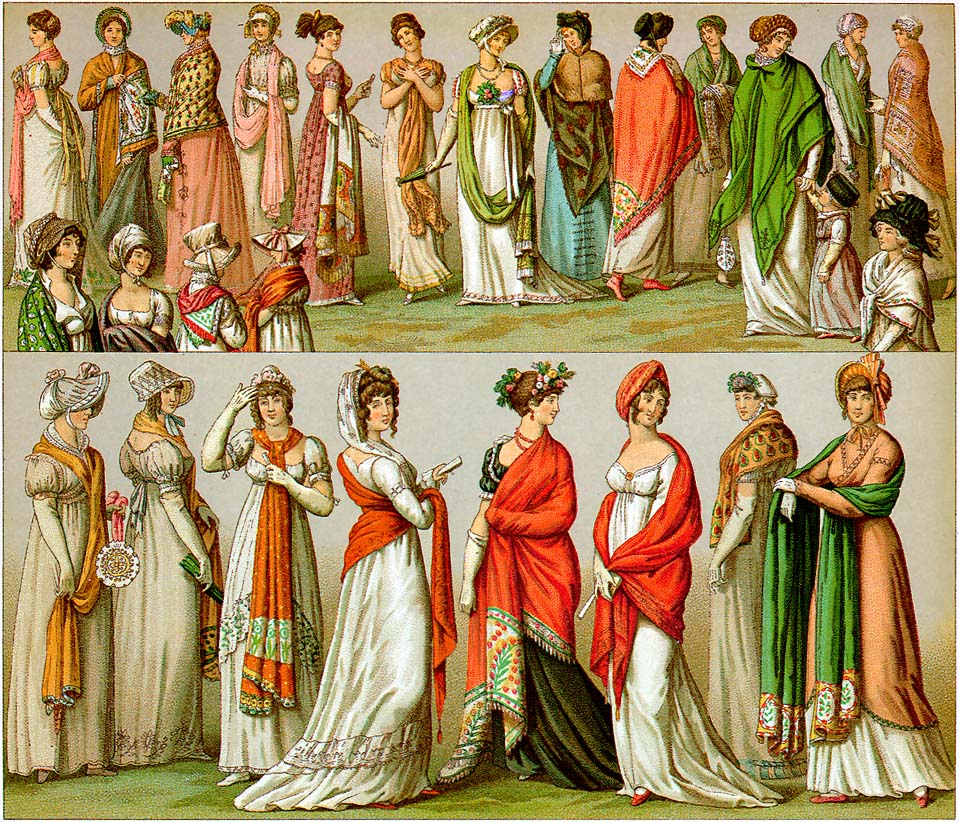
The Directory had governed Paris since 1795, but the standout figure was Napoleon Bonaparte. Following his triumphant Italian campaign in 1796-97, he assumed supreme command of a military expedition to Egypt in 1798, whose objective was to undermine England's trade with Asia and enhance France's trade connections. The expedition also included scientists, whose findings laid the groundwork for Egyptology.
Related: Why is Napoleon So Popular at Auction?
Napoleon stayed busy in Egypt, though he always made time to write to his beloved wife, Joséphine, in faraway France and send her gifts. One of these gifts – a bunch of Kashmir shawls, received mixed feedback. In a letter to her son Eugène, who was in Egypt with his stepfather, she described the shawls as extraordinary and surprisingly warm for their light weight, but she found them rather ugly. At that point, Joséphine couldn't see a forthcoming fashion trend.
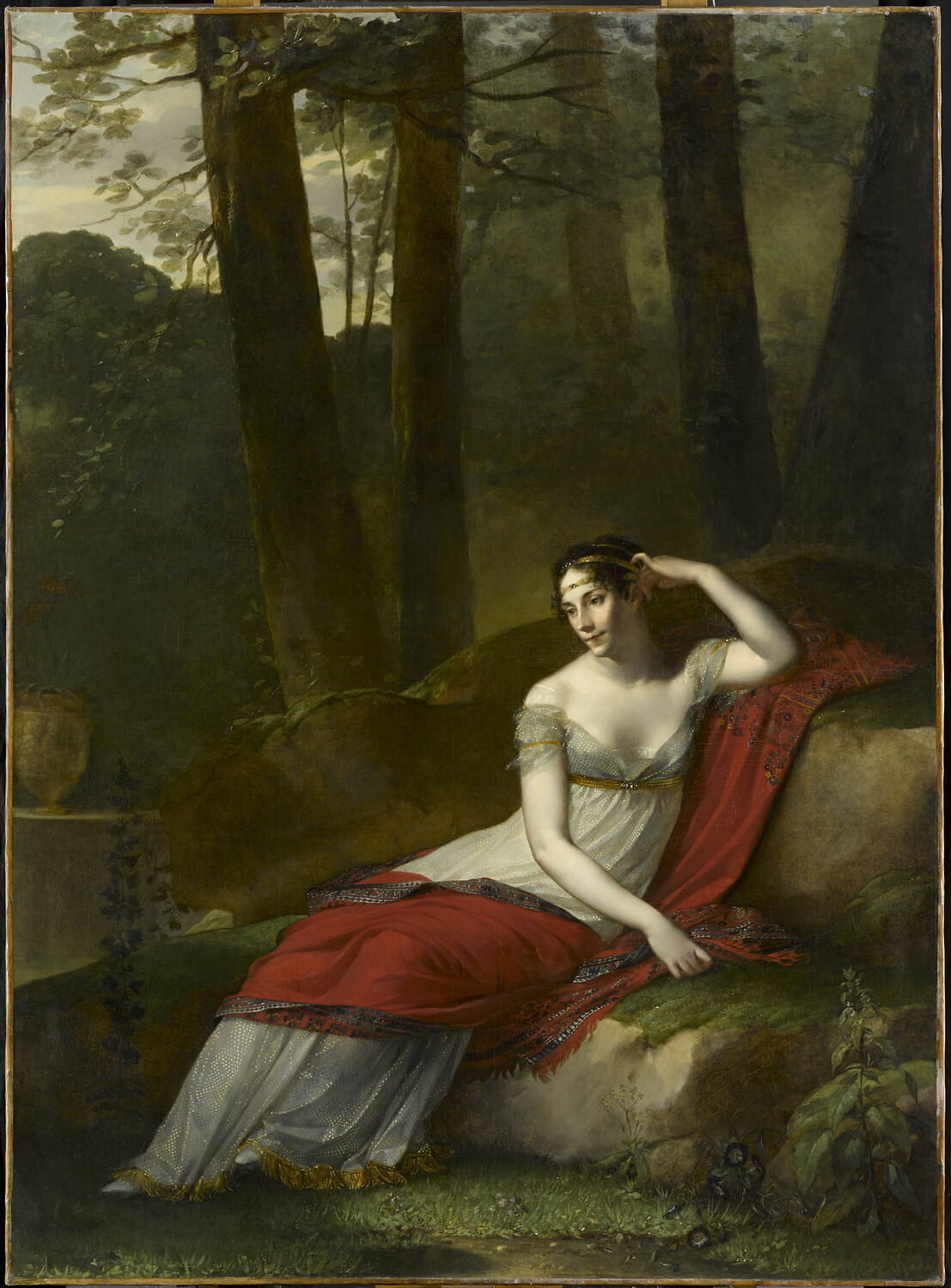
However, it didn't take long for Joséphine to have a change of heart. One anecdote from 1800 even suggests that cashmere scarves saves Josephine's life. On the evening of December 24, as the then First Consul and his wife (residing in the former royal Tuileries Palace) set off to attend a performance of Haydn's oratorio The Creation at the opera, Bonaparte hurried ahead in a carriage, while Joséphine, her daughter Hortense, and her sister-in-law Caroline were to follow in the next one. Joséphine, who had grown up in the tropical climate of the Antilles island of Martinique, had one of the warming cashmere scarves with her. Just as she was about to leave, Colonel Rapp, accompanying the ladies and a veteran of the Egyptian campaign, suggested that she should wear the scarf tied around her waist in the Egyptian manner. This delay meant that Joséphine's carriage had not yet reached Rue Nicaise, when an explosive device planted by royalist conspirators detonated.
Related: From Haydn to Hip-Hop: Music for Collectors
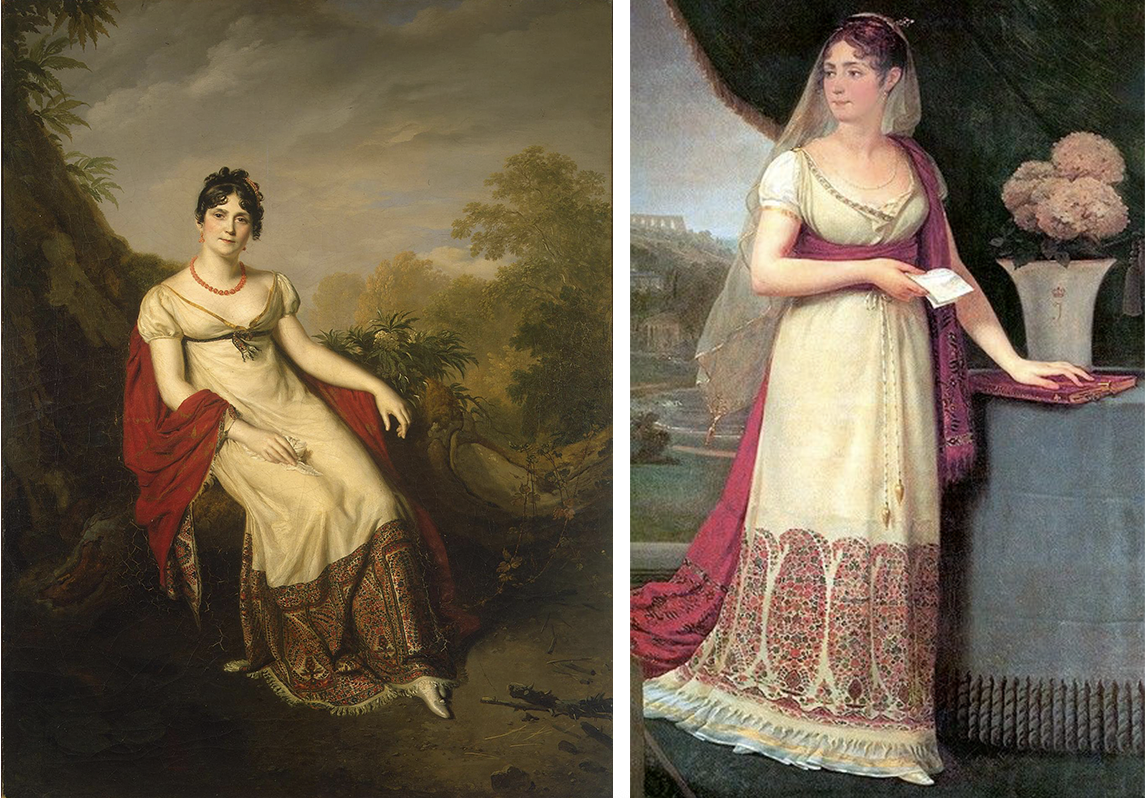
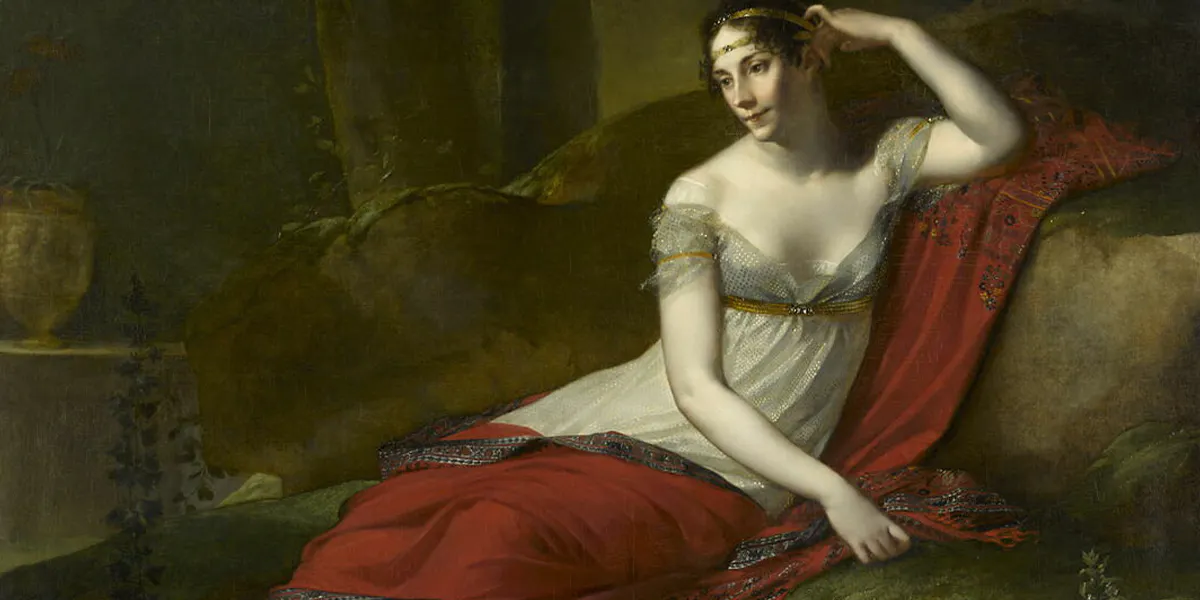
In nearly every private portrait from the following period, Joséphine can be seen wearing a Kashmir shawl (in official portraits as empress, from 1804, she dons purple coats with ermine trimmings). In reality, the women's fashion of that era, characterized by light, bright-colored fabrics in the antique style, sometimes required a warming complement. The Kashmir shawls proved to be an ideal choice, aligning seamlessly with the heightened fascination with the Orient stemming from the Egyptian campaign.
Related: 3 Female Painters of the French Revolution to Know
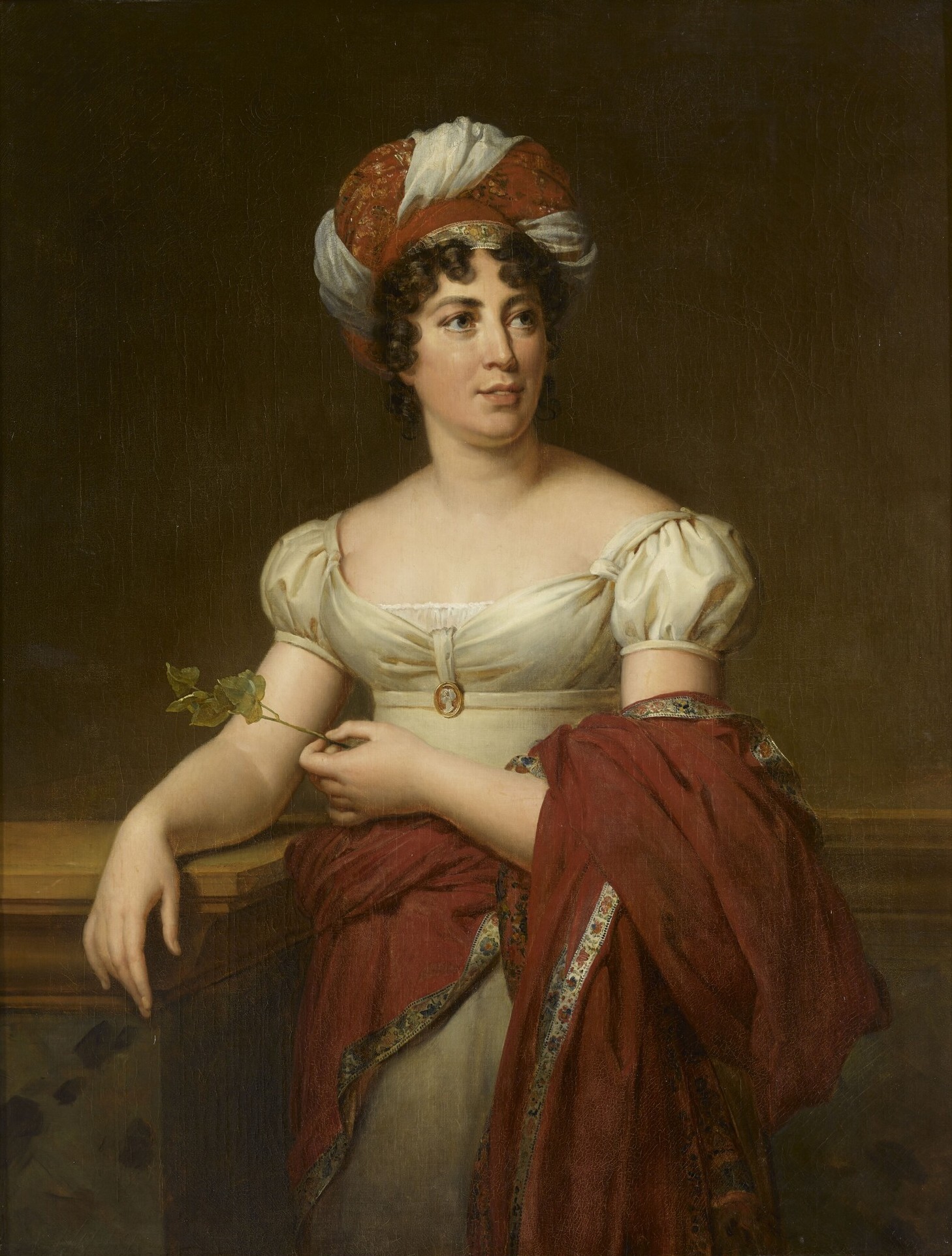
It is rumored that Joséphine owned several hundred Kashmir shawls, using them to drape over her shoulders, fashion into turbans, and even have tailored into dresses. Given Joséphine's status as the foremost fashion icon of her era, other ladies sought to emulate her style. Yet, owing to their intricate craftsmanship and the extensive import journey, these scarves became a pricey trend, with a single piece commanding several thousand francs.
Related: Élisabeth Vigée Le Brun: The Royal Favorite

To address the growing demand, a French production of cashmere wool scarves was established, spearheaded by Guillaume-Louis Ternaux (1763-1833). Ternaux transformed his inherited woolen weaving mill in Sedan into a true empire. Embracing innovation and experimentation, Ternaux boldly brought live cashmere goats to France instead of solely importing wool or yarn from Kashmir. In recognition of his accomplishments, Napoleon even conferred upon Ternaux the title of officer of the Légion d'honneur in 1810.
Related: Scarves: Status Symbol or Stunning Accessory?

Ternaux's creations were expensive, and not every man in Europe could afford to drape such a French luxury product around his wife's shoulders. Cheaper alternatives, including imitations from Great Britain (such as Norwich and, as previously mentioned, Paisley) or those crafted from more economical woolen fabrics or printed cotton, were produced in Germany and Austria.

As late as the 1820s, agents from France and England were actively navigating through Kashmir, aiming to bring fresh pattern ideas back home or, vice versa, to convey the preferences of European customers who continued purchasing the costly goods from the East.
Want more articles like this delivered straight to your inbox? Subscribe to our free newsletter!
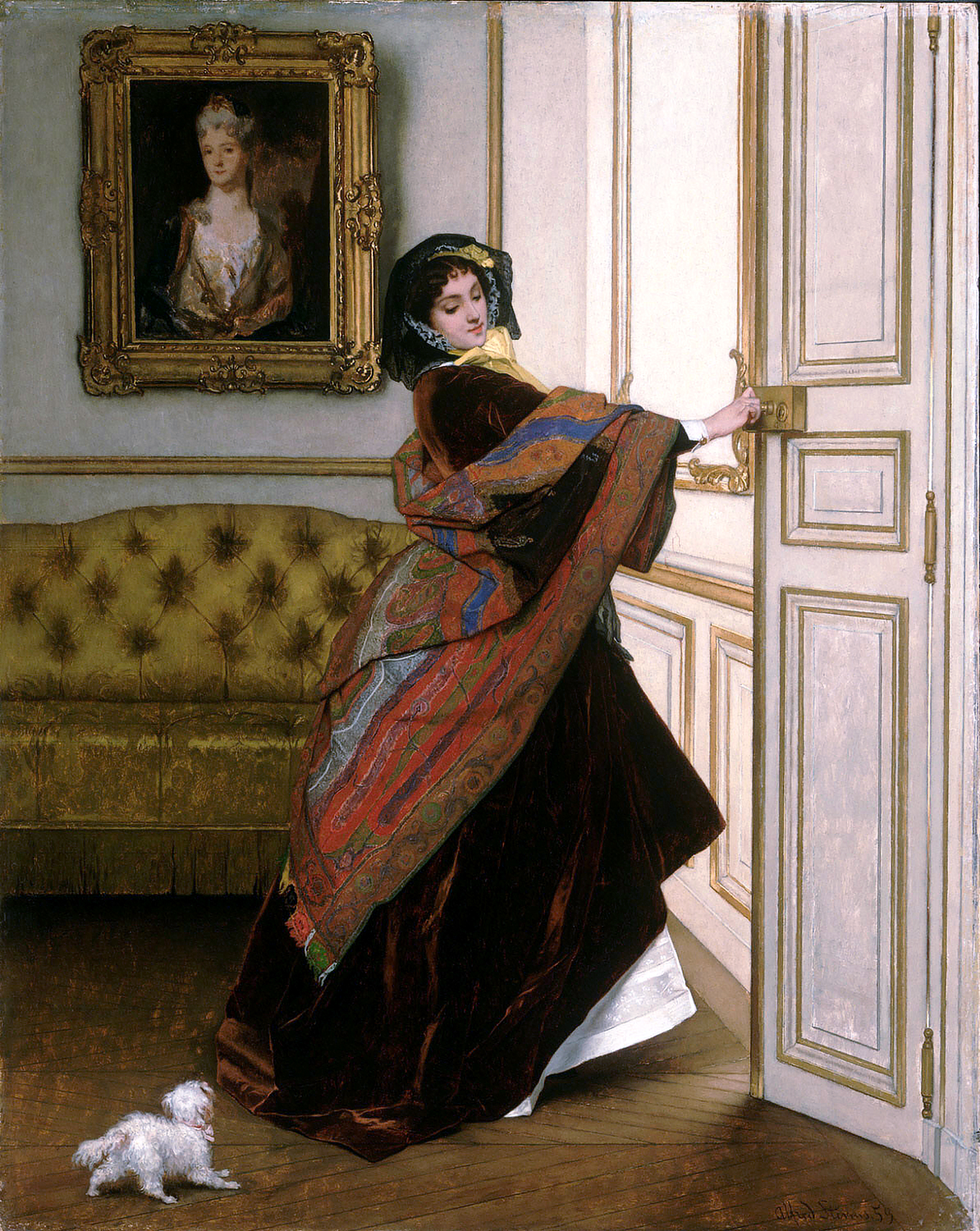
Nevertheless, like any trend, cashmere scarves were not destined to last forever. Although they kept being worn with expansive crinoline dresses in the mid-19th century, ladies began wanting coordinated jackets for their outings. The once cherished cashmere scarves, proudly passed down from mother to daughter and frequently part of a trousseau, started to appear outdated. Moreover, the advent of mass production using inexpensive fabrics meant that a cashmere-like scarf became affordable for anyone, often resulting in a compromise in quality.
Related: How Japanese Art Conquered Europe
In anticipation of the next burgeoning fashion trend, European fashionistas cast their eyes even further east for inspiration. The rise of Japonism was poised to influence various decorative domains over the coming decades, including fashion.