
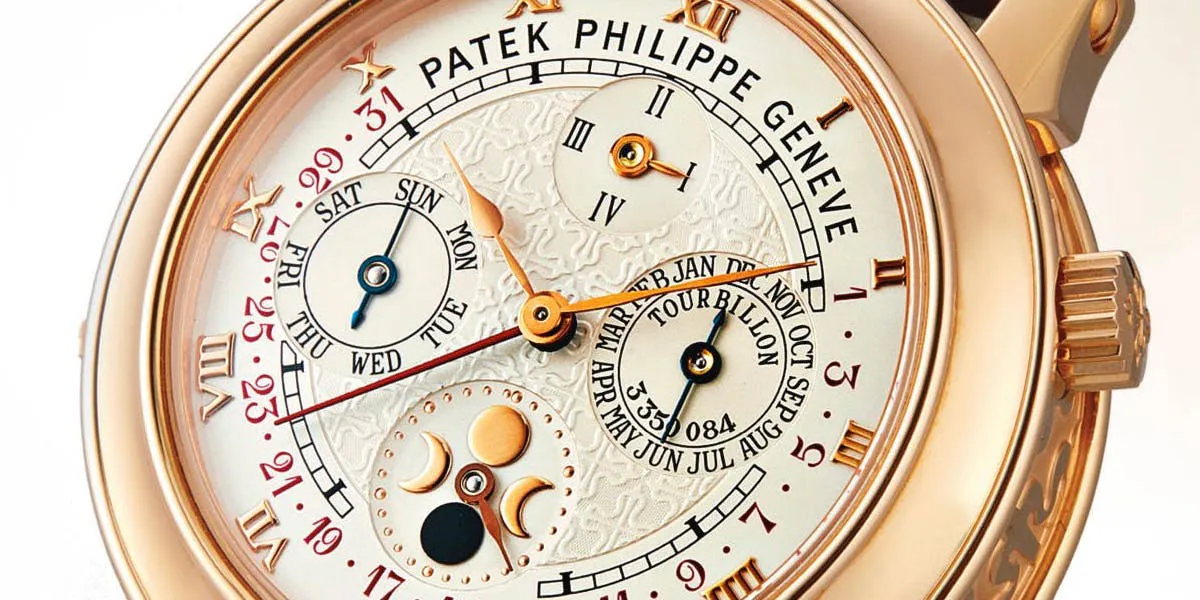
Carry time with you. It was around the 1910s that the very concrete, even quasi-revolutionary habit of no longer carrying a watch in a waistcoat pocket, or attached to the end of a chain attached to the trousers, began. Across the world, times have changed and it is now fashionable to wear time on one’s wrist, where everyone can see it.
Related: Who Wore The First Wristwatch?
A very useful piece of jewelry
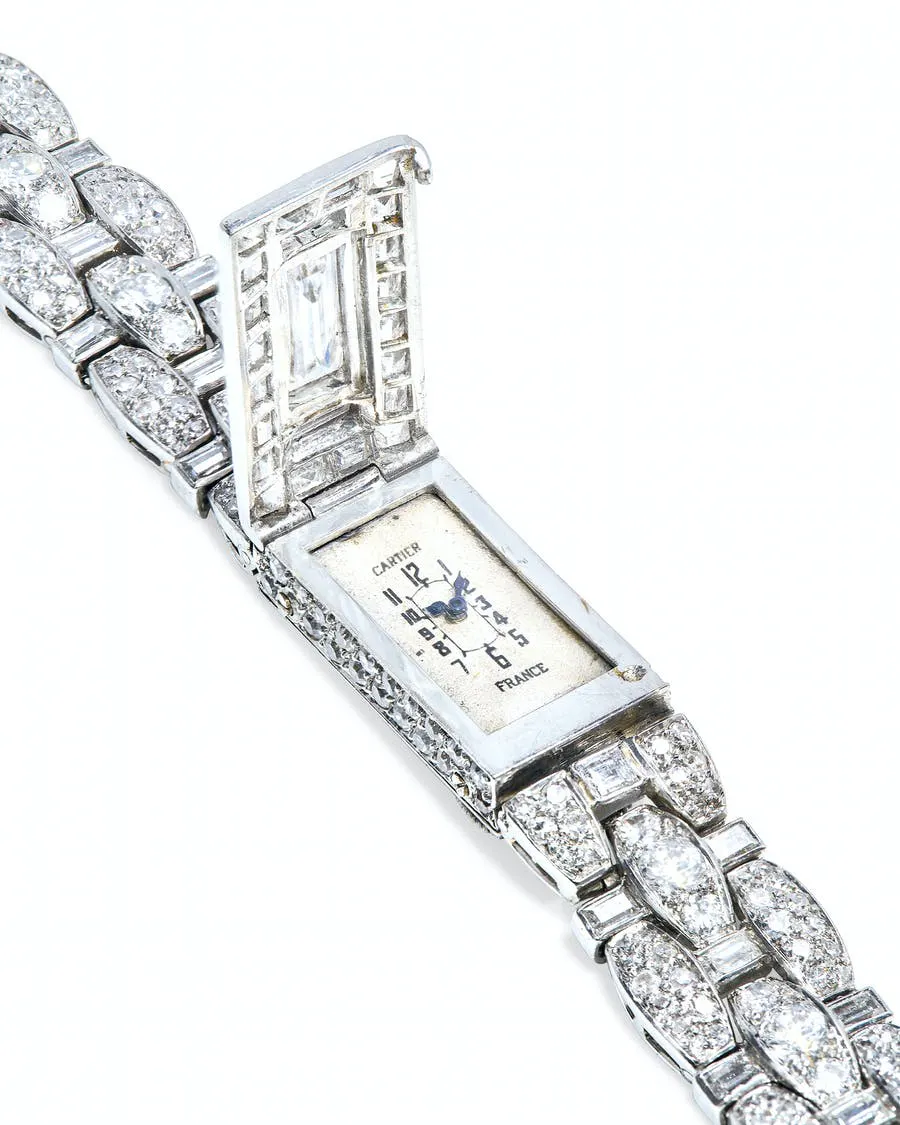
When North America discovered the wristwatch, no one quite believed it. They considered this invention a far-fetched idea, a slightly ridiculous whim with no future. It’s true that in the nineteenth century, the first wristwatches were defined above all as prestigious accessories, fashionable and precise items, intended for the crowned heads of this world. Examples include a model with complications, offered in 1810 to the Queen Consort of Naples, Napoleon's sister, by Abraham-Louis Breguet, or even the first examples set with diamonds, designed by Cartier in 1888.
Related: The 10 Most Expensive Watches Ever Auctioned
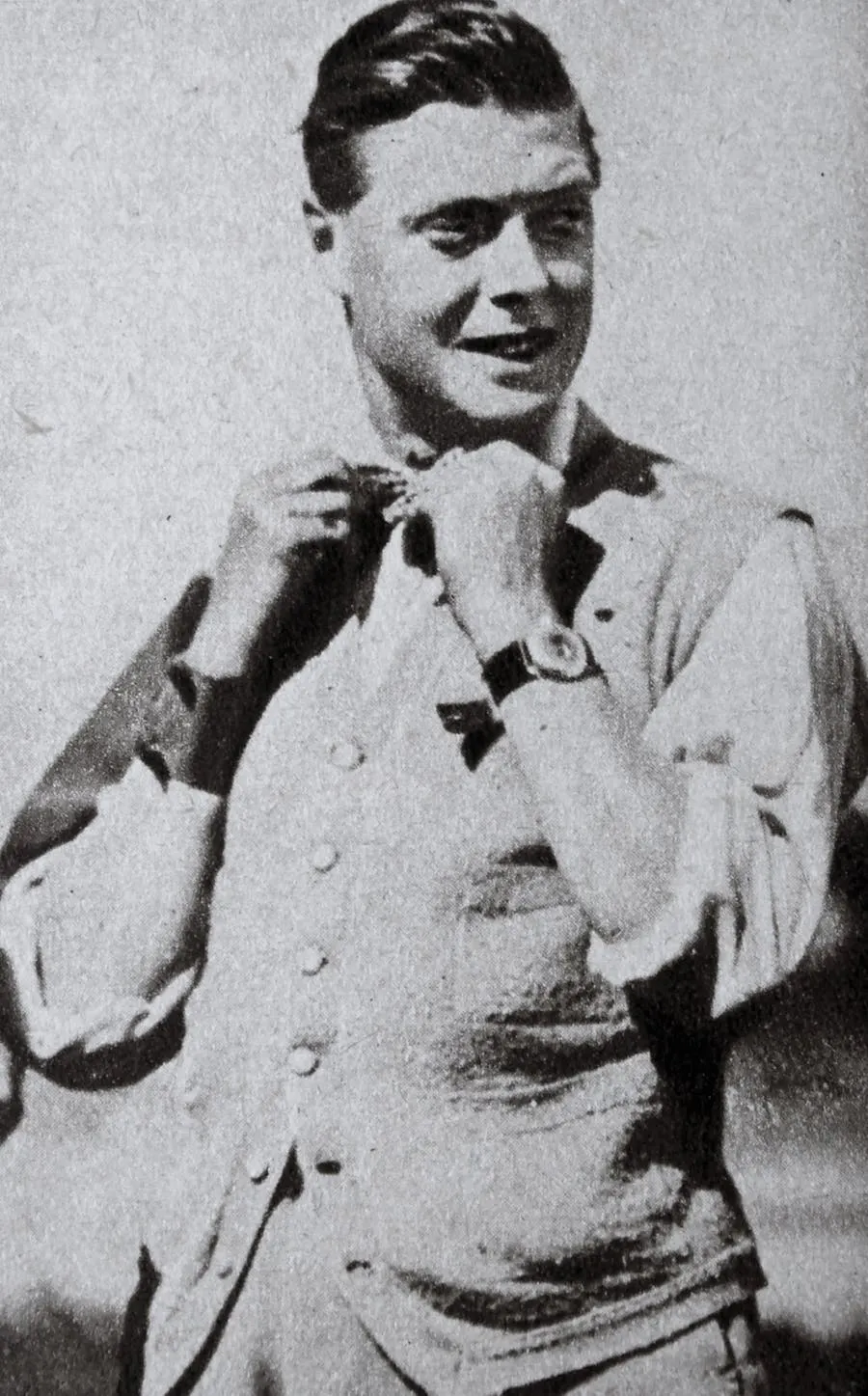
However, during the First World War, wearing a watch became compulsory for soldiers, especially in the trenches, where looking for the time in one's pocket became an extremely dangerous act. Thanks to its unbreakable glass and radium lighting, the wristwatch suddenly turned out to be very practical and imposed itself as military equipment capable of making the world safe, or almost. In any case, at the end of the Great War, its usefulness was no longer disputed, in Europe as in the United States. The watch attached to a bracelet finished convincing the slanderers and was able to quietly conquer the wrists of the whole world.
Well-oiled mechanics
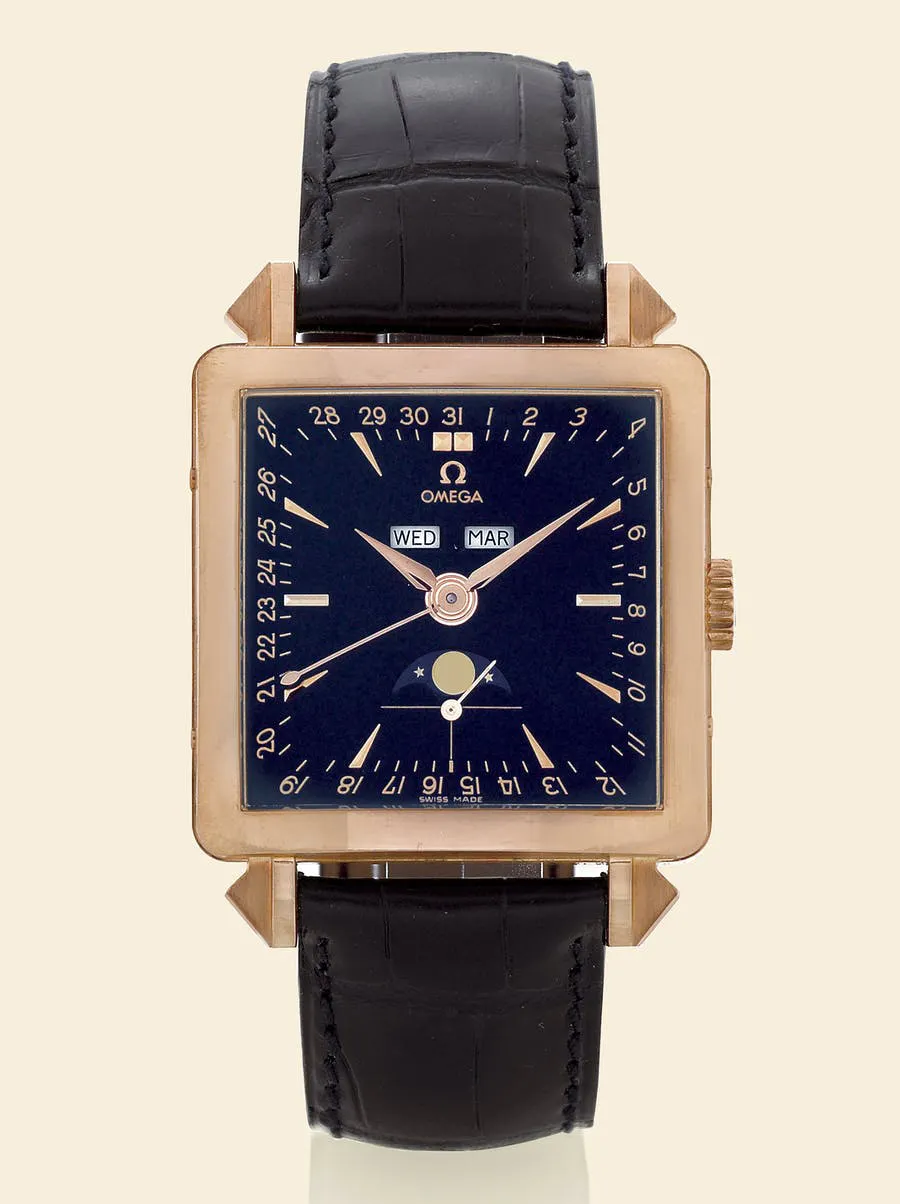
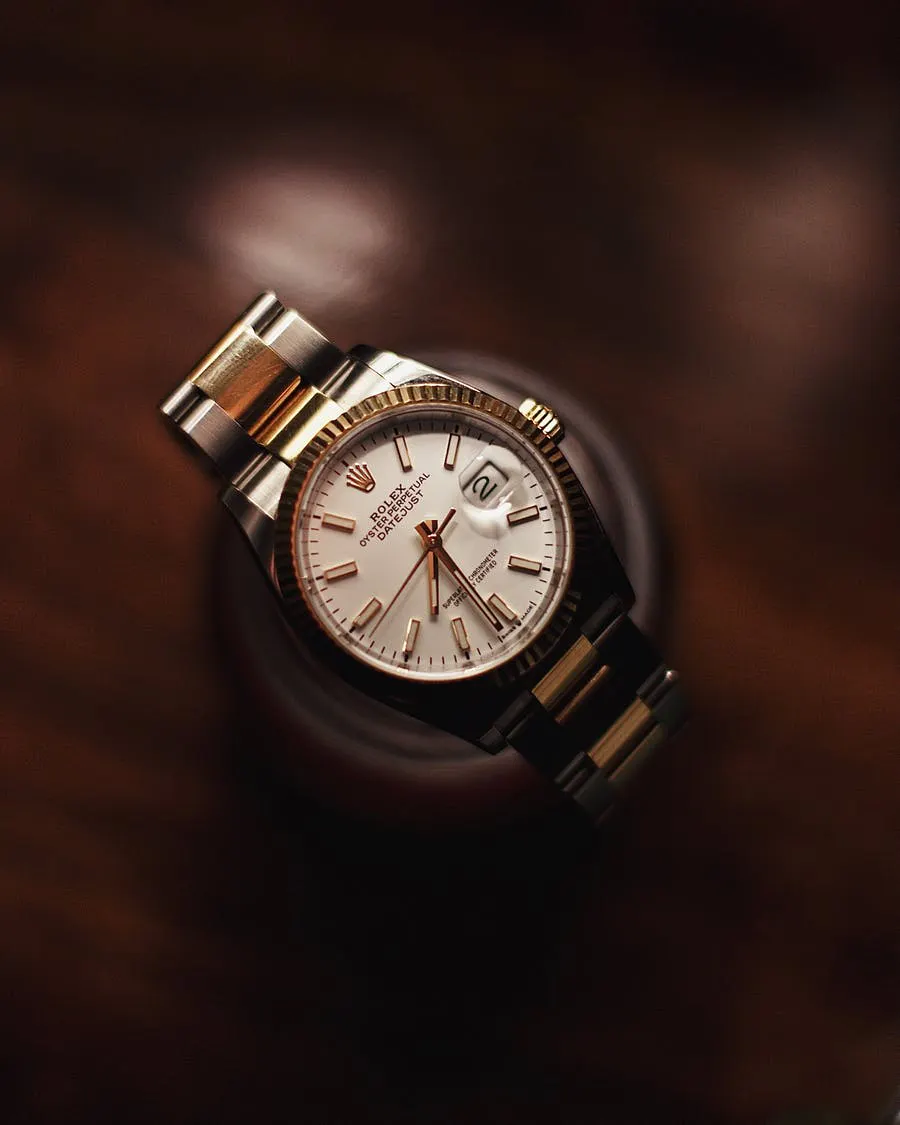
At the beginning of the twentieth century, the Swiss brand Omega took the lead in producing the first mass-produced wristwatch. In the 1920s, models became very reliable and shock resistant. The world of aviation was aware of this and getting up to date, adopting the Santos model by Louis Cartier. In 1926, John Harwood industrialized the automatic wristwatch, followed a year later by the marketing of the first waterproof, the Rolex Oyster.
Want articles on watches straight to your inbox? Sign up to our free newsletter
From the 1960s, the wristwatch became a must-have accessory, for both men and women, without any age limit. This was the era of the first electric and quartz watches, respectively launched by Hamilton and Seiko. At the end of the 1970s, the alphanumeric display, from Japan, made its appearance, while on mechanical and analogue watches, new functionalities (compass, moon phases, alarm clock, etc.) regularly renewed an accessory in full expansion.
At the crossroads
Today, watchmakers continue to innovate, particularly on the aesthetic level. If the sector remains largely dominated by so-called classic or graphically hyper-sporty watches, creativity offers a whole register of watches with extravagant looks, not only in terms of shape and display, but also of pattern, material and, inevitably, price.
Related: The Top 10 Most Wanted Watch Brands
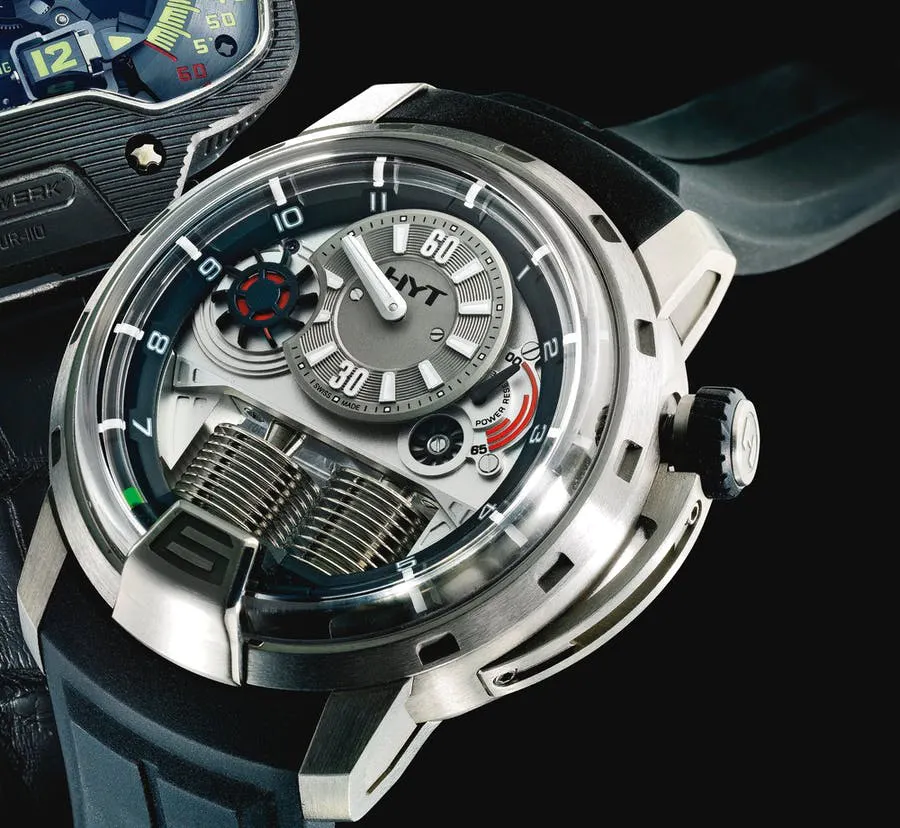
This is, for example, the case with the Boy.Friend from Chanel, with its skeletal full openwork parts, which reveal the ‘behind-the-scenes’ look of the ticking. Another example is the H²O model from the brand HYT, which instead of a needle hours, ignores the canons of traditional watchmaking by using a circular tube that fills with a colored liquid that progresses as the day goes by.
Related: A Growing Movement: The Rise of Vintage Watches
As a result, in recent years, we’ve witnessed a rise in prestige, however this hasn’t managed to contain a fall in sales. This phenomenon is due to the competition made by smartphones and this need to paradoxically put the timepiece back in one's pocket, as was the case in the eighteenth century. Will the arrival of connected watches like the Apple Watch, which sold 15 million units in 2017, restore the golden age of the wrist? The future, or rather time, will tell.
Mythical jewels
In the meantime, some luxury watches continue to soar beyond trends, like timeless celebrities. This is the case of the Rolex Submariner, the first ‘diver’ created by the Swiss brand in 1962 and made famous by James Bond.
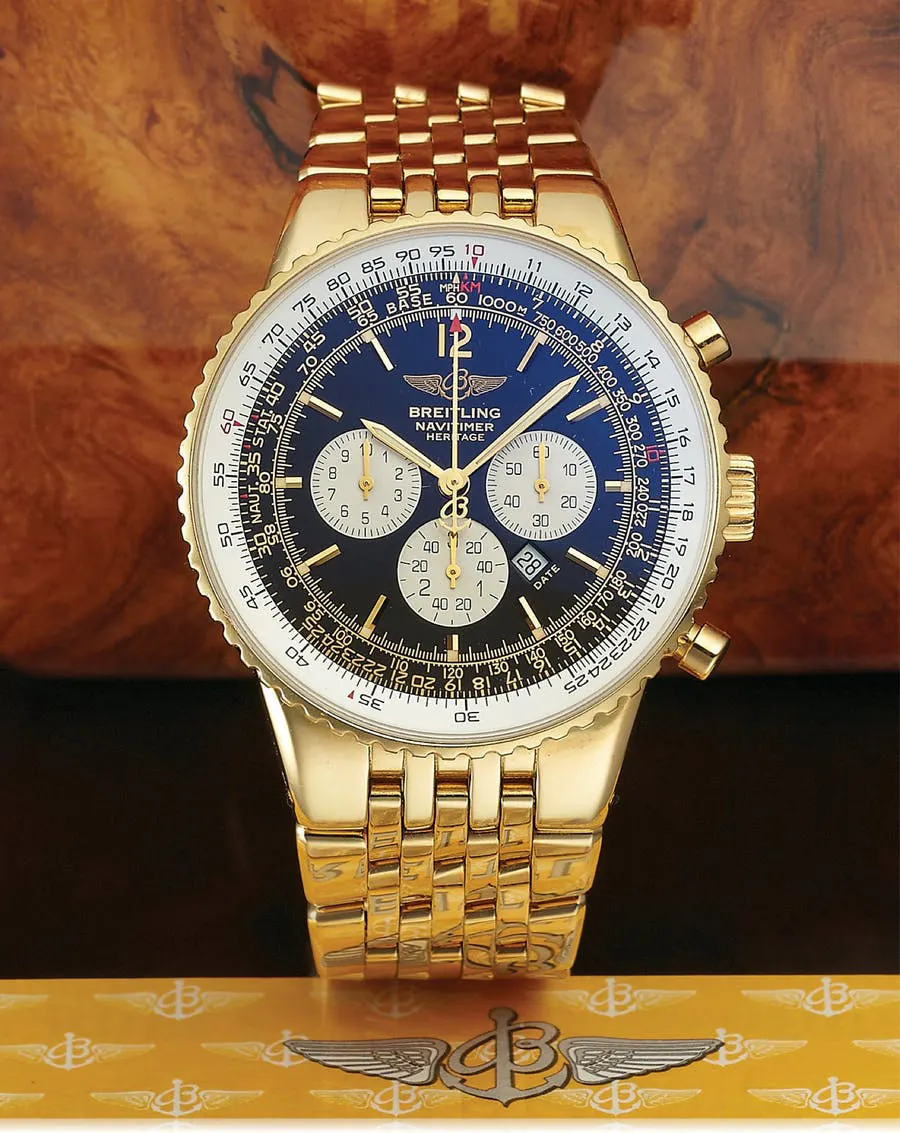
The Omega Speedmaster (1957) is also a must, simply because it was the first chronograph to be worn on the moon, in 1969. If we go back in time, the Breitling Navitimer (1952), adored by aviators, the Calatrava by Patek Philippe (1932), with clean lines and inspired by the Bauhaus movement, or the Tank by Cartier, are all part of this very special family of watches.
Finally, note that in the realm of excess, the prices achieved at auction by the most emblematic models are counted in the tens of millions. In 2017, the Rolex Daytona ‘Paul Newman’, a wristwatch that belonged to the legendary American actor, went for $17,752,500. In 2019, the Patek Philippe ‘Grandmaster Chime’ Ref. 6300A-010 was sold at Christie's for 31,000,000 Swiss francs ($31.1 million).


