
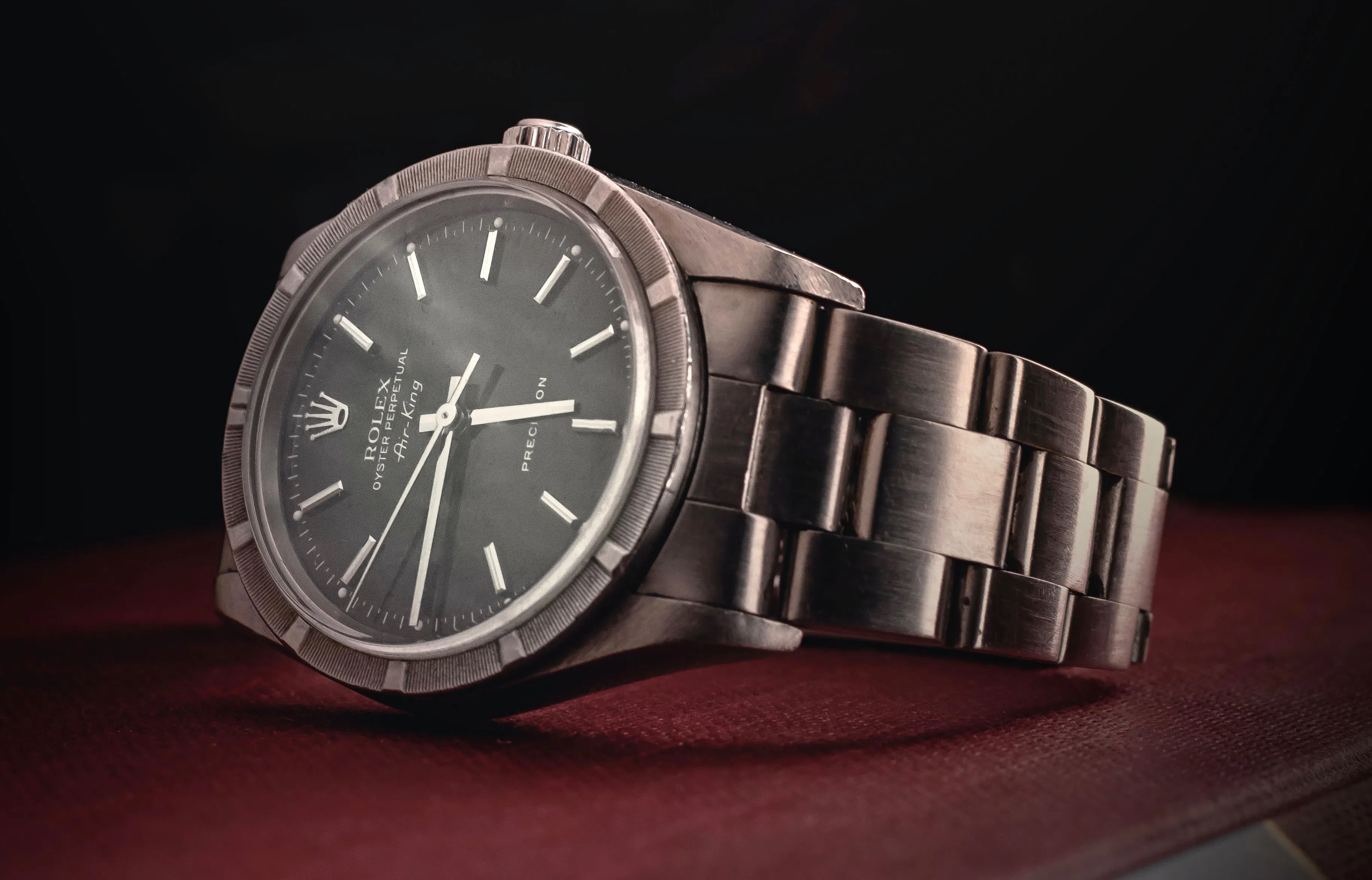
Rolex has consistently appeared on the Forbes Most Valuable Brands list, with sales at approximately $4.5 billion. Some of the world’s most famous athletes and celebrities not only proudly wear Rolexes, but also endorse them. Despite the price tag, Rolexes are also often worn by sportspeople, scientists and explorers, such as astronauts, on account of their accuracy and durability in the most extreme conditions. Buying a Rolex isn’t only buying a watch, it’s an investment that grows in value over time.
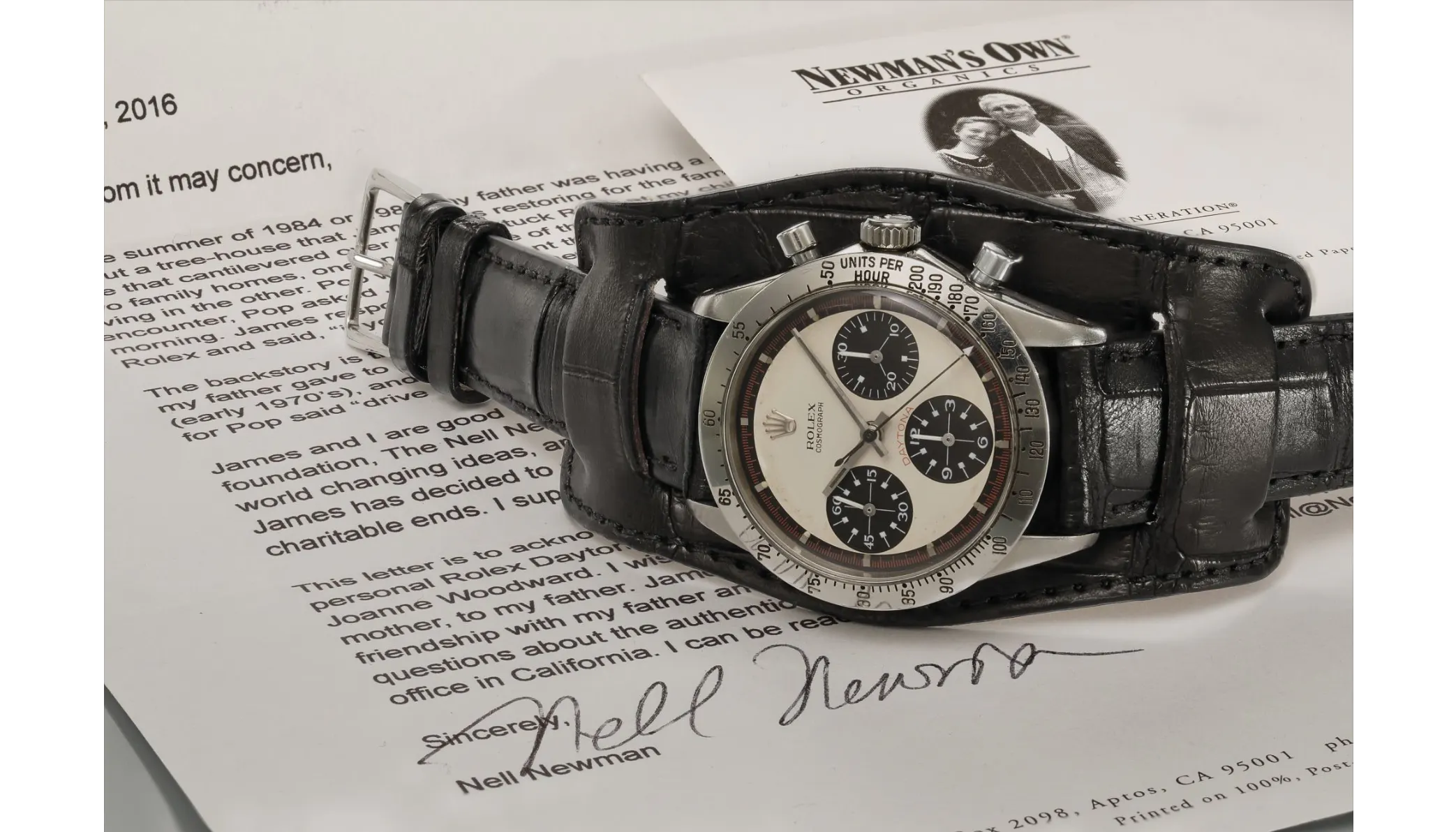
One of the most expensive watches ever sold at auction is a Rolex that used to belong to the actor Paul Newman: a Rolex Daytona that went for a whopping $17.8 million in 2017.
Related: The 10 Most Expensive Watches Ever Auctioned
Beyond elegant watch faces, other than precision-made watch parts, what is it that lies behind this brand? Aside from being known as the height of quality, precision and luxury, the Rolex brand is, in fact, shrouded in mystery. Here is a collection of unique facts about the company.
The mysterious origins of the name
The Rolex name is one of the most obscure parts of the famous brand’s lore. The name rolls off the tongue, invoking the very essence of opulence, but why Rolex? Where does it come from and what does it mean?
Related: 8 Little Known Rolex Facts
According to brand history, Rolex founder Hans Wilsdorf was searching for a name that was short and memorable in any language, and “which looked good on watch movements and dials”. The company claims he tried to combine “letters of the alphabet in every possible way” – without success. Then, one day, as he was riding on a horse-drawn carriage in London, “a genie whispered ‘Rolex’ in [his] ear”.
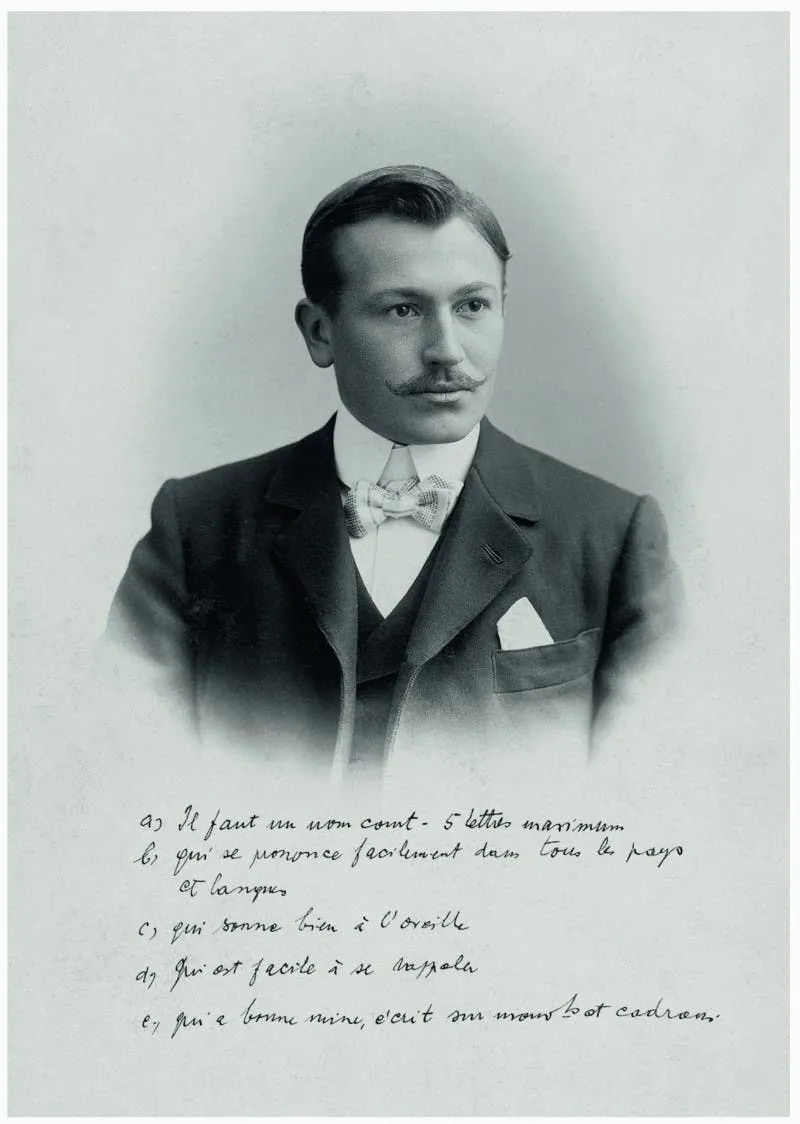
However, that’s not the only story that surrounds the company’s name. Gene Stone, a chronicler of men’s luxury watches, retells a story in his book The Watch in which the name is a contraction of the French phrase horlogerie exquise, which translates to “exquisite clockwork” or “horologic excellence”. Yet another rumour is that Wilsdorf chose the name for its resemblance to the sound of a watch ticking.
Related: Top 10 Most Wanted Watch Brands
The debate over the name’s origins only adds to the brand’s mystique – and is only the tip of the iceberg.
Rolex is not originally Swiss
Often marketed as being made with Swiss precision, some watch enthusiasts may be surprised to learn that Rolex only became a Swiss company fourteen years after it was founded in London as a partnership between Wilsdorf (originally from Germany) and his brother-in-law Alfred Davis. In fact, the company received the Swiss Certificate of Chronometric Precision from the Official Watch Rating Centre in Bienne in 1910, nine years prior to moving to Geneva in 1919.
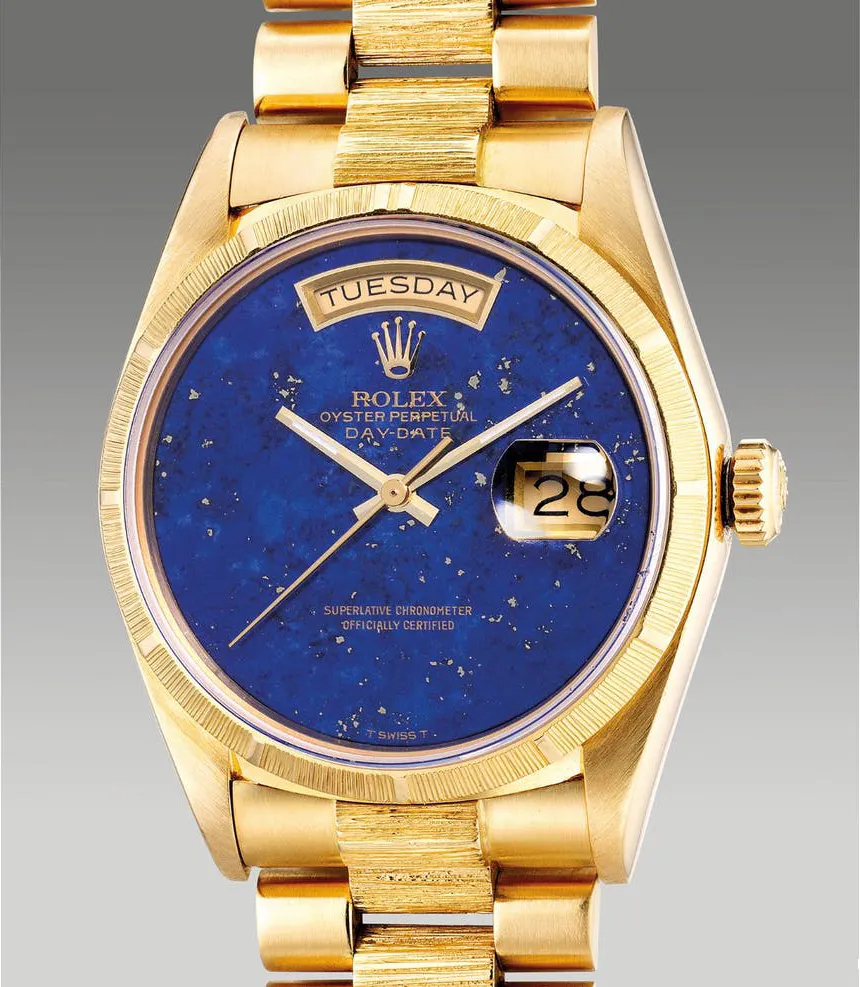
Ever since its move the brand has been referred to as a Swiss watchmaker, despite its true origins.
Rolex is a true innovator
When we think of luxury watches, we rarely think of innovation. But Rolex was a true innovator of its time. The company was the first to introduce a self-winding watch, which it dubbed a ‘perpetual chronometer’. They pioneered waterproof and water-resistant watches, which were even tested with the Trieste, an early deep-water research vessel that carried a Rolex watch on its outside during its 11,000-meter dive to the bottom of the Mariana Trench.
Related: A Growing Movement: The Rise of Vintage Watches
Rolex was the first watchmaker to include dates that automatically advanced, and the first to show two time zones at once, an innovation that made them popular with pilots. Indeed, they were likely the first manufacturer to introduce lines specifically designed to withstand extreme weather conditions and terrains.
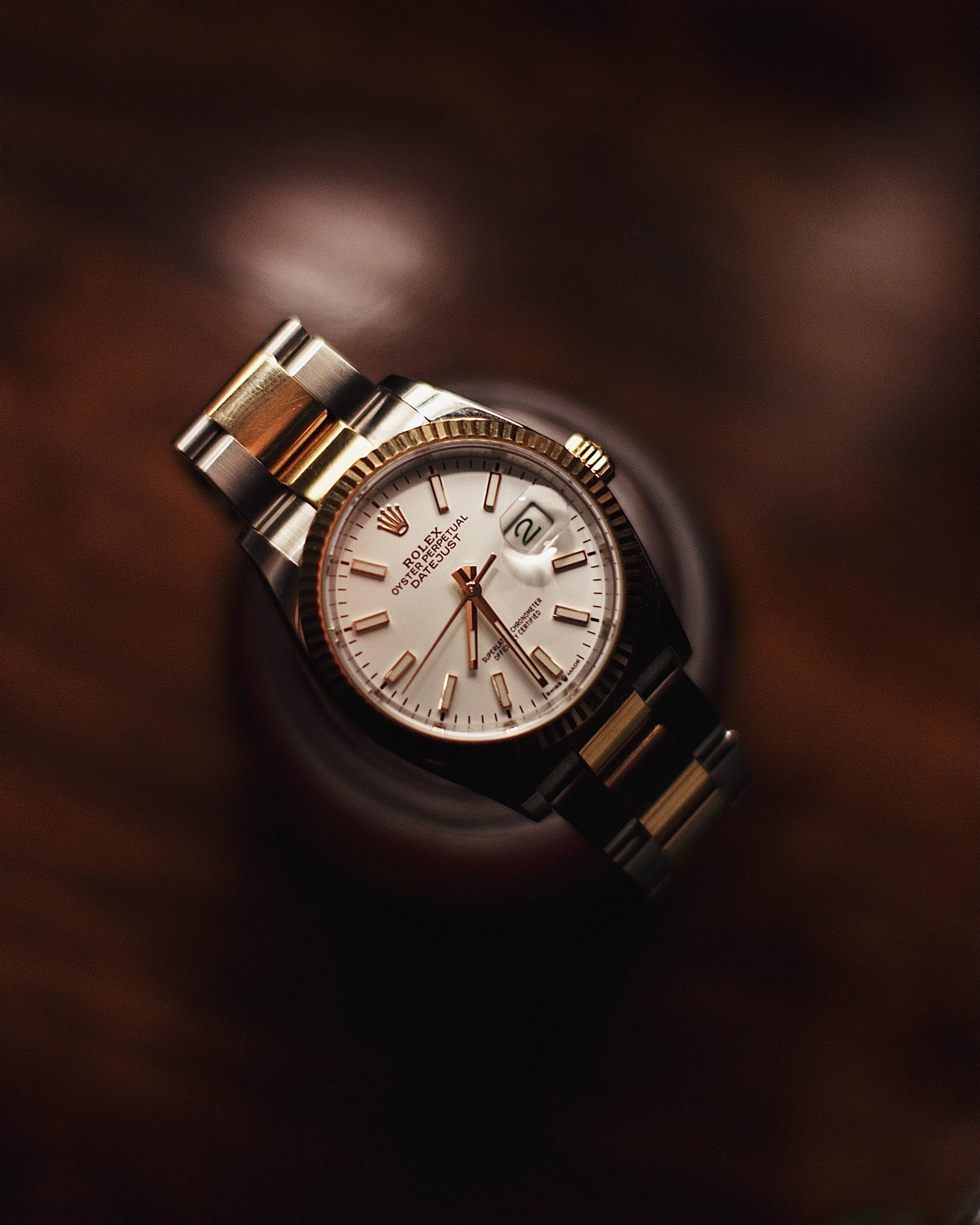
In 2005, Rolex became the first watchmaker to introduce a ceramic bezel, which is highly scratch resistant and whose color does not fade from extended exposure UV-light, making it a popular choice among professional athletes.
Rolex helped solve a murder mystery
Possibly one of the most interesting mysteries involving a Rolex watch was a murder investigation. In 1996, a body was found by a fisherman in the English Channel, and the only identifiable object on him was a Rolex. Because all Rolex watches are engraved with their serial number and service markings, police were able to trace the watch to its owner, Ronald Platt. Thanks to the quality of the watch, the police were able to determine both the date and time of death, based on the watch’s movements. The evidence led the police to Platt’s business partner, who it turns out was also wanted in Canada for fraud, theft and money laundering.
These are just a handful of the more well-known mysteries involving Rolex watches. Of course, there are likely many other stories out there. Perhaps no other brand is as shrouded in mystery and intrigue – and perhaps that’s what makes these watches so desirable.


