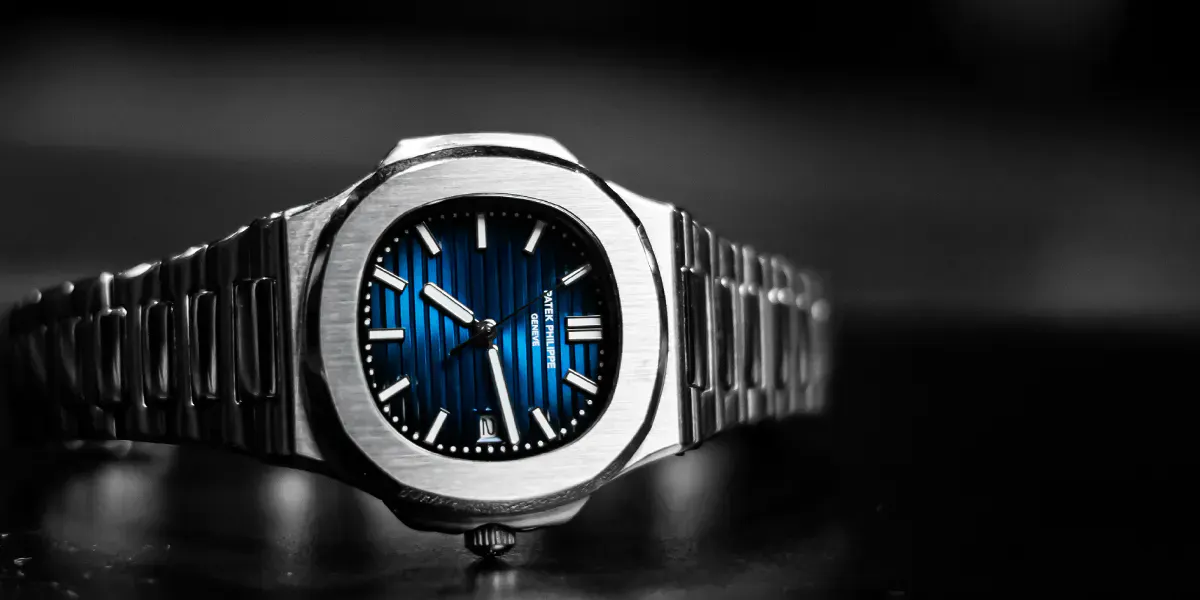
What makes Patek Philippe so highly sought after? From a financial standpoint, a Patek Philippe timepiece is practically guaranteed to increase in value. However, what truly sets this brand apart is that regardless of how valuable your Patek Philippe timepiece becomes, chances are you will never sell it. That is why it is said that you never really own a Patek Philippe timepiece – you just take care of it for the next generation.
Patek Philippe was founded in 1851 when a businessman with the soul of an artist met a brilliant horologist. Antoni Patek became interested in watches in his twenties. He was fascinated by their mechanisms, but he noticed a lack of companies making elegant, artful housings for the machinery.
Related: 3 Lesser-Known Facts About Patek Philippe
Patek began manufacturing his own watches in 1839, with his first partner, Franciszek Czapek. Then in 1844, he met Adrien Philippe, who had just won the Gold Medal at that year’s French Industrial Exposition for a keyless watch winding invention. Realizing this was only the beginning for this brilliant engineer, Patek dissolved his partnership with Czapek and started a new company with Philippe.
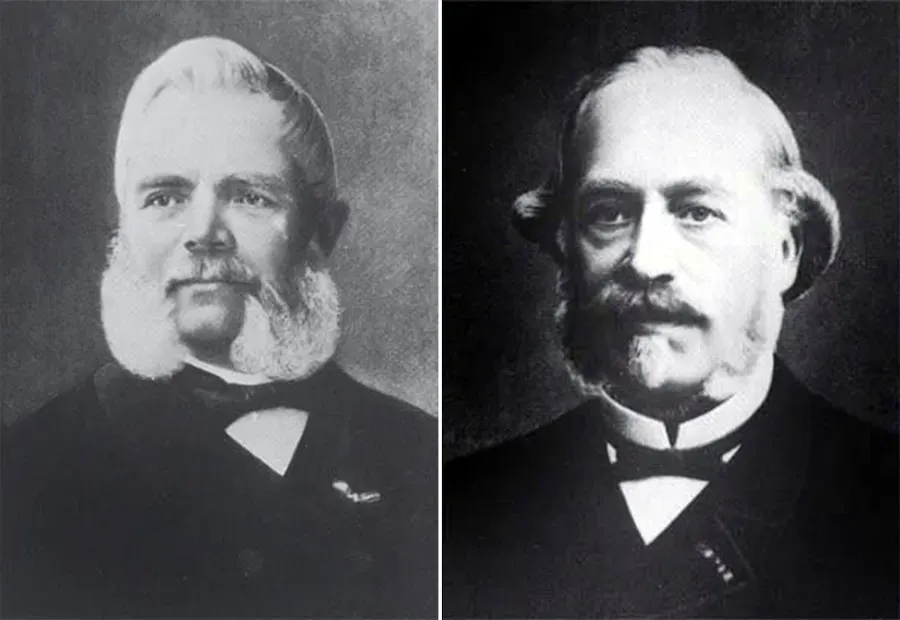
Over the next 26 years, Patek and Philippe introduced one timekeeping innovation after another, including a split-second chronograph, a tourbillon, and the world’s first perpetual calendar. They also established a tradition of beauty based on precious materials and perfect craftsmanship. Even now, Patek Philippe boasts the highest luxury standards, and every component of their timepieces is made in-house.
Only twice in its nearly 200-year history has Patek Philippe faced a serious challenge in the market. Once was during the financial crash of the 1930s. The company was known for its exquisite pocket watches, but the wealthy were in dire straits, and wristwatches were becoming more popular with the general public. The solution was to innovate.
Related: Pocket Watches: History, Revival, Trends & Tips
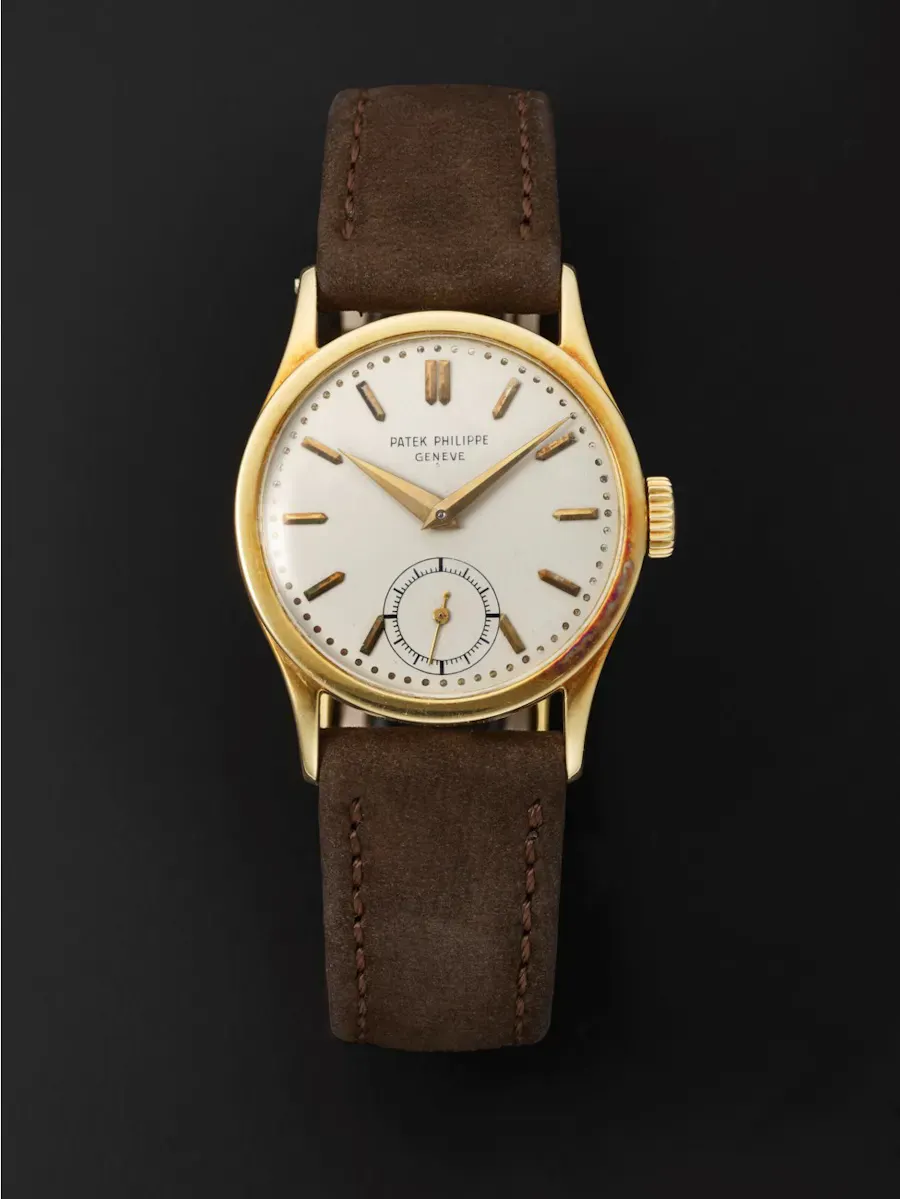
In 1932, Patek Philippe introduced reference #96: the Calatrava. A sleek, modern wristwatch, the Calatrava was accessible to the public, while still maintaining high standards of craftsmanship and design. The design was so popular that it remains the company’s signature model. Today, a vintage reference #96 can fetch $5,000 or more. Retail price for a new Calatrava starts around $21,000, and tops out with the Calatrava Haute Joaillerie, which features 702 precious stones and retails for $103,000.
Related: Who Wore the First Wristwatch?
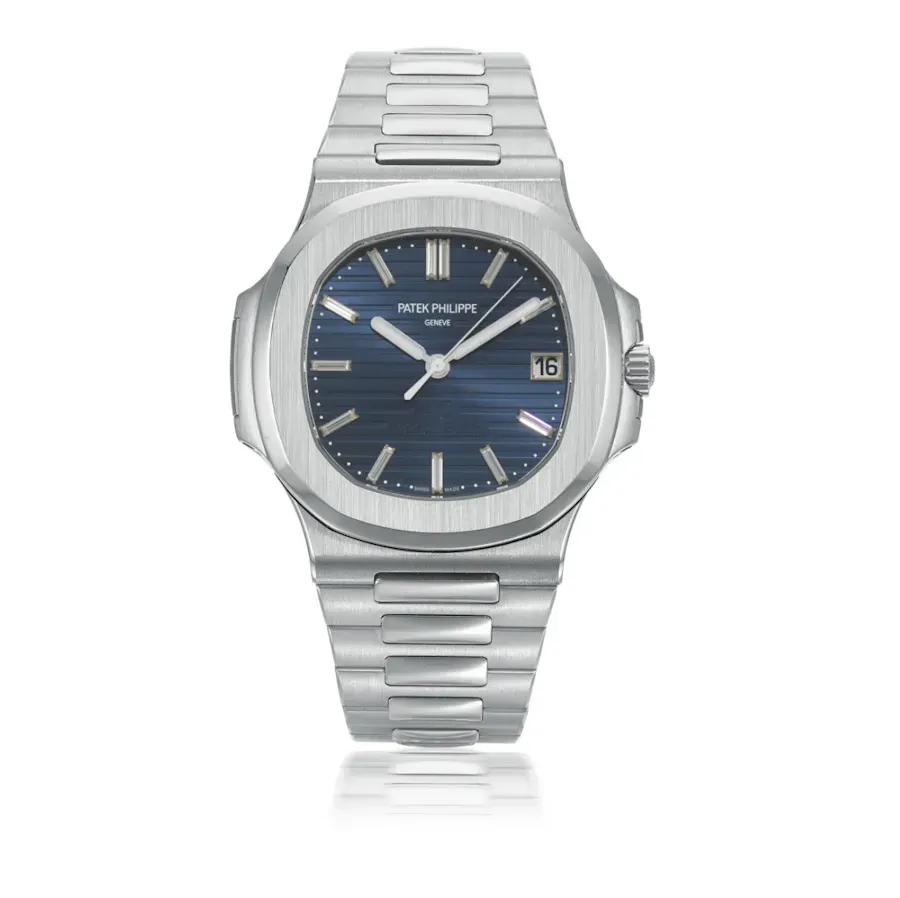
The second time Patek Philippe faced a serious threat was in the 1970s, when quartz watches threatened the entire mechanical watch market. The company responded with a bold new design called the Nautilus – a mechanical watch resembling an ocean liner porthole. Retailing for $3,000, the Nautilus was three times more expensive than a typical Rolex, but it was a massive hit. Today, that vintage Nautilus could easily fetch $30,000, while a new Nautilus tops out in price around $300,000 for a top-of-the-line reference #7021/1G-001.
Related: A Growing Movement: The Rise of Vintage Watches
Beauty is such a hallmark of Patek Philippe timepieces that they have long been worn by royalty, from Queen Victoria and Prince Albert to the Sultan of Egypt. Their beauty is even on permanent display in the Patek Philippe Museum in Geneva, where visitors can see the world’s largest collection of Patek Philippe timepieces, along with historic portable, mechanical clocks dating back to their introduction in the 16th century.
Want more articles like this straight to your inbox? Subscribe to our free newsletter!
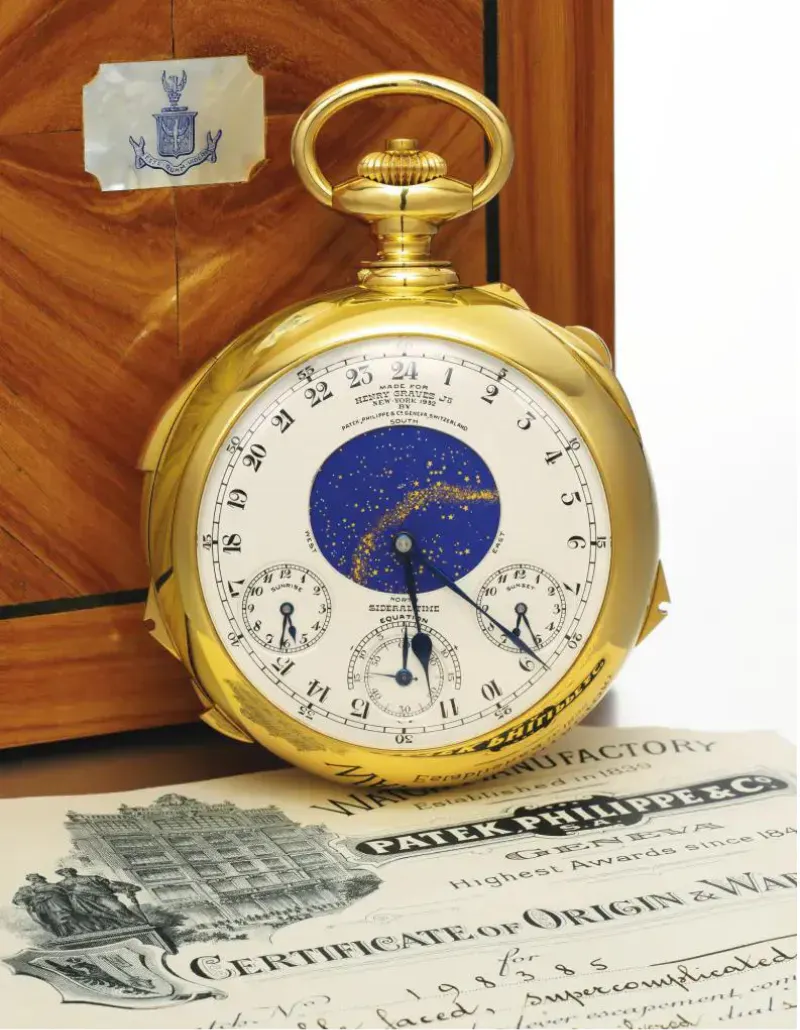
And Patek Philippe timepieces are also known for their complexity. Each additional function a timepiece performs besides keeping time is called a complication. In 1933, Patek Philippe created the most complicated pocket watch in the world – The Henry Graves Supercomplication – which featured 24 distinct functions. It sold for $24 million at Sotheby's in Geneva in 2014, setting a record for the world's most expensive pocket watch. In 1989, for the 150th anniversary of the company, Patek Philippe released the Calibre 89, the most complicated wristwatch ever made at the time, with 39 complications.
Related: A Pricy Pocketwatch: The Patek Philippe Henry Graves Supercomplication
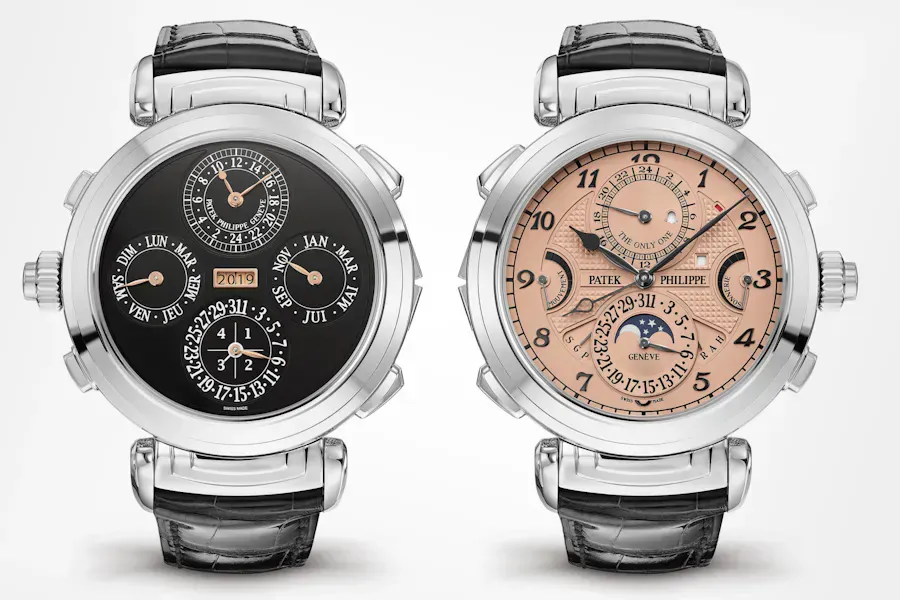
What all this innovation, craftsmanship, beauty, and complexity adds up to is a brand that is known for breaking records at auction. In November 2019, Patek Philippe sold the unique Grandmaster Chime Reference 6300A-010 for $31 million at a charity auction in Geneva organized by Christie's, setting a new world record for the most expensive watch.
Related: The 10 Most Expensive Watches Ever Auctioned
Even so, as we said before, financial value is only one aspect of what makes the Patek Philippe brand special. With something as precious as a timepiece like this, you may become so attached to it that you never want to sell it.
Find more articles on Barnebys Magazine
This is an updated version of the article originally published on March 2, 2018