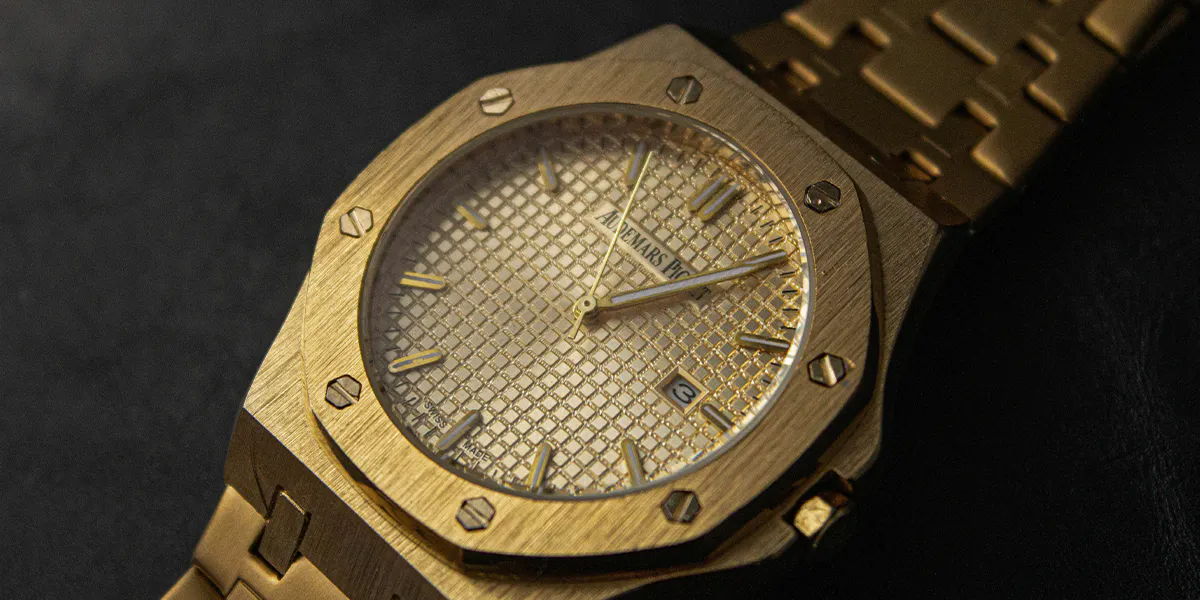
The Swiss designer Gérald Genta (1931–2011) began his career with an apprenticeship in jewellery design before turning his focus to wristwatches, a path that led him to collaborate with the most prestigious brands and create some of the world’s most coveted timepieces.
Below, discover 8 iconic watches by the “world’s first watch designer.”
Universal Genève Polerouter
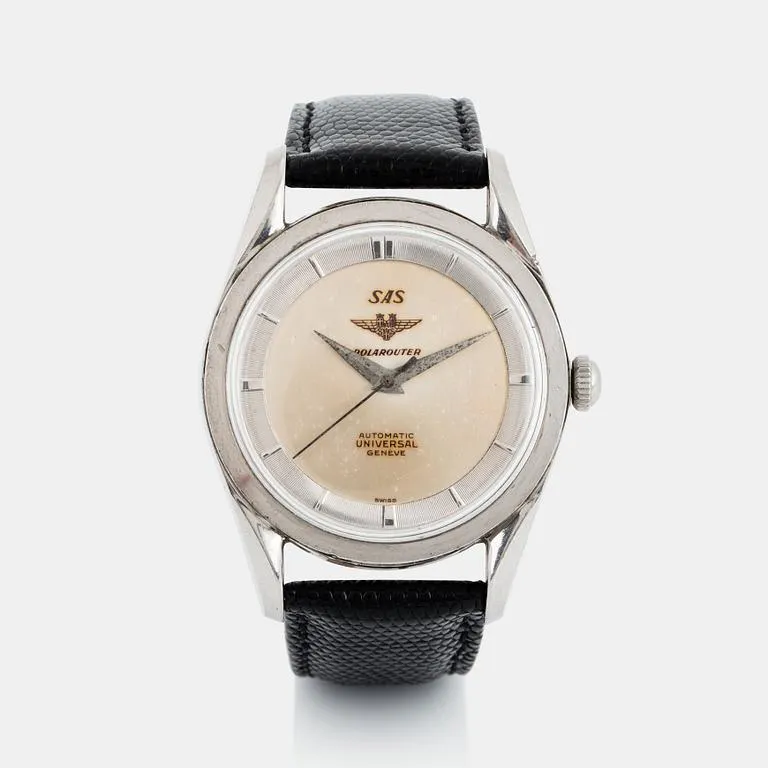
After completing his training, Gérald Genta’s first professional stop was at the prestigious watchmaker Universal Genève. In 1954, he designed a wristwatch that was resistant to magnetic fields, extreme temperatures, and altitude fluctuations. The inspiration came from the first polar flight operated by SAS in November 1954, which flew from Copenhagen to Los Angeles, leading to the name Polarouter for the automatic watch. The name was changed to Polerouter the following year, and various versions were produced until manufacturing ceased in 1969.
Omega Constellation
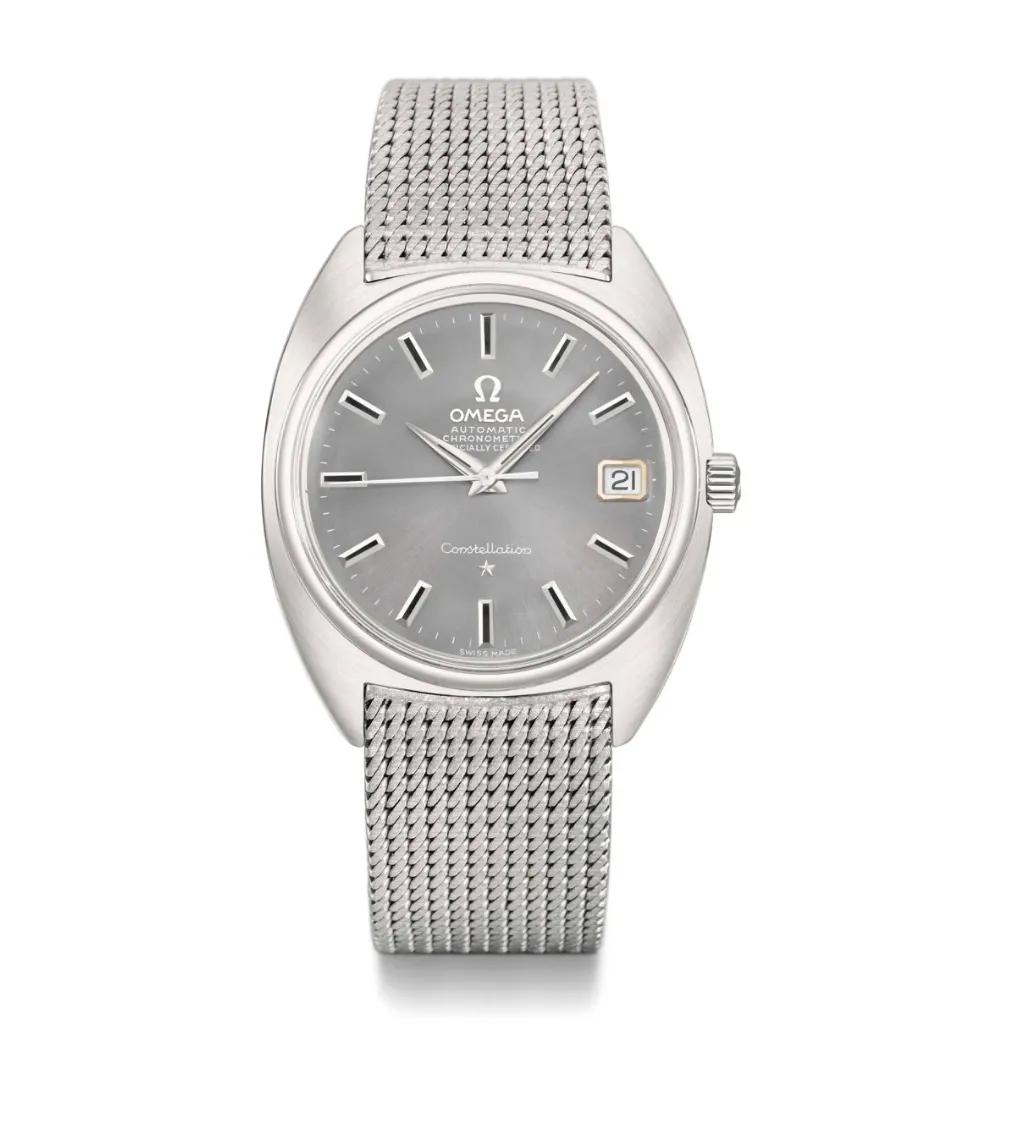
In 1952, Omega launched a wristwatch based on a limited-edition model called The Centenary, created in 1948 to mark the company’s 100th anniversary. The new watch was named Constellation and went on to become one of the most iconic and enduring models in watchmaking history. Constellation is still in production today. The classic watch was an instant success, thanks in part to its signature “Pie Pan” dial. But Omega wasn’t content to rest on its laurels. In the 1960s, the brand sought fresh design directions for the Constellation and brought in Gérald Genta, who created the C-Shape model with a tonneau-shaped case and more minimalist dial. It was produced from 1964 to 1978.
See also: Omega: A Cultural Icon
Rolex King Midas
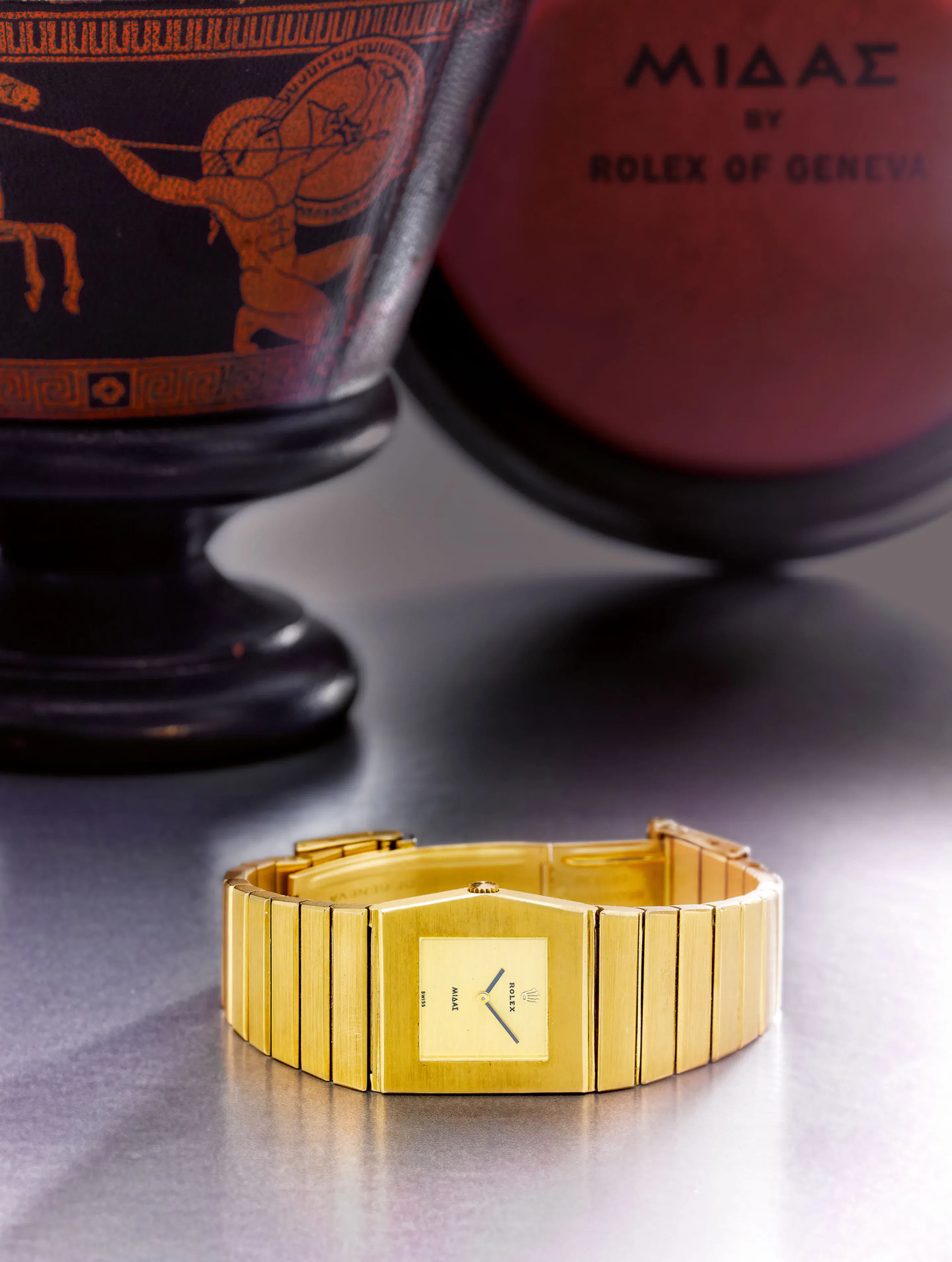
1964 was also the year Rolex introduced what is perhaps the most unusual wristwatch in its history: the King Midas – a heavy gold watch with an asymmetrical design, produced in a limited edition. The name was inspired by the ancient King Midas, who, according to Greek mythology, wished that everything he touched would turn to gold. Gérald Genta also drew inspiration from a Greek source for the design: the Parthenon on the Acropolis in Athens, with its columns and triangular pediment. The King Midas was the heaviest and most expensive gold watch on the market at the time, and was worn by none other than Elvis Presley. The design was later adapted for models in the Cellini line.
See also: 8 Little Known Rolex Facts
Audemars Piguet Royal Oak
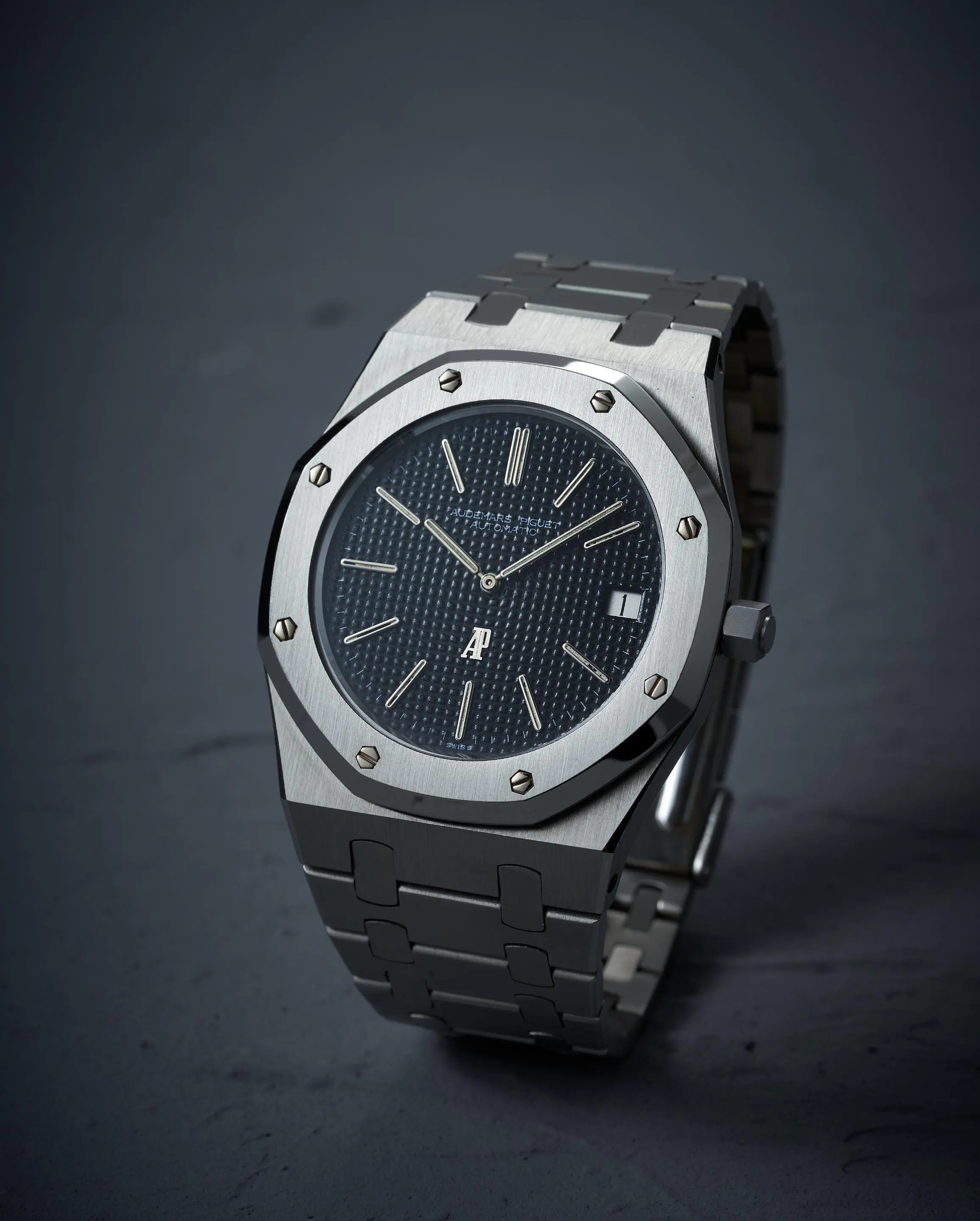
By 1970, Gérald Genta’s name was already well known at Audemars Piguet, so he was contacted to design a wristwatch that was robust enough for sports, yet elegant enough for formal occasions, waterproof, with an integrated bracelet, and preferably made of stainless steel. In just one night, Genta designed the watch that would later be called the Royal Oak. The inspiration for the iconic octagonal bezel with eight screws came from a diver’s helmet he had seen rise from Lake Geneva during his childhood. When it was launched in 1972, there were concerns that the high price for a steel watch might be too much, but the Royal Oak quickly became a bestseller and is now one of the most sought-after watches on the collector’s market.
Patek Philippe Nautilus
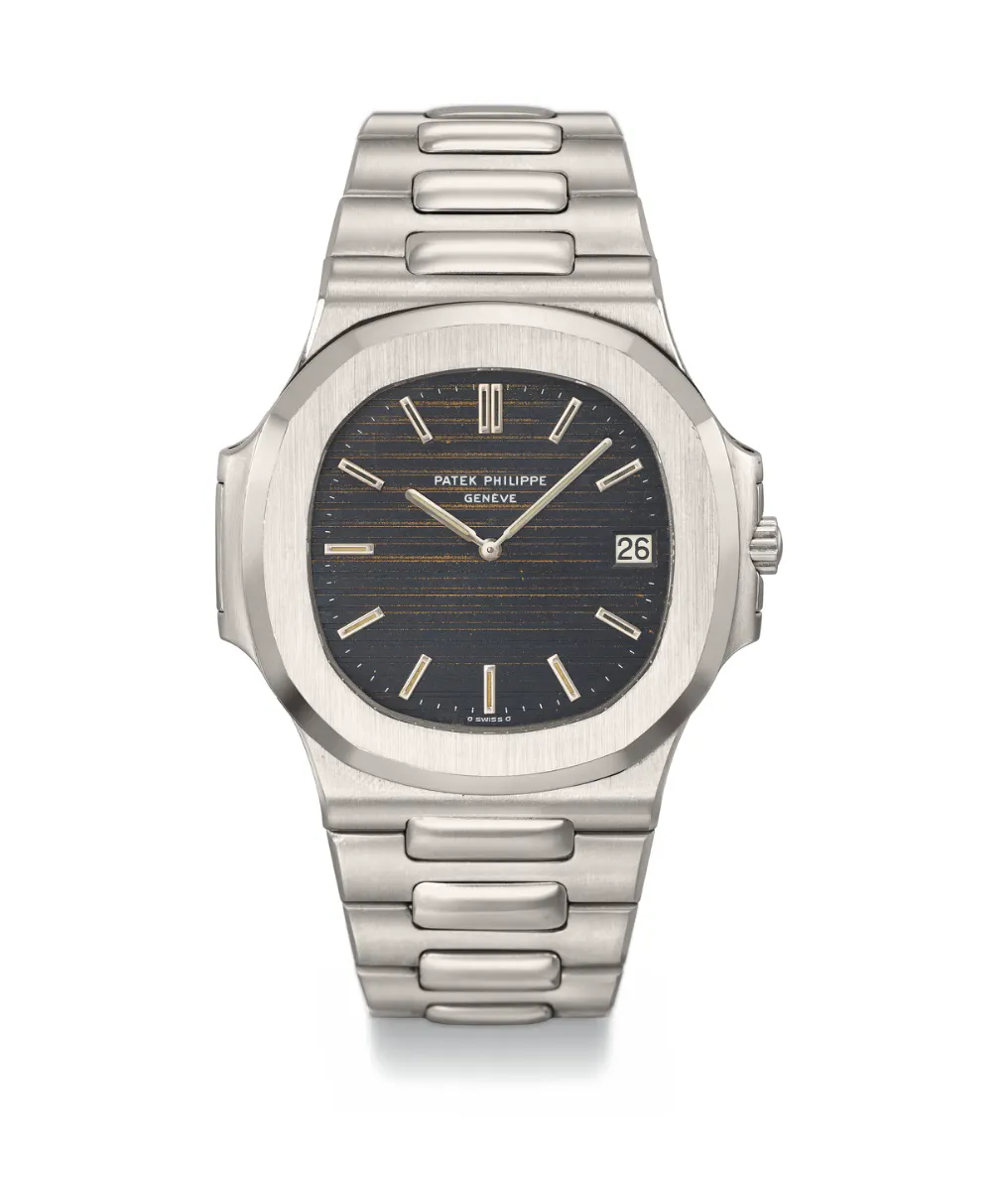
With the design of the Royal Oak, Gérald Genta was far from finished with the concept of the "elegant sports watch". In 1974, he spontaneously presented a sketch of the watch that would be launched as the Nautilus in 1976 to the management of Patek Philippe, which he had previously collaborated with. The design of the Nautilus appears to be an evolution of the Royal Oak, with softer, more refined lines. This time, the inspiration came from the portholes of cruise ships. Like the Royal Oak, the Nautilus initially struggled to justify its high price as a pure stainless steel watch. However, once customers became accustomed to the idea of a luxury sports watch, success was inevitable, with the Nautilus becoming the ultimate and timeless status symbol.
See also: Patek Philippe: A Timely Investment
IWC Ingenieur
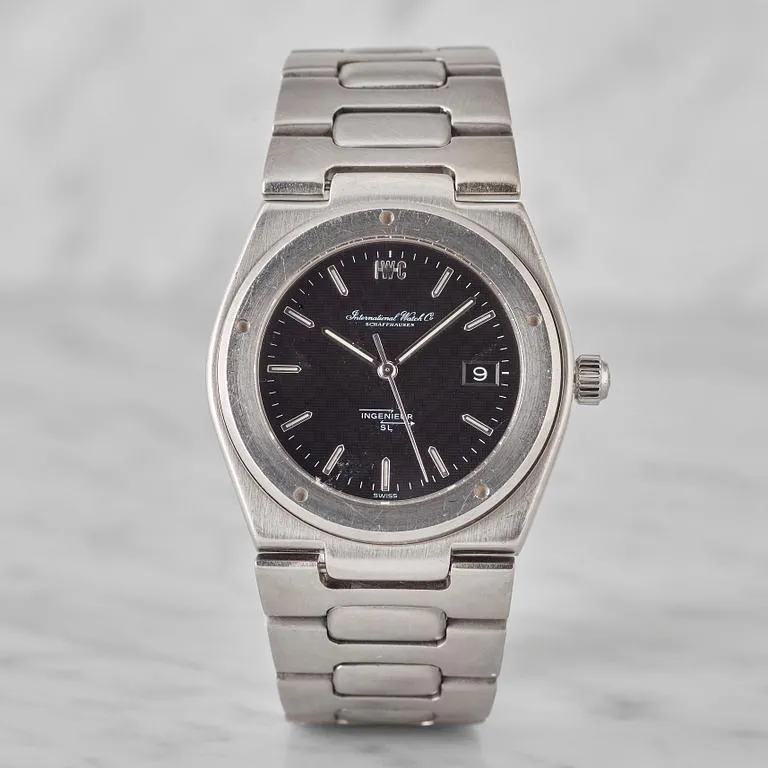
In 1955, IWC Schaffhausen added the Ingenieur model to its collection, a watch that was waterproof, antimagnetic, and virtually shockproof. Twenty years after its launch, however, the classic needed an update. Gérald Genta was brought in, and with his new design, including an integrated bracelet, the Ingenieur SL became part of the emerging trend of modern, luxury sports watches – something Genta, as we’ve seen, played a key role in shaping. Only 1,000 pieces of Genta’s original Ingenieur design from 1976 were produced, making these watches highly sought after in today’s collector’s market.
Want more news like this straight to your inbox? Subscribe to our free newsletter!
Bulgari Bulgari
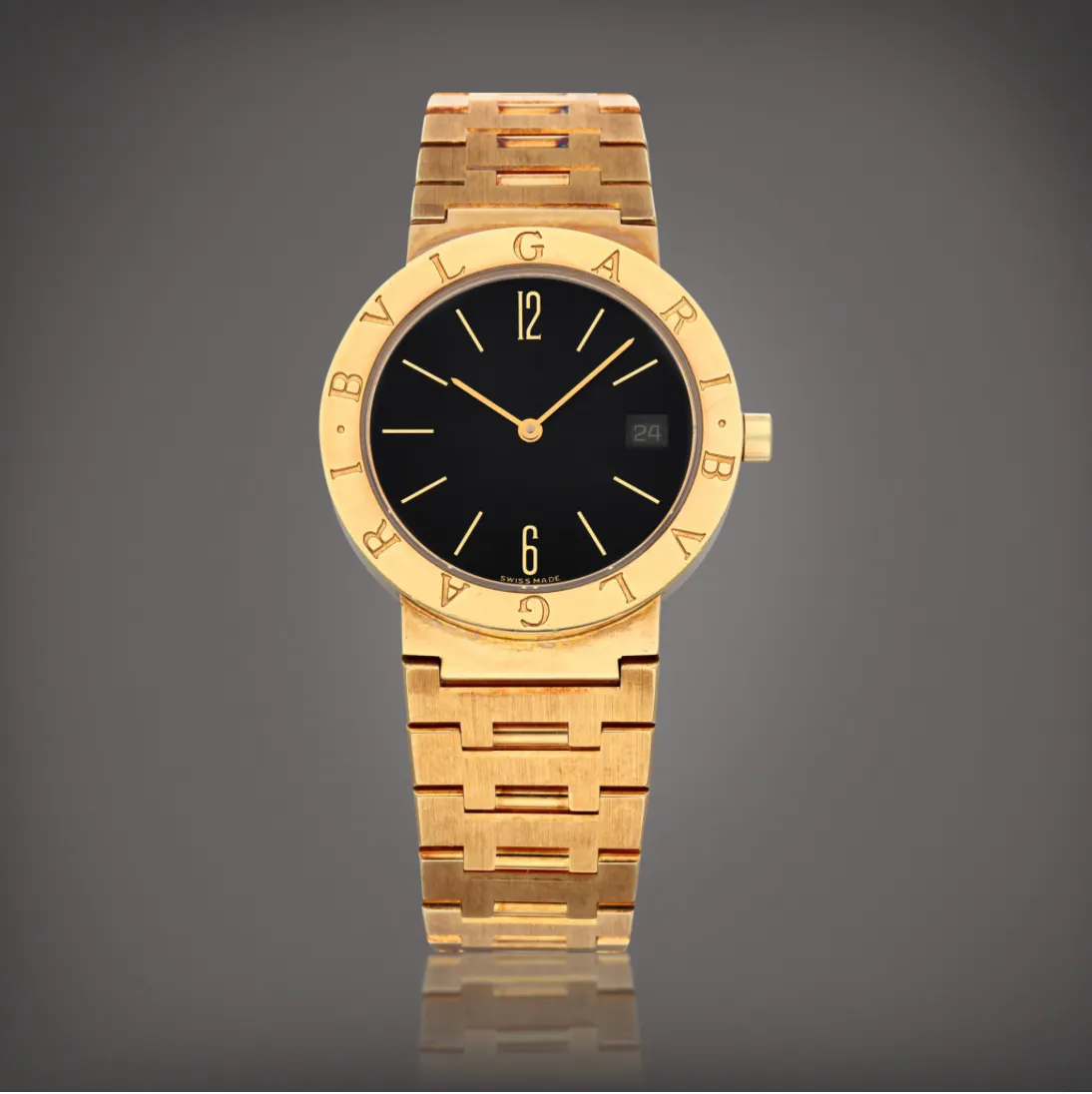
In 1977, Gérald Genta designed a wristwatch for the renowned Roman jeweller Bulgari, which, with its simple and brilliant design, became a timeless classic: the Bulgari Roma. For inspiration, he drew from the coins of ancient Rome, adopting their surrounding inscriptions for the bezel. Initially, the watch was intended for sale only in Rome, but its success quickly became apparent, and it was soon offered other places, with the name changed to Bulgari Bulgari, featuring the iconic double lettering on the bezel.
See also: Sotirios Boulgaris: The Man Behind Bulgari
Cartier Pasha
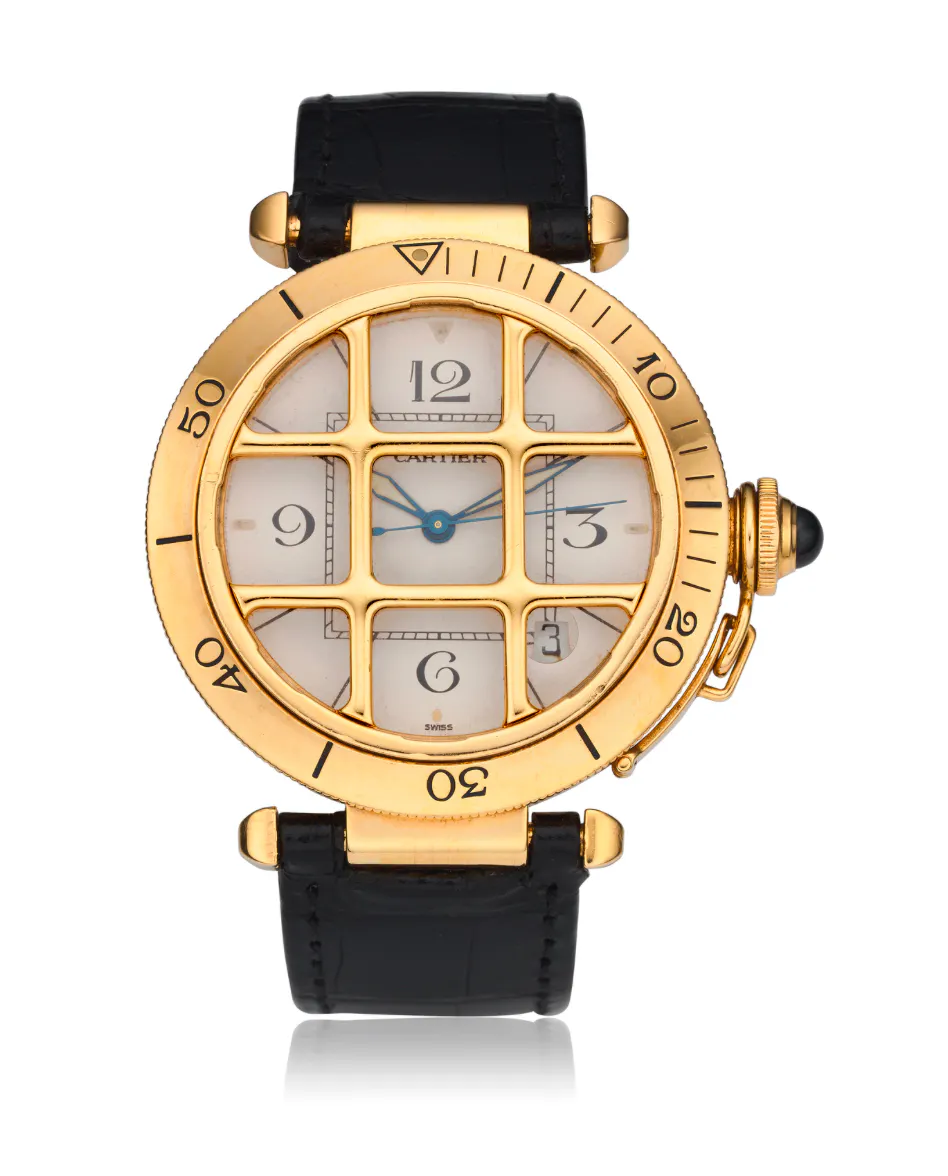
In 1985, Cartier enlisted Gérald Genta to help create a sport-elegant watch: the Cartier Pasha. The inspiration came from a 1943 wristwatch with a distinctive protective grille over the glass, which was reportedly based on a request from the then Pasha of Marrakesh, who wanted a watch he could wear both for daily swimming and at official events. While the accuracy of this story is uncertain, the revised design by Genta not only captured the hearts of the customers for whom it was originally intended but also those of female clients. The Cartier Pasha has been offered in various versions, including with the 1943 grille.
See also: A Timeless Timepiece: The Story of the Cartier Tank
In addition to his work with various watchmakers, Gérald Genta began producing wristwatches under his own name in 1969. Interestingly, however, he was reluctant to wear a wristwatch himself, as he considered it "the opposite of freedom." Despite this personal aversion, Gérald Genta profoundly shaped the watch designs of the 20th century, with creations that are now among the most coveted models on the auction market.