Always do better than you have to.
This was the motto of Georges-Édouard Piaget, who, in 1874, at the age of only 19, founded his first workshop on the grounds of his parents' mountain farm in the municipality of La Côte-aux-Fées in Switzerland. There, he produced watch movements and parts for brands such as Rolex, Breguet, Longines, Omega and Cartier, discreetly, without ever signing his work. For Piaget, quality was of paramount importance, and his ultra-thin movements quickly became highly sought-after in the industry.

In 1911, Georges-Édouard's son Timothée took over management of the family business and gave it a new direction, selling luxurious pocket watches, and later wristwatches, under his own name from 1926. In 1943, a generation later, the company was finally registered as a trademark with Gérard and Valentin Piaget at the helm of the company. The expansion was now in full swing: in 1945, a new, larger manufacturing building in La Côte-aux-Fées was completed and a year later Piaget was represented for the first time at the Swiss watch fair (later Baselworld).
Related: Who Wore the First Wristwatch?
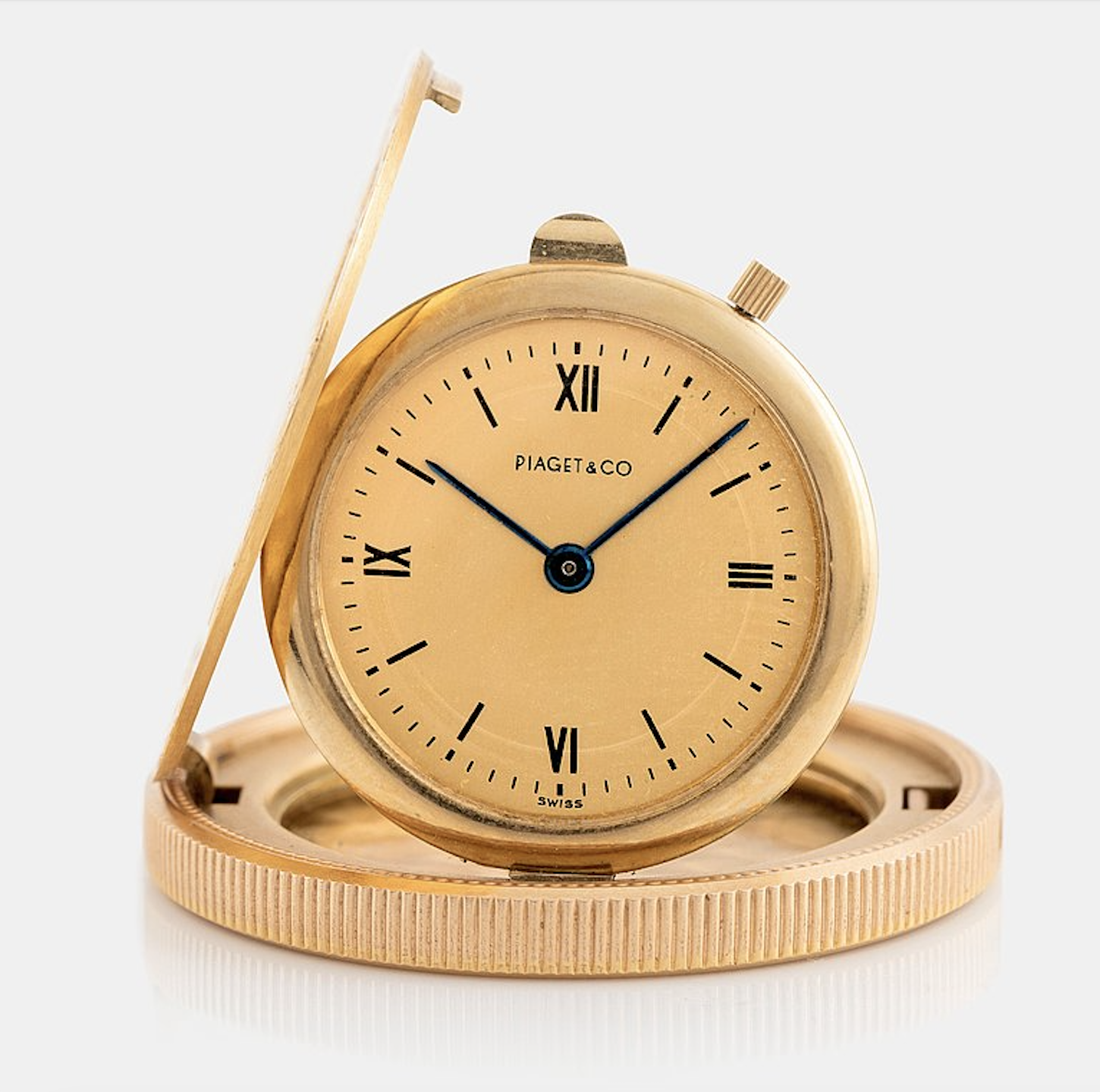
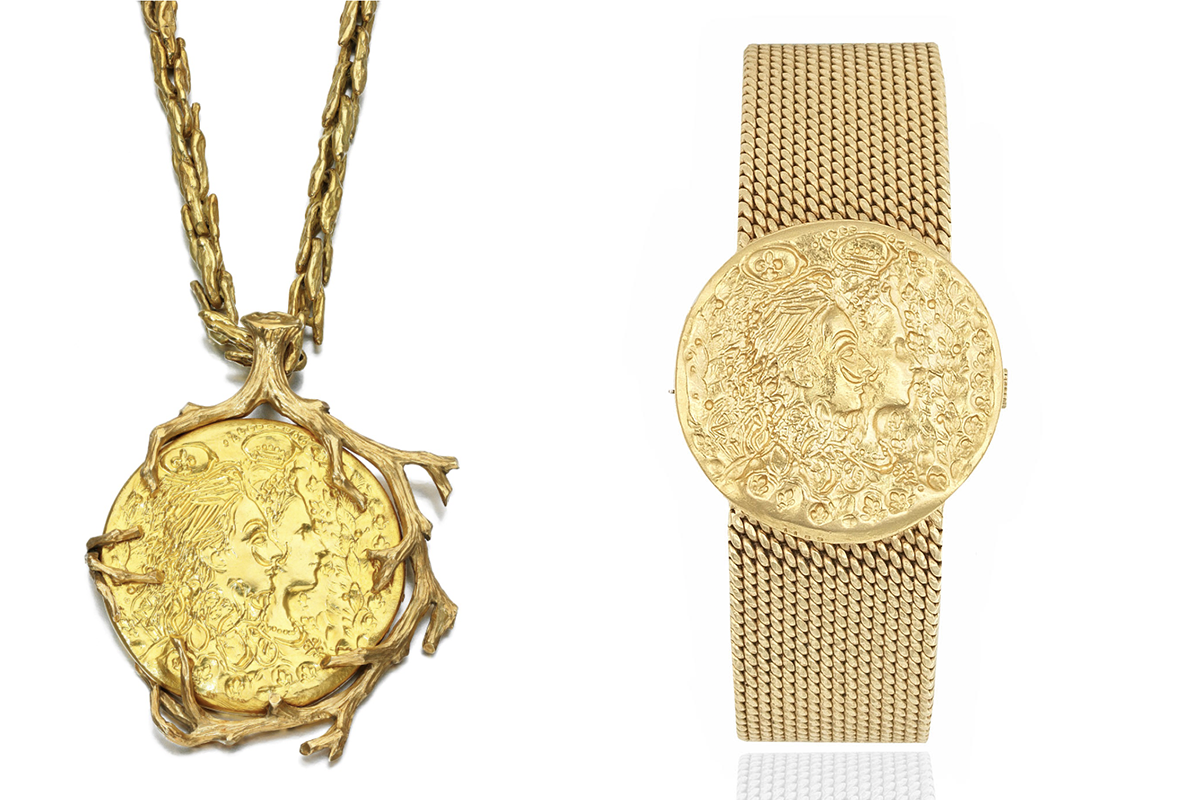
Extremes have always attracted attention. In Piaget's case, this meant producing the thinnest movements, a feat achieved in 1957 with the Calibre 9P, which measured just 2mm in height. Only three years later, another record was set when Piaget presented the thinnest automatic movement with the Calibre 12P, whose height was only 2.3 mm, earning it an entry into the Guinness Book of Records. Piaget proved just how thin these movements could be by launching coin watches which fitted the movement into a gold coin.
His ultra-thin movements offered Piaget entirely new possibilities for development in the field of watch design. The wide surface was like a blank canvas waiting to be designed. In 1963, the company proved that it could deliver both technical and artistic innovations by designing the dials of its timepieces with wafer-thin cut and polished plates of semi-precious stones. Jade, coral, tiger's eye, lapis lazuli, malachite, turquoise, onyx and other stones made the elegant watches eye-catching in a way that had not been seen before. In addition, the use of natural stones made each watch unique – the absolute trademark of Piaget.
Related: How Van Cleef & Arpels Got Its Four-Leaf Clover
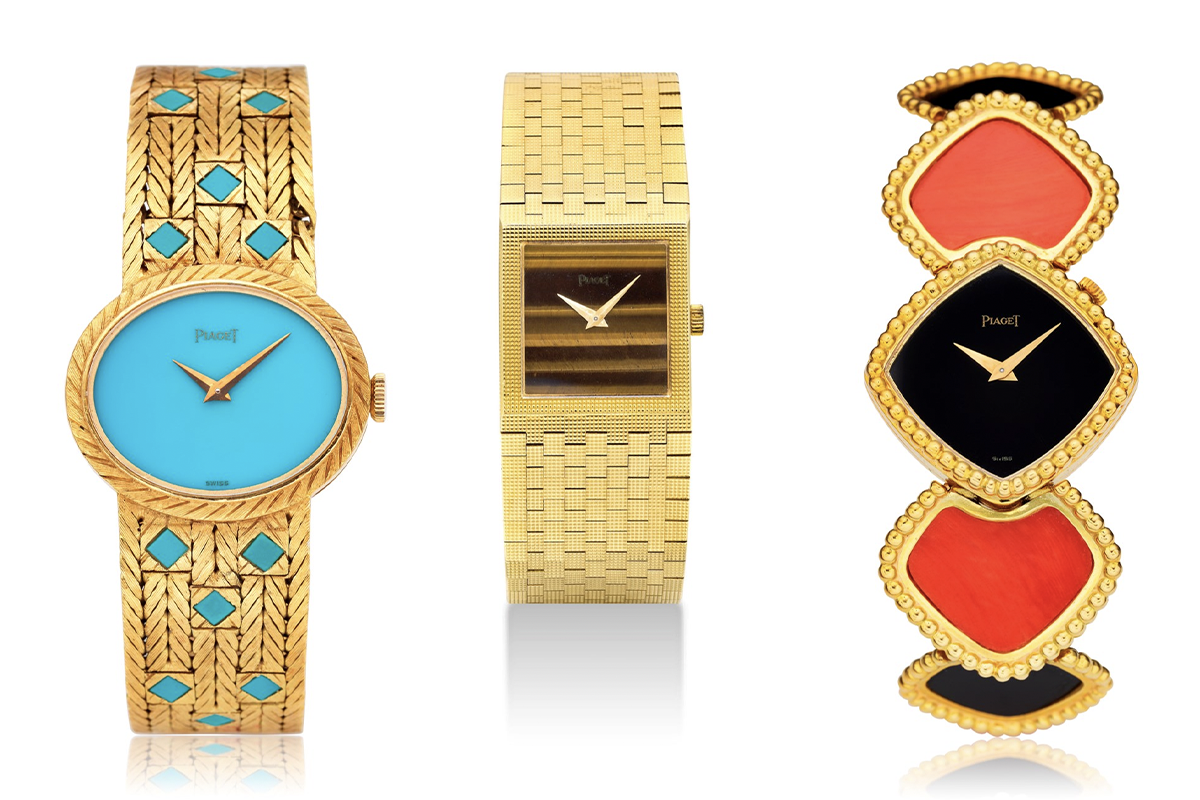
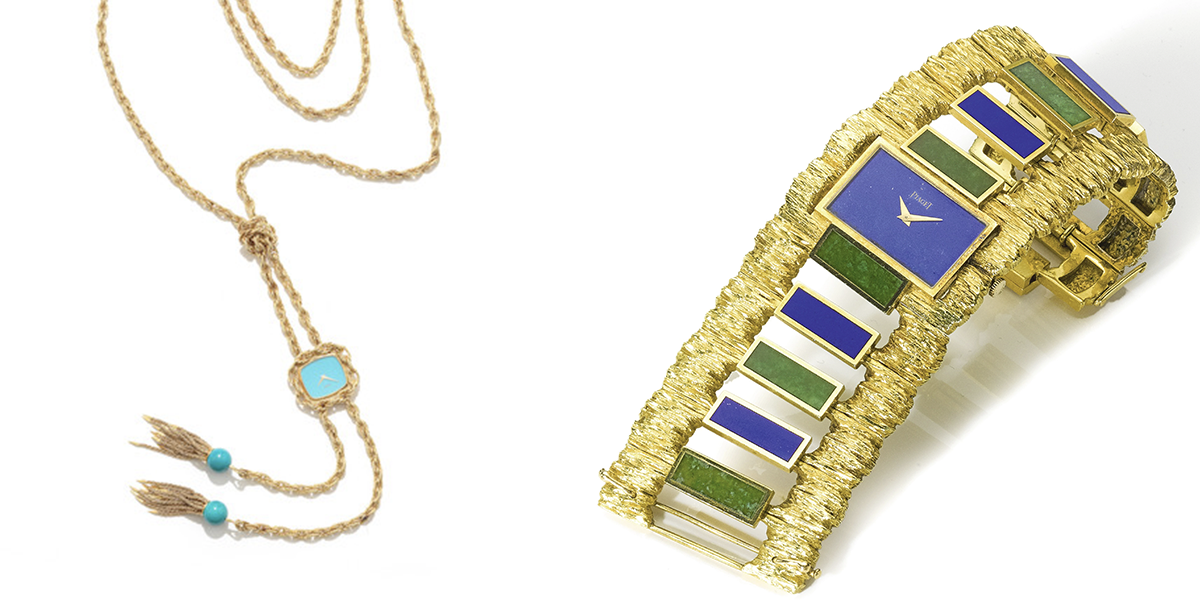
Piaget demonstrated its enormous creativity once again in 1969 when the glamorous '21st Century Collection' offered new ways of wearing a watch. There were sautoir models that were both timepieces and necklaces and wide cuff bracelets that offered endless design possibilities.
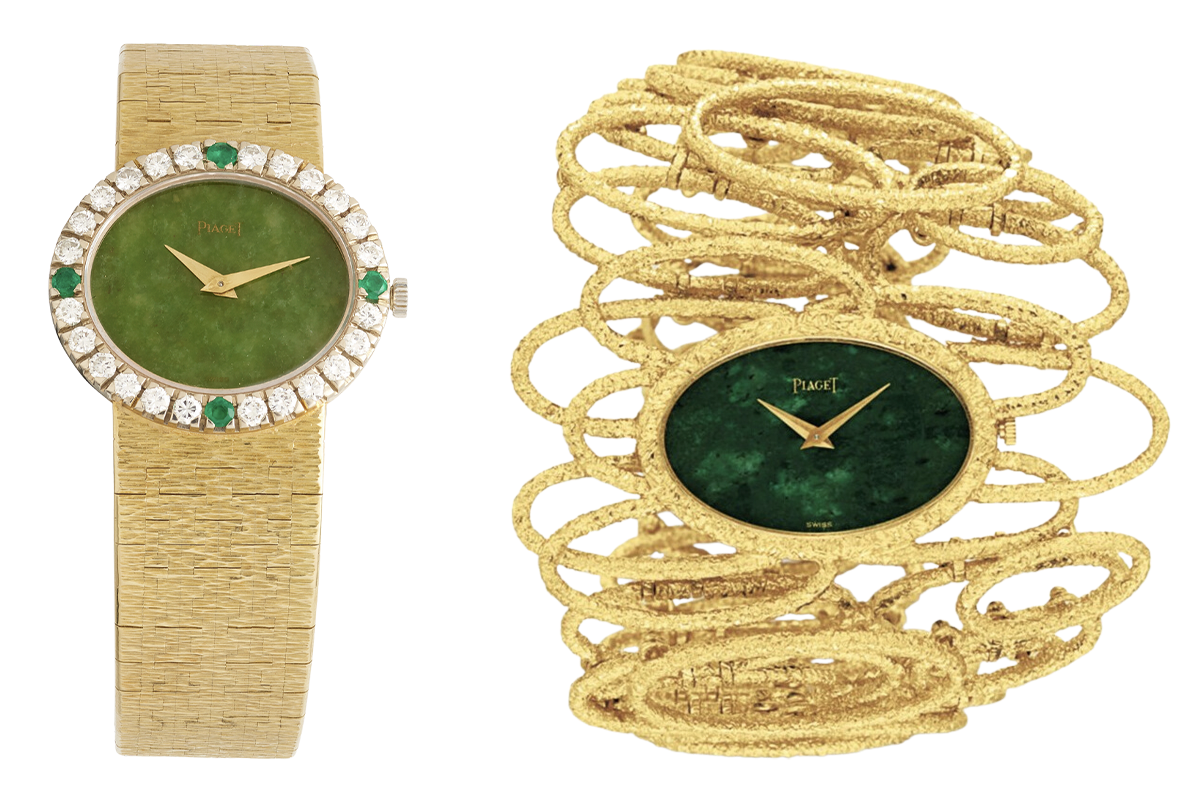
Naturally, so much glamour attracted and continues to attract the attention of famous customers, including Miles Davis, Björn Borg and Alain Delon. In 1967, former First Lady Jackie Kennedy could not resist a luxurious jewelry watch with a jade dial framed by diamonds and emeralds. Elizabeth Taylor, a well-known jewelry enthusiast, owned several Piaget timepieces, including an eye-catching model with a green dial and a wide yellow gold bracelet made of oval rings. The watch went under the hammer in 2011 at the auction of Taylor's stunning jewelry collection and fetched $80,500 (against an estimate of $2,000-3,000).
Related: A Timeless Timepiece: The Story of the Cartier Tank
Artists were also attracted to Piaget's creativity. Andy Warhol wore one of Piaget's watches on his wrist, and in 1967 the brand even collaborated with Salvador Dalí, basing watch and jewelry designs on coins designed by Dalí with his likeness and that of his wife Gala. The result was an extraordinary limited collection of watches, pendants, rings, cufflinks and other pieces.
Related: The Intimate World of Artists' Jewelry
Speaking of jewelry, Piaget expanded its oeuvre in 1959, opening its first boutique in Geneva. Just as with the watches, Piaget focused on the highest quality, creating what could be called 'haute joaillerie'. Keeping the decorative as well as the functional aspect of a watch at the forefront of design, the company exclusively used watches made of gold and platinum.
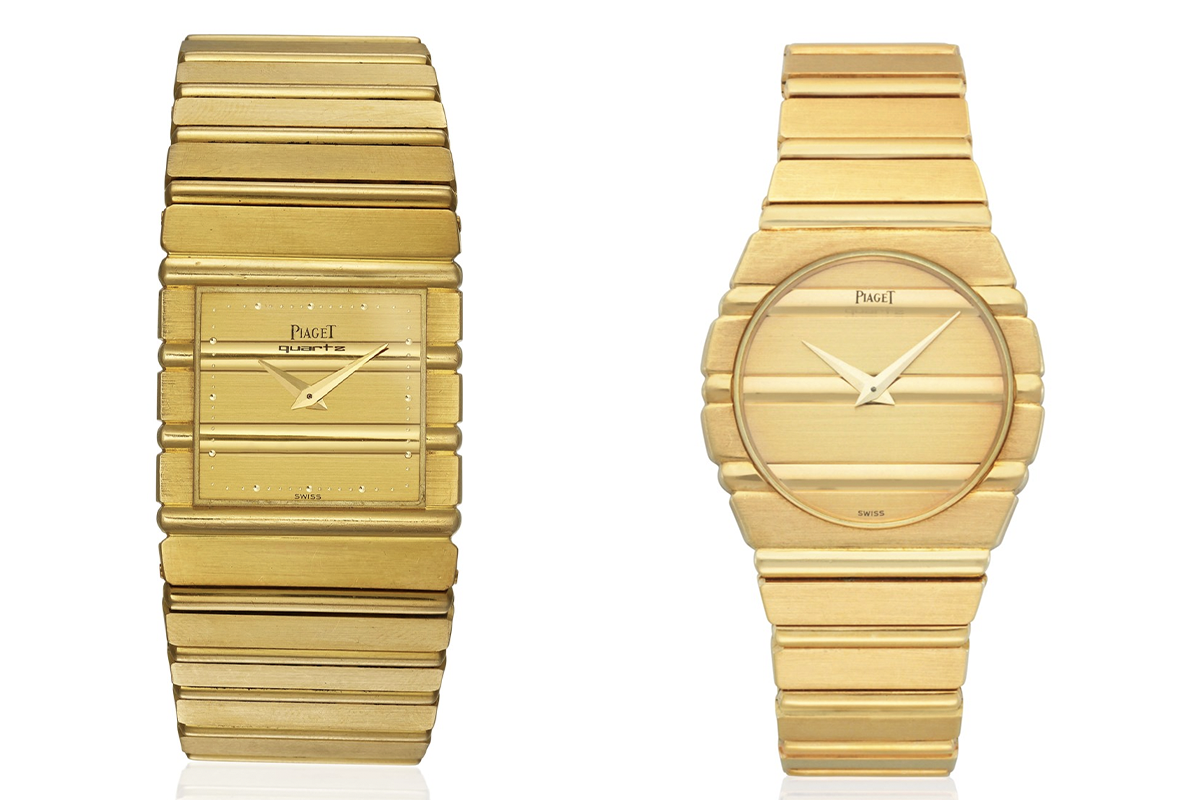
In 1979, Piaget earned its next victory when it launched the Polo watch. The unusual design allowed the watch case and bracelet to merge into one another. Striking but unobtrusive, the watch became a must-have for the jet set of the following years.
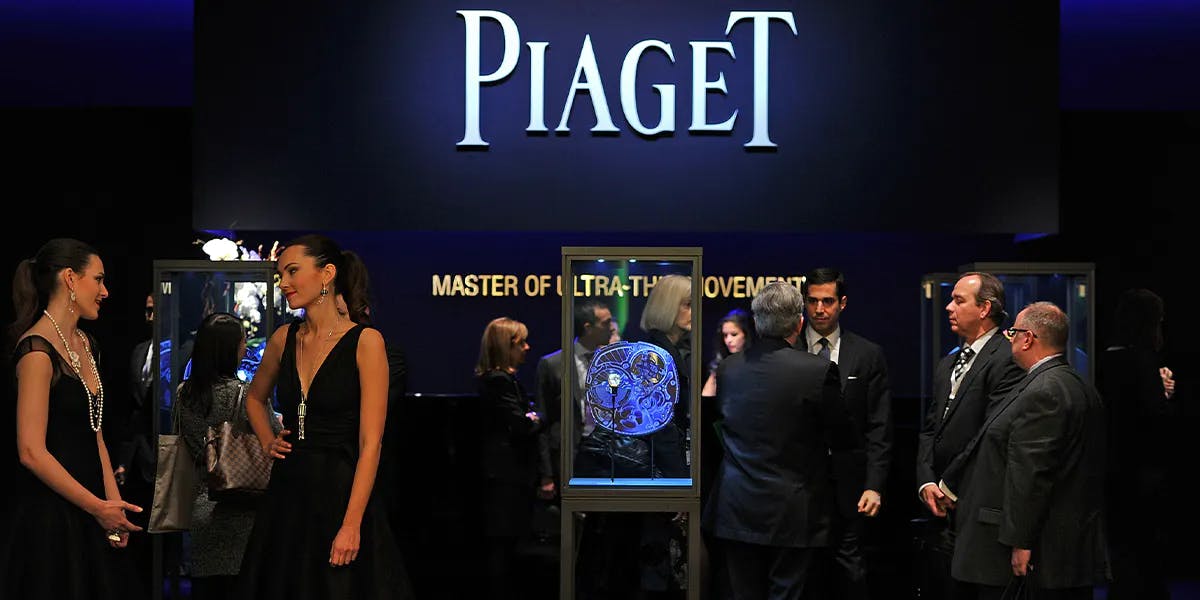
Yves Piaget was the fourth generation to take the helm at Piaget, and the company also showed its innovative side when it came to marketing. Piaget was the first brand in the luxury sector to focus on glamorous events with celebrity guests – a concept that has since been adopted by many other brands and is now part of the daily business of a luxury label.
Want more articles like this delivered to your inbox? Subscribe to our free Newsletter!
In 1988 Piaget became part of the Vendôme Luxury Group (now Richemont), giving up some of its independence. The group, however, granted its brands quite a lot of freedom, and Piaget continued to show creative and innovative ideas. Around the turn of the millennium, the Possession collection, characterized by movable elements, and the ultra-thin Altiplano watch, named after the high plateau in South America, were launched. When the Polo model was revised, stainless steel was used for the first time, creating a modern sports watch that competes with similar models from other famous brands. Piaget also kept up with its thin movements, and in 2002 presented the Calibre 600P, the world's flattest Tourbillon movement to date, with a height of only 3.5 mm.
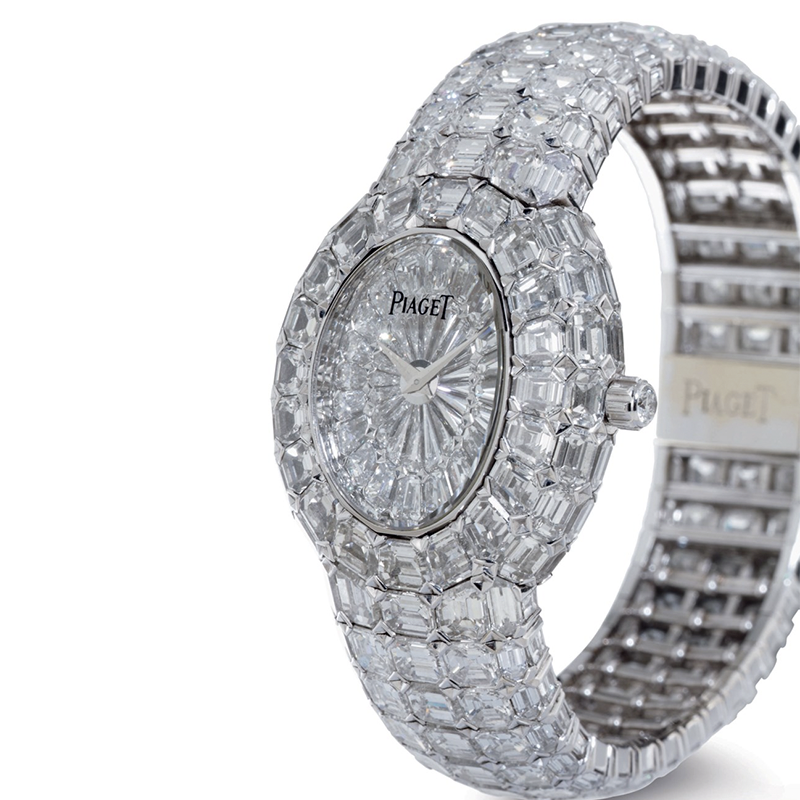
Today, Piaget is represented around the globe with its boutiques, but flies mostly under the radar compared to other brands in the luxury sector such as Rolex, Cartier or Patek Philippe. Yet in terms of innovation and creativity, Piaget has often been one step ahead of the competition in many respects. Anyone looking for a vintage watch that not everyone has and that is (still) reasonably affordable should definitely keep Piaget in mind for the next auction.