
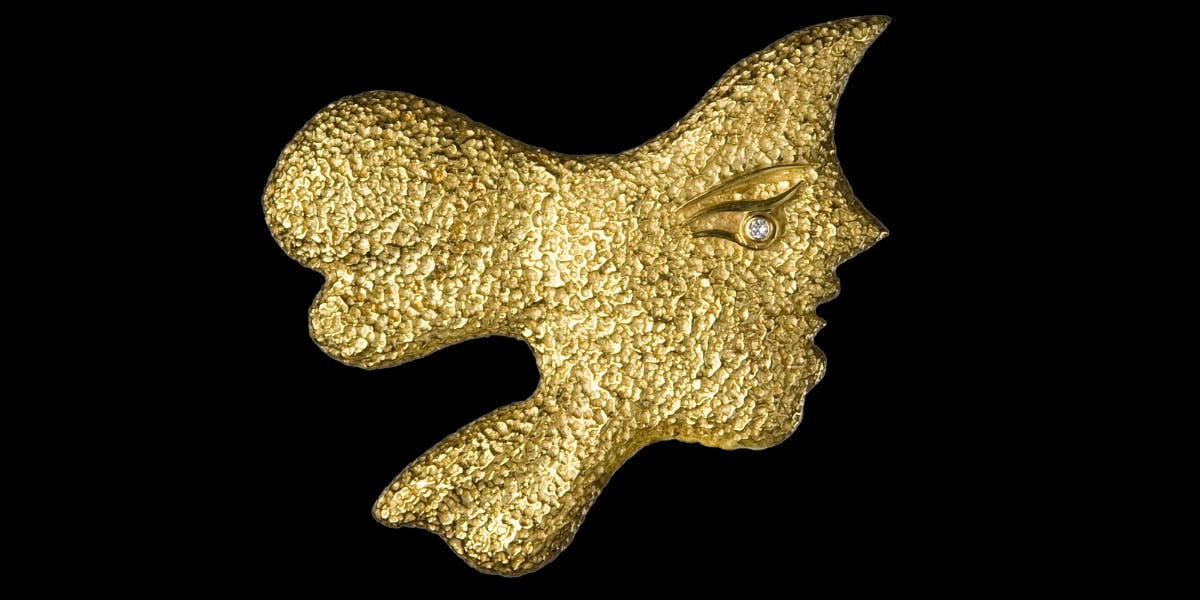
Artists' jewelry is not merely high jewelry, costume jewelry, or even the jewelry of 'paruriers' such as Elsa Schiaparelli and Gabrielle 'Coco' Chanel. A rare practice, it has remained confined to an intimate circle of artists, and later exhibited in museums in beautiful exhibitions – notably at the Villa Empain in Brussels. Let's find out more about it.
Works of art in their own right
Born from the same creative approach to a work of art, from Pablo Picasso to Jeff Koons many artists have lent their hand to the world of jewelry, transcribing, as it were, their plastic language into objects. Produced only in a few copies, the pieces represent an opportunity to confront constraints foreign to the artist's plastic universe (such as size, weight or material).
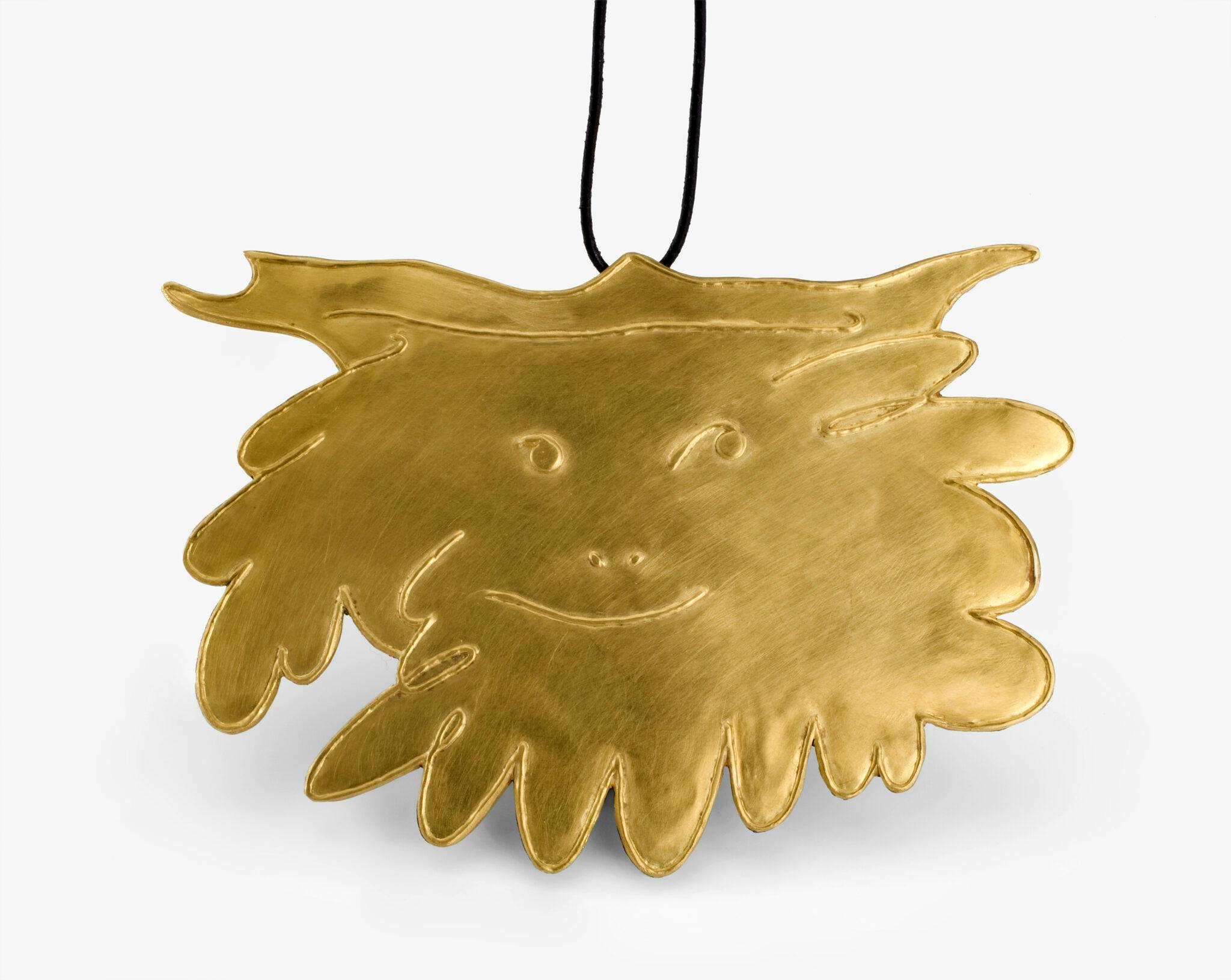
Often produced as echoes of the larger-scale works, artists' jewelry is more sentimental, usually designed for loved ones. There is almost never any question of it being mass-produced, making it considerably rare.
Related: Arts & Crafts Jewelry: a Pure Art Form
"There is no more intimate art form, you can wear it, you can touch it", says Diana Küppers, gallery owner specializing in artists' jewelry.
The origin of artists' jewelry
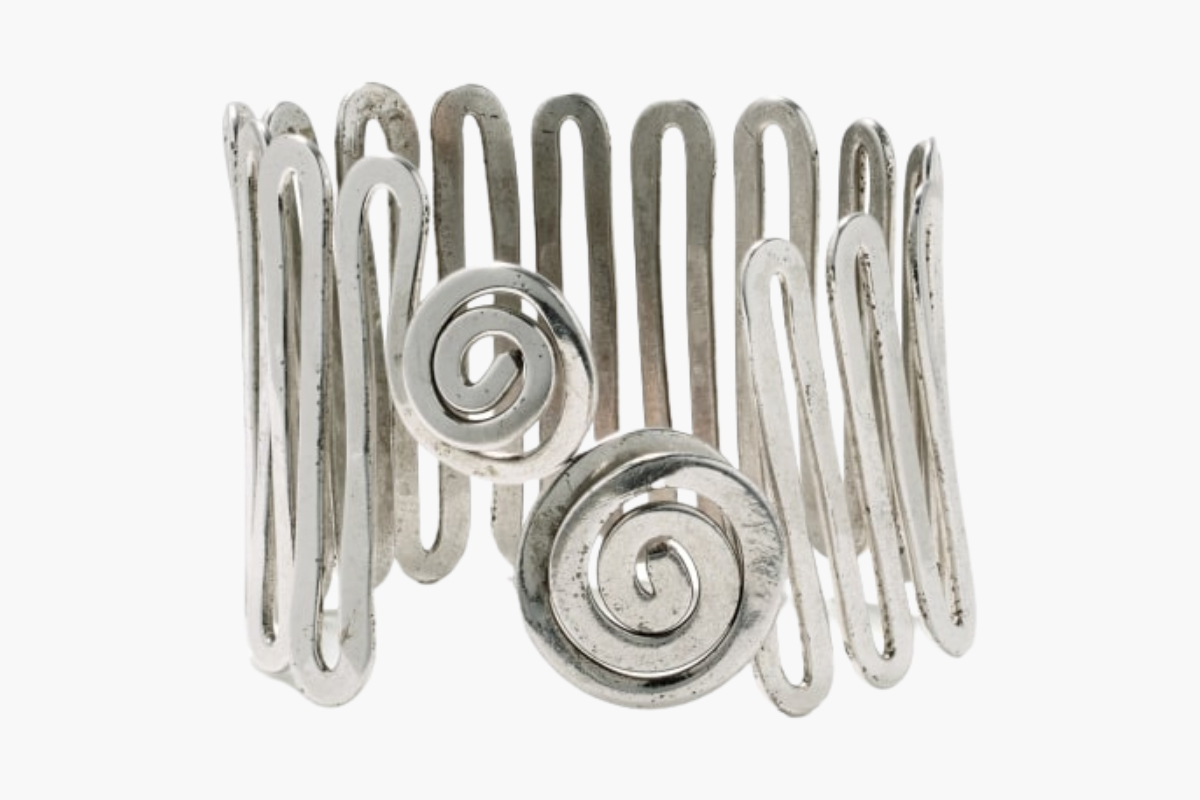
The practice of artist's jewelry was made possible thanks to the collaboration of goldsmiths and the great names of the art world in the 1950s. Until the 20th century, the disciplines of art and goldsmithing developed so independently that a union seemed impossible. Goldsmiths still belonged to the world of craftsmanship and remained at the service of materials, while art took on a conceptual dimension. Marcel Duchamp was the first to decompartmentalize art by including the 'object' in his practice. He was followed by other artists and sculptors such as Braque, Calder, and Giacometti, who were intrigued by the constraints of the exercise and the challenge of producing a work on such a small scale.
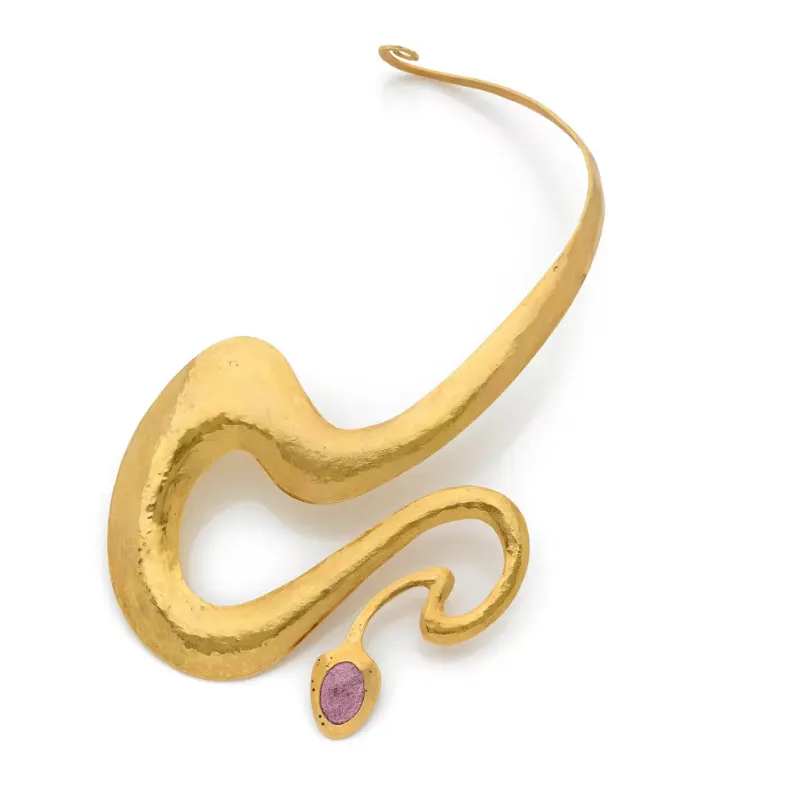
It was François Hugo, great-grandson of Victor Hugo and a genius craftsman, who played a major role in the development and diffusion of artists' jewelry. He became the goldsmith friend of artists and standardized this practice by working with André Derain, who was then followed by Picasso in 1953. The creative relationship between Hugo and Picasso lasted more than 20 years.
"In the end, he realized...he had the idea rather, to make drawings especially for goldsmiths", said François Hugo speaking of Picasso in 1960.
Related: Designer Costume Jewelry: The Favorite Accessory
The jewelers' call
With the barrier between the two disciplines broken down, it has now become commonplace for artists and jewelers to collaborate. Countless artists have tried their hand at this, including Calder, Man Ray, Lichtenstein, Louise Bourgeois, Sophia Vari, Claude Lalanne and Philippe Hiquily.
More than a collaboration, jewelers often call on visual artists to create pieces, as when Bvlgari asked Anish Kapoor to work on a reinterpretation of the B.Zero1 ring. Another such example occurred when Jeff Koons downsized his famous Rabbit for Stella McCartney.
"You know, I've never made a replica of my Rabbit piece. But Stella had the idea to make a charm bracelet out of it", commented Koons on his collaboration with McCartney.
Artists' jewelry on the art market
One of the particularities of artist's jewelry is that it was often made in private for those closest to the artist, and therefore not marketed. For a long time, it was destined for a restricted market of connoisseurs, and it is only in recent years that pieces have appeared in auction rooms, galleries, and fairs.
Want more articles like this delivered straight to your inbox? Subscribe to our free newsletter!
While the price of traditional jewelry varies according to its material, the value of artists' jewelry is measured almost solely by the artist, the edition, and the work by which is inspired. For collectors, the advantage is that the pieces are usually more affordable than a painting or a sculpture, representing the perfect opportunity to acquire a piece by a great master for a lower price. In the auction houses and specialized galleries, one can nowadays find a Lalanne butterfly brooch estimated at between $1,800-2,400, a 'compression' by César for $7,000, or a pendant signed by Dalí at between $5,000-6,000.
The opinion of a professional
To dig deeper into this world, Barnebys spoke to Ken Israel, director of the Parisian gallery Hecate, on the rise of this trend and its place in the market.
The Hecate Gallery is based on the personal collection of Braque's jewelry by Heger de Loewenfeld, a diamond dealer known for having collected the artist's gouaches in volume. Braque's jewels are accomplished pieces, the beauty of their design being perfectly supported by the quality of the stones and materials used by Heger de Loewenfeld. With the jewelry and decorative arts business gradually expanding, Hecate's director confides that Braque's jewelry represents an essential part of the gallery's sales.
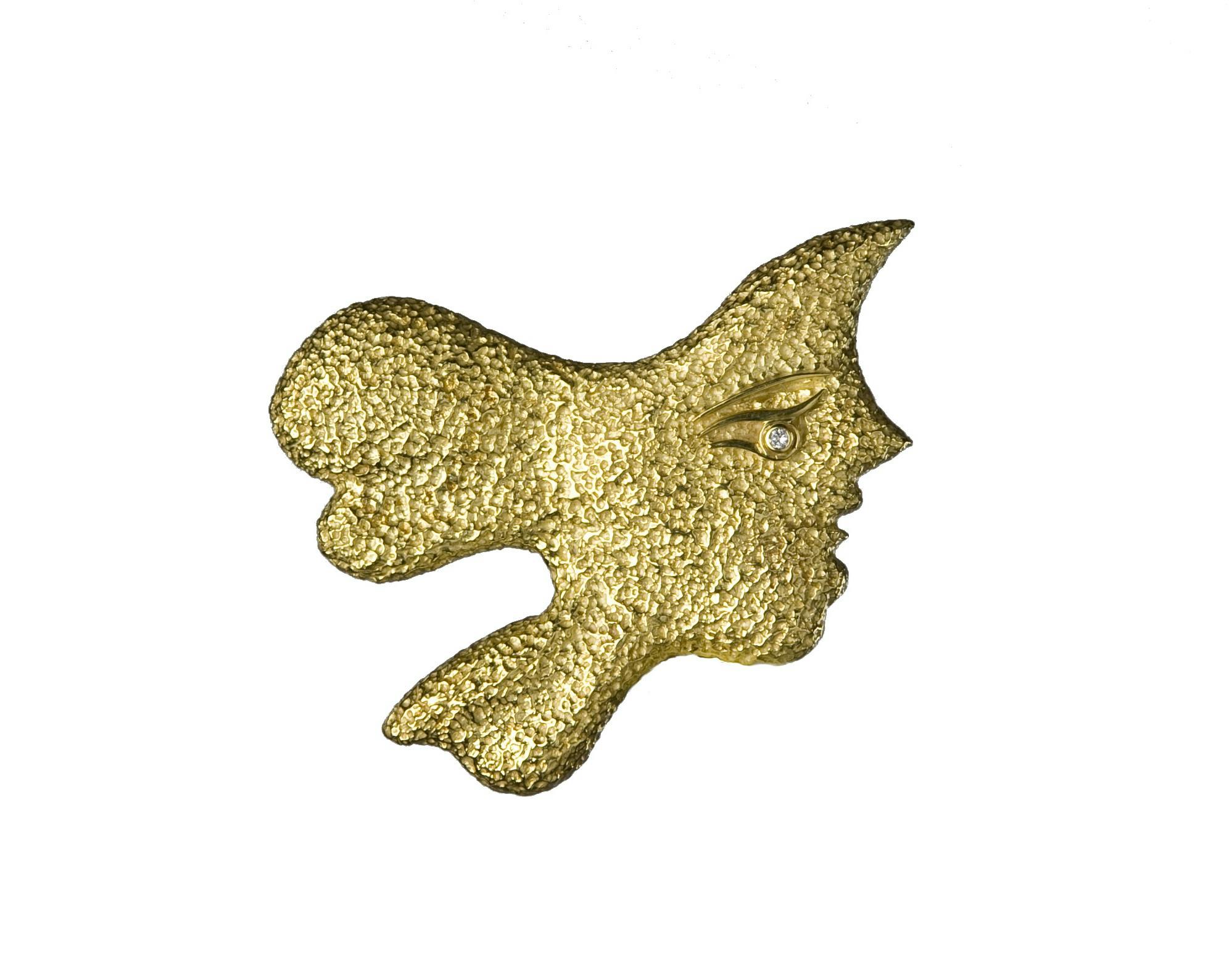
It is relatively difficult to estimate the percentage of artists' jewelry in general market sales, as it is often dispersed in sales of traditional jewelry, Decorative Arts or even Modern Art. Sales exclusively reserved for a collection are a little rarer, which makes the search for these little gems particularly interesting. However, Ken Israel believes that today, access to artists' jewelry is quite easy as specialist dealers take interest.
Related: Vintage Costume Jewelry: Where to Begin
"Their special nature, lodged somewhere between the work of art and the jewel, means that they can be of interest to many beyond that sphere", said Ken Israel.
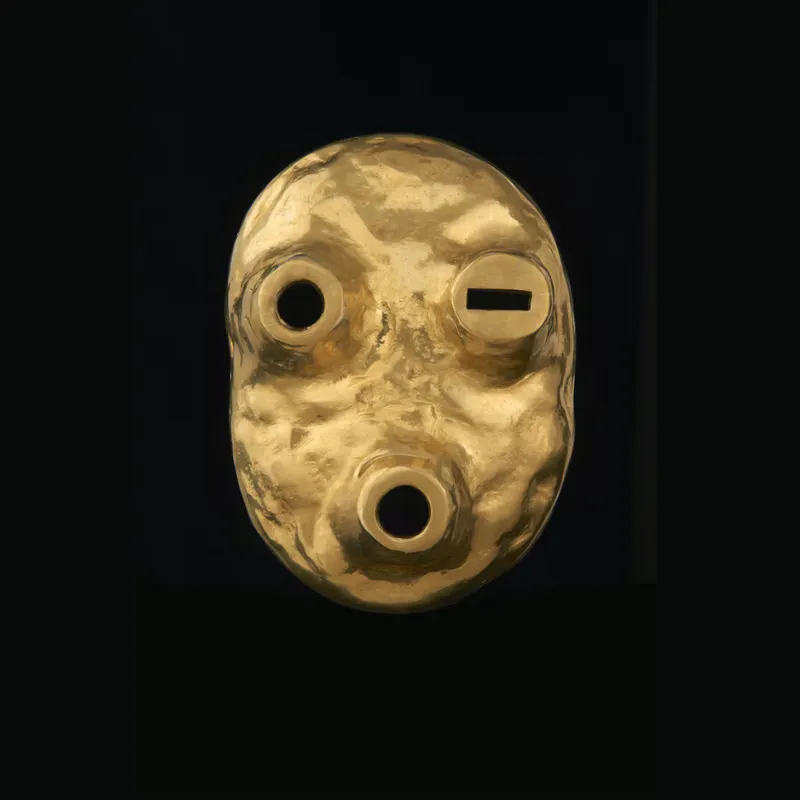
This interest has been supported by many exhibitions, and most notably one dedicated to the collection of journalist Diane Venet in 2018, which is now accessible to the public again at the Villa Empain, a temple of Art Deco in Brussels.


