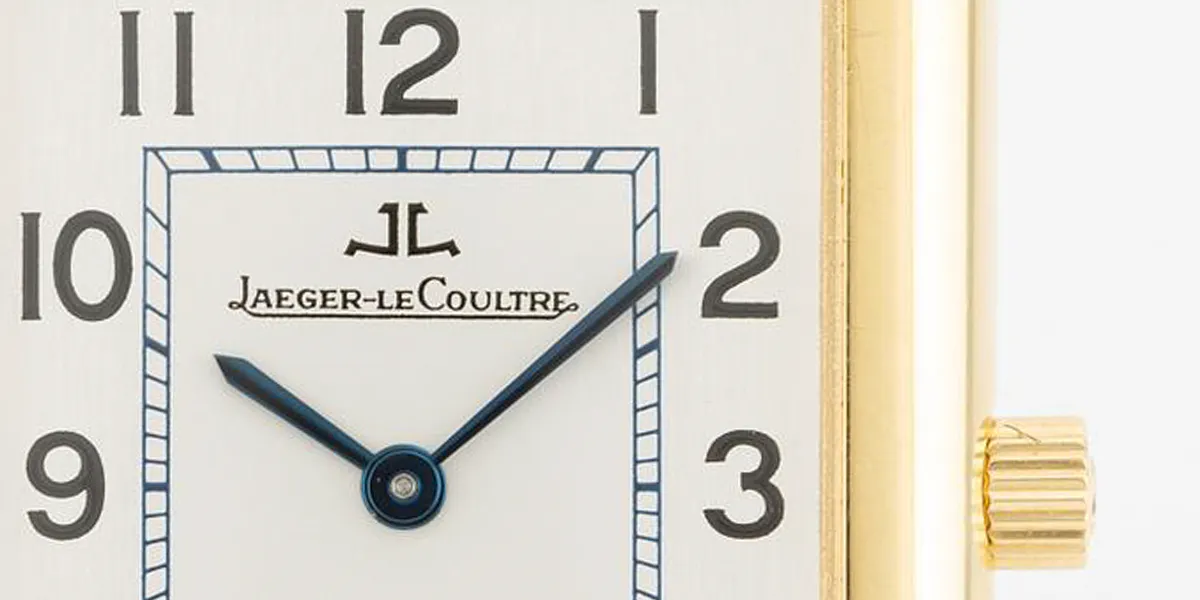
The history of the luxury watch brand Jaeger-LeCoultre began in 1833, when 30-year-old Antoine LeCoultre (1803–1881) established a workshop in the barn of his parents’ home in Le Sentier, nestled in the idyllic Vallée de Joux in the Swiss Jura. His aim was to produce timepieces of the highest precision. A generation later, the small workshop had grown into the region’s most important enterprise, employing nearly 500 people and uniting all aspects of fine movement production under one roof. Today, Jaeger-LeCoultre watches continue to impress with their exceptional quality and craftsmanship, attracting enthusiasts and collectors around the world.
Here are 5 interesting things you should know about Jaeger-LeCoultre.
1. Groundbreaking Innovations
From the outset, Antoine LeCoultre’s ultimate ambition was to produce movements of the highest precision. To achieve this, he required the right tools—so he simply developed them himself. In 1844, he invented the millionometre, capable of measuring to the millionth of a metre. Just three years later, he unveiled a movement that could be wound without the use of a key. Instead, a rocker mechanism allowed the wearer to set the hands or wind the watch via a push-button.
Antoine LeCoultre received international acclaim for his inventions and innovations at the first World Exhibition in 1851.
The Calibre 101 remains the smallest mechanical movement ever made, making it ideal for slim ladies’ wristwatches. One such wearer was Queen Elizabeth II, who had a Jaeger-LeCoultre Calibre 101 on her wrist at her coronation in 1953. Although adorned with diamonds, the watch was notably discreet.
2. A Phone Call That Changed Everything
The year 1903 proved to be a turning point for LeCoultre. Paris-based watchmaker Edmond Jaeger (1850–1922) had challenged the Swiss watchmakers to create a movement slim enough to fit inside an ultra-thin pocket watch he had designed. Jacques-David LeCoultre, grandson of the company’s founder Antoine LeCoultre, was keen to rise to the challenge. The quickest way to contact Jaeger was by telephone—but at the time, there was only one in all of Le Sentier. Undeterred, Jacques-David set off for the nearest telephone—20 kilometres away.
Not everyone was impressed by his determination: his father, Elie LeCoultre, was less than pleased, chastising him for the expense of the call. Nevertheless, Jacques-David’s initiative paid off, paving the way for a partnership with Edmond Jaeger that would eventually lead to the 1937 merger of their companies to form Jaeger-LeCoultre. As history shows, the cost of that 1903 phone call was more than worth it.
3. Fit for a Queen
Sometimes, size does matter—though in the world of watch movements, the smaller, the better. At Jaeger-LeCoultre, this philosophy was embraced wholeheartedly, with the company striving to develop compact movements that could still support a variety of functions. In 1907, it introduced the Calibre 145, which remains the thinnest crown-wound pocket watch movement to this day. This was followed in 1925 by the Calibre 7BF Duoplan, a small rectangular movement that eventually led to the creation of the Calibre 101, unveiled in 1929.
See also: Who Wore the First Wristwatch?
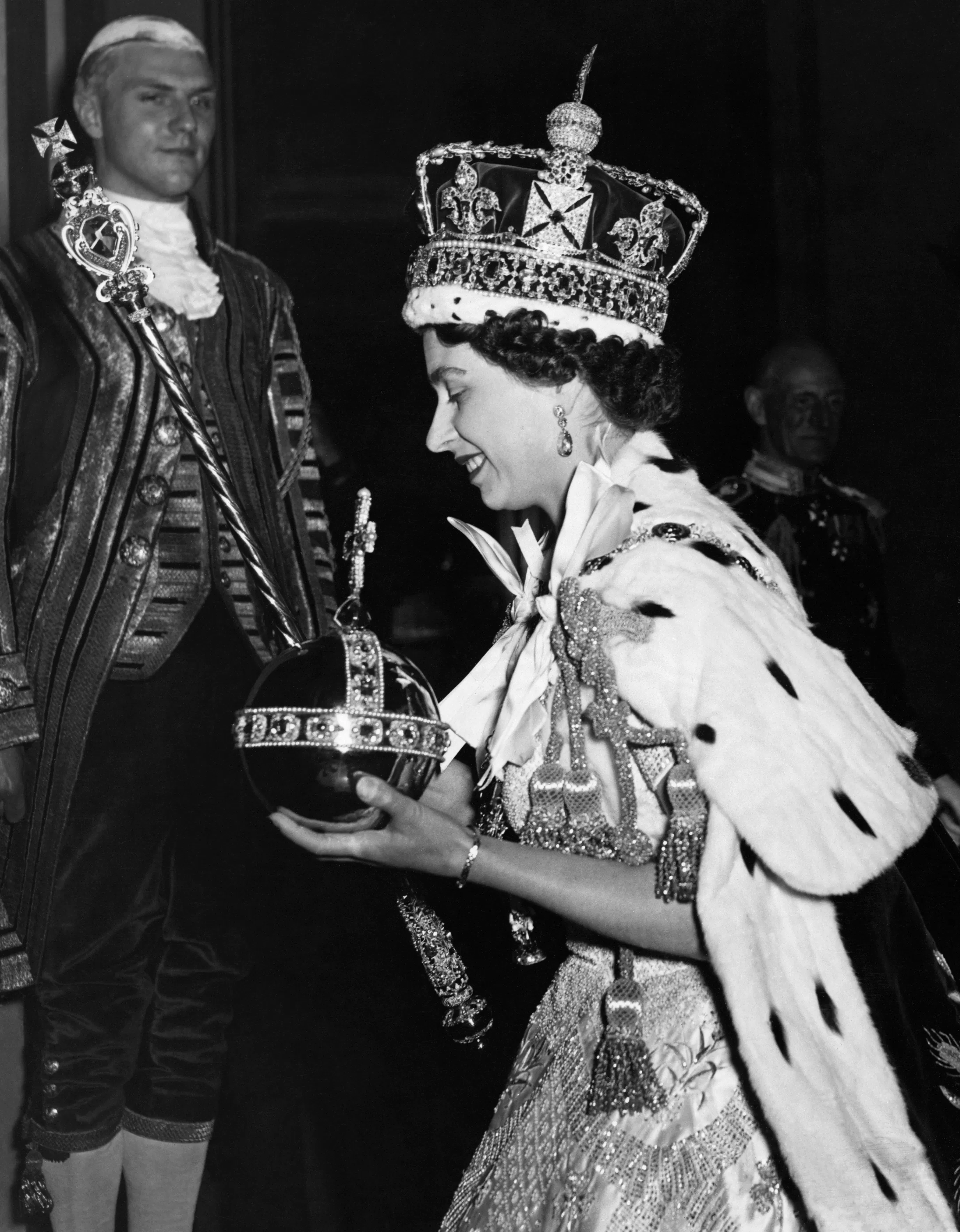
The Calibre 101 remains the smallest mechanical movement ever produced, making it ideally suited to slim women’s wristwatches. One such wearer was Queen Elizabeth II, who wore a Jaeger-LeCoultre watch fitted with the Calibre 101 at her coronation in 1953. To allow the young Queen to discreetly keep track of time, the watch was adorned with diamonds, yet remained elegantly understated overall.
4. Sport Takes Its Toll
…at least when it comes to wristwatches, which aren’t always suited to every sport. Polo, with its fast-paced and physical nature, is one such example—often resulting in shattered watch crystals and damaged dials. This became a particular concern for British Army officers stationed in India, who were keen polo players but clearly reluctant to part with their wristwatches during matches. They needed a solution—one that LeCoultre provided in 1931 with the introduction of the Reverso model, featuring a reversible case designed to shield the glass during play.
See also: A Timeless Timepiece: The Story of the Cartier Tank
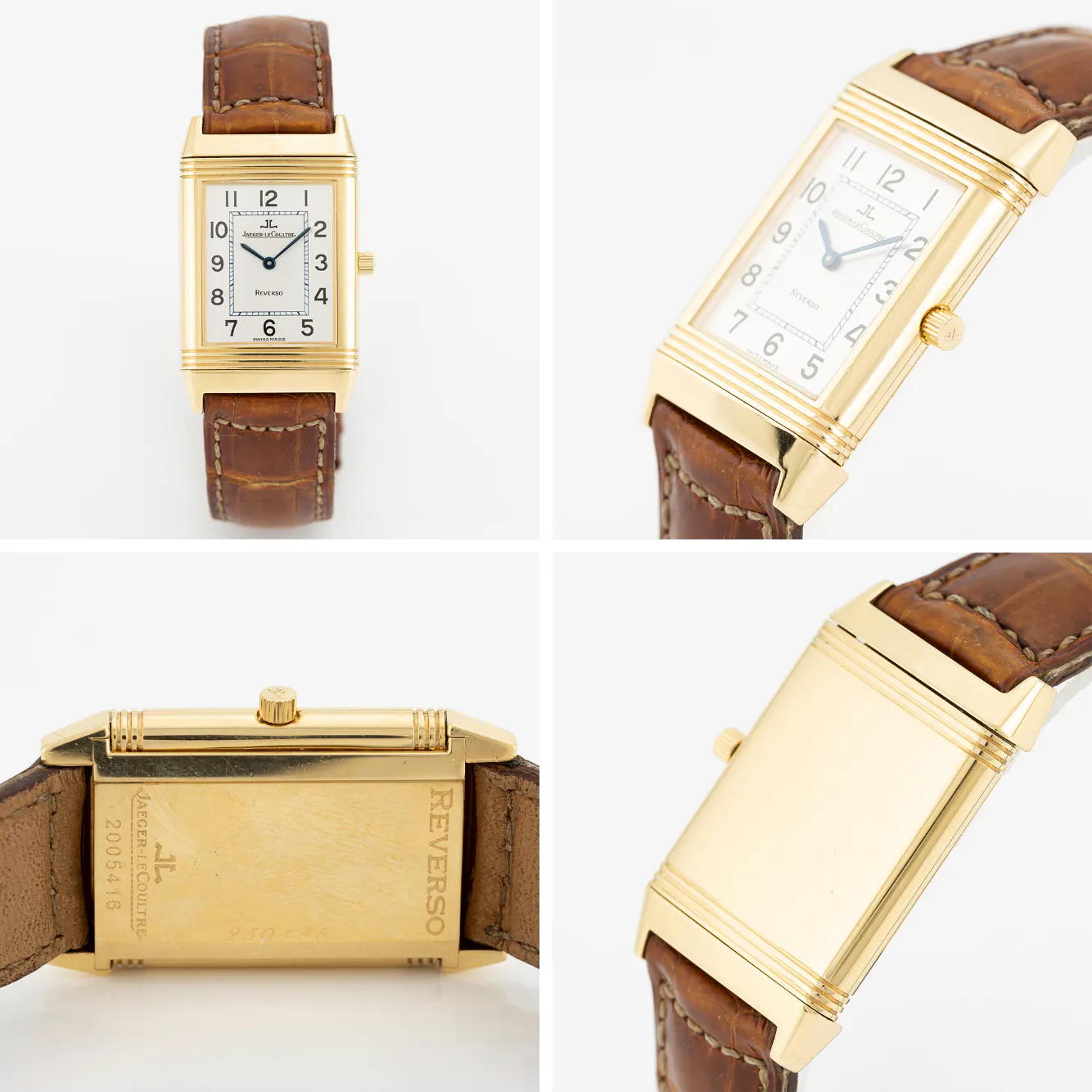
The Reverso has since become a true Jaeger-LeCoultre classic and remains a staple of the collection to this day—continuously refined and enhanced with ever more sophisticated complications. In the world of haute horlogerie, the Reverso Hybris Mechanica Calibre 185 is particularly noteworthy: the first wristwatch to feature four dials.
5. Living on Air and Care
Every watch relies on the care and attention of its owner to ensure a long and functional life. But in the case of the Atmos table clock, it is air itself that plays a vital role—it is quite literally what brings the clock to life. The Atmos draws its energy solely from changes in air temperature, bringing it remarkably close to the idea of a perpetual motion machine.
See also: The Royal History of the World's Most Expensive Clock
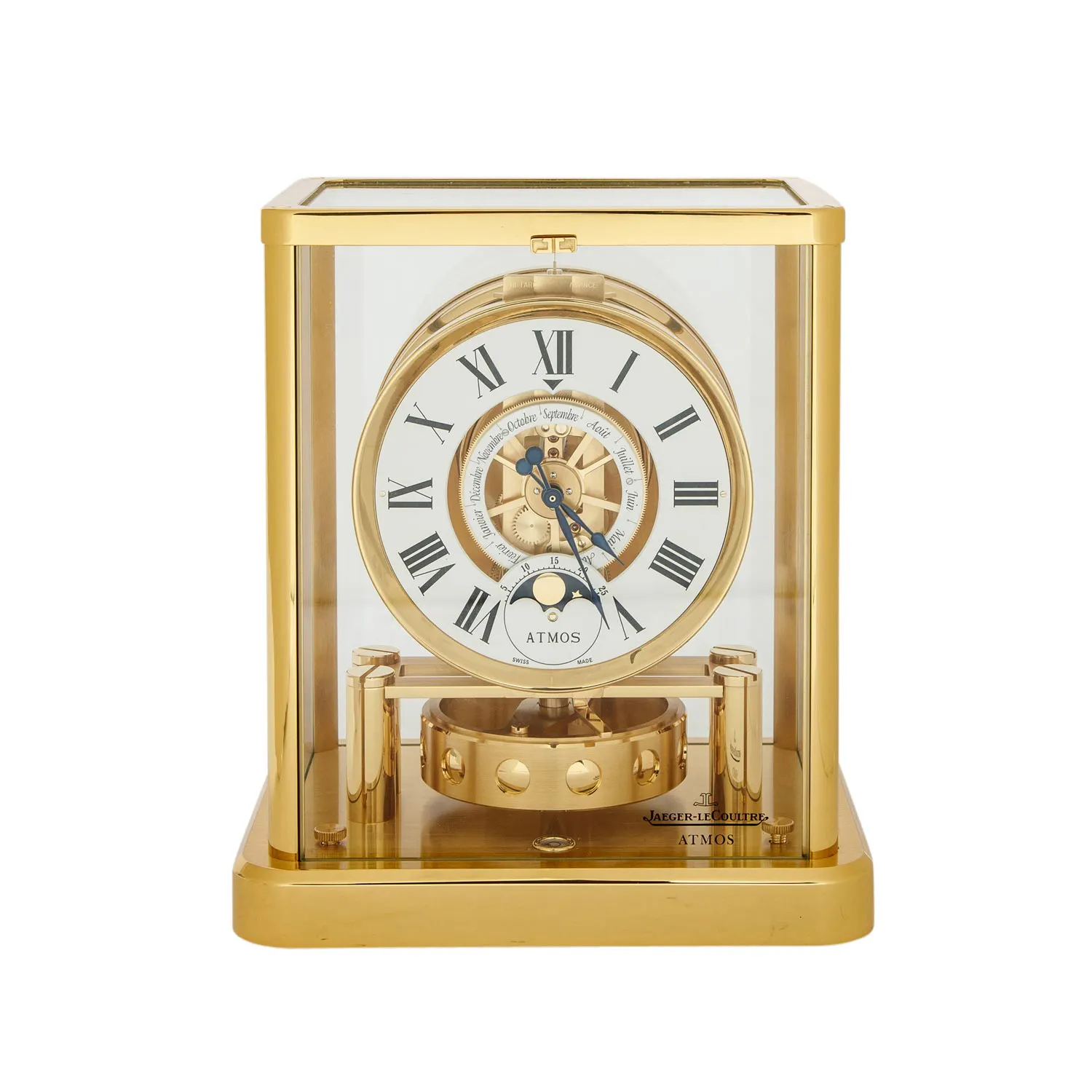
The original inventor of the Atmos was Swiss engineer Jean-Léon Reutter (1899–1971), whose early designs still used a mercury column. LeCoultre adopted and refined the concept, replacing the mercury with an expandable chamber filled with a gas mixture. This gas reacts to even the slightest changes in temperature, expanding and contracting to power the movement of the Atmos—though only just enough. This is why you won’t find an energy-hungry second hand on the dial. A moon phase display, on the other hand, requires very little energy and is included in some versions of the Atmos.
So delicate is the mechanism that even a speck of dust could throw it out of balance, which is why it is housed in a protective glass case. The Atmos remains part of the Jaeger-LeCoultre collection to this day and is considered one of the most beautiful table clocks ever created.