
As the longest-reigning British monarch, Queen Elizabeth II has been a consistent and beloved leader through decades of global turmoil. The world has greatly changed since her reign began in 1952, and the art world has greatly changed as well. Comparing portraits of the Queen throughout the years reveals not only the shifts in art styles from the 1950s to today, but also a new and modernized perception of the monarchy. She has inspired an enormous range of artistic creations, from romantic commissioned portraits by Pietro Annigoni to controversial depictions by George Condo. Take a look at six of our favorite official and unofficial portraits of the iconic leader from the course of her reign.
1952: Dorothy Wilding, The Queen
Related: The Female Look: 11 Women Who Changed Photography
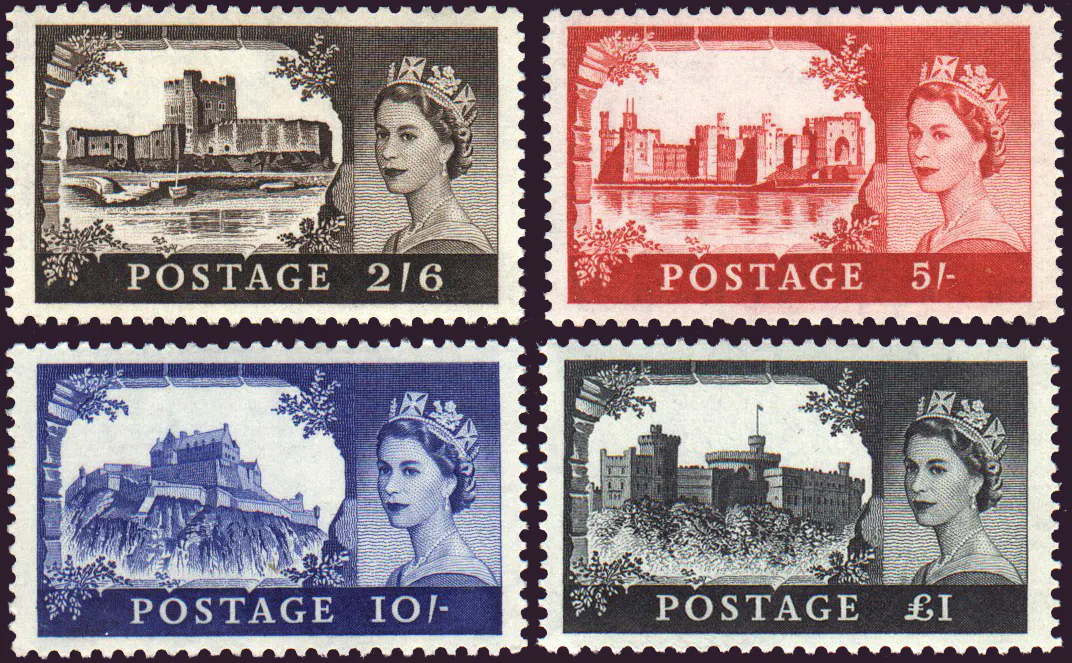
Taken just 20 days after her coronation, Dorothy Wilding’s black-and-white photographs of Queen Elizabeth II perfectly capture the young royal’s steadfastness and self-possession, qualities she has carried throughout her reign. She wears the State Diadem made in the 1820s for George IV, a diamond- and pearl-encrusted gold crown that’s traditionally worn only during coronations and State Openings of Parliament, but which frequently appears in her portraits.
Wilding was the first female official royal photographer, and her photographs of the Queen were used on a series of postage stamps from 1952 to 1971. Low-value stamps depicted only a portrait, while the high-value stamps showed the Queen next to Northern Ireland’s Carrickfergus Castle, Wales’ Caernarfon Castle, Scotland’s Edinburgh Castle and England’s Windsor Castle.
1953: Cecil Beaton, Coronation Day
Related: Feminism Captured: 9 Historic Photographs
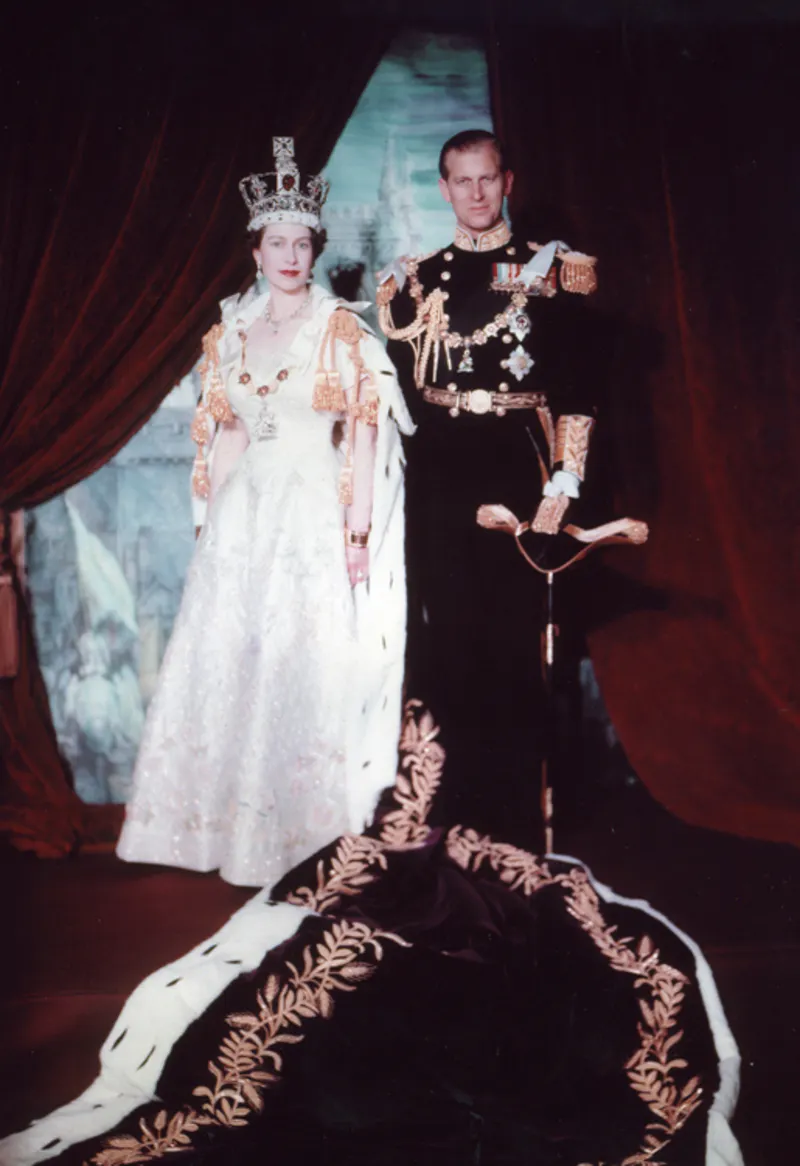
On June 2, 1953, Elizabeth II was officially crowned as Queen and Head of the Commonwealth. Her coronation portraits were taken by Sir Cecil Beaton, and his photographs were central to shaping the public’s perception of the Royal family. The glamorous photo of the Queen and her husband Philip, Duke of Edinburgh, looks as though it came straight out of a fashion magazine, and for good reason – Beaton worked for both Vogue and Vanity Fair and was known for his portraits of high society.
Although the photograph appears to have been taken in Westminster Abbey, it was actually taken in a drawing room at Buckingham Palace. Beaton, who also designed sets on Broadway, employed a theatrical backdrop for the coronation photograph. The royal couple is dressed in full regalia for the occasion, and Her Majesty wears the imperial state crown that was created for her great-great-grandmother Queen Victoria’s coronation.
1985: Andy Warhol, Reigning Queens (Royal Edition): Queen Elizabeth II of the United Kingdom
Related: Worth Millions: Behind the Appeal of Celebrity Memorabilia
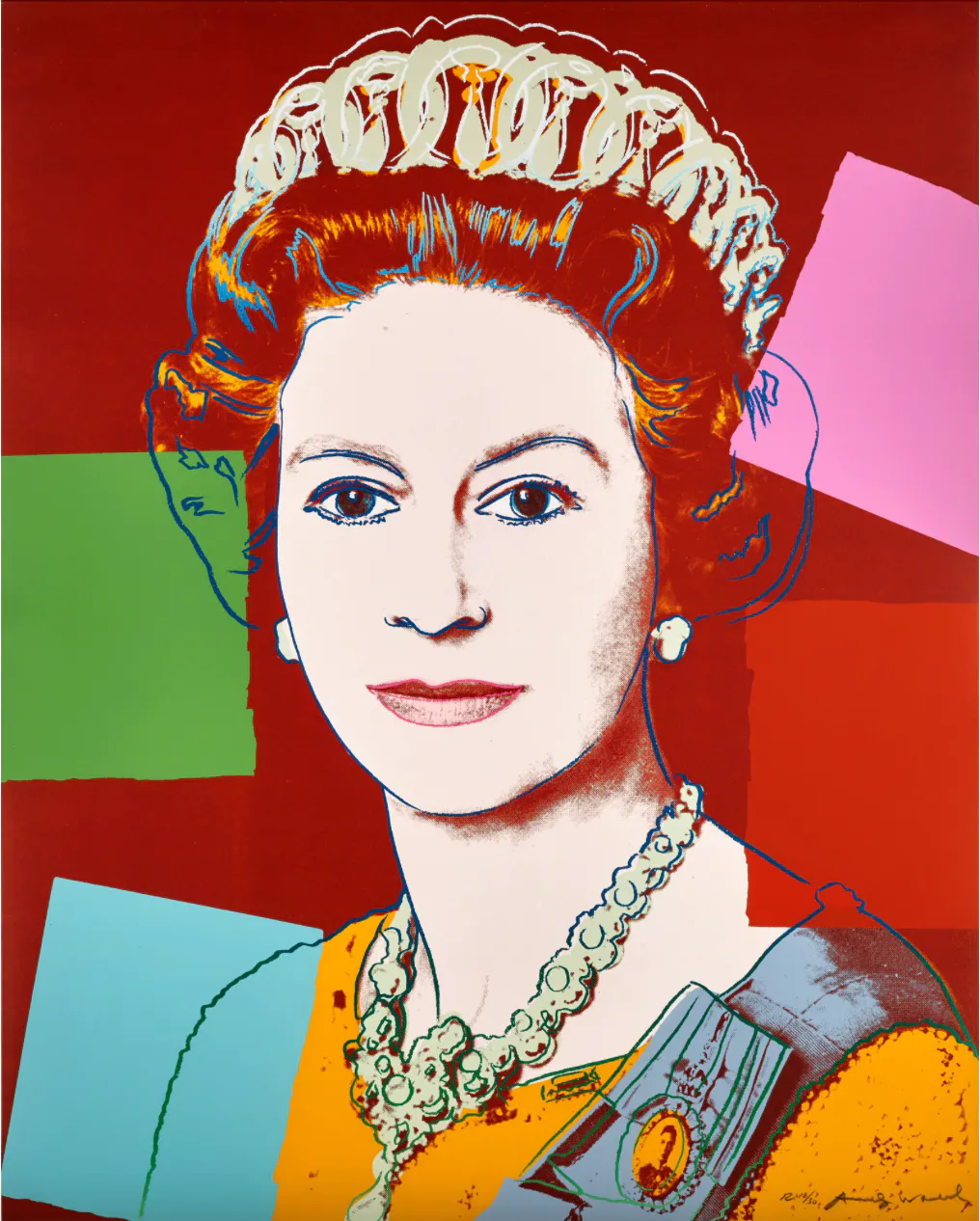
Throughout her reign, Queen Elizabeth II has worked to modernize both her own image as well as that of the entire monarchy. It seems appropriate, then, that she was immortalized in a portrait by the King of Pop Art, himself, Andy Warhol. His 1985 series ‘Reigning Queens’ consisted of four silk-screen portraits of then-current female monarchs: Queen Beatrix of the Netherlands, Queen Margrethe II of Denmark, Queen Ntombi Twala of Swaziland, and, of course, Queen Elizabeth II. Each woman ruled in her own right, rather than becoming queen through marriage, representing a strong female authority that’s very different from Warhol’s portraits of pop icons like Marilyn Monroe or Elizabeth Taylor.
Like many of his pieces, Warhol’s print was based on a pre-existing work. However, he gave his own characteristic spin to the Queen’s official Silver Jubilee portrait, simplifying it down to the outlines and overlaying it with blocks of color. Although she is recognizable, her personality is removed and she becomes a flat symbol of power. Rather than romanticizing her as a ruler, Warhol’s brand of Pop Art treats her as any other iconic celebrity.
2010: Julian Calder, The Queen of Scots, Sovereign of the Most Ancient and Most Noble Order of the Thistle and Chief of the Chiefs
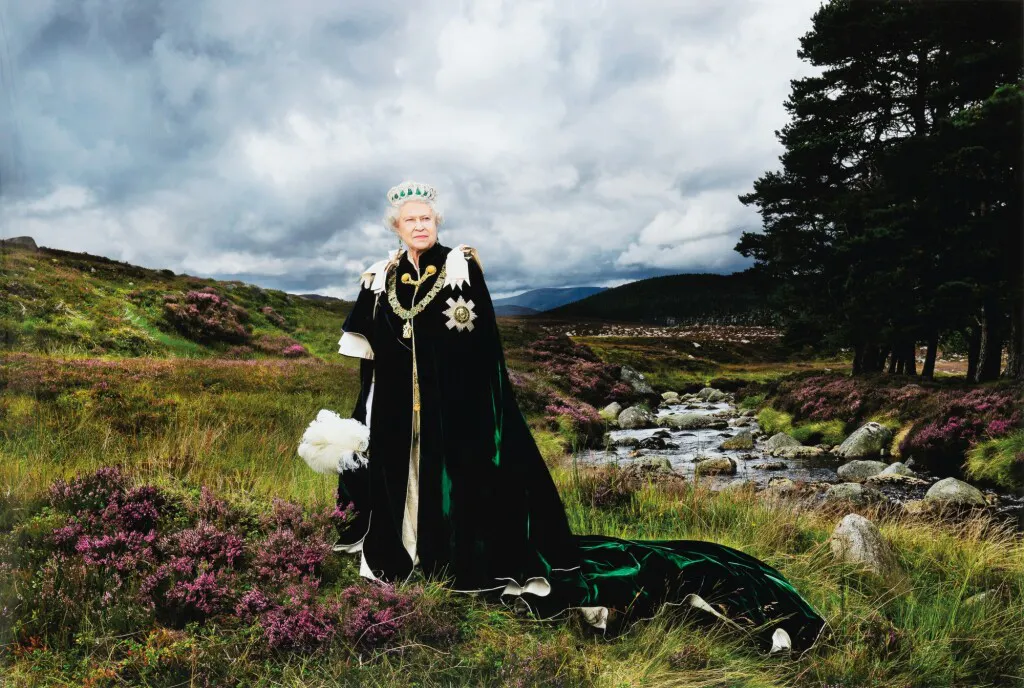
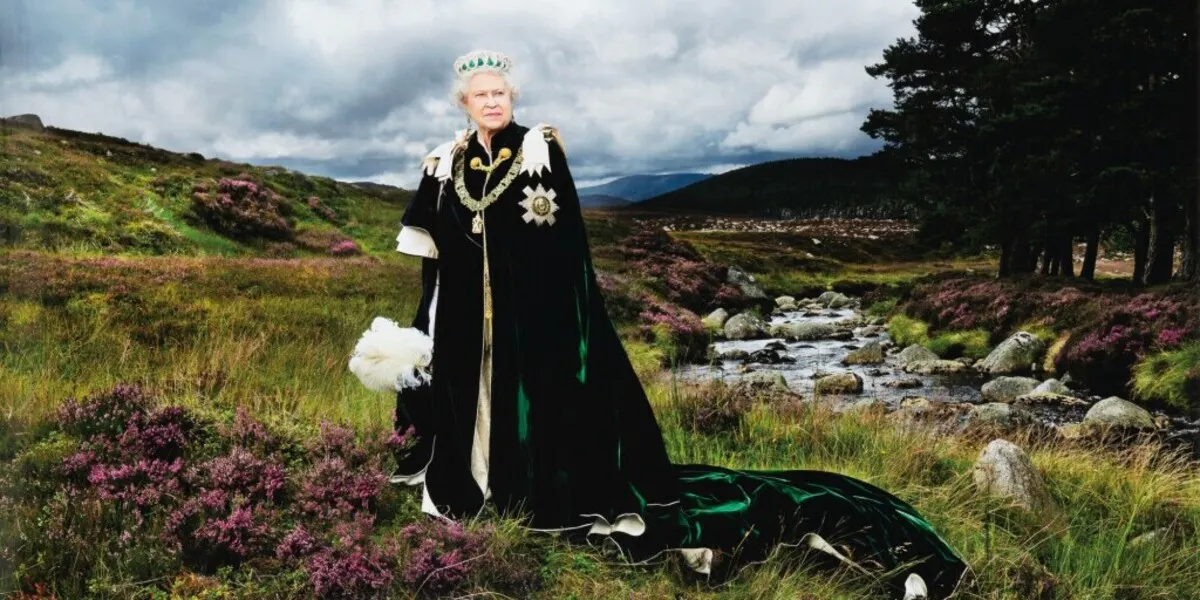
One particularly majestic image of the Queen is this dramatic portrait photograph by Julian Calder. She wears the emerald green robes of the Order of the Thistle, the highest chivalric order in Scotland, adorned with the emblem of the thistle and the cross of Saint Andrew. Because the photograph emphasizes Queen Elizabeth II’s role as the Queen of Scots, it is appropriate that it’s now in the Scottish National Portrait Gallery’s collection.
The photograph was taken on the grounds of Balmoral Castle in Aberdeenshire, next to a bend in the Gelder Burn stream that parallels the curve of the flowing green robes. The Queen’s rich attire against the heathered landscape and cloudy sky looks straight out of a romantic 19th-century painting, and, in fact, the lighting and composition were inspired by Sir Henry Raeburn’s portraits of Scottish clan chiefs. Her posture and expression are appropriately stoic, and the traditional, painting-like composition conveys her legacy of power.
2012: Chris Levine, Lightness of Being
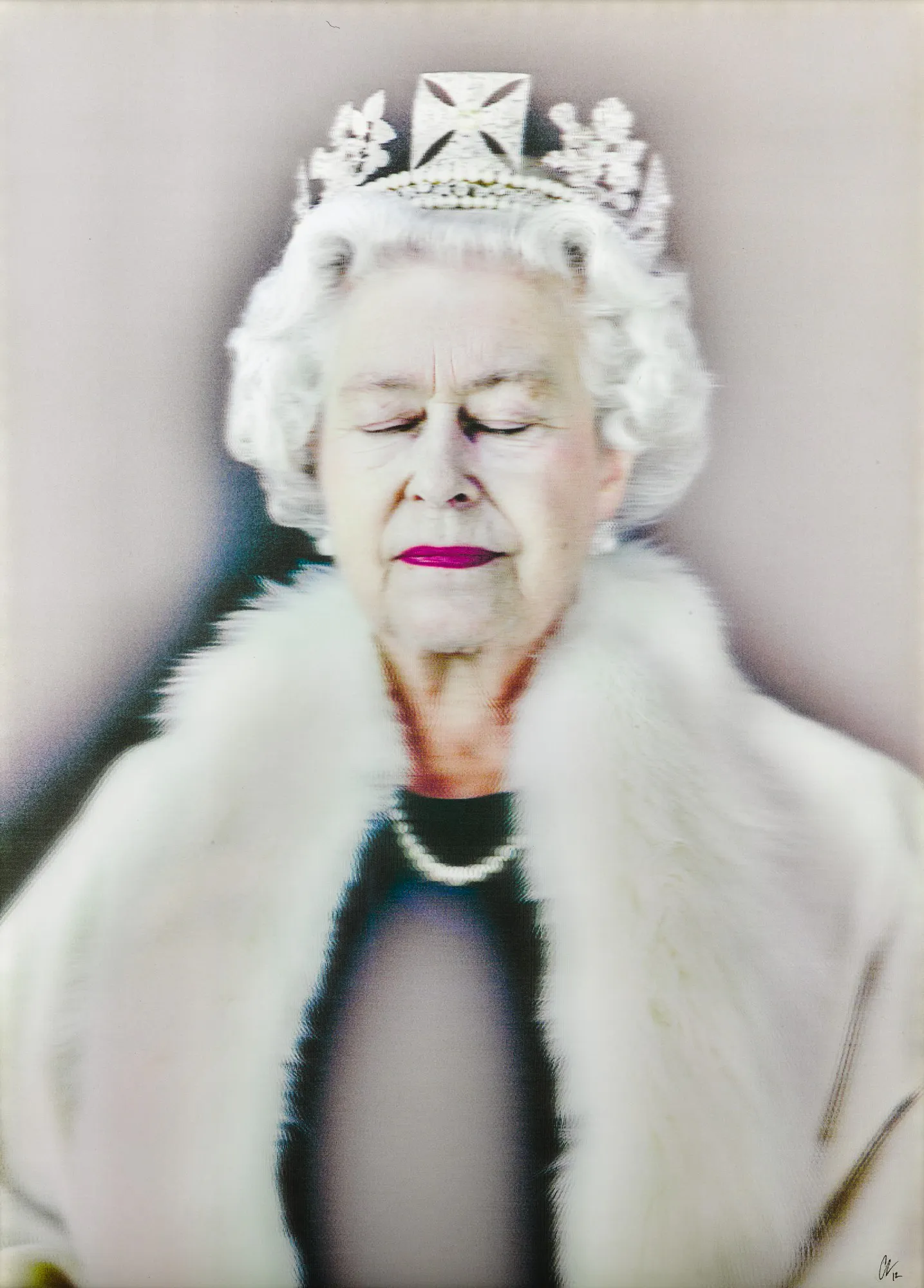
In 2004, the light artist Chris Levine was commissioned by the Island of Jersey to create the first-ever holographic portrait of the Queen to celebrate 800 years of allegiance to the crown. Although he took more than 8,000 photographs over two sittings, one of the series’ most famous images wasn’t planned. Levine asked the Queen to rest between shots, and he caught her with her eyes closed in a moment of stillness.
Levine styled the Queen simply – white ermine, a single strand of pearls and the geometric State Diadem – so that her face would take centre stage. The portrait is striking in its intimacy, and although the Queen shows signs of age and the weight of a decades-long reign, she still radiates an aura of calm power.
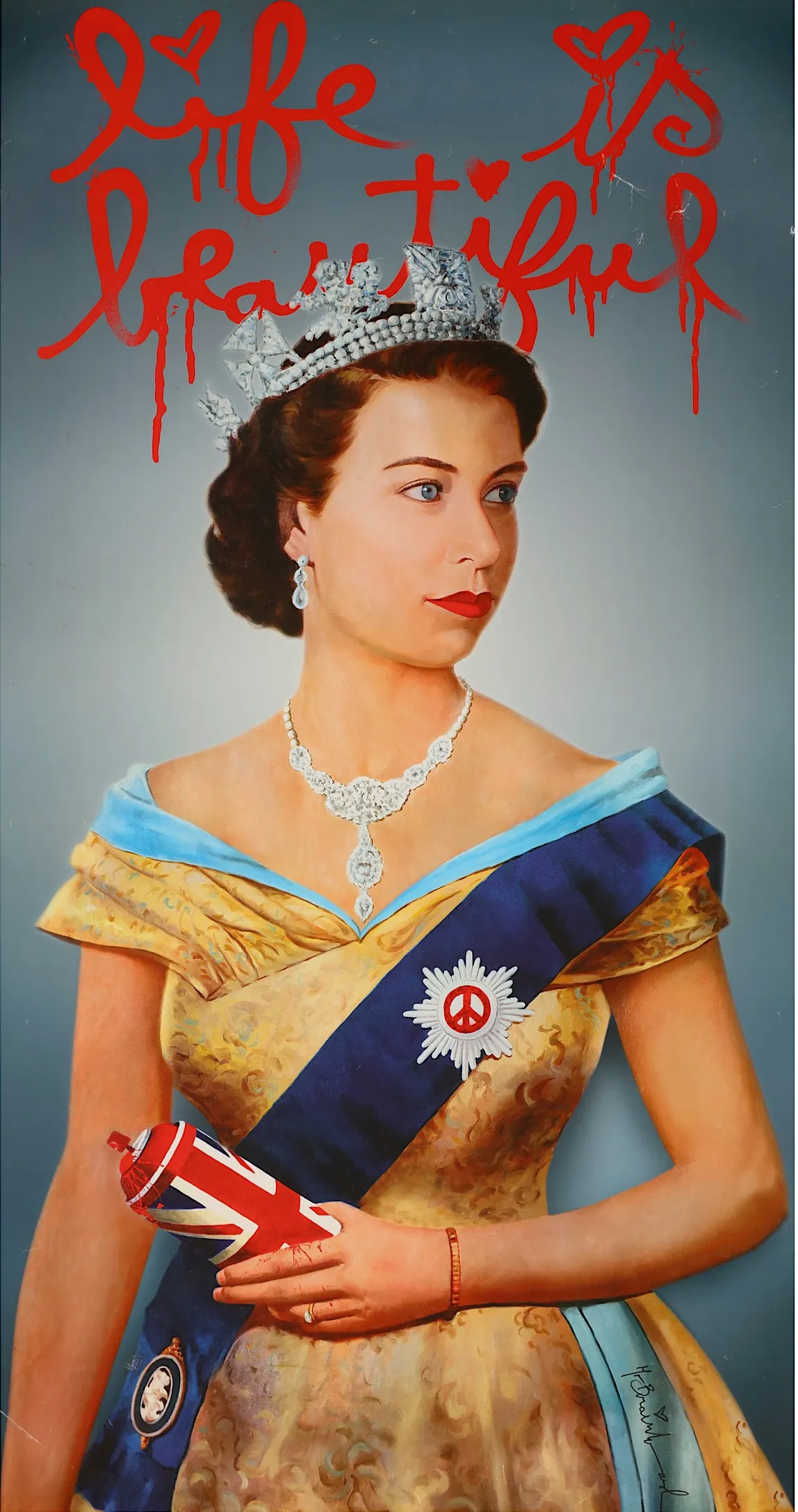
2012: Mr Brainwash, Queen Elizabeth II
Related: The Art World's Best Kept Secret
Queen Elizabeth II celebrated her Diamond Jubilee in 2012, which marked her 60th year on the throne. In August 2012, the street artist Mr Brainwash (Thierry Guetta) held his second UK show in London’s West End and adorned the exterior of the Old Sorting Office with a six-story-tall likeness of the Queen. She is shown in her coronation attire with a red peace sign instead of St. George’s Cross on her Order of the Garter badge, and holds a Union Jack spray paint can.
Mr Brainwash is known for his appropriation of celebrities and pop culture icons but usually presents them in a way that subverts their meaning, similar to Pop artists like Andy Warhol and other street artists like Banksy. Here, the regal Queen is juxtaposed by the paint can as well as the graffitied slogan “life is beautiful” behind her head. Mr Brainwash first used the phrase as the title for his debut exhibit, and he uses it frequently in his works. While many other street artists are marked by their cynicism and social critiques, Mr Brainwash’s art is often upbeat and positive.
During her more than 70 years on the throne, Queen Elizabeth II has been a muse to photographers, painters and sculptors from all walks of life. Each artist has their own unique interpretation of the Queen, and every portrait shows the artist just as much – or more – as it does the subject. Some, like Chris Levine’s Lightness of Being, emphasize her sanctity, while others, like Lucien Freud’s Queen Elizabeth II, highlight her humanity. Taken as a whole, however, these portraits clearly show that the Queen is not only a source of admiration but a source of inspiration.
Find more inspiring articles on Barnebys Magazine
Article by Madeleine Whalen


