We took a look back at the most ingenious seating designs of the 20th century and picked 10 that were definitely a stroke of genius.
Josef Hoffmann, Kubus
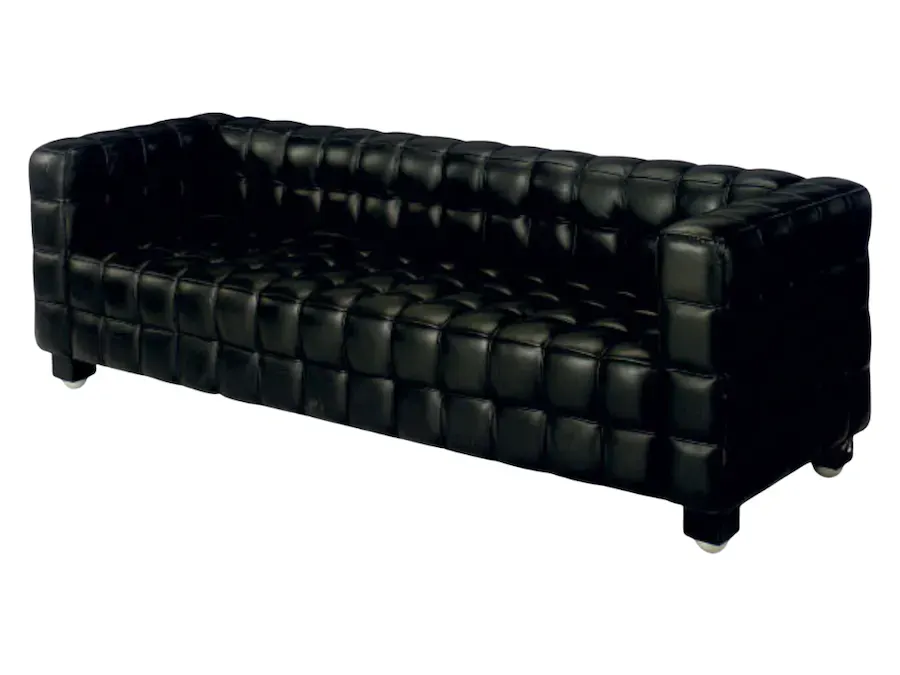
With his Kubus armchair created in 1910, the Viennese architect and designer Josef Hoffmann was inspired by the artistic style of Cubism, which was then in its heyday, for the design of furniture. This revolutionary design was undeniably modern for its time and has become an enduring symbol of the nexus of art and design.
Marshall Lloyd, Loom
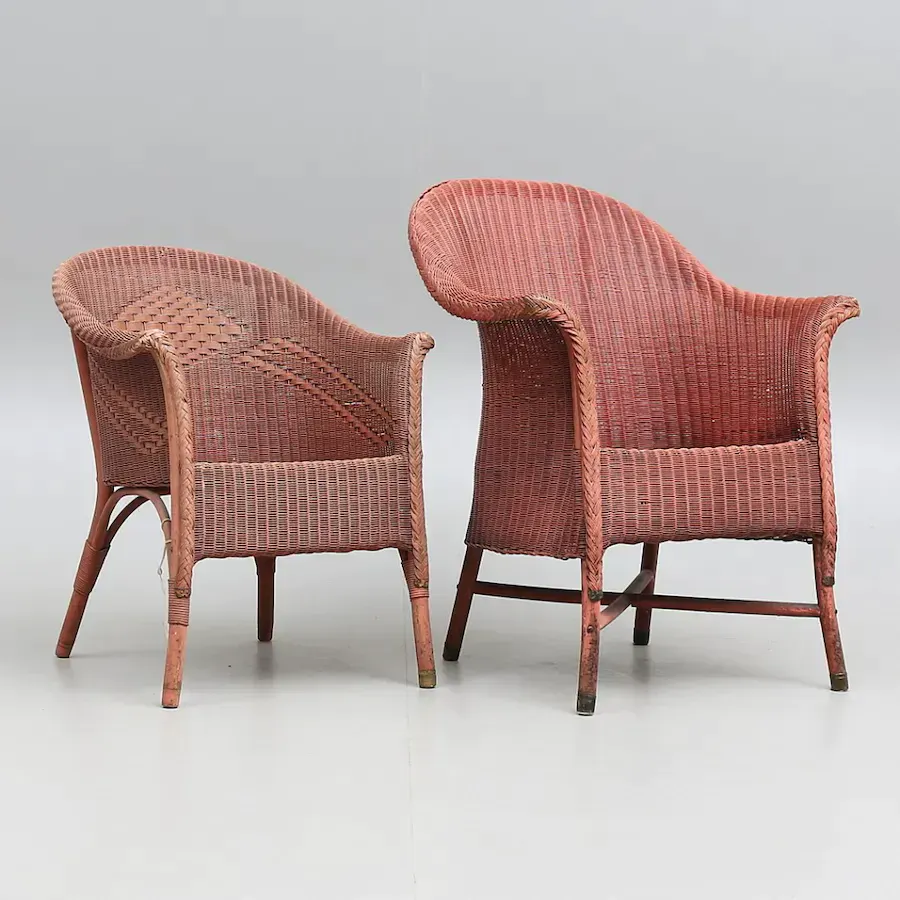
In 1917, the American entrepreneur Marshall Burns Lloyd patented a process that was fundamental to his furniture creations. Influenced by the design of wicker furniture, he created something new: a paper-wrapped wire that was significantly more resistant than the materials previously used. With the shape of his Loom chairs, Lloyd offered a unique alternative to already well-known salon chairs.
Related: The Chairs that Made Thonet
Mart Stam, Cantilever
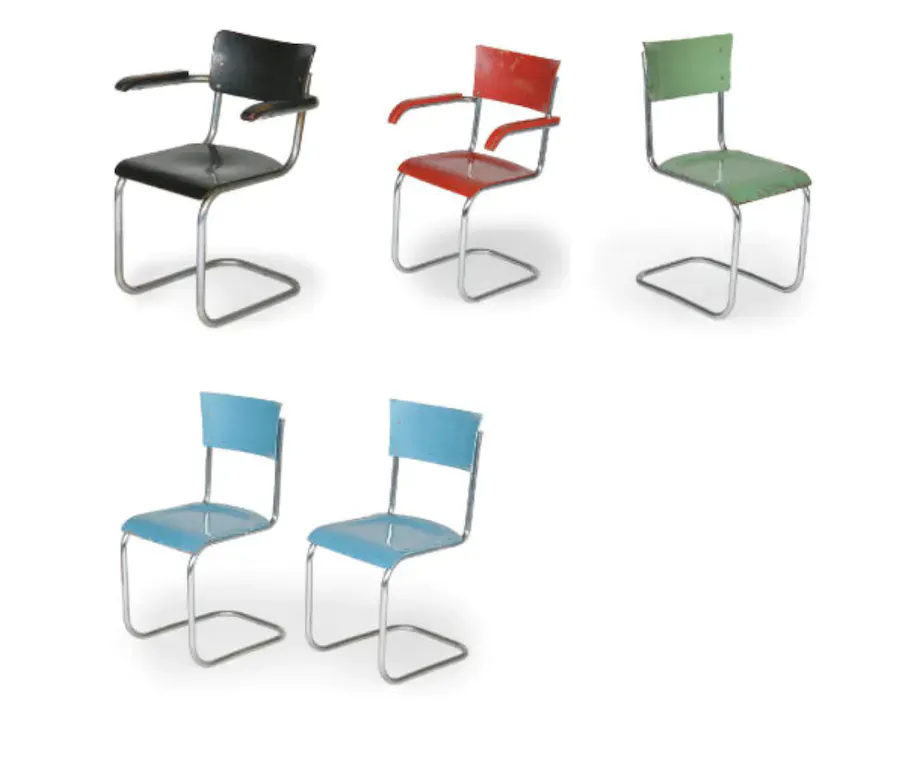
The following model comes from the Weimar Bauhaus, more precisely from the Dutch designer Mart Stam, who designed a cantilevered chair for his pregnant wife in 1926. Other Bauhaus artists enthusiastically took up Stam's idea, notably Marcel Breuer, whose Cesca and Wassily chairs draw inspiration. With its simplicity and lightness of design and materials, the Cantilever chair was one of the most significant inventions of the 20th century.
Related: 6 Giants of Mid-Century Modern Design
Le Corbusier, LC4
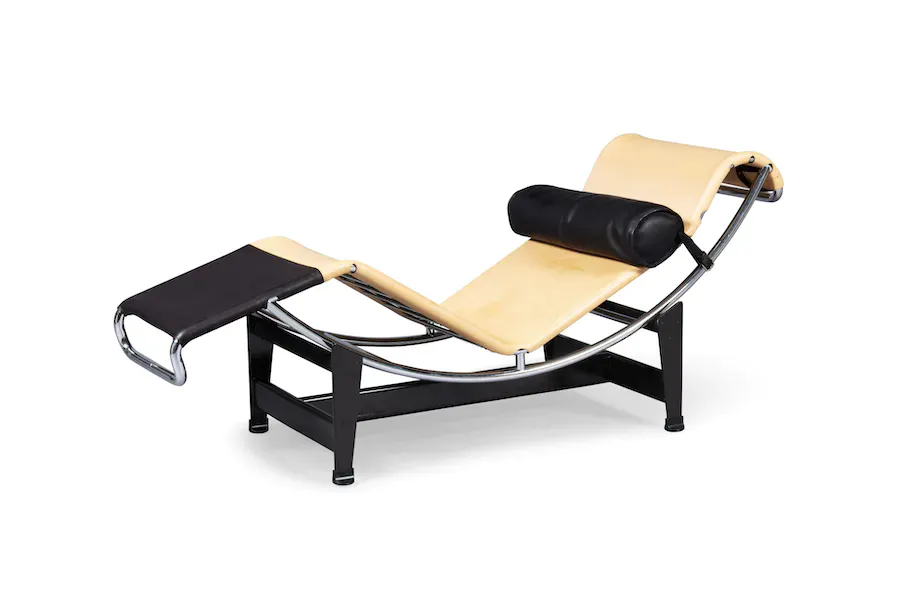
With the LC4 recliner, Le Corbusier, his cousin Pierre Jeanneret and Charlotte Perriand created a "machine à repos" (resting machine) in 1928, which Corbusier had worked on perfecting for years. The result was a retractable lying surface on a semi-circular steel frame that could be continuously adjusted until those seeking peace and quiet had found their optimal position.
Related: The 10 Most Popular Furniture Designers
Mies Van der Rohe, Barcelona
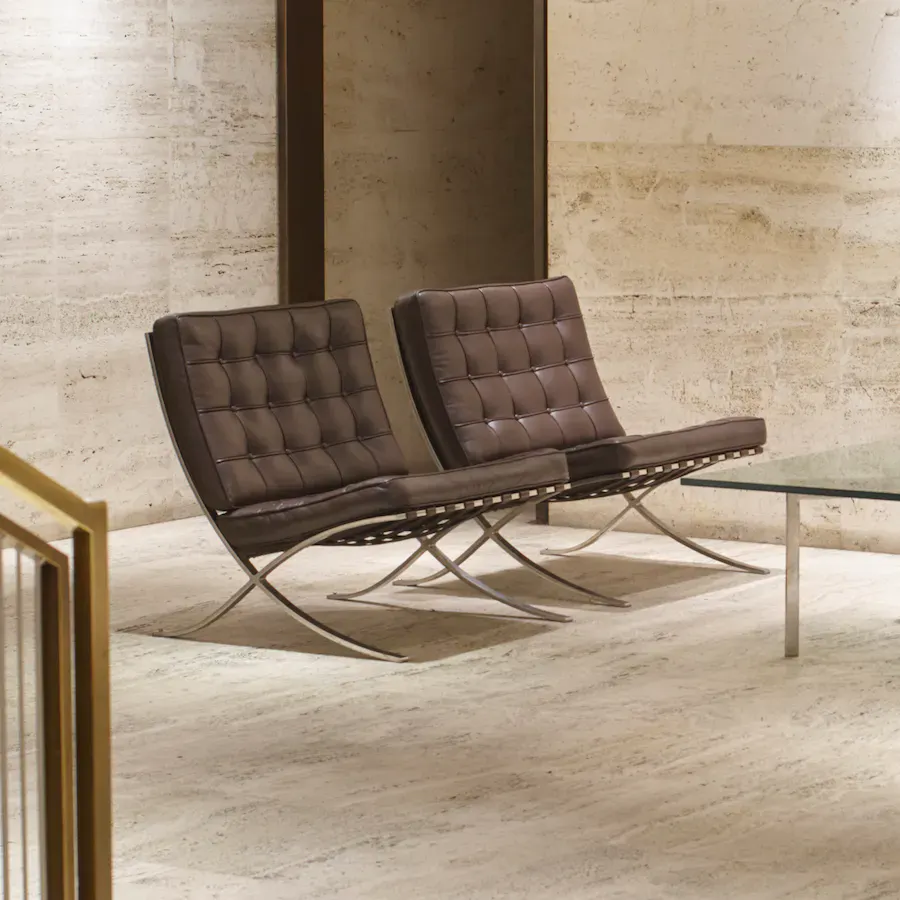
Ludwig Mies van der Rohe designed his Barcelona chair, which is still in production today, for the German pavilion at the World Exhibition in Barcelona in 1929. It was intended to serve as seating for the Spanish royal couple. The armchairs were complemented by matching stools and a glass table. As for many other designs, the American company Knoll acquired the manufacturing rights and has now sold more than 20,000 copies of the Barcelona worldwide.
Related: A Brief History of Furniture Design
Alvar Aalto, Paimio
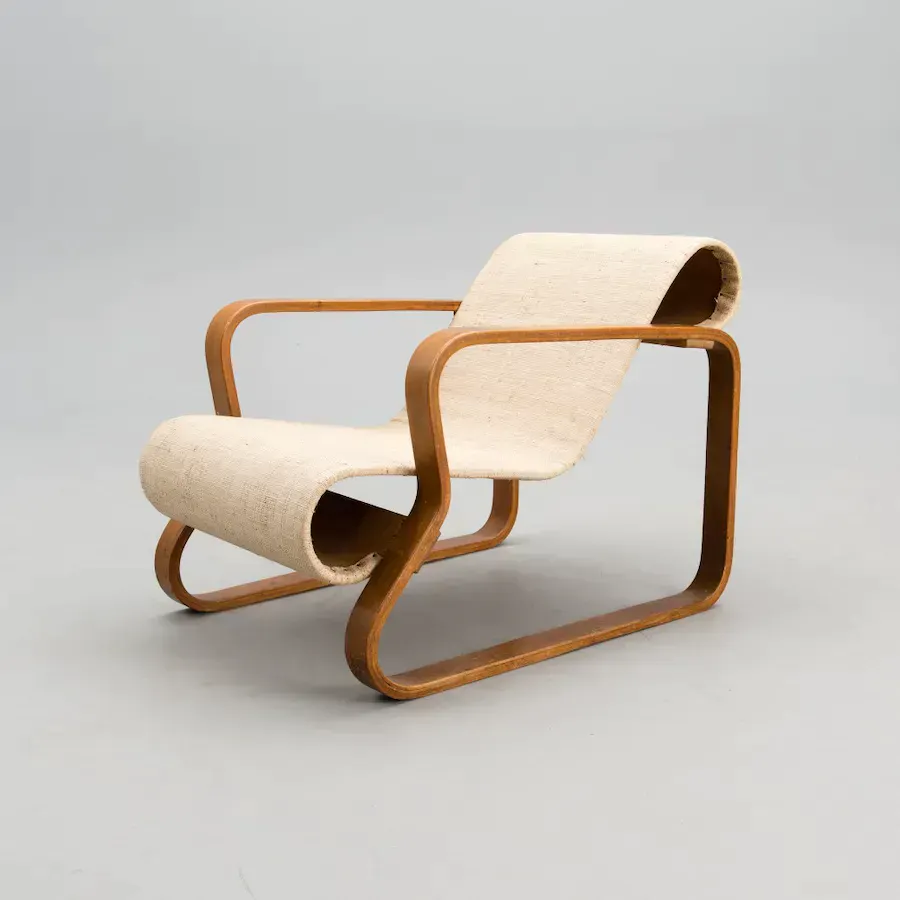
When the Finnish architect Alvar Aalto designed his Paimio armchair in 1931, he had the designs of the Weimar Bauhaus in mind. However, he swapped the chrome, which was common in Weimar, for light wood to achieve a softer look. The chairs were intended for a rehabilitation clinic for tuberculosis patients in the Finnish town of Paimio, whose building Aalto had also designed.
Want articles like this straight to your inbox? Subscribe today to our free newsletter!
Charles Eames and Eero Saarinen, Organic
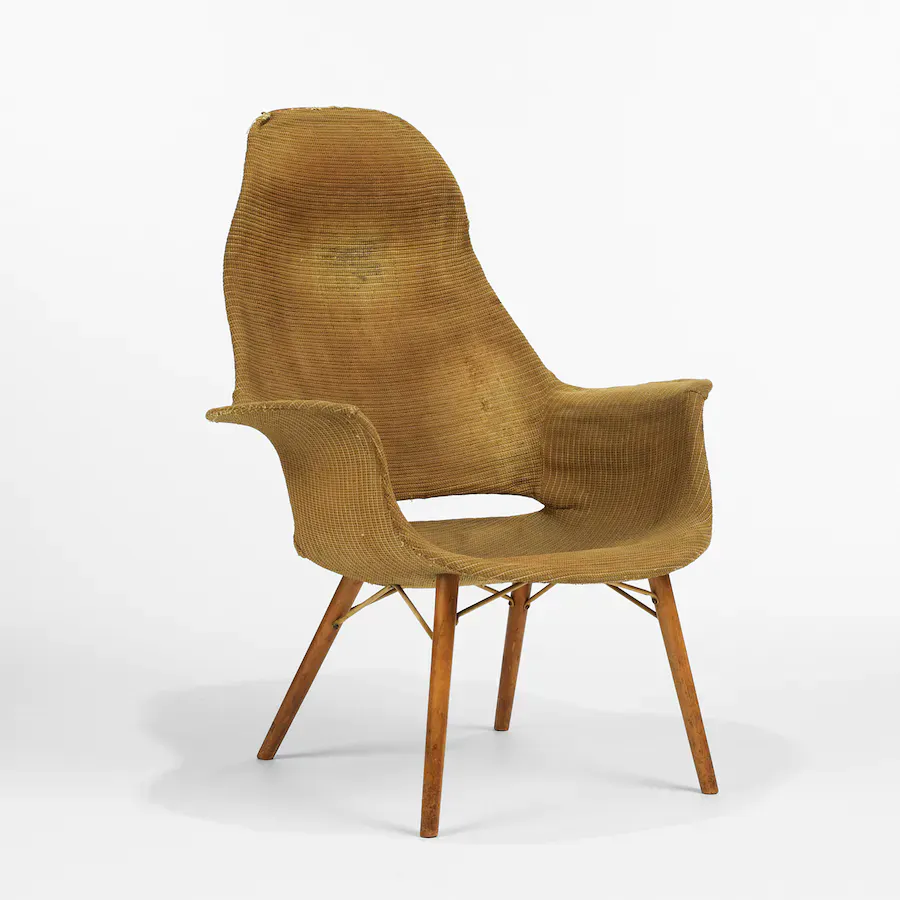
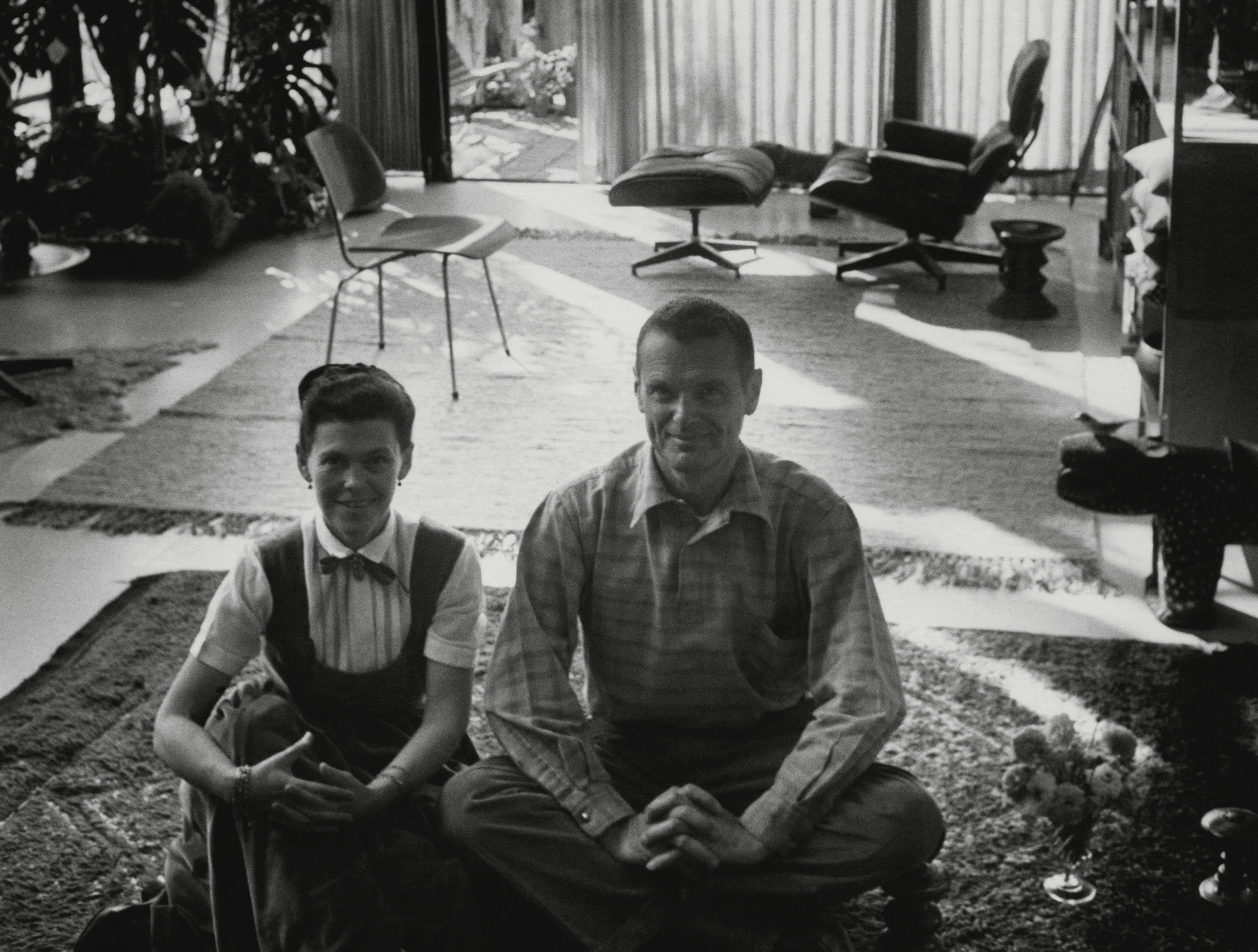
Charles Eames collaborated with the Finnish architect Eero Saarinen for the Organic chair, which was submitted for a competition for 'Organic Design in Home Furnishings' at New York's MoMA. Thin, pressed plywood served as the material for the seat shell, a technique would later make Charles and his wife and partner Ray famous.
Related: The DIY Furniture Model that Predated IKEA
Charles and Ray Eames, LCW
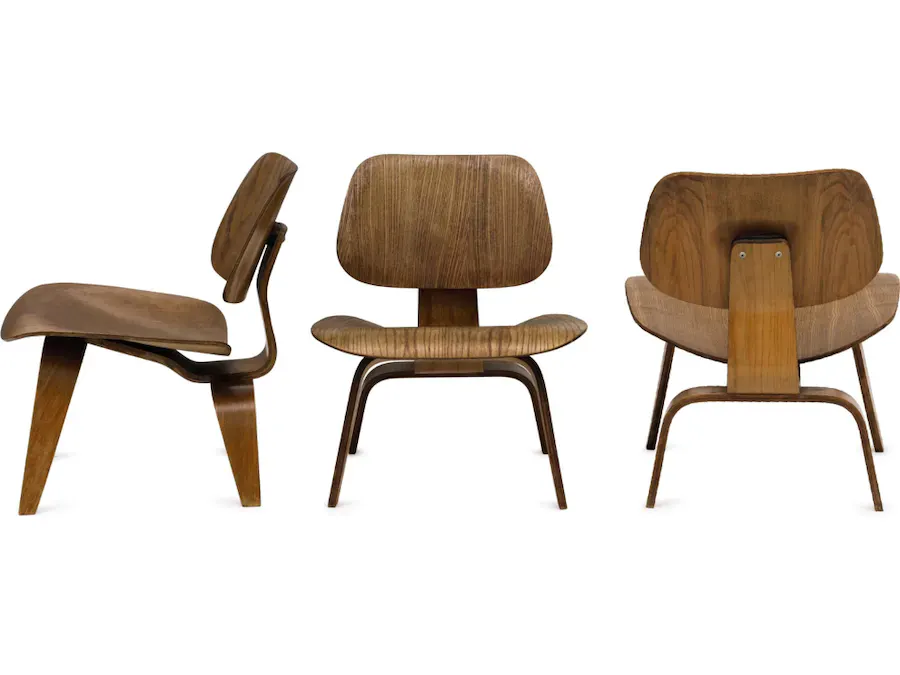
The plywood process was used by husband and wife team Charles and Ray Eames for their LCW chair model. This was a milestone that made it clear what diverse possibilities this technology offered for furniture design. Incidentally, LCW simply means "Lounge Chair Wood" - a simple name for such a pioneering creation.
Related: How to Furnish Your Modern Home with Antiques
Harry Bertoia, Diamond
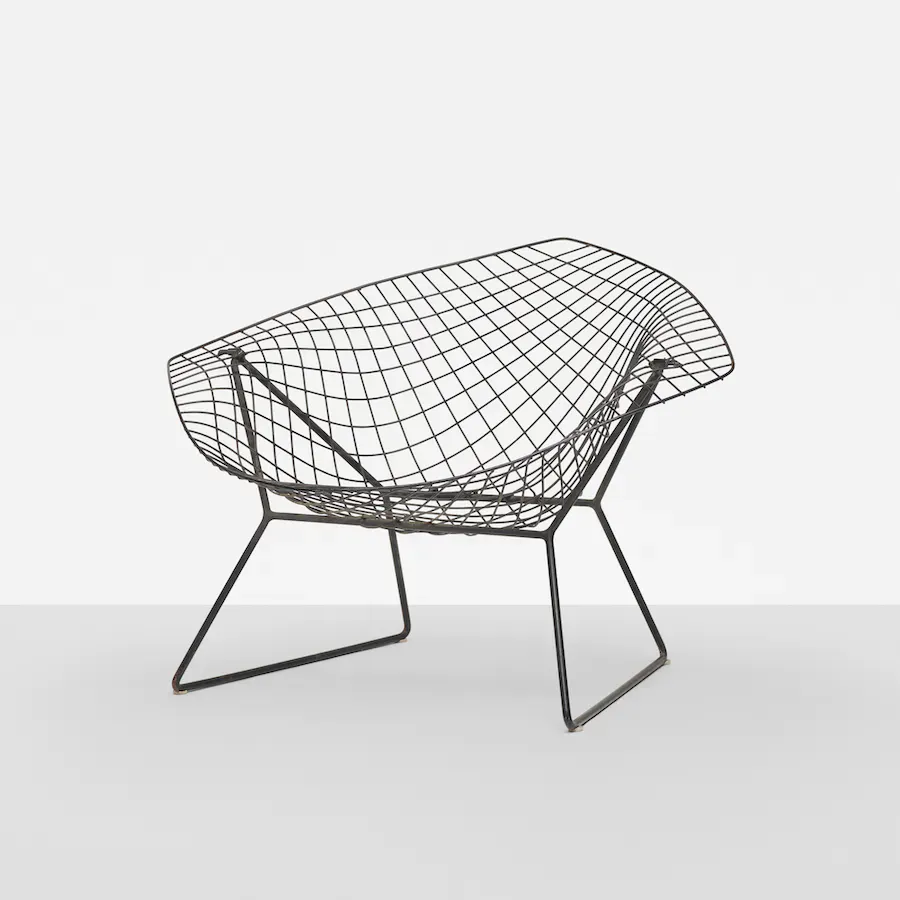
Just like Mies van der Rohe's Barcelona chair, the Diamond chair by Italian designer Harry Bertoia is also made by Knoll. Bertoia designed his most famous creation for the furniture company in 1952. The lattice work, which looks like the facets of a diamond, gave it its name, and Bertoia himself said of the chair that it was mainly made out of air.
Charles and Ray Eames, Lounge
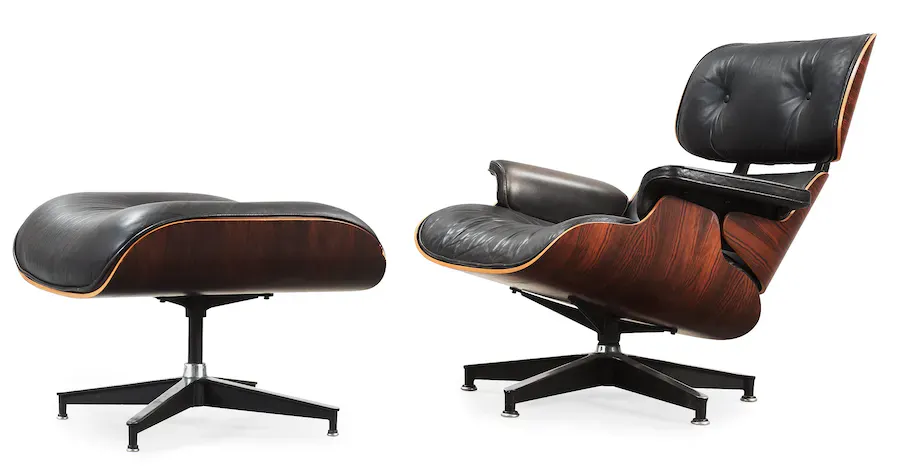
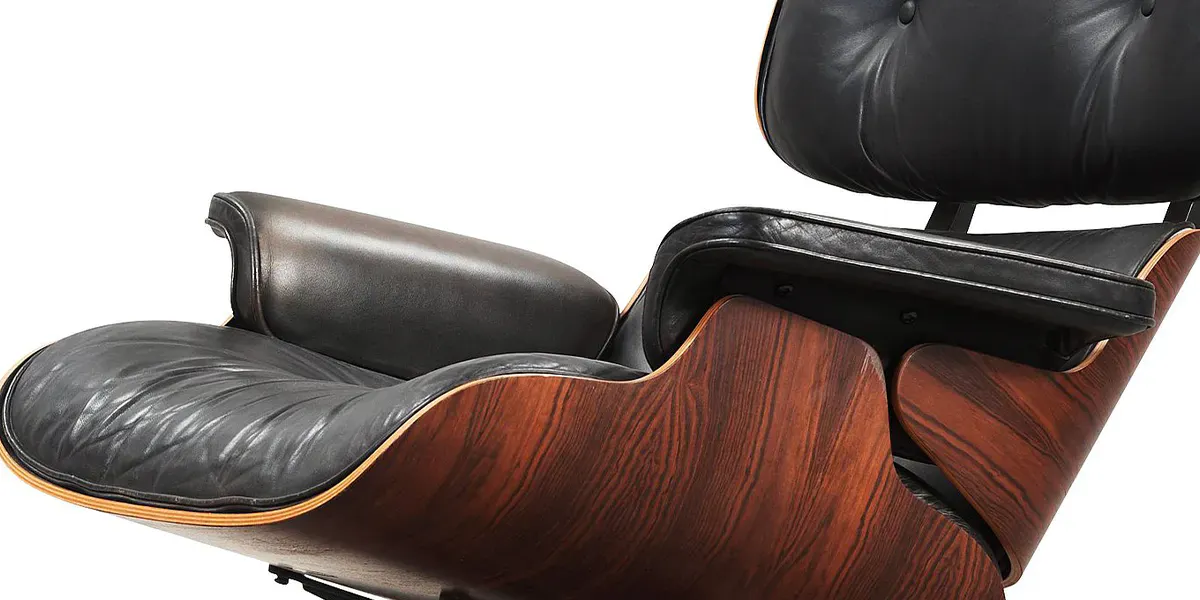
Finally, let's go back to Charles and Ray Eames, who once again used molded plywood for the basic structure of their iconic Lounge chair. It is still the epitome of a comfortable resting piece of furniture that combines both classic luxury and modern technology. Since 1956, the look of the armchair has remained unchanged, only its dimensions have now been adapted to its ever-growing buyers.