
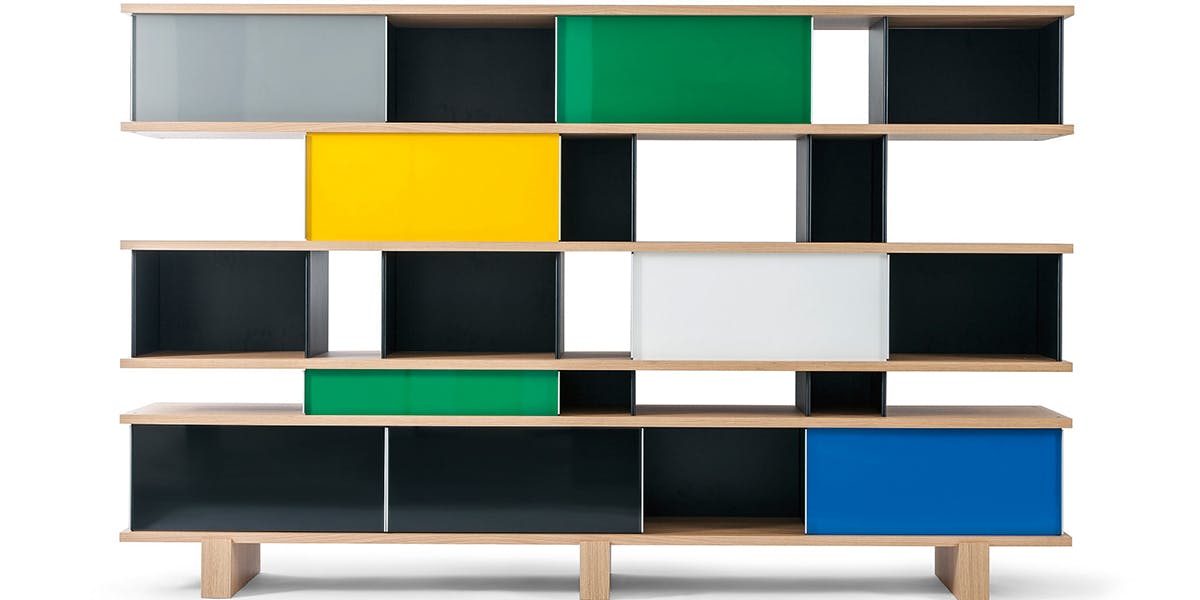
Charlotte Perriand (1903-1999) was a French designer – but no ordinary one: she was one of the most influential of the 20th century.
After studying at the École de L'Union Centrale des Arts Décoratifs (School of the Central Union of Decorative Arts), Perriand went on to become an assistant to Le Corbusier in 1927. Within a short time, she became an integral part of Le Corbusier's team, as proven by her name being listed first on the patents for some of the company's most important creations. In fact, Perriand once described Le Corbusier, Pierre Jeanneret (an architect and Le Corbusier's nephew) and herself as three fingers on the same hand.
Related: Le Corbusier: 5 Facts to Know

What made Perriand stand out was not only her designs but her intensely progressive mind. She was sensitive to the suffering in the world and knew that design could play a vital role in discovering solutions to make society more equitable. Like Le Corbusier, she believed that the products with which we surround ourselves, and the environments we inhabit, directly affect our state of mind. With this as a starting point, she turned her beliefs into action, creating a legacy based on functionality and rationality in service to a better world.
Without well-planned storage, it is impossible to find space in one’s home.
Since Perriand’s autobiography A Life of Creation was first published in 1998, more people have gotten to know the many iconic designs that she created, especially early on in her career – such as her chaise longue, which remains today one of the most artful furniture designs of the 20th century.
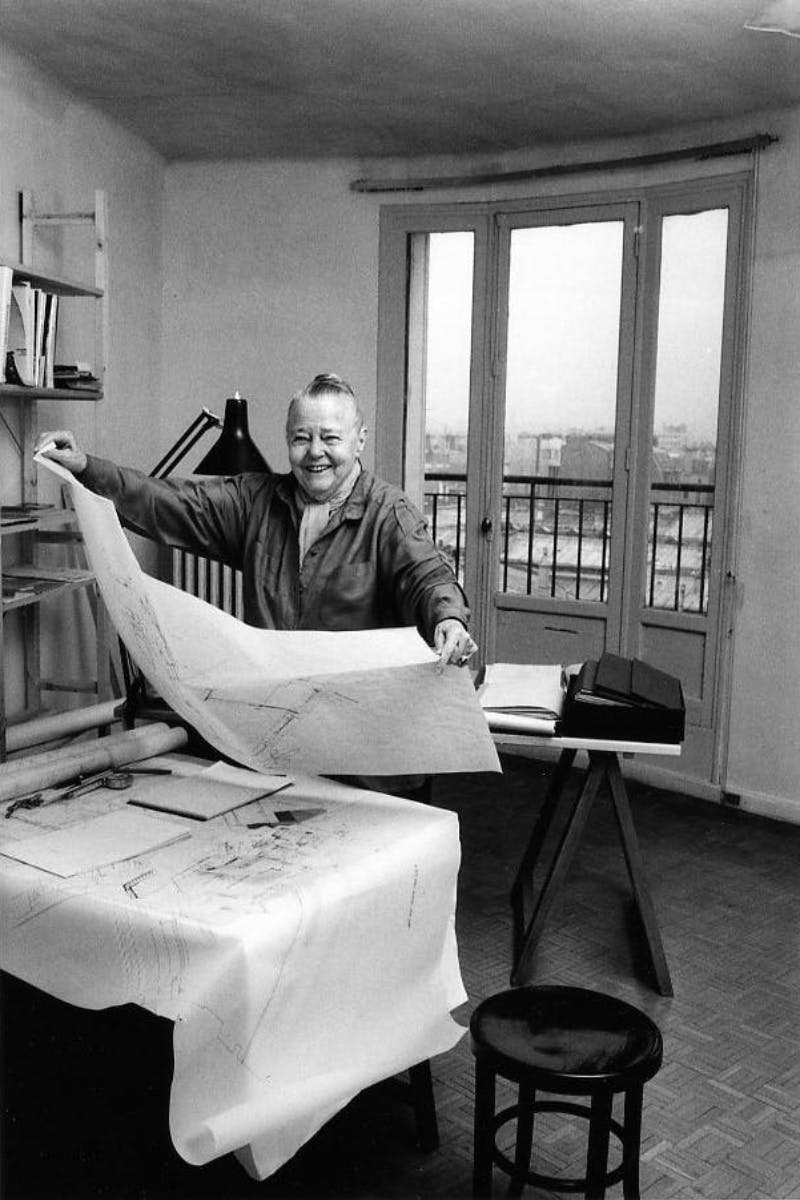
Her autobiography has also helped to illuminate her equally remarkable intellect and design philosophy. Certain quotes have become famous – for instance, discussing something as mundane as storage, Perriand said: “What is the crucial element in domestic equipment? We can answer that immediately: storage. Without well-planned storage, it is impossible to find space in one’s home.” Of course, storage is big business today. But long before IKEA and The Container Store came along, Perriand recognized it is an essential fact of life that an ordered environment decreases anxiety and increases the quality of our personal and professional lives.
Related: 10 Ingenious Chairs: Design Classics of the 20th Century
Another memorable quote from Perriand relates to progress: “Everything changes so quickly, and what is state of the art one moment won’t be the next. Adaptation has to be ongoing – we have to know and accept this. These are transient times.” As her work demonstrated, Perriand was not suggesting that designers adopt fads. Rather, she was saying that designers are, themselves, artists. She was an early advocate that designers have a responsibility to push culture forward by anticipating the need for change that will inevitably arise.
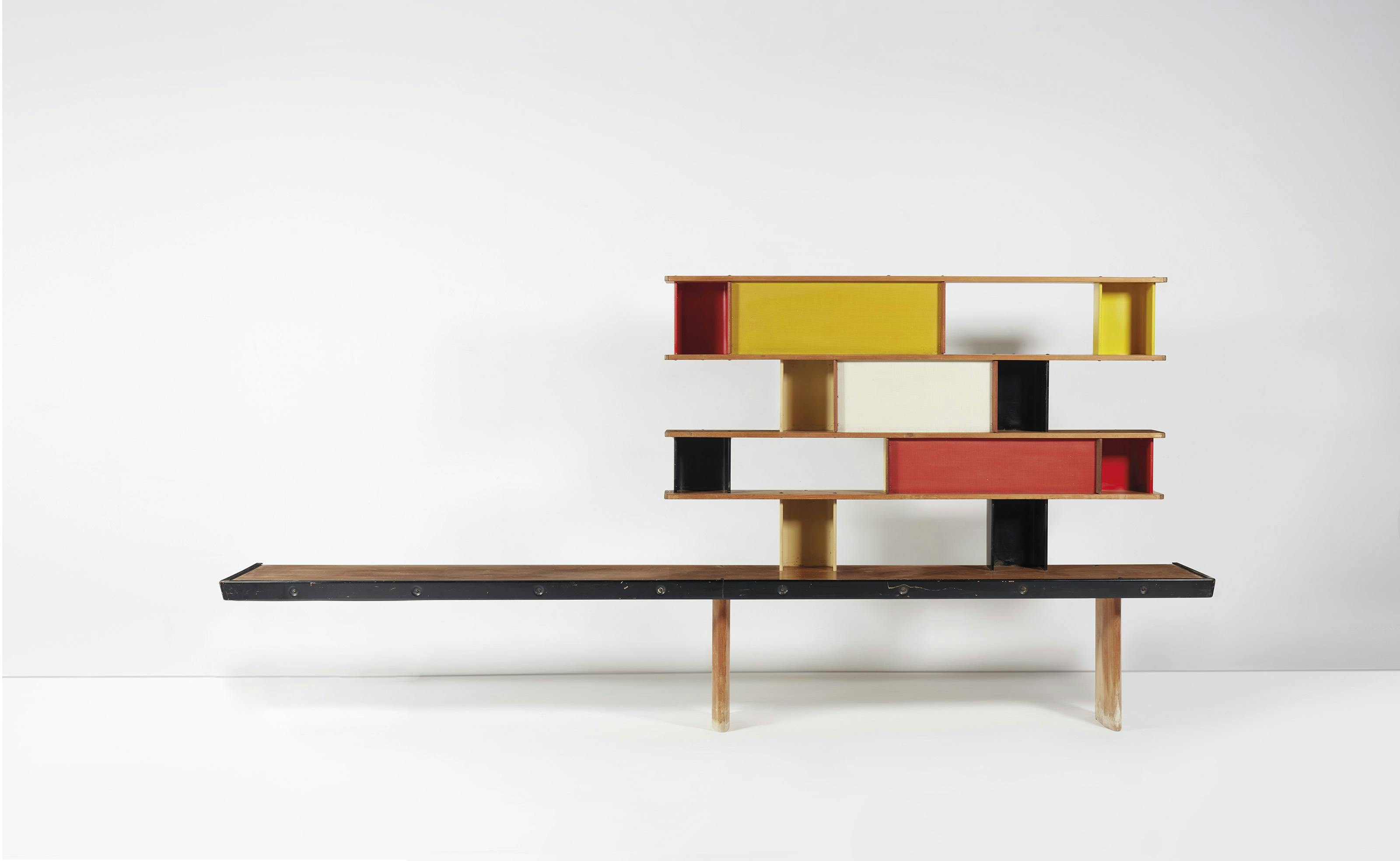
During the time when Perriand was formulating her most influential strategies, she lived in the shadow of her male colleagues. She received almost no credit from Le Corbusier, despite being responsible for many of his and Jeanneret’s most famous creations, and despite designing all of the interior furnishings for many of the team’s public commissions.
Related: Pierre Jeanneret: The ‘Other Jeanneret’
A Life of Creation reveals that, despite the sexism of her time, Perriand stayed focused and remained creative. She befriended some of the most famous artists and thinkers of the 20th century, such as Fernand Léger. These figures recognized her genius even though precious little acknowledgment came her way in the mainstream press.
Related: Charles and Ray Eames: Democratic Design
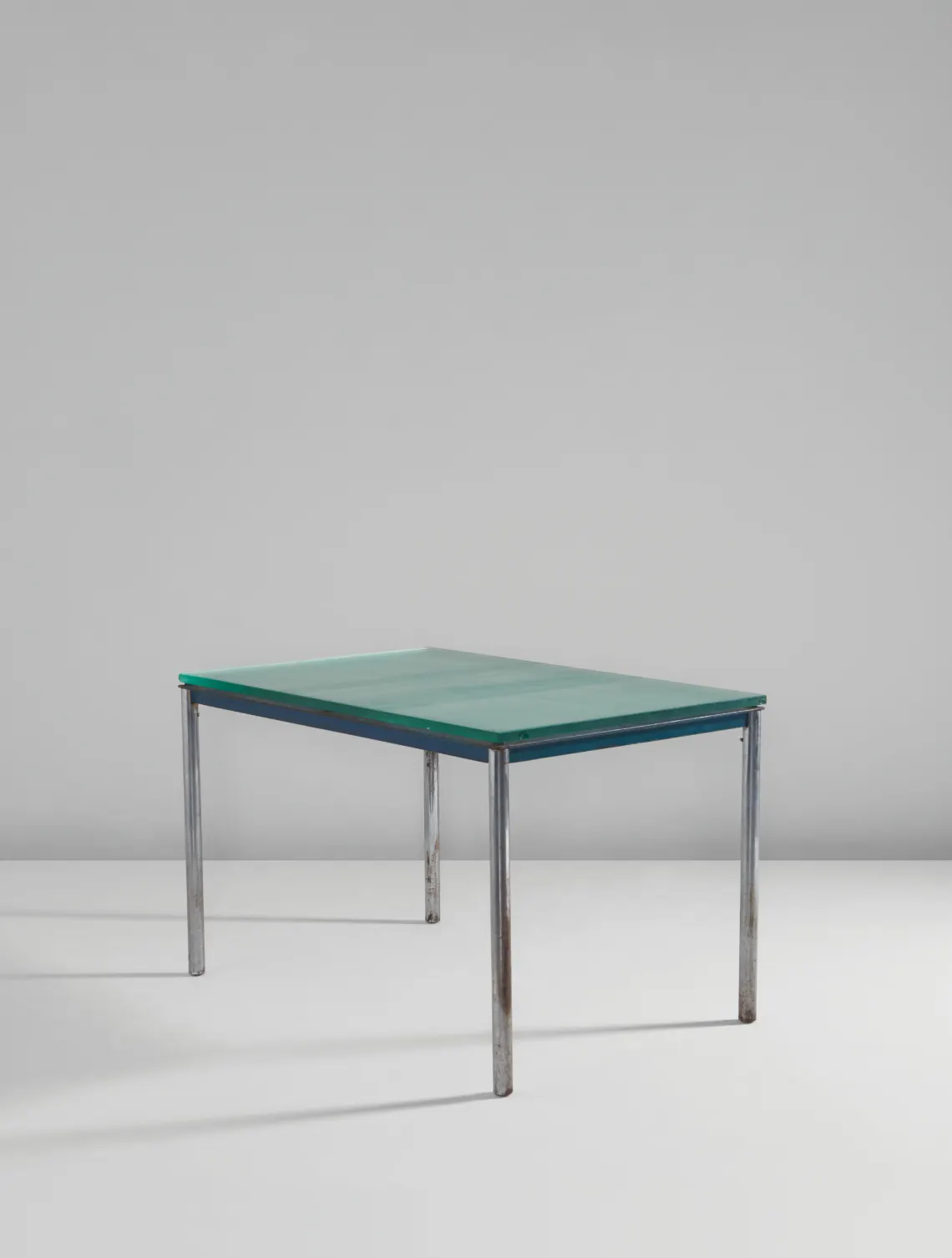
In her book, Perriand describes the existential concerns she wrestled with throughout her career and it details her travels around the globe, during which she often had what she called ‘encounters’, which is how she preferred to describe experiences that led her toward aesthetic discoveries. The most famous of these examples happened after a prolonged trip to Japan. She found that the concepts integral to Zen philosophy and Japanese culture were strongly in line with her own worldview.
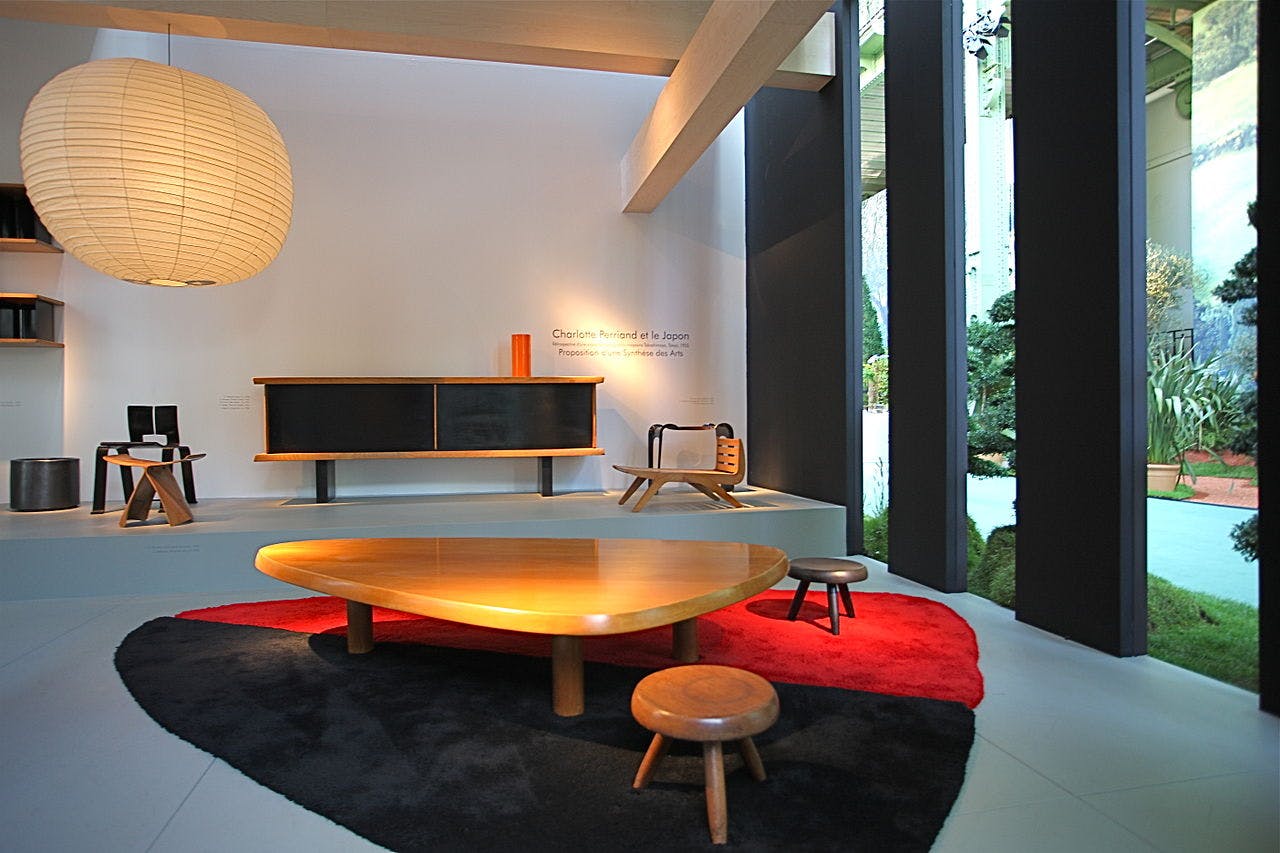
This encounter manifested in the Japanese Tea Garden, which she designed for the UNESCO headquarters in Paris. That space, as well as its furnishings, are formal, and yet natural; they are utile and yet beautiful; they contain little more than what is essential to their purpose, and yet they evoke the sanctity and depth of the social function for which they have been created.
Want more articles like this delivered to your inbox? Subscribe to our free newsletter!
It is important to consider Perriand’s vision for a beautiful world. When one invests in a Perriand design, one embraces the most essential aspect of her work – her belief that design exists in service to a greater good. As she once said, "in every important decision there is one option that represents life, and that is what you must choose."
Find more articles in Barnebys Magazine
This is an updated version of an article originally published on 19 August 2020.


