The whole universe is made of curves.
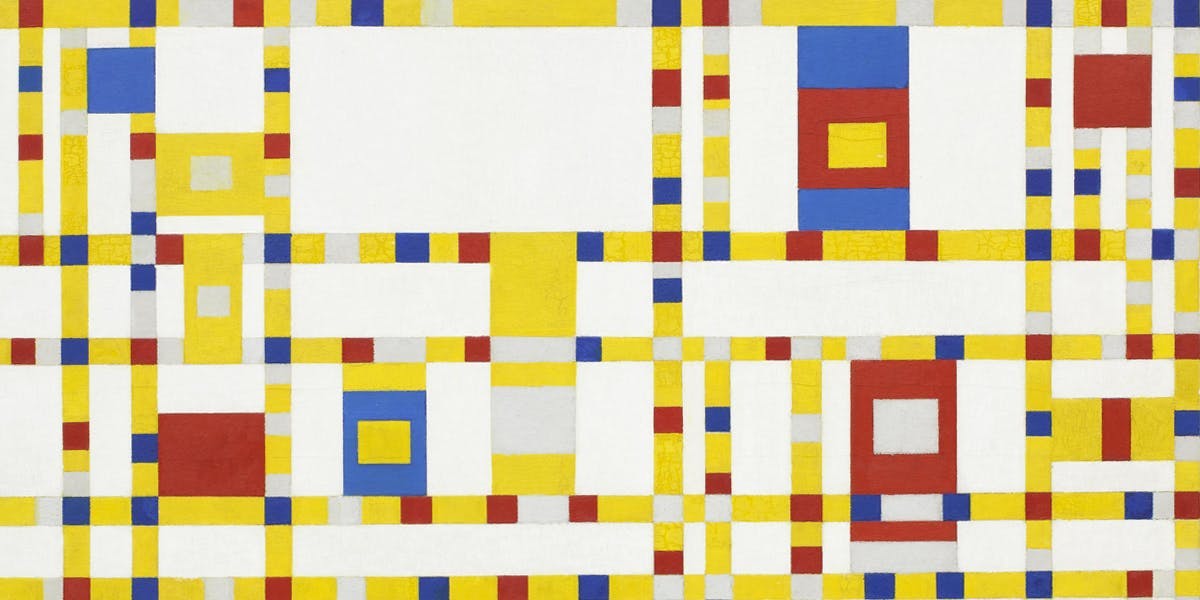
Curved lines have fascinated humans, artists in particular, since the dawn of time. Their charm seems to be linked to various reasons, foremost that the curved line expresses a sense of softness, femininity and movement, and is in harmony with nature and the universe, as opposed to the straight line which appears less free, more rigid and more artificial.
The Brazilian architect Oscar Niemeyer expressed his preference for curved lines, stating: "It is not the right angle that attracts me, nor the straight line, hard and inflexible, created by man. What attracts me is the free and sensual curve — the curve that I find in the mountains of my country, in the sinuous course of its rivers, in the body of the beloved woman." The sensuality of the curves became the hallmark of this world famous artist, who created some of the most famous buildings in Brazil and was dubbed a ‘sculptor of monuments’.
Related: Peter Paul Rubens: 5 Facts to Know
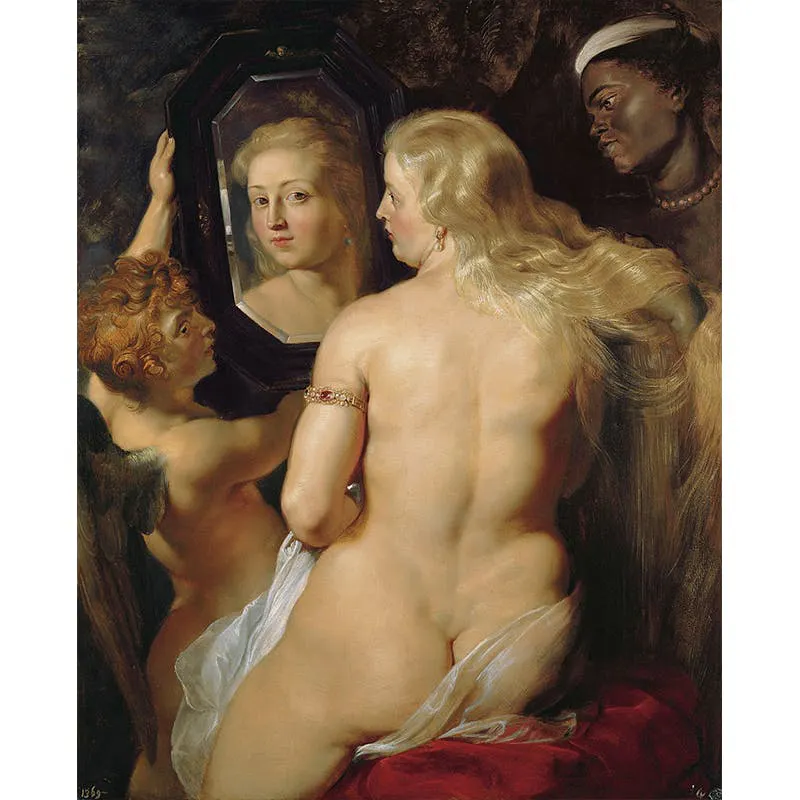
Many years before Niemeyer, during the Baroque, architects favored the plasticity and sinuous nature of curved lines in the construction of buildings and monuments. Meanwhile, in painting, the generous ‘curves’ of Peter Paul Rubens' models stood out. The Flemish artist painted women with voluptuous, soft and sensual forms, giving space to real and genuine bodies, in which abundance was seen as something decidedly positive.
Related: Top 8: The Art of the Kiss
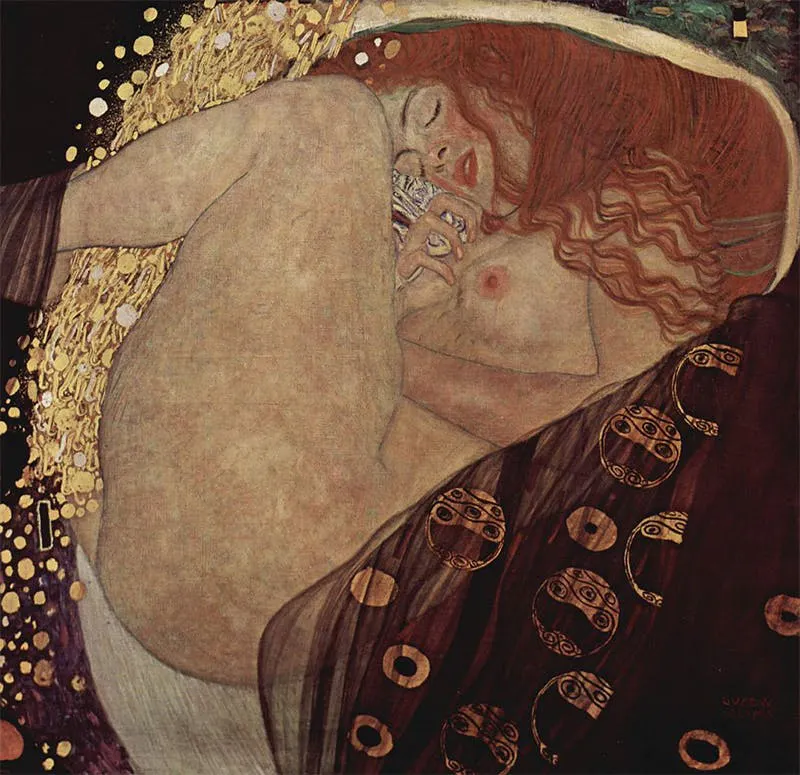
Even some modern paintings, such as Danae by Gustav Klimt, fascinate with their ‘sorceresses curves’. In this famous work, the Austrian painter uses a symbolism taken from Greek mythology to refer to the concept of motherhood, and at the same time giving us a work with a strong sensual power.
Related: Feminism Captured: 9 Historic Photographs
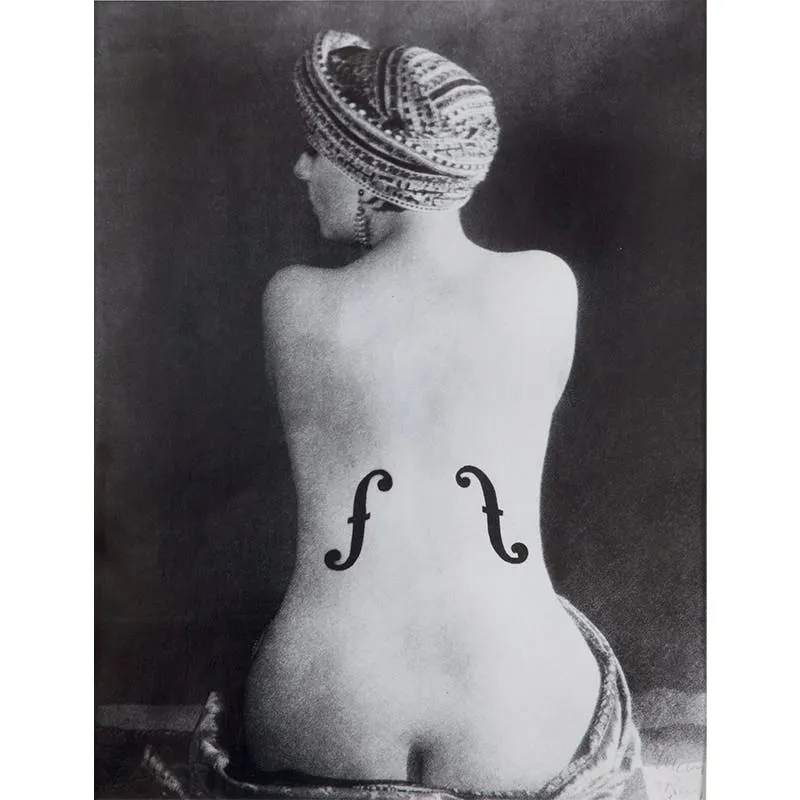
Female forms were also a great creative stimulus for photographer Man Ray, who found a well of inspiration in the sinuous curves of women. The nude bodies of his models are also portrayed from behind, as in the well-known Le Violon d'Ingres, in which his muse, model and lover Kiki de Montparnasse (alias Alice Prin) takes the appearance of a violin, without particular forcing or posing. The curves of her hourglass body become those of a musical instrument, creating a perfect symphony and showing a simple and natural sensuality.
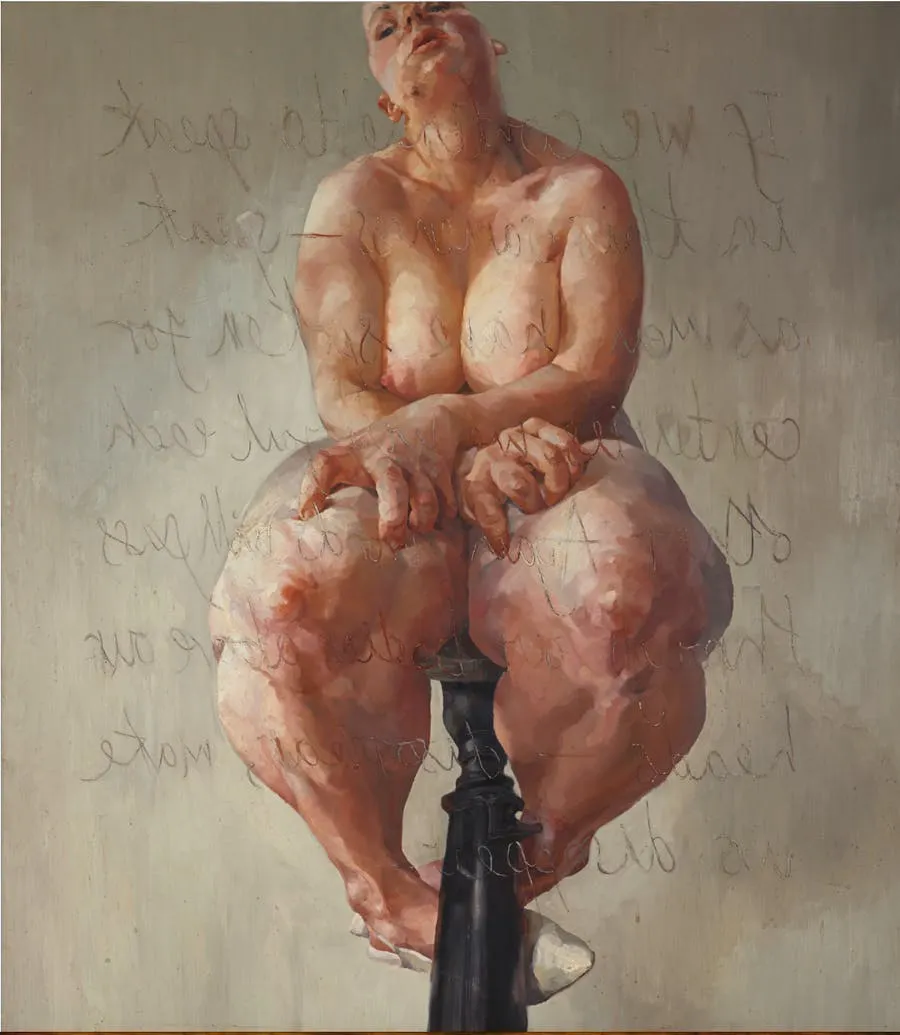
If in the past male photographers and painters enhanced the sensuality of female curves with a bewitched and sometimes erotic gaze, in much more recent times, the British artist Jenny Saville has used form in a provocative way. Saville portrays decidedly ‘curvy’ women in response to the canons of beauty of a contemporary society obsessed with appearance.
Related: The 15 Most Expensive Female Artists
For some time, the artist followed the work of a plastic surgeon and studied the psychology of women who underwent various ‘retouching’ and liposuction procedures to form her artistic subjects. As opposed to a surgical procedure, which aims to ‘straighten’ beauty, the artist has chosen to emphasize bodies and overflowing femininity – and curves.
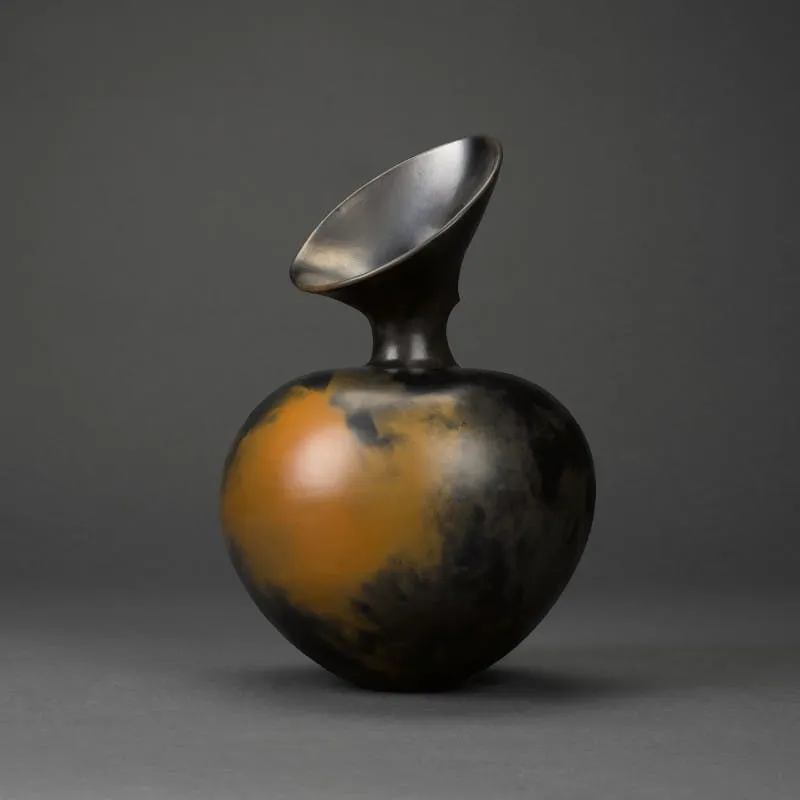
In the world of ceramics, an artist who has exalted and given great importance to sinuous shapes and curved lines is Dame Magdalene Odundo, a British artist born in Kenya. Her terracotta works convey a feeling of peace, calm and maternal love. A viewer’s gaze caresses them, and fingers imagine doing the same, following those soft lines, wrapping them, letting themselves be enveloped and abandoning themselves to the touch.
Related: A World Record for Ceramist Magdalene Odundo
But why do these works convey such sensations to us? There is, in fact, a rather specific scientific explanation. The affection for curves is in a certain sense ‘innate’ and linked to a primordial instinct.
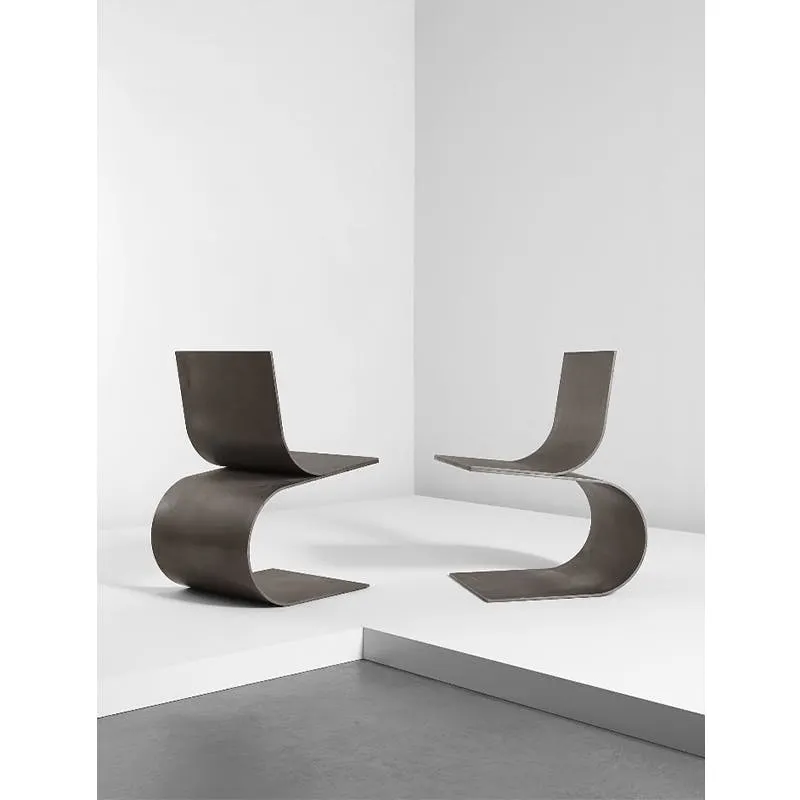
Recent studies in neuroaesthetics have established that humans are more likely to consider a room beautiful when it is full of curves rather than of straight lines. Another major neuroimaging study, or brain imaging, conducted by Harvard Medical School, found that seeing objects with straight or pointed lines activates the amygdala, the ‘alarm system of the mind’ or area of the brain processing fear. This reaction is probably triggered because sharp objects are primordially associated with sharp tools, and therefore with a potential threat.
Related: Accommodation Meets Art: 7 of the Most Creative Hotels in the World
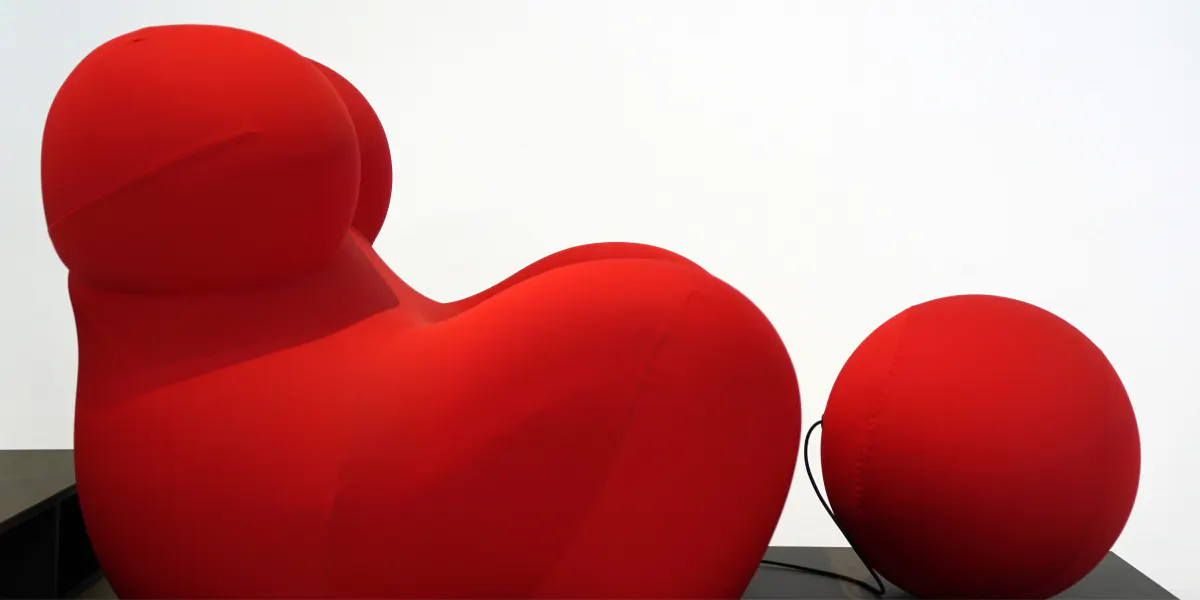
On a neurological level, therefore, straight lines symbolise rigid and geometric rationalism and are perceived as threatening, while curves trigger a reassuring reaction of relief. Oblong armchairs, curved chairs, circular motifs and soft lines seem to arouse strong reactions in our aesthetic engines. Perhaps this is one of the reasons that led to the success of the bentwood furniture of Michael Thonet, who is considered the father of curved interior design.
Related: A Brief History of Furniture Design
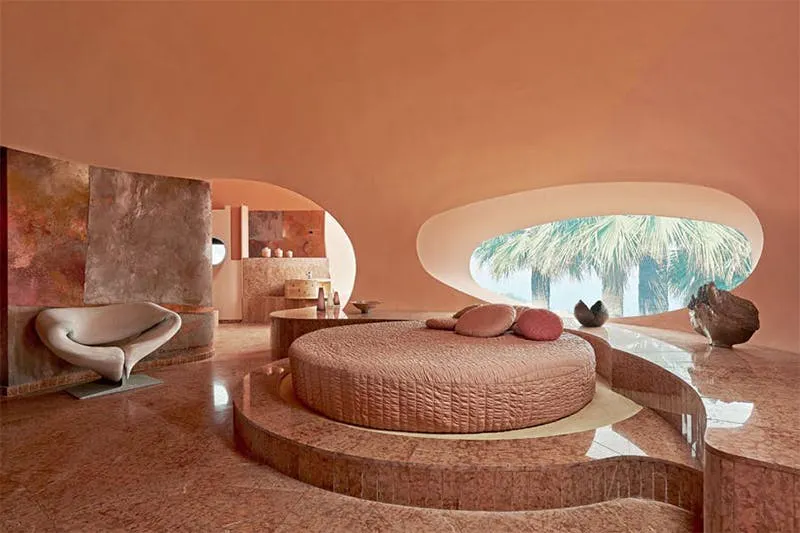
Curves and wavy movements give an aesthetic value of great impact to any furniture, giving it an expression that goes beyond its mere function, and are used more and more often by interior designers. Palais Bulles, the well-known ‘Bubble Palace’, designed by Antti Lovag and bought by fashion designer Pierre Cardin, is one of many excellent examples.
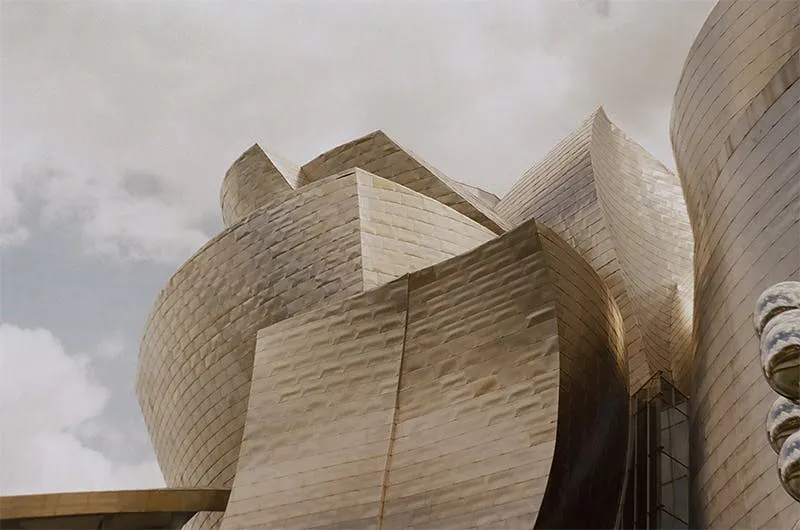
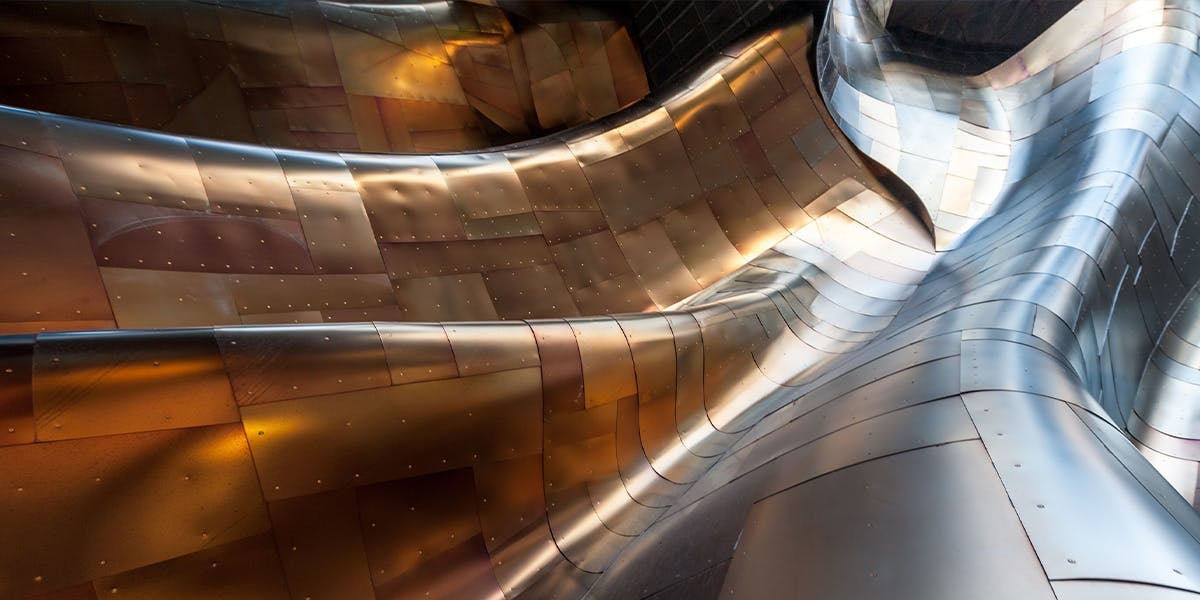
Returning to the world of architecture, in recent years there have been numerous architects who have opted for the curved line in the design of a building. Here, we find the organic architecture and enveloping curves of Alvar Aalto, Frank Lloyd Wright and Eero Saarinen, with their desire to express compositional freedom against pre-established schemes. The fluid shapes and plasticity of these contemporary buildings seem to be in perfect harmony with nature, almost blending in with the surrounding environment.
Among the numerous examples in recent times is the Guggenheim Museum in Bilbao, designed by Frank Gehry. When the architect Philip Johnson saw this impressive and world famous building for the first time, he began to cry with emotion. There was something about the majestic curves of the well-known building that shook him emotionally. “Architecture is not about words. It is about tears,” he later commented.
The curves, therefore, seem to trigger a very strong reaction in the human psyche, drawing on the primordial human emotional network. We like them because they are anthropomorphic and phytomorphic, they evoke well-known and reassuring morphologies, such as the profile of the moon, the waves of the sea, the gentle slopes of the hills, the maternal womb. Who knows, maybe in the future we will see more and more artworks, buildings and beautifully ‘curvy’ design objects.