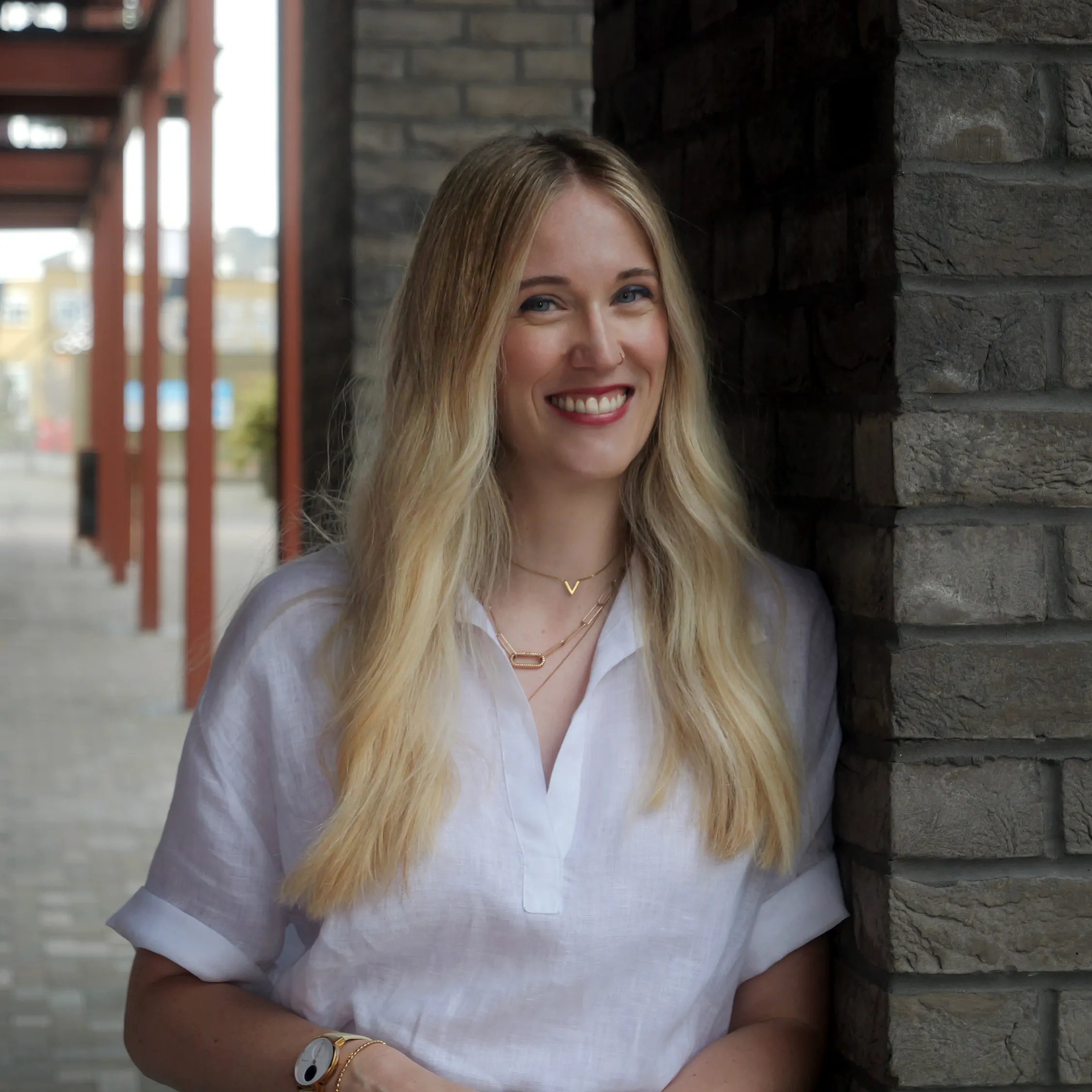
Dame Magdalene Odundo's work transcends time and space. Inspired by her Kenyan origins, African culture and the female body, the ceramicist who arrived in the United Kingdom in 1971 has established herself as one of the most influential in the discipline.
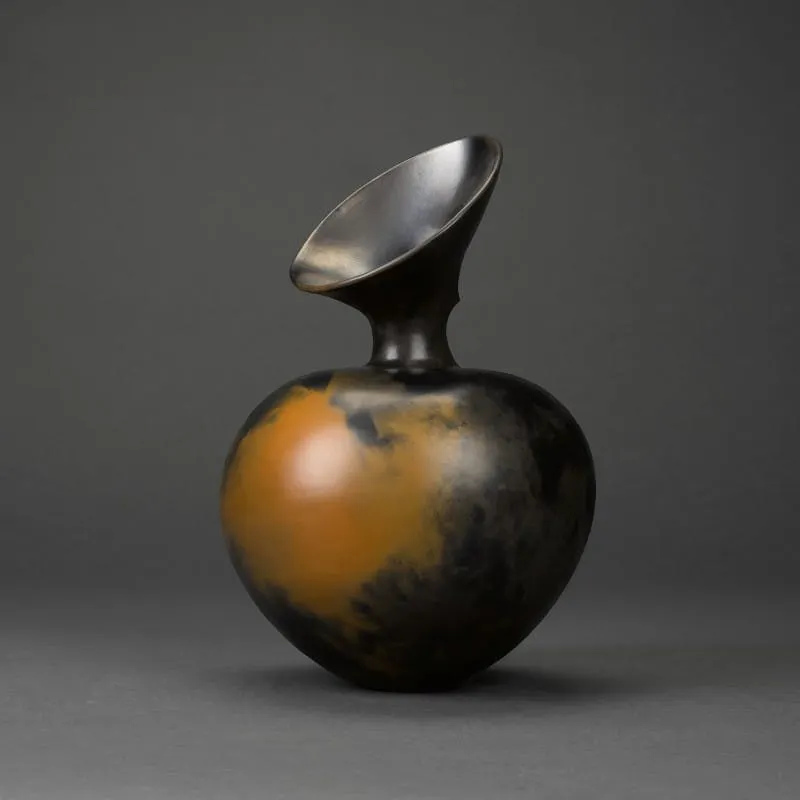
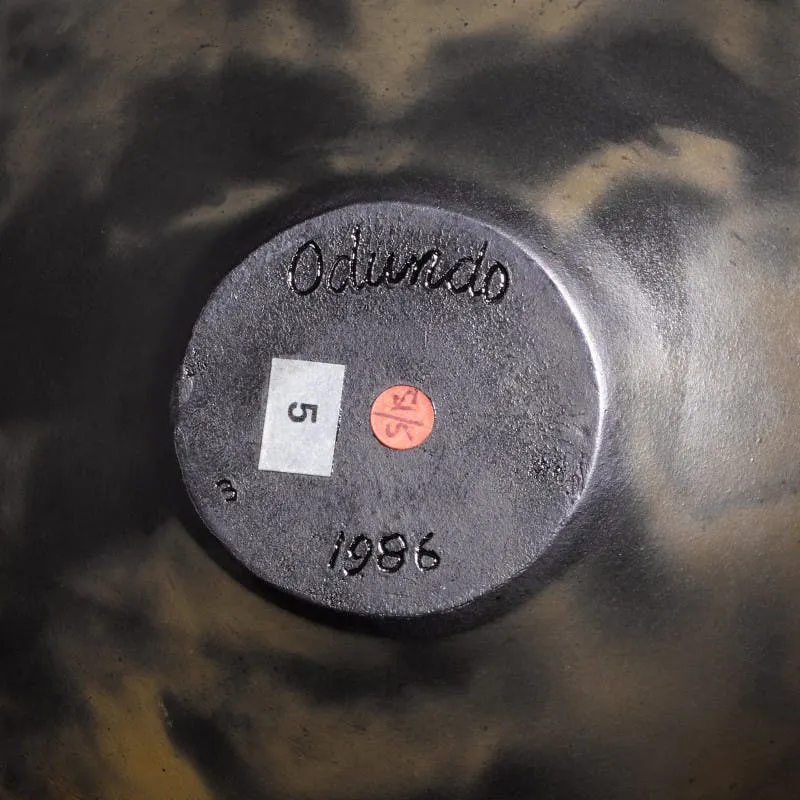
Her record remained stable for five years, from 2015 to November 2020, when Angled Mixed Colored Piece, from 1988, was auctioned for £200,000 ($258,800) at Maak Contemporary Ceramics. Now, that record has been broken at Sotheby's during a British art evening sale held on June 29. Untitled, a ceramic piece from 1986 that was estimated between £60,000-90,000 ($82,000-123,000), sold for £378,000 pounds ($520,000), more than four times its high estimate.
What is so beautiful about the pot is that it conveys a universal language, that of spiritual utility and aesthetic.
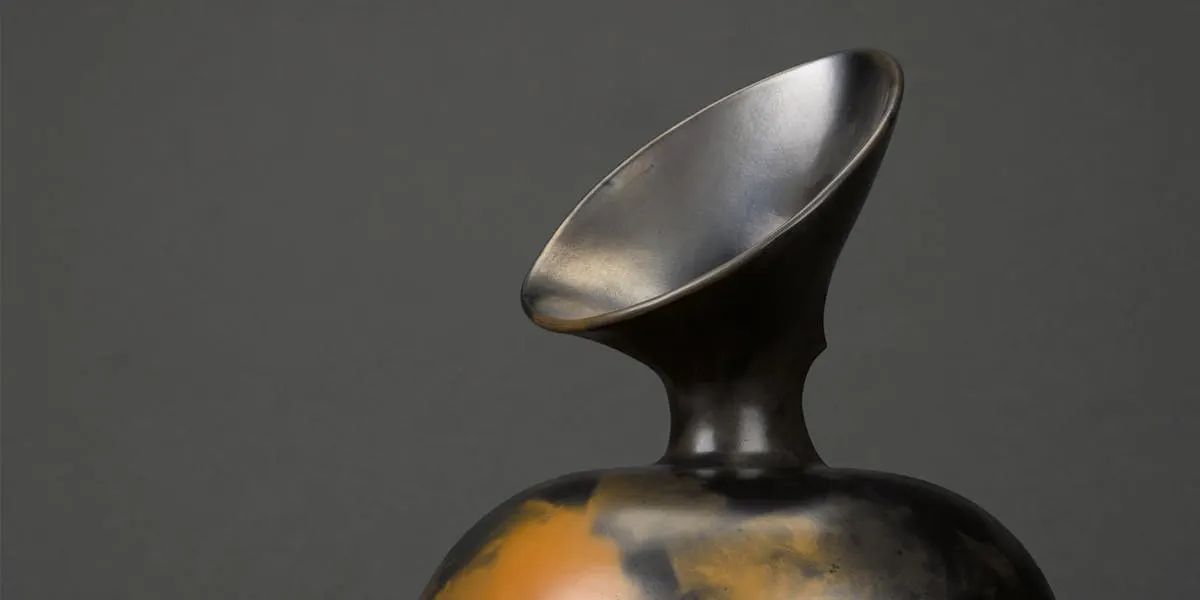
From a private collection, Untitled was one of Odundo's finest works to be auctioned, according to the auction house. Untitled presents a generous, rounded body, which contrasts elegantly with the angular spikes of the elongated neck. Seen in profile, it is a clever marriage between the sensuality of the curves at the bottom and the sharpness of the lines at the top. To achieve this chromatic palette of brown, black and orange and a surface that is both matte and shiny, Odundo fired the work multiple times. This technique is characteristic of the artist and allows her to combine two colors in a subtle way.
Related: 5 Things You Didn't Know About Ceramics
For Odundo, the manual method is at the heart of the process, as with the sculpture of Henry Moore and Barbara Hepworth (whom she also met shortly after arriving in England), thus dictating the final form of the works. "They are very sculpture and they are very figurative...What is so beautiful about the pot is that it conveys a universal language, that of spiritual utility and aesthetic. It is revered and understood by all and therefore important to all...What else can tell you about human life more than a pot does?" said the artist in an interview with Ben Okri in 2019.
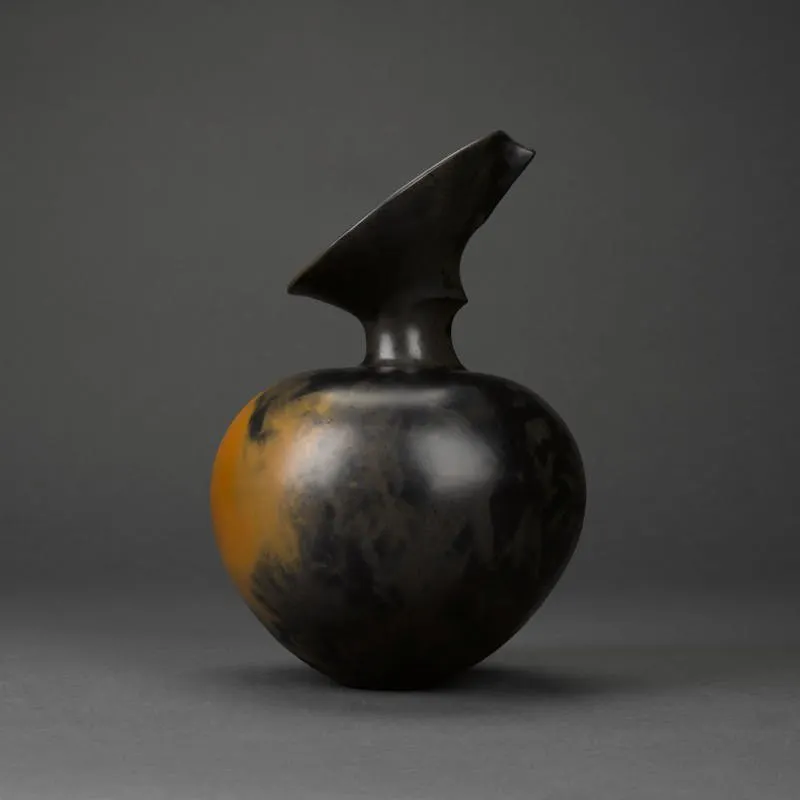
In addition to general references to the female body (foot, body, neck, lip, mouth), Odundo gives her works specific references, such as those of the body of a pregnant woman or of the female body modified by ritual and cultural traditions. For example, in some of her works, one can find echoes of the profiles of Mangbetu women from the Democratic Republic of the Congo, whose skulls were lengthened from childhood.
Related: Lucie Rie: Art of the Tea Ceremony
"Odundo was, and remains, one of the greatest voices to emerge during the flourishing of British studio ceramics in the 1980; within that narrative, her work contributed to a reshaping and enriching of its expressions and discourses," said Andrew Bonacina, chief curator of The Hepworth Wakefield gallery. "Yet her work also sits apart, its complex organic qualities finding more illuminating affinities with modernist sculpture than utilitarian ceramic traditions. Made in Britain but shaped by a global outlook, Odundo’s work pushes against any attempts to define it geographically, preferring instead to speak in a language that transcends place and time."