
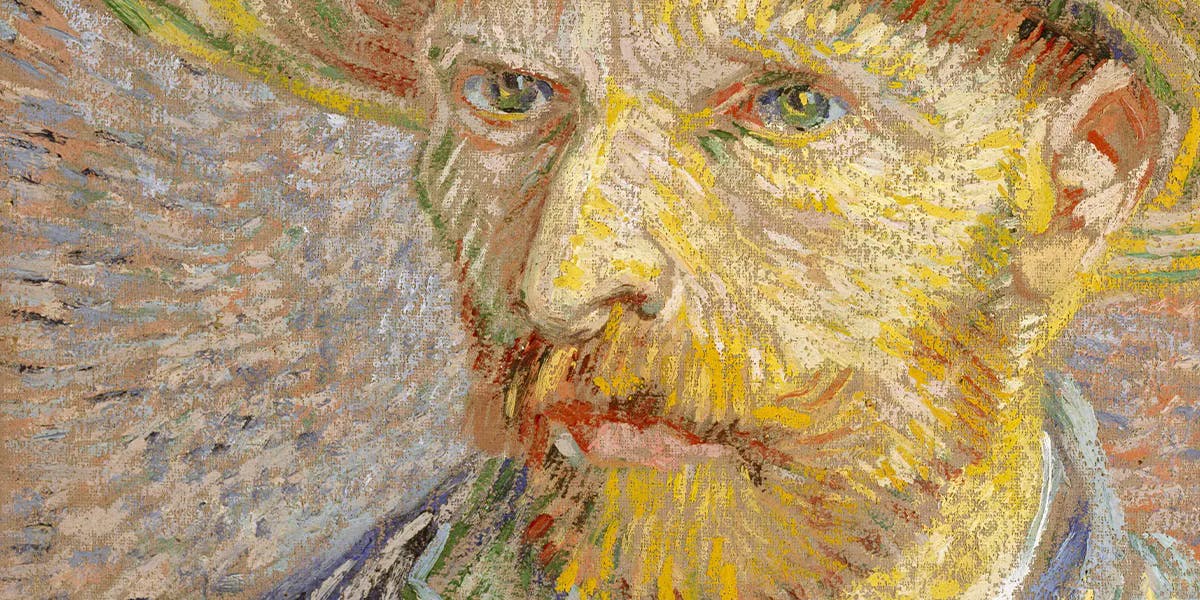
Vincent van Gogh was born in 1853 in Zundert, exactly one year after his mother had given birth to a stillborn child also named Vincent, whose grave and tombstone laid at the family home – a sight that would no doubt have been haunting for the young artist. Van Gogh spent most of his school years at multiple boarding schools, which greatly impacted his emotional state. At the age of 16, he began working for his uncle's art dealership company but was later fired due to his poor attitude. In his adulthood, he turned to a career as a preacher.
If you truly love Nature, you will find beauty everywhere.
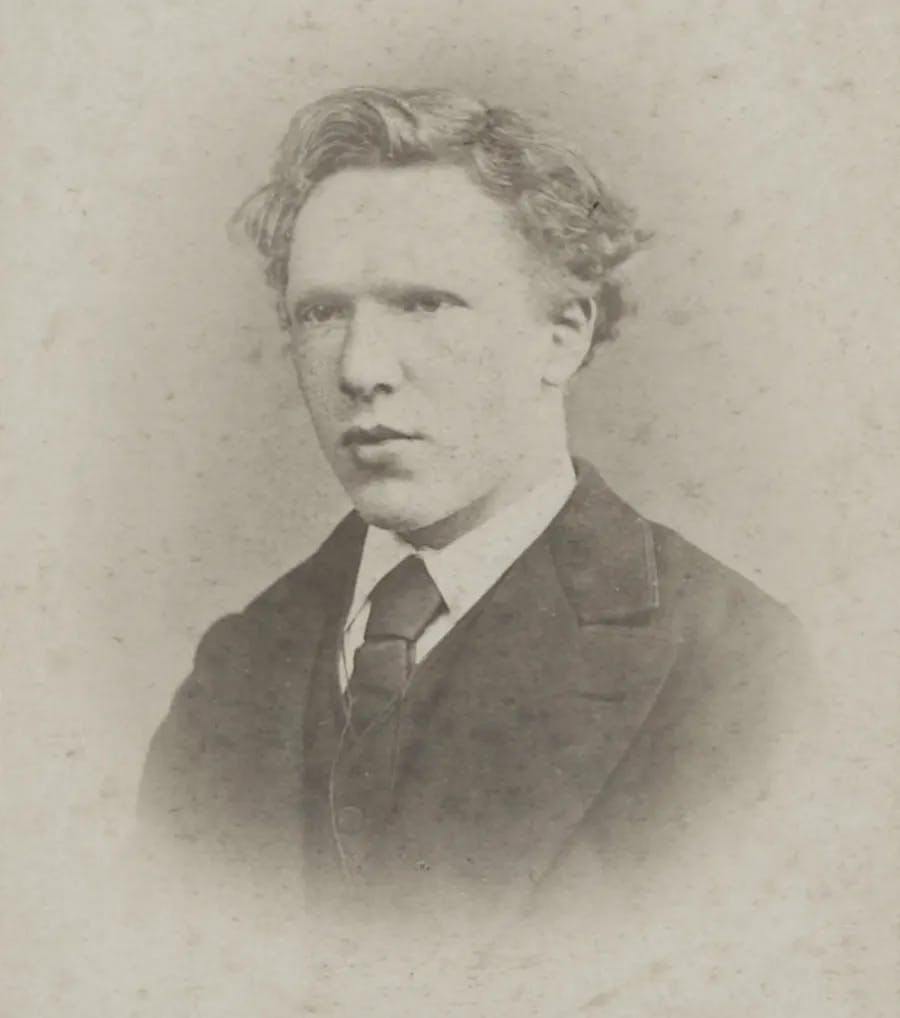
In 1878, van Gogh obtained an evangelical mission preaching to the miners of the Borinage in Belgium. However, his odd behavior was off-putting for many of his peers, and in 1879 he was, again, let go from the position. His desire to create art was born amongst misery and coal, the impoverished and the forgotten, far from the golden wheat fields he later frequented.
Related: A Hidden Self-Portrait of Vincent van Gogh Discovered
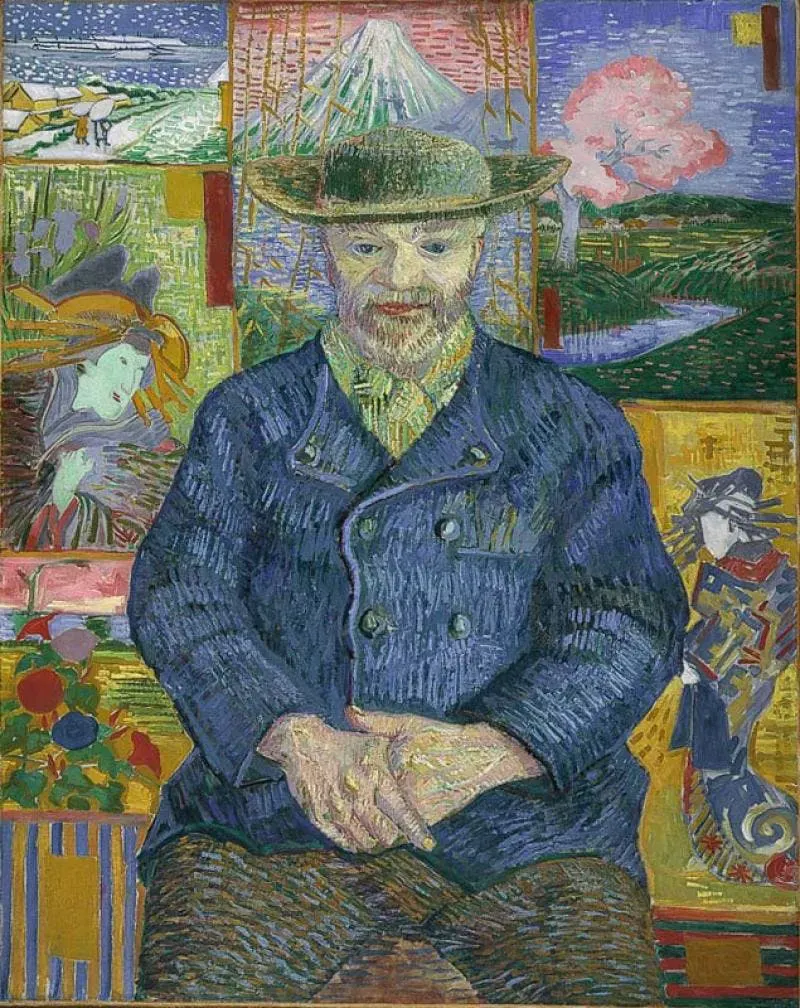
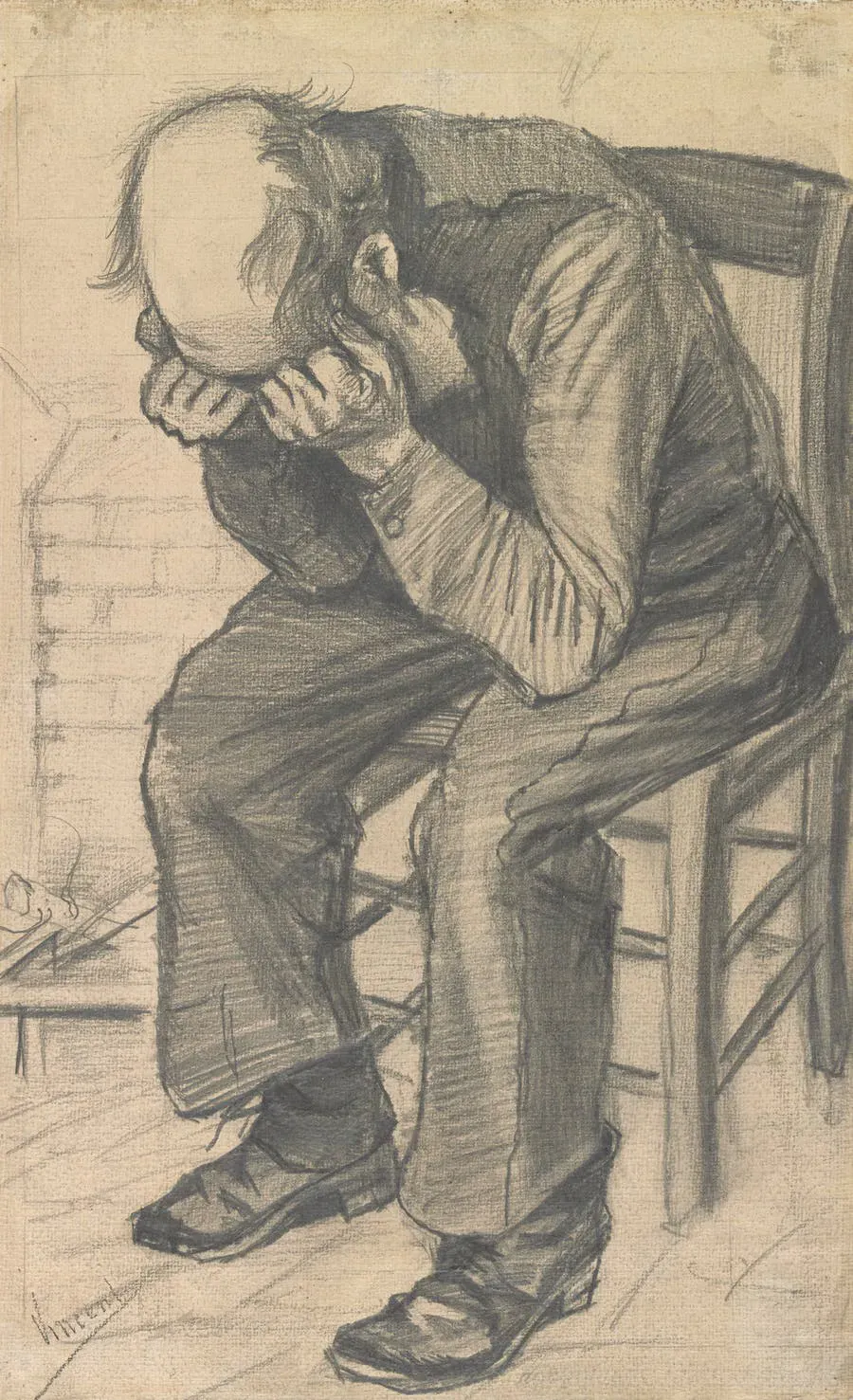
Finally, in 1880, he decided to dedicate his life to artwork. His drawings of peasants were created in the mode of social realism, depicting the labor and hardships of the people around him. The atmosphere in these works often appears black and miserable, likely reflective of the environment in which he was living. The works testify to not only a concern with humanity but an original treatment of forms and perspectives for which the artist became known.
Van Gogh’s pictorial language gradually developed, and with little prospects in the north, the painter settled in Paris in 1886 where he joined his brother Théo, an art dealer. In the city, he was able to mingle with artists Henri de Toulouse-Lautrec, Edgar Degas, Camille Pissarro and Paul Gauguin. With Théo, he collected Japanese prints and was enriched by Charles Blanc's readings about color and its placement. Faithful to his artistic pursuits, he worked tirelessly and his production became prolific. He spent hours copying famous works in the Louvre and painted about 20 self-portraits. In total, the painter created over 200 works during his stay in Paris alone.
Related: 8 Paintings that Vincent Van Gogh Copied
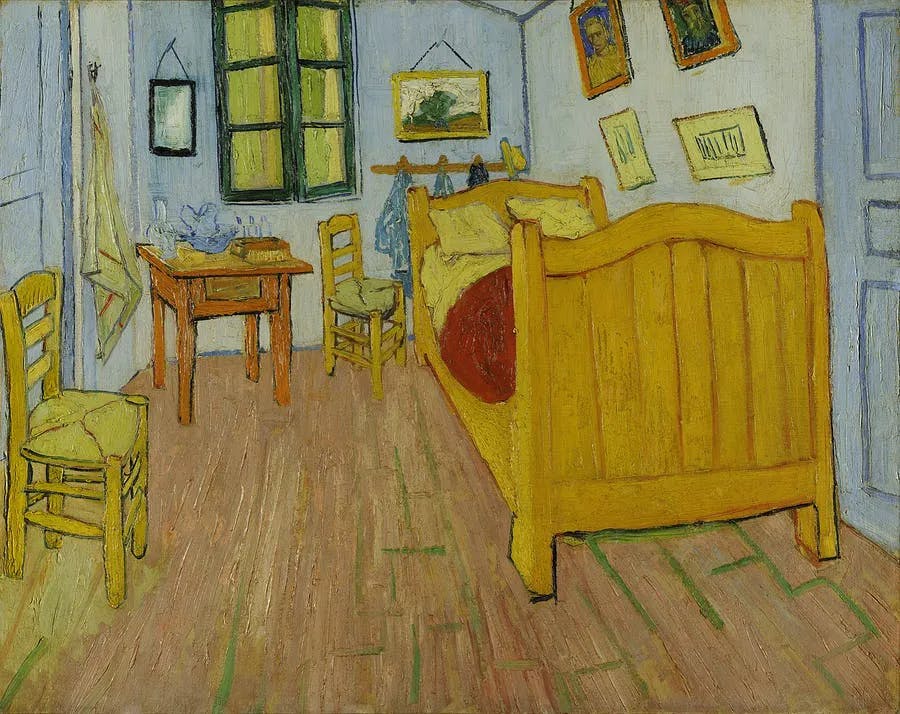
In February of 1888, seeking light and warmth, van Gogh moved to Arles in the south of France. His palette opened up to the light and color of the south, and his hatched drawings came alive with an unprecedented vivacity. He painted the Arles countryside, as well as the nightlife of the city, and it was during this time that he wrote: “If you truly love Nature, you will find beauty everywhere.” It was here that he painted some his most famous works, including Fishing Boats on the Beach at Saintes-Maries, Artist's Bedroom at Arles, and The Night Café, which illustrate this science of wild colors and deviated perspectives that are so unique to his work.
Related: 8 Artists Inspired by the South of the France
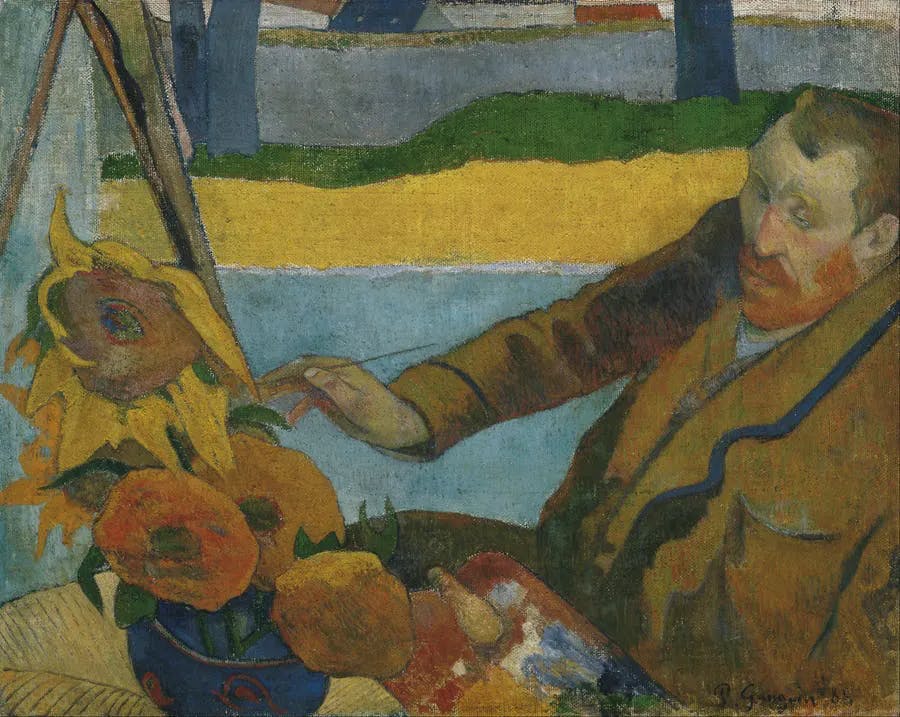
However, van Gogh was showing increasing signs of mental illness, often suffering from fainting spells and seizures. One night, he tried to attack his visiting friend, Paul Gauguin, with a razor, and then cut off his own ear in an act of self-punishment. Gauguin promptly returned to Paris and warned Théo. The artist was subsequently admitted to a hospital.
Related: The Dramatic Events Surrounding Van Gogh's Sunflowers
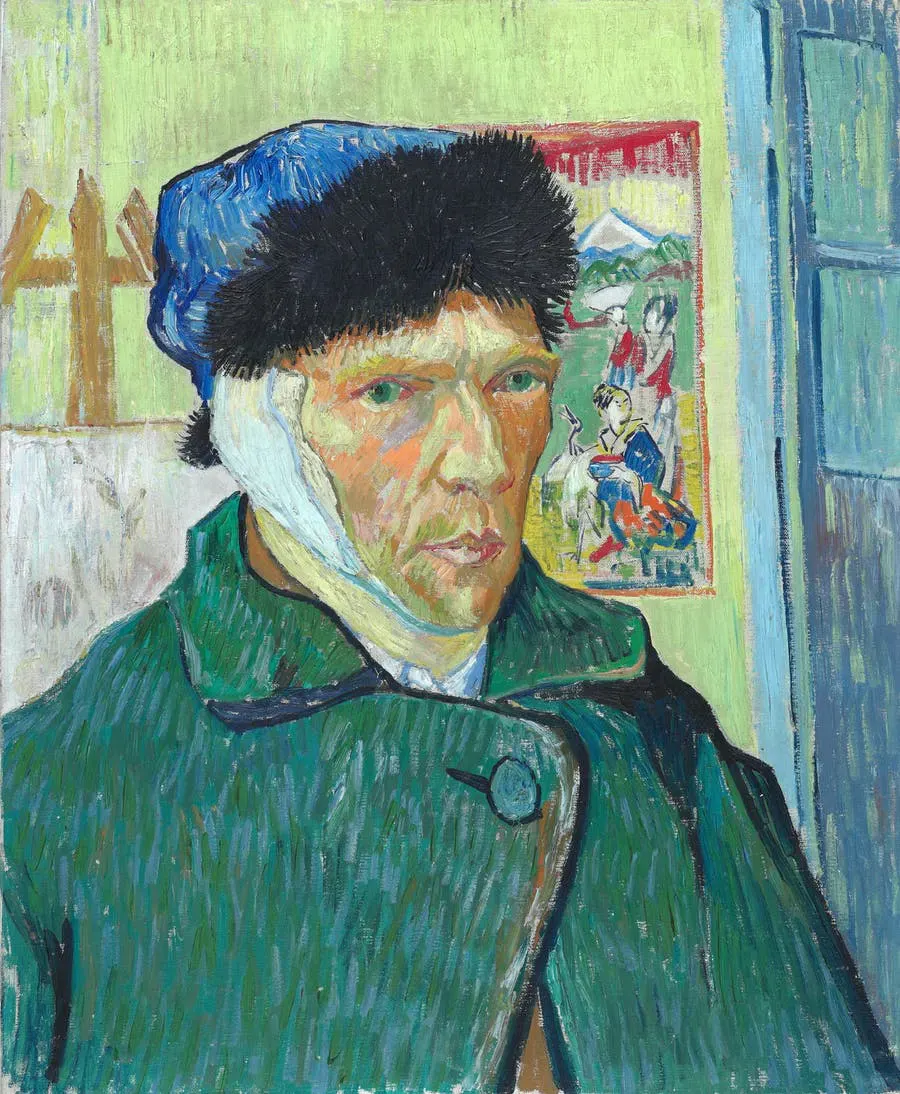
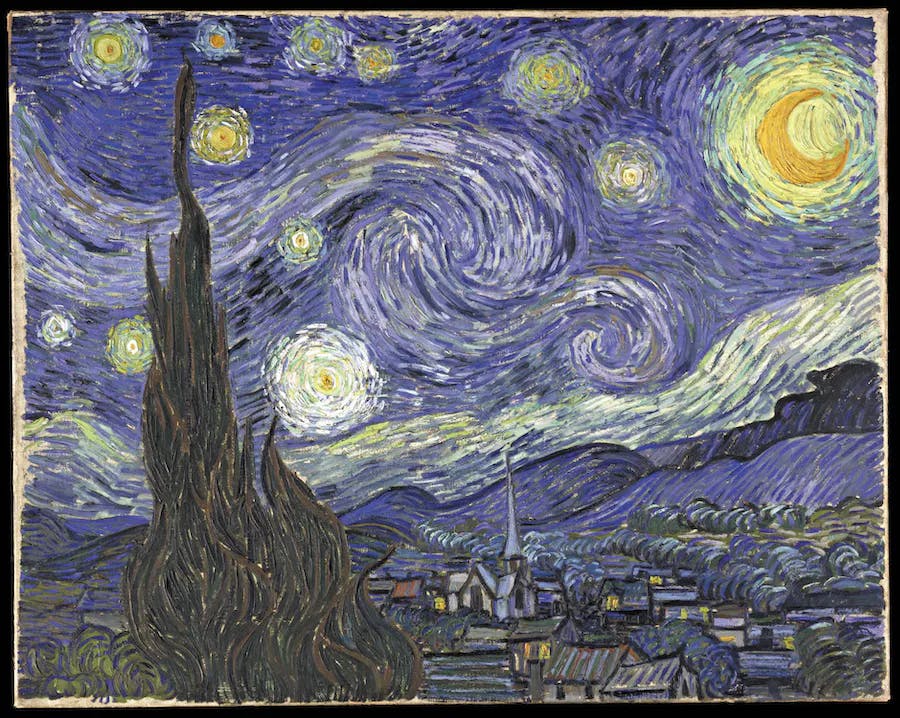
In the hospital, he painted Self-Portrait with Bandaged Ear (1889), as well as over 150 other paintings and hundreds of drawings. His artwork developed further, his bright golden hues becoming more subdued as he favored more blue tones. His layers of paint became thicker and his lines restless; in Starry Night the entire atmosphere seems to be swirling under distress. In May 1889, he left Arles after having produced over 300 works of art.
Van Gogh then moved to Auvers where he stayed under the care of Dr Paul Gachet, an amateur artist known for curing nervous diseases and a friend of Pissarro and Paul Cézanne. From morning to night, Van Gogh would walk along the countryside with pounds of equipment on his back and paint. Despite his large-scale production, he is only recorded as having sold one work during his lifetime, The Red Vineyard at Arles to art collector Anna Boch in 1890.
Related: 10 Artists Between Genius and Madness
However, the artist increasingly experienced fits of temper and often quarreled with Dr Gachet. After a long battle with mental illness, van Gogh died on July 29, 1890 in his brother’s arms, just a few days after shooting himself in the chest in the middle of a wheat field.
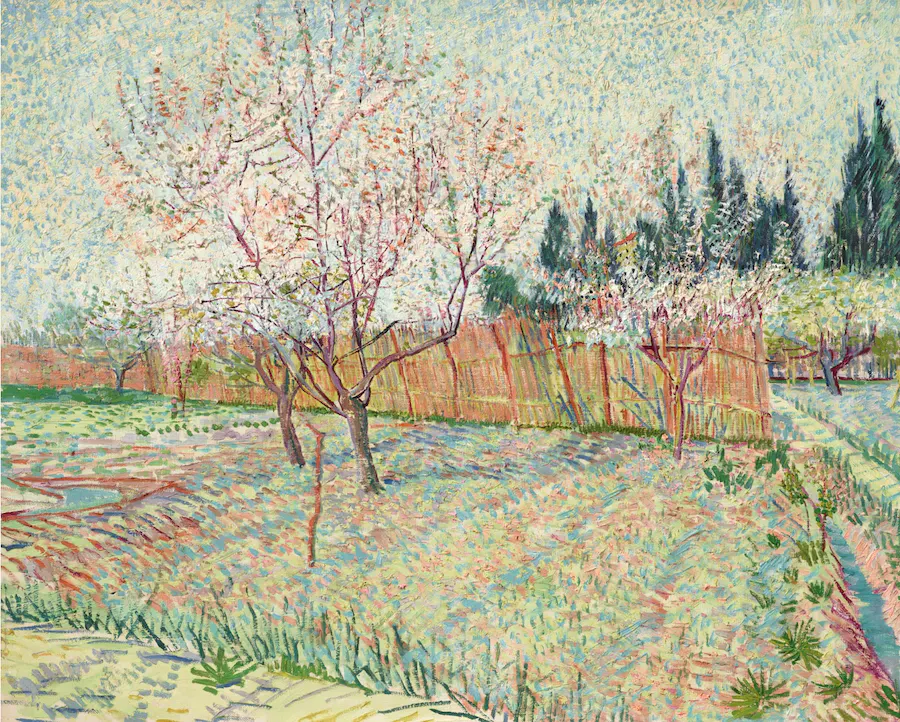
Related: The 12 Most Expensive Paintings Ever Auctioned
Misjudged and rejected by his contemporaries, today's art lovers, who are aware of the importance of van Gogh's work for the development of modern art, pay millions for his works. On November 9, 2022, the artist's record was set with Verger avec cyprès which sold at the Paul G. Allen auction at Christie's for $117.1 million, making it one of the most expensive paintings ever sold.
Find more articles on Barnebys Magazine
This is an updated version of the article originally published on February 28, 2019


