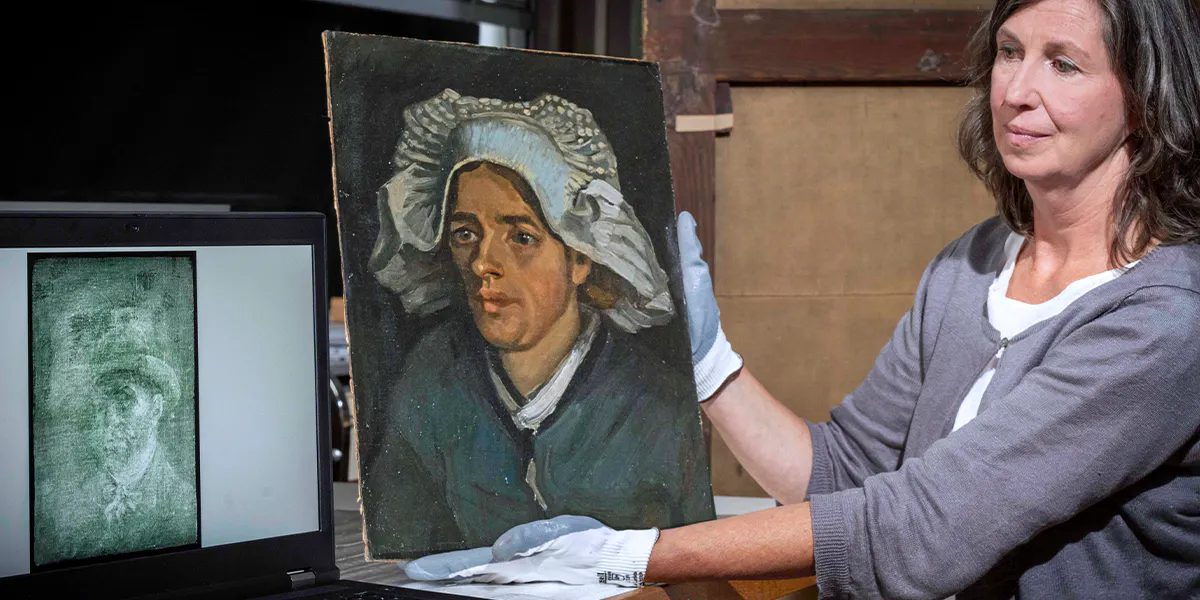
In preparation for the exhibition A Taste for Impressionism, which opens at the Royal Scottish Academy in Edinburgh on July 30, the curators of the National Galleries of Scotland took a closer look at the paintings chosen from their archive, including Head of a Peasant Woman with White Cap, painted by Vincent van Gogh in March or April 1885 during his two-year stay in Nuenen, in the south of the Netherlands.
Related: A Van Gogh Painting Is Stolen From Dutch Museum

X-ray examination of the work, executed in oil on canvas, revealed an incredible surprise on the back, hidden under layers of cardboard and glue: the portrait of a bearded man with a hat, which is very likely a self-portrait of the painter.
Related: Vincent van Gogh: The Myth of the Tortured Artist

Van Gogh, always in financial difficulties and dependent on the support of his brother Theo, sometimes used his canvases twice, using the back side as well. Other examples of such reused canvases from Van Gogh's Nuenen period are found in the Van Gogh Museum, Amsterdam, the Metropolitan Museum of Art, New York, and the Wadsworth Atheneum in Hartford, Connecticut.
Related: 8 Paintings that Vincent van Gogh Copied
"Moments like this are incredibly rare," said Professor Frances Fowle, Senior Curator of French Art at the National Galleries of Scotland. "We have discovered an unknown work by Vincent van Gogh, one of the most important and popular artists in the world. What an incredible gift for Scotland, and one that will forever be in the care of the National Galleries. We are very excited to share this thrilling discovery in our big summer exhibition A Taste for Impressionism, where the x-ray image of the self-portrait will be on view for all to see.”
Head of a Peasant Woman with a White Cap has been part of the collection of the National Galleries of Scotland since 1960. It has previously been in the hands of a number of different owners, including James Bond author Ian Fleming's mother.
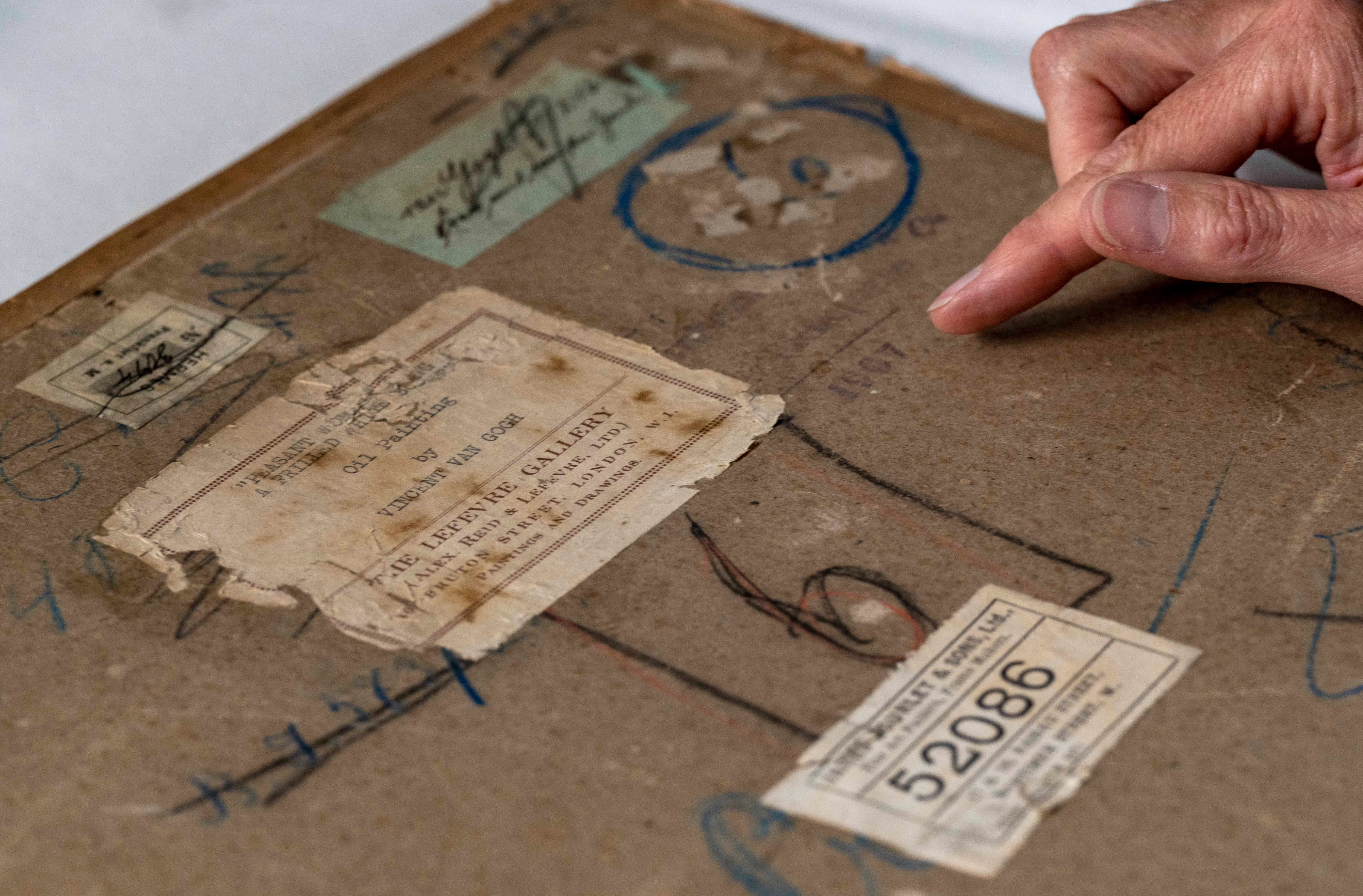
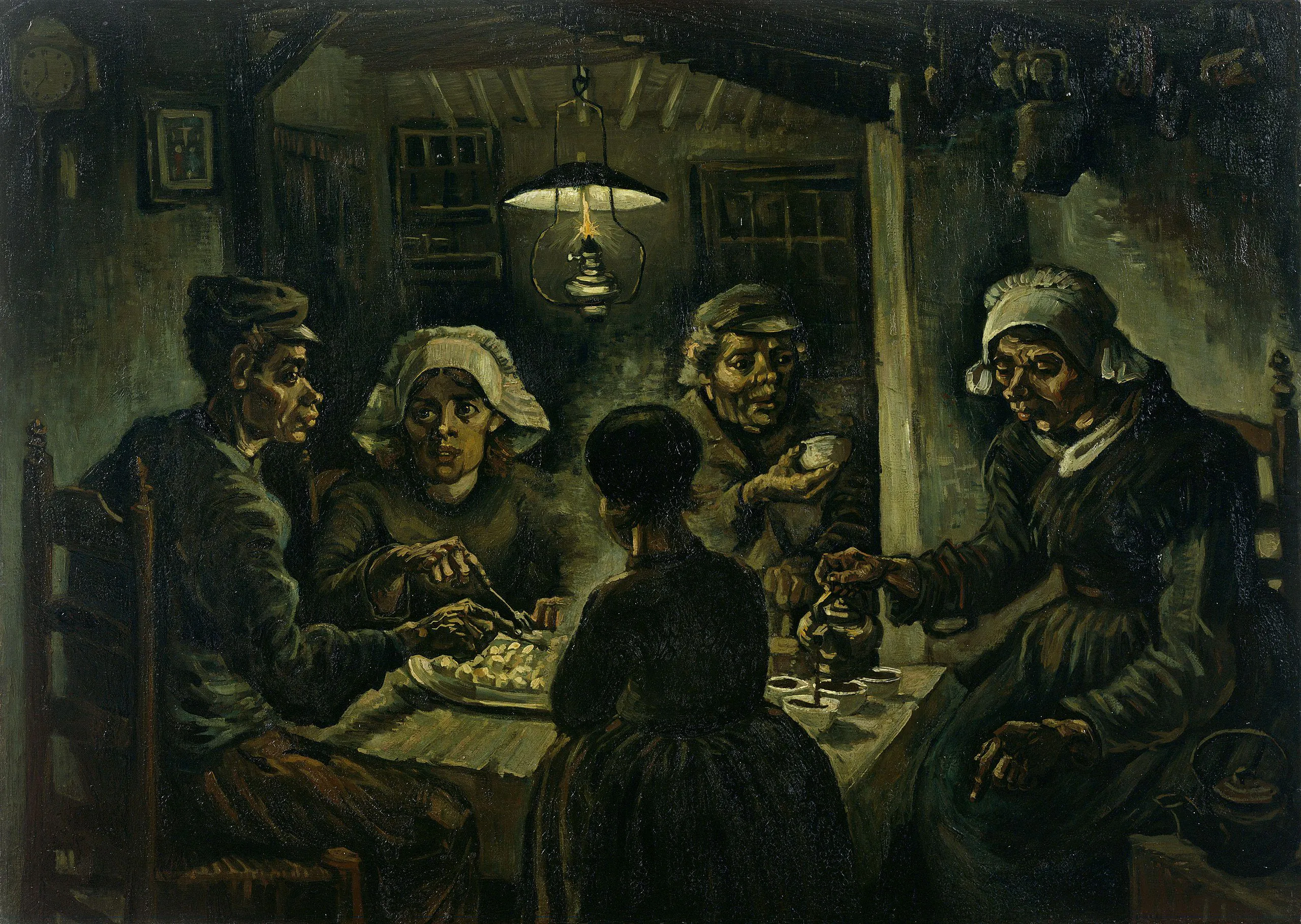
The glued portrait, which probably pictures Gordina de Groot, who also posed for Van Gogh's early masterpiece The Potato Eaters, was painted around 1905. Head of a Peasant Woman with White Cap was selected for an exhibition in the Stedelijk Museum in Amsterdam, while the artist's self-portrait was likely classified as less noteworthy.
The self-portrait, whose exact appearance is still unknown, is thought to have been created a little later than the woman's portrait, when Vincent van Gogh lived with his brother Theo in Paris, immersing himself in the city’s avant-garde art world and finding the style for which he is known and revered today.
Related: An Unseen van Gogh at Auction
The experience and skill of the museum's curators are now needed to free the surprising discovery from the firmly glued cardboard, without damaging Vincent van Gogh's self-portrait or the portrait of the peasant woman.
Visitors to the A Taste for Impressionism exhibition will be able to admire the X-ray image in a custom-made lightbox.