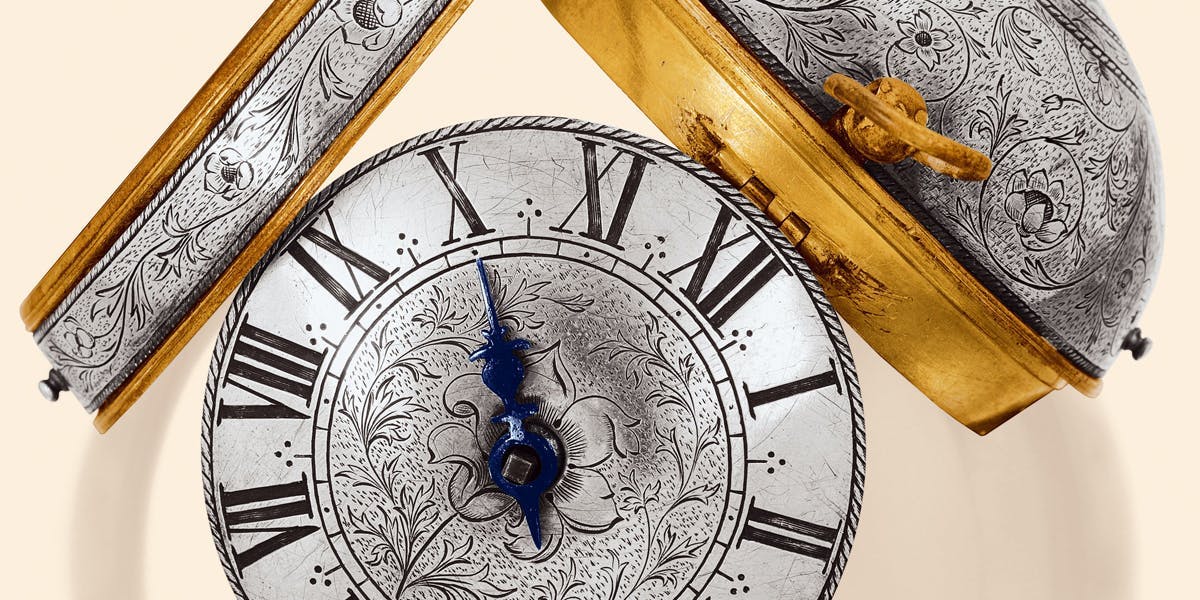
Today, all watch models have one thing in common, a centerpiece almost invisible to the naked eye but which could be described as the heart of the watch: the balance spring.
Recent innovation? Not quite! This invention dates back to the time of the reign of Louis XIV...
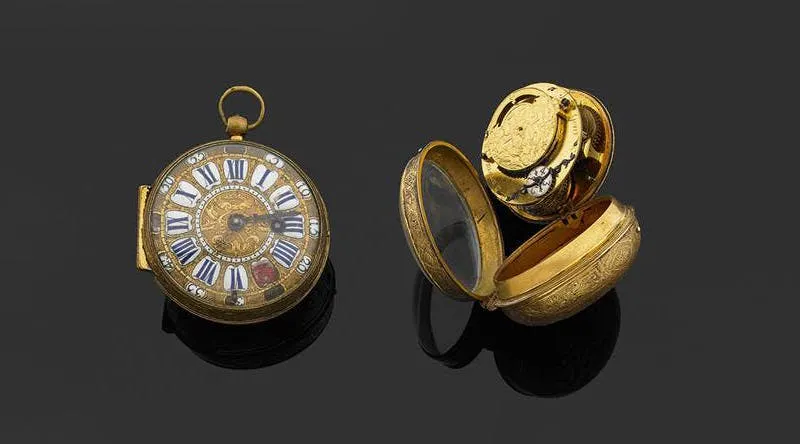
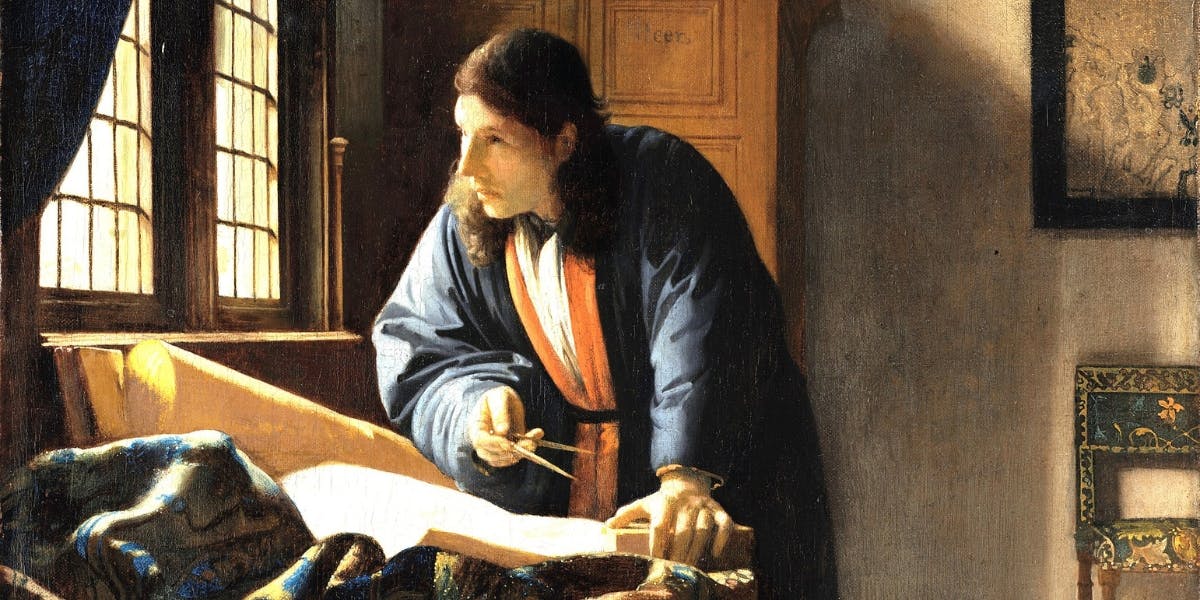
At that time (Louis XIV reigned from 1643-1715), watchmaking had already existed for several centuries, but watches remained the possessions of a learned and wealthy elite. Moreover, the function of giving time was very random, varying from several half-hours to several hours per day.
Related: The Finesse of the Wristwatch
Horology did not yet define the days as we know them today, so the population lived to the rhythm of the sun and the way of life, inherited from the Middle Ages, was relatively archaic.

The first major invention in the history of watchmaking is owed to the Dutch physicist Christiaan Huygens. This pioneer of modern calculation resumed the work of Galileo and developed the foundations of isochronism (an object is isochronous when it responds to constant mechanical movements). Huygens' idea was to apply a hairspring to the balance wheel of the watch in order to precisely control its oscillations.
Related: Pocket Watches: History, Revival, Trends & Tips
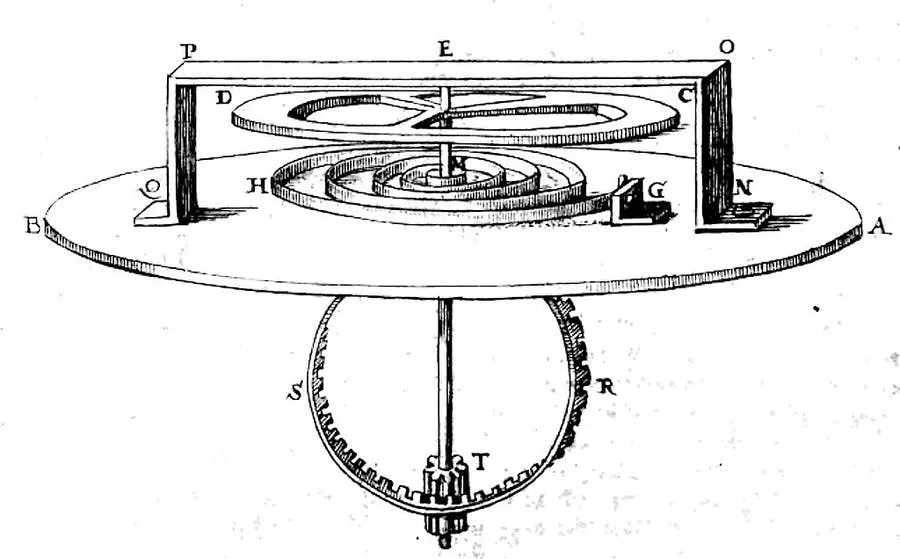
The balance wheel of a watch is the organ that controls the speed of rotation of the gear train, which defines at what speed the hand advances. Inserting an isochronous hairspring (with regular movements) therefore makes it possible to control the oscillations of the balance, and thus, the speed of advancement of the hand. In 1675, Huygens' pocket watch using a balance spring was launched in Paris.
Related: The Royal History of the World's Most Expensive Clock
This device finally made it possible to control the speed of the gear train, and the time display then changed from several hours of time difference per day to just a few minutes. Watchmaking became more precise, and this precision allows the addition of a minute hand: it is the birth of the reading time as we know it today.
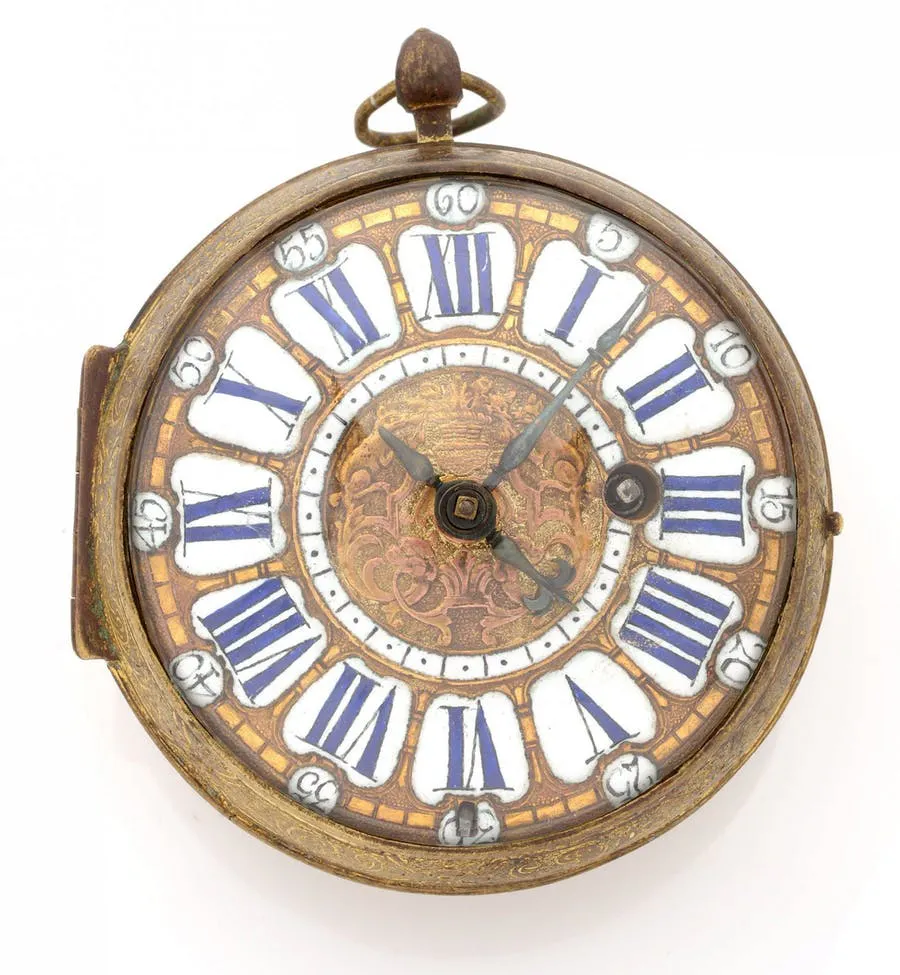
From then on, the days can finally be punctuated with precision, and the expression “how long will it take” finds its roots. The precise calculation of time becomes essential because, already at the time, “time is money”. It is thus partly thanks to watchmaking that society emerged from its medieval way of life.
Related: Who Wore the First Wristwatch?
It is this pivotal period in history that will culminate in the great inventions of the 18th century and the advent of the Industrial Revolution. Although the technique and materials used in watchmaking have since improved, the principle of the balance-spring remains unchanged today.