
![Vogue 1976, The New York living room of designer Diane Von Furstenberg, with portraits by Andy Warhol [detail]. Photo: Horst P. Horst/Condé Nast via Getty Images](https://images.prismic.io/barnebys/638fd1d1-588c-49d9-81ff-1de6e9f53c4a_Cover+new.jpg?auto=compress,format)
In the 1950s, Andy Warhol started out actively pursuing work as a fashion illustrator in New York for magazines such as Harper’s Bazaar and Vogue. It was this commercial world that led him to produce his pioneering Soup Can series that encapsulated consumerism. Although Warhol then became a pioneer of the Pop Art movement, he never was far away from his love of fashion, founding Interview magazine in 1969, which celebrated art, fashion and celebrity. The magazine allowed Warhol to wander further into the fashion world, with models such as Jerry Hall appearing in its pages alongside fashion designers like Yves Saint Laurent.
The legacy of Warhol’s influence on the fashion world is probably most felt through the collections that designers have created while inspired by the colors, themes and pop art of Warhol’s artistic creations.
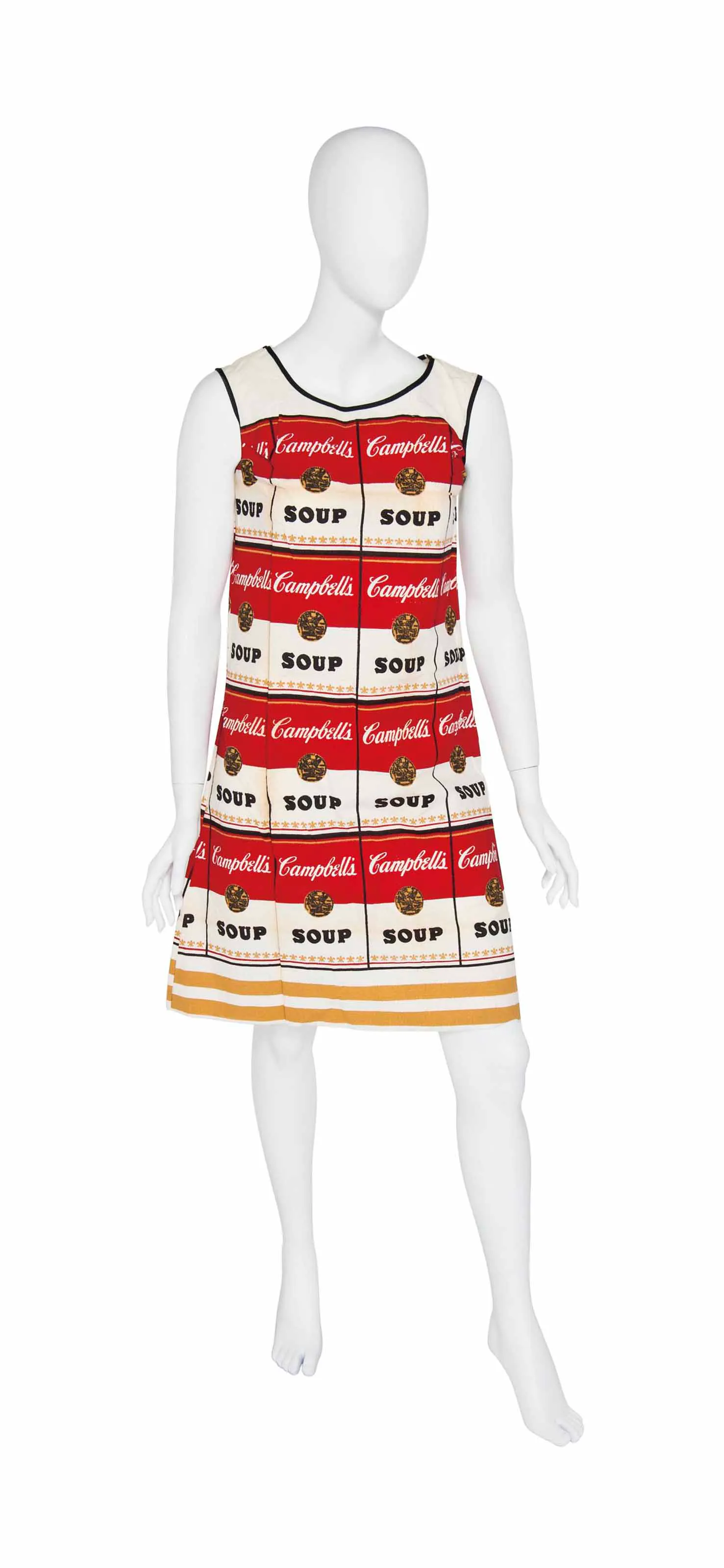
Arguably Warhol’s most famous and recognizable work, the series of 32 painted Campbell’s Soup Cans caused a stir when they went on display in 1962 – a tongue-in-cheek comment on consumerism. The artworks are instantly recognizable and a number of fashion designers have since been influenced by the iconic image, including Jean-Charles de Castelbajac who designed a soup can dress based on one of the paintings.
See also: How Coco Chanel Revolutionized the Handbag
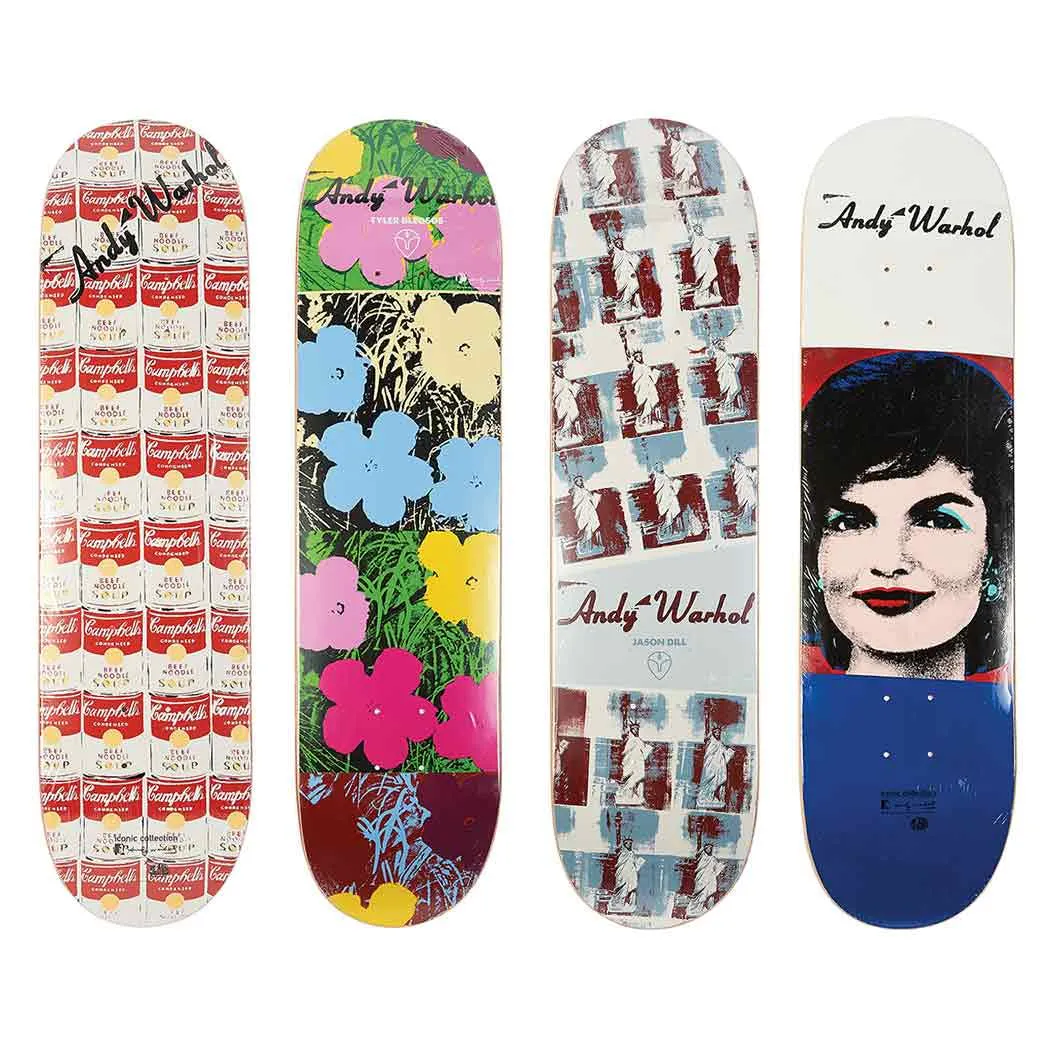
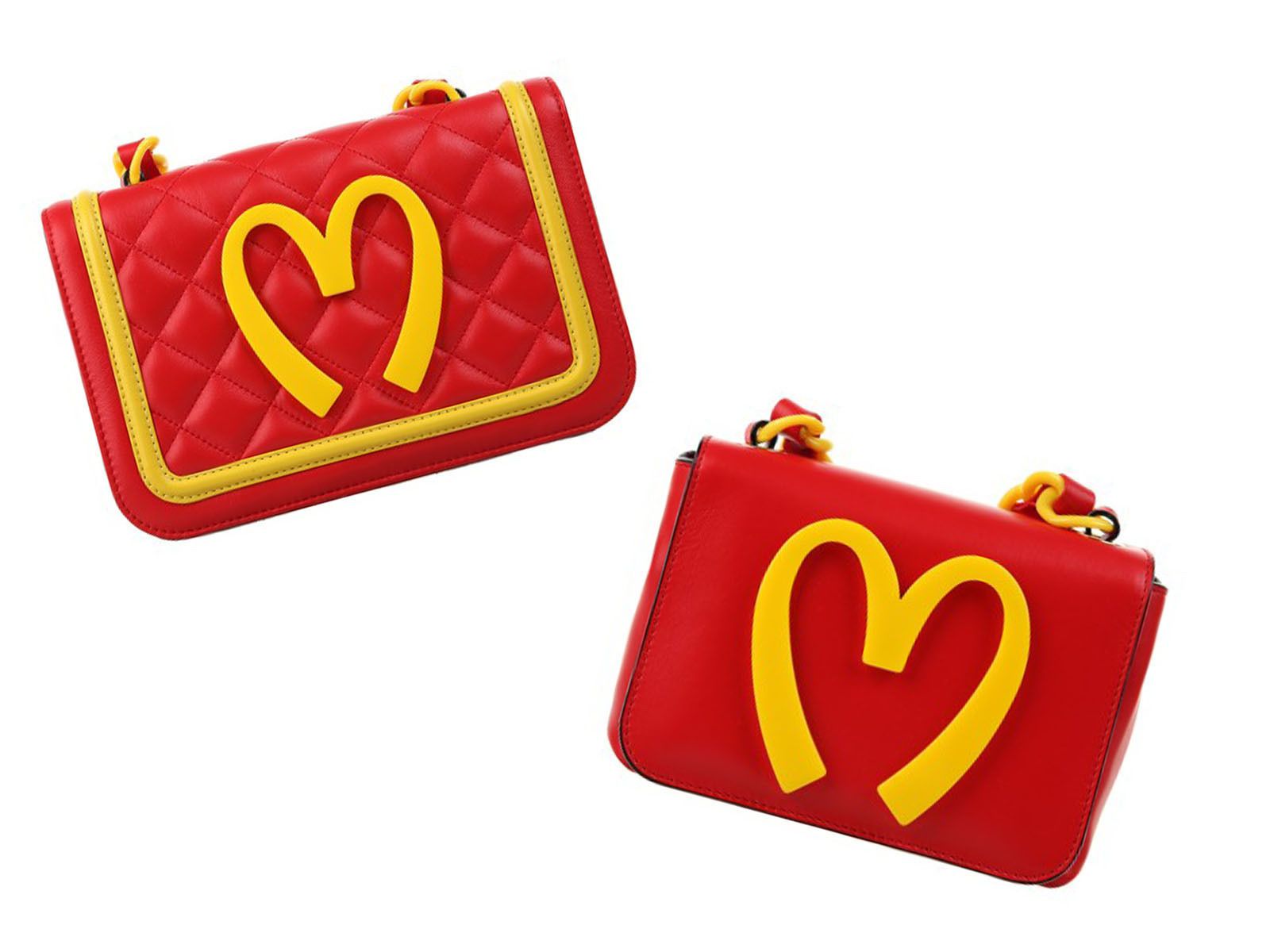
Some of the influences of this work however, haven’t been so literal. Dubbed the ‘Andy Warhol of fashion’ Jeremy Scott’s recent collections for Moschino often take the consumerist idea of logos and branding that Warhol first played with and replicate a similar message about consumerism on the catwalk. The 2014 Moschino collection included McDonald’s themed fashions and in 2013 the Moschino menswear collection highlighted in Milan even included suits emblazoned with washing brand logos.
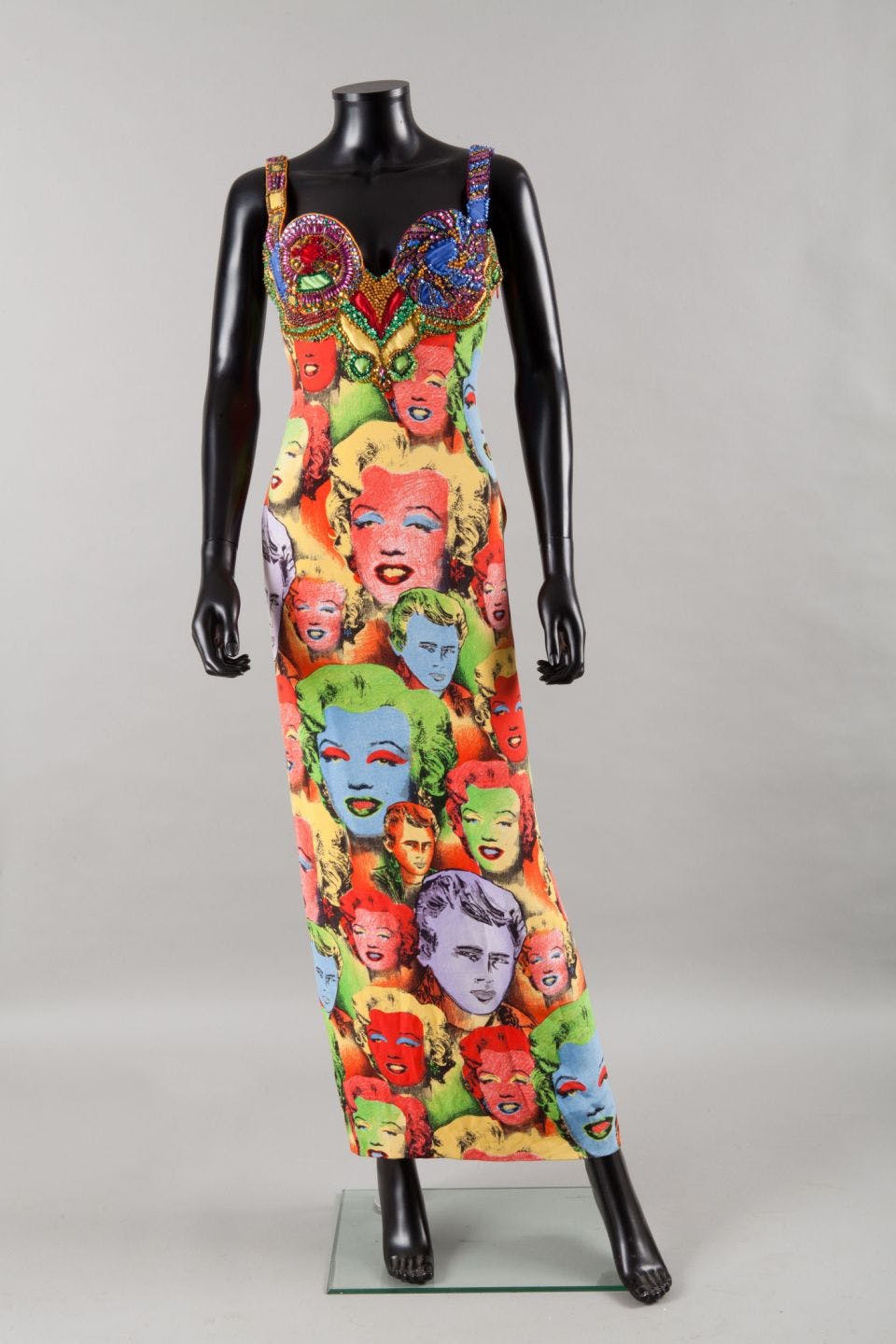
Another of Warhol’s famous pieces is the print of Marilyn Monroe’s face. The celebrity status of Monroe combined with the increasingly popular Pop Art movement meant the work became instantaneously recognizable and continues to transcend time today. Although now heavily recreated and re-used, the most iconic influence of this work on fashion was the Versace 1991 Pop Art collection, which featured a dress adorned with jewels and emblazoned with Warhol’s Marilyn Monroe print. An example of this dress is now housed in the Met Museum.
See also: For the Love of Givenchy
One of Warhol’s long-term friends was the designer Diane Von Furstenberg, who is most famous for creating the iconic wrap dress. In 2014, at the 40th anniversary of the wrap dress, Von Furstenberg created a ‘Pop Wrap’ anniversary collection that merged her signature designs with the iconography of Warhol’s work.
This included a signature DVF ‘twig’ dress with Warhol’s dollar motif on the skirt and further variations of a recurring theme of DVF, the hibiscus flowers from Warhol’s 1964 flower series.