
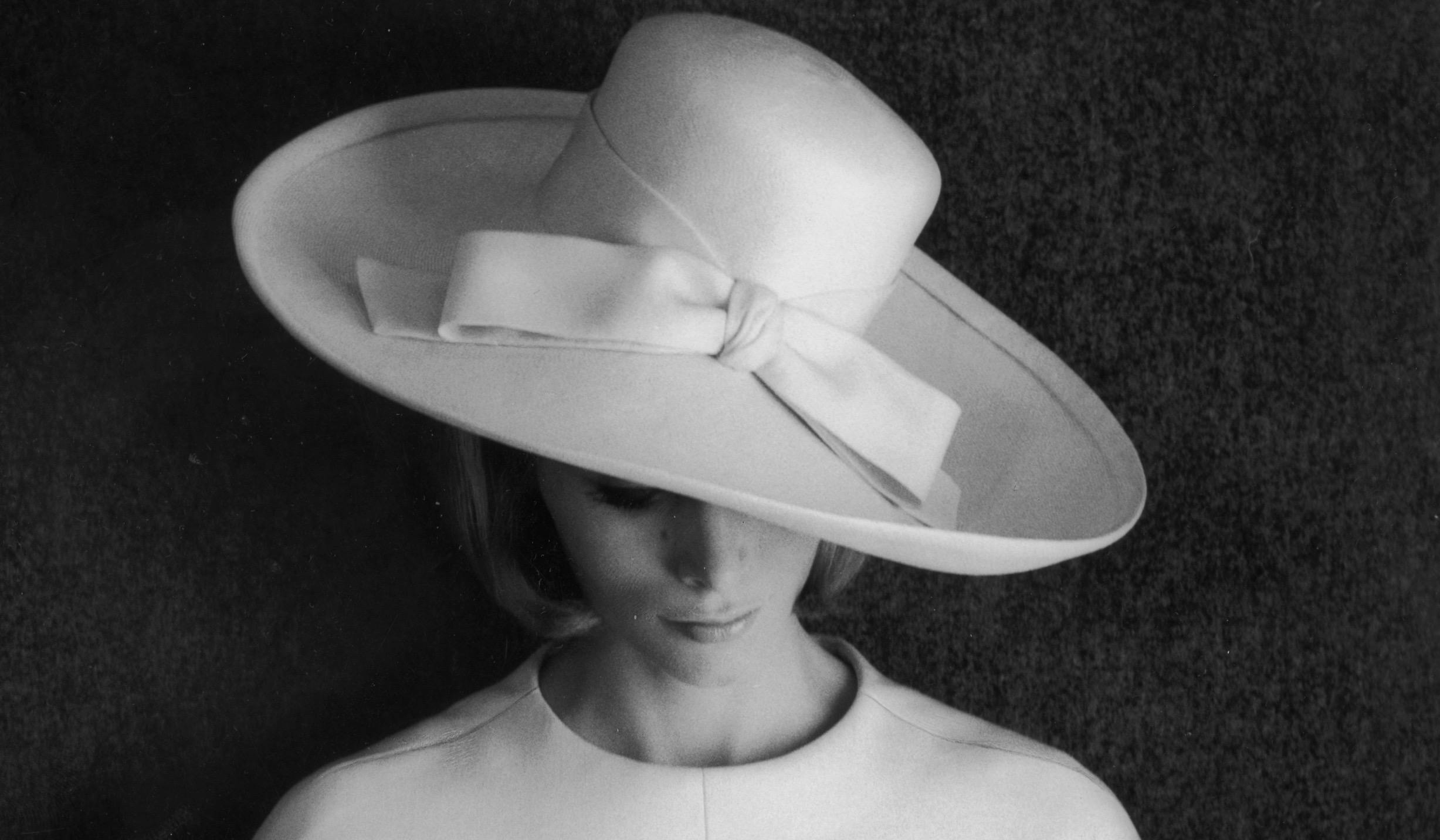
Yves Saint Laurent is, without a doubt, one of the 20th century’s greatest fashion designers. An art lover who was fascinated by androgyny, throughout his life this French couturier would upset the fashion codes of women. His best-known creations include not only the Mondrian dress but also the transparent top, the jumpsuit, and the first trouser suit. These iconic pieces fashioned the reputation of the artist whose career took off in the 1950s when he met businessman Pierre Bergé.
Fashions fade, style is eternal.
Born in 1936 in Oran, Algeria, the young Yves Henri Donat Mathieu-Saint-Laurent was heavily influenced by the “cosmopolitan city of traders, a sparkling city with a patchwork of a thousand colors under the calm North African sun”, as he described it. This inclination towards openness and universalism underlined the career of the skinny young man with noble origins, who decided to move to Paris in the mid-1950s when he was only 17. Two years later, he joined the house of Dior where he became an assistant, and then the artistic director following the sudden death of its founder.
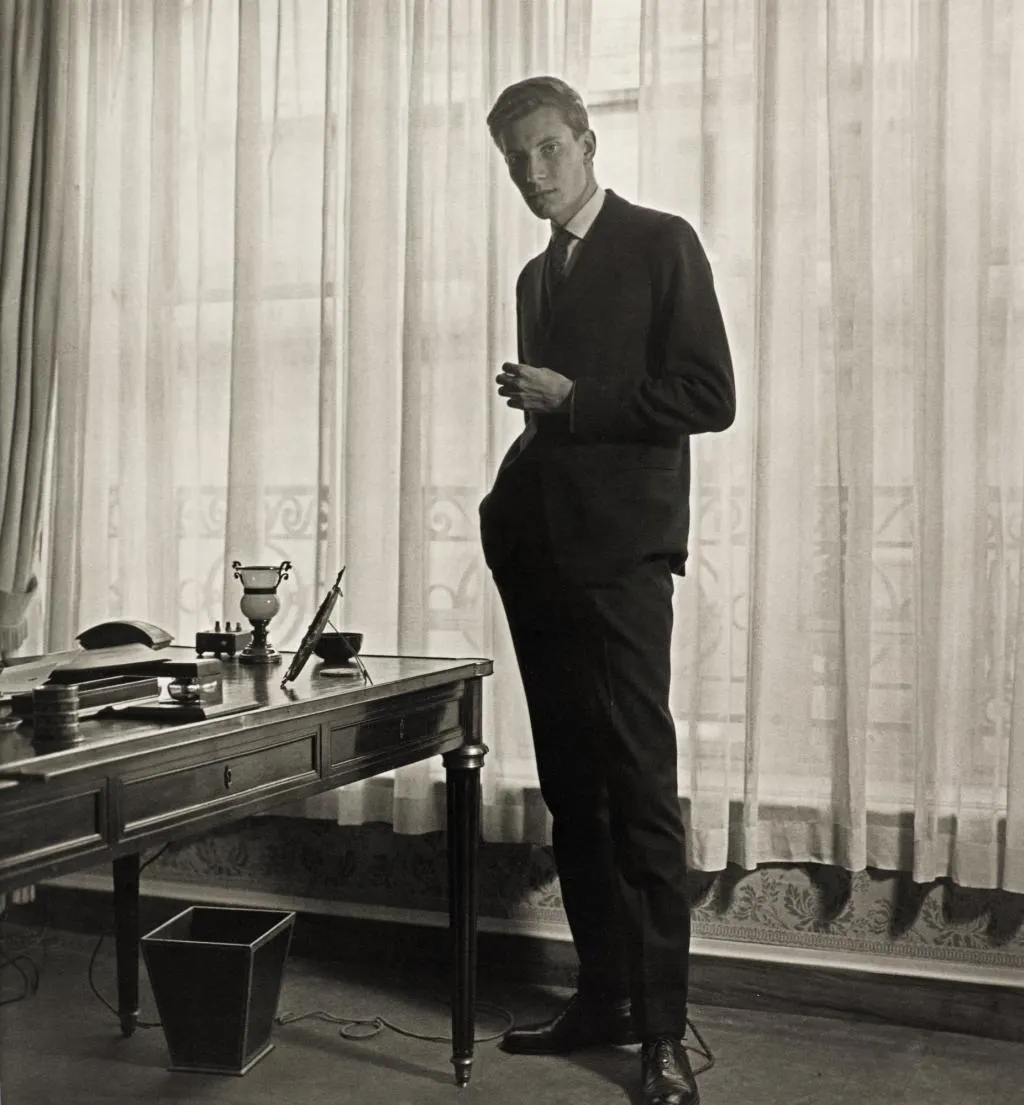
He didn’t stay for long, however. In 1961, the young man took the fashion world by surprise when he opened his own haute-couture house with the person who would become his life partner, Pierre Bergé. In the ensuing years, all of his creations followed the same goal of empowering women and belief that “Fashions fade, style is eternal”. He launched ‘Y’, his first perfume, in 1962 and dressed the foremost French actresses of the time, including Jeanne Moreau, Claudia Cardinale and Arletty. He opened his first prêt-à-porter boutique in Paris in 1966, the year when he designed his first tuxedo suit for women, which earned him a prize from the American women’s magazine Harper’s Bazaar.

In the 1970s, YSL was at the summit of his glory. He borrowed liberally from the male wardrobe to dress his female clients in France and overseas, each of whom revelled in his liberated and sexy style that even sparked a few press scandals – like his 1971 spring-summer collection inspired by the retro 1940s style of women during France’s Occupation.
Related: Haute Couture: Where Fashion Meets Art
Both this decade and the next were opportunities for him to pay tribute, through his clothing, to the painters who inspired him: Vincent Van Gogh, Henri Matisse, Diego Velázquez and Pablo Picasso, to name just a few. Artistically, he left a sizable legacy to the female wardrobe – this was despite his excessive reliance on drugs and alcohol, which didn’t do much good for anxiety tendencies.
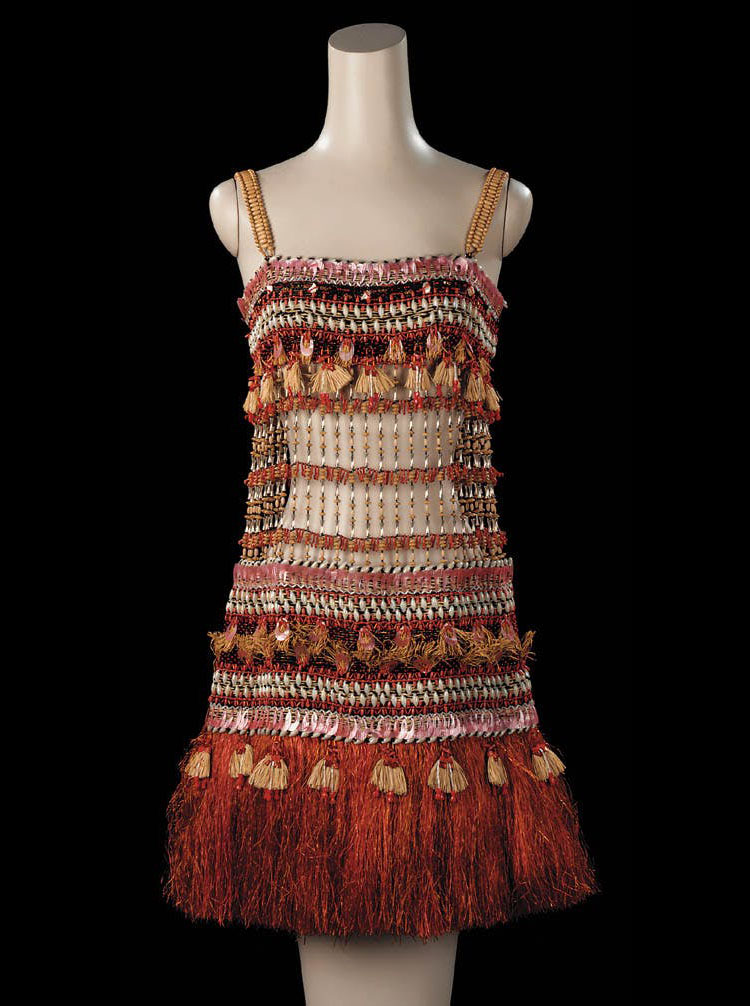
This was a period of his life when he found solace in imaginary voyages as well as real-life trips to Morocco, mainly Marrakech, where he stayed when working on his collections. At the start of the 1980s, he and Bergé even purchased the Marrakech villa formerly owned by painter Jacques Majorelle – a place overflowing with poetry, ponds and exotic plants, and today open to the public.

In 1983, Yves Saint Laurent became the first fashion designer to be granted the honor of having a retrospective organized at the Metropolitan Museum of Art in New York during his lifetime. Other exhibitions would follow in countries all over the world, including France at Paris’ Musée des Arts de la Mode in 1986.
Related: For the Love of Givenchy
In the 1990s, he began to move away from public life, but nonetheless produced ‘Homages’, collections inspired by personalities such as Marilyn Monroe, Marcel Proust and Catherine Deneuve. Eight years later, on the occasion of the football World Cup hosted by France, he assembled 300 models on the lawns of the Stade de France – an important event that was viewed by hundreds of millions of spectators worldwide, furthering his planetary renown. In 2002, he announced his retirement from fashion and the definitive closure of his haute-couture house – one of the world’s largest fashion companies – to focus on the activities of the Fondation Pierre Bergé – Yves Saint Laurent.
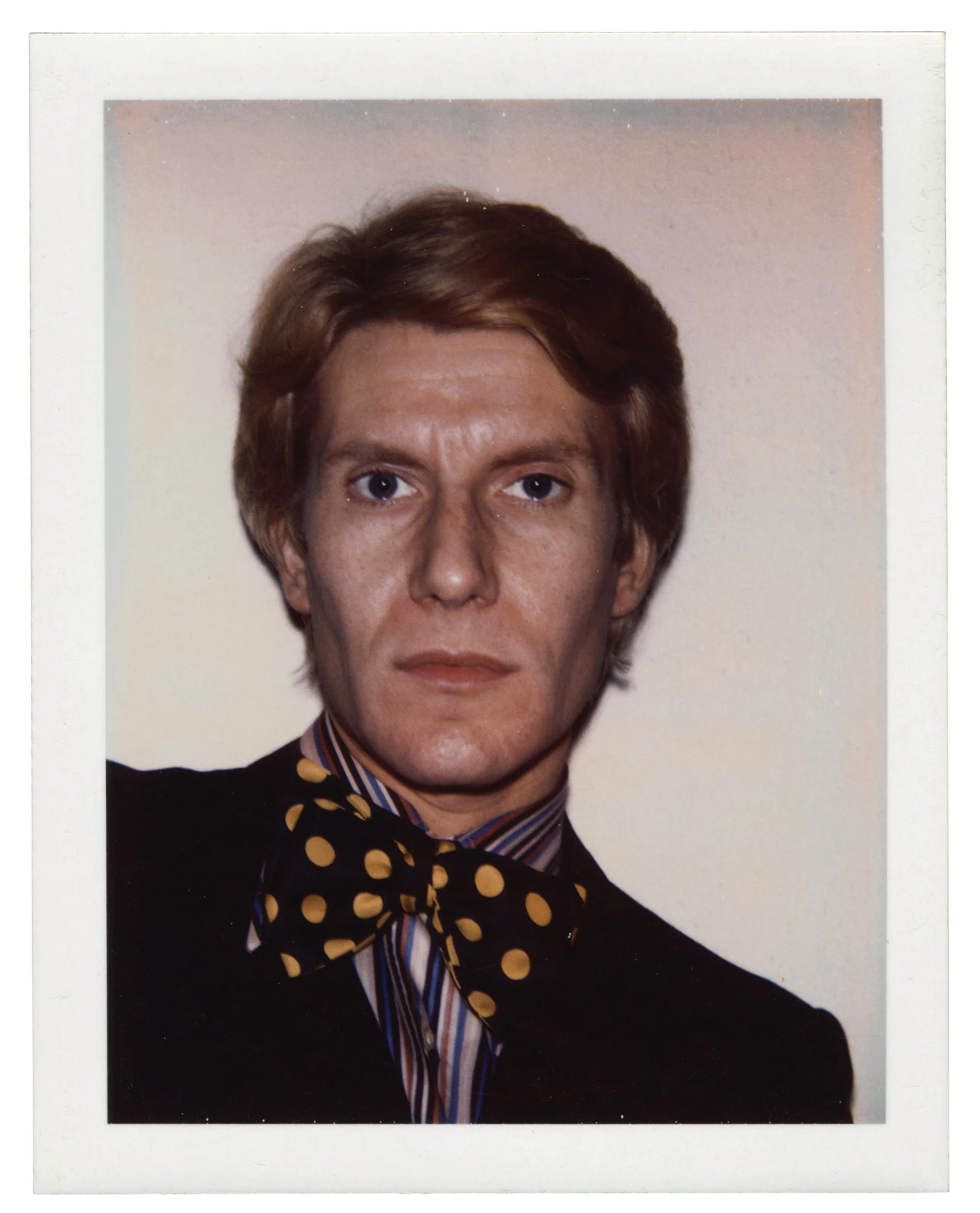
Before his death in 2008 at the age of 71, Yves Saint Laurent made Villa Majorelle in Marrakech his residence. It houses thousands of drawings, clothing, accessories and objects that belonged to the great designer, and a stele was erected here in his memory. Another part of his legacy is preserved at the Musée Yves Saint Laurent in the 16th arrondissement of Paris, where the public can discover photos, video testimonies and around fifty emblematic models.
See also: Céline: French Minimalist Chic
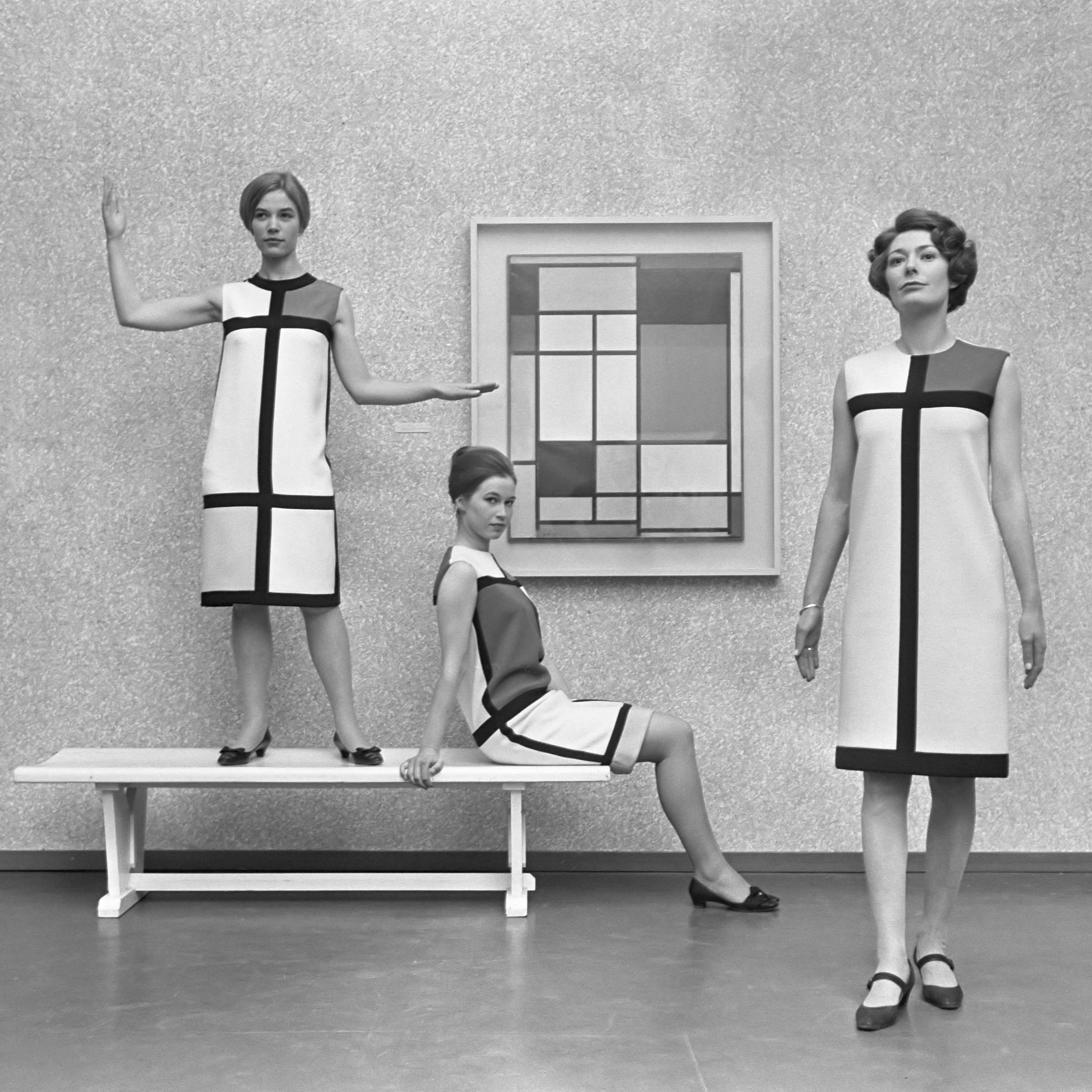
All through his life, the French designer built up a fabulous art collection. The year following his death, Bergé decided to sell everything at an auction organized by Christie’s under the nave of the Grand Palais in Paris. This ‘sale of the century’ attracted 30,000 people and dispatched, worldwide, 733 art objects, including paintings by Picasso and Mondrian, as well as some ancient Egyptian sculptures. During the sale, Matisse’s Cuckoos on a Blue and Pink Carpet (1911) sold for $45.9 million, while a sculpture by Romanian artist Constantin Brancusi, Madame L.R., fetched $37.3 million. YSL's own designs have also fetched high prices at auction: a haute couture embroidered "Sunflower" jacket from his Spring-Summer 1988 collection sold for $422,874 at Christie's in 2019.