

Like Hermès, Dior and Chanel, the Celine brand embodies French luxury. A member of the exclusive LVMH group, the brand has spoilt fans all over the world with its cool and chic style for decades.
Celine's story began at the end of World War II when Céline Vipiana (1915-1997) and her husband Richard founded the company in Paris in 1945. Initially, it started out as a small shoe shop offering custom-made shoes for children of wealthy French families. On the strength of the boutique's success, Vipiana quickly opened three additional stores and slowly oriented her production and expertise towards leather goods.
In the early 1960s, Celine was marked both by very fine creations, such as the brand's line of flat-heeled moccasins – the Inca and the Byblos, in particular – and the brand's entry into the fashion realm. Vipiana made the brand's signature color red and branched into perfume and accessories, like jewelry, bracelets and scarves.
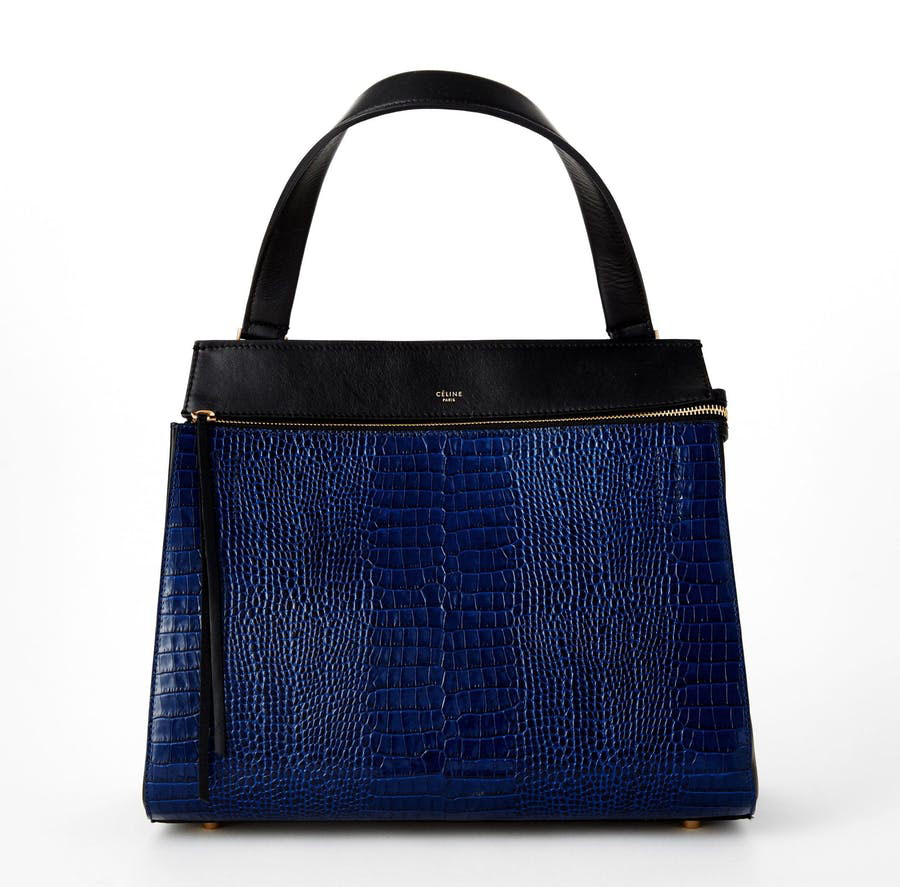
In 1967 came the big leap: Vipiana organized her first ready-to-wear collection. From pants and skirts to jackets and knitted blouses, everything had been designed to fit the lifestyle of the active woman. The combination of chic style and the ease of ready-to-wear design was a winning one: in the early 1970s, the brand opened stores throughout Europe, Asia and North America.
It was during this period that Vipiana had the idea to form a motif from two intertwined Cs (a nod to the Arc de Triomphe), which became the brand’s coat of arms.
Related: History’s Best Wedding Dresses
Through the 1970s and '80s, the brand continued to introduce its elegant and relaxed style to the world, thanks to the work carried out at the main workshop and manufacturing plant in Florence, Italy, where top artisans had centuries of knowledge in working with leather materials.
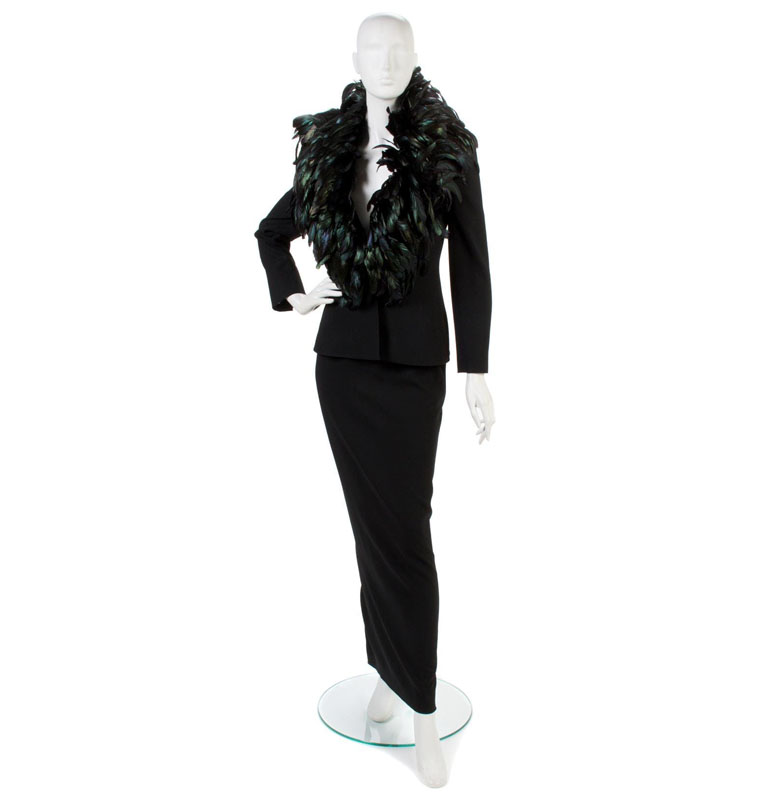
In 1987, two years after Bernard Arnault’s acquisition of a stake in the company, there were 85 Céline boutiques across four continents. With the major expansion having come to an end, the brand focused on its entry into the LVMH group and the installation of its headquarters on Paris' rue Vivienne in a private mansion listed as a historical monument. On the creative side of the brand, three designers took the helm between 1997 and 2008: the American Michael Kors, the Italian Roberto Menichetti and the Croatian Ivana Omazic.
Related: The Art of Fashion: Fashion in Art
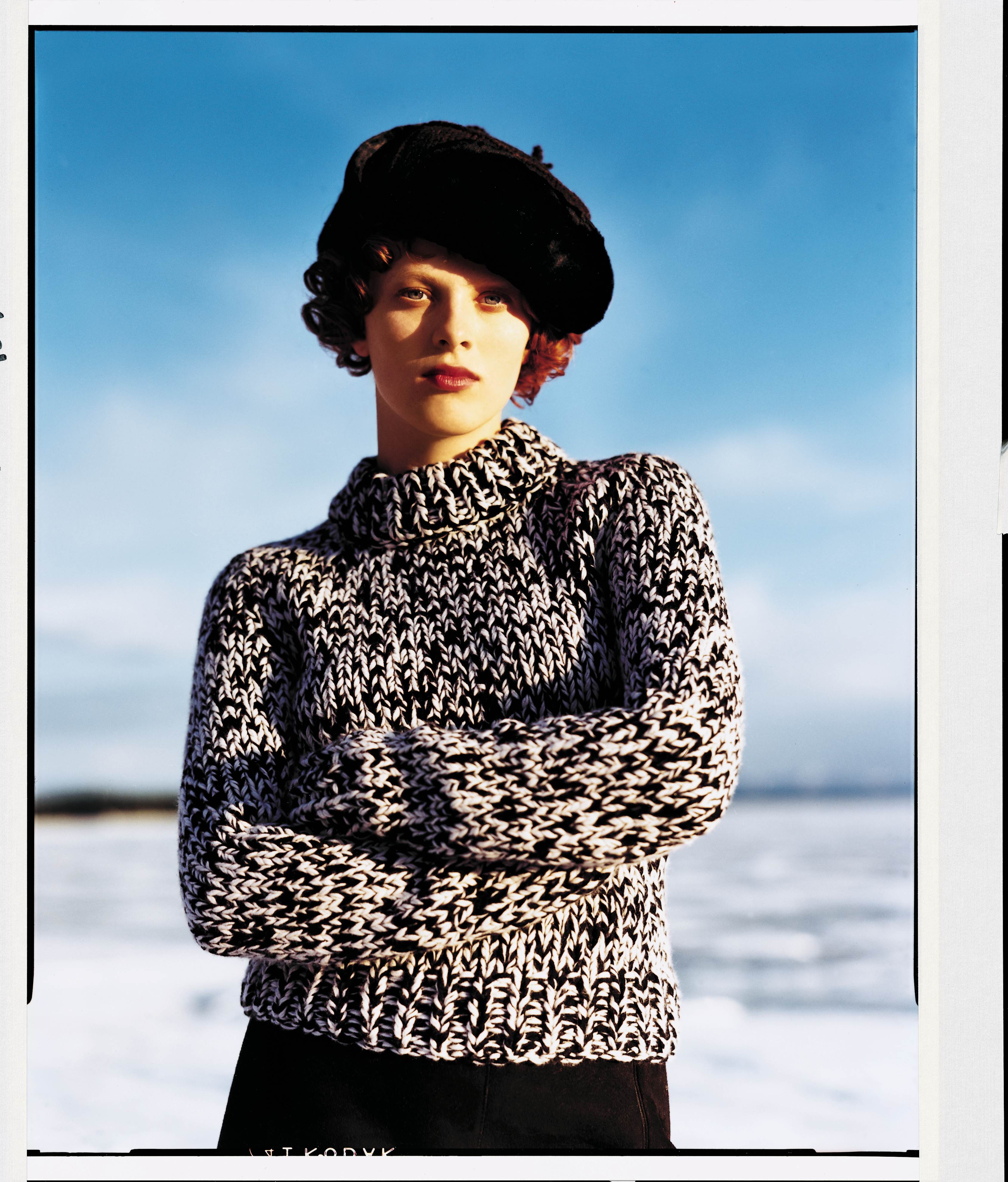
With the arrival in 2008 of the British creative director Phoebe Philo, the brand found a new impetus, becoming synonymous with minimalist luxury, avant-garde femininity, but also functional and accessible design. The brand’s success was also tied to its high-quality leather products, including chic calfskin handbags, such as the Luggage, the Phantom and the Trotteur.
Related: The True Story Behind Frida Kahlo's Iconic Style
The popularity of the brand also exploded thanks, in part, to the originality of its advertising campaigns. In 2015, for example, the brand executed a campaign around the American novelist Joan Didion.
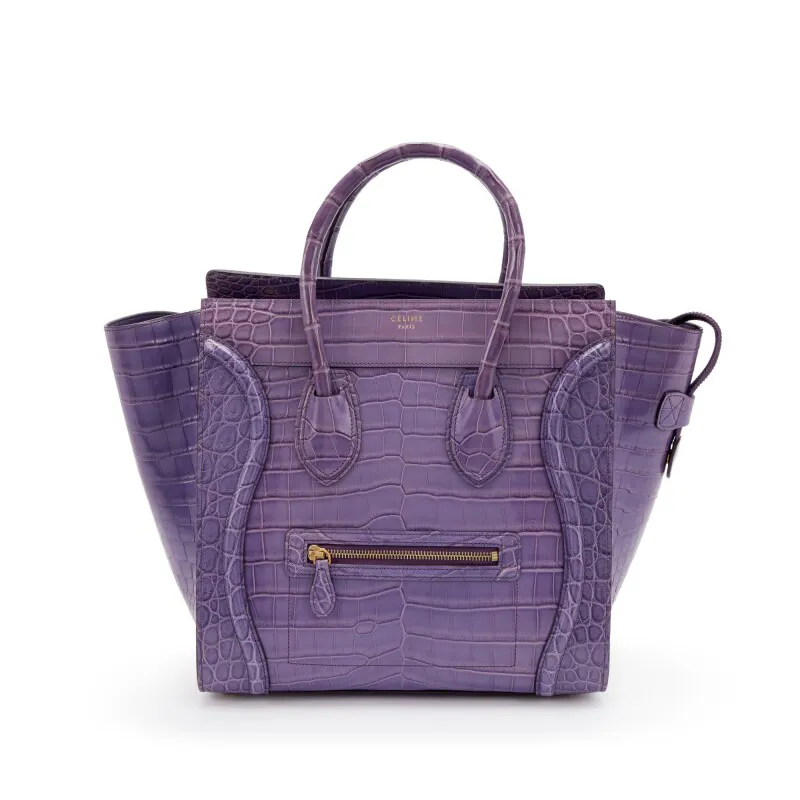
Hedi Slimane, whose impressive résumé includes Creative Director of Dior Homme and Yves Saint Laurent, joined Celine as its director in January 2018. The Celine show was certainly the most anticipated of Paris Fashion Week 2018 – and for good reason. In a sensational fashion show, the designer orchestrated the beginning of the complete redesign of a brand that has become a symbol of glamour in the ready-to-wear world.
This sleek-meets-classic look was echoed in Slimane's first menswear fashion show in January 2019 during Paris Fashion Week, where he introduced British punk-chic men’s apparel at the Place de la Concorde.
Now, more than 75 years since its inception, the fashion world awaits what is next from the discreet yet glamorous Celine.