Born in Milan in 1916, Marco Zanuso attended the Polytechnic from 1935 to 1939, the year in which he obtained a degree in architecture. Immediately afterwards, he joined the Italian navy. However, four and a half years at sea didn’t hinder his passion for architecture. As soon as he returned to Milan, Zanuso resumed his relationships with university friends and started his journey to what would become a brilliant career. His first step took him to printed media, where he worked as an editor for architecture magazines, Domus and Casabella.
Related: 7 Facts To Know About Cini Boeri
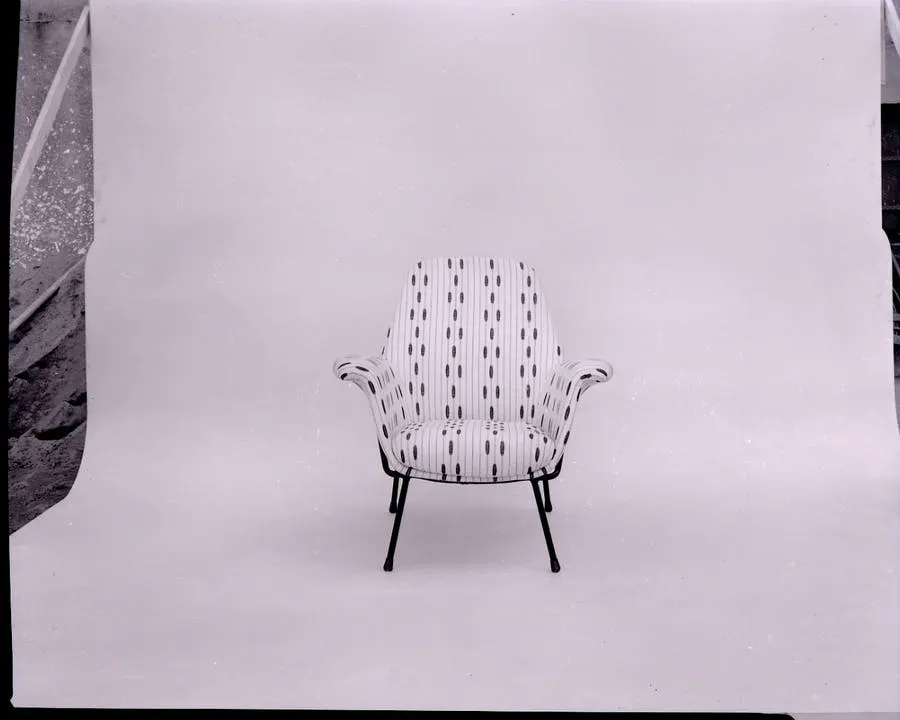
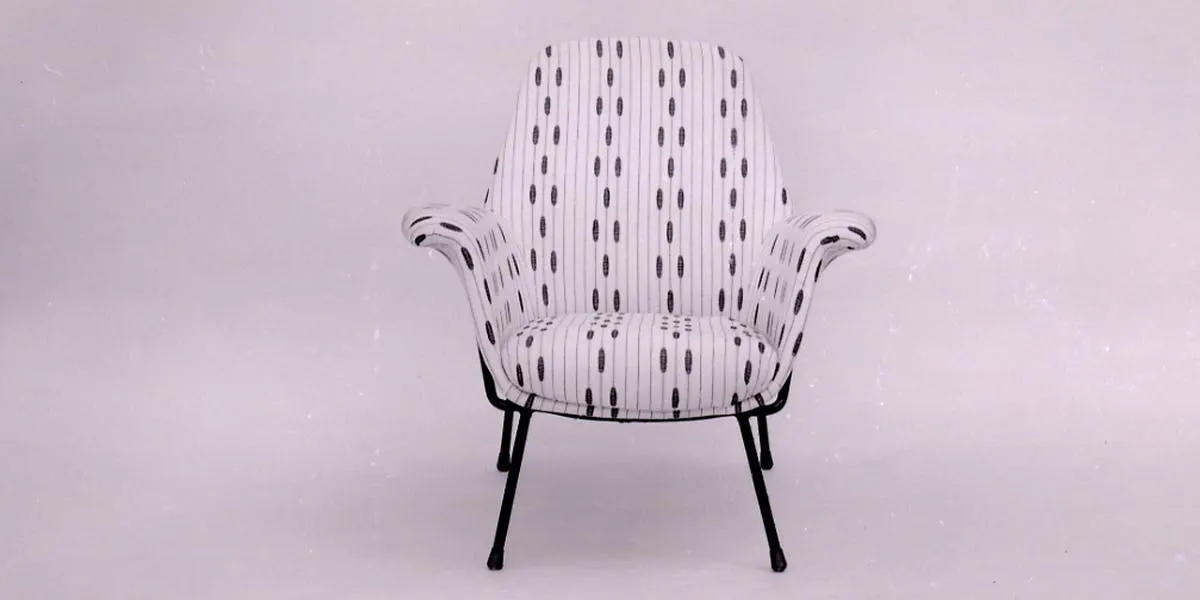
Soon, great opportunities appeared, such as collaborations with established companies around Milan. For Zanuso, the most significant collaboration was with the company Arflex, where he designed the Lady chair. Arflex was founded in 1948 by the tire manufacturer Pirelli and produced innovative foam designs, and Zanuso made an important contribution to the research of the material, which was both modern and new.
Related: 8 Must-See Design Museums Around the World
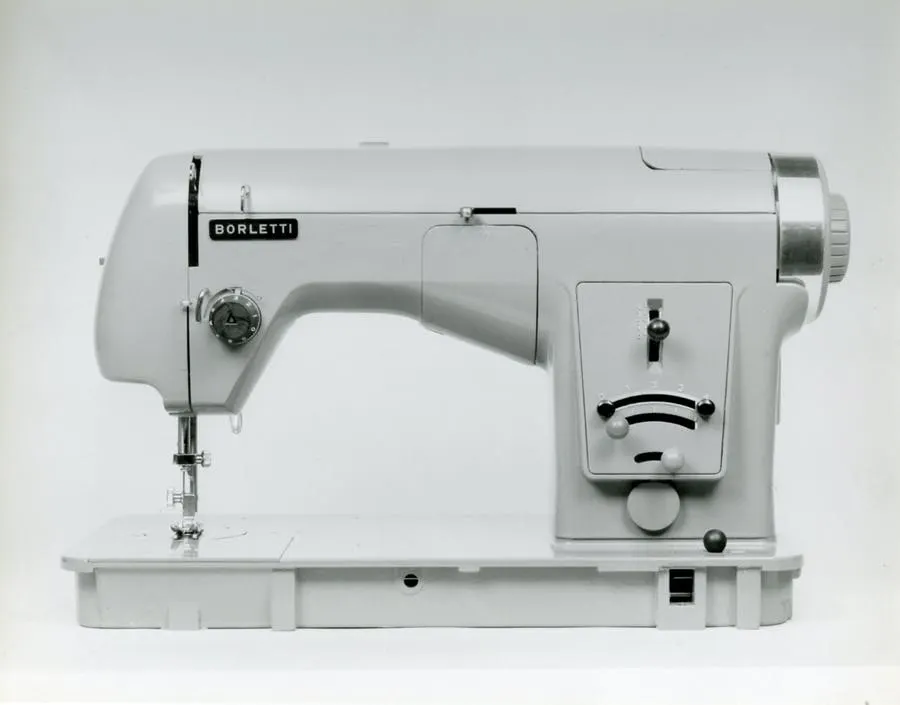
During this period of time, the architect also designed a pioneering sewing machine for the company Fratelli Borletti. The sewing machine’s design was completely new, daring, and had excellent features. The design was widely appreciated and earned Zanuso his first Compasso d'Oro, a prestigious prize for industrial design.
In the following years, the economic boom gave great impetus to the time’s creatives, and Zanuso started his 20-year long collaboration with the German designer Richard Sapper. Sapper had moved to Milan in 1958, after ending his work with Mercedes-Benz. These were the golden years for Italian design. The works by Zanuso and Sapper, along with designs by Gio Ponti, Studio BBPR and Achille Castiglioni created the idea of Italy as the mecca of design.
Related: 5 Italian Design Brands to Know
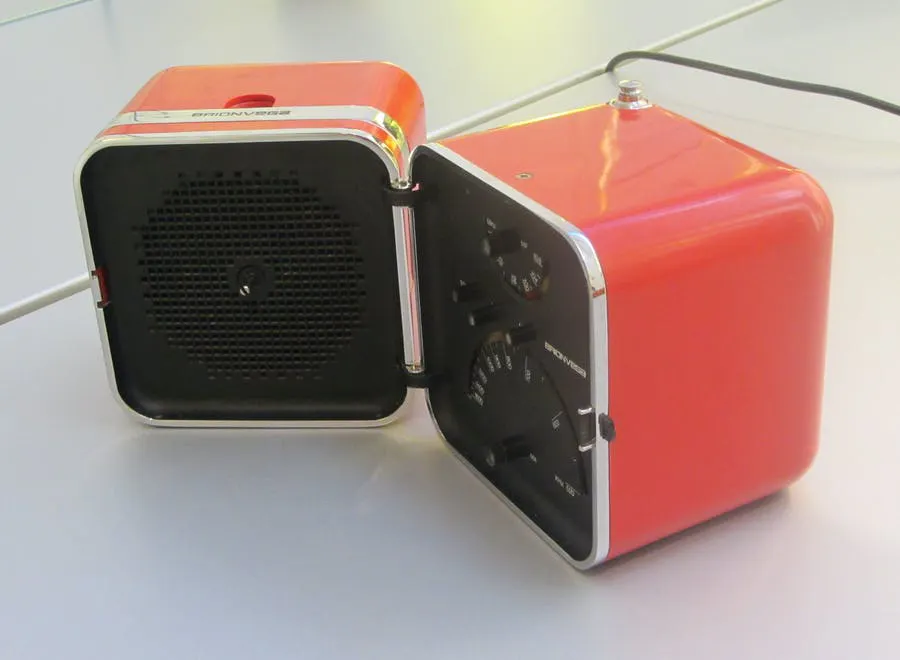
One of the first designs by the Zanuso-Sapper duo was the Doney television set in 1962. The TV was made for Brionvega, and was the first portable transistor TV ever manufactured in Europe. The unusual shape of the Doney brought the designers a shared Compasso d’Oro the same year.
Related: Industrial to Individual: The Uniqueness of Carlo Mollino
Zanuso was at the top of his career, and his influence on Italian post-war design was unmistakable. His use of innovative materials and groundbreaking ideas for new functionalities for mass-produced objects changed the design game for years to come.
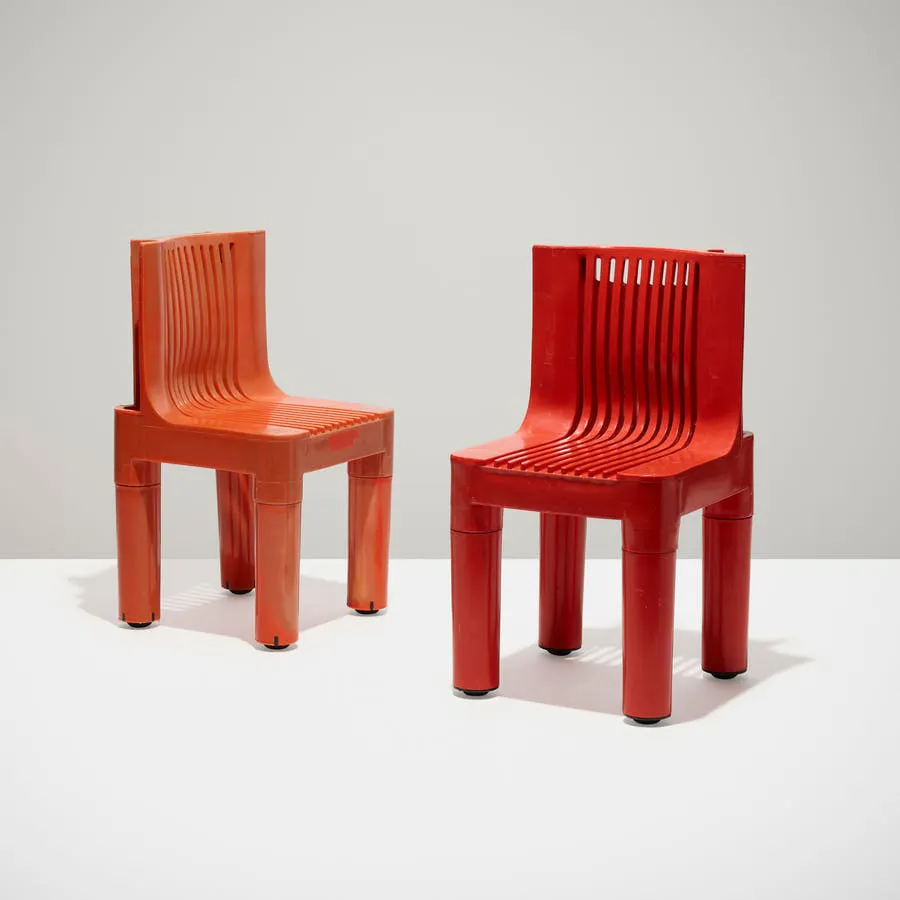
In the following years, the design duo took home a number of awards for their excellent pieces. The K13 children’s chair by KART, entirely made of plastic, and the iconic shell-shaped Grillo telephone for Siemens are only two examples of the many great designs by Zanuso and Sapper.
Related: 11 Eccentric Designs to Rest On
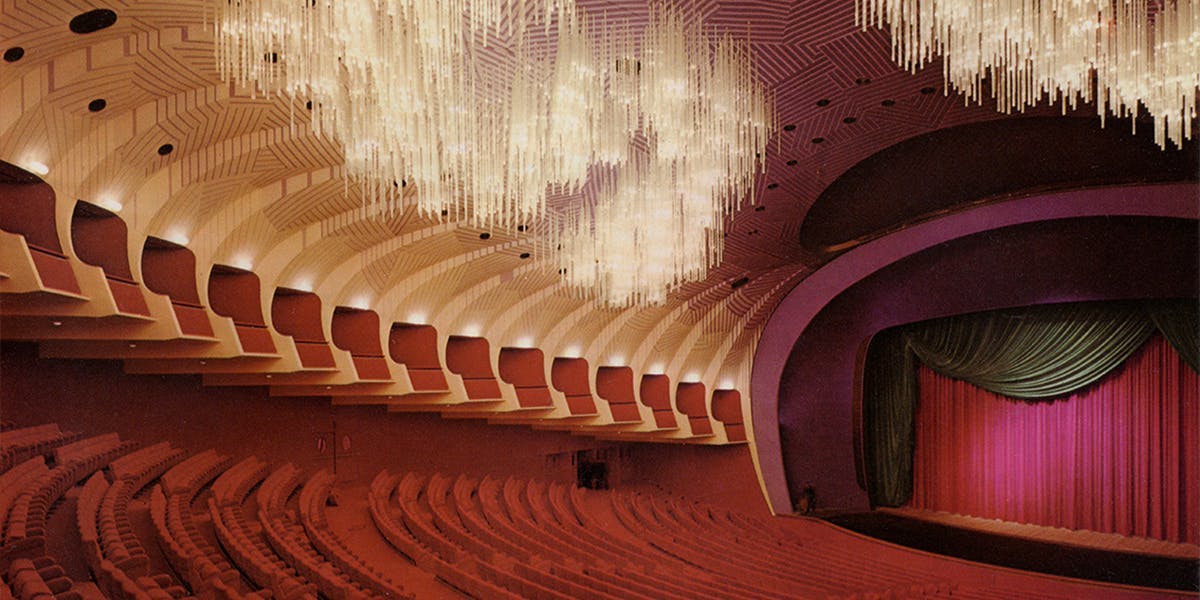
He also also financed by tire company Pirelli to research foam rubber, a new material at the time that the designer used to design an armchair for the Piccolo Teatro in Milan. He was also the architect, together with Crescentini, of the Nuovo Piccolo Teatro.

However, that building was not Zanuso's only architectural success; he also built structures both in Italy (for example, the IBM offices in Segrate) and abroad. In the 1950s and 1960s he built the Olivetti factories in Argentina and Brazil.
Marco Zanuso combined rationalism and innovation with advanced technology throughout his career. The design genius, who never shied away from the unknown, died in 2001 after a long illness in his hometown of Milan.
Updated version of an article originally published on August 7, 2018.