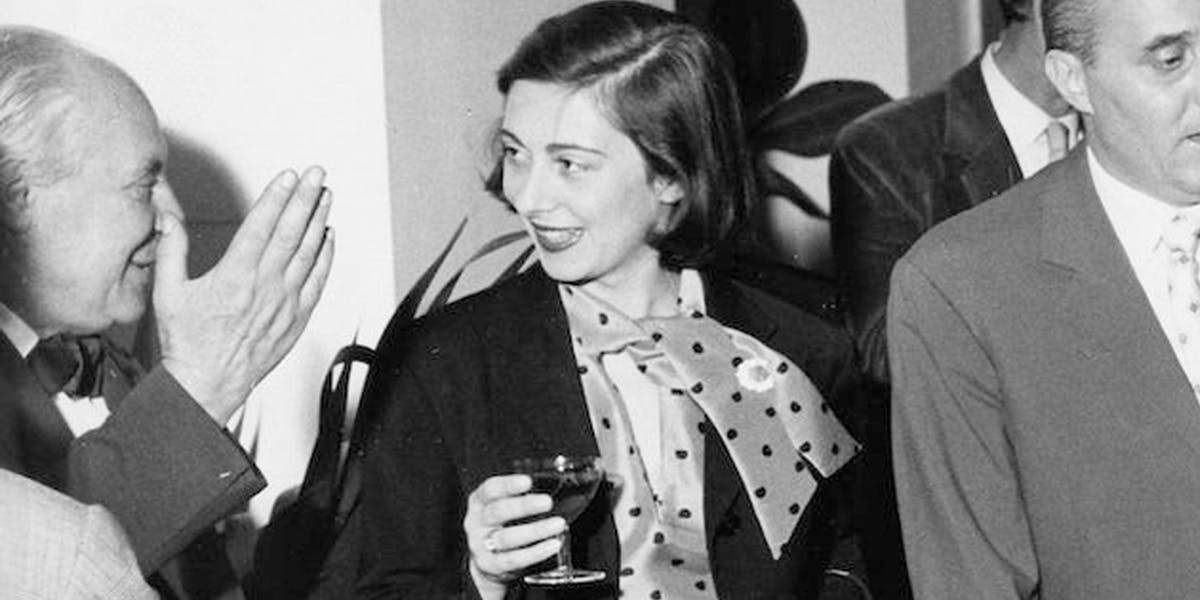
For more than 50 years, Cini Boeri designed both houses and furniture to enhance and functionalize spaces. Get to know the Italian innovator who has reached icon status and changed design history.
1. A Pioneering Graduate
When Cini Boeri (1924-2020) graduated with a degree in Architecture from the University Politecnico in Milan in 1951, she was one of only three female graduates. The industry was male-dominated, but together with fellow architect and designer Gae Aulenti, Boeri succeeded in finding success at an international level.
2. Apprentice to Italy's Modern Master
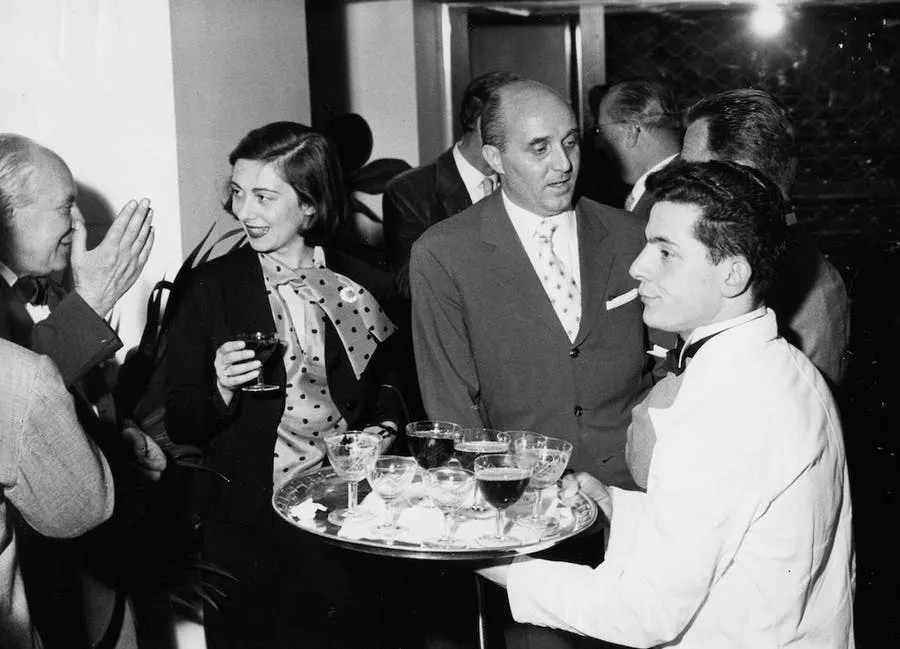
Shortly after completing her studies, Boeri began working for Italy's foremost architect Gio Ponti, and collaborated with the important architect and designer Marco Zanuso.
3. Her Own Studio in Milan
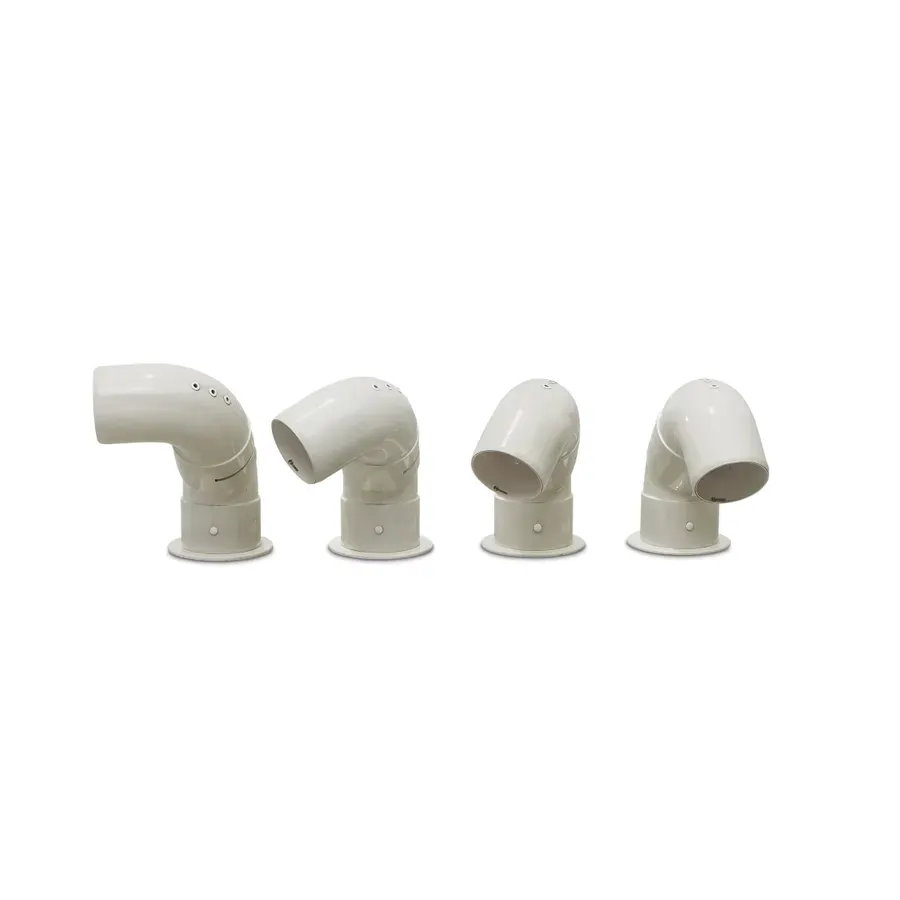
A few years later, Boeri's career took off and she opened her own studio in Milan in 1963. There she designed everything from houses and offices to apartments and shops. She also began to sketch smaller products such as glasses, chairs, sofas, beds and lamps. Her designs became popular in Italy and abroad.
4. Form and Function
When it comes to her architectural designs, she always focused on functionality, for people as well as the space. Boeri believed that the functional aspects of space and the psychological relationship between man and the environment are fundamental when designing buildings, whether it is an apartment, shop or office. She promoted industrial design for the masses.
Related: The 10 Most Popular Furniture Designers
5. Prison Design
Together with Liveinslums, an NGO focusing on urban regeneration in Italy, Boeri designed a set of furniture for the Bollate prison in Milan, which was made by the prisoners in the prison's workshop. Boeri believed that if one's personal space is made of high quality, it can benefit one's dignity. In total, four pieces of furniture were produced: a desk, a table, a panel and a shelf.
6. The Ghost Chair
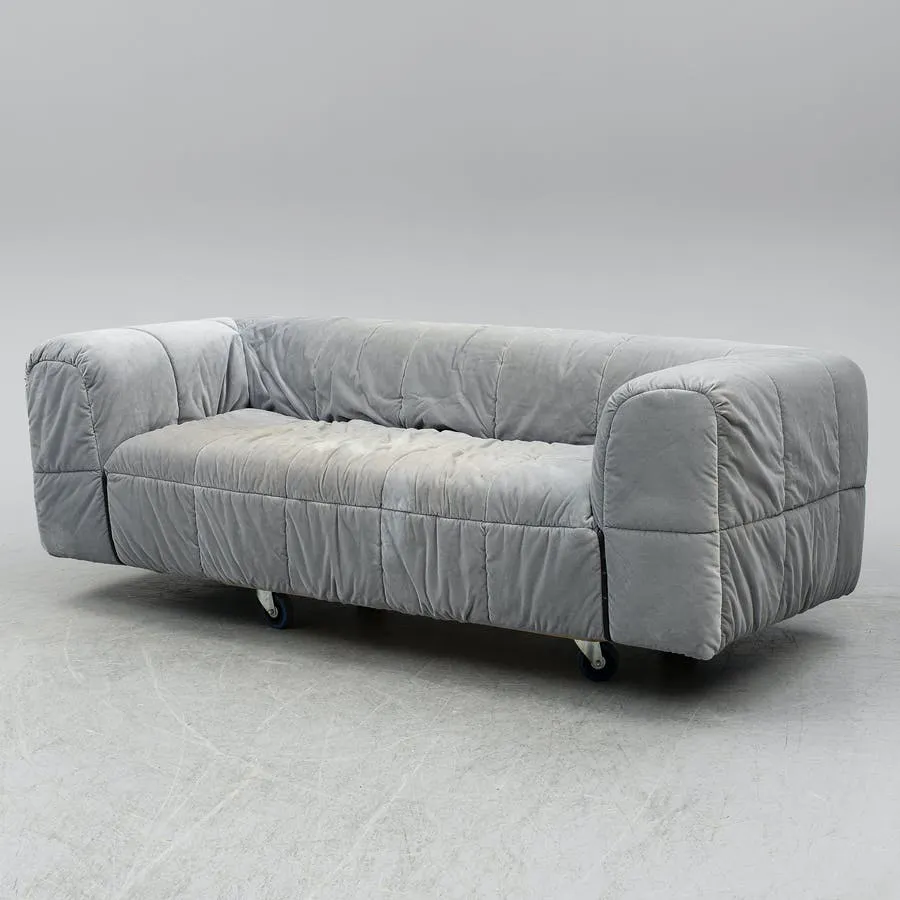
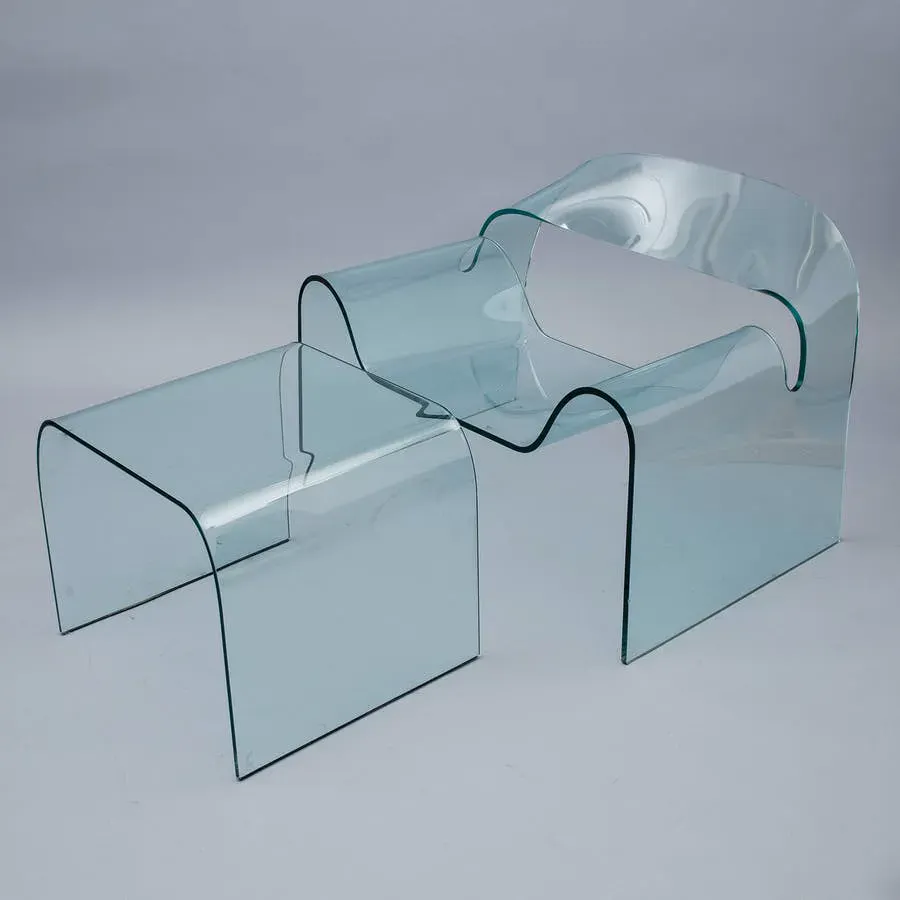
It is not only in her architectural works that she strived to simplify and improve people's way of life, but also in her design. Some of these iconic works are the 1971 Serpentone sofa, which is sold per meter and consists of glued polyurethane foam and the modular sofa Strips, produced by Arflex, for which Boeri won the Compasso D'Oro award in 1979. Her most famous piece of furniture is the Ghost chair from 1987. With the Japanese designer Tomu Katayanagi, Boeri managed to create a chair made of glass, all in one piece and only 12 millimeters thick. Ghost blends into the surroundings while enhancing the room, as do many pieces of Boeri's furniture.
Related: A Spectacular Art Villa Under the Tuscan Sun
7. Boeri's Influence
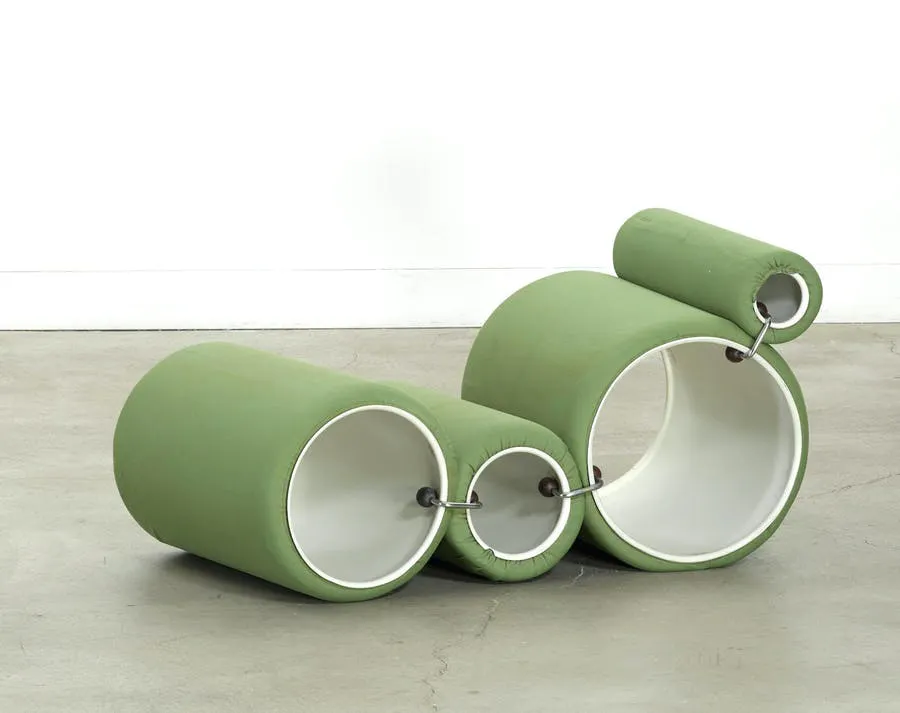
It is not unusual for designers to draw inspiration from one another. When Boeri designed the rolling Bobo armchair in 1967 made of plastic foam, contemporary designer Joe Colombo was inspired by her creation and two years later he introduced the similar Tube Chair.
Discover more articles at Barnebys Magazine
This is an updated version of the article originally published on June 9, 2020