
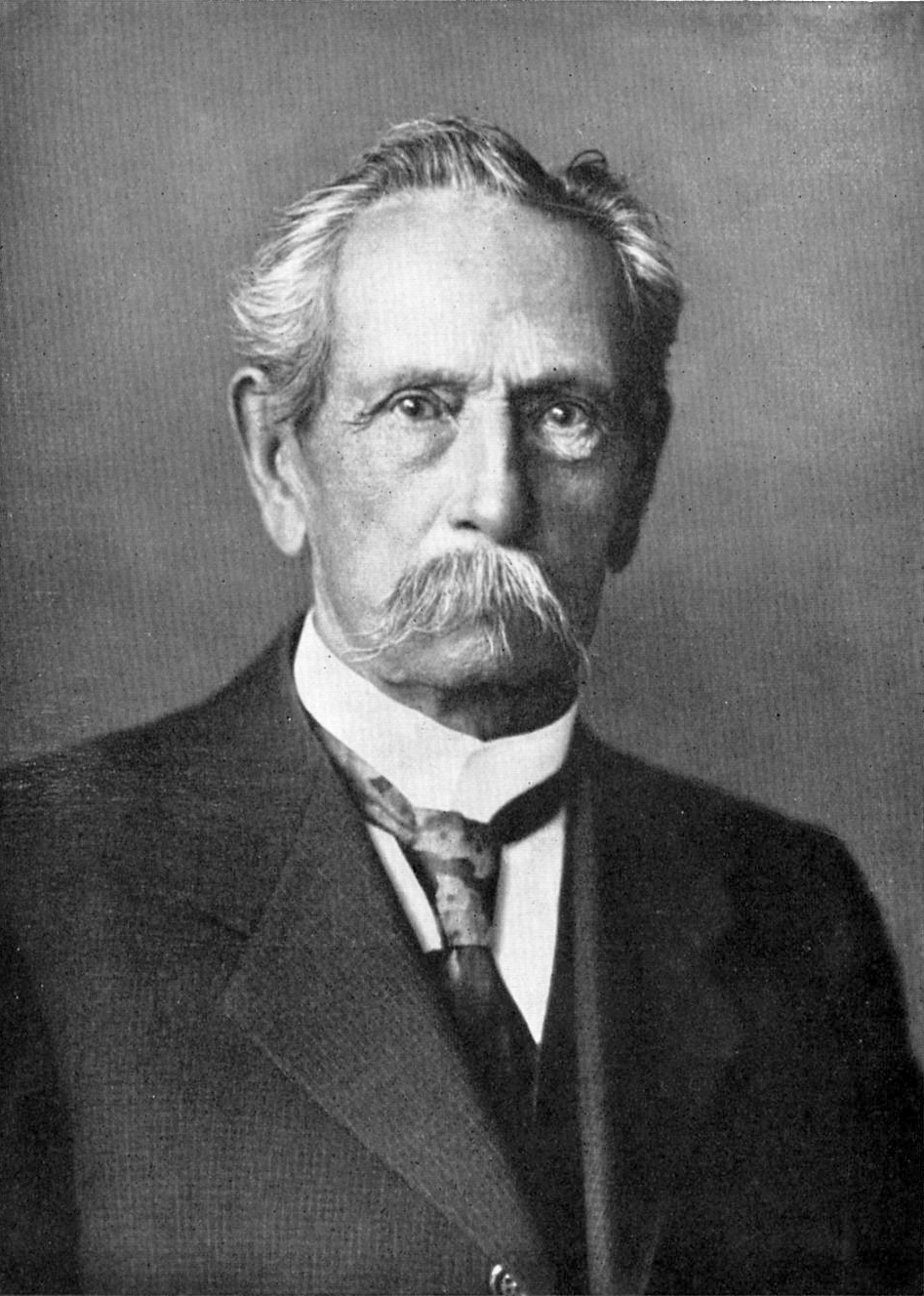
In 1885, Carl Benz developed a three-wheeled velocipede with a gas engine. His rival in Germany at the time was Gottlieb Daimler, who created the Phönix engine and marketed it in a vehicle in 1895. The two firms remained in competition for some time however, the ice broke and the two merged in 1926 to economically benefit. This was the debut of the Daimler-Benz AG brand, today renamed Mercedes-Benz. The brand’s next developments were more auspicious, especially from the 1960s onwards, when Mercedes embarked on its success story as a luxurious and popular brand. However, that’s not to say it’s been a completely smooth ride.
Prestige and avant-garde technology: these two features are embedded in the brand’s DNA. In the 1930s, Mercedes-Benz began producing small leisure vehicles with diesel engines while also supplying the German armed forces with tens of thousands of utility vehicles and employing over 60,000 concentration camp prisoners and forced laborers in their factories during the Second World War.
See also: The Myth of Aston Martin: Luxury, Racing and Velocity
Financially, there was still progress to be made, but Mercedes’ image as a stylish car manufacturer was beginning to circulate, especially when their 1934-released ‘Silver Arrow’ racing cars began racking up Grand Prix victories. However, World War II took a toll on the company, and by the end of the war, Mercedes was almost in ruins. Various plants staffed by the Nazi prisoners had been destroyed by Allied bombing raids.
It was not until 1951 that the firm developed new models. This came via the era of the six-cylinder engine and the Ponton model of Mercedes, which embodied luxury, elegance, comfort, and safety. These qualities were cherished by the manufacturer and recurred in all their creations, whether sedans or heavy-duty vehicles.
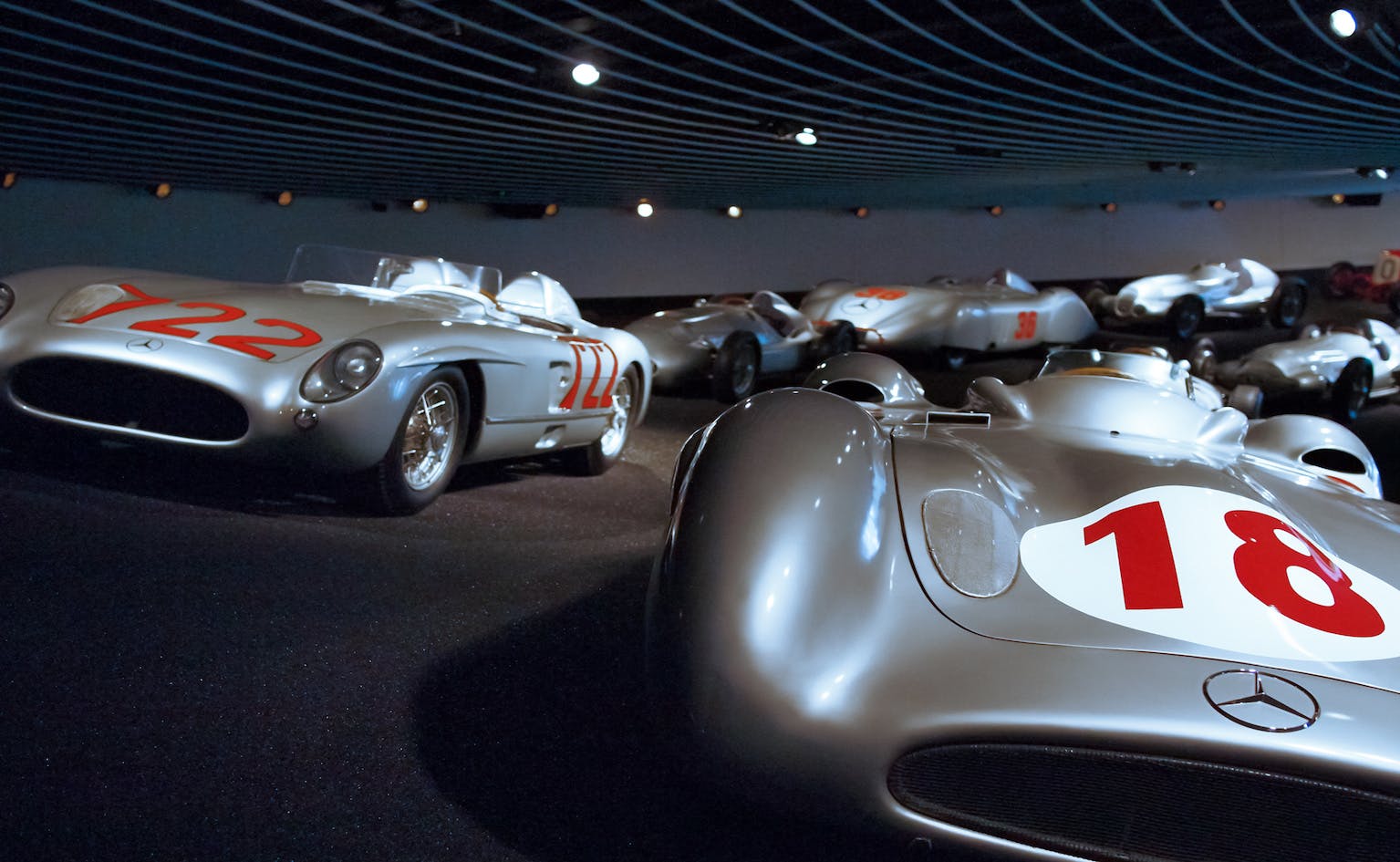
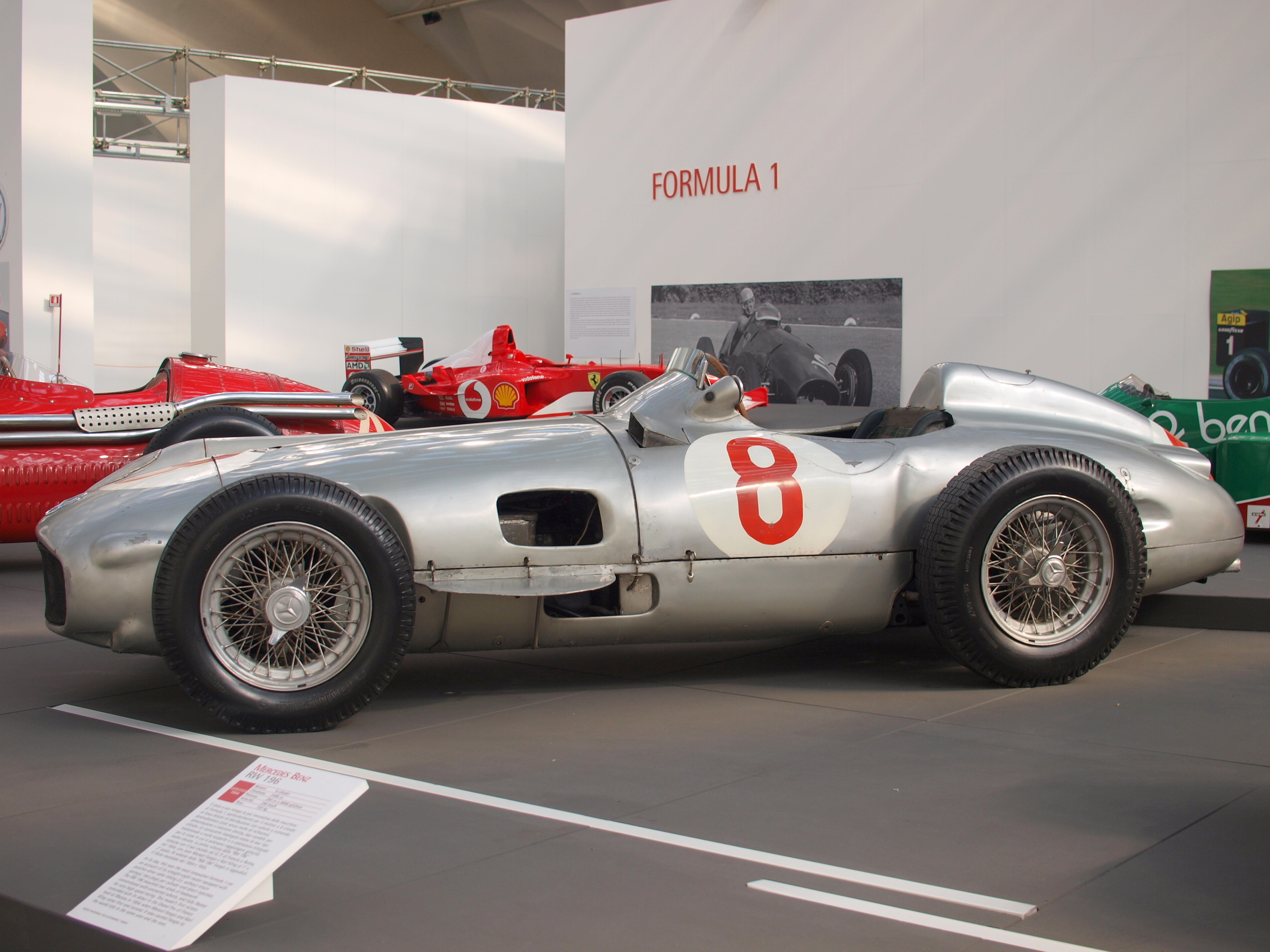
By 1958, the brand, riding on the wave of Europe’s economic recovery, had several plants in Germany as well as in 24 other countries. During this period, Mercedes-Benz also scored a series of sporting victories. As a regular participant in the 24 Heures du Mans, they notably achieved a 1-2 victory in 1952. They also took the Formula 1 World Championship with a victorious Juan Manuel Fangio at the wheel on two occasions, in 1954 and 1955.
I stood as if in a dream, too horrified to even think.
In 1955, however, calamity struck. During a race in France, Mercedes driver Pierre Levegh was the victim of a horrific accident. After a fellow racer was forced to make an evasive move, Levegh’s 300 SLR was launched into the air and into the retaining wall, where the resulting fire and flying car parts killed Levegh along with over 80 spectators. Jaguar driver Duncan Hamilton recalled: “I stood as if in a dream, too horrified to even think.” It was a terrible shock for Mercedes, and they made the decision to quit automobile competitions, thenceforth staying away from race tracks for nearly three decades.
See also: Ten Most Expensive Cars Ever Sold at Auction
During the 1960s and ‘70s, the brand kept up its speed and saw its popularity soar in North America. Everywhere, models like the 190, which were aimed at the middle class and were renowned for their solidity and refinement, were met with well-deserved success. In the 1980s, Mercedes’ quality was undisputed, but the brand continued to stay well ahead of its rivals by outfitting its vehicles with the latest developments in technology, power, and security.
See also: Jaguar: The Roar of Luxury
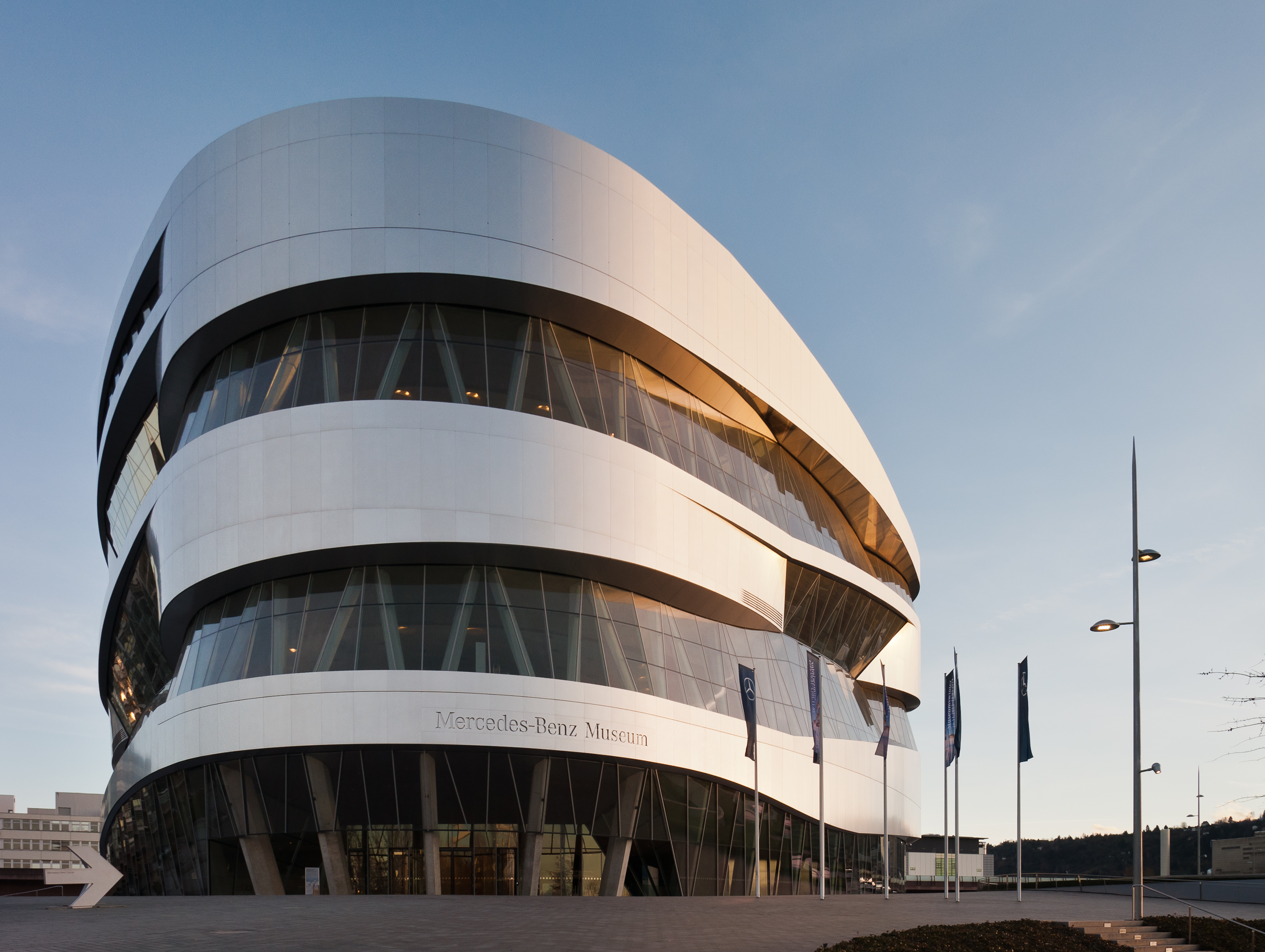
Such is Mercedes’ fame today that the firm has its own museum, at the entrance of its mother company in Stuttgart, Germany. The building resembles a double helix, and inside the 160 most reputed models from 1886 to today are presented in chronological order.
Of course, the brand also does well at auction: three of its historic models appeared in the ranking of the 35 biggest sales of all time. Among them, the famous ‘Einsitzer’, a Mercedes-Benz W196R driven by Fangio on Formula 1 tracks in 1954, sold at Bonham’s for $26.45 million in 2013. Outside of auction rooms, the automobile manufacturer is also speeding ahead, regularly outdoing top rivals Audi and BMW in terms of worldwide premium-car sales figures.
See also: Porsche: The Timeless Allure
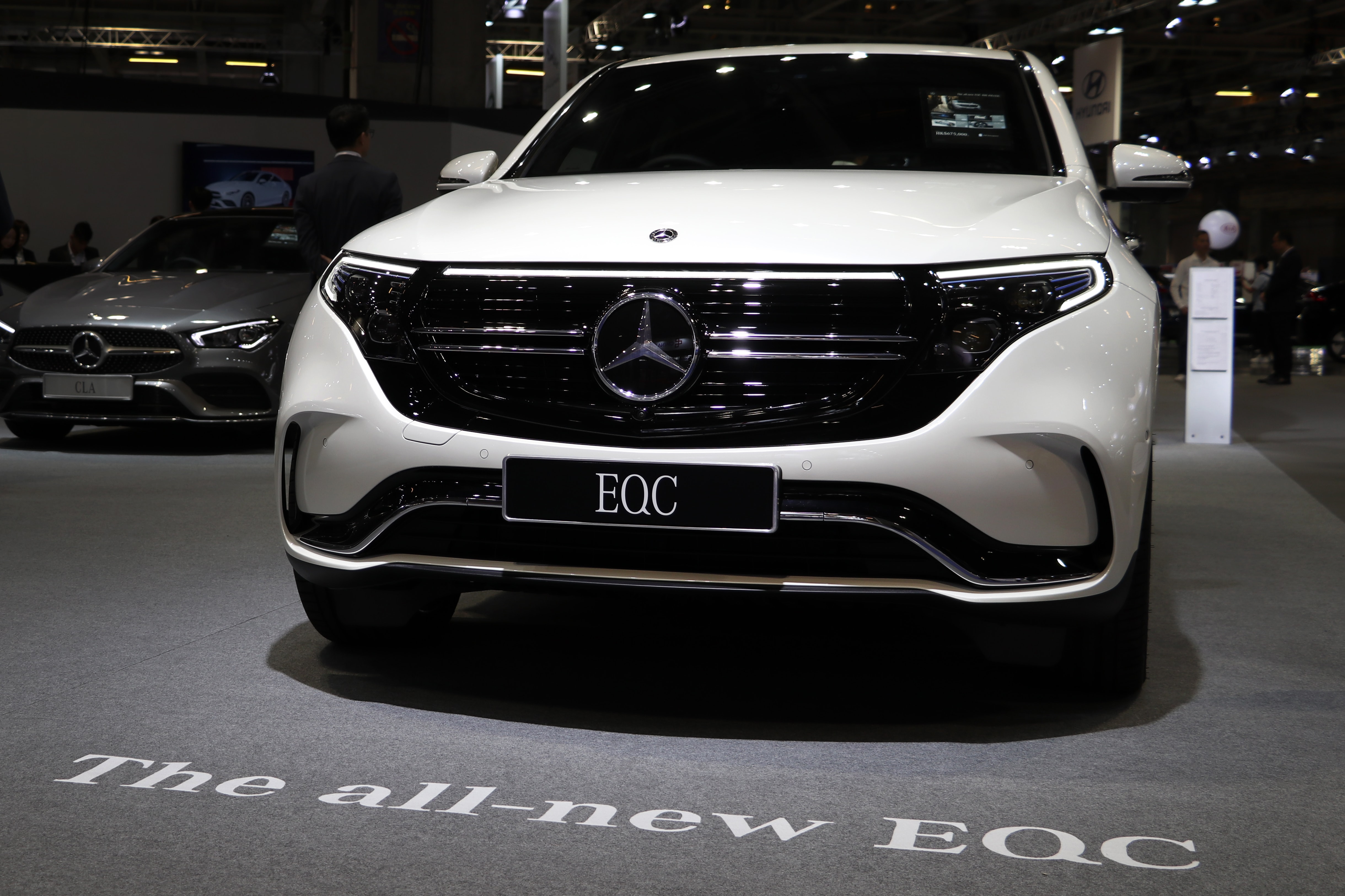
Keeping an eye on new consumer practices, the Daimler group, which manages the Mercedes and Smart brands, is preparing to switch to an electric fleet. In the coming years, nearly €10 billion ($11 billion) will be invested in the SUV market, as well as Mercedes electric sedan and compact models. The manufacturer has set itself the goal of a 15% global sales volume for electric vehicles by 2025. A bold figure, but proof that Mercedes has no intention of losing its competitive edge.