It all started in England in 1922 when motorbike fanatic William Lyons launched his first automobile brand with his friend William Walmsley. At first, the company, the Swallow Sidecar Company (SSC), exclusively produced motorcycle sidecars with distinctive octogonal-shaped aluminium bodies.
The first change kicked in four years later when Lyons, dreaming of carving out a spot for the company in the kingdom of sports cars, moved to Coventry and started producing car bodies for Austin Seven, as well as Sunbeam, Morris and Fiat. It wasn’t long before Lyons – gifted with a sure sense of style – released his first car, the SS One, which had its share of success thanks to its relatively attractive price point.
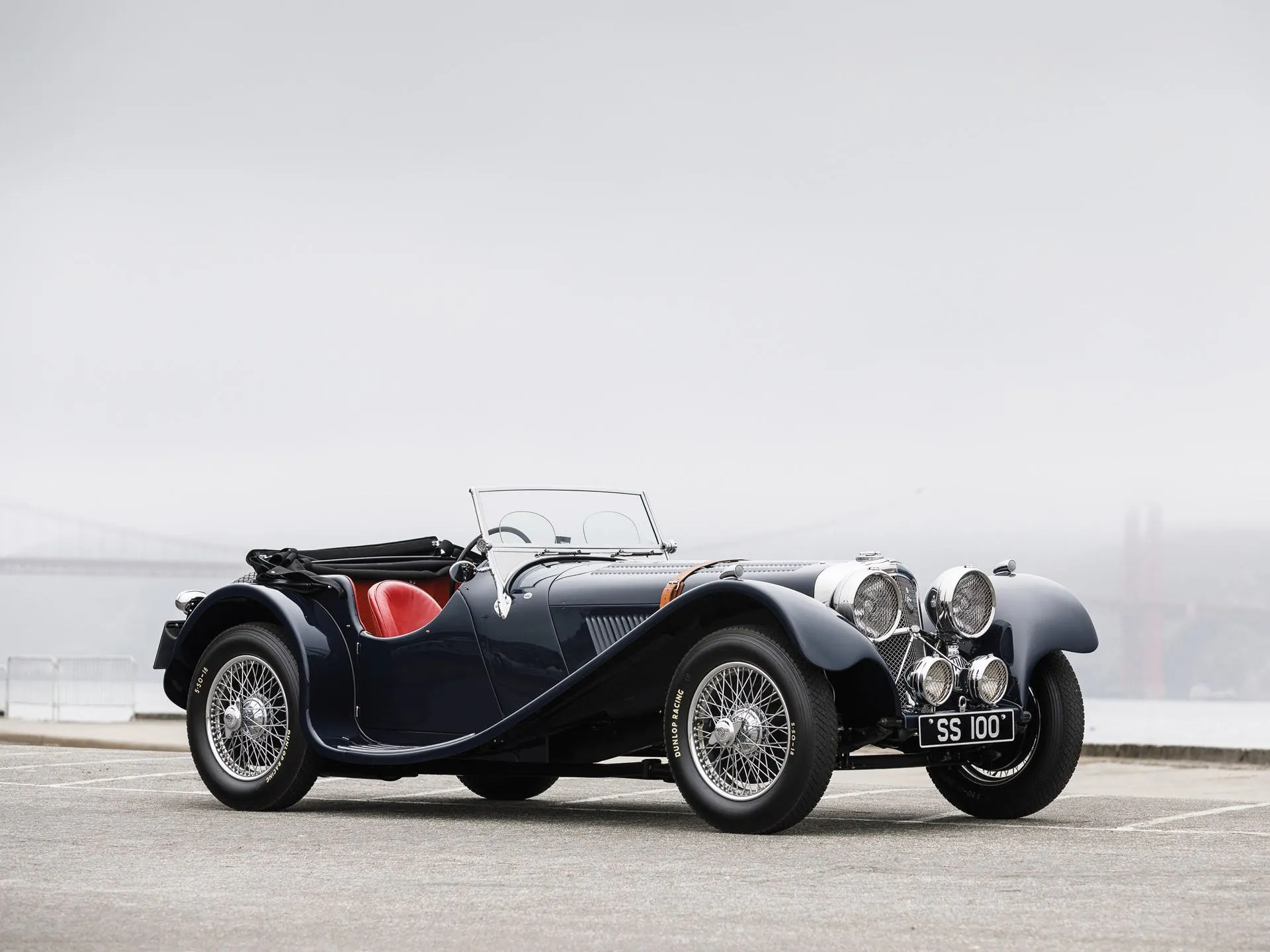
In the 1930s, Lyons became the sole head of the business and launched the SS100 – the manufacturer’s first vehicle to go over the symbolic 100 mph. It was also around the same time that he renamed his business SS Ltd – a name that would be replaced in 1945 by Jaguar Cars, due to harmful and unfortunate confusion with the German SS military organization.
See also: Mercedes Benz: The Glittering Star
The most beautiful car ever made.
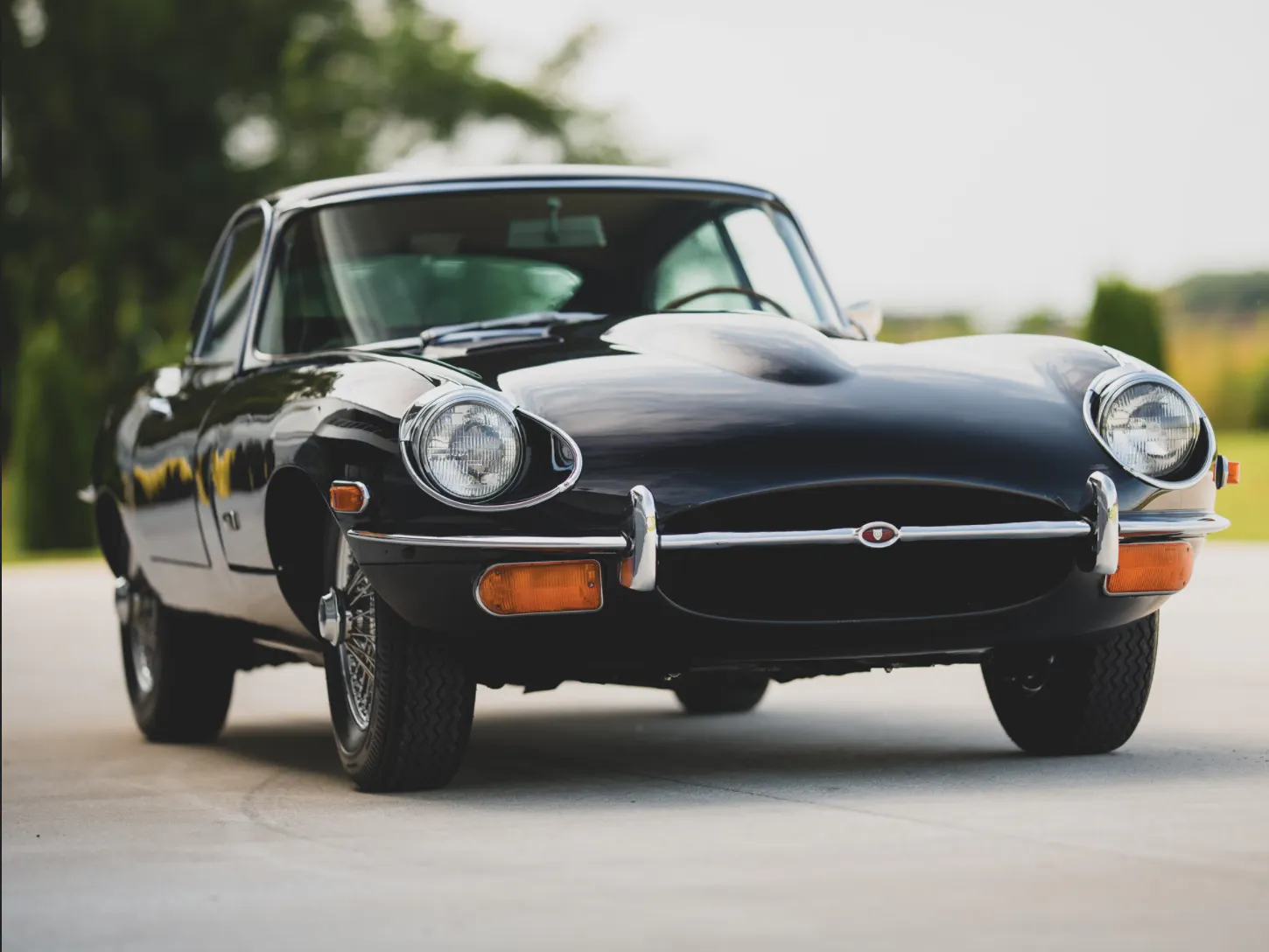
After World War II, and up to the 1960s, Jaguar produced models that left an imprint on history, including the XJ, the D-Type (a three-time winner of the 24 Heures du Mans), and above all the E-Type, a motorized gem with a never-ending hood. This last model won the compliments of no less than the great Enzo Ferrari, who deemed the streamlined roadster to be “the most beautiful car ever made”. This was an opinion shared by various specialists, including writers for the British magazine Autocar, which in 2002 elected the E-Type as the century’s best car, ahead of the Lamborghini Miura and the short-chassis Ferrari 250 GT. What’s undeniable is that the E-Type, coming in convertible and coupe versions, revolutionized the sportscar universe with its speedometer needle swinging up to 240 km/h.
See also: The Ten Most Expensive Cars Ever Sold at Auction
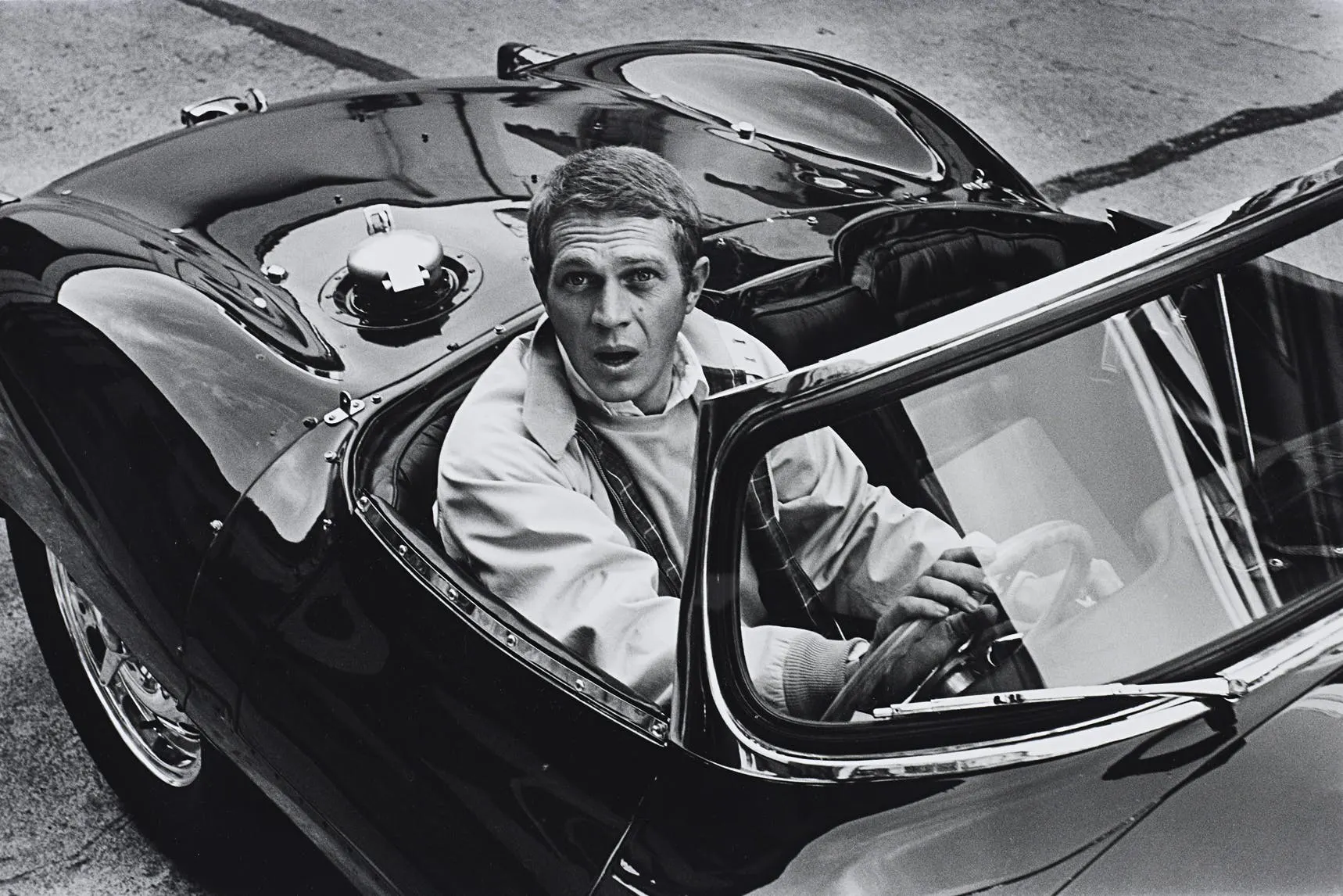
Among Jaguar’s major feats, it’s also hard to go past the XK-120. Legend has it that the model was designed hastily – in just a few weeks – by William Lyons who was knighted around this period at the full height of his inspiration. This sporty little convertible still counts as one of the British brand’s big commercial successes in the United States. The brand’s cars were desired by famous personalities such as Clark Gale and Steve McQueen.
In the 1960s, Jaguar went through a more troubling phase, which stretched out until the end of the next decade – there were many causes for this. First of all, the brand underwent the effects of the economic recession, which afflicted Britain and sales collapsed. The brand made an agreement with the BMC (British Motor Corporation) group – with shares with Austin and Morris – but the new merger failed, prompting the Labour government at the time to order Jaguar’s nationalization.
The ensuing strikes in production workshops and ongoing stagnation led to a drop in the quality and reliability of Jaguar models, in turn pushing William Lyons into semi-retirement. This was the start of a long rough patch during which the brand’s luxury element faded.
In 1984, Jaguar was privatized, but the group that took it over, British Leyland, was almost immediately declared bankrupt. The situation was critical – so much so that a few risky decisions were made. To restore its image, Jaguar went all out by backing competition vehicles. The XJR-5 was born: a sports car equipped with a 6.0 L V12 engine. And the dare paid off. In 1988, the manufacturer finally joined the winner’s circle with its victory at the 24 Heures du Mans ahead of the Porsche 962C.
Two years later, Jaguar followed up this win with a new victory at Le Mans with the XJR-12. In 1990, this model appeared at the World Sportscar Championship, coming in second behind Mercedes.
See also: Porsche: The Timeless Allure
Riding on this success, Jaguar resumed its high rolling status. Notably, this came through the XJ220 at the end of the 1880s. On paper, the model looked exquisite, its engine extraordinarily powerful. Orders flowed in, heavily fueled by speculation – all the rage at the time. But when the brand was taken over in 1990 by Ford, the project began to drag on. The ‘supercar’ didn’t exit manufacturing plants until 1992, with diminished mechanical capacities than had been initially announced. Many buyers withdrew their orders, leading to a wave of lawsuits that didn’t do any good for Jaguar in the eyes of the public and car connoisseurs. Yet the XJ220 proved to be a gem on the racetrack. Full of luxury fittings, it could reach 100 km/h in four seconds from a standing start.
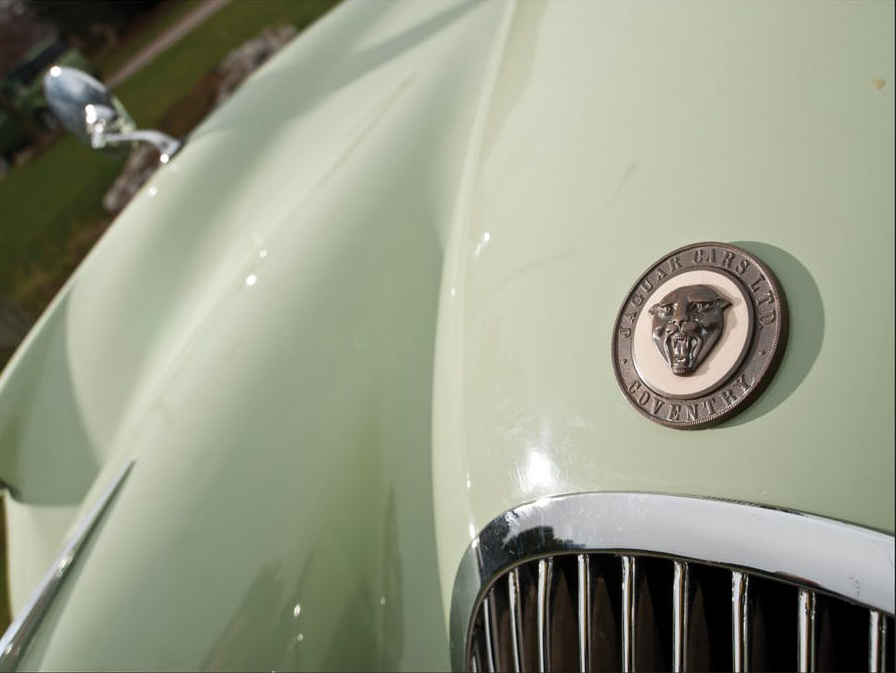
Despite Jaguar's highflying racing performances and the feline sophistication of the XJ220, not forgetting attempts to widen its market through a few more accessible models, Ford failed to get things on the right track and in 2008 sold Jaguar to Tata Motors along with Land Rover. Ever since, the brand has made a comeback and re-established its elegant, sporty lines in keeping with the Indian group’s ambitions. In 2017, Jaguar even beat its sales record by selling 178,601 vehicles worldwide: proof that British style continues to roar on.