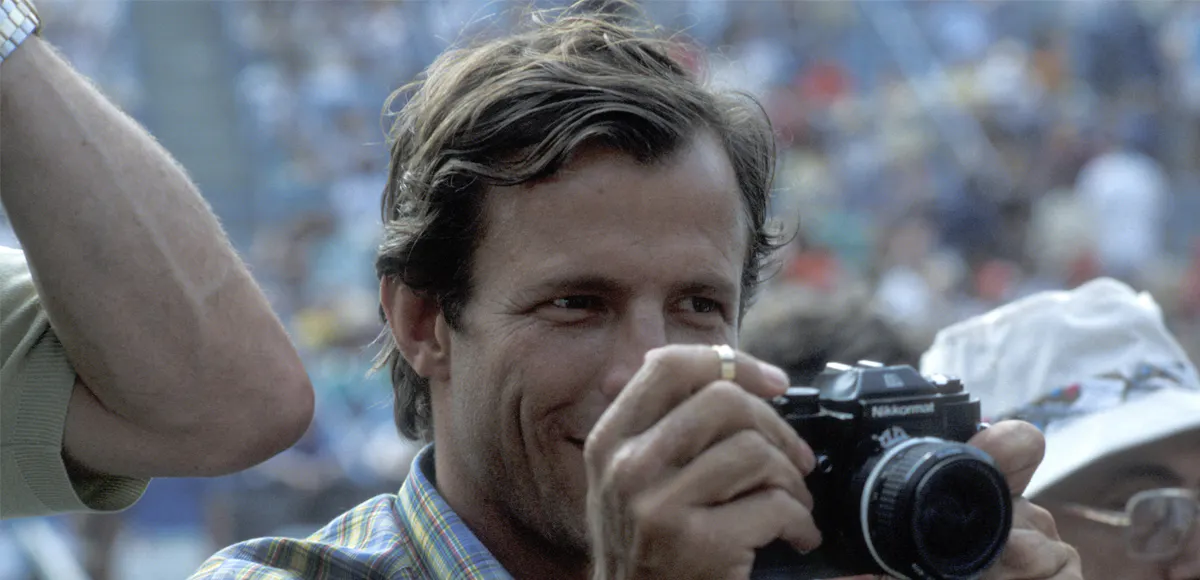
Once referred to as "Half Tarzan, Half Byron," the photographer and writer Peter Beard was born on January 22, 1938 into a wealthy New York family, his parents both heirs to vast fortunes. His great grandfather, James J. Hill, was the CEO of the Great Northern Railway, and his family had a illustrious French art collection, with works by the likes of Henri Rousseau and Eugène Delacroix.
He grew up in Alabama, where his father was stationed, and enjoyed being outside in nature and collecting found objects that he would keep in his detailed diaries. His early interest in photography came when his grandmother gave him his first camera, a Voightländer. He returned to the Northeast to attend boarding school, before enrolling at Yale University in 1957.
Related: Sally Mann: One of Today's Most Remarkable Photographers

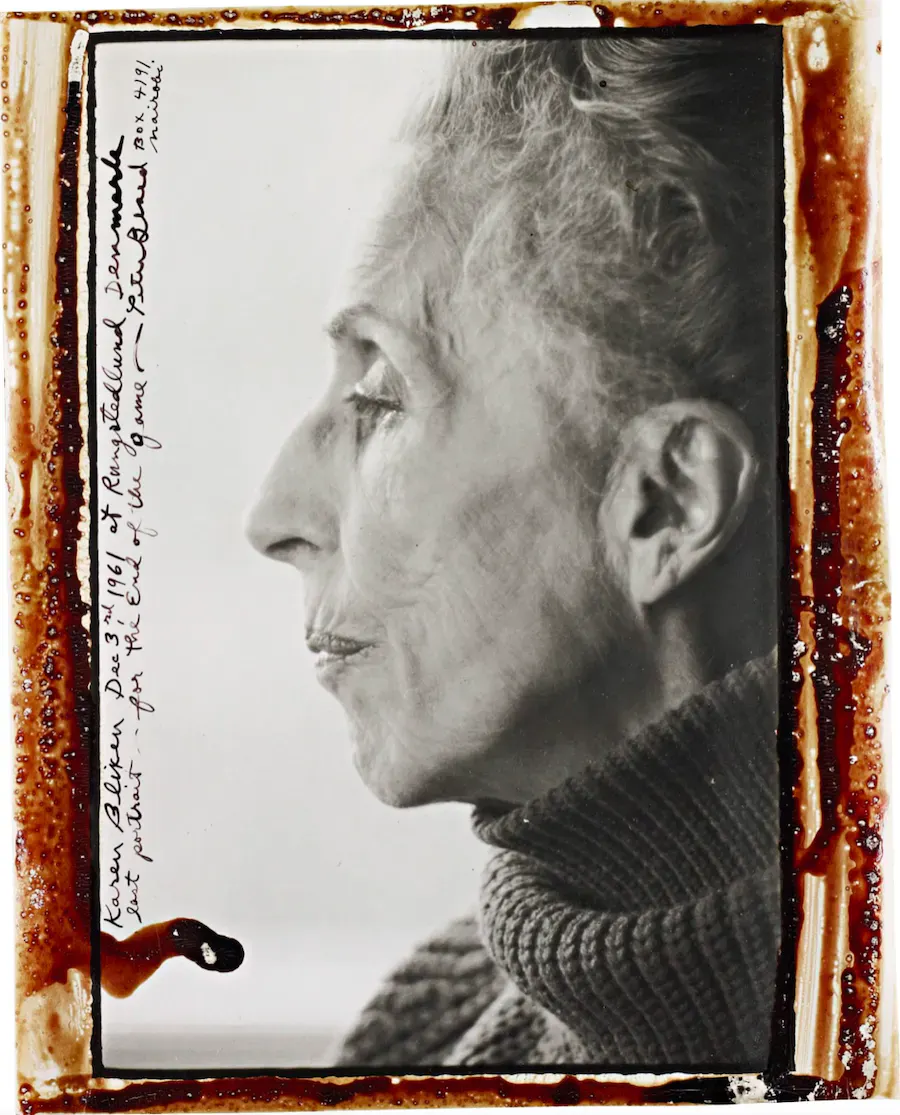
He majored in Art History at Yale University and studied under greats like Josef Albers and Alex Katz, graduating in 1961. He traveled to Africa first as a teenager with the great grandson of Charles Darwin and continued to return in his early 20s, mesmerized by its untouched landscapes and exotic animals. Karen Blixen's 1937 memoir Out Of Africa greatly inspired him and her friendship and influence would shape his work in Kenya.
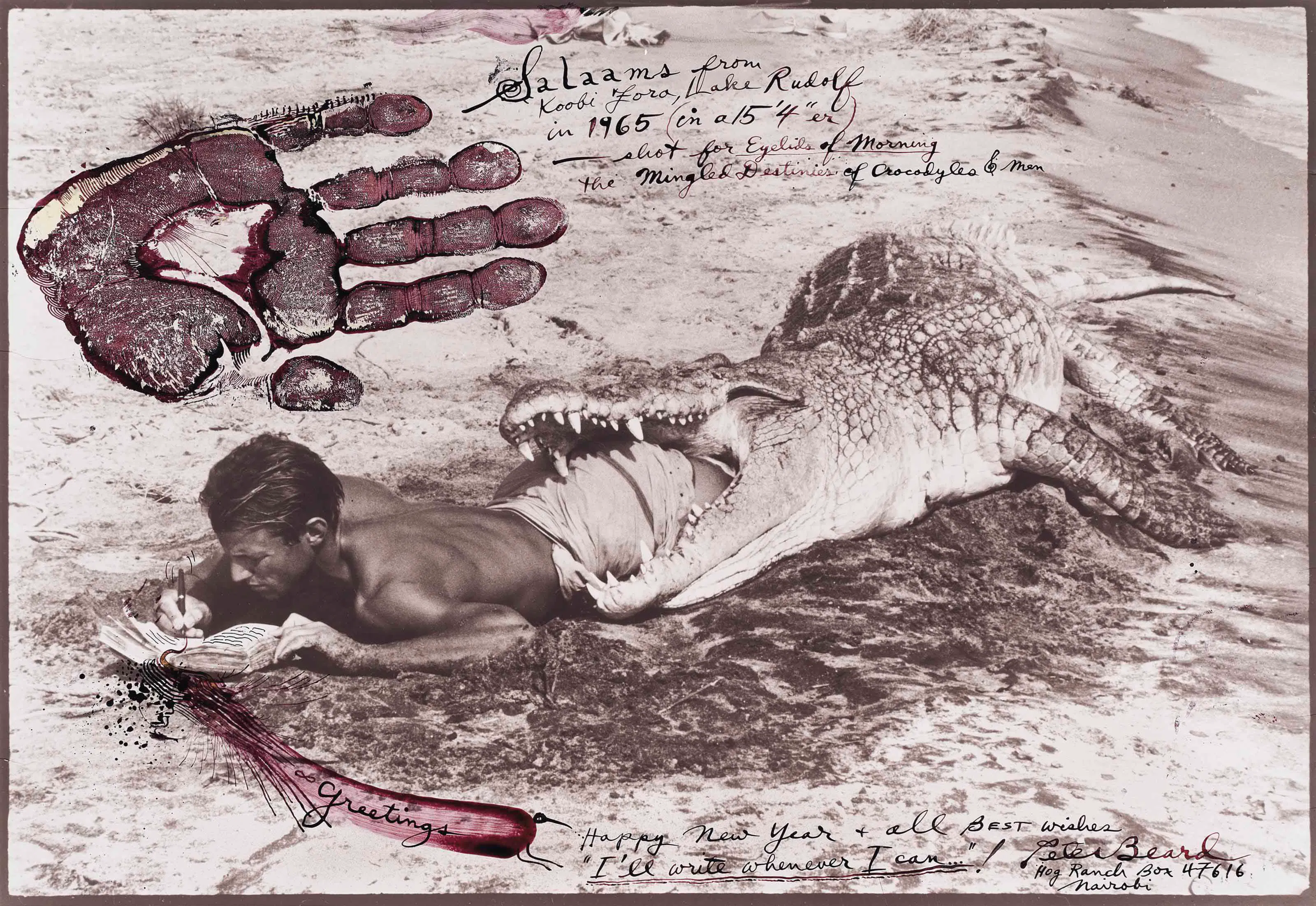
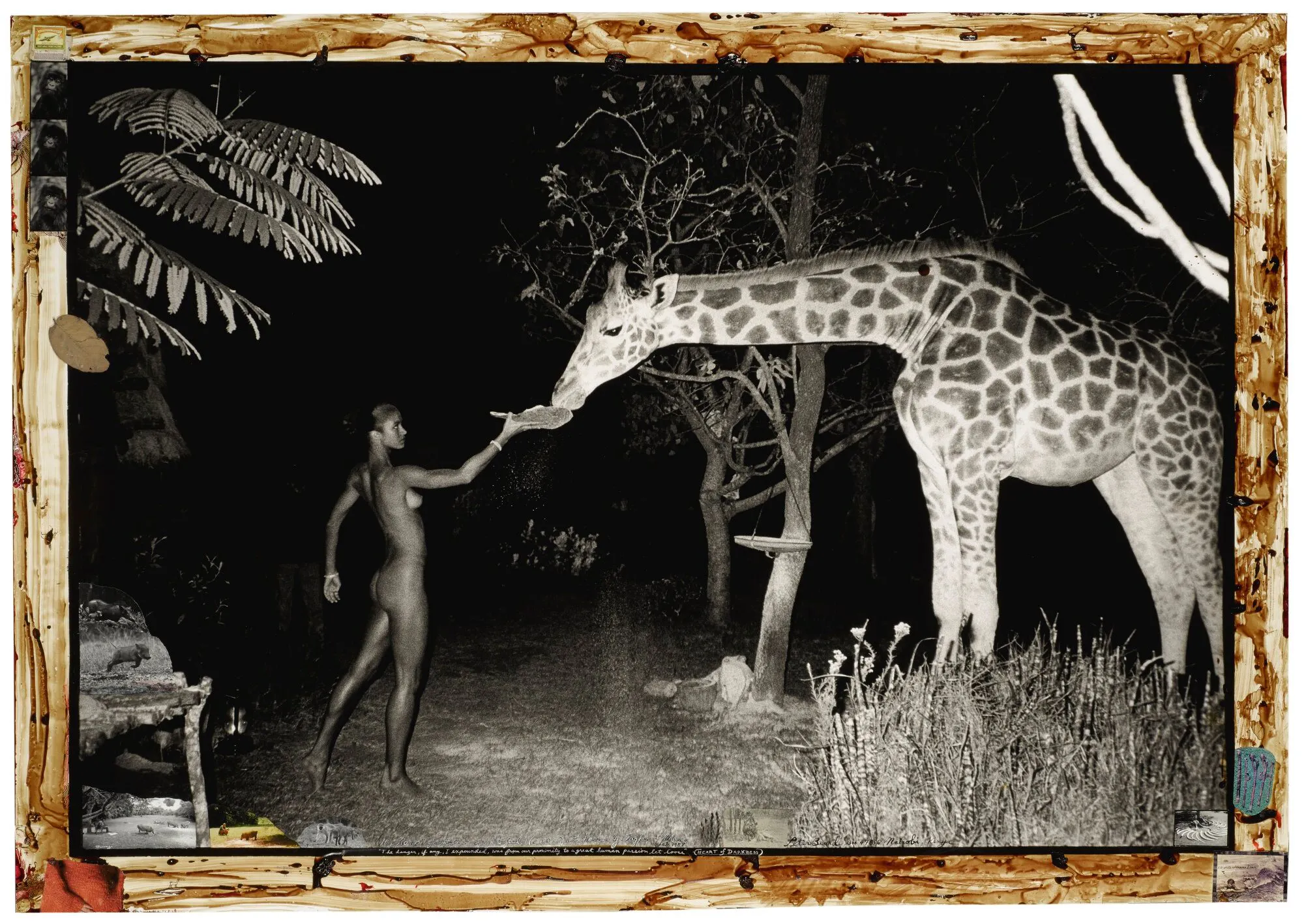
On trips to Kenya after his graduation from Yale, he observed and photographed the destruction of elephant habitats by human encroachment in the Tsavo East National Park. Soon after, he purchased a 45-acre ranch called Hog Ranch under a stipulation from the Kenyan president that he would cover the people and land through photographs, film and writing. His work was transformed into his first book The End of the Game—Last Word from Paradise, published in 1965, that chronicled the plights of Africa at the time: land grabs, overpopulation, starvation of wildlife in Kenya and Uganda, civil strife, and diseases like AIDS. Revealing Africa's paradoxes of beauty and peril would be his life work, brilliantly captured in collage-like photographs surrounded by frames of scribbled notes, found objects, dried leaves, and splotches of blood.
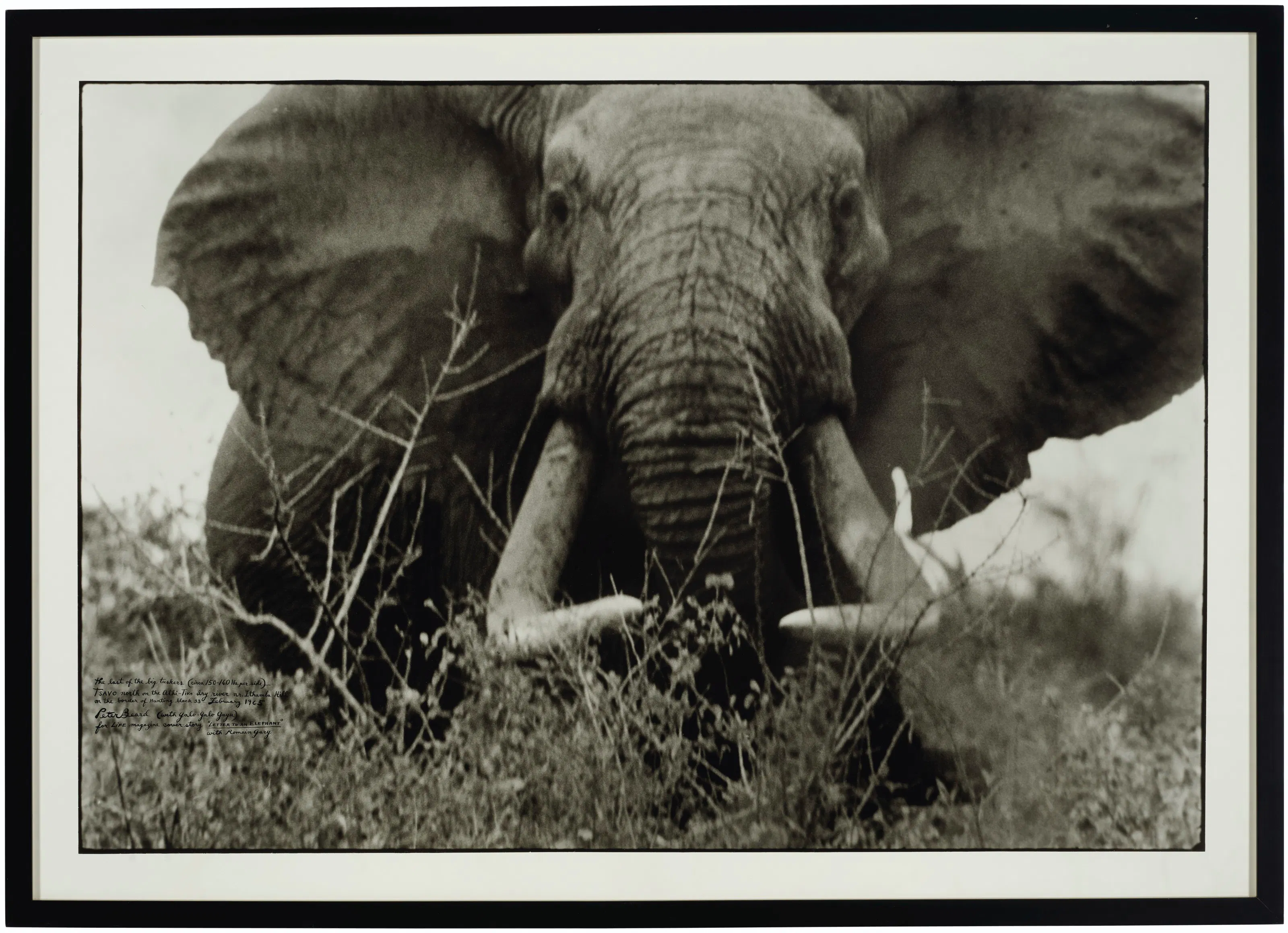
“When I first went to Kenya in August 1955, I could never have guessed what was going to happen," Beard once said. "Kenya’s population was roughly five million, with about 100 tribes scattered throughout the endless “wild—deer—ness” – it was authentic, unspoiled, teeming with big game — so enormous it appeared inexhaustible. Everyone agreed it was too big to be destroyed. Now Kenya’s population of over 30 million drains the country’s limited and diminishing resources at an amazing rate: surrounding, isolating, and relentlessly pressuring the last pockets of wildlife in denatured Africa."
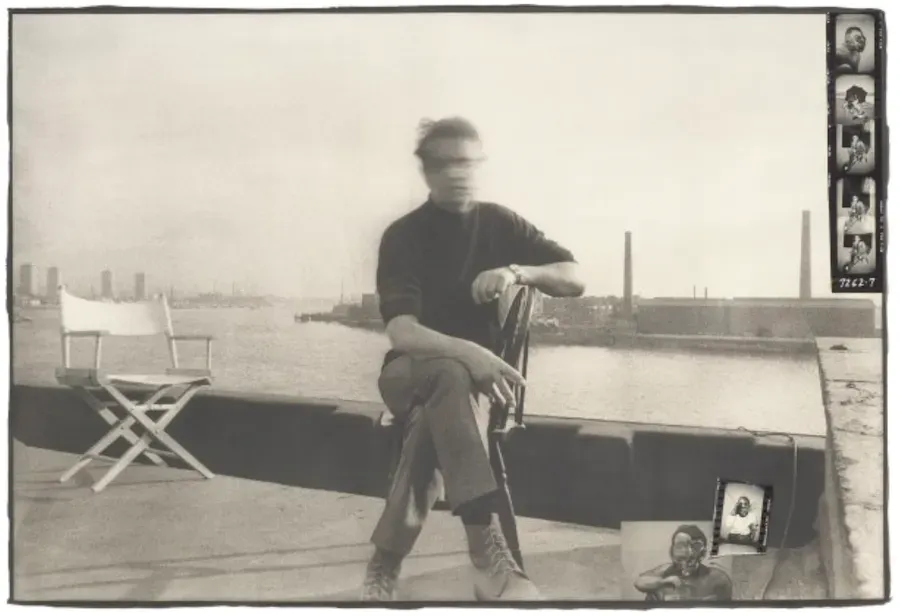
Throughout the 1960s, Beard was also a man-about-town in New York. He photographed for Vogue and befriended and collaborated with many of the revolutionary artists of the time. He visited Andy Warhol's Factory, faux protested the visiting Mona Lisa at the Met with Salvador Dalí in 1963, and had portraits painted by Francis Bacon.
Related: The 11 Most Expensive Photographers
Beard's photography spanned many genres. He captured the Rolling Stones on tour in 1972, death row inmates at San Quentin State Prison for a story with Truman Capote, and Edith and Edie Beale of Grey Gardens, who he met through his book editor, Jackie Kennedy Onassis. Throughout his life, he mostly split his time between Hog Ranch in Kenya and his Thunderbolt Ranch in Montauk, New York.
Related: Marilyn Monroe and the Camera: A Love Story
But above all, his art and passion was rooted in Africa where he was a lifelong animal activist and voiced the threat of human development on its untouched expanses and endangered species. His work didn't come without sacrifice though - he was mauled by an elephant, which shattered his hip, and swam alongside crocodiles, narrowly escaping death when another companion didn't survive.
The beautiful play period has come to an end. Millions of years of evolutionary processes have been destroyed in the blink of an eye.
In 1975, Beard was honored with his first solo show of wildlife photo collages at Blum Helman Gallery, which he expanded two years later for The End of the Game exhibit at the International Center of Photography in New York.
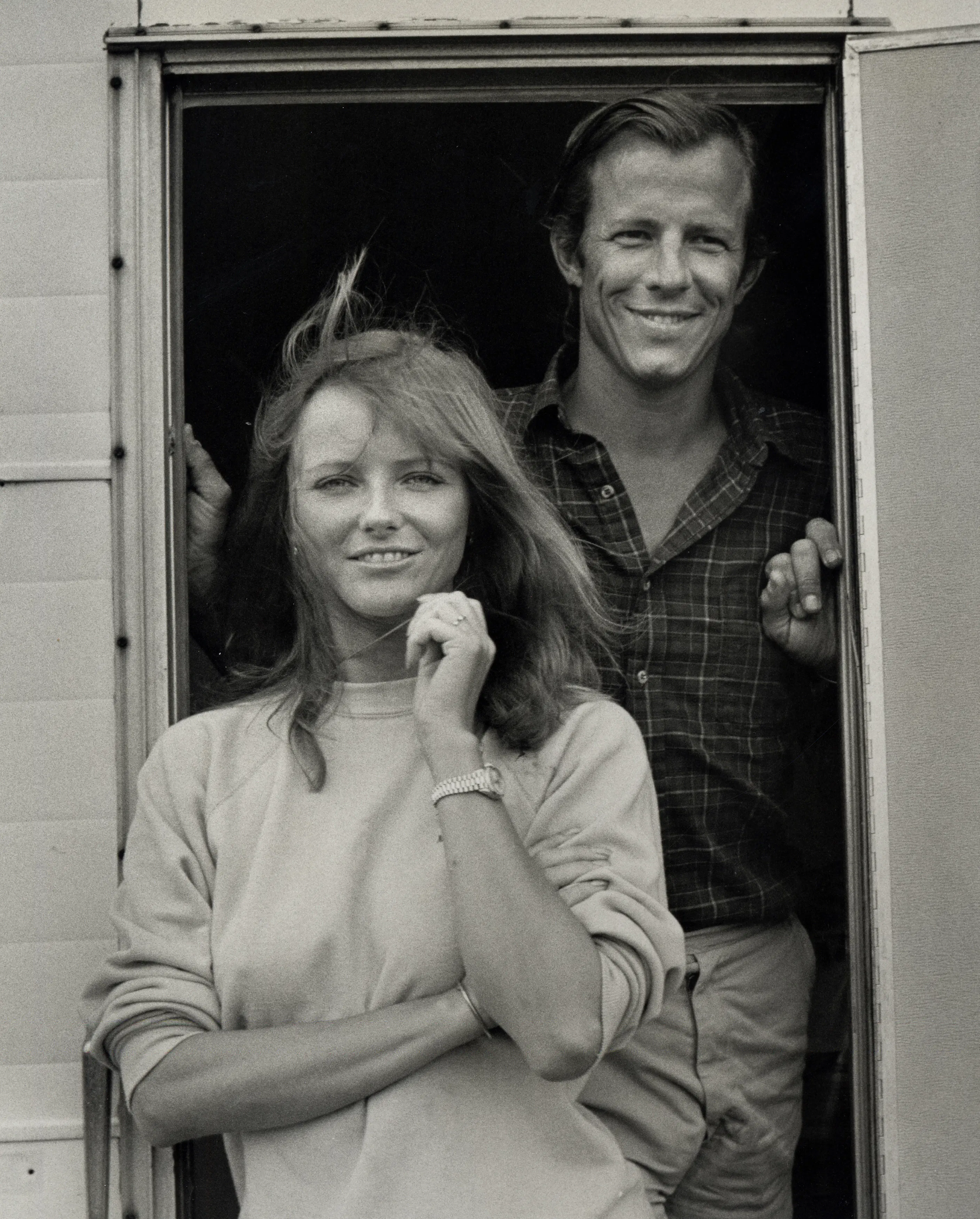
In 1981, Beard married supermodel Cheryl Tiegs, and the two lived between New York and Hog Ranch. He had been married once before, but it ended in divorce. Tiegs and Beard were just married for two years, but their relationship and work in Africa was followed by the media, including iconic photos by Slim Aarons, multiple magazine covers and an Emmy-award winning TV episode for ABC on the endangerment of African wildlife.
Beard remarried in 1986 to Nehja Kharum and had one daughter, Zara, born in 1988. In 2004, he wrote Zara's Tales, a chronicle of the stories he would tell his young daughter abut his life and adventures in Kenya.
Related: The Female Look: 11 Women Who Changed Photography
In 1996, the Centre National de la Photographie in Paris hosted Beard’s first major retrospective, and by 2002, Peter Beard Studio opened. Since then, multiple photographic exhibits have featured works of Beard's.
Once referred to as the "most interesting man in the world," his death was shrouded in mystery. At the age of 82, he suffered from dementia and disappeared from Thunderbolt Ranch in Montauk on March 31, 2020. His remains were found in a nearby state park a few weeks later on April 19.
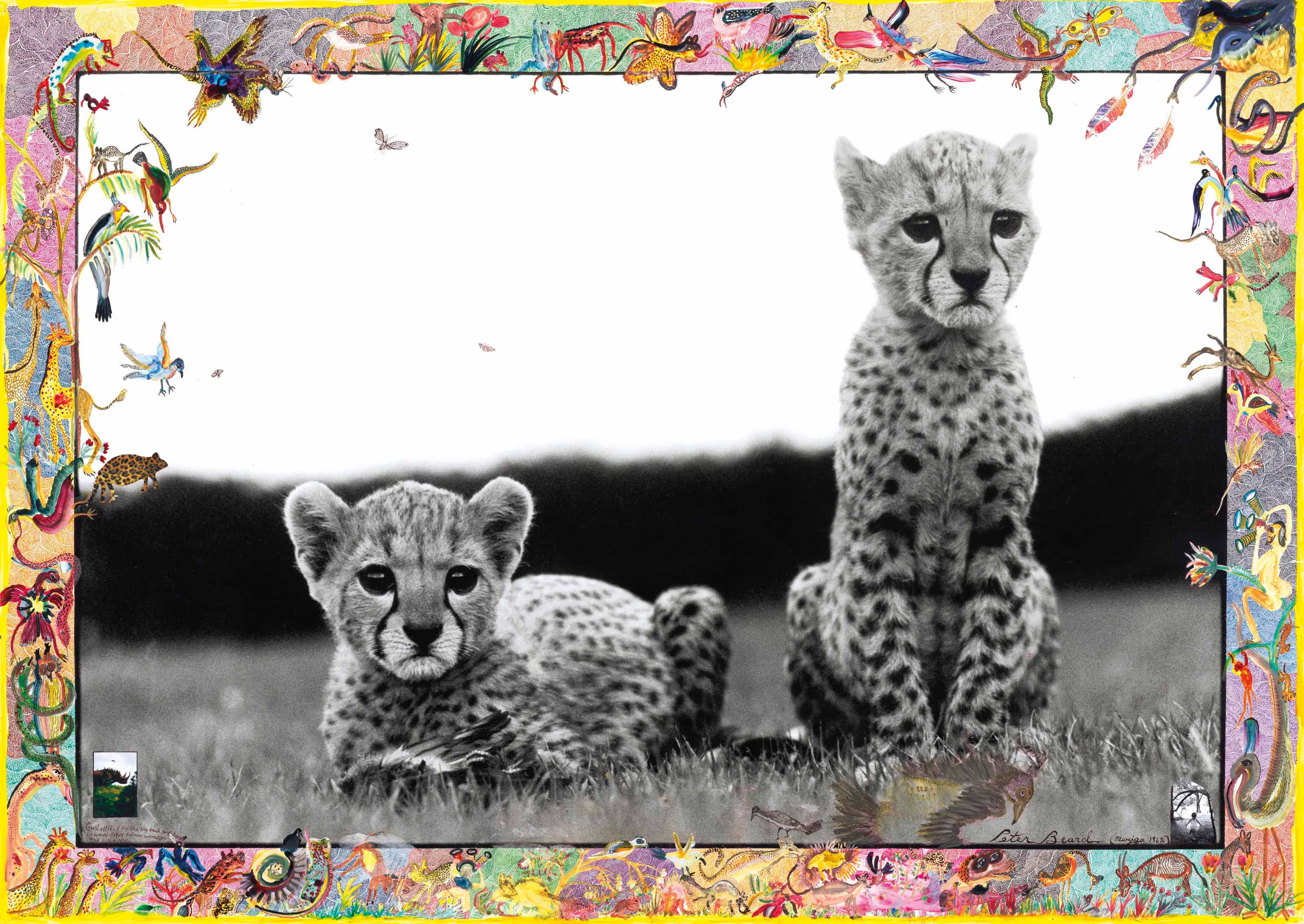
Peter Beard's life and legacy continues to live on his photographic work, which convey the poignant importance of preserving Africa's majestic landscapes and animals. His work consistently achieves high pries and his record was set in 2017 at Christie's, when Orphaned Cheetah Cubs, Mweiga sold for $672,500.