When I was little and would watch James Bond with my father, as the well-groomed secret agent knocked back drinks and seduced ladies, while the baddies were shredded in machinery, sucked out of airplanes or eaten alive by sharks in a pool, he would repeatedly tell me, “They’re just pretending”. Sure, Dad was right. The Scottish actor was just pretending to take on the evil world in those grand parlors with beautiful paintings on the walls. And yet, in reality, some evil actually has a soft spot for gaining admittance to art’s most exclusive bastions.
In one of the seasons of HBO series Billions, we follow billionaire and hedge-fund mogul Bobby ‘Axe’ Axelrod as he tries, at any price, to get one of the city’s art museums, the Whitney Museum, to change its name after he has donated an enormous sum of money to get the institution’s finances back on track. Just when the self-assured high flyer seems to have brokered a final agreement and he can start counting his coveted cultural capital, the deal falls through and his defeat is evident.
See also: The Top 10 Stolen Masterpieces
But it isn’t just in the world of film and television that new billionaires try to clear their consciences with donations to culture, along with its unquestionable value. Inside the doors of many of the world’s museums are marble plaques with the names of famous families who partly devoted their lives to art, but above all used it as a social lubricant.
Accepting gifts from donors is not without its complications. Museums often find it difficult to turn down these generous donations, despite it not infrequently leading to some complications and ever more shrill debates in the media. On the other hand, it is increasingly common to actively distance oneself from dubiously-earned money. Regardless if that is because of social media’s lightning-fast sharing or in-depth investigative journalism, the effect is often the same in the end.
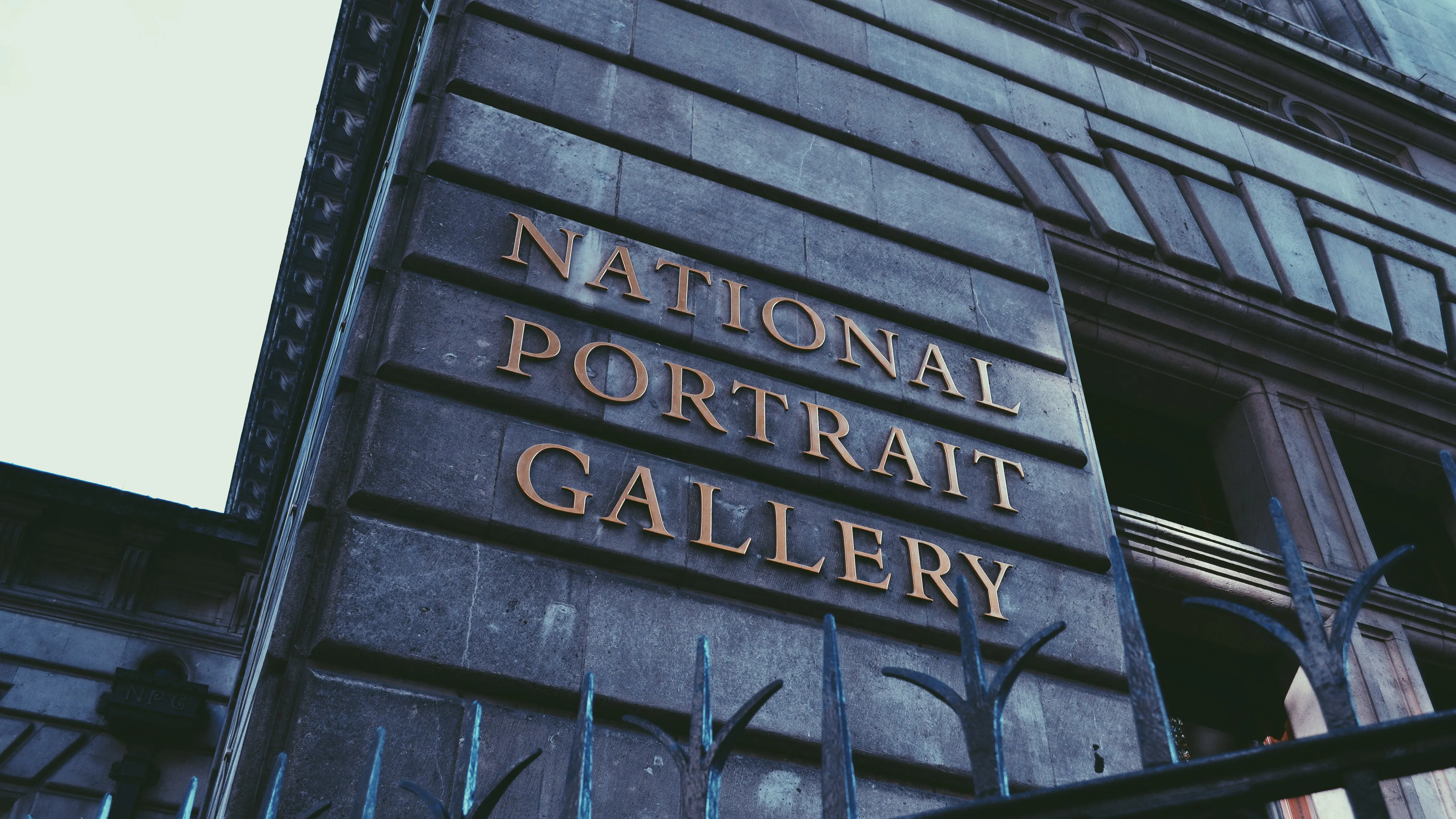
Take the art- and culture-loving Sackler family, who recently wanted to donate £1.3 million to Britain's National Portrait Gallery. The family’s fortune is estimated by Forbes at S$13 billion. Much of that fortune has come from Purdue Pharma, which is behind the OxyContin painkiller drugs considered the starting point of the opioid epidemic that has spread like wildfire in the US and, regardless of age or gender, taken 200,000 American lives and shortened average life expectancy for the first time since the AIDS epidemic of the 1990s. Purdue Pharma has been criticized for dishonest marketing that made people use and wrongly dose drugs they often did not need. The family is now facing enormous damages and lawsuits. The museum and the family decided to withdraw the generous contribution as the “allegations made against Sackler family members may cause this new donation to deflect the National Portrait Gallery from its important work.”
See also: Seeing Double: Art in Art
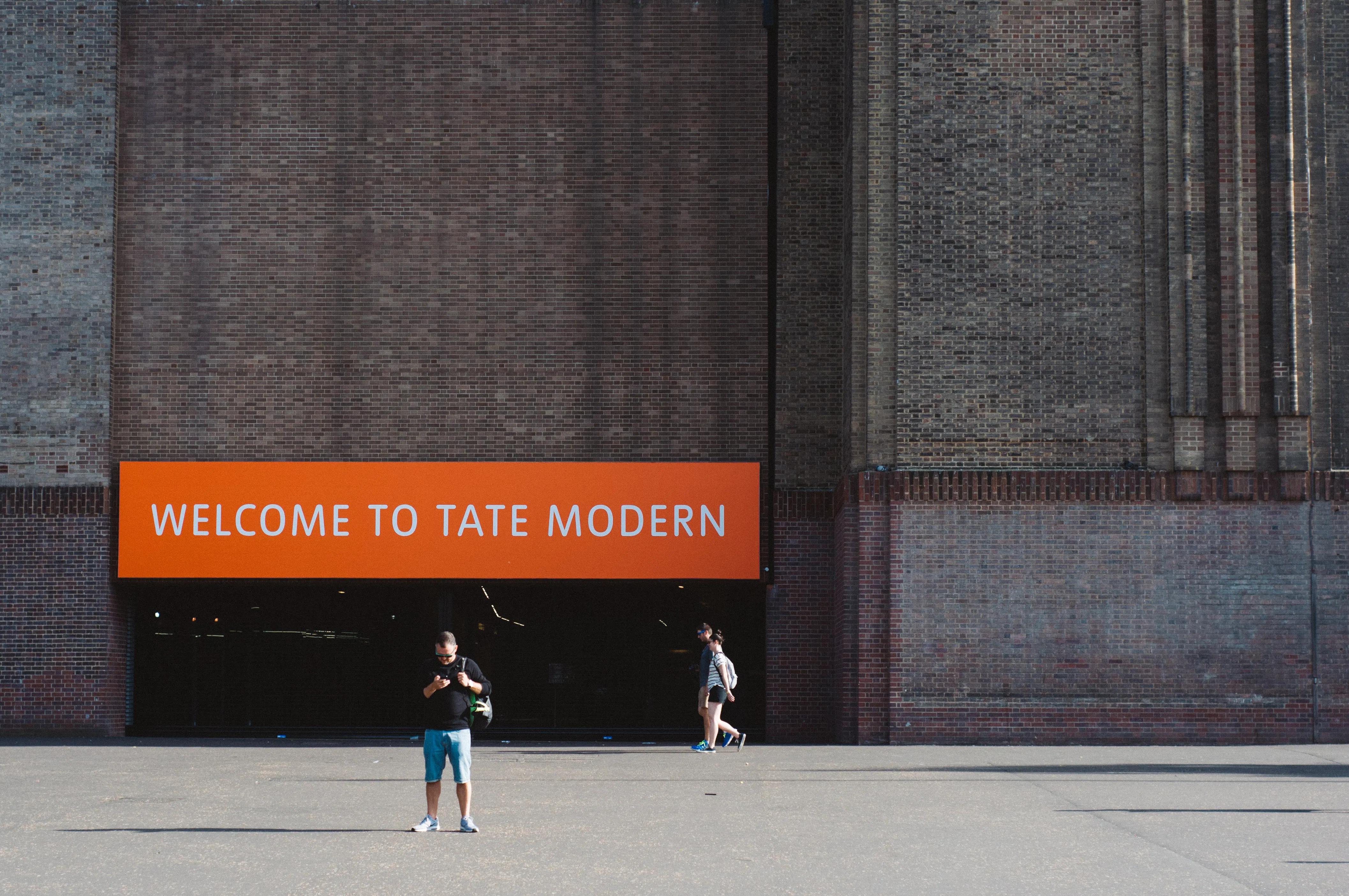
The distinguished British museum is just the latest in a series to hand back money and wash its hands of certain family names. Two other institutions that have paid back donations or decided not to accept any future donations from the Sacklers after the ‘Anti-Sackler’ protests, are the Guggenheim Museum in New York, which had already taken US$9 million (£7.4 mil) from the family, between 1995 and 2015, and Tate in London.
I lived in Italy in the late 1990s when the new Euro currency was introduced, with the intention of uniting Europe and the European people even more than the opening of borders. Most Italians thought the Euro would get the Italian economy back on its feet and the country would quickly boom. The reality for many was somewhat different.
See also: Canaletto: The Spirit of Venice
The doubling of prices for coffee, bread, clothes, accommodation and restaurants, in a country where most people spend a lot of their time in bars, and where bread and coffee are absolutely essential, changed the entire rhythm of these positive people. Those who worked for international companies or with importing and exporting could, in many cases, capitalize on the new currency, while others, for example state employees and freelance culture workers, entered a trial period that has lasted many long years.
When I was back in Italy last year, in the capital of fashion and design, Milan, I found that attitudes had changed significantly. The energy and optimism had returned. Above all in the young. When asked why, most said in unison that it was due to Expo 2015, the international fair that showcased the nation’s latest discoveries and progress in a range of fields. So too, in art, design and culture.
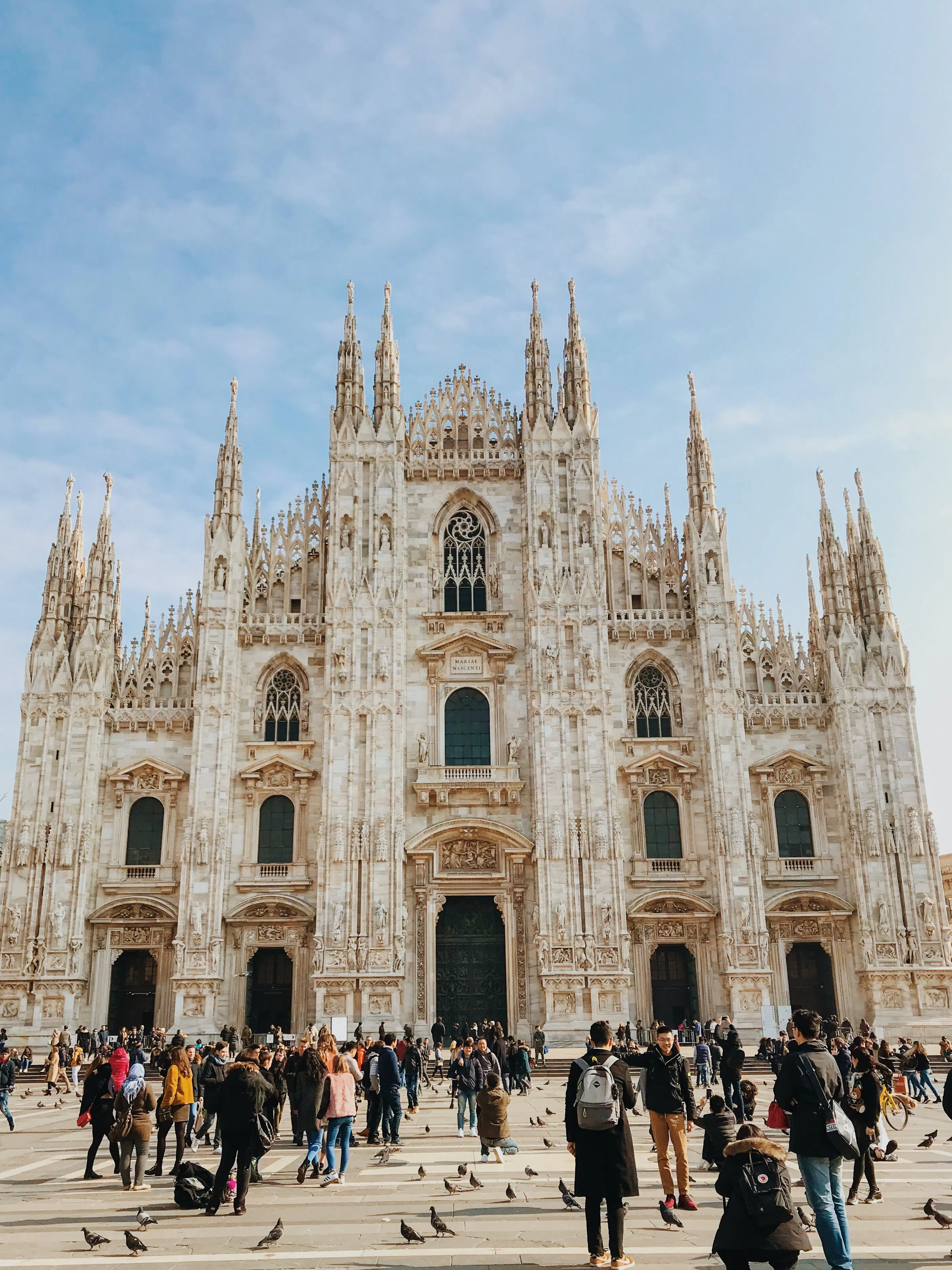
However, they added, it wasn’t actually the fair itself, but from a political perspective, they were successful in riding the wave and utilizing the benefits of all the innovations and the global attention the fair received. Such as the initiative of allowing new and exciting architectural creations to take shape in the more than 2,000-year-old city that was bombed hard in WWII but rose from the ashes as a symbol of modern Italy.
“Today, both citizens and politicians can be proud once again of our dynamic and beautiful city,” says Chiara who works at Finarte, one of the country’s leading auction houses.
“So proud and self-confident that Giuseppe Sala, the city’s celebrated mayor and chairman of one of the world’s most famous opera houses La Scala, could hand back $3.5 million to Saudi Arabia.”
See also: 6 Sensational Attic Finds
Chiara refers to the cancelled agreement between the distinguished opera house and Saudi Arabia that made headlines around the world. It was proposed that for five years the oil-rich nation would pump $17 million into one of the city’s proudest ‘institutions’ in return for Saudi Arabia’s Minister of Culture being appointed to the opera’s board of directors. But after massive criticism concerning the Arab country’s record on human rights, Milan’s mayor chose to withdraw from the agreement. A prepaid sum of money was returned and it’s now back to square one. Money is still needed, but apparently not at any price.
Which brings us to one of this spring’s most talked-about topics; namely what has become of the “most expensive paintings in the world”. Leonardo da Vinci’s Salvator Mundi. After the protracted bidding at Christie’s in New York, which took a whole 19 minutes, nobody knew anything about the buyer and possibly only very few knew who had bought the painting. But an announcement eventually came. When the painting was sold in November 2017, the buyer was proved to be Arab Prince Bader bin Abdullah bin Mohammed bin Farhan Al Saud who claimed da Vinci’s Salvator Mundi on behalf of the Saudi Crown Prince Mohammed Bin Salman. Prince Bader, who is said to be one of Crown Prince Mohammed’s best friends, bought the painting for an incredible $450 million in order to lend it to the Louvre’s offshoot in Abu Dhabi. This was revealed by the New York Times in an exposé of the prince’s reckless lifestyle.
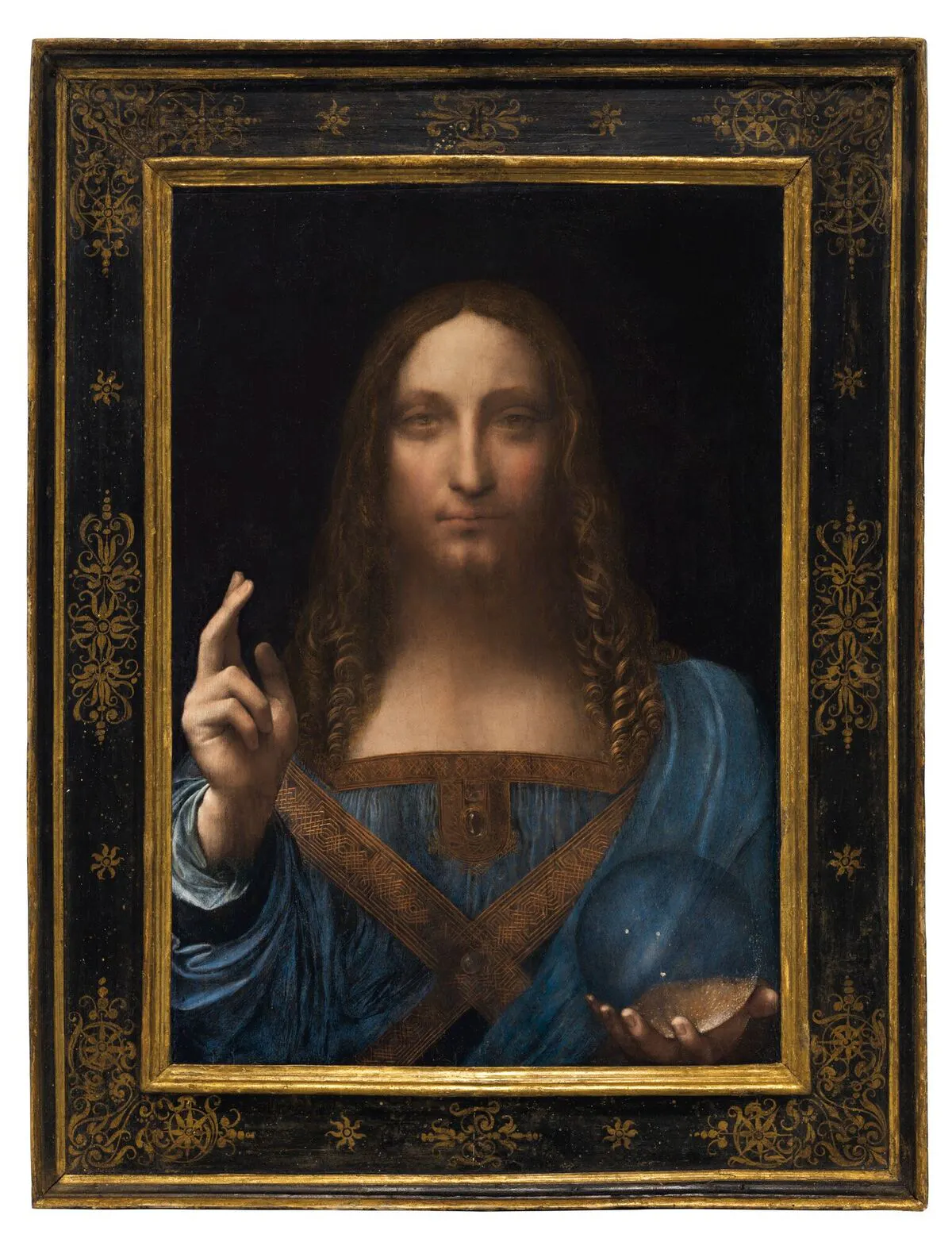
Instead of holding a press conference, the French museum posted a statement on Twitter in Arabic, English and French. Yet, the information wasn’t exactly clear. Nor was Christie’s tweet in reply, which congratulated the Louvre in Abu Dhabi.
Even from the start, the sale had been controversial as the painting had figured in one of the biggest art controversies ever. Now, this same painting has disappeared.
Most calculated that the work would be shown in Abu Dhabi, or at least at the comprehensive da Vinci exhibition at the Louvre in Paris in conjunction with the 500th anniversary of the universal genius, but the question now is where actually is the most expensive painting in the world? And will it ever be shown in public again? Maybe Crown Prince Mohammed wants to simply keep it private. Or is it possible that the French state has gotten cold feet about borrowing a work from someone whose idea of human rights is not the same as in Europe?