It is important to remember: buy because you love it and not as an investment. It’s costume jewelry and when trends drop, so do values.
When Marilyn Monroe, one of the brightest stars in the Hollywood firmament, sang Diamonds are a Girl’s Best Friend in the 1953 film Gentlemen Prefer Blondes, though sporting dazzling jewelry, she was in fact only wearing one diamond. But what a diamond! It was the 24 carat Moon of Baroda Diamond on loan to 20th Century Fox. The rest of the jewelry in the film was fabulous, but it was, as it was disparagingly called at that time, ‘Fake’. In fact, in her private life, Monroe, like so many other stars and celebrities, preferred the elegance of fine costume jewelry to the real thing. And she was in esteemed company.
Related: Crown Jewels: 5 Times Royal Jewelry Made Auction Headlines
Joan Crawford adored it, Wallace Simpson, the Duchess of Windsor, had hers designed by Stanley Hagler, an American designer. The fabulous dancer Ann Miller had a passion for this jewelry, and not a carat anywhere! Lucille Ball wore Hattie Carnegie jewelry on I Love Lucy (1951-57) – and started out her working years as a shop model for Hattie in her clothing boutique before she entered show business.
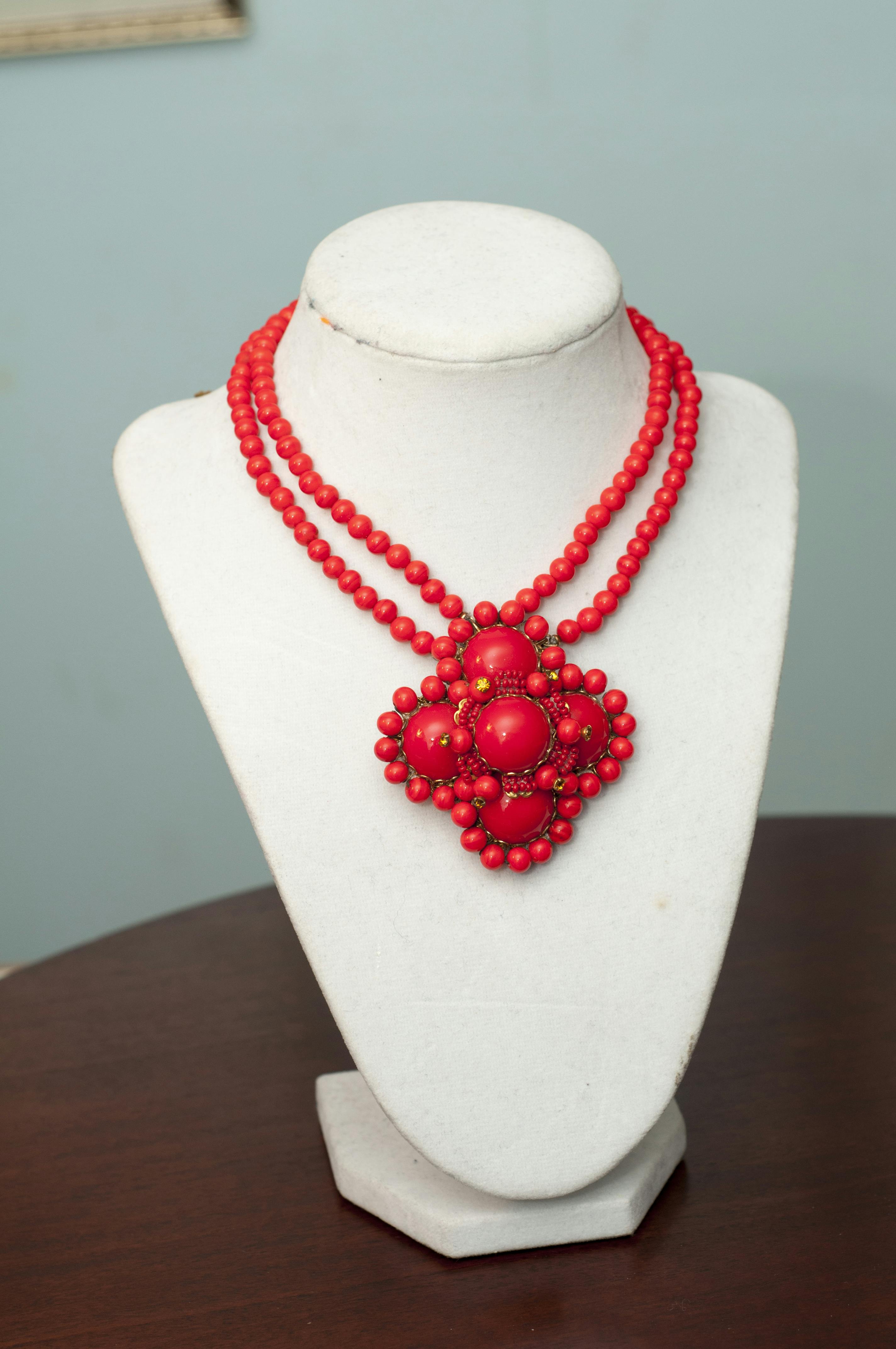
In 1998, the dispersal of the Joan Crawford estate revealed the largest collection of Miriam Haskell costume jewelry ever privately amassed. Haskell was one of the premier costume jewelry designers of the 1920s-60s. Jackie O had costume copies of her Van Cleef and Arpels gem-filled necklace designed by Kenneth J Lane. She was known to be a great lover of ‘fashion’ jewelry.
As with all things, there are many different levels of quality in costume or ‘fashion’ jewelry, as it was once called. It can be cheap and gaudy, or it can be incredibly elegant, exquisitely crafted and rival the finest gemstones and precious metals.
Related: Vintage Costume Jewelry: Where to Begin
Generally, signed pieces – those with a maker or designer’s name or logo on them – are considered to be the best or most desirable. However, it is important to note that in the early years, most fine costume pieces were not signed.
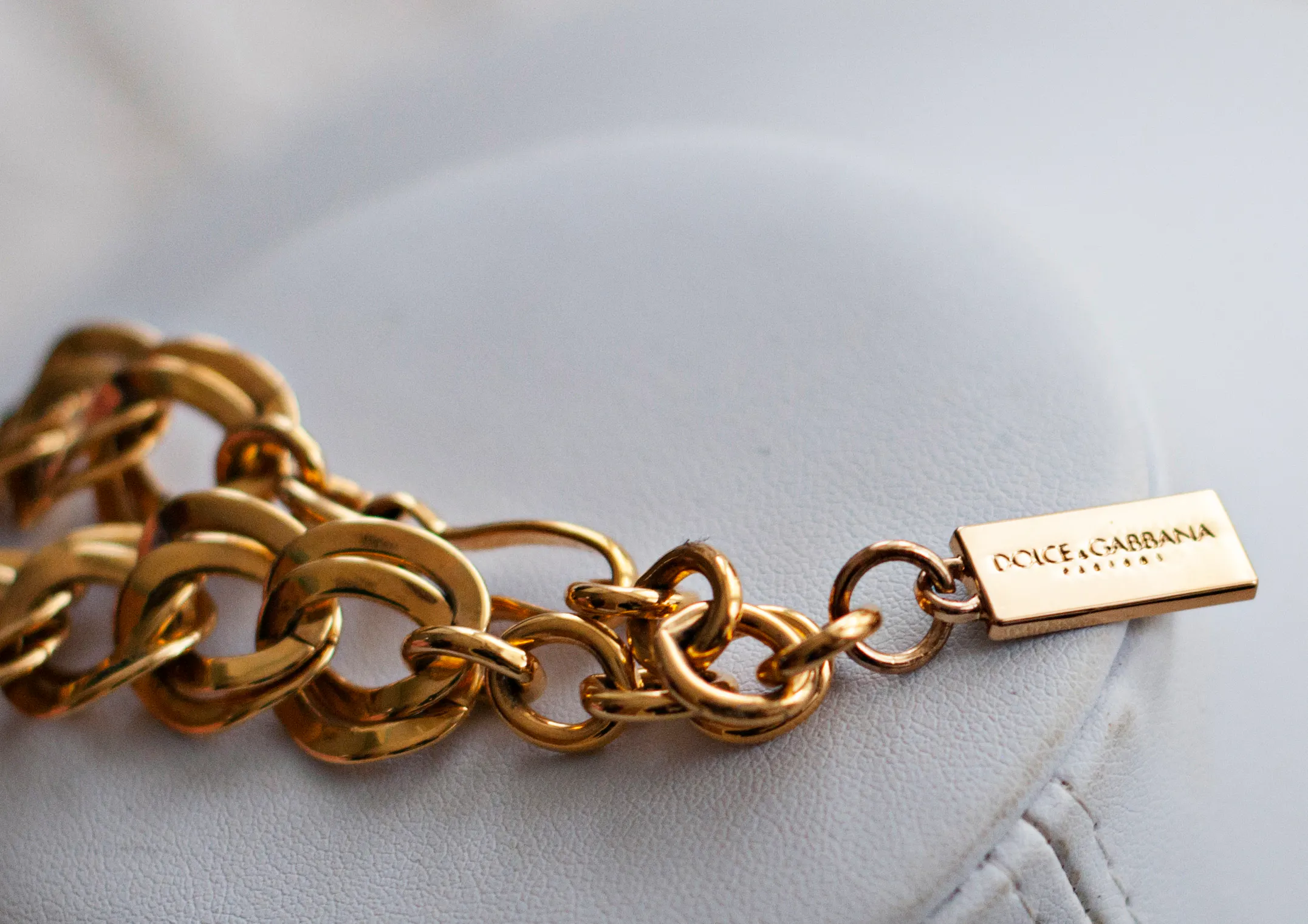
It was considered pretentious to identify what was basically ‘fake’ jewelry, and jewelers were appalled at costume jewelry makers who had the temerity to sign their wares. So, many used tie-on tags or metal tags which could be removed.
This means that it is possible to miss a fabulous designer item because the name isn’t on the back.
Related: The 9 Most Popular Jewelry Brands
There was then a revolution of sorts, and designers and companies threw caution to the wind and put their marks (both literally and figuratively) on the costume jewelry industry.
The term ‘costume’ jewelry has been attributed, but not confirmed, to Florenz Ziegfeld. He is said to have approached jeweler William Hobe to make jewelry for his Follies costumes. In the 1920s, the Hobe logo was ‘Jewels of Legendary Splendour’.
Today's collectors are learning just how full of splendor they are. Many of the fine designers of that time were European immigrants to the United States. They brought with them their skill and knowledge, and literally transformed women and the way they adorned themselves.
Related: How Coco Chanel Revolutionized the Handbag
In Europe, the first really fine costume jewelry was being made by Chanel. Her designs were elegant, exquisitely made and fashionable. Her love for fashion jewelry made it acceptable for the elite and wealthy clients to wear it, removing the stigma associated with wearing paste, or glass instead of gems. Originally, it was thought to be the cheap alternative for those who could not afford better. Once Chanel put her name to it, the world fell in love with costume jewelry. Faux pearls, Swarovski crystals, rhinestones, gold-filled and gold-plated necklaces soon became must-have accessories for evening wear. Brooches in particular were immensely popular.
These baubles looked fabulous, were available not at Asprey's or in Bond Street, at exclusive jewelers in Paris or Rome, but in Selfridges and Harvey Nichols, Maceys and Gimbels, Hudson's Bay and Timothy Eatons, and small retails stores and boutiques and department stores. No longer the realm of just the rich and famous, gorgeous jewelry became available to everyone.
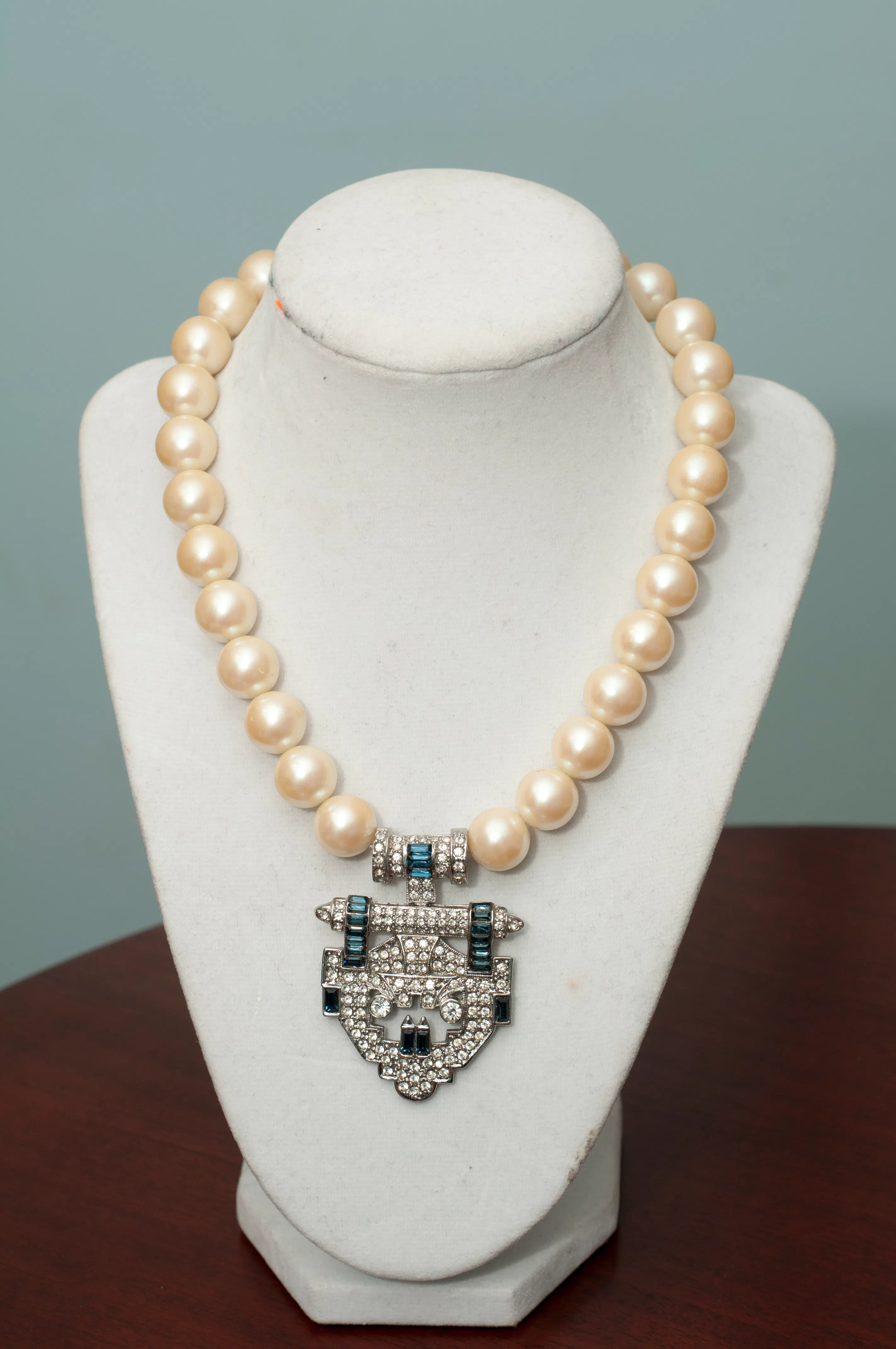
Post-war years saw a massive increase in demand. After the austerity of the war years and the lack of all things lovely, women clamored for elegance, color and glamour. The Hollywood movie machine was a major driving force in the demand for affordable jewelry. Cinema goers were left longing for a way to dress like their favorite stars, but few had the means to afford it.
Related: The Surprising Inspiration Behind the Cartier Love Bracelet
So, the industry took off, and the smart companies produced luxurious opulent statement jewelry, studded with man-made gems in intricate settings.
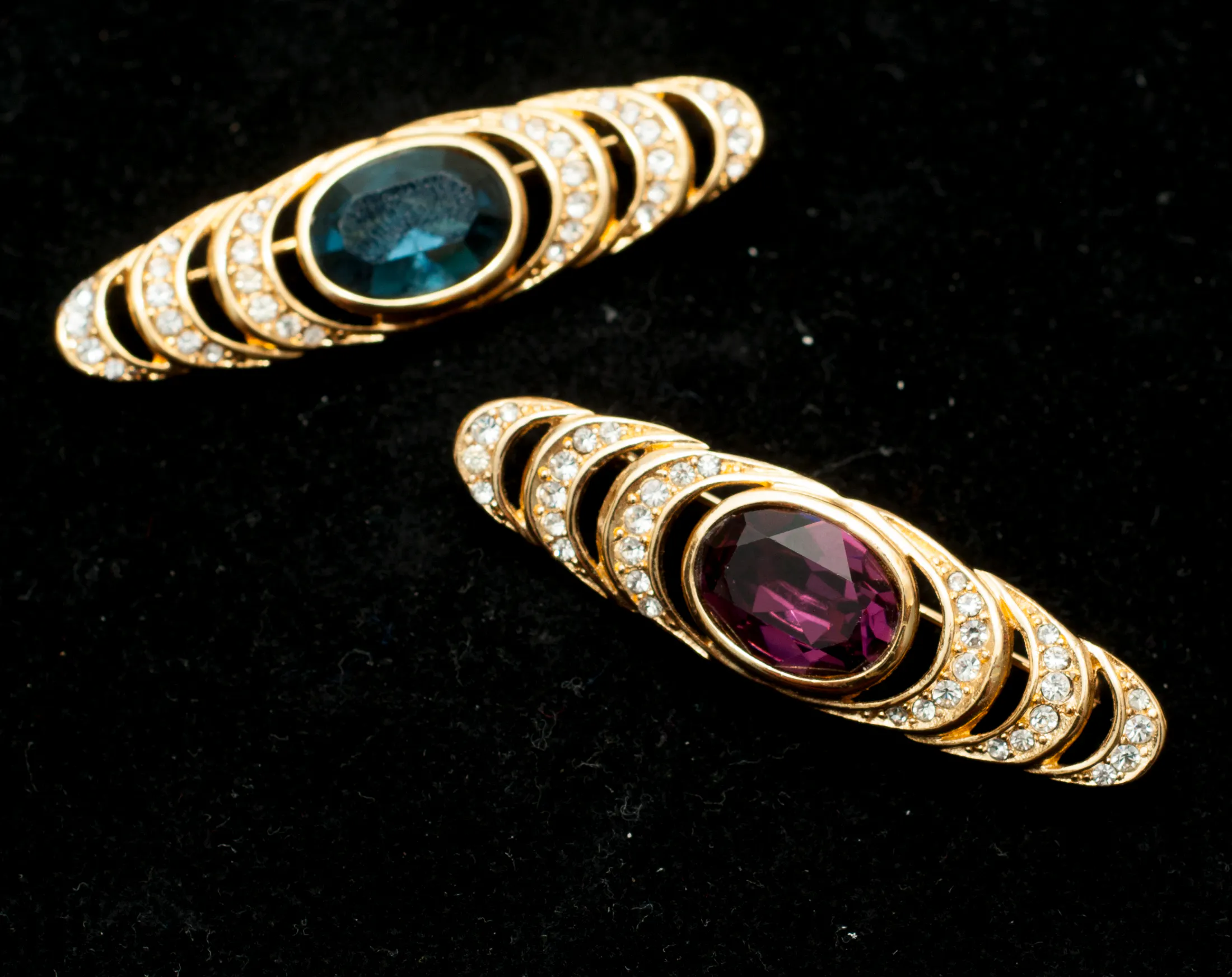
Today, those items are now vintage, and more popular than ever. The most collectable jewelry pieces today are those from the 1930s-80s. It seems odd to think of the 1980s as vintage, but it's so easy to forget that this is over forty years ago! Some later brands are also bringing high values today, and some contemporary designers’ pieces have also increased in demand and values, because earlier items have become more expensive.
Related: 10 Reasons to Buy Vintage
For those of us who deal specifically with fine costume jewelry, we have seen a major growth in the demand for fine vintage jewelry, fueled by the number of stars, celebrities and political figures wearing vintage pieces. From the runways at London and Paris fashion weeks, from television presenters to the red carpet at the Academy Awards, and everywhere in between, it is the largest and fastest growing segment of the collectables market today.
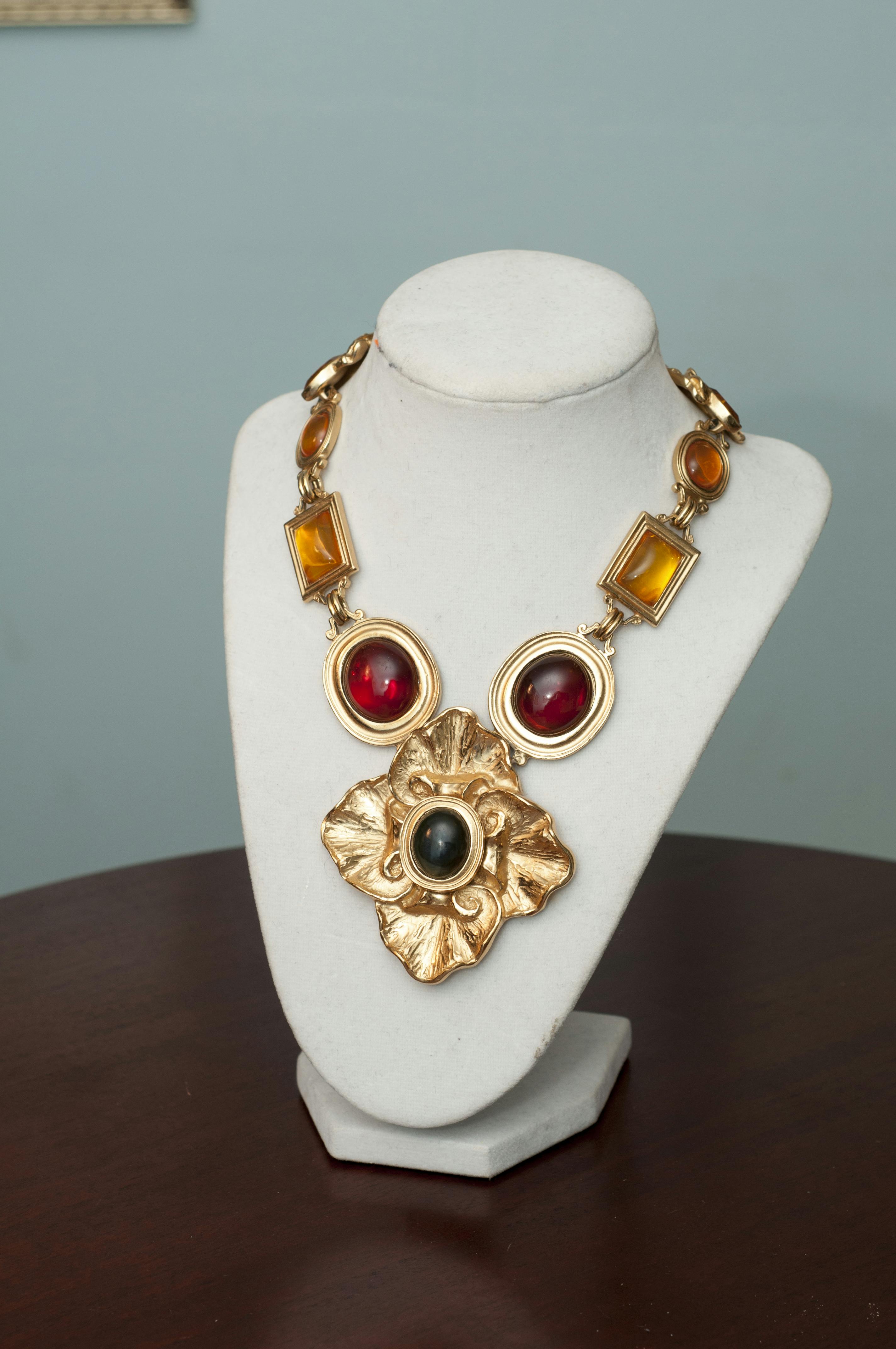
Who among us would ask “is it real?” when an Oscar-winner bedazzles us? In fact, many female leads have asked to keep jewelry and accessories they wore in their films.
Want to know what your costume jewelry pieces are worth? Value an item with Value My Stuff
For new collectors, it can be a challenge to find designer brands at affordable prices. The Internet has flooded markets with all kinds of everything, and impacted values. A buyer in one country may be able to outbid a buyer in another. Economics are different everywhere. Local vintage shops, markets and fair venues are always great places to start. They not only often have more reasonable price points, but it gives you the opportunity to handle, inspect and try pieces on. You can learn about it from the vendor and, of course, negotiate pricing. It is a lot more fun to try things on than to order online and wait for delivery, only to find that the color on the screen wasn’t quite right, there are condition issues you couldn’t see, or it just isn't what you hoped for.
Related: Cartier, a Jewelry to Love
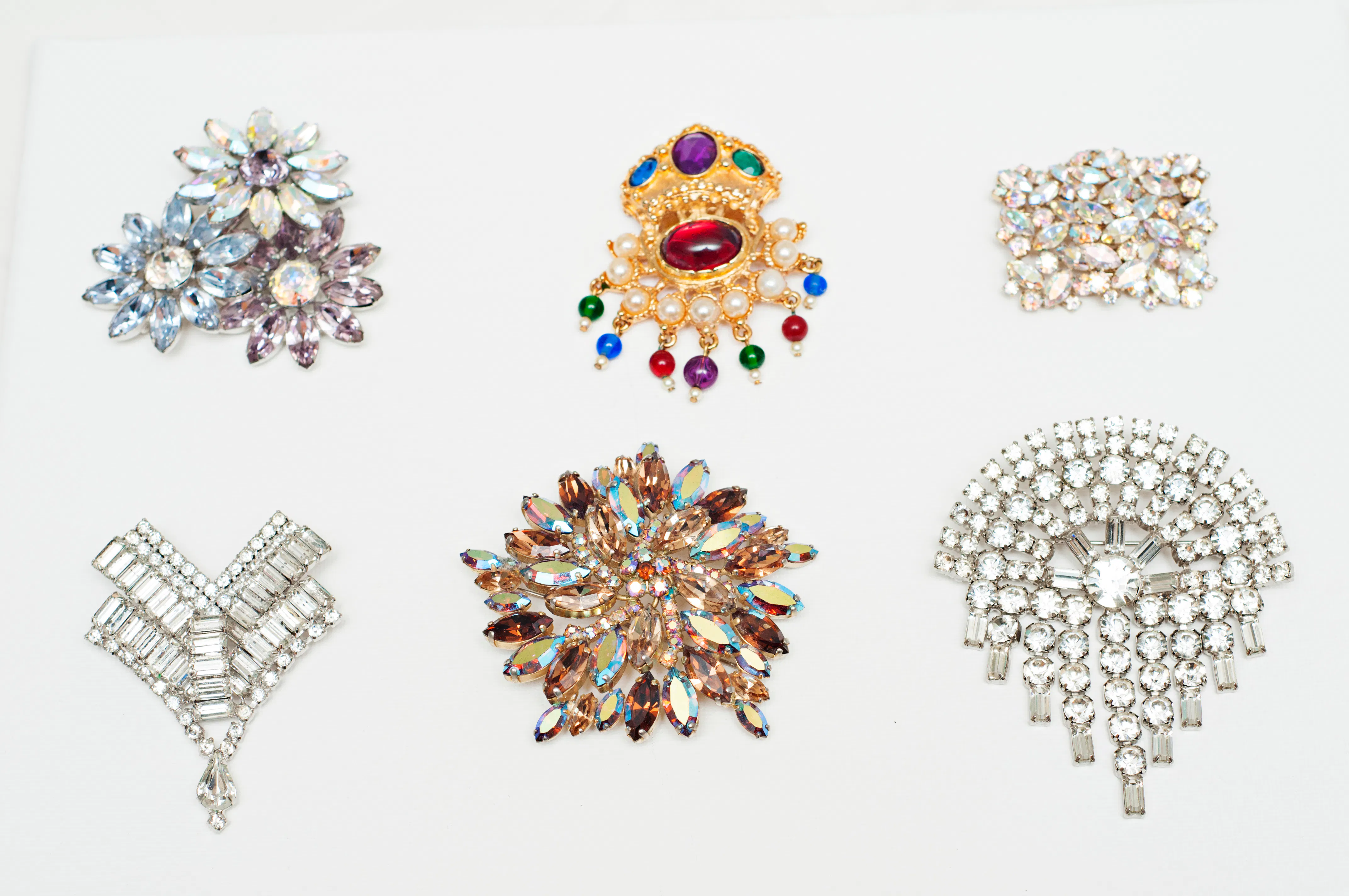
Today, brooches and earrings are in demand, followed by bracelets. Necklaces are more ornate and are often still reserved for going out, or for celebrations and special events. However, there are some fabulous brands which move so easily from day to evening wear.
Want jewelry articles straight to your inbox? Sign up to our free newsletter
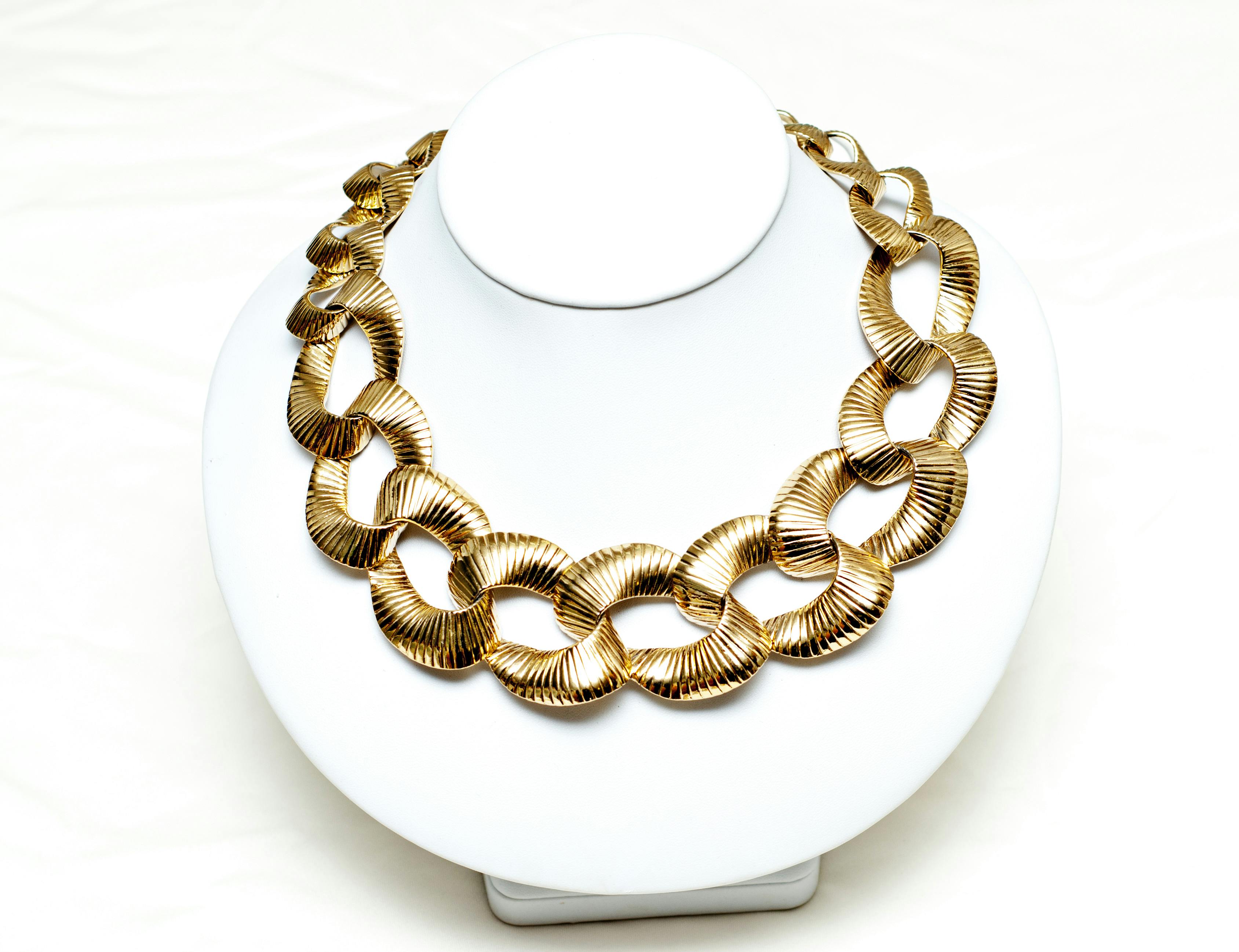
Chain necklaces are always versatile.They can be as elegant as a Chanel link, or as robust and chunky as Valentino or Dolce & Gabbana, as delicate as Nina Ricci, and trimmed with faux pearls or small colored stones to add color and soften the look. 1990s Alexander McQueen is in high demand, especially the larger bib necklaces designed before his style changed and the skulls took center stage. Owners rarely part with his early work, so it is much harder to find.
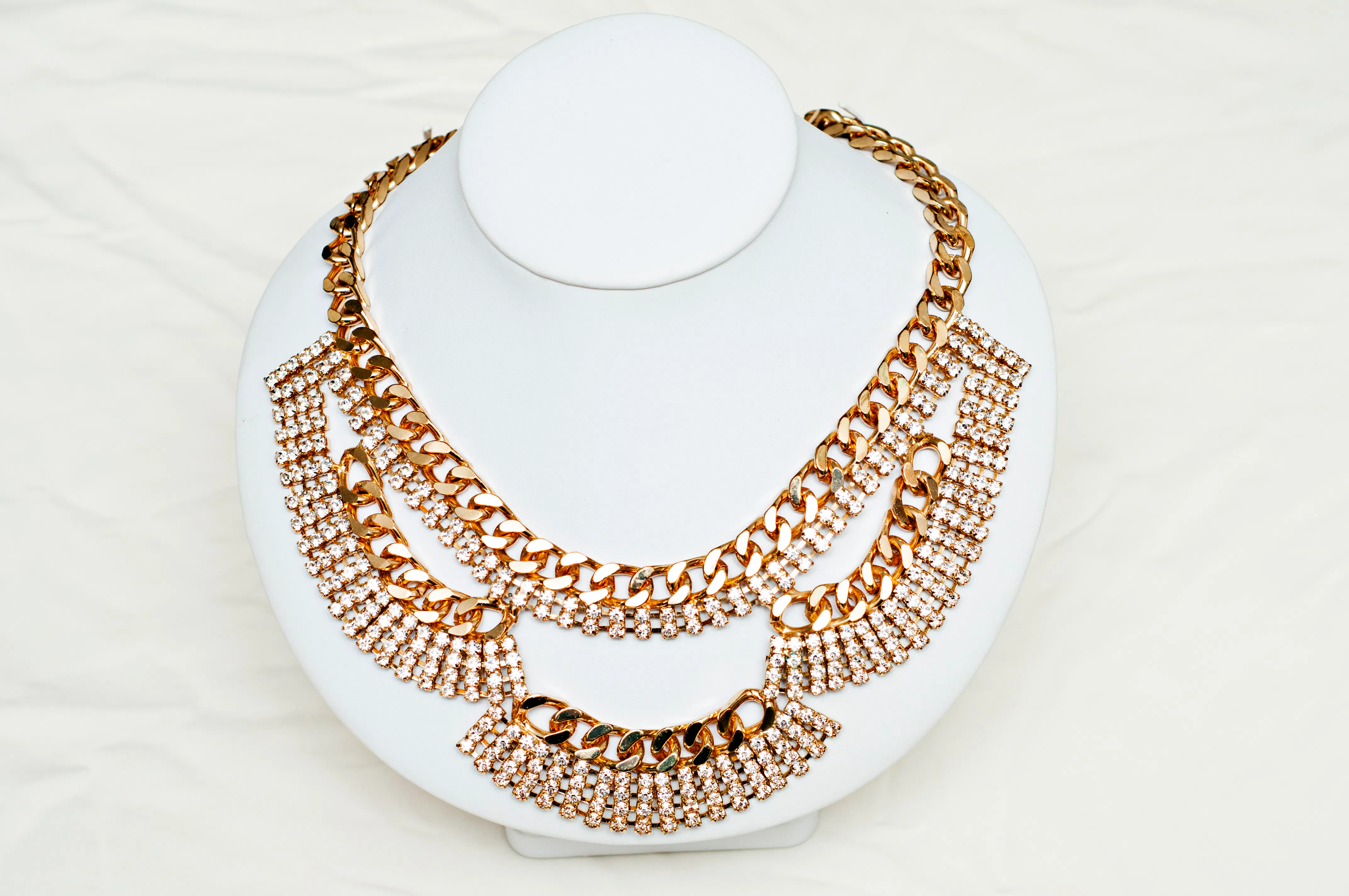
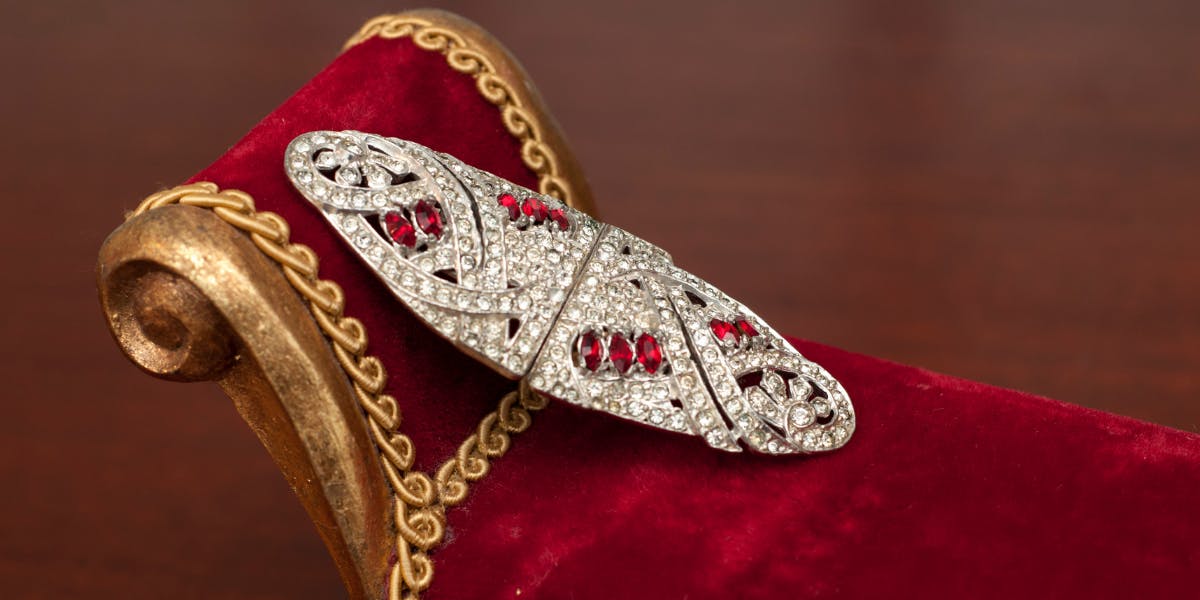
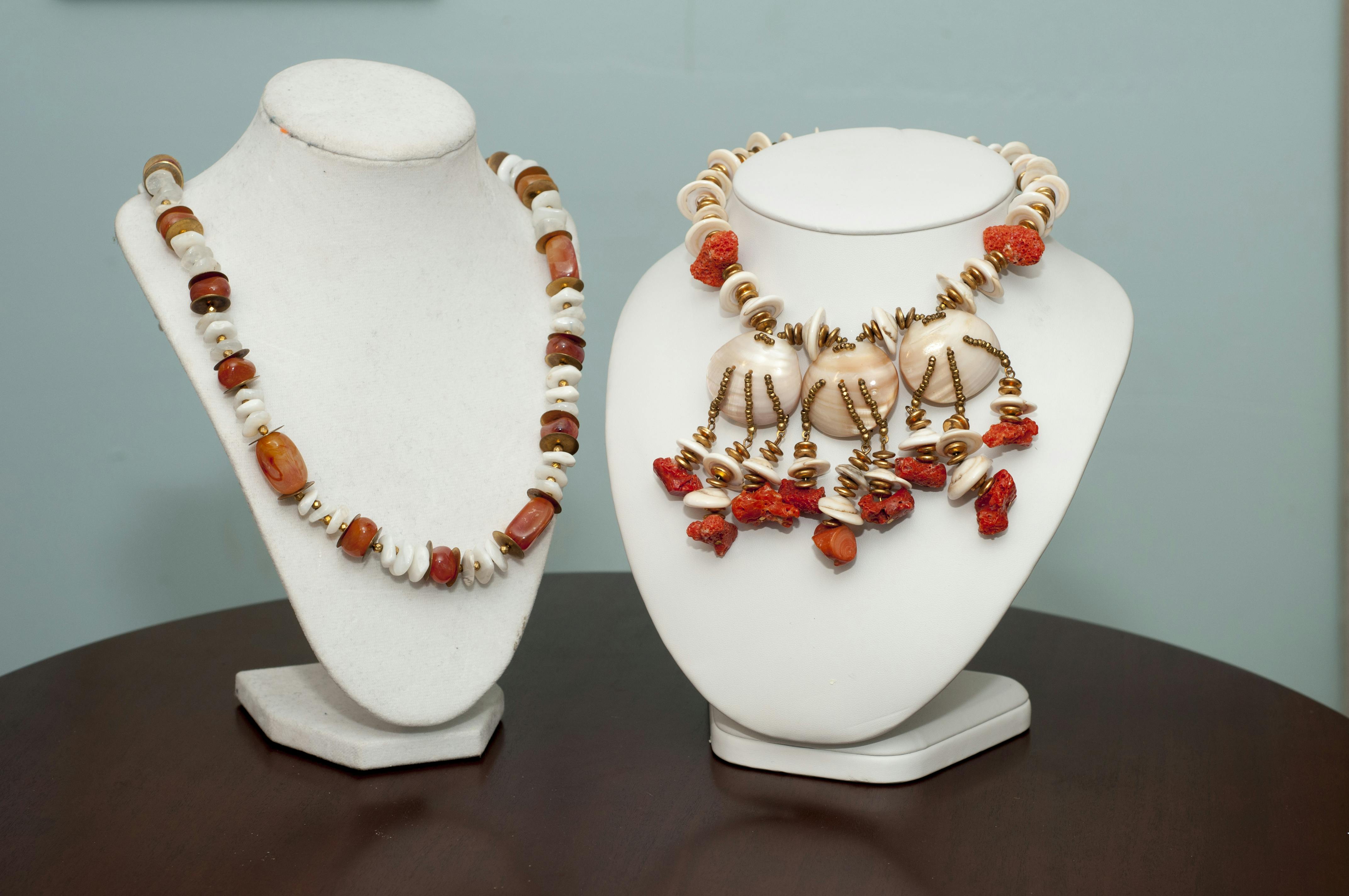
Art Deco and mid-20th-century modern designs are increasingly popular. Miriam Haskell is always in demand, but her organic pieces, made with natural materials, are gaining attention with younger buyers who don’t like her more opulent designs of the 1930s. Hobe is always a great addition, since he also made simple mesh and crystal designs perfect for casual wear.
Related: 1925: The Height of Art Deco
Beads are becoming a fashion trend, and no longer thought of as ‘old lady’, and of course anything with pearls, even faux pearls, is always a must-have to any costume jewelry collection. Bead necklaces made in Germany are affordable and fun, easily found and always colorful. If you can find matching earrings, that’s even better.
Figural jewelry is also a favorite, especially brooches with full figures and whimsical items, such as fortune tellers, dancers and animals. In particular, movie-themed items, such as Alexander Korda’s Thief of Bagdad (1940) – exotic and colorful – are highly-prized pieces and scarce. BSK brand ‘My Fair Lady’ items are worth looking for but are few and far between. It is important to remember: buy because you love it and not as an investment. It’s costume jewelry and when trends drop, so do values.
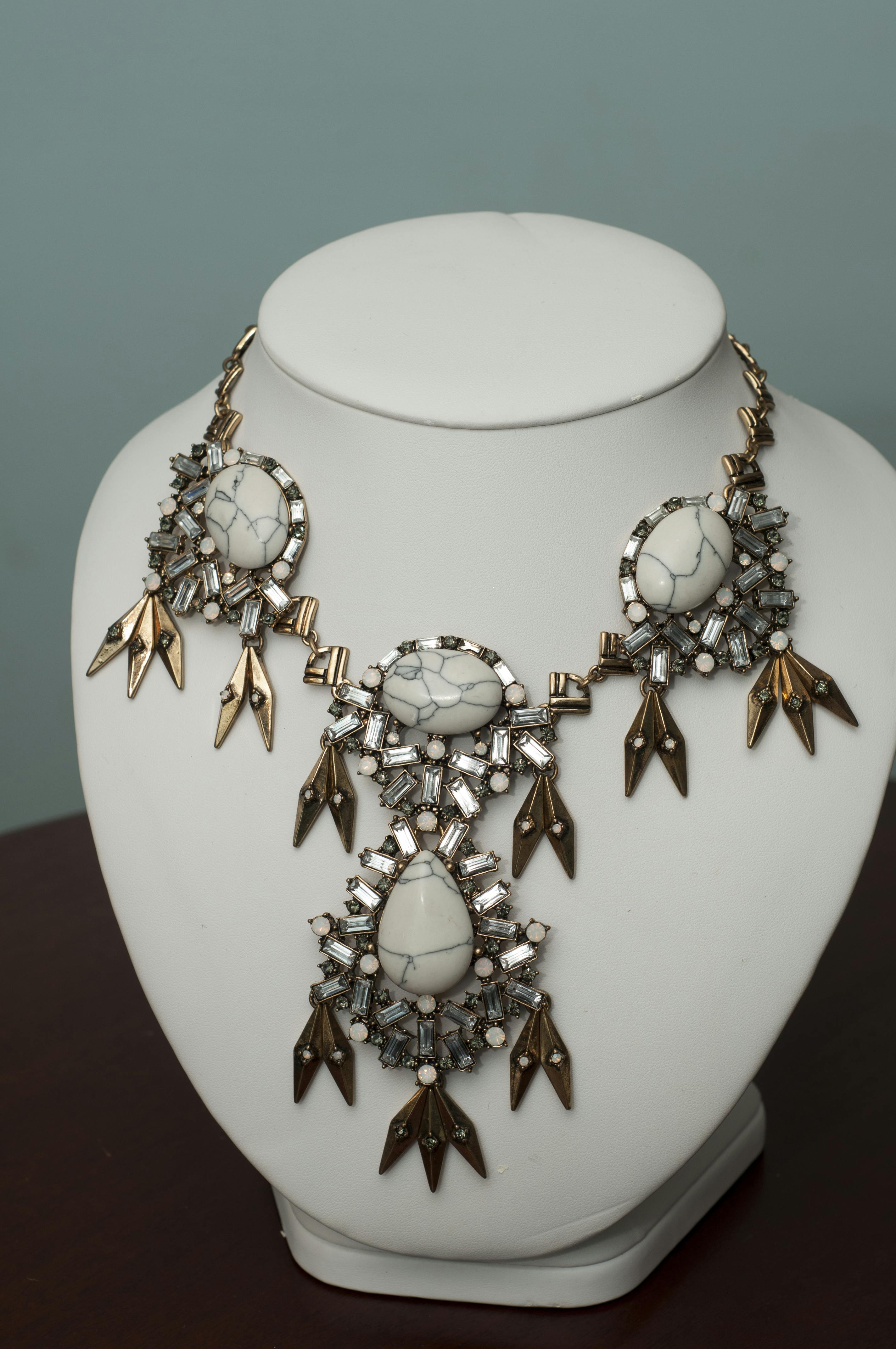
We are also seeing a great interest today in Oscar de la Renta, whose 1970s-80s necklaces are true statement pieces but work as well with an elegant evening look as they do over a turtleneck or open-necked blouse. It's always better to buy a really good piece which you can wear with several outfits, day or night, than one which is only worn occasionally. You want to get the most for your money, regardless of the cost.
Juliana, with its multicolored stones in bright, large designs, is another brand which has seen a massive increase in value. Many dealers are now using the term ‘Juliana’ to describe any rhinestone brooch. Sadly, not all Julianas are Julianas. So, before you spend too much on a mislabeled item, do some research.
Related: The World's 10 Most Expensive Diamonds
Some brands have come down in value because supply is high. Pieces from US company Weiss are now more affordable (again due to Internet sales and availability) and are beautiful and excellent quality. Sherman jewelry from Canada is also beautiful – 1950s to ‘80s, set with Swarovski crystals in fabulous settings. Like Weiss, these are now less expensive than in recent years.
Haute couture brands are always worth buying, especially if you can find them in out-of-the-way places, and at better prices. Chanel and Dior brooches are popular today, and brooches seem to be slightly more popular, possibly because they can be worn more often, so again, are value for money.
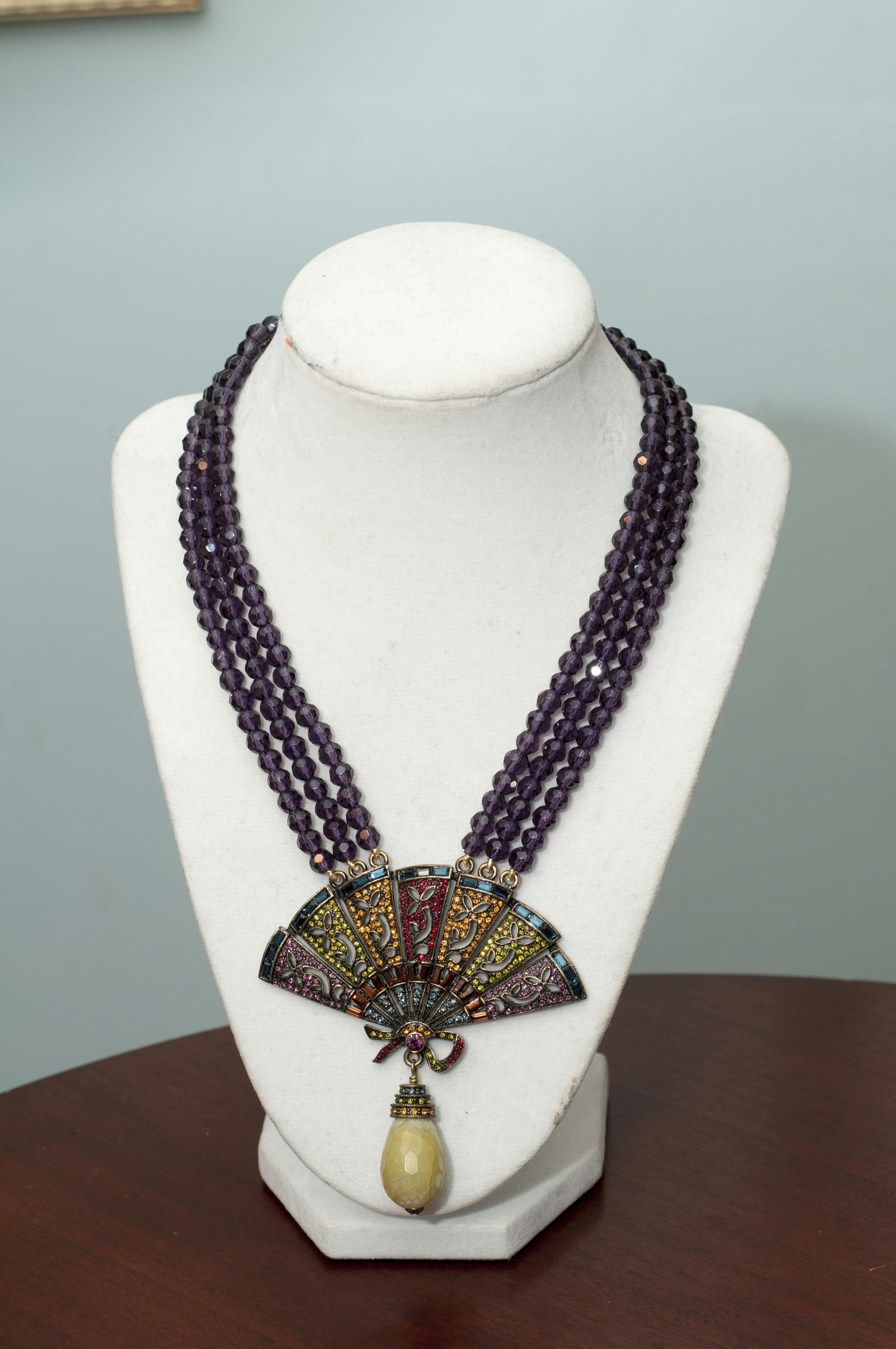
If you love Art Deco then the 1930s-inspired Heidi Daus pieces, made in the 1980s, are perfect for you. Betsey Johnson's 2004 designs are wild and wonderfully whimsical, funky and fun, very affordable and perfect for new collectors. Alexis Bittar’s designs are elegant and stunning.
Related: Not Just for Royals: A History of the Tiara
Vintage designs are vivacious, visually appealing, fun to wear and simply elegant or elegantly simple. Vintage jewelry is often unique, unusual, interesting and evocative. They capture the essence of time.
As a dealer, I am often reminded of the fact that jewelry is as important as the garment you wear.
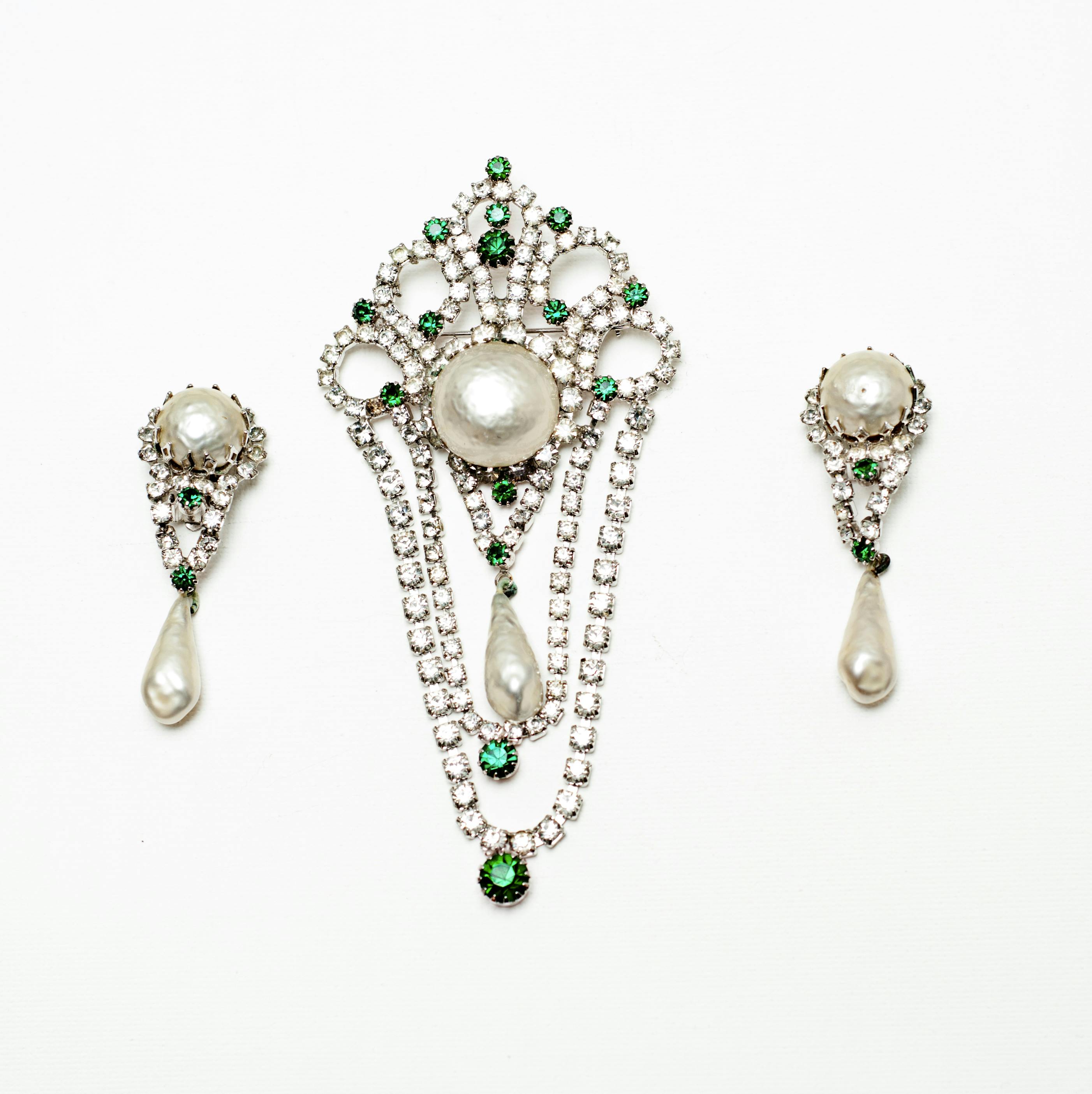
I recently had the opportunity to supply costume designer Luis Sequeira (The Shape of Water, 2017) with vintage costume jewelry for the stars and supporting cast of Nightmare Alley (2021), a film by Oscar-winning director Guillermo del Toro. The costumes – made for Cate Blanchette, Toni Colette, Rooney Mara, Mary Steenburgen, Bradly Cooper and the constellation of male stars – are adorned with authentic vintage costume jewelry in keeping with the period of the film. The costumes are spectacular. So, it just goes to show that even the best can be enhanced with something special. Designer Diane Von Furstenberg captures my thought perfectly when she says, “Jewelry is like the perfect spice – it always compliments what's already there.”
And if variety is the spice of life, then vintage costume jewelry provides us with all of the flavors we could ever dream of.
Find more tips on collecting with Barnebys Magazine
Article by Val Hammond
Val Hammond has been an antique and vintage jewelry dealer since 1985. She develops courses and does guest speaking across Ontario, Canada, and conducts interactive workshops on antiques and collectables for organizations, clubs and libraries. She is a contributing writer to numerous antique journals, is an online appraiser and supplies props and jewelry for television commercials and film. Val was also the Poet Laureate for the city of North York, Ontario from 1981-83, and the first female Poet Laureate in Canada.