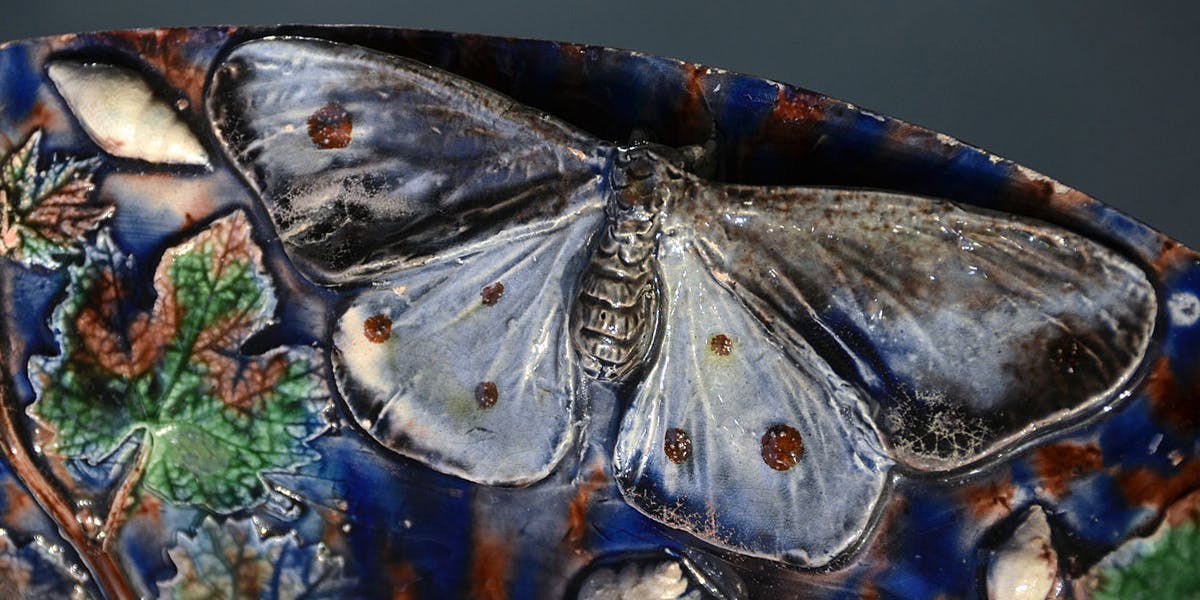
Bernard Palissy was born in southwest France in 1510, where he trained as a glass painter. Before he was 20 years old, he left his homeland and went on a journey through Europe. He then settled in Saintes near La Rochelle and founded his own workshop. Due to his growing success, he later went to Paris.
Related: 5 Things You Didn't Know About Ceramics
As a typical man of the Renaissance, Palissy explored many different topics, including chemistry, geology and alchemy.
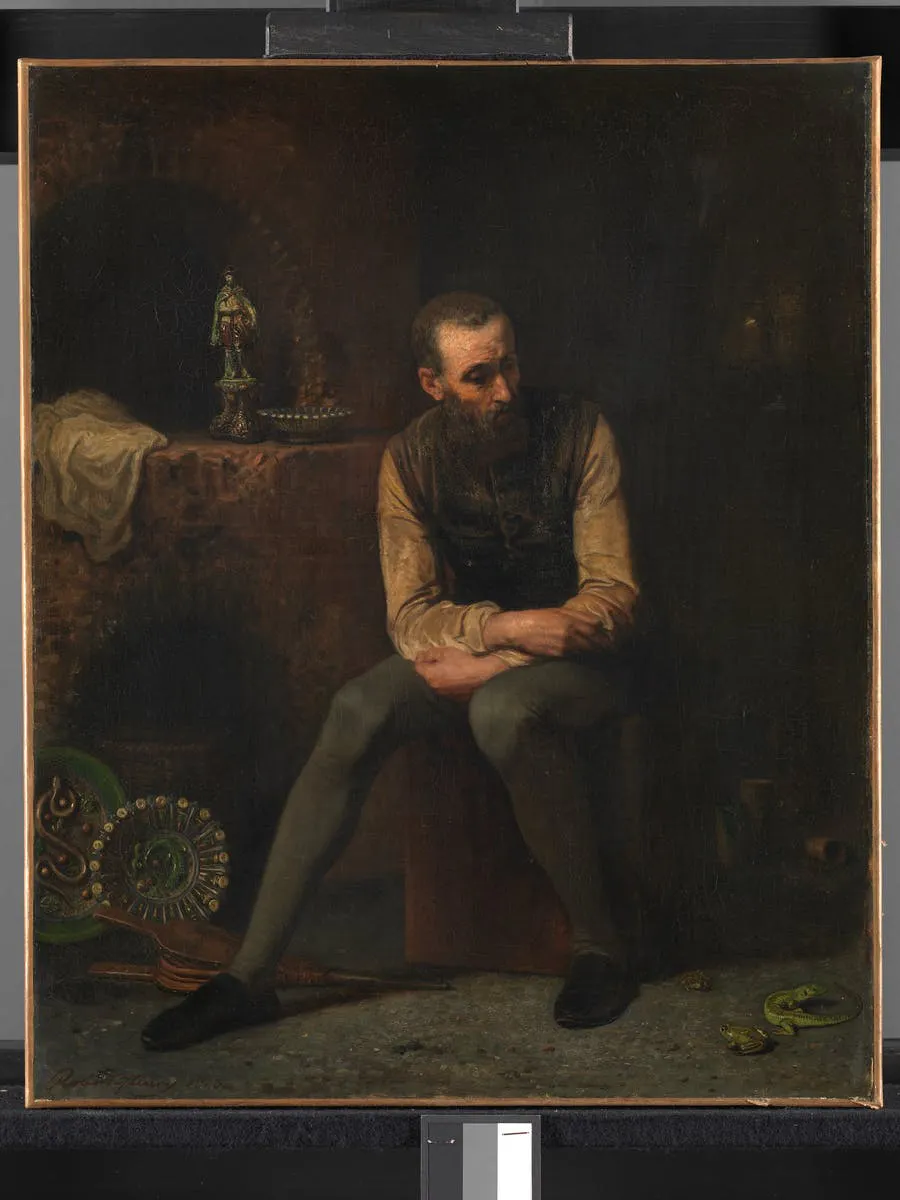
Ceramics became his favorite field around 1540, when he saw a cup of Italian origin made of white clay. Gripped by curiosity, Palissy experimented and instead of just copying the material, invented his own type of pottery, which became the basis of his exceptional plates and dishes.
Related: Picasso's Hidden Talent
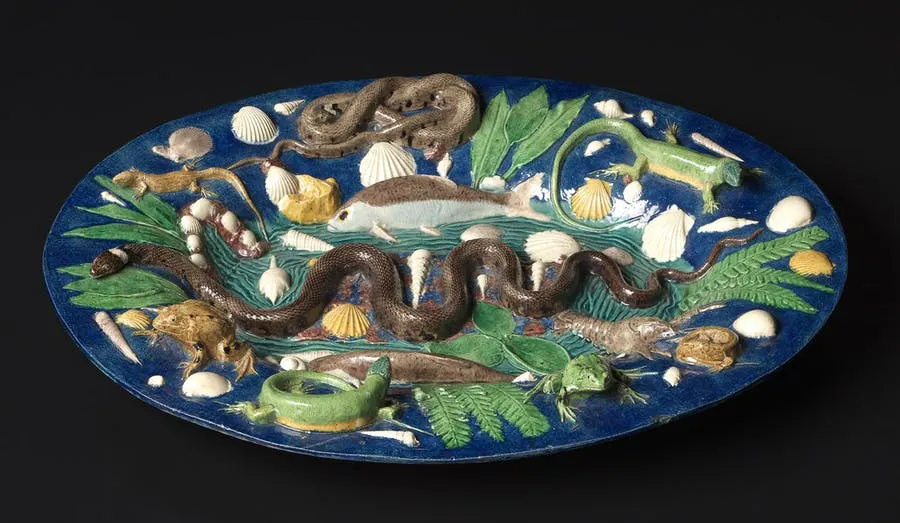
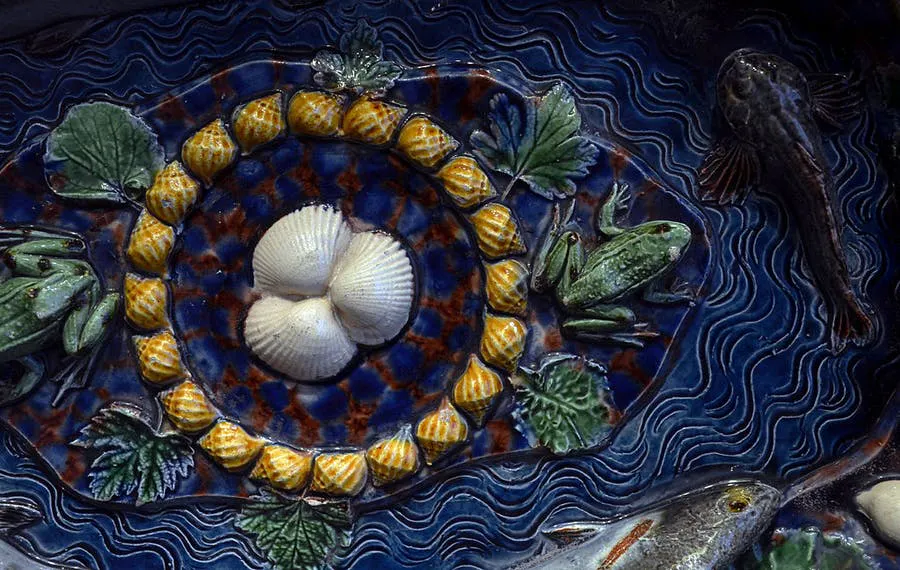
Bernard Palissy's best-known works are the plates on which he vividly depicted lakes and ponds, including flora and fauna. For the three-dimensional representation of the flora and fauna, Palissy went into nature. He caught snakes, lizards, frogs and insects and kept them alive in jars in his workshop.
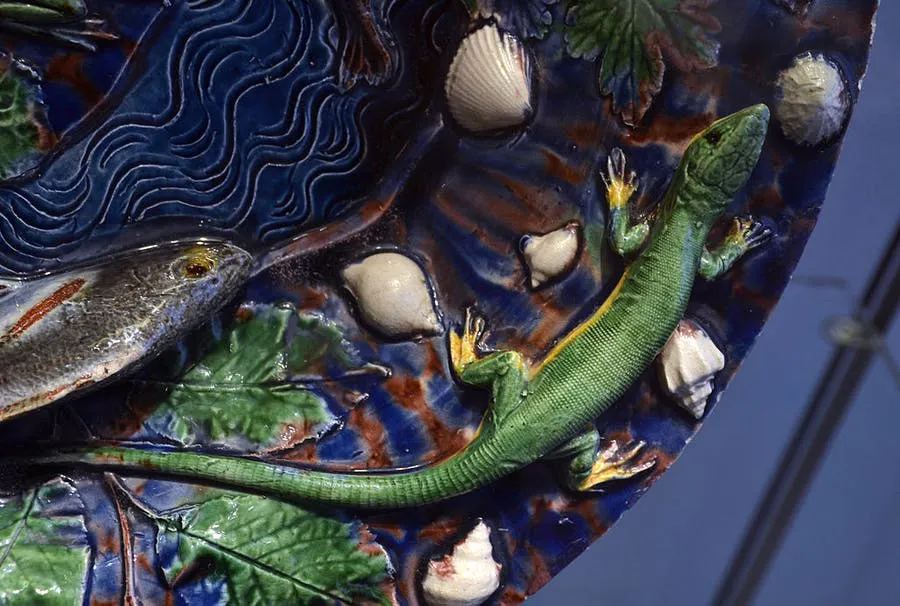
If he needed one of the creatures for his work, he first dipped it in vinegar or urine to kill it. After that, he rubbed it with a fatty substance. Then the real work began. Palissy then covered the animal with clay and made a lifelike model. After it hardened, he removed the animal and filled the cavity with clay. The figures were then arranged on a plate or a plate and painted in such a way that they resulted in a kind of diorama that looked like a pond. Finally, a glossy glaze was used to enhance the water effect.
Related: Homes & Antiques Antique Ceramics Guide
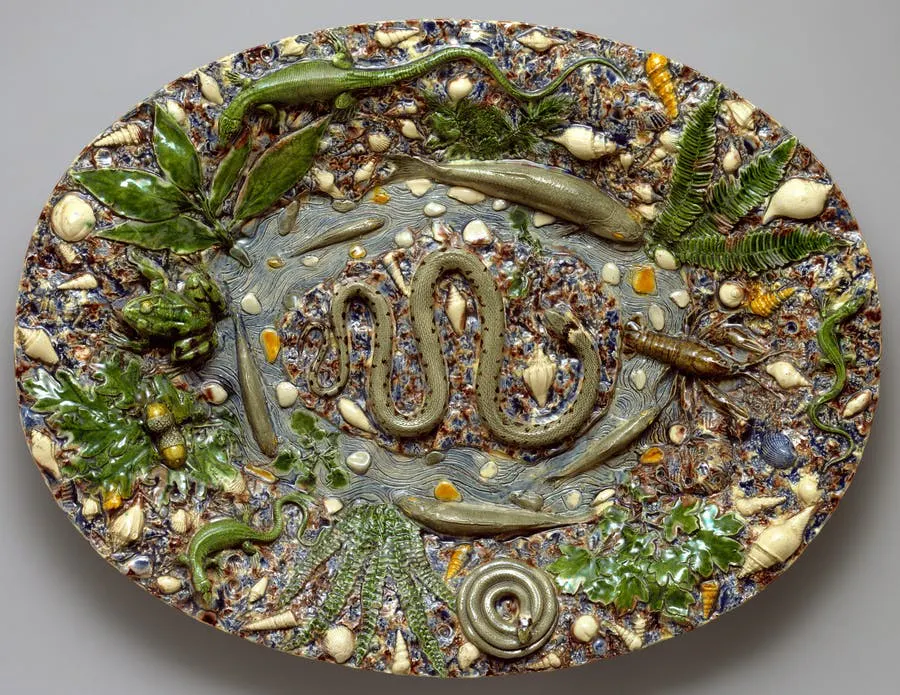
The platters and plates, which were used more for decoration than for the presentation of food, soon had fans in the highest circles. One of his clients was the French Queen Catherine de Medici, for whom he created a grotto in the gardens of the Tuileries Palace in Paris.
Related: Kintsugi: The Beauty of ‘Golden Scars’
However, even his royal clients could not save him from his unfortunate fate. Palissy died in 1589 or 1590 in the Bastille, where he had been locked up by the Catholic government because of his Protestant beliefs.
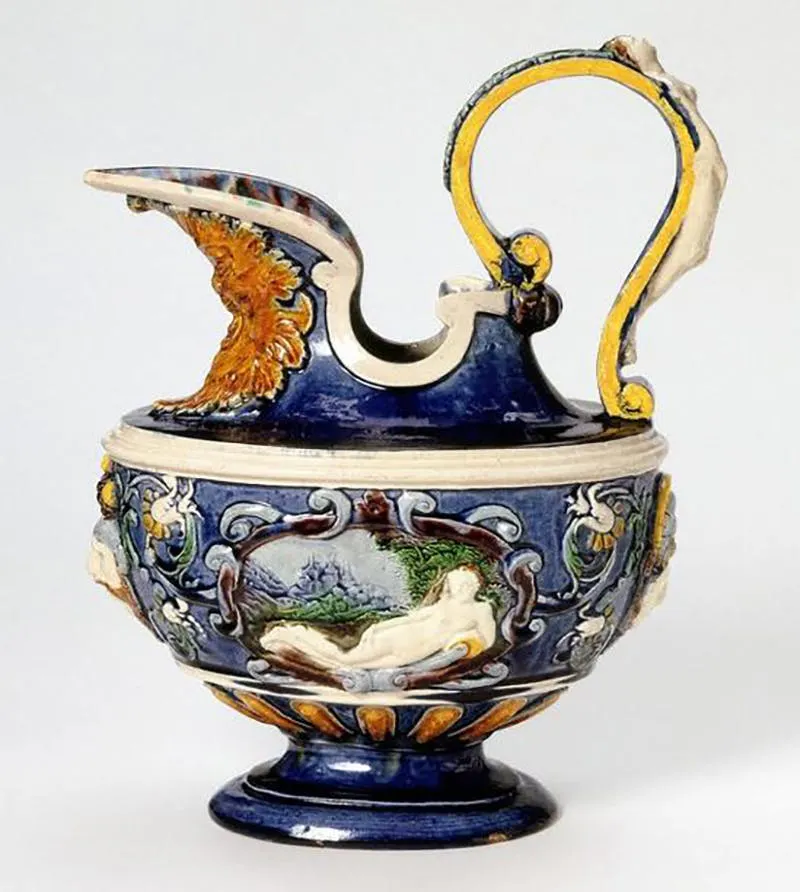
Although his methods may now appear dubious and cruel, Bernard Palissy bears witness, like many other artists of his time, to the spirit of invention and innovation that prevailed during the Renaissance. It is this same spirit that began, five centuries ago, to weaken the boundaries between disciplines and to open the way to unlimited means of expression.
Related: Staffordshire Pottery: Britain's Ceramic Center
Today, Palissy ware, as it is known, is sought after on the auction market, even works that are simply copies of the original artist's. An English delft dish decorated in the 'rustic' style of Bernard Palissy from the mid-17th century sold for $74,500 at Christie's in 2011, three times its original estimate.