
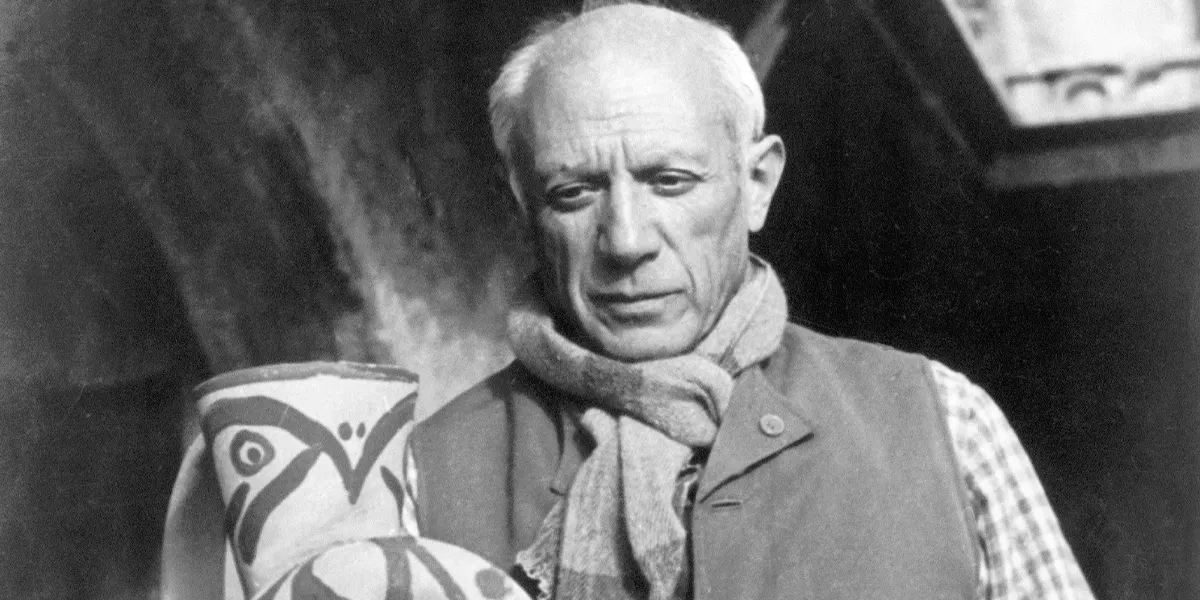
The name Pablo Picasso (1881-1973) is practically synonymous with painting, but he was actually a prolific ceramicist, creating hundreds of pieces of pottery in his lifetime.
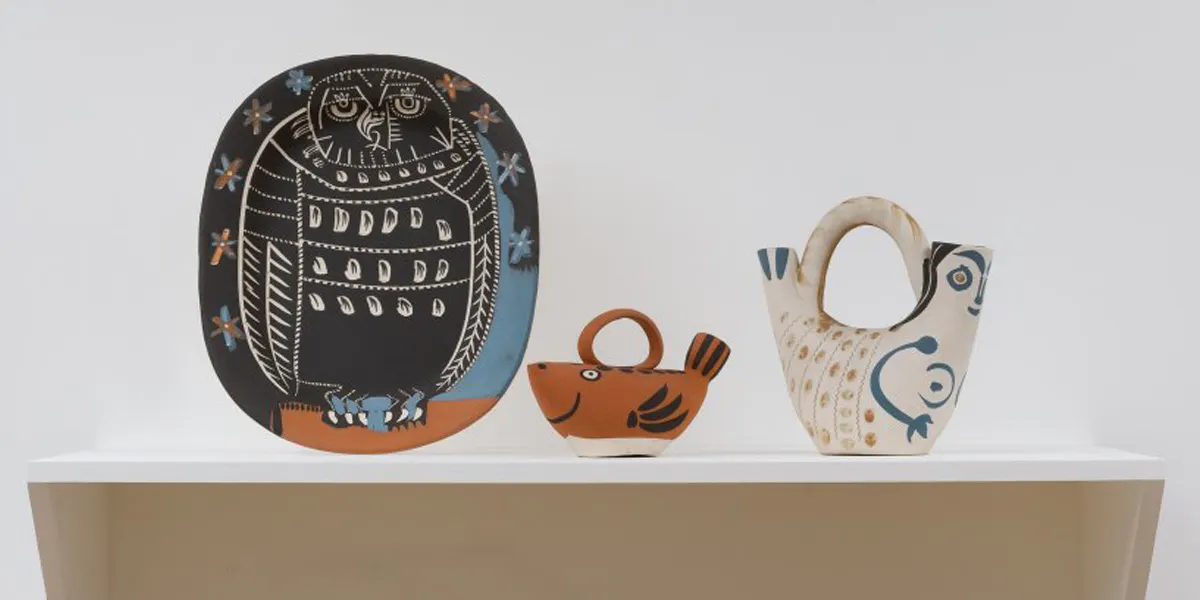
This passion began during a 1946 visit to Vallauris in southern France, during the annual pottery exhibition. There, he met an artisan couple, Suzanne and Georges Ramié, who owned the Madoura ceramic factory, and they introduced him to the art form and allowed him to make his first ceramics in their workshop.
Related: Lucie Rie: Art of the Tea Ceremony
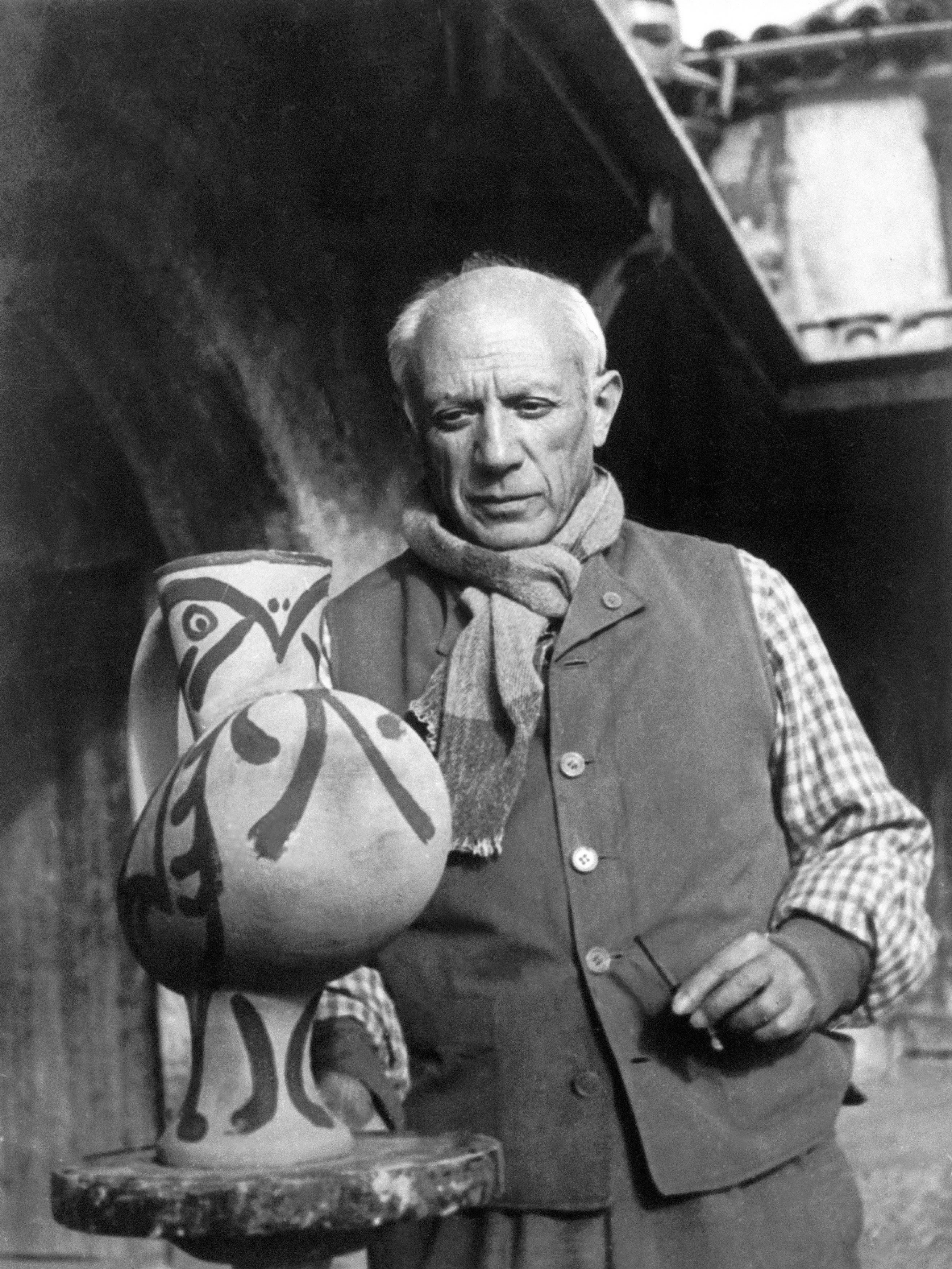
Exploring the new textures, materials and colors inspired Picasso, who was surprised by the plasticity of the clay and the rigorous cooking process. The gloss of the varnishes and the bright colors of the enamel offered new perspectives to his artistic sensibilities, and he began to create plates, bowls and vases.
Related: On and Off the Canvas: Art's Most Famous Muses
Picasso lived in Vallauris from 1948 until 1955, and there he met his second wife, Jacqueline Roque. He often depicted her face in his ceramics works, but also decorated his pieces with abstracted animal faces and forms, fauns and bullfighters that revealed his Cubist style. Having produced innumerable pieces at Madoura together with Suzanne Ramié, Picasso became the factory's exclusive artist, a title that was formalized with a contract in 1967.
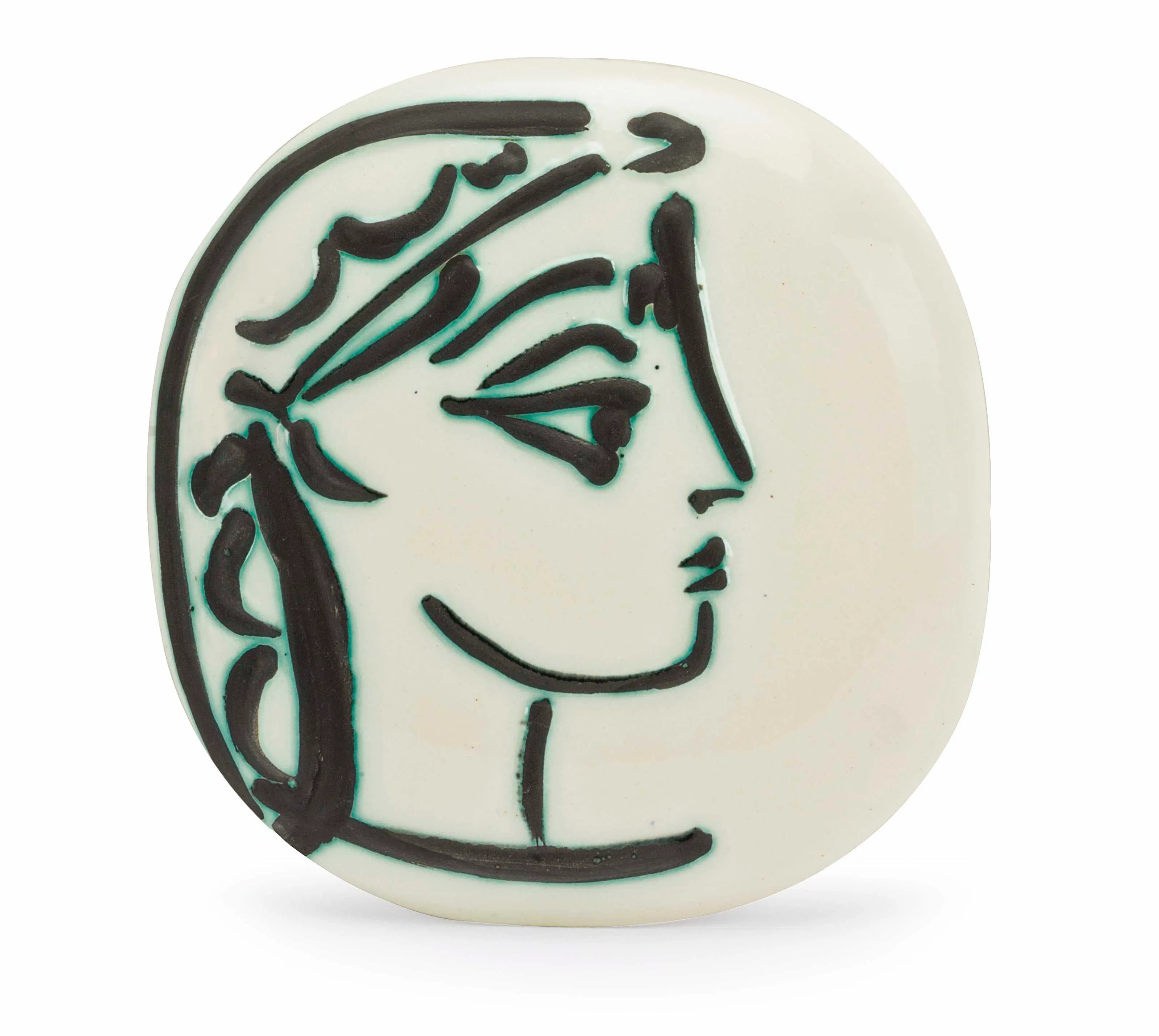
Adhering to Picasso's will, some of his ceramic pieces were reissued, ranging from 25 to 500 copies per series. Picasso chose them carefully, with the help of the Ramiés, and entrusted the exclusive distribution of the works to Madoura.
If ceramics are considered primarily household wares, under Picasso's vision they are transformed into a modern art form, where the utilitarian function occupies second place in favor of decorative and aesthetic value. Nevertheless, Picasso did want his ceramics to be used, telling French writer André Malraux: "I made dishes so we can eat on them".
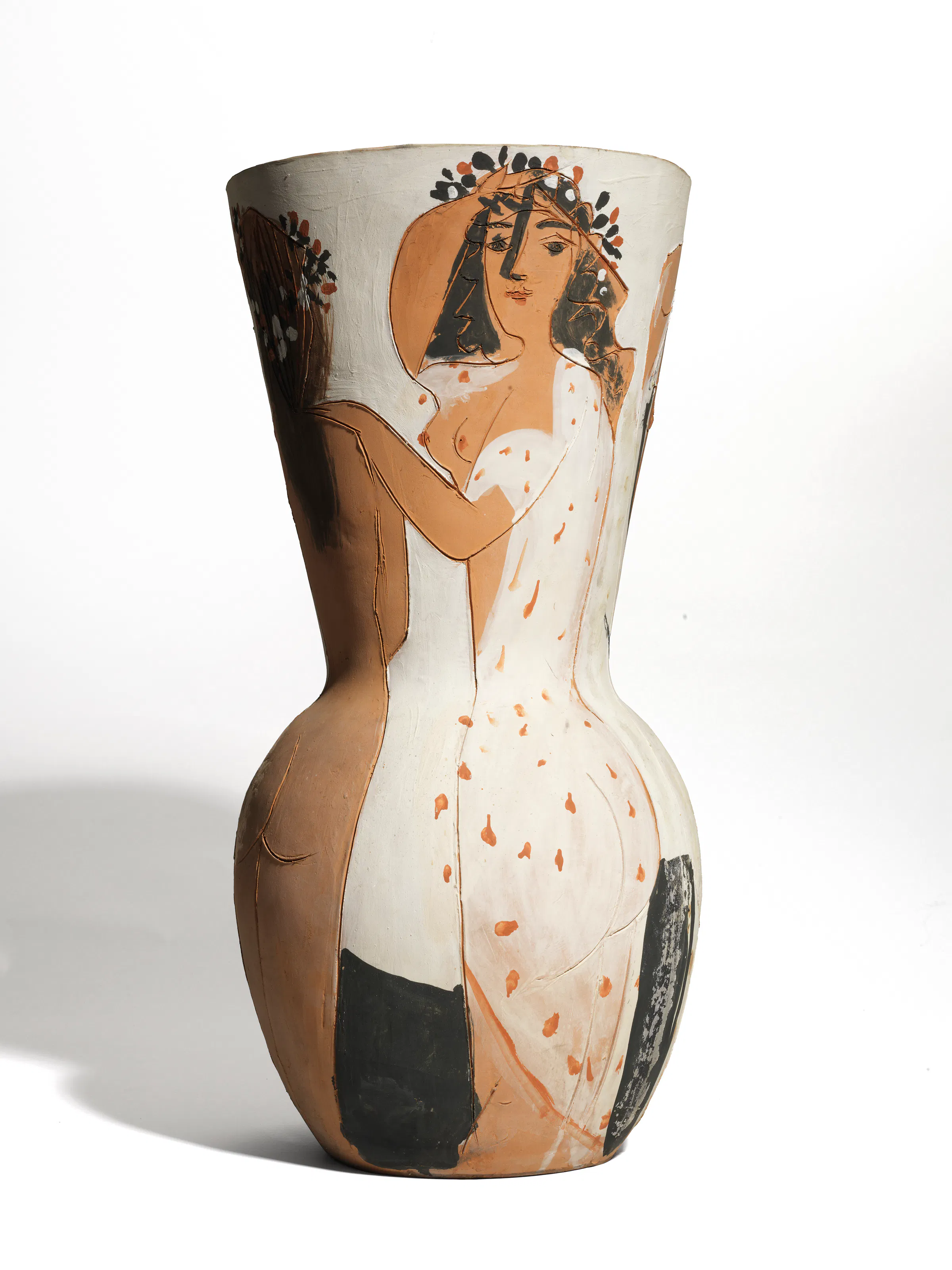
Today, many of Picasso's ceramics can be found at auction, often fetching six figure prices. The record for one of his ceramics is Grand vase aux femmes voilées, which sold for $1.49 million at Christie's in 2013.