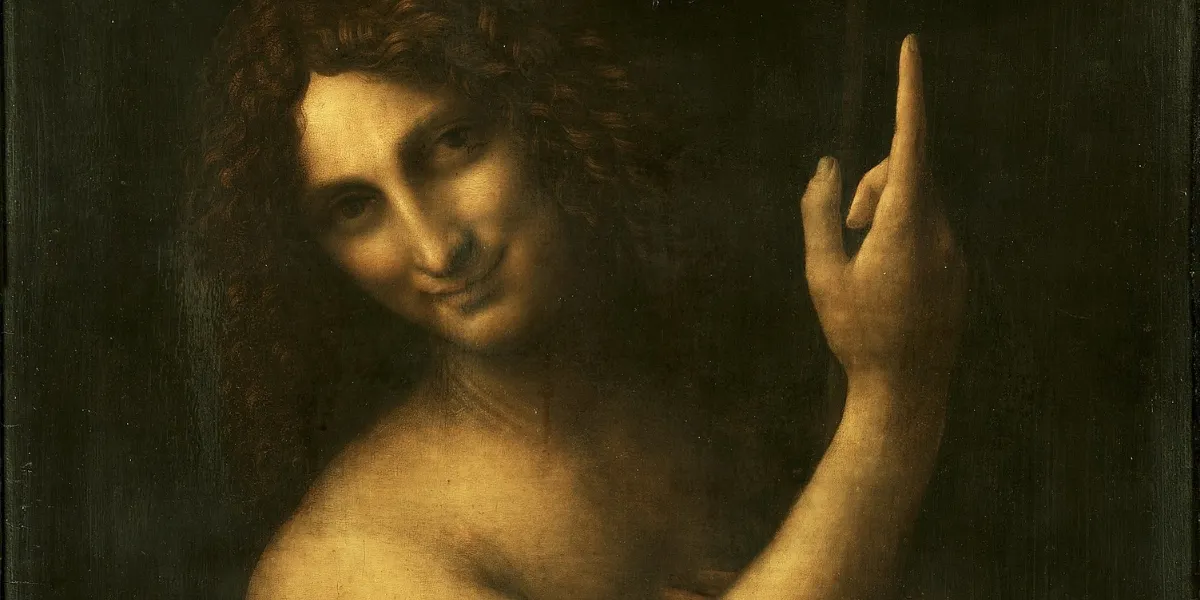
Looking back on art history, one can observe that often the subjects portrayed have rather serious expressions and hardly ever smile. One might think one of the reasons our ancestors avoided smiling was not to show and immortalize their bad teeth in a portrait. However, poor dental hygiene was so common in the past that it wasn't a consideration, as it might be today.
In fact, the reasons for the absence of a smile in some paintings by famous artists can be traced rather to practical issues, as well as socio-cultural ones.
While everyone smiles for the click of a camera today, imagine having to pose for hours and hours with a smile in front of a painter for a portrait. Furthermore, the intent of a portrait was to immortalize an individual, who was often in a position of wealth and power, with a serious expression.
Related: An Artistic Walk in the Footsteps of Bacchus
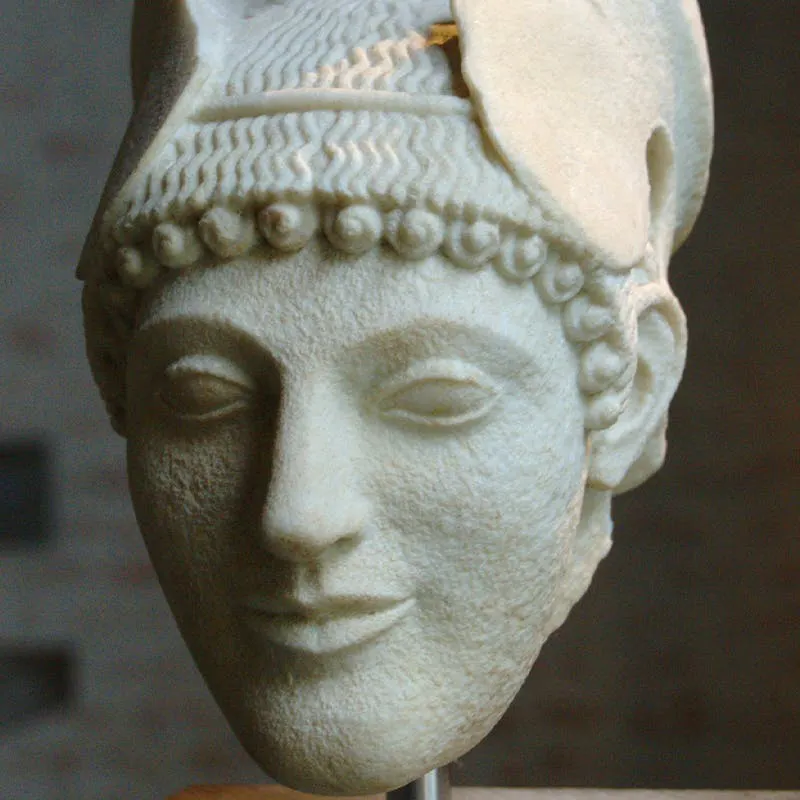
Until the advent of Christianity, art had not necessarily disdained the representation of smiles. In Greek art we find statues of people depicted with what was called an "archaic smile" - in which the faces have their lips curved up - while the austerity of the busts of Roman emperors is sometimes crossed by a slight smile. The Catholic religion also influenced facial expression in art. In the Middle Ages, smiles were viewed with a certain suspicion because it meant laughter which was considered malicious.
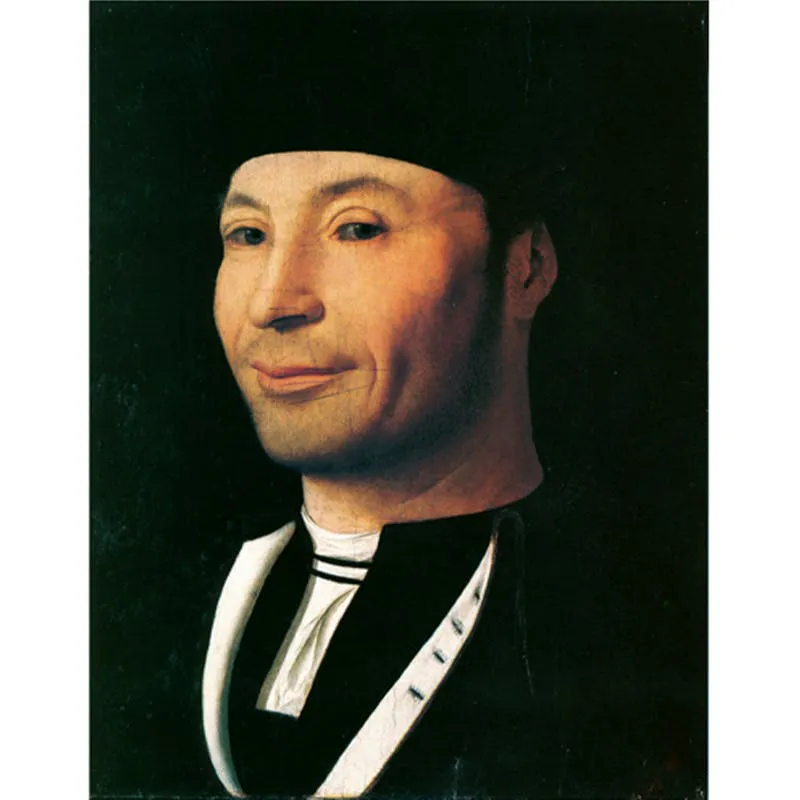
The association between smiling and evil, or with people of dubious morality or of low social standing, remained in vogue for a long time, with some exceptions. Early Renaissance artist Antonello da Messina portrayed smiling characters full of vitality, such as in the work Portrait of an unknown. The closed mouth smile and almost winking eyes indicate a jovial, knowing expression, very different from other portraits of the time.
Related: Mona Lisa: Art History's Ultimate Muse
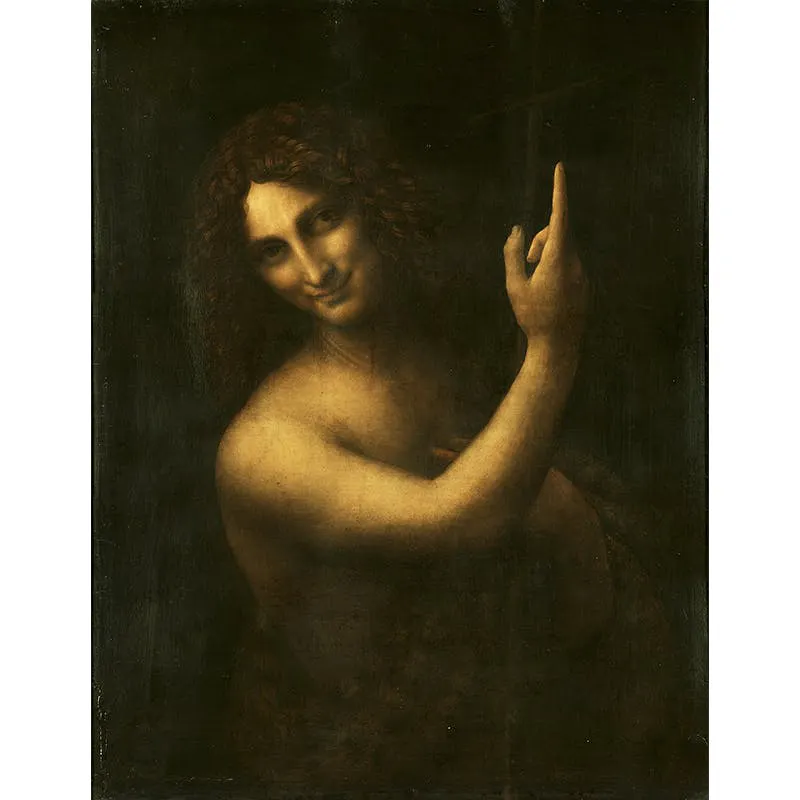
A few years later, Leonardo da Vinci created the Mona Lisa, whose mysterious smile has fascinated the world for centuries, and St. John the Baptist, who features an equally enigmatic smile - almost a grin - bearing resemblance to the expression of the Mona Lisa.
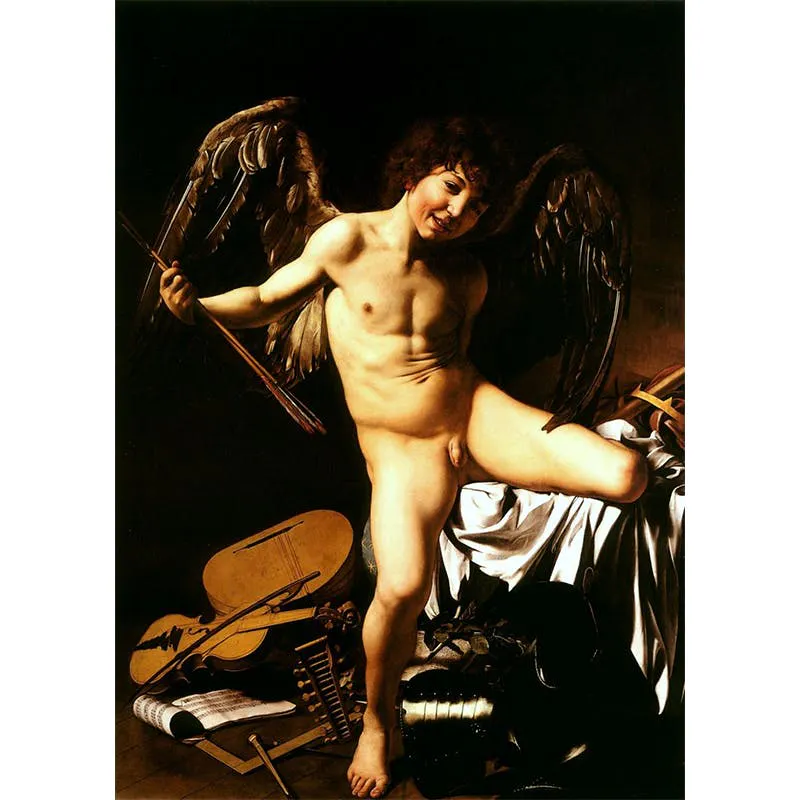
In Italy, Caravaggio, who loved to scandalize, painted the work Amor Vincit Omnia, in which Eros's smile is so mischievous that it was interpreted at the time as a celebration of homosexual passion.
Related: 5 Famous Ladies in Red
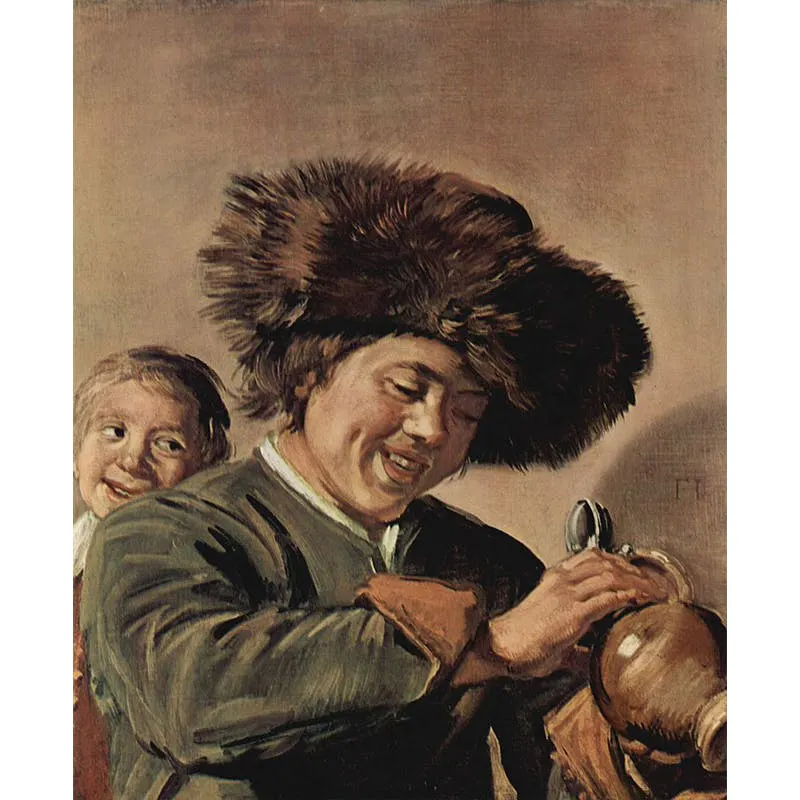
However, the first artistic era to take up the smiling theme whole-heartedly was the Dutch Golden Age. Artists of this period loved to portray the vitality and spontaneity of everyday life and tried to capture it above all in the smile. Artists such as Gerrit van Honthorst, Frans Hals, Judith Leyster and Jan Steen paid homage to conviviality, painting their subjects in rather libertine poses, so much so that in the Dutch era it became synonymous with licentiousness. This inclusive art movement celebrated life in all its aspects, marking the end of a rigid Calvinist regime.
Related: A Frans Hals Painting Stolen for the Third Time
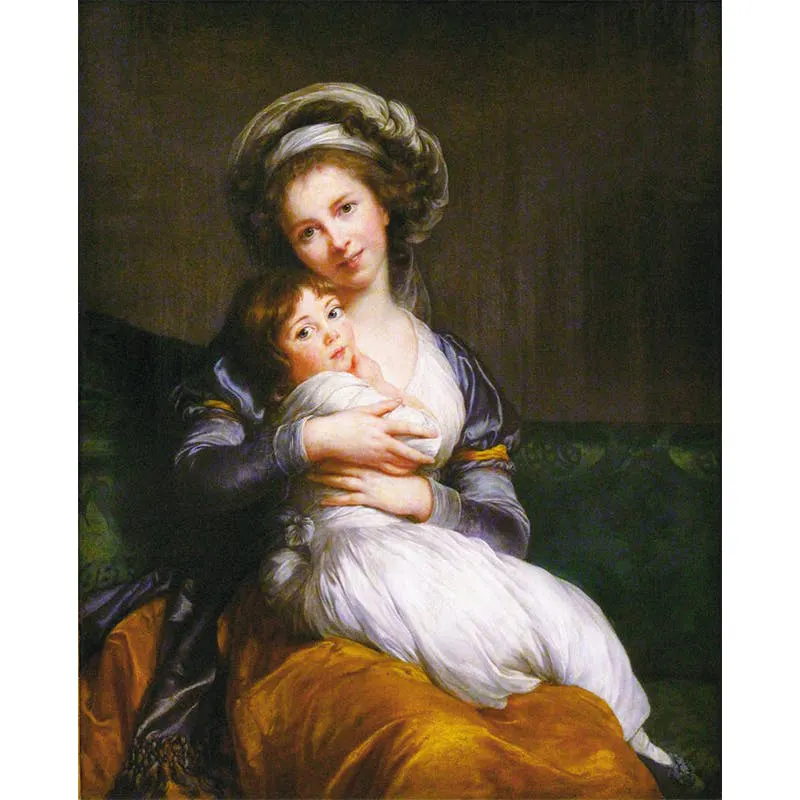
Another striking example of how much the representation of the smile was not celebrated in the past is a painting by French artist Élisabeth Vigée Le Brun. Known for her portraiture and in particular for the royal elegance with which she painted her subjects, the painter was acclaimed by her contemporaries, but was criticized when she exhibited a self-portrait with her daughter Julie at the Paris Salon in 1787. The work was judged negatively because the artist showed her teeth while smiling, which was considered not very decent at the time.
Related: The Art of Motherhood
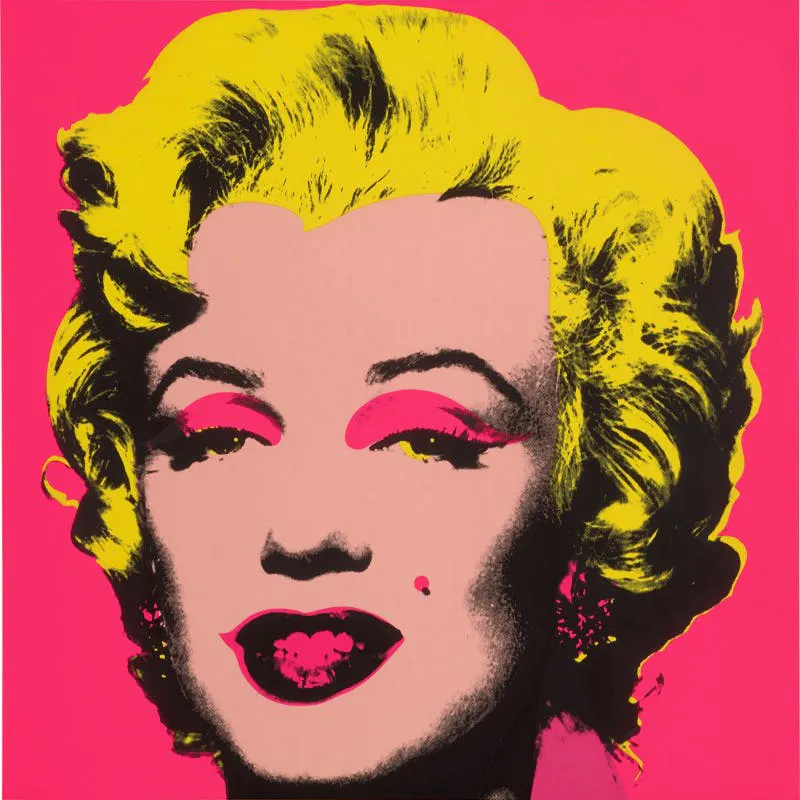
Therefore, the smile in art has long been associated with negative connotations, such as malice, drunkenness, poverty and easy morals. In more recent times, Andy Warhol, known for his passion for lips, gave the smile a completely new status, reproducing it in series as in the serigraphs dedicated to Marilyn Monroe. In the second half of the 20th century, the smile has become a repeated pattern, as also seen in the works of the artist Yue Minjun, an exponent of Chinese Cynical Realism.
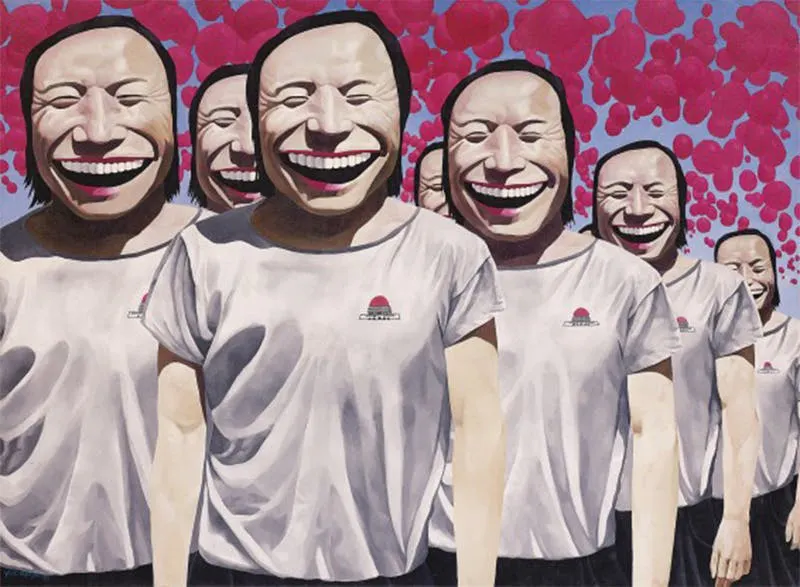
In his works, the smile takes on the appearance of a silly and exaggerated laugh, a sarcastic response to the surrounding spiritual emptiness. The mouths, unnaturally wide, seem to flaunt an exasperated cheerfulness in an attempt to conceal a nonexistent happiness, and end up resembling tragic masks.
While many meanings have been attached to the smile throughout art history, the simple expression of joy has never quite gone out of style.