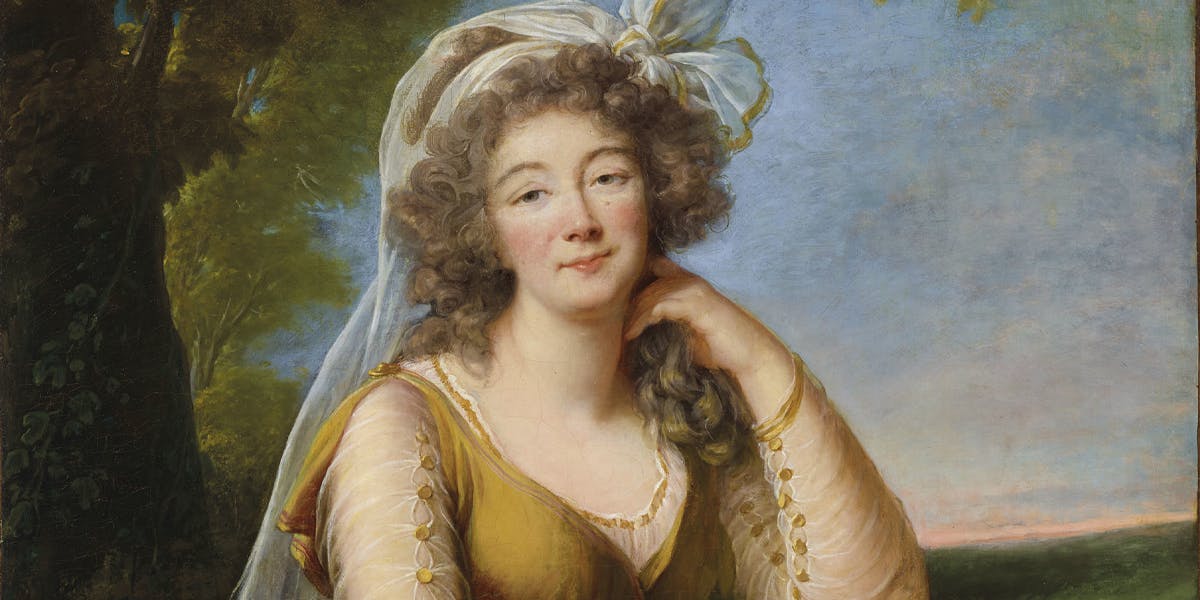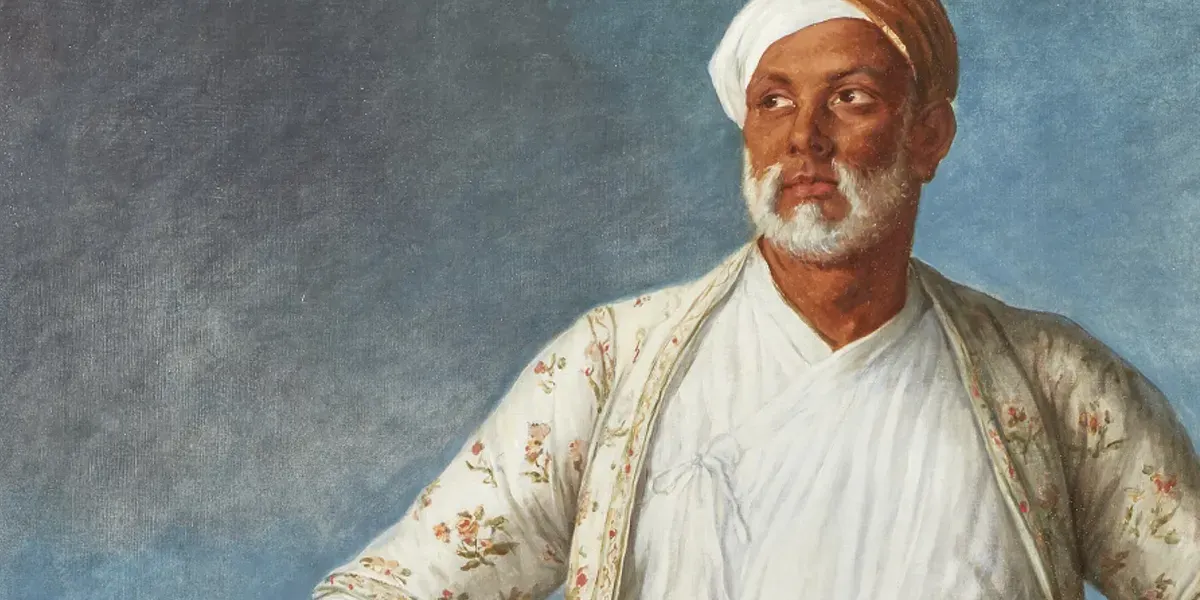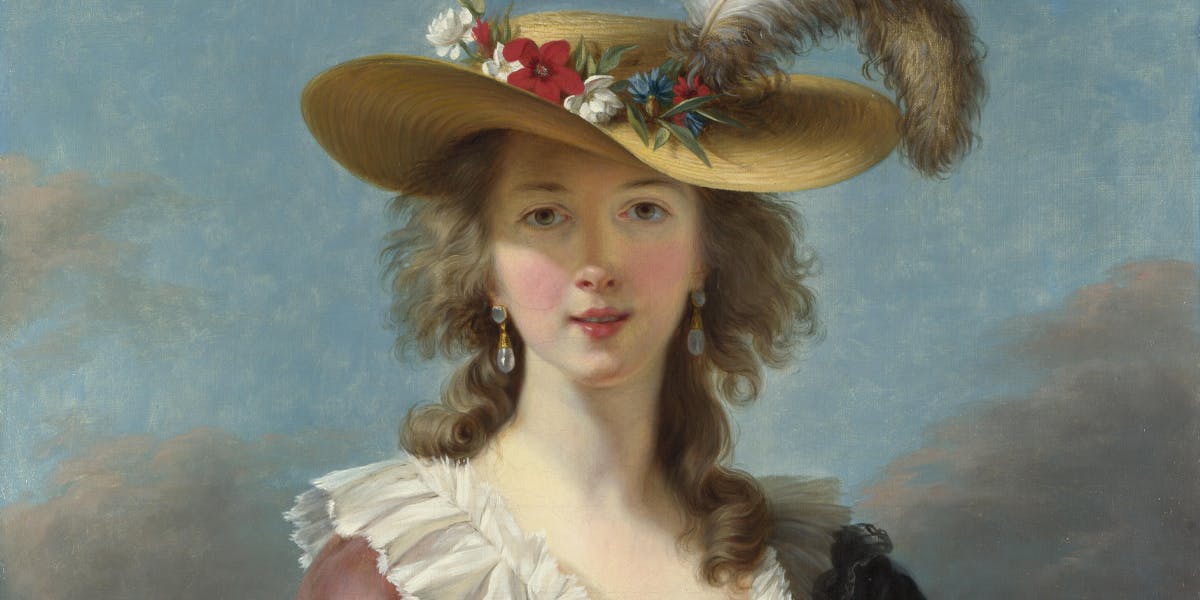
With the $7.18-million-sale of Portrait of Muhammad Dervish Khan at Sotheby's on January 30, 2019, Élisabeth Vigée Le Brun became the most expensive female Old Master. The French Rococo artist was celebrated during her lifetime and beyond for her elegant portraiture that imbued her subjects with a regal gentility that reflected quiet dignity and humanism.
Born in 1755 in Paris, Élisabeth was the daughter of Louis, a portraitist, and Jeanne Vigée. Her father imparted his expertise to his young daughter, who showed an early talent in painting. By the age of 19, she was accepted as a member of the Academie de Saint-Luc, a Parisian painters guild. Two years later, she married Jean-Baptiste-Pierre Le Brun, who was related to Charles Le Brun, the foremost court painter under Louis XIV. Jean-Baptiste-Pierre was a member of Parisian art circles as a painter and dealer himself, and their home became a sort of gallery where Élisabeth would display her works.
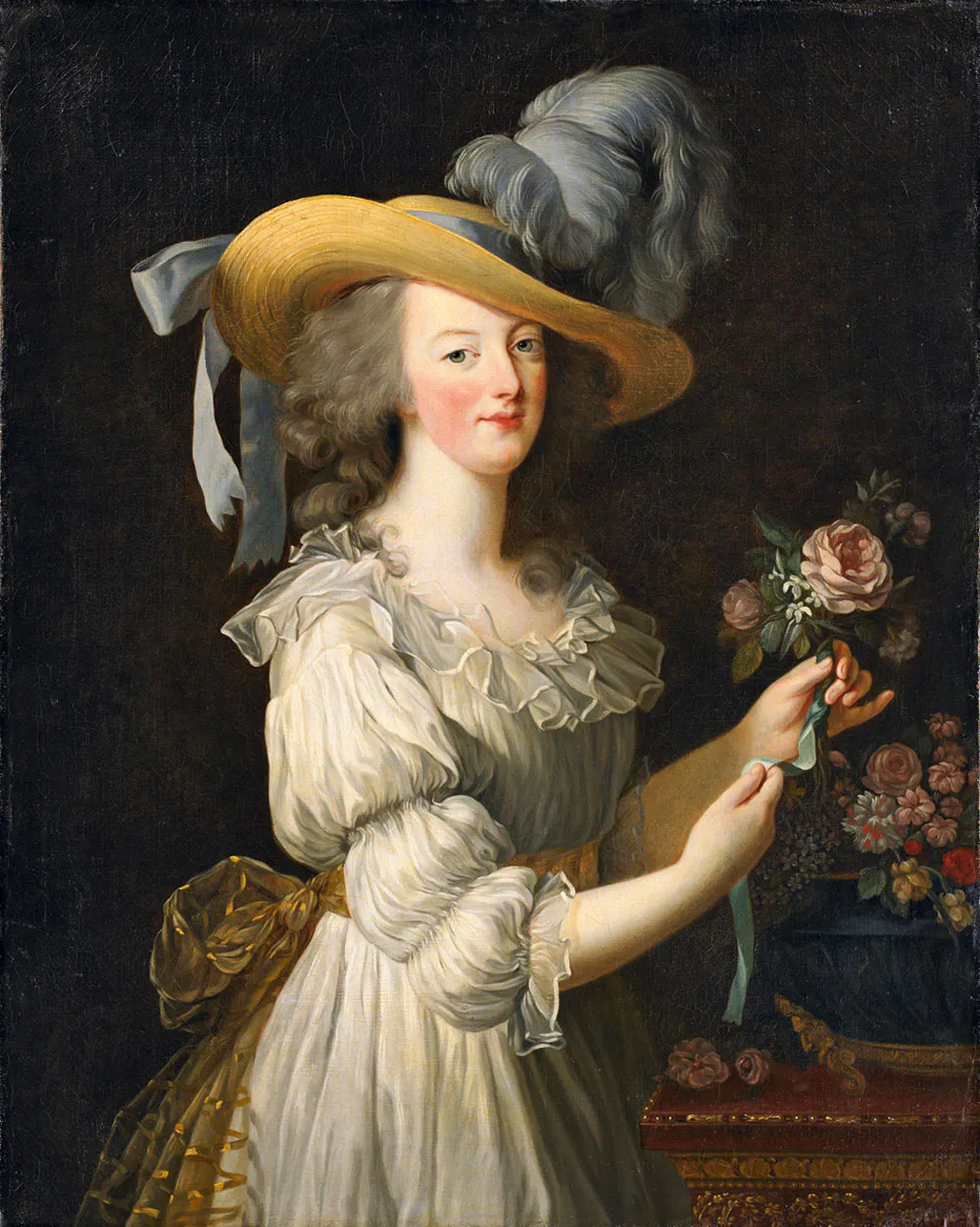
She had her great breakthrough as a portrait painter in 1778 when she was called to Versailles to do a state portrait of Queen Marie Antoinette. Marie Antoinette was very satisfied and made many more orders to follow. In addition, the two women, who were the same age, soon became friends. They were so sympathetic that Marie Antoinette once insisted on picking up all the brushes that had fallen off the painter, who, in 1780, was pregnant.
Related: The 15 Most Expensive Female Artists
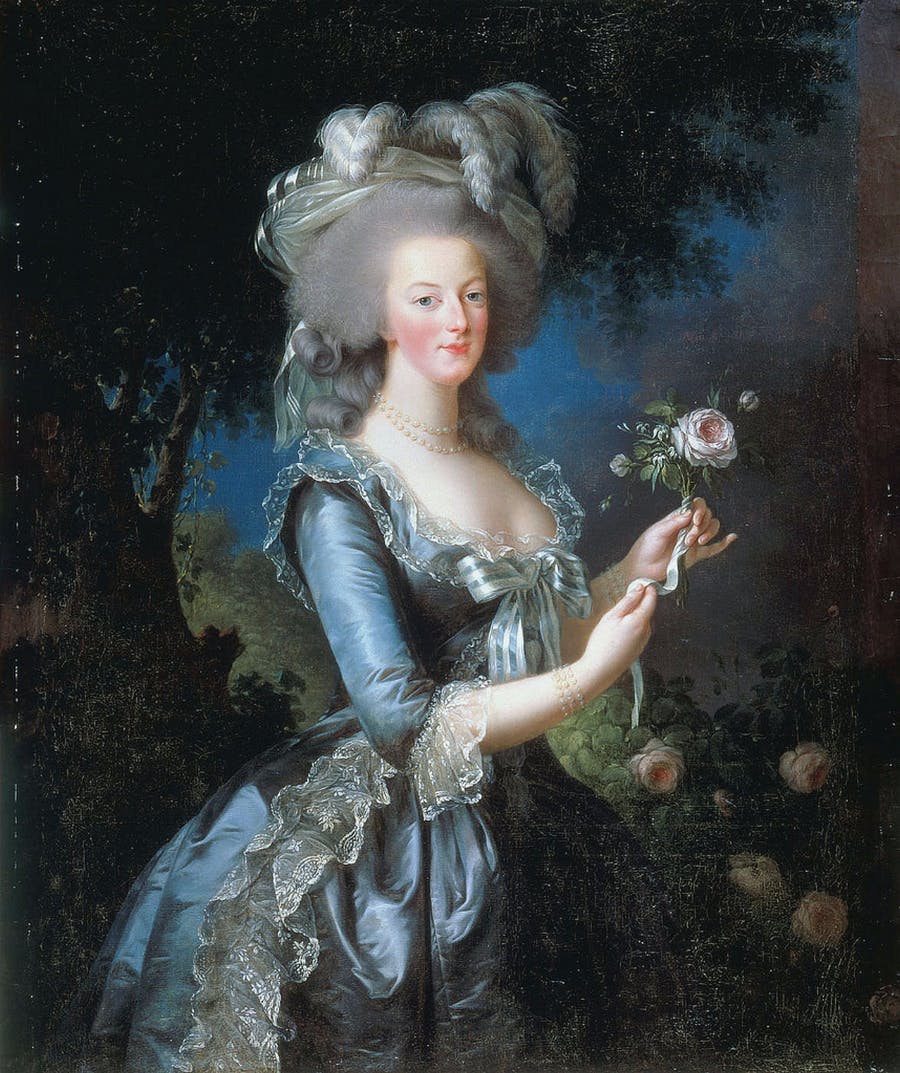
The friendship also survived the scandal caused by a portrait of the Queen, which was exhibited in the Paris Salon in 1783. Fashion-conscious as she was, Marie Antoinette had herself painted in the 'hottest outfit' of the season, a simple muslin dress with a straw hat. The visitors to the salon were so outraged that the intimate picture had to be removed from the exhibition. To calm minds, another portrait was made that showed the queen in the same pose, but in a more fitting dress against a lavish background.
Related: The Art of Motherhood
Also in 1783, Vigée Le Brun was accepted into the Académie Royale de Peinture et de Sculpture. This was, however, only thanks to the influence of Marie Antoinette, as the institution, naturally run by men, actually didn't want to know anything about her.
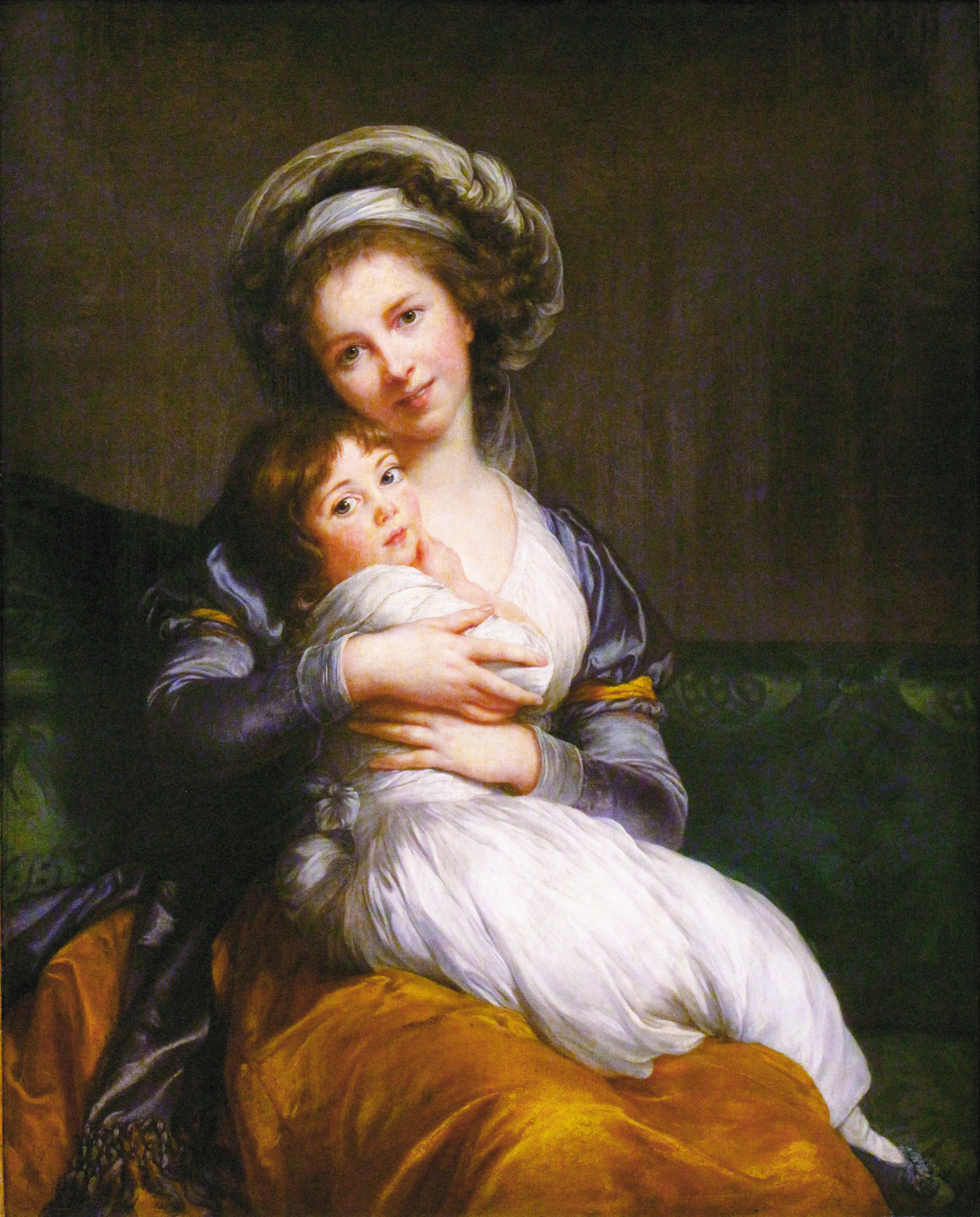
In 1787, another work by Vigée Le Brun caused a scandal in the Paris Salon, although the subject seems significantly more than harmless: a self-portrait that shows the painter together with her six-year-old daughter Julie. But Vigée Le Brun not only showed her child, but also her own teeth and lips, which were parted from smiling – a violation of etiquette at the time. But scandals or not, Vigée Le Brun remained popular with her customers and exhibited a total of nine times in the salon.
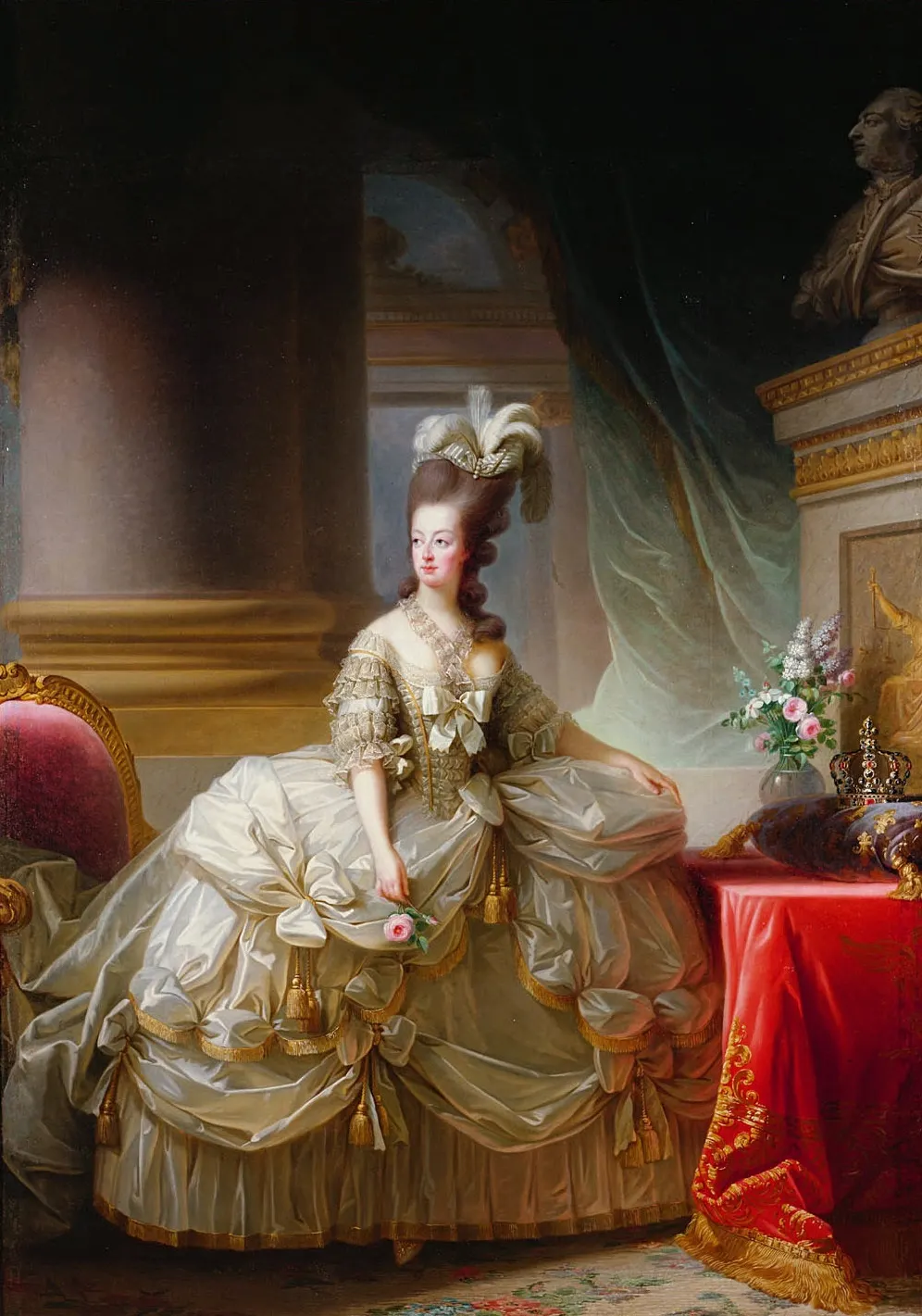
With the dawn of the Revolution, French female intellectuals were disparaged, and by 1789, with the incarceration of the royal family, Vigée Le Brun decided to escape France because of her potentially endangering association with Versailles.
For the next twelve years, Vigée Le Brun travelled throughout Europe with her daughter Julie, spending significant time in Italy, Austria, England and Russia. Her reputation preceded her because of her relationship with Marie Antoinette and she was warmly welcomed into royal courts from which commissions streamed. During this time, her work verged from the style of Rococo into Neoclassicism and she often used her famous, and royal, subjects as models for classical Greek and Roman figures, depicting young princesses, baronesses and empresses as their mythological equivalents: Ariadne (goddess of Crete), Iris (goddess of the rainbow), Hebe (goddess of youth) and Flora (goddess of plants and flowers).
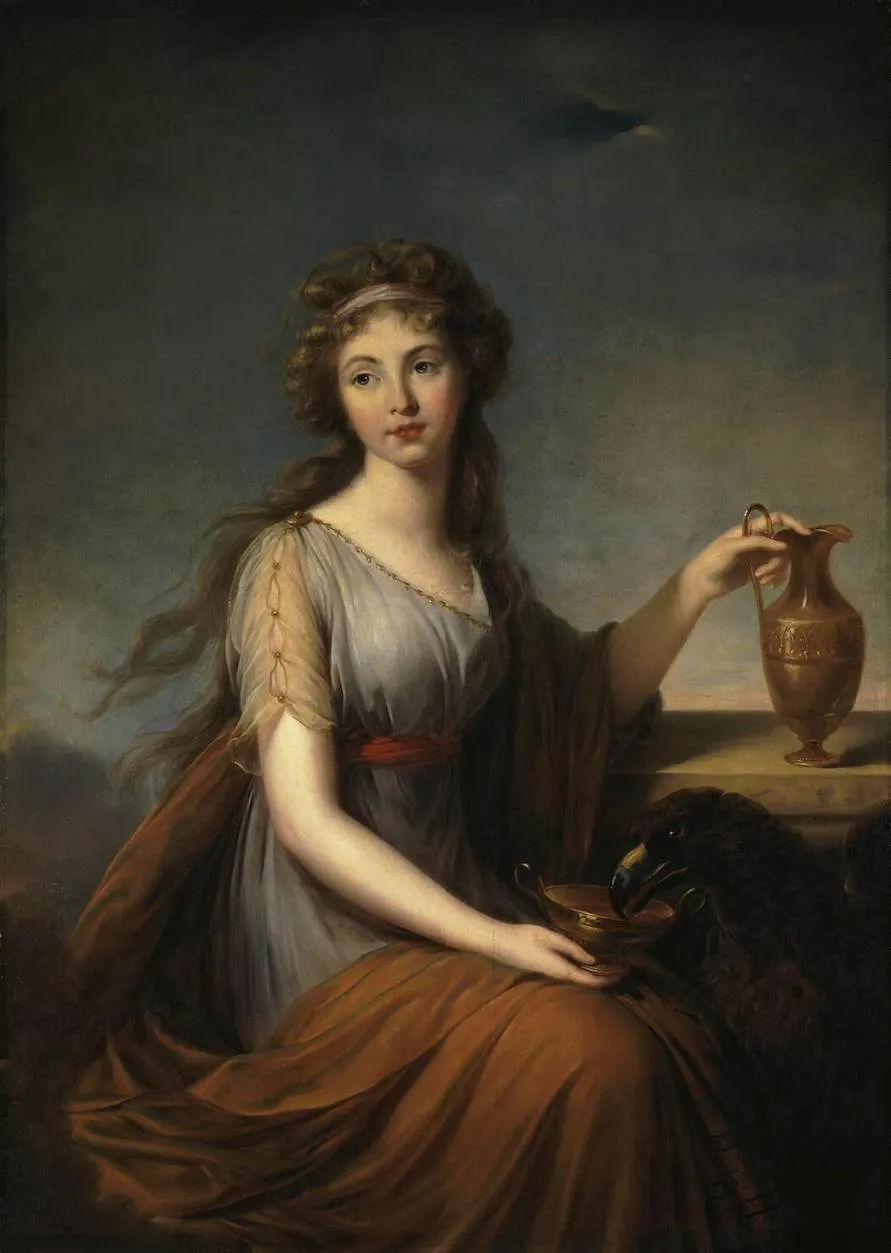
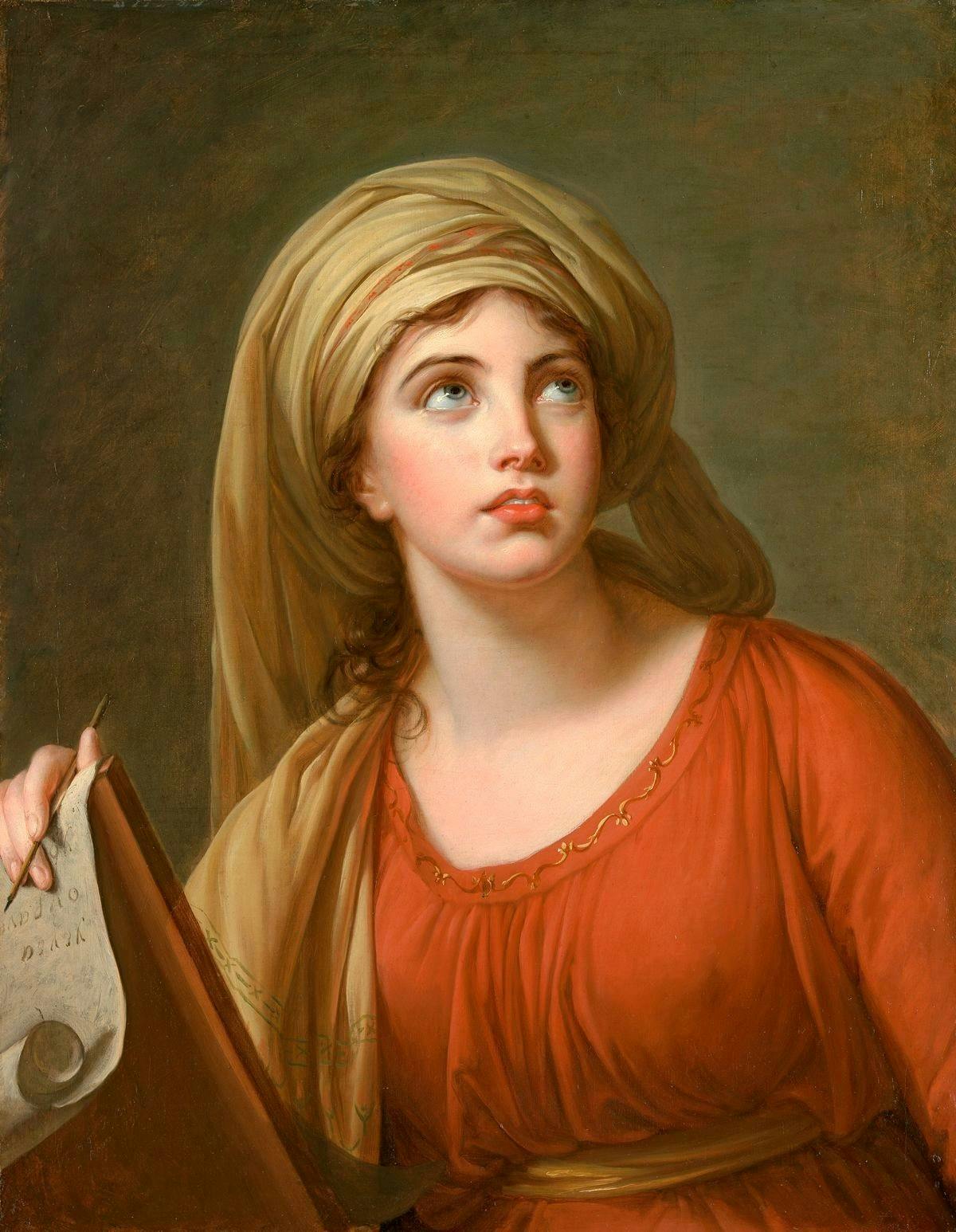
Her favorite painting of hers was Head of Emma Hamilton as Cumaean Sibyl. The youthful and dewy Lady Hamilton, draped in a crimson dress and her hair wrapped in a billowy turban, was notorious as the mistress of Lord Nelson, a leading British Naval officer in the Napoleonic Wars. She was the model for the Cumaean Sibyl, the beautiful and powerful Roman prophetess canonized in Vergil's Aeneid.
Related: Five Facts About Royal Mistress Madame du Barry
She returned to Paris in live in 1802, but still traveled to courts across Europe, particularly to London and Switzerland, and enjoyed continued success. Vigée Le Brun published extensive memoirs in her early eighties and died at the age of 86 in 1842. In the 21st century, her work has undergone a significant revival of recognition, with retrospectives at the Grand Palais in Paris (2015-16) and the Met in New York (2016).
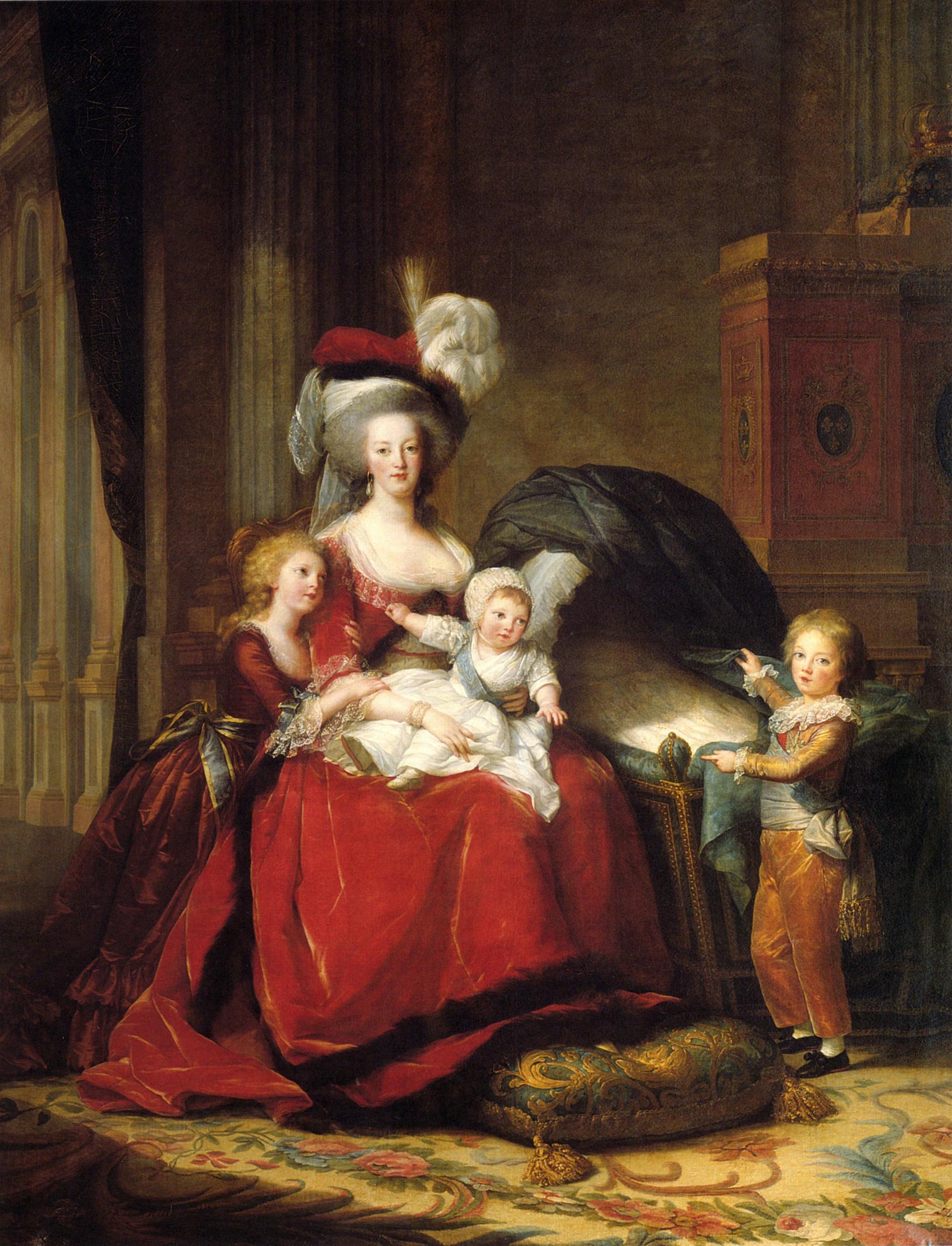
Today, her corpus of work, which includes over 850 portraits and landscapes, hangs in the world's top museums, including the Louvre, the National Gallery in DC, the Hermitage in St. Petersburg and the Met in New York.
Related: History’s Best Wedding Dresses
The spotlight returned to Vigée Le Brun in 2019 in a major way with the sale of her large-scale portrait of Muhammad Dervish Khan, an Indian ambassador who visited Paris in 1788 to request French support against the British in India. This visit marked an important moment in world history: as France feared for its own revolution and could not provide support for India; the country succumbed to British rule in the mid 1800s until its liberation in 1947.
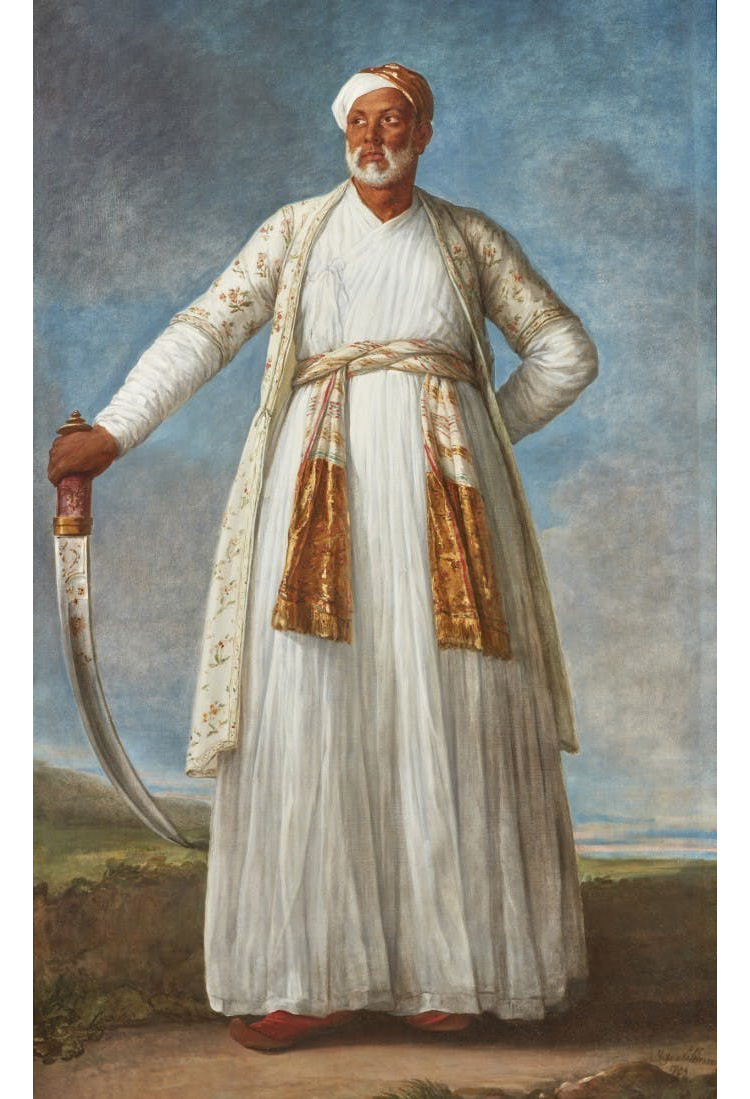
With the record-breaking $7.18 million price tag, the sale established Vigée Le Brun's legacy as an incredibly skilled artist whose deft, perceptive style of capturing beauty, grace and authority, in correlation with Neoclassical ideals, provided her independence and success in a field that was limiting for women.