Since ancient times, art has been filled with works that have wine as their protagonist, or has otherwise portrayed people in the act of drinking, so much so that it is a difficult task to select only a limited number of paintings in this theme. Since art is subject to the limits of opinions, we have decided to compile this list by choosing different works, in terms of historical period and pictorial style, starting from the immense Caravaggio and working chronologically up to the present day.
Caravaggio, Bacchus, 1596
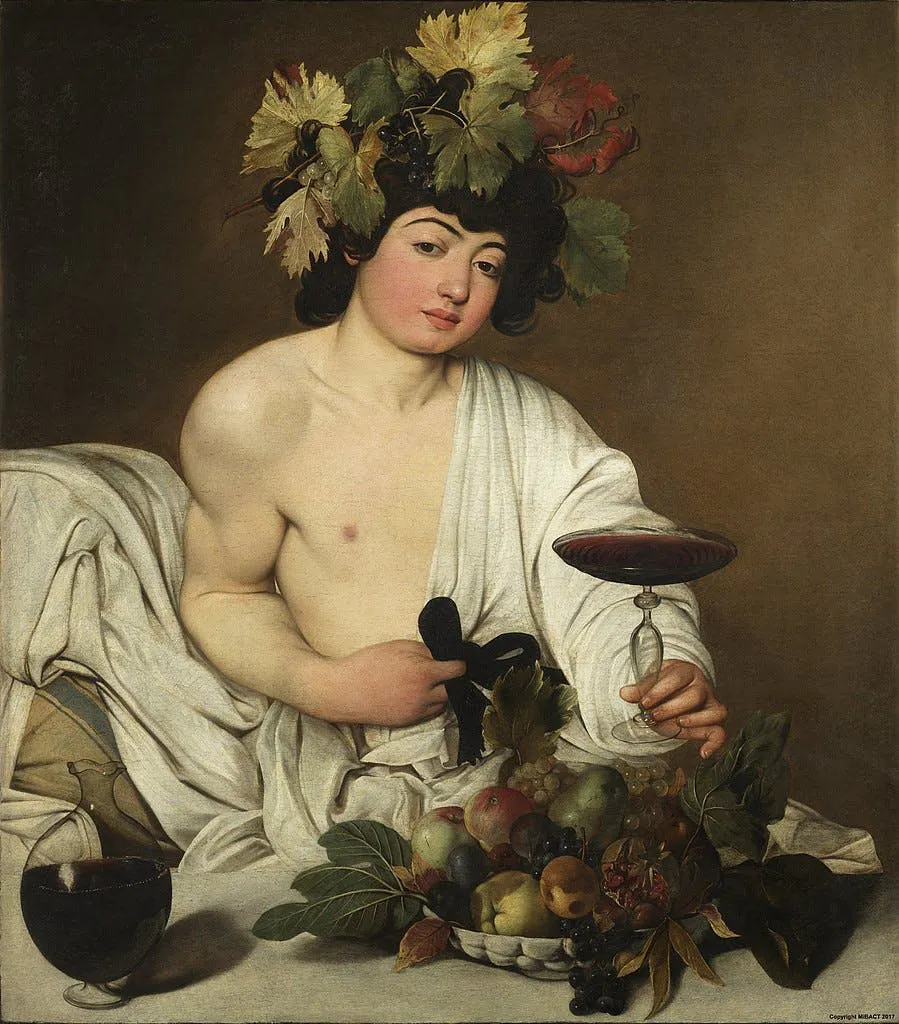
In this work by Caravaggio, which portrays Bacchus, the god of wine and intoxication, the Bacchus here is young, scarcely dressed and attractive. He holds a glass in his hand and seems to offer it to the observer, as if to invite us to join him in drink and let go to the pleasures of life. In the scene, in which some critics have identified a homoerotic quality, we also notice a basket with fruit: the attention falls in particular on the open pomegranate and the rotten apple, which the artist seems to use to portray the vanitas of life, in which pleasure and youth are fleeting.
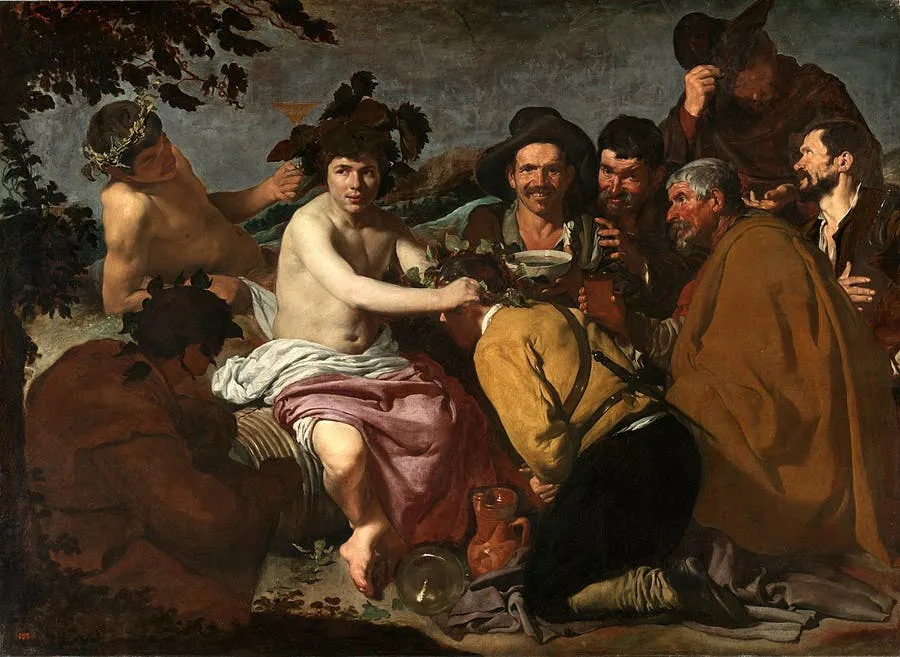
Diego Velázquez, The Triumph of Bacchus (The Drinkers), c. 1628-29
Related: The Cocktails that Inspired History’s Creatives
Diego Velázquez's painting depicts the god of wine seated on a barrel, surrounded by characters from different social backgrounds, intent on placing a wreath of ivy on the head of a devotee kneeling in front of him. Bacchus' skin is lighter than that of the other subjects, a pictorial detail that makes him stand out more clearly on the canvas. A reading in a Baroque key sees an allegory in the work of the liberation of man from the slavery of everyday life.
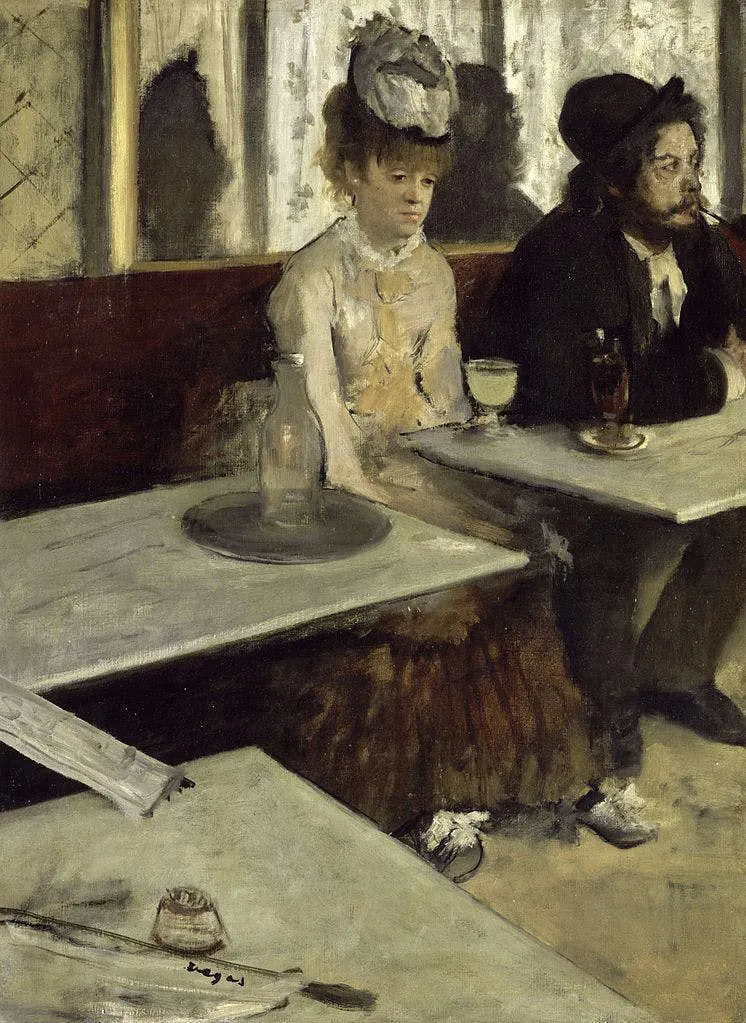
Edgar Degas, The Absinthe, c. 1875-76
Related: The Scandal Behind Degas' Little Dancer
Absinthe, also known as Absinthe Drinkers, portrays the patrons of a Parisian café. The woman attracts the most attention, with her morose expression and her gaze lost in space. Her pose, with her shoulders drooping and her torso slightly forward, suggests melancholy or even depression. Absinthe was at that time a rather popular liqueur, which caused many people to sink into alcoholism. The characters portrayed in the work were in fact acquaintances of Edgar Degas and became angry with the artist because they believed that their reputation was ruined by this representation, so much so that Degas was forced to publicly declare that the two were not alcoholics.
James Ensor, Les Pochards (The Drunkards), 1883
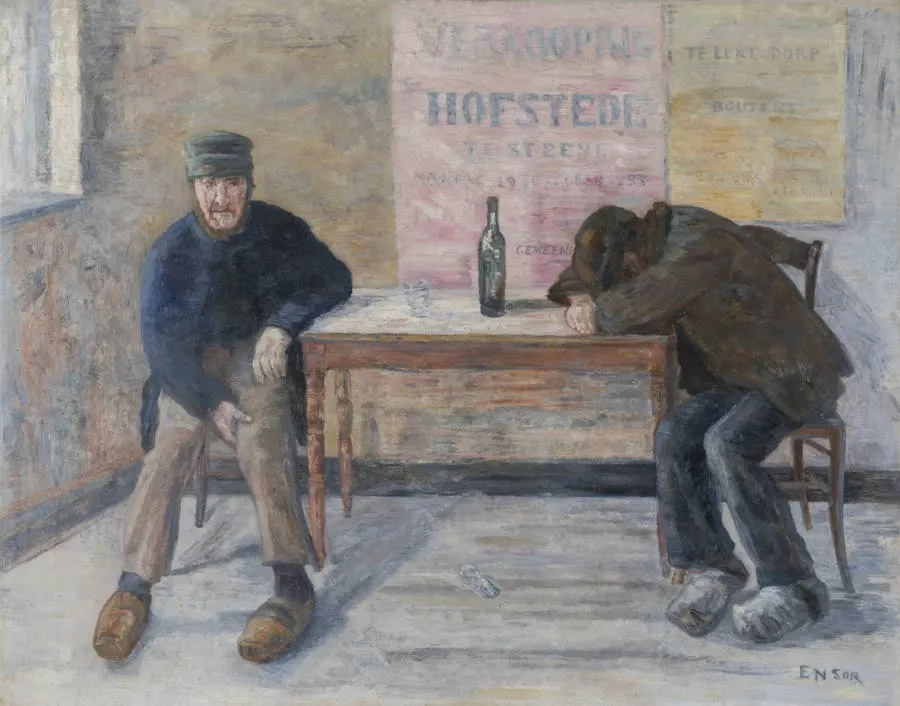
A great designer of melancholy interiors, James Ensor evokes the harshness of social reality in this powerful and realistic work with a dark style, made when he was aged twenty-three. The grayness of the interior, the rough features of the two drunks, their poses and dejected expressions seem almost in contrast to the delicately painted and sadly empty glass on the table.
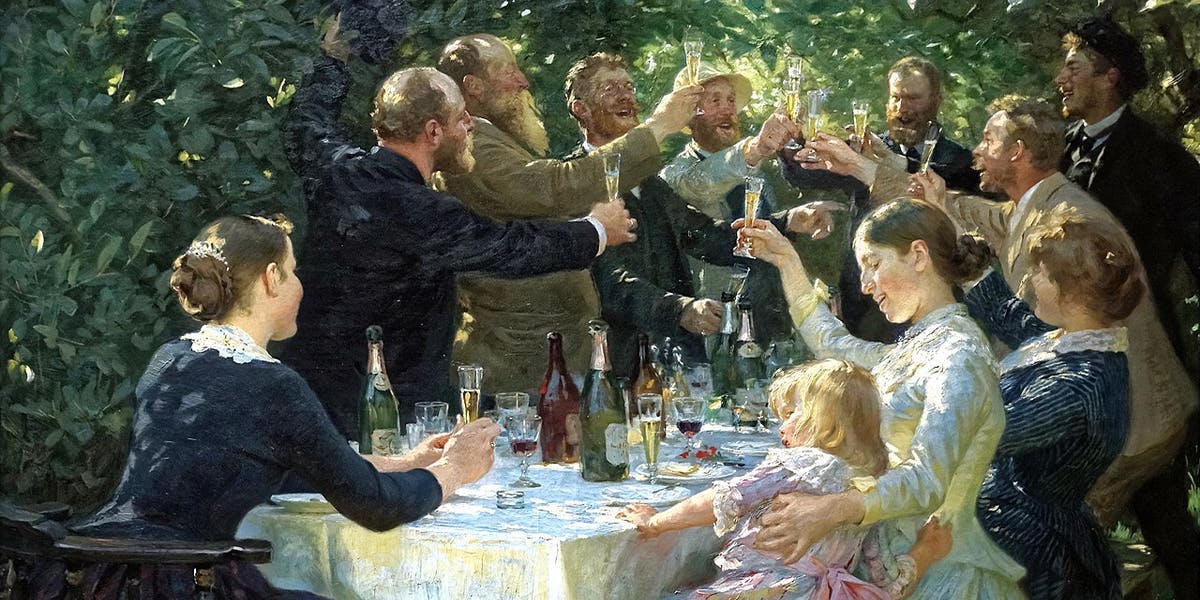
Peder Severin Krøyer (1851-1909), Hip, Hip, Hurray!, 1888
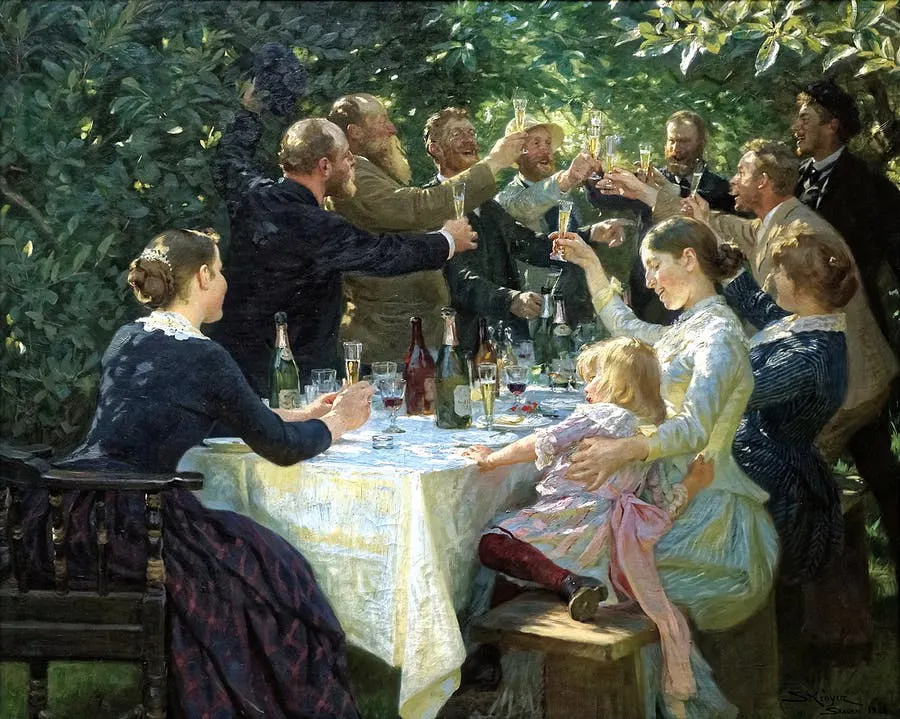
The work Hip, Hip, Hurray! by the Danish Peder Severin Krøyer shows the ‘gang’ of the Skagen painters, a group of Scandinavian artists who formed a free community in Jutland between the 1880s and early 1890s. The painting is made in the typical style of the Skagen painters, close to the Impressionists and naturalists. The symposium and the play of light in the scene are a real celebration of life, inviting you to toast to the joy of conviviality.
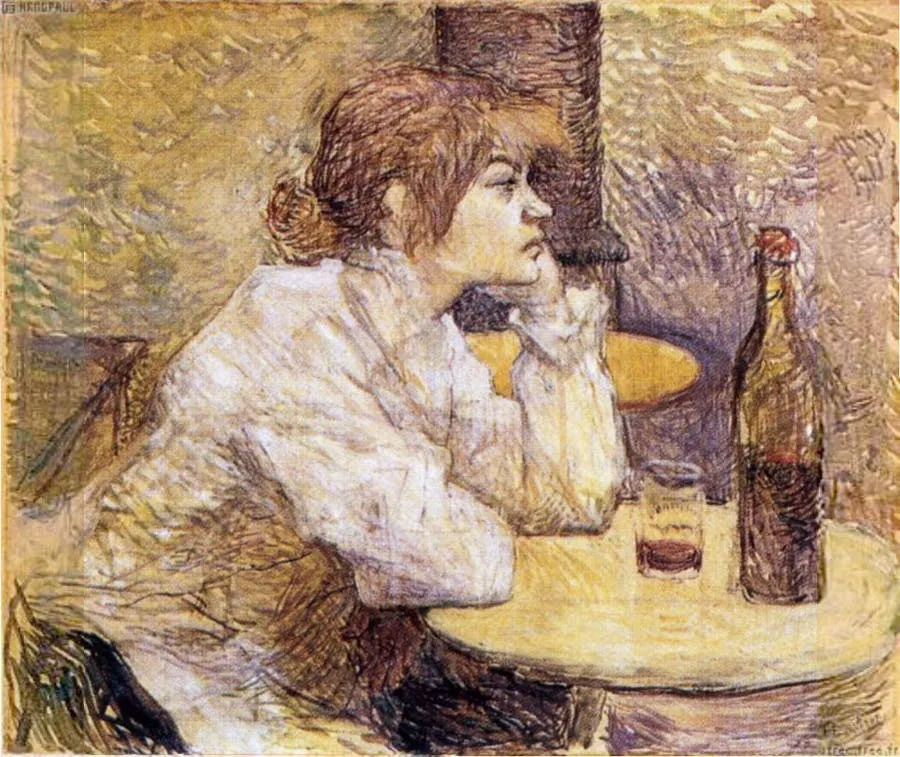
Henri de Toulouse-Lautrec, Gueule de bois (The Hangover), c. 1888
Related: 8 Patrons of the Parisian Avant-garde
The disheveled pose, the head resting on the hand and the lost gaze of this painting by Henri de Toulouse-Lautrec belong to the painter Suzanne Valadon, with whom the artist had an enigmatic and tormented relationship. In this work, the French painter used the image of a woman at a bar table, in front of a bottle of wine and an almost empty glass, to illustrate the hardships of Parisian society of those times.
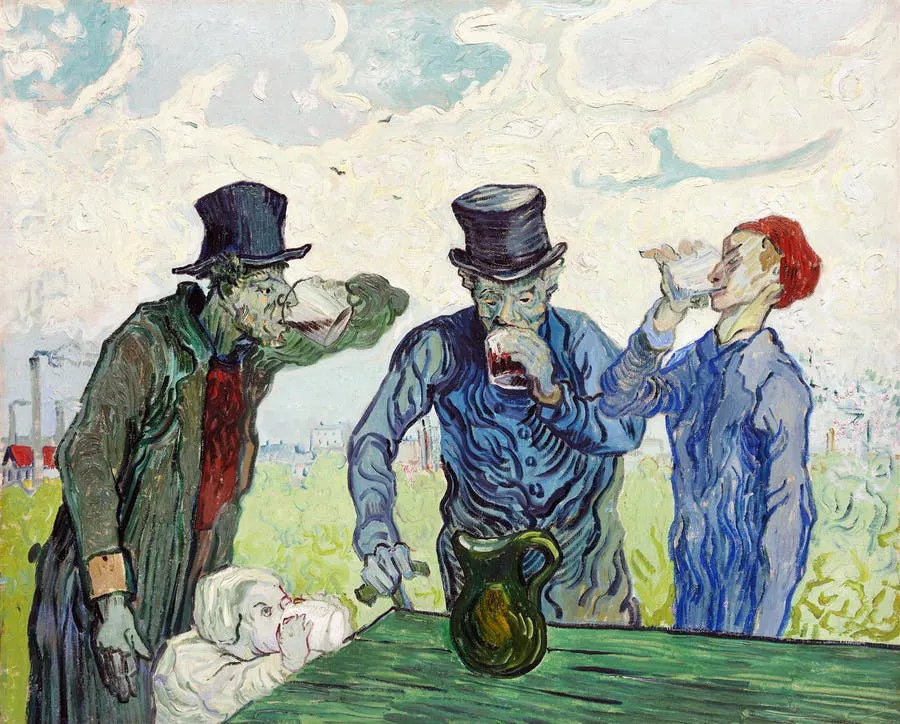
Vincent van Gogh The Drinkers, 1890
Related: 10 Artists Between Genius and Madness
Vincent van Gogh's Post-Impressionist painting The Drinkers is based on a work by Honoré Daumier, which the Dutch artist admired while hospitalized in the Saint-Paul psychiatric facility in Saint-Rémy, near Arles. Also known as The Four Ages of Man, the painting depicts a child drinking a glass of milk, a young man drinking water, and two other figures with a glass of wine. The greenish hue of van Gogh's version seems to be a reference to the color of absinthe, an alcoholic drink that the painter often consumed.
Beryl Cook, Dolphin Bar, 1979
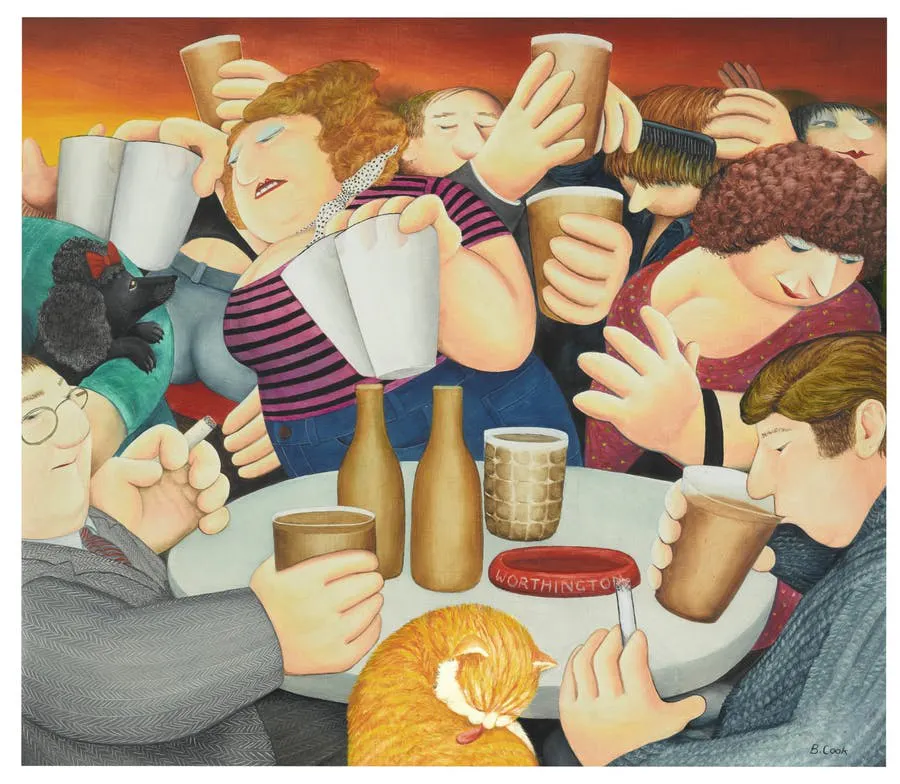
Dismissed by the big galleries and art critics, the British Beryl Cook has instead fascinated many non-experts, who have seen the reality of English society portrayed in her works with humor and frankness. In Dolphin Bar, we see the inside of a noisy pub and, among the patrons, find its iconic characters both a little out of the norm and caricatured, but at the same time very ordinary.
Every artistic expression, in any form, is the mirror of the soul of those who create it and has the possibility of arousing emotions in those who observe it. And with this final note, we conclude our small roundup of drinking in art. While it is true alcohol should be consumed in moderation, we believe drinking in art should never be limited.