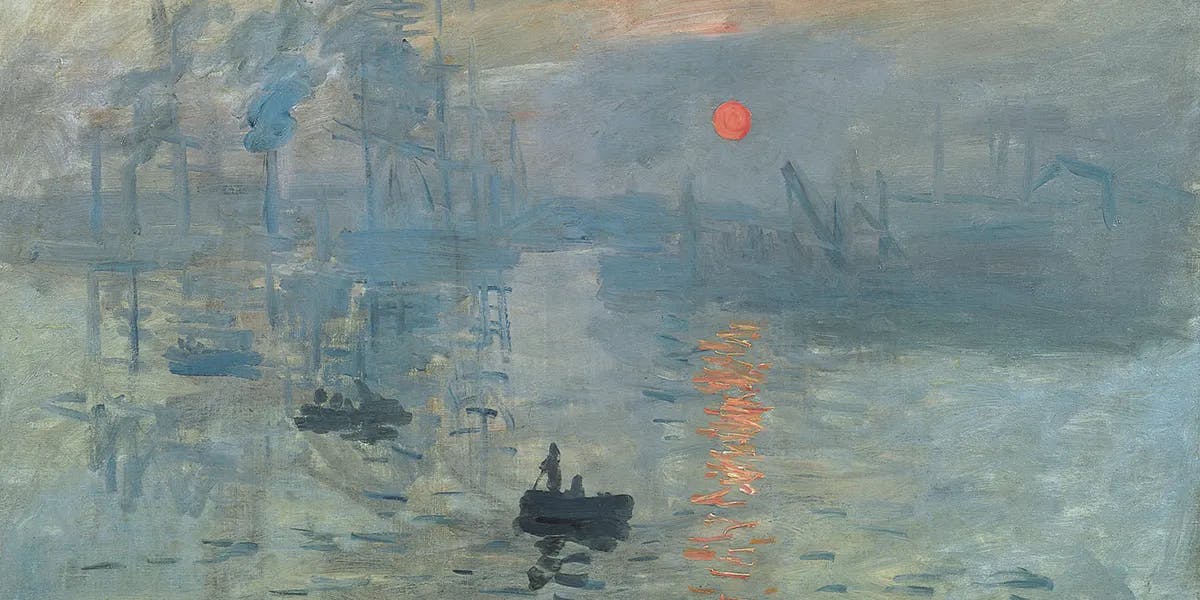
Presented in Paris at the studio of photographer Nadar, the first Impressionist paintings by artists such as Claude Monet, Pierre-Auguste Renoir and Camille Pissarro initially left the public indifferent, as the tastes of the time favored more academic, romantic or realistic works. Regardless of the scorn and insults of those who deemed these works sloppy and ridiculous, the young artists persevered in their aim to convey fleeting moments and personal emotions through swiftly made works that were the fruit of deft brushstrokes rather than laborious execution.
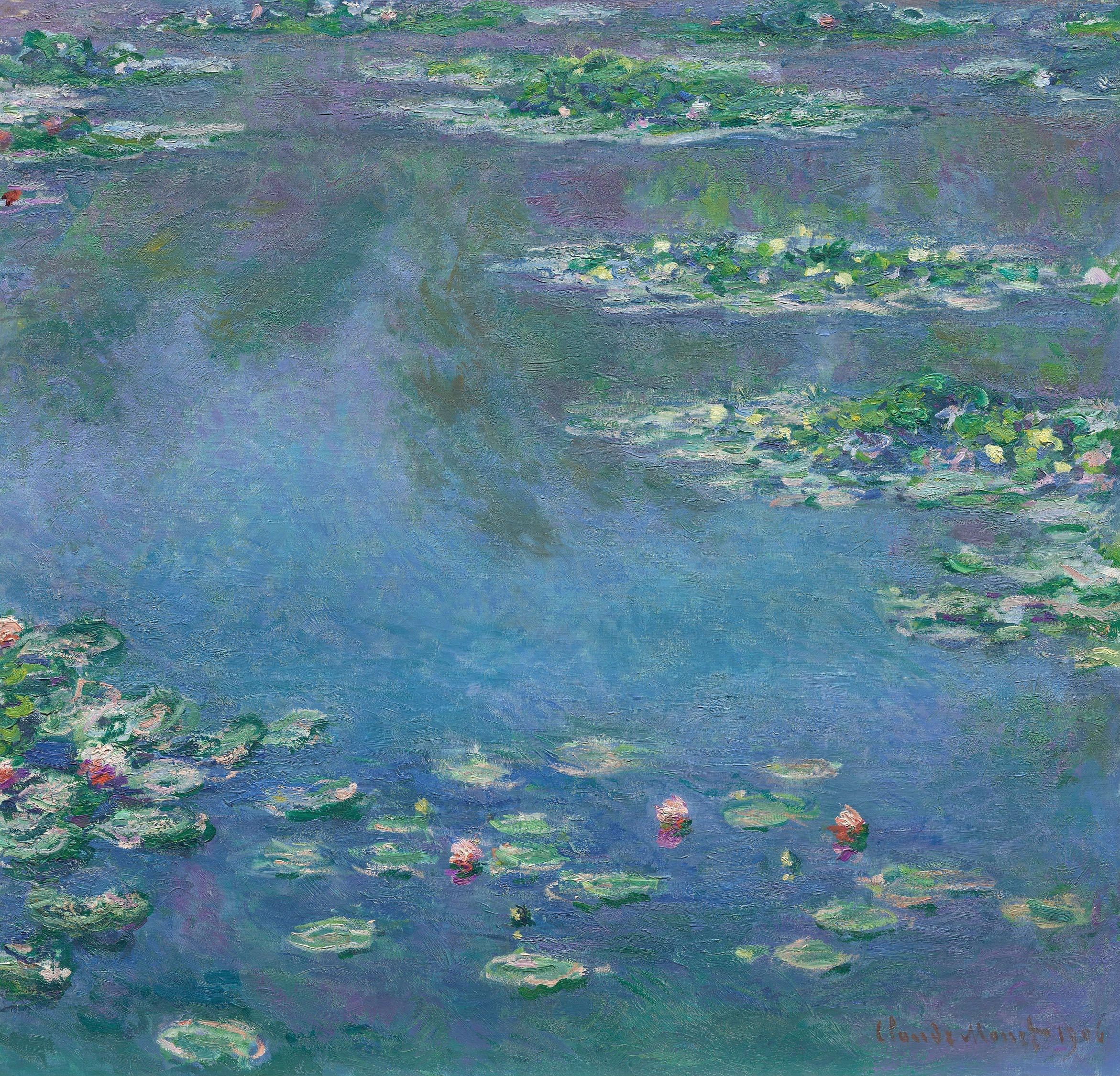
This movement had its strongest advocate in Claude Monet. He led the way with his cheerful, unfettered paintings, firmly fixed on nature's wonders. Impression, Sunrise (1872) is a prime example. This celebrated masterpiece, housed in the Musée Marmottan in Paris, was painted in just a few hours. It shows Le Havre's harbor as the sun breaks through the mist. At the time, its creator couldn't have known it would become so significant in art history.
Related: Claude Monet: The Father of Impressionism
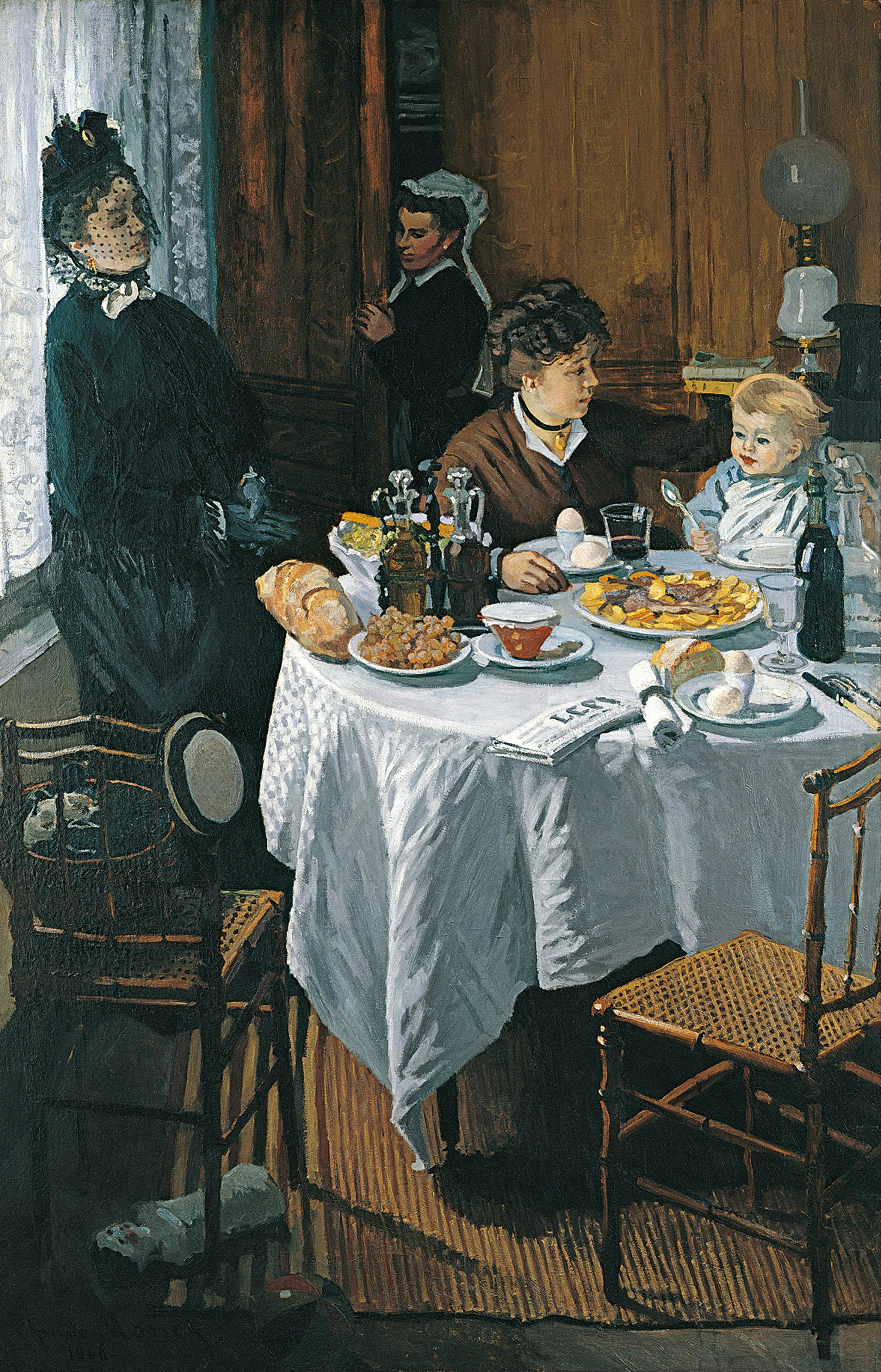
The painter, incidentally, was well acquainted with long stretches of extreme poverty, unlike other artists with whom he socialized, such as Edgar Degas and Gustave Caillebotte, and those that he met while training at the École de Barbizon or at the gatherings at La Ferme Saint-Siméon in Honfleur. Yet Monet’s personal situation and financial struggles did not prevent him from depicting convivial scenes. He liked to paint outside in natural light, braving the elements, mostly around Paris, along the Seine, or on the coast of Normandy where he lived. In 1870, he wed Camille Doncieux, who gave birth to two sons and posed for many of his paintings, such as The Strollers, Women in the Garden and The Japanese Woman.
Related: Pierre-Auguste Renoir: Joie de Vivre on the Canvas

Nature and daily life were also favorite subjects of Renoir, another great exponent of Impressionism. This artist had a fondness for depicting open-air dances or strolls along the Seine, and won fame for his Luncheon of the Boating Party (1881) – a waterside scene filled with movement and conviviality. It did not matter that the work did not bear any spiritual or political message, it was enough to simply be a homage to beauty.
Related: The Scandal Behind Degas' Little Dancer
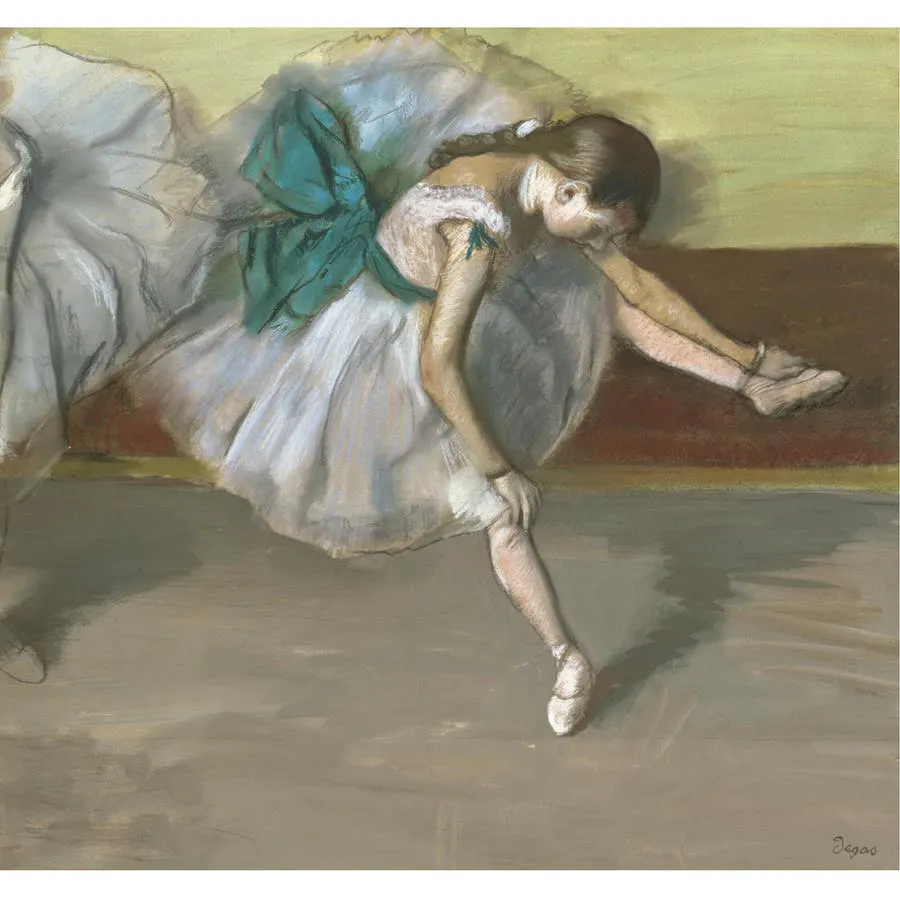
This was also the approach of Degas, another key Impressionist figure and a prolific sculptor often nicknamed ‘the painter of dancers’. During his life, Degas produced 1,500 paintings of ballerinas in various positions, each portrayed with remarkable accuracy.
Many other painters have played a role in the development of Impressionism. Mention can be made of Frédéric Bazille, Alfred Sisley and Édouard Manet. Though these artists were linked to one another, their works were extremely diverse as each artist followed his own artistic journey.
Related: Art History's 8 Most Unforgettable Faces
French Impressionism went on to win over other parts of Europe as well, such as in Germany, Switzerland and Austria. The modern ideas promoted by the movement also influenced the perception of British painters like Wilson Steer and Richard Sickert, as well as North American artists including Mary Cassatt and Theodore Robinson.
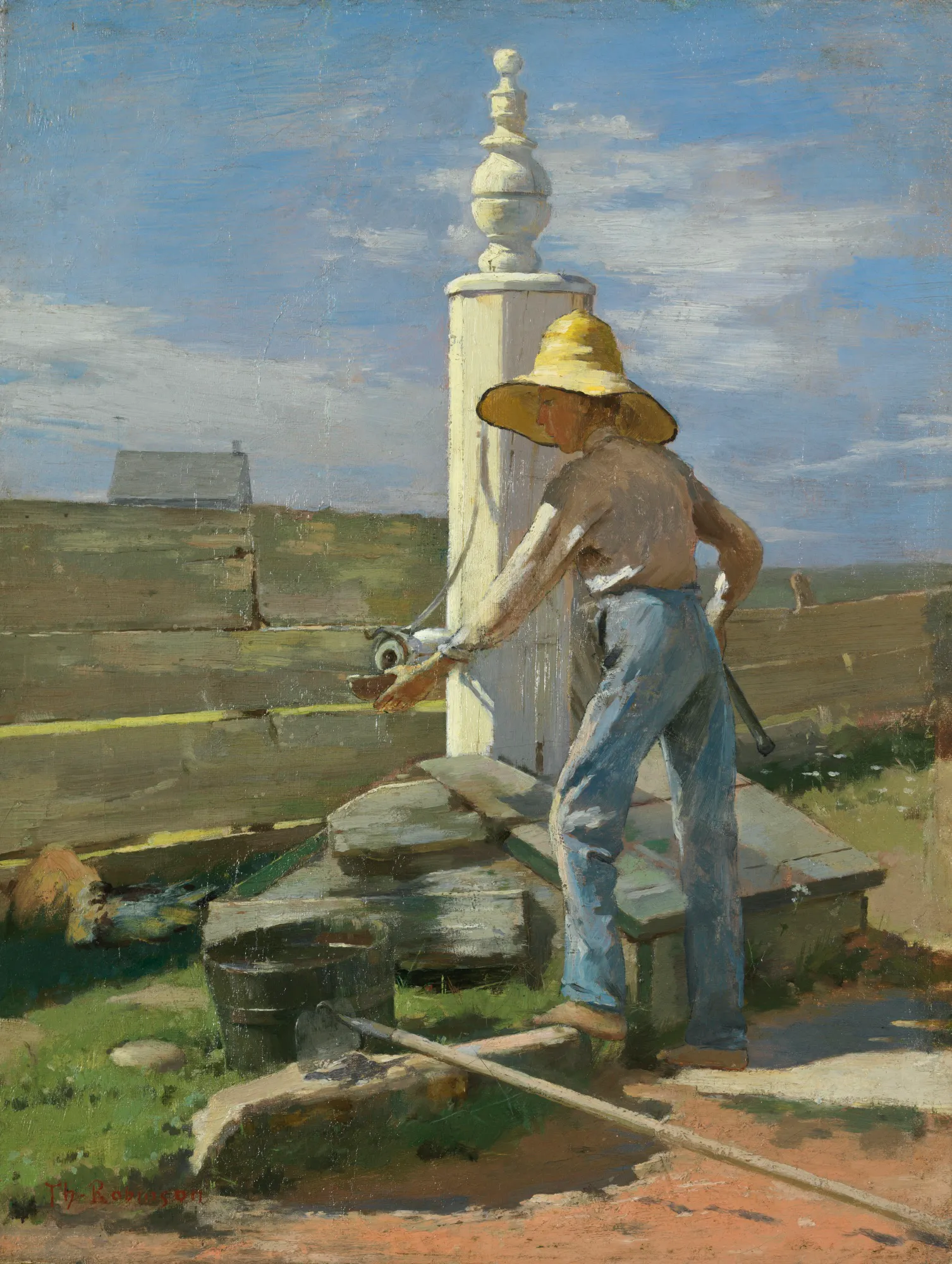
It should be noted that it was during the Impressionists’ time that painting underwent its great liberal evolution. When the economy began to take off and the desire set in to break free from the holds of the past, these painters were the first to sell their works to buyers and to gain independence from the power-wielders of the past.
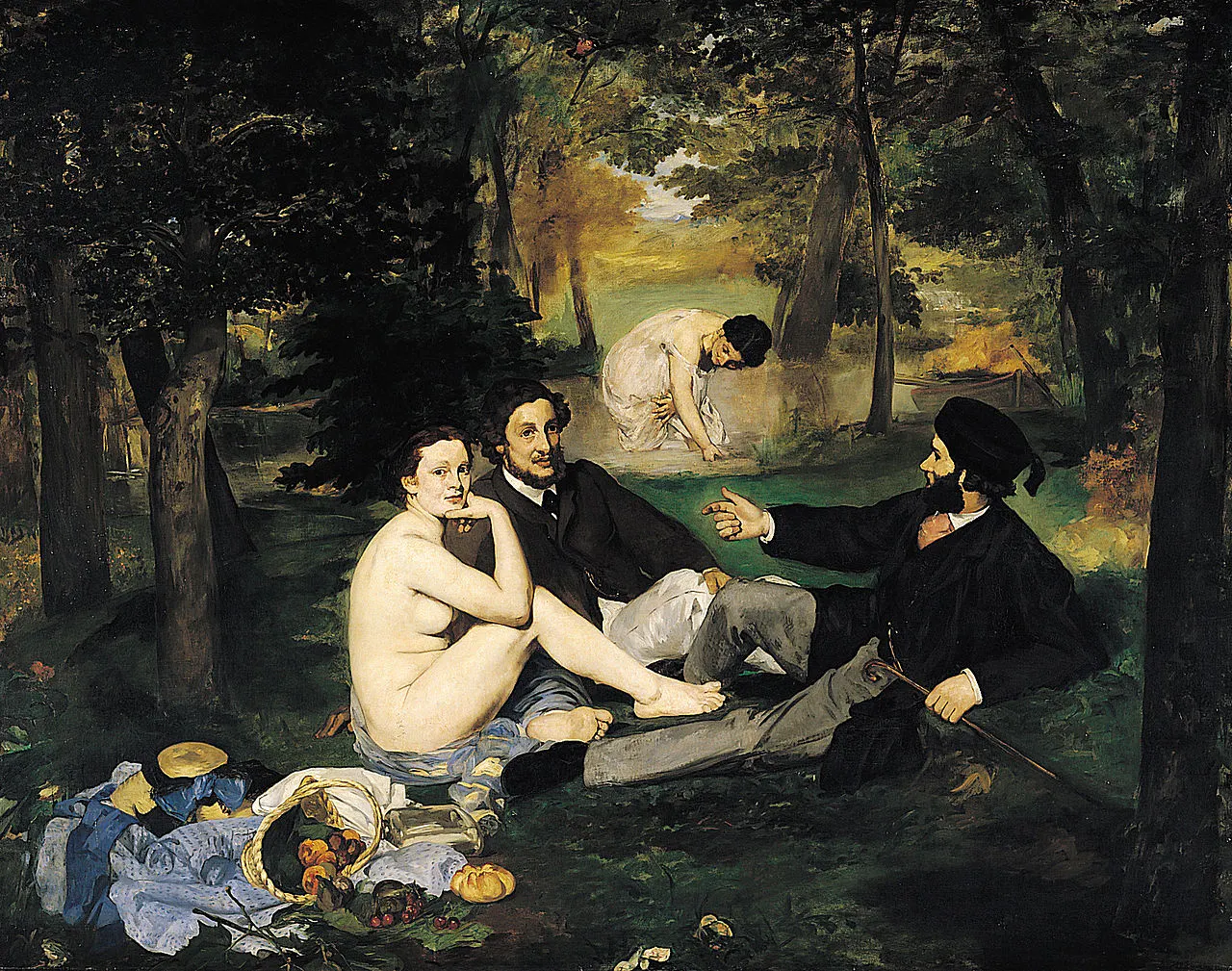
Market logic began to work its way into art, and these artists went out to meet their public. It was thus that Paris gave birth to its first exhibition halls and art dealers. In the mid-19th century, the Salon de Paris became an annual event, which some claimed to be decisive in generating the popularity and success of artworks. Tolerated for a time at the Salon, Impressionist painters were soon turned aside and forced to participate in the Salon des Refusés, a show offering an alternative to official tastes – which was immensely successful when it displayed Manet’s Le Déjeuner sur l'herbe (Luncheon the Grass)(1863) at its inaugural opening.
Related: 8 Patrons of the Parisian Avant-garde
Impressionism was a radical movement for its time, as its proponents openly rejected the long-standing conventions of academic painting in Europe. However, many still believed that “the Impressionists were the first to consciously offer a subjective alternative to the photograph”. Taking the artistic process outside of the studio and into the open air, depicting modern life and merriment, the Impressionists created a sincere appreciation of beauty itself, as well as the desire to transcend conformity and tradition. While it was but a brief moment in the history of art, their influence proved everlasting and came to inspire a legacy of great artists.