
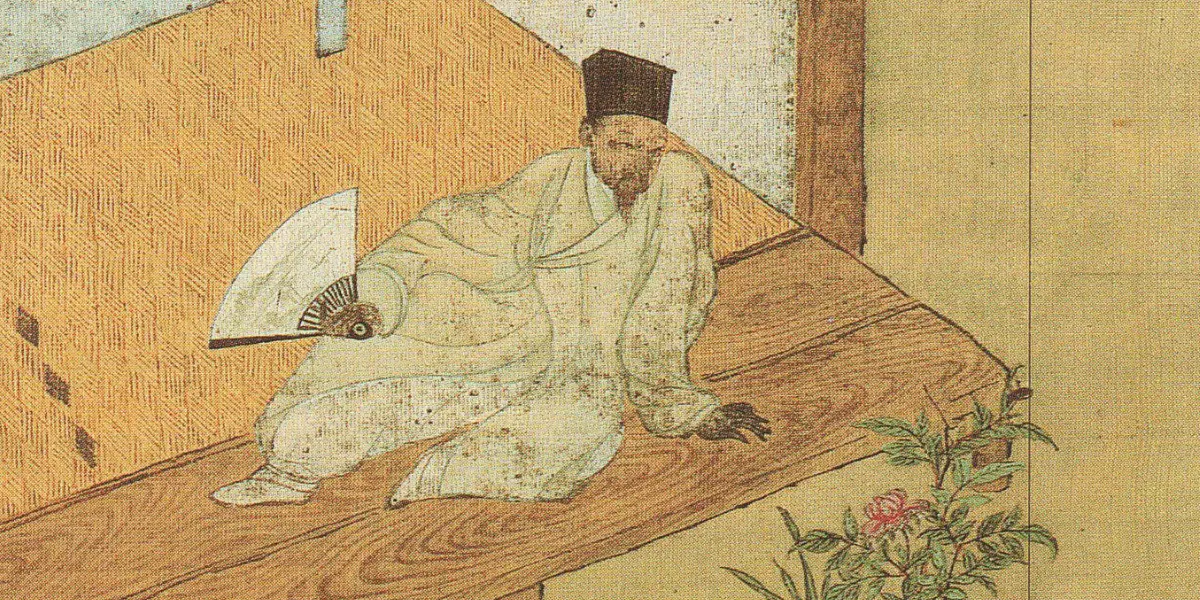
Korean painting covers a wide range of styles. It includes ancient wall paintings preserved in the tombs of the Koguryo kingdom, Buddhist banners, and the ink paintings of scholars. Korean painting today encompasses the contributions of artists living in North and South Korea, as well as those of the Korean diaspora scattered around the world. Our knowledge of Korean art dates back to around the 3rd century AD, but its artists are anonymous. As such, we focus on the period from Joseon Korea to the present day: 700 years of Korean art.
Sin Saimdang and the first Joseon period (15th-17th centuries)
Related: 12 Women Who Rocked the Art World
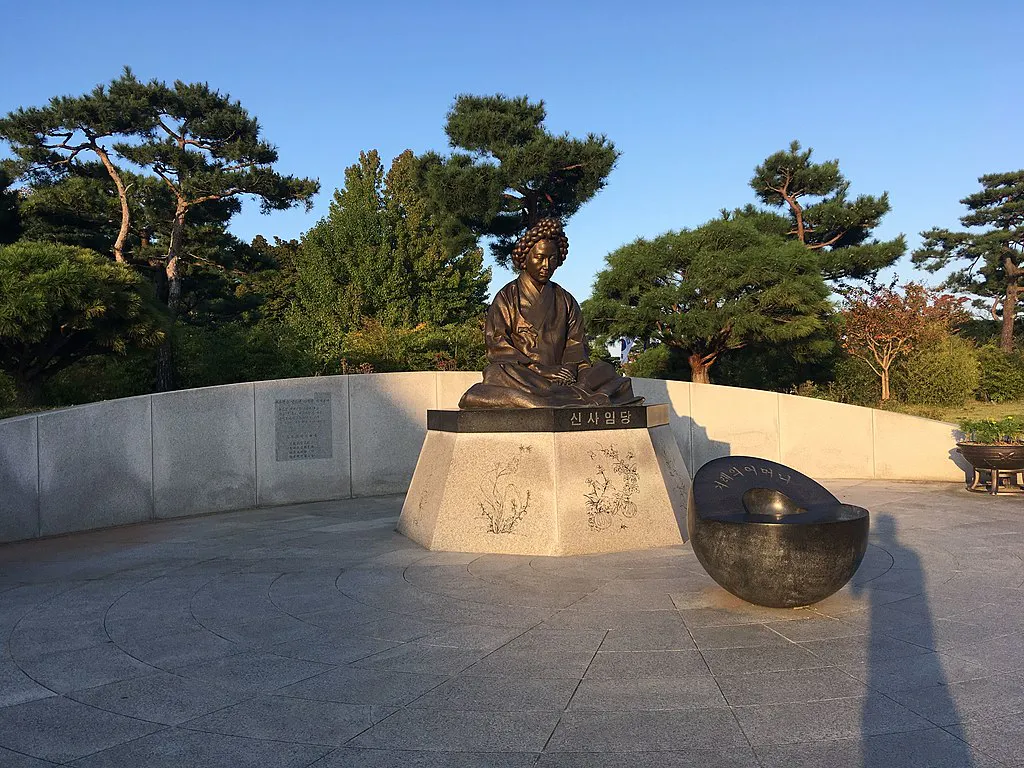
The Joseon period spanned 500 years (1392-1910) and is divided into two distinct periods. Many artists from this first period are known, but the female artist Sin Saimdang (1504-1551) in particular is a major figure of the 16th century. While in the West it was always difficult to establish oneself as a woman and an artist, Sin Saimdang established herself among the other male artists.

Saimdang is a literate artist, which is to be distinguished from professionals – the works of the literate, in the Chinese tradition, are not commercialized and are often seen as finer and more distinguished. A poet, painter, and calligrapher, she is regarded as a model of Confucian ideals and is nicknamed 'the Wise Mother'. Her father worked for the government in Seoul, and she was brought up by her grandfather. At the age of 19, she married Major Yi Won-su, with whom she had eight children, including YI I, considered to be one of Korea's greatest Confucian scholars.
Related: Tulipomania: The World's First Stock Exchange Bubble
She is renowned for the delicacy of her art and the way she depicts the beauty of nature, through insects, flowers, butterflies, and landscapes in general. Sin Saimdang is also the originator of Chochungdo, a style in which plants and insects are depicted.
Jeong Seon and the second Joseon period (17th-18th centuries)
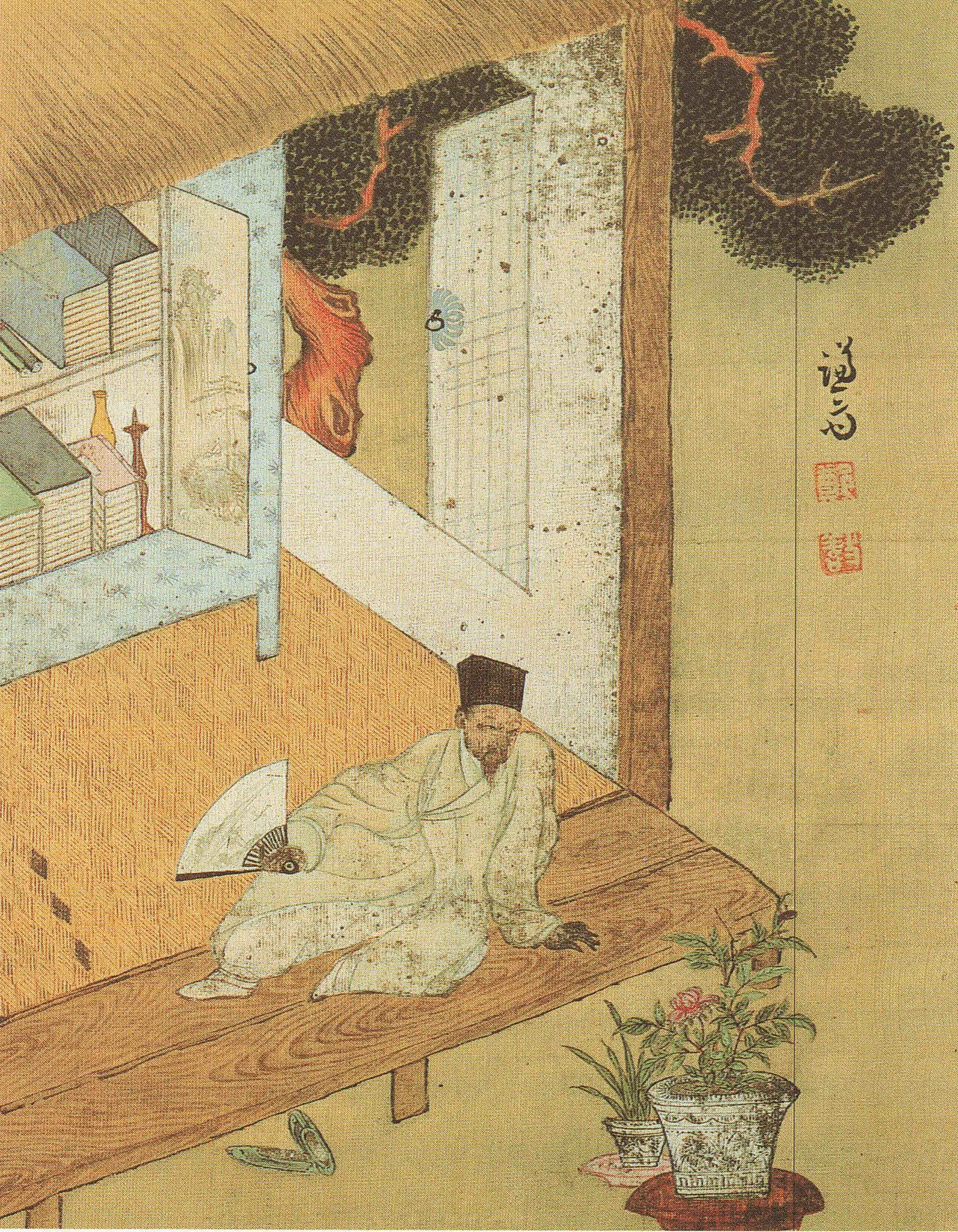
Not much is known about the personal life of Jeong Seon (also known as Gyeomjae), but his work is well-known throughout the world. The painter was born in 1676 and died in 1759, but this information is not certain.
Related: Ukiyo-e: The Art of Japan
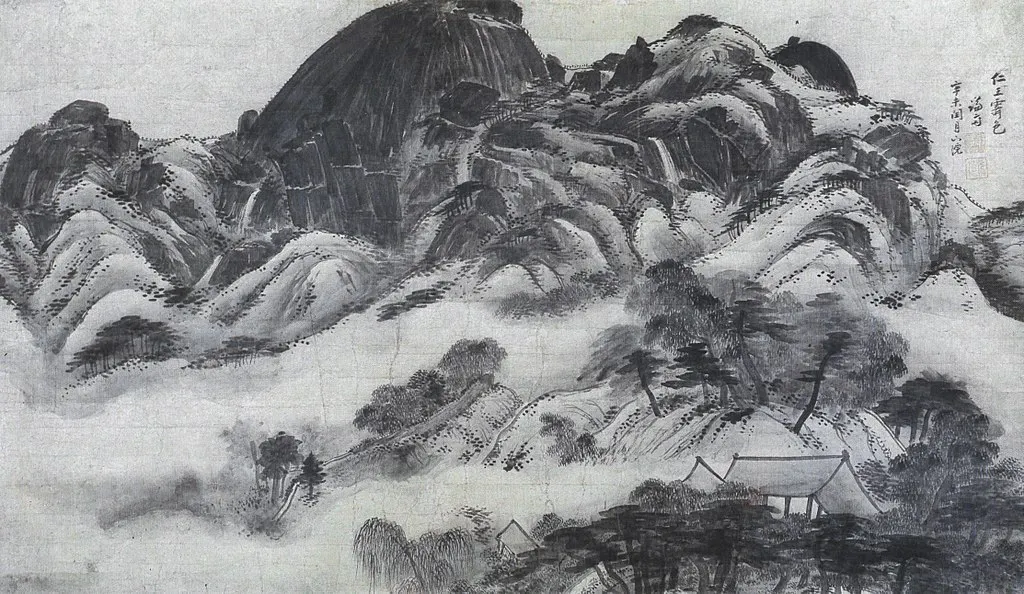
He became famous at the age of 37, partly thanks to his album of views of Mount Geumgang (the 'Diamond Mountains'). Mount Geumgang is one of the best-known mountains in what is now North Korea. It was also one of Jeong's favorite themes. He painted these mountains at least 100 times. Thanks to him and the artists he inspired, it has been possible to map the region.
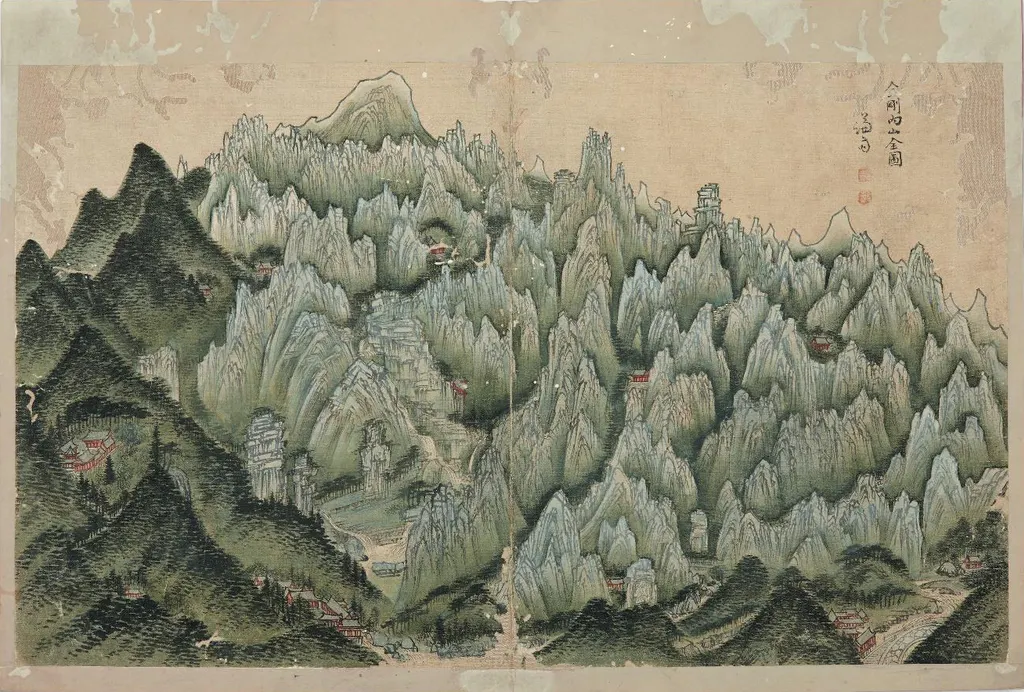
Before him, most Korean landscape artists were still inspired by Chinese tradition. Jeong wanted to concentrate on the culture of his own country and developed his own style, making him the master of the jingyeong sansu ('true-view landscape'). The views of Mount Geumgang were painted from life. Jeong is said to have founded the plein-air painting style almost 200 years before the Europeans. Proud of their country, Korean artists began to gain recognition in the art world, marking the beginning of the golden age of Korean painting.
Related: Why You Should Collect Prints
The second period of the Joseon period was in fact itself split in two, as the 19th century went through a phase of upheaval that lasted until the Empire (1897-1910). During this second phase, painters focused more on 'people's painting' (Minhwa), considered to be a folk art form, as distinct from court art. Minhwa professionals responded to a variety of demands (illusionism and stylized forms, for example). Minhwa is truly a decorative art form, and there are many screen paintings from this period.
Ko Hui-dong and the Japanese Occupation (1880-1945)
Korea encountered further difficulties between the end of the 19th century and the middle of the 20th century, due to the Japanese occupation that began in 1910. This period was marked by the Japanese attempt to destroy traditional works, but also by a strong Western influence.
Want articles like this straight to your inbox? Subscribe to our free newsletter!
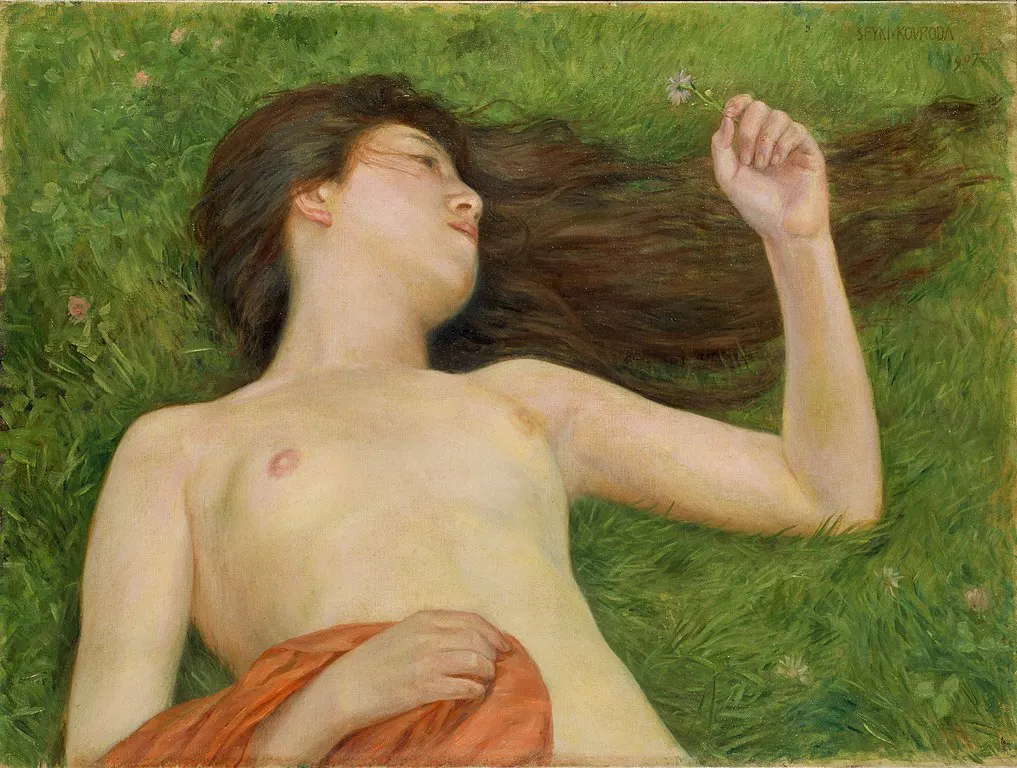
Ko Hui-dong (1886 -1965) was one of the first Korean artists to apply Western techniques to traditional Korean painting. He was born into a wealthy family, and his father was one of the first English translators. He attended the French Hanseong School and studied traditional painting. In 1908, he was the first Korean student to travel to Japan to learn Western art and oil painting. These techniques were not yet accepted in Korea, but Ko Hui-dong gradually incorporated the oil technique into his traditional paintings, particularly for the shadows and play of light.
Related: 5 Facts to Know About Korean Celadon
In 1911, a group of Korean painters and calligraphers founded the Institute of Calligraphy and Fine Arts (sohwa misulhoe kangsupso), which was also the first art school in Korea. Ko Hui-dong took part, contributing all his new techniques and ideas. He joined several groups of artists and taught oil painting, among other subjects.
This was a revolutionary period in Korea, and from then on many artists modernized their paintings in a Western style but using traditional means (notably painting on silk).
Nam June Paik and the contemporary period
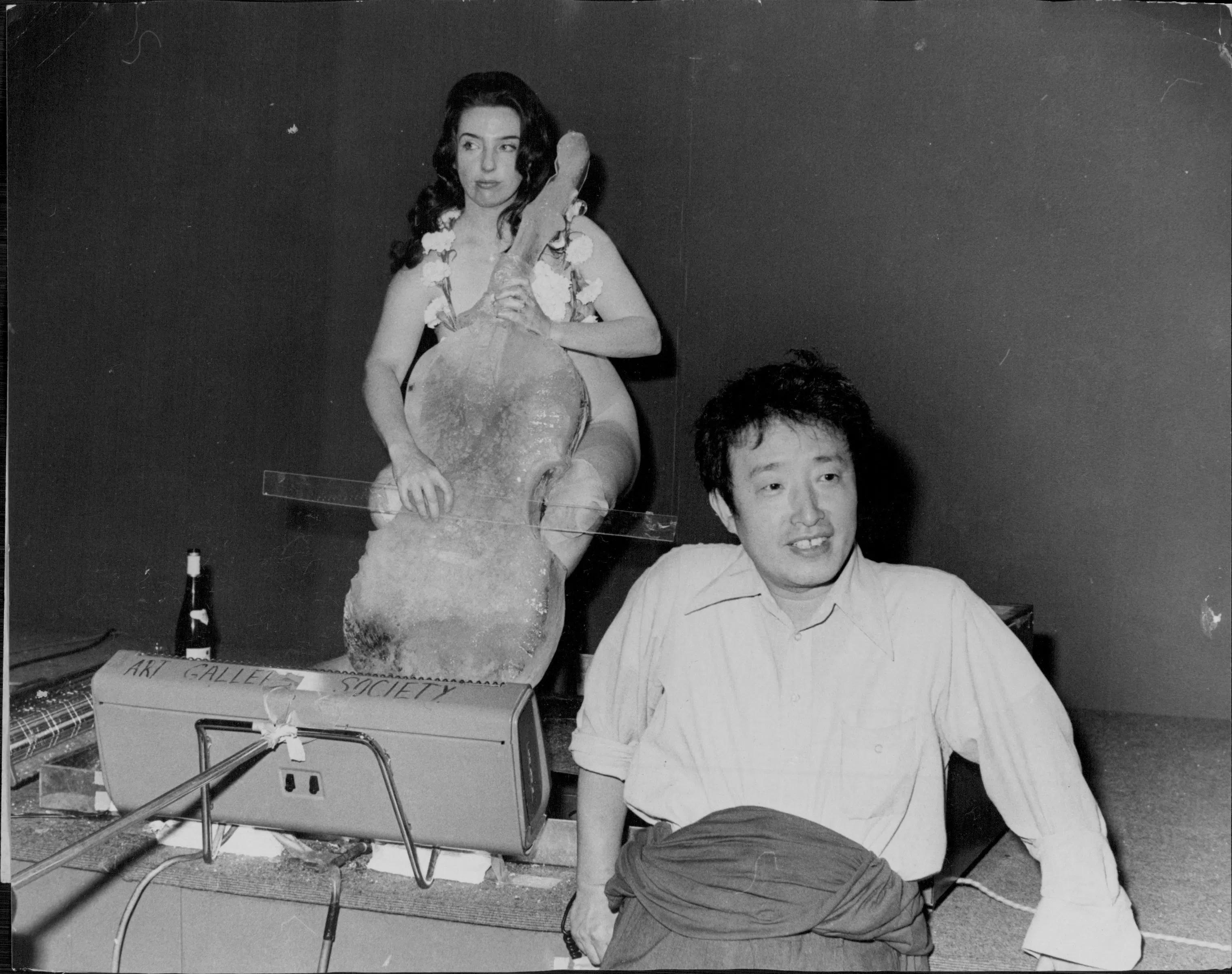
Nam June Paik (1932 - 2006) was an American-Korean artist. He was born in Seoul into a wealthy family and initially studied music. His family moved to Japan during the Korean War and Nam June Park spent his time between Japan and West Germany, where he joined the Fluxus Collective and became friends with John Cage. He moved to New York in 1964 and began working with cellist Charlotte Moorman to create performances. Shortly afterwards, he began incorporating televisions and video recorders into his work, which brought him increasing notoriety.
Related: Marina Abramović: Not Just Any Body
Thanks to his portable Sony Portapak camera, purchased in 1967, Paik could both move around and record things, as it was the first portable video and audio recorder. From then on, Paik became an international celebrity, known for his creative and entertaining work. Paik and Moorman created controversial works and performances together, including Opera Sextronique in 1967, during which Moorman was arrested for being topless.
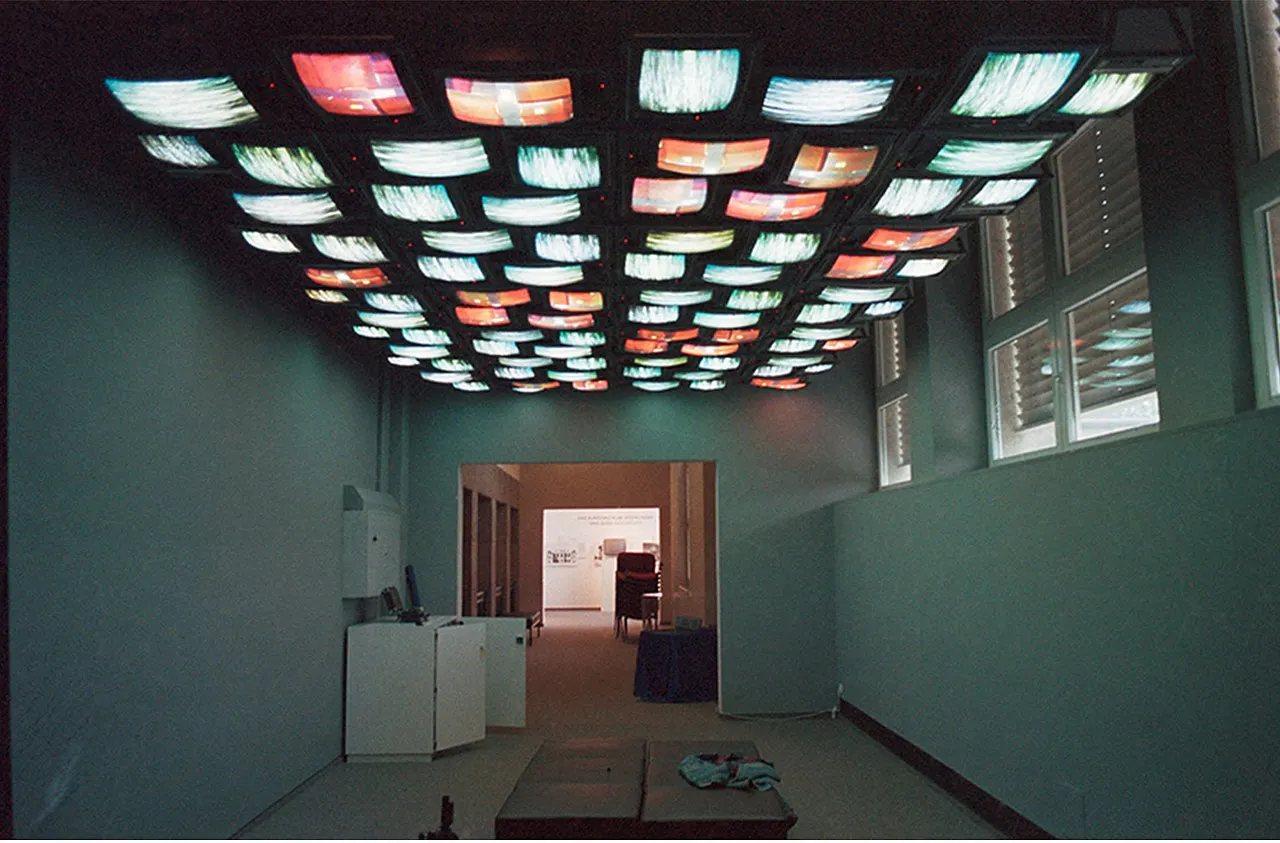
Nam June Paik has played a leading role in bridging the gap between art and technology, and he has always proved himself to be highly innovative, dabbling in many art forms, from sculpture to performance, music, and live broadcasting.
In 1984, Paik returned to Korea, almost 35 years after leaving. For around ten years, he played an important role in the Korean art scene, helping to open up the field to the rest of the world and vice versa.
Min Jung-Yeon today
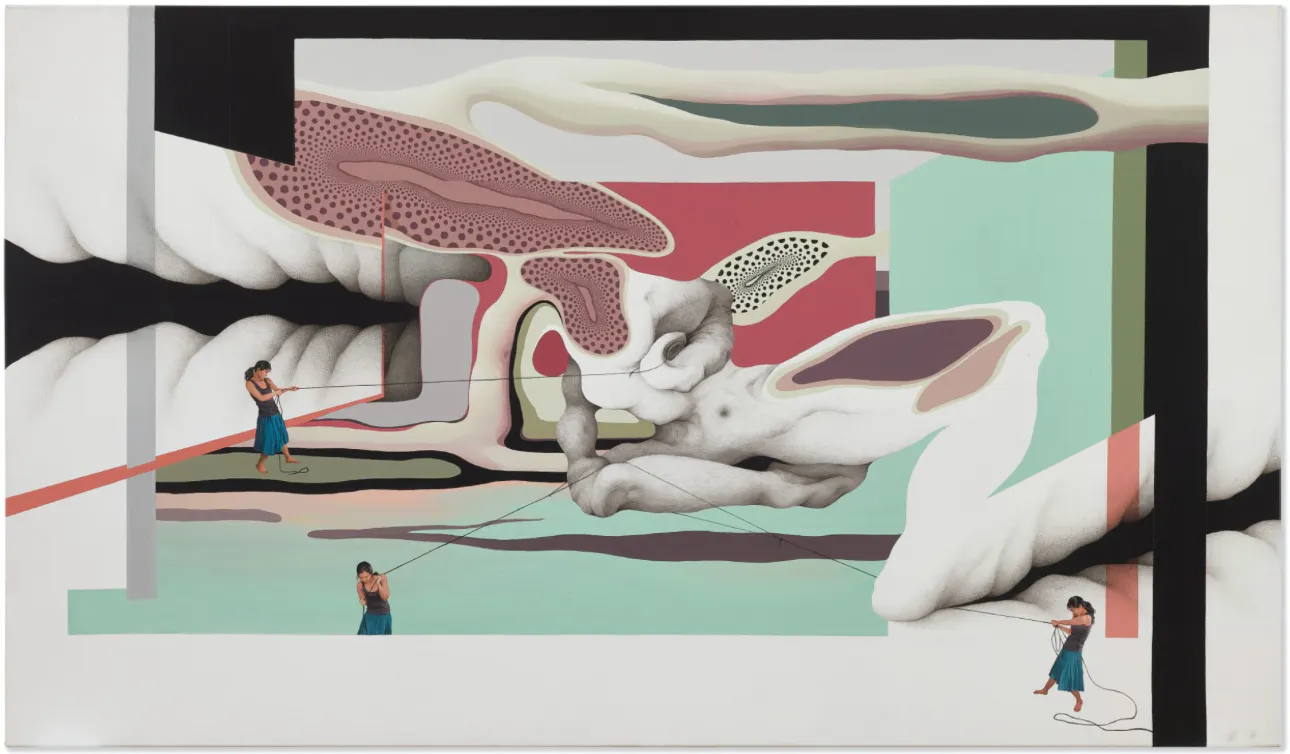
Min Jung-Yeon is a contemporary artist born in 1979 in South Korea. She studied visual arts at Hongik University in Seoul, graduating in 2003, before moving to Paris to study at the Beaux-Arts in 2006. The artist is renowned for her fantastic landscapes, which question form, space, perspective, and scale.
Related: Surrealism and the Subconscious
Min Jung-Yeon seems to be inspired by the world of Hieronymus Bosch, while at the same time evoking more modern forms that are both gentle and energetic. What is interesting to note is this constant exchange between the real and the virtual, from which the artist draws a great deal of inspiration. In particular, we can see a sort of parallel with the works created by AIs today. We can see landscapes taking shape before our eyes: an eruption, a mountain in the distance, a storm on the sea...