The origins of the craft
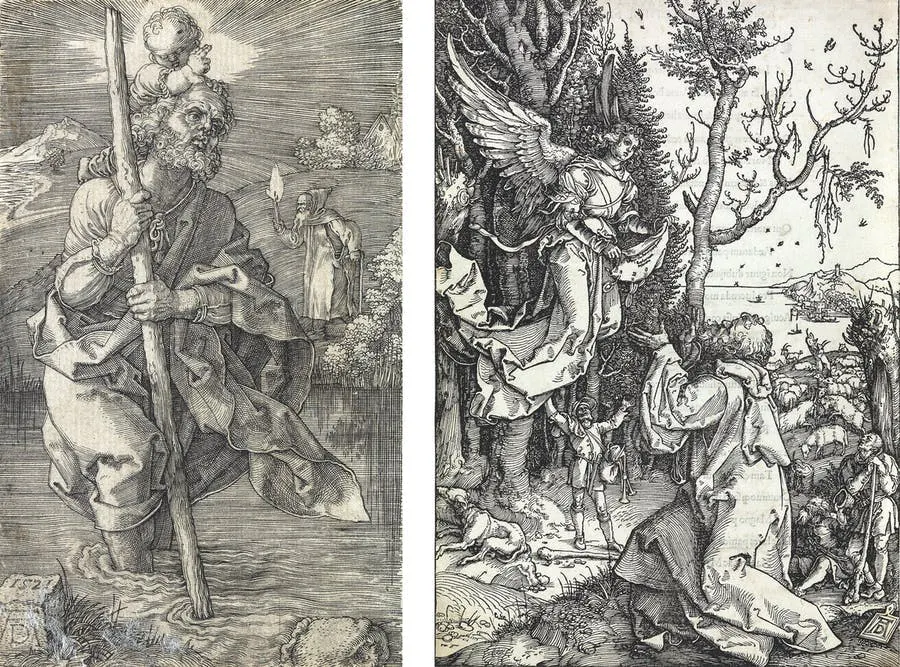
The first printing technique was wood engraving. A method that, under the direction of Albrecht Dürer in the late 1400s and early 1500s, rose to the rank of the most noble arts. New technologies have subsequently been developed, such as copper engraving, which has resulted in even finer and more detailed illustrations. At that time, it was interesting to see that it was possible to make art by reproducing works rather than creating new ones.
In the 17th century, the Flemish master Peter Paul Rubens, with a remarkable entrepreneurial spirit, integrated engravers into his studio and had them make copies of his works, which would be duplicated and sold, an initiative that is close to current reproduction techniques. Rubens also established one of the first versions of the concept of copyright in reproduction.
Original prints, original works
The term "print" thus combines several printing techniques, including engraving (on metal, on wire wood, end wood, chisel, etching, aquatint ...), lithography, glass-cliché, monotype and serigraphy. These practices are based on the use of a matrix treated in relief, hollow or flat. The original prints, although multiple, were made from a matrix created by the artist himself, unlike the print reproduction.
From the end of the 19th century, we see numbers and the signature of artists on these works on paper. Practices that are spreading more and more in the 20th century!
There are prints in all price ranges, and they are both an elegant and accessible way to decorate your interior with quality art.
Works by renowned artists for less
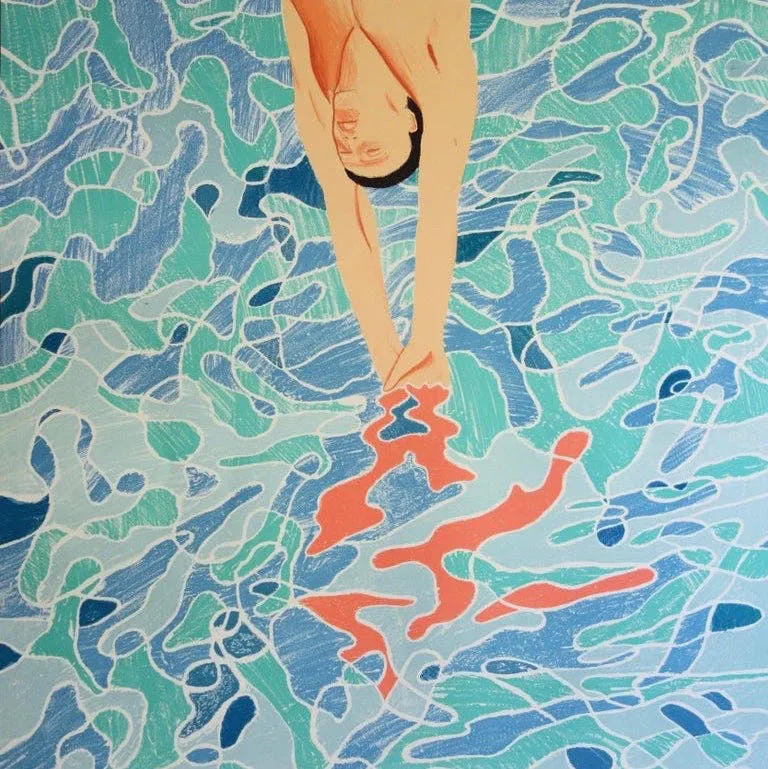
Prints are a less expensive way to acquire works by artists whose works reach million at auction. Take David Hockney, who in November 2018 became the most expensive living artist at the time when Portrait of an Artist (Pool with Two Figures) sold for $90.3 million. But a lithograph signed by the British artist entitled Olympic Diver, dating from 1970, can be found on Barnebys for just over $3,000.
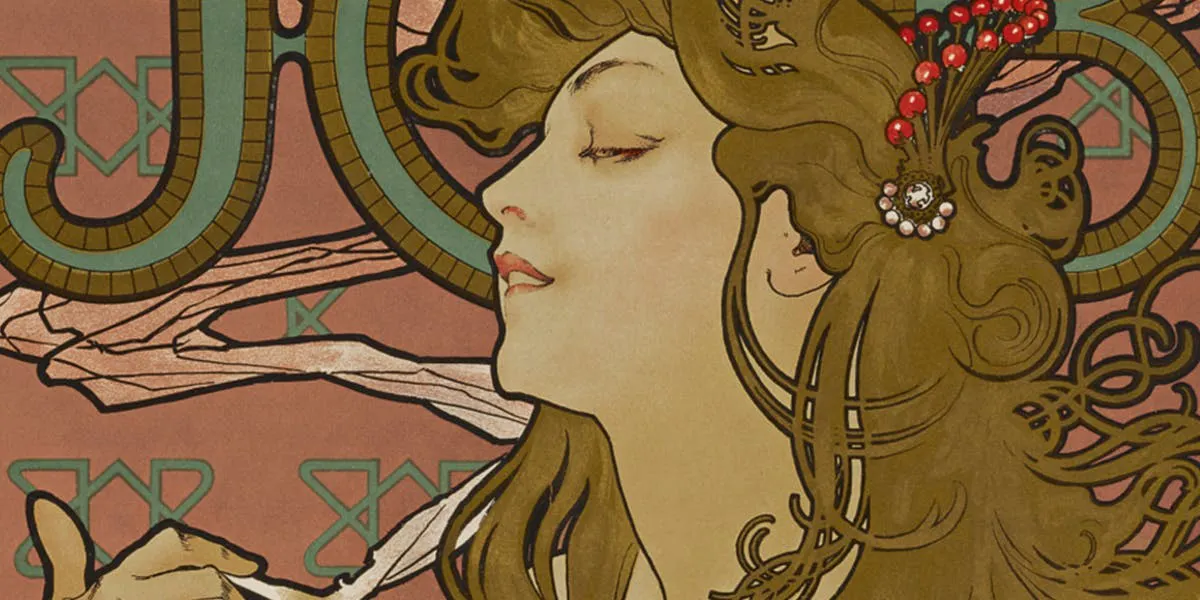
On the basis of auction data, other big names such as Henri de Toulouse-Lautrec, Lucio Fontana and Joan Miró, to name a few, are represented in the category of prints with works sold at a lower price. A lithograph of Toulouse-Lautrec entitled Moulin Rouge: the Franco-Russian Union (1894) took $3,100 under the fire of the auction, an aquatint lithography of Fontana, Concetto Spaziale (1968), flew for $2,700, while another of Miró, O da to Joan Miró (1973) found takers for $3,100.
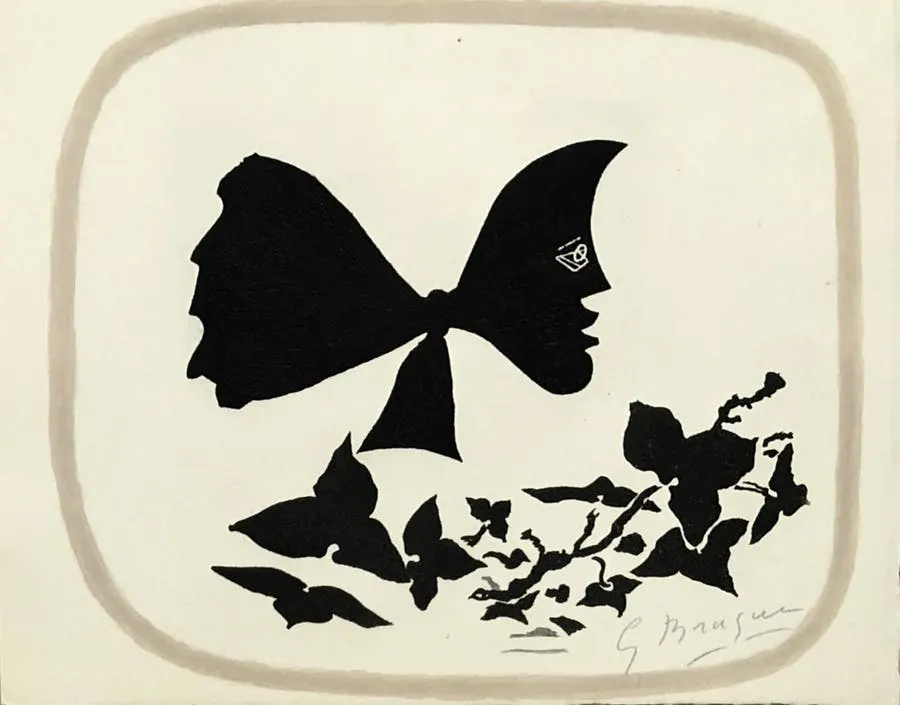
"It's been a long time since prints are in fashion, but we can see a renewed interest in recent years," said Pontus Silfverstolpe, co-founder of Barnebys. "The major auction houses have seen increasing print auctions, a trend which has passed on to smaller auction houses. Modern artists such as Marc Chagall, Pablo Picasso, Andy Warhol and Edvard Munch still have the highest ratings of course, but the prices of several contemporary artists tend to increase too, like Banksy or David Hockney."
Start a collection
This affordable medium makes it possible to acquire prints across many themes. Among the prolific print artists is Rembrandt, who produced many etchings depicting biblical scenes, such as Rest during the Flight to Egypt (1626). His works appear regularly in the auction market, as evidenced by The Triumph of Mordecai, which sold for 5,000 euros.
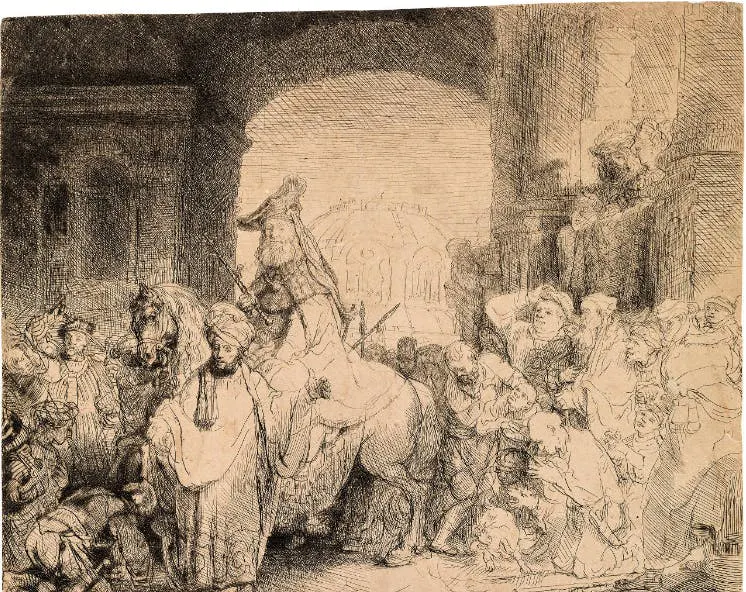
Other artists, whose odds are lower, have made many prints and may also be the subject of a collection: Charles-François Daubigny, Felix Bracquemond, Andre Derain, Marie Laurencin ... The amateur who wishes to start a set can also choose a theme, such as a region, a time, or a subject.
Prints help beautify and personalize an interior. Sometimes offered for sale from just $40, these works will satisfy both the amateur and the novice collector.
"The younger generation is becoming more and more enthusiastic about the collection," says Silfverstolpe. "There are prints in all price ranges, and they are both an elegant and accessible way to decorate your home with quality art."
3 Questions for Gaël Bordet, a prolific prints collector and Barnebys user:
Why collect prints?
It is a medium whose techniques are extraordinarily varied. Like sculpture, one can also collect the different states of a work (sometimes available in very few proofs, and all the more valuable), and thus have the successive phases of an artist, follow the path of his thought or his reflections and his research on the subject, akin to inviting yourself in the workshop of the master!
What does a print collection provide?
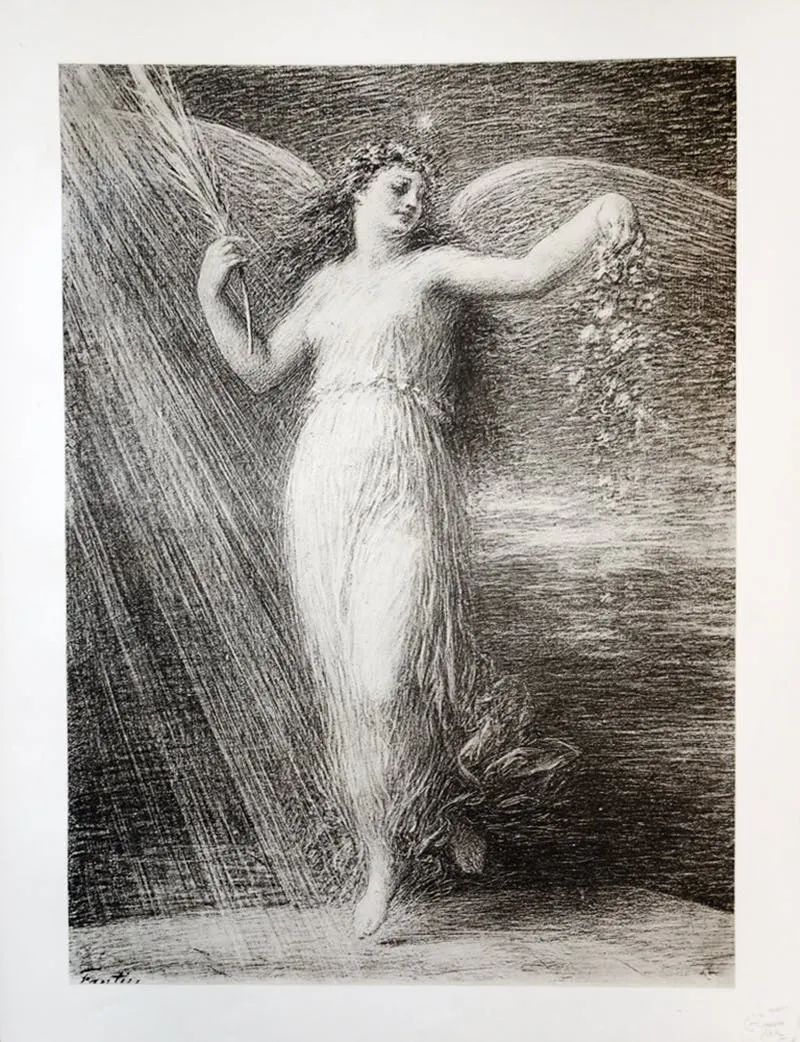
The pleasures of looking for a collection: each print has its own history, which is sometimes revealed by the small clues that the sheet bears. There are small signs that may be on the print itself or on the back, or on the frame, through which the collector can trace the life of his print. For example, it was very moving for me to discover, on the back of the frame of a 11-proof Fantin-Latour lithograph, an inscription engraved on the compass by his former owner, a teenager who had received it as a gift from his father: "March 25 1908, from Father". I, of course, kept this frame as it is!
Tell us about an acquisition that is particularly important to you.
A print that is particularly dear to me is a Dutch Navy print by Charles Duvent, an artist who has fallen into oblivion. It belonged to the great art critic Roger Marx, a man I admire enormously. In addition, I have a special affection for Rodolphe Bresdin, an artist for whom I created a search alert on Barnebys to allow me to follow the auction of prints of his across the world!