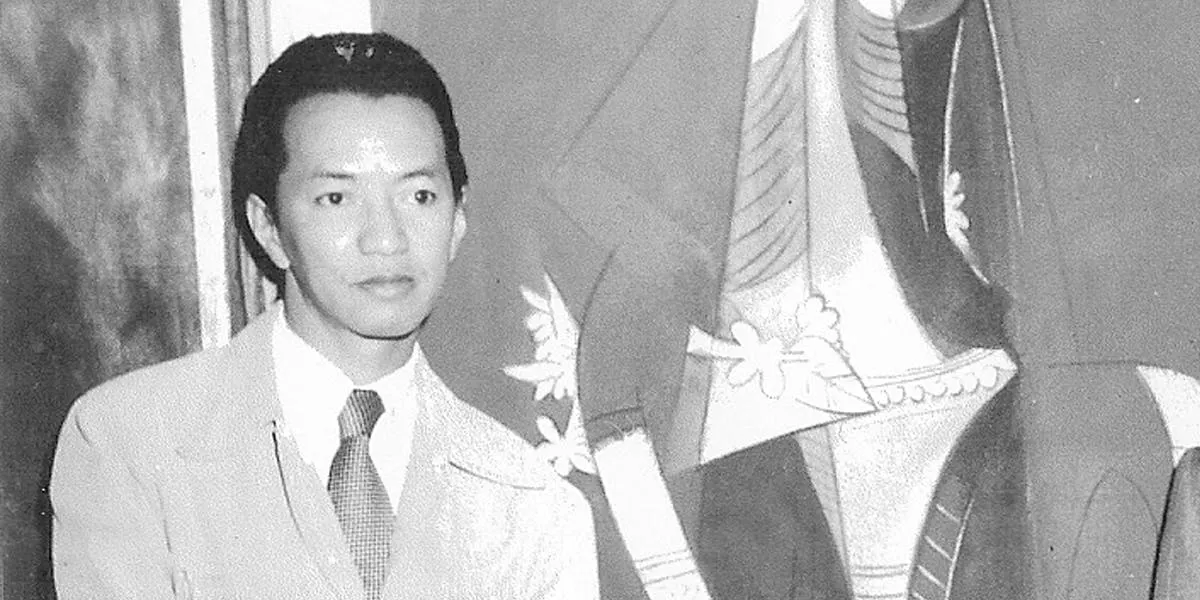
A pioneer of cross-cultural painting, Wifredo Lam (1902-1982) combined Western modernism with African and Caribbean symbolism, creating a singular stylistic language. Always in tune with the avant-garde movements of his time, Lam was recognized as a Surrealist, but rubbed shoulders with the Imaginists and the CoBrA group. Through his exploration of the diversity of artistic mediums, the Cuban artist took to heart the social, political and cultural problems of his country and of the world. A jack-of-all-trades and deeply committed, in his art as in life, Lam continued the same fight as his friend, the poet Aimé Césaire, saying, "I wanted with all my heart to paint the drama of my country, but by thoroughly expressing the black spirit, the beauty of the plastic art of the blacks."
Related: Lucie Rie: Art of the Tea Ceremony
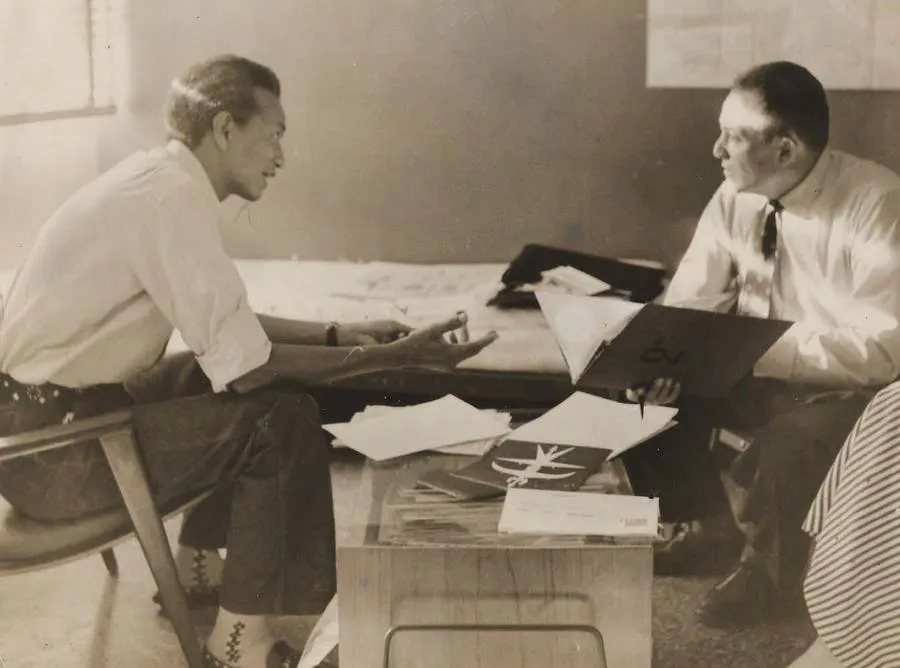
Born in Cuba in 1902 to Lam Yam, a Chinese immigrant from the Canton region, and Ana Serafina Castilla, a Cuban descendant of deported Spaniards from the Congo, Wifredo Oscar de la Concepción Lam y Castilla was the youngest of eight siblings.
He visited Paris in 1938, where he befriended the painters Picasso, Braque, Matisse, Miró, and Léger, as well as the poets Éluard, Leiris and Amy Bakaloff Courvoisier. It was also in Paris that he met the Danish artist and co-founder of the CoBrA group, Asger Jorn, who would change his practice in the future. At the time, Jorn had already fallen in love with the art of ceramics and had started to develop his own style. He had handled clay and ceramics on several occasions in Denmark, but it was his meeting with the potters of Albissola, an Italian town in the Liguria region, that further stimulated his imagination. Their workshops imbued with a true artisanal tradition were, for an artist like Jorn, a haven of creation.
Related: Picasso's Hidden Talent
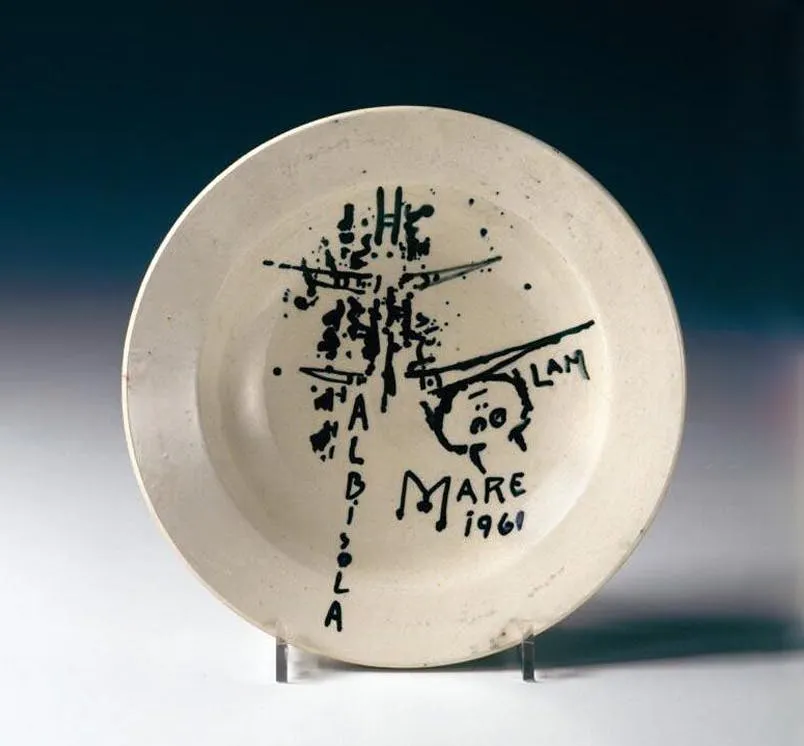
Albissola has been renowned since the first half of the 16th century for its production of ceramics, which were sold all over the world. From the 1930s, the Futurist movement reached the town, but it was not until the 1950s, and in particular the arrival of Jorn, that it became a meeting place for artists, intellectuals and writers.
In 1954, driven by his desire to collaborate with artists sharing his vision, Jorn organized “The International Ceramic Meeting”, a grouping of artists from all over the world with the simple aim of creating and expressing themselves through through this genre. No less than 48 works by Jorn alone were produced from this session and the body of work of the participants (which included Karel Appel, Corneille, Lucio Fontana, Sergio Dangelo, and Roberto Matta) represented something totally new in the art world. This creative meeting had a considerable impact on the field of ceramics and stimulated many artists to continue in the discipline.
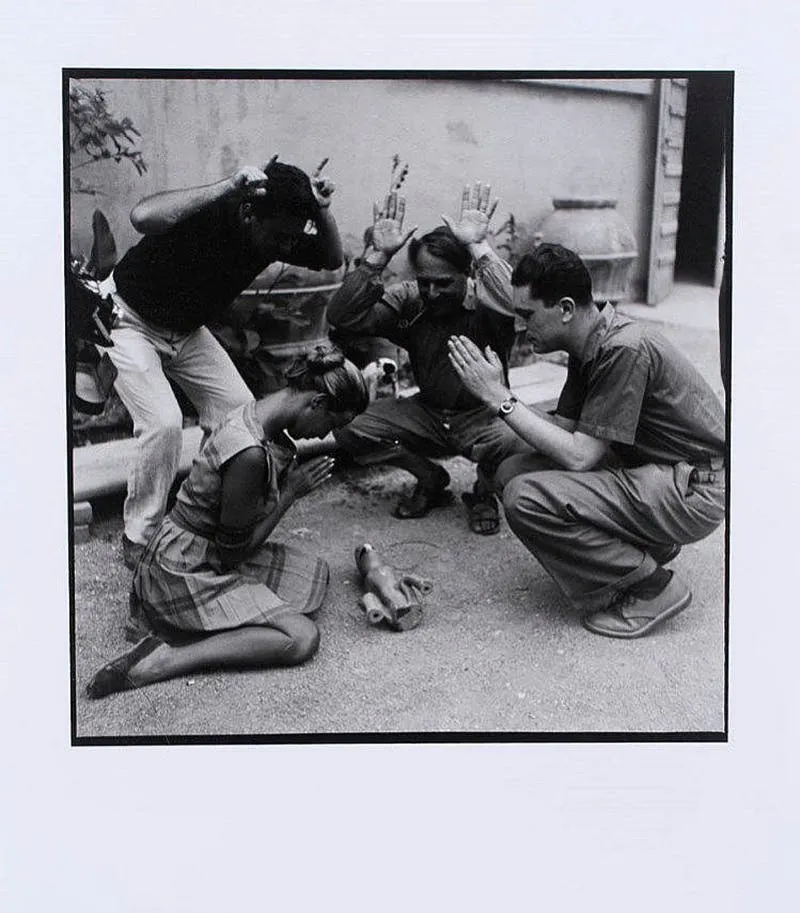
Was Wifredo Lam present during the meeting? No, because his invitation reached Cuba, where he had moved back in August 1941 during World War II, too late. Nevertheless, Lam went to Albissola ten days after the event and fell in love with the town and ceramics. In an Italy slowly recovering from the war, the inhabitants of the small town of Liguria lived simply. Artists paid for time spent in ceramic workshops (and even their meals in restaurants) with their creations.
If Jorn had already made a few fortuitous attempts to introduce Lam to ceramics, it was during this period that he was truly successful and he asked him to decorate vases with his style. Lam, his wife and their two children spent the following years traveling between Albissola and the rest of the world, allowing the artist to frequent the workshops regularly. These repeated stays eventually led to the purchase of a house there in 1961.
Often I couldn't sleep, imagining the surprises of these unexpected tones.
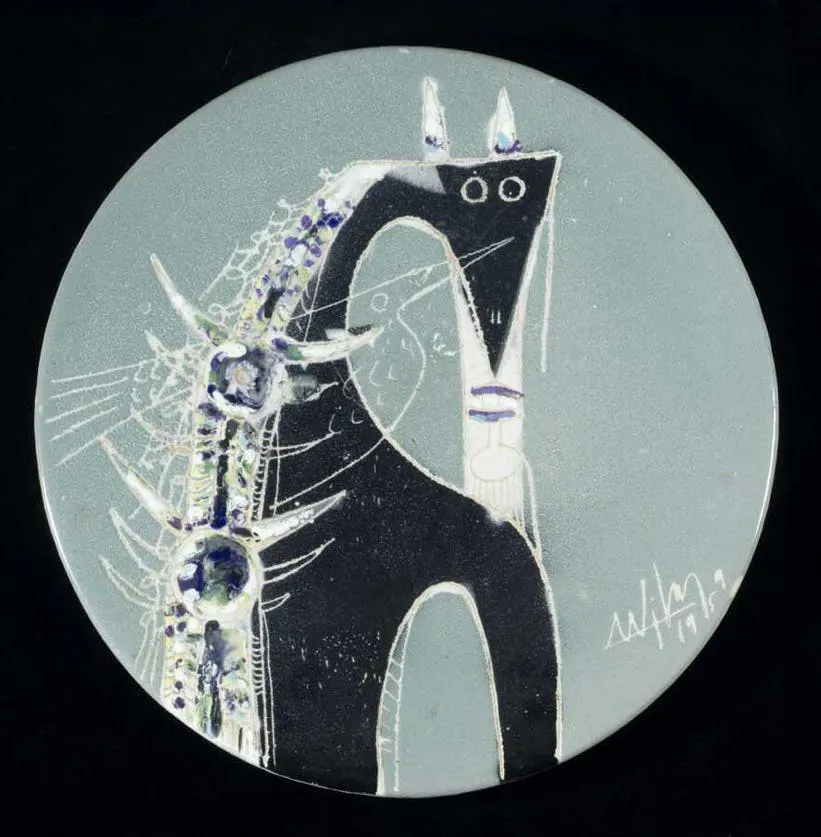
From the 1960s, Lam distinguished himself as one of the most active participants in the local pottery scene, along with his friend Jorn. Lam settled permanently in Albissola during the decade, leaving his wife and children in Paris so they could be educated in a French school. “My father visited us regularly and often sent us illustrated letters of animals and creatures he made up," his son Eskil recalled. "He drew himself and created little characters for each of us. Every summer we all went to Albissola.”
Related: Snuff Bottles: Still up to Snuf
Although Lam incorporated ceramics here and there into his practice, Lam did not take the practice seriously until 1975, when he realized the incredible potential and creative freedom offered by the medium. His production was joined by that of the ceramist Giovanni Poggi, with whom he worked closely, and a fruitful collaboration began with the studio Le Ceramiche San Giorgio. Lam threw himself body and soul into the discipline, so much so that he was struggling to sleep, worried about the results he would discover in the workshop the next day.
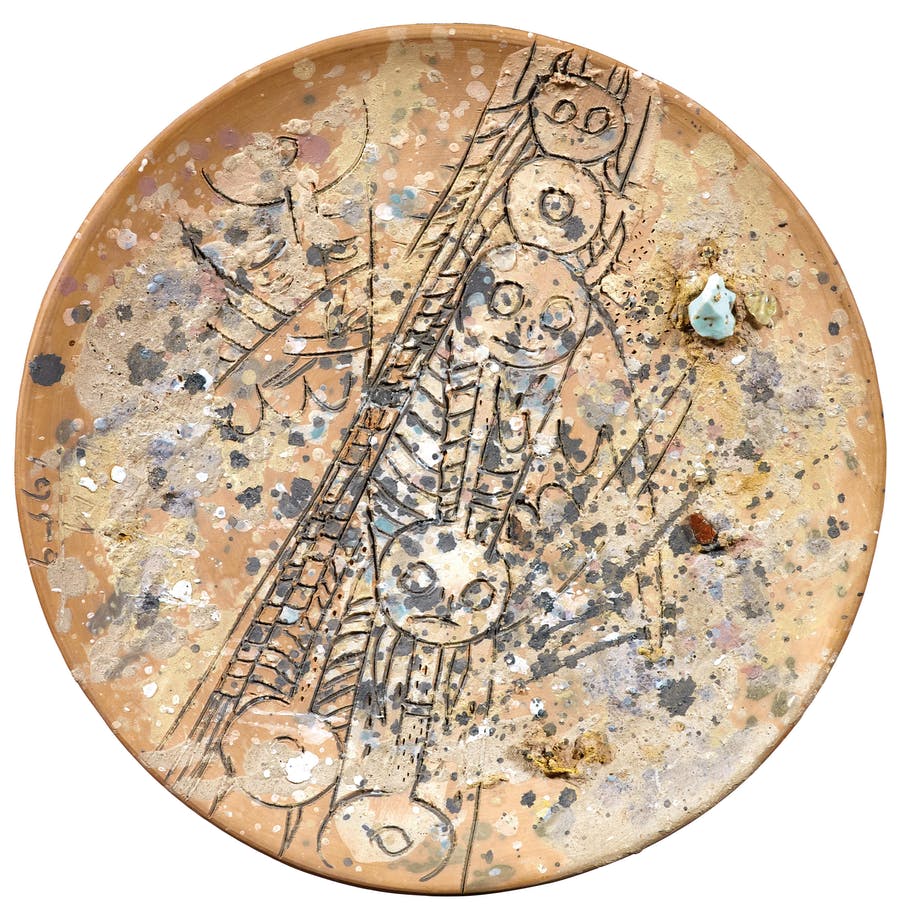
His son Eskin recounted that sometimes, after a day at the beach, he would drop by the workshop and immediately understand his father's mood if his work from the day before was lost. Pottery, as liberating as it is, is also a practice that leaves room for chance. Unexpected cracks can occur, glaze can flow in the wrong direction, and colors can mix randomly. The results that Lam discovered in his works were therefore sometimes welcome, sometimes disastrous. “Often I couldn't sleep, imagining the surprises of these unexpected tones,” he said.
Related: Lois Mailou Jones: Inimitable Fusion of Cultures
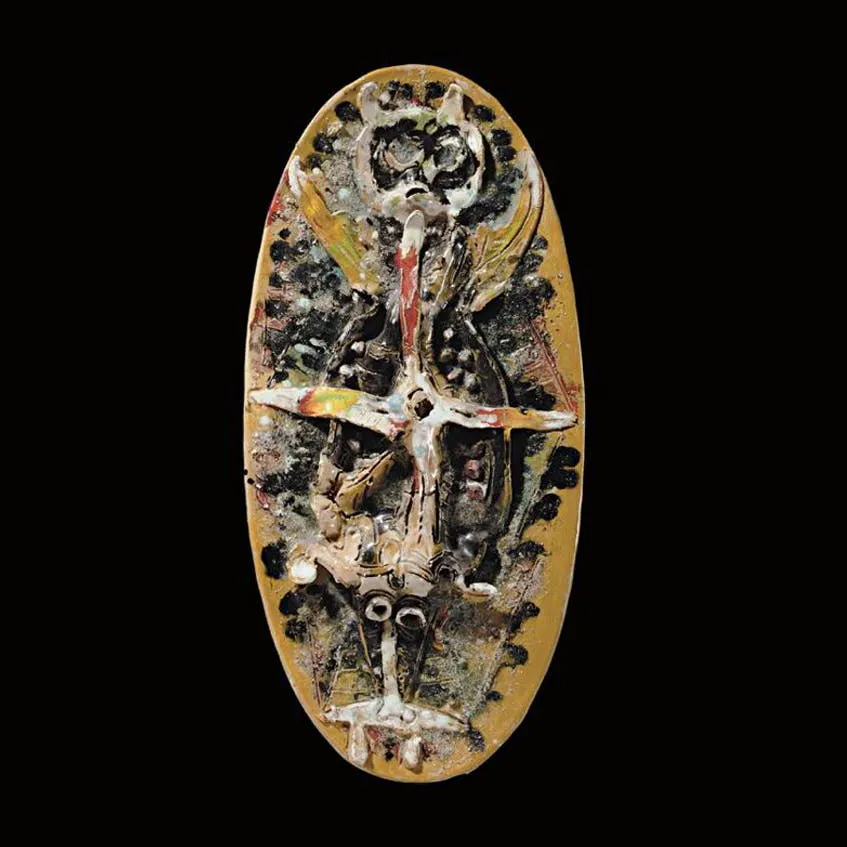
In just a few years, Lam produced more than 400 vases and other ceramic works, some of which were exhibited at the Ceramics Museum in Albissola Mare as early as August 1975. While his paintings like The Jungle (1943) or Zambezia (1950) are very well known, his ceramic works are often forgotten. However, his family and some institutions in recent years have put the spotlight on the “Albissola years”, when Wifredo Lam, like many others before him, reveled in this new creative freedom represented by ceramics.