
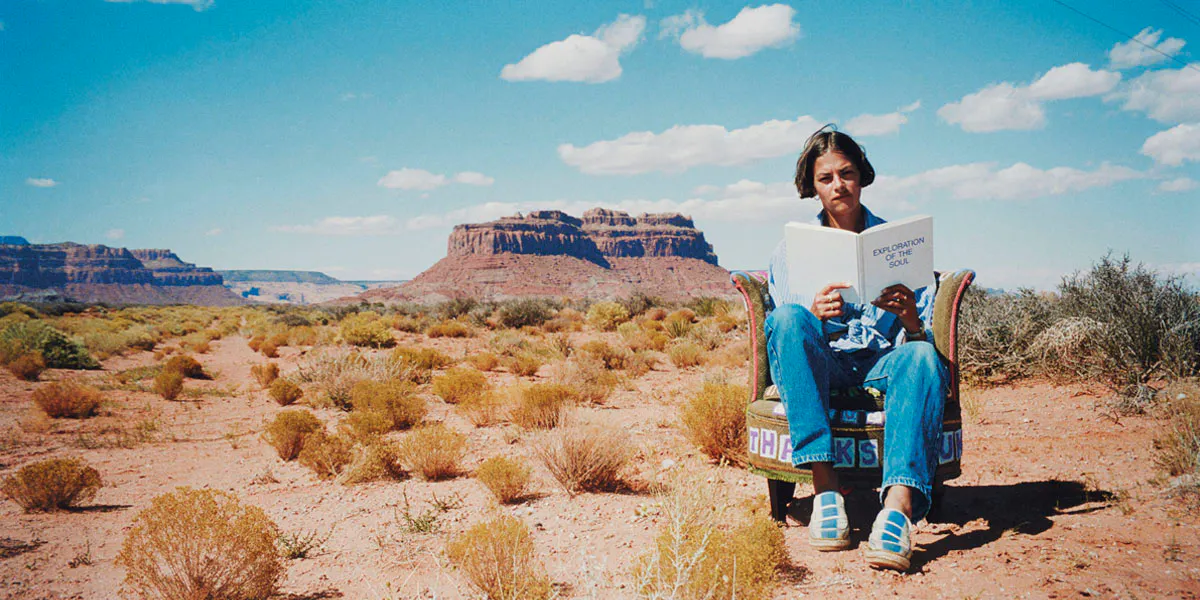
Growing up in a little seaside hotel in Margate, Kent with her parents and her twin brother, Tracey Emin’s life was rather normal and she has since said that during this time she was treated ‘like a princess’. This was until she discovered that her father was leading a double life. He had three children with another woman, and when she was seven he abandoned her family, which led to a childhood of poverty. Another horrific incident occurred when she was raped at the age of thirteen, which later had a phenomenal impact on her art.
I only survived thanks to art. It gave me faith in my own existence.
All this emotional childhood trauma led Emin to drop out of school, however she returned to the Medway College of Design (now the University for the Creative Arts) in 1980 to study fashion and in 1986 she received a Fine Arts degree from the Maidstone College of Art. In addition to this, she completed a Master’s Degree in Painting at the Royal College of Art, London. During this time she met Billy Childish, a mixed media artist, singer and poet. Their relationship lasted until 1987 and during this time Emin worked for his small press, Hangman Books.
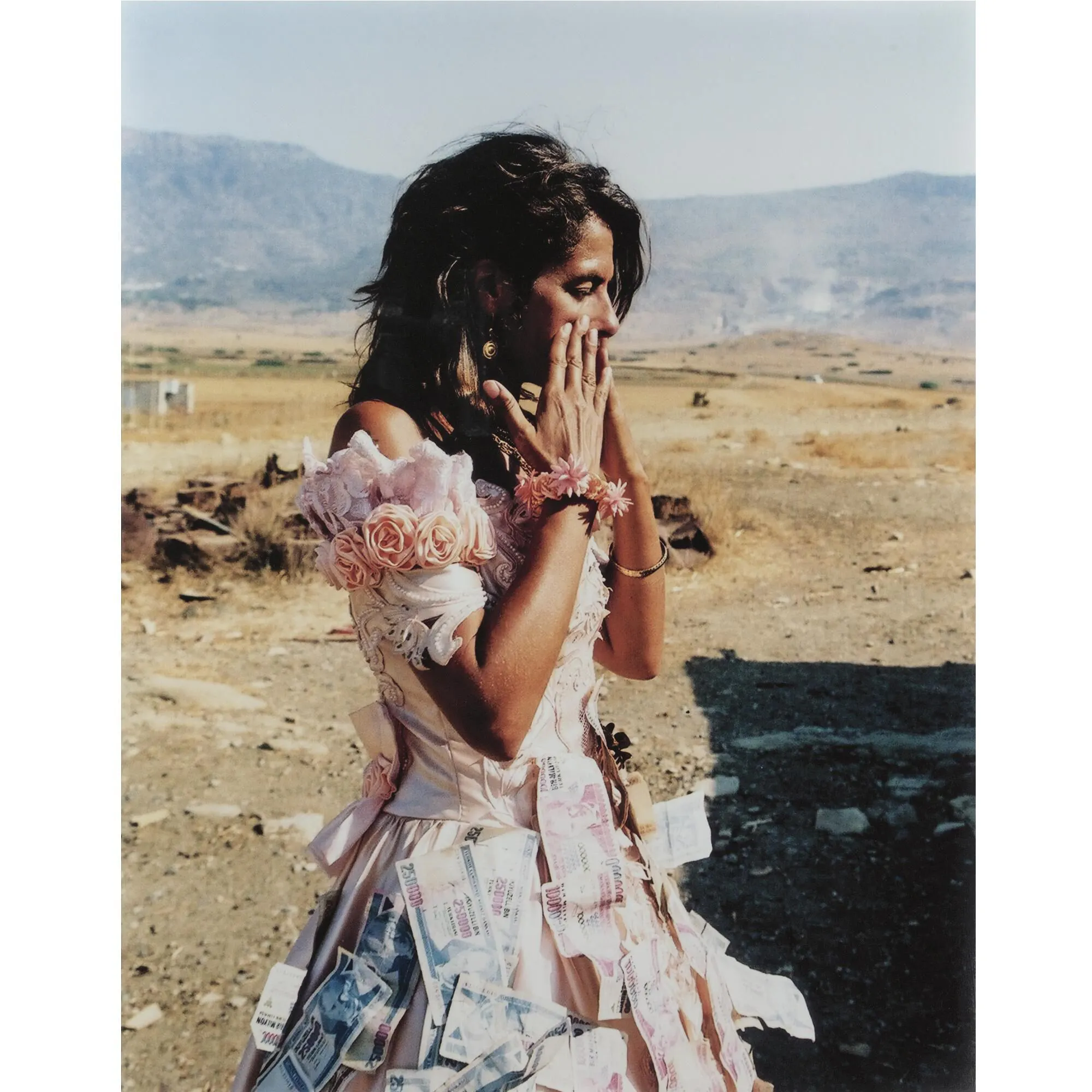
Although Emin was successfully earning academic degrees and starting to make a name for herself as an artist – focusing on photography, painting and sculpture, with deeply personal and sexually-influenced installations – she went through even more trauma. During her relationship with Childish she tried to commit suicide by jumping off the Margate Bridge. The biggest influence on her work, however, came later: from two abortions that she undertook at the beginning of the 1990s, which Emin said taught her ‘the essence and knowledge of where things come from’.
See also: Marina Abramović: Not Just Any Body
Emin later said that she did not believe she could be a good mum, or that she would be too good and neglect her artistic work and that she could never give this up. She commented: “I only survived thanks to art. It gave me faith in my own existence."The abortions were like a wake-up call for her and she realized that she needed to change the way she was living. After a serious mental breakdown, the artist later explained in an interview that she was unable to use oil paints for a long time as it reminded her of these painful memories.
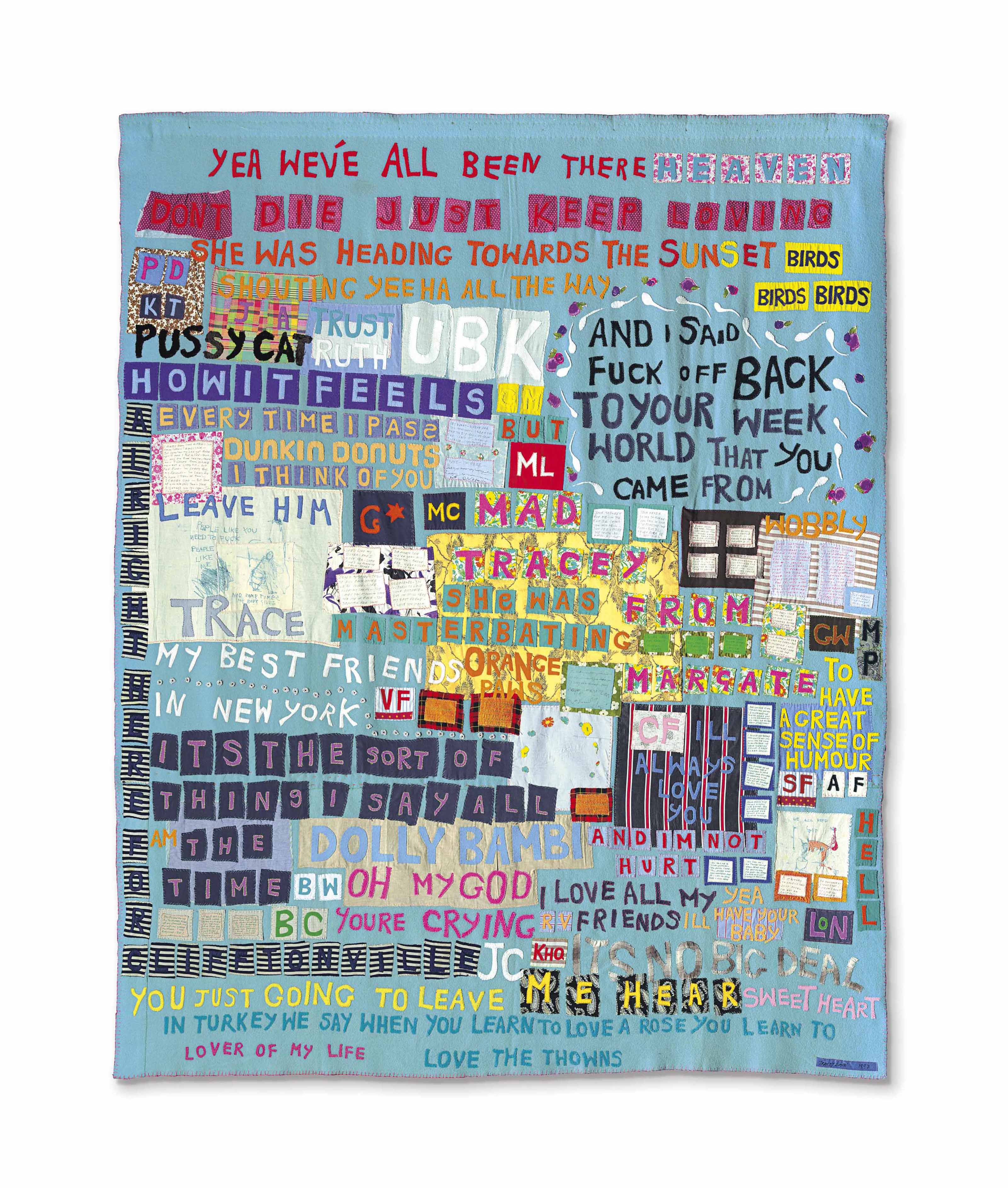
1992 was an important year for the artist. It was when she met and started a romantic relationship with artist Sarah Lucas. At this point, Emin destroyed all of her artwork, including personal photographs and a packet of cigarettes that her uncle held when he was decapitated during a car crash, which was included in her first solo exhibition at White Cube in Bermondsey, London. She left her studio and launched a new venture with Lucas called The Shop, which was located on Brick Lane and examined art as a commodity and held group exhibits with artists such as Damien Hirst. The Shop had a great impact on the way commercial art was perceived as they were open 24 hours and sold everything from art to t-shirts to sex toys. In the evenings The Shop was used as an after-pub party venue. Their business and romantic relationship only lasted six months when Lucas left Emin.
Emin’s past was what urged her to create the piece that made her rise to fame. Everyone I’ve ever slept with (1963-1995) (1995) was a small tent that contained all the names of people with whom Emin had ever shared a bed. This very intimate piece of art also contained the names of her two unborn fetuses. The work caught the attention of Charles Saatchi when it was shown at the group exhibition organized by Carl Freedman. From then, Saatchi began to purchase her works. Of course, the tent infuriated some of her previous lovers and one of them decided to sell Emin’s love letters that she had written to him when she was fourteen and he was twenty-two. Unfortunately, the tent and her work The Last Thing I Said to You is Don't Leave Me Here (2000) were destroyed during a fire at Saatchi’s warehouse.
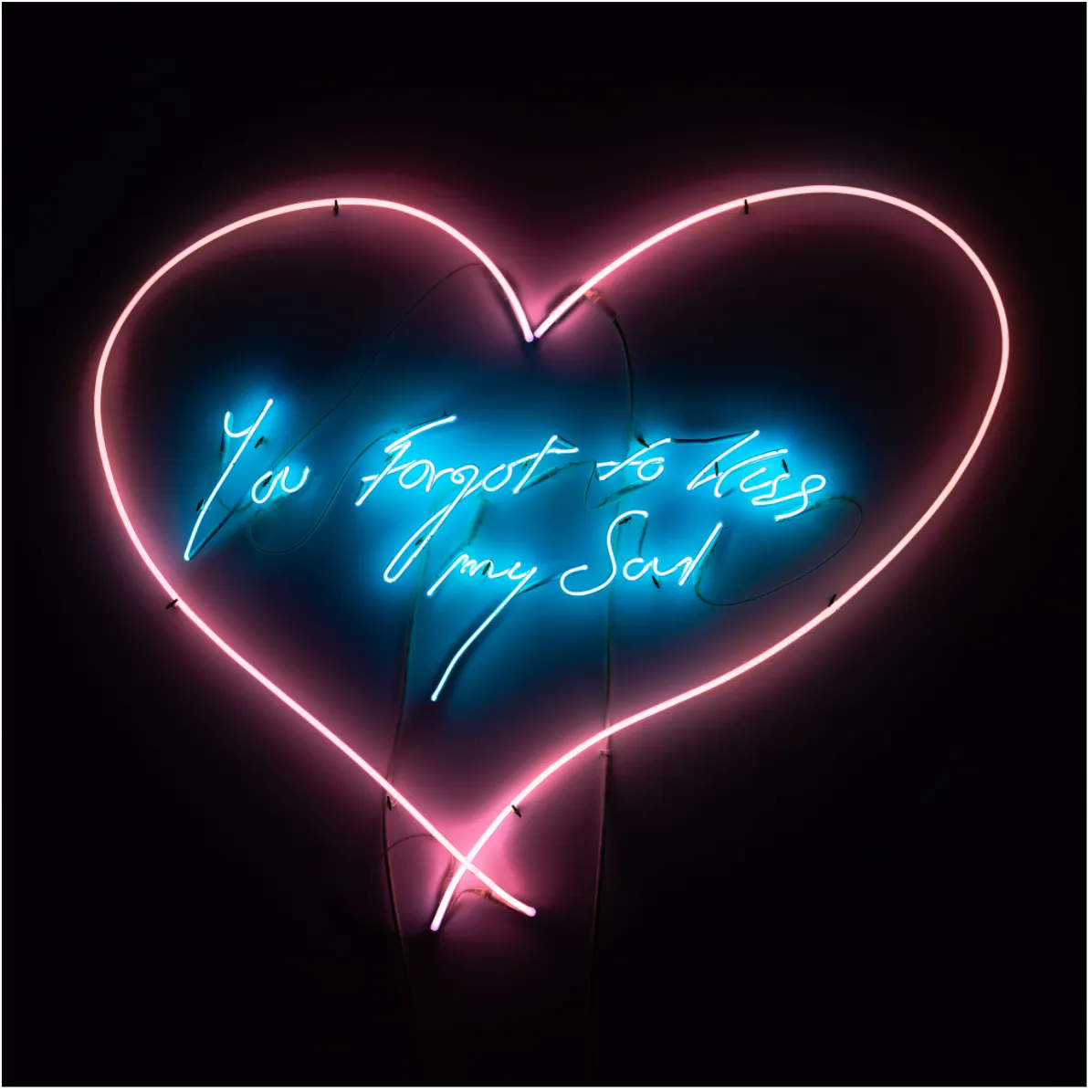
Within all these painful moments, Emin discovered an artist whom she drew great inspiration from: the expressionist painter Egon Schiele. Schiele portrayed women as strong nude figures, which is what Emin wanted to achieve in her own work as well. It was Schiele’s difficult life and way of portraying it that led Emin to understand how to use the image of the body and art mediums to work through emotional pain.
See also: Yayoi Kusama: The Queen of Cool
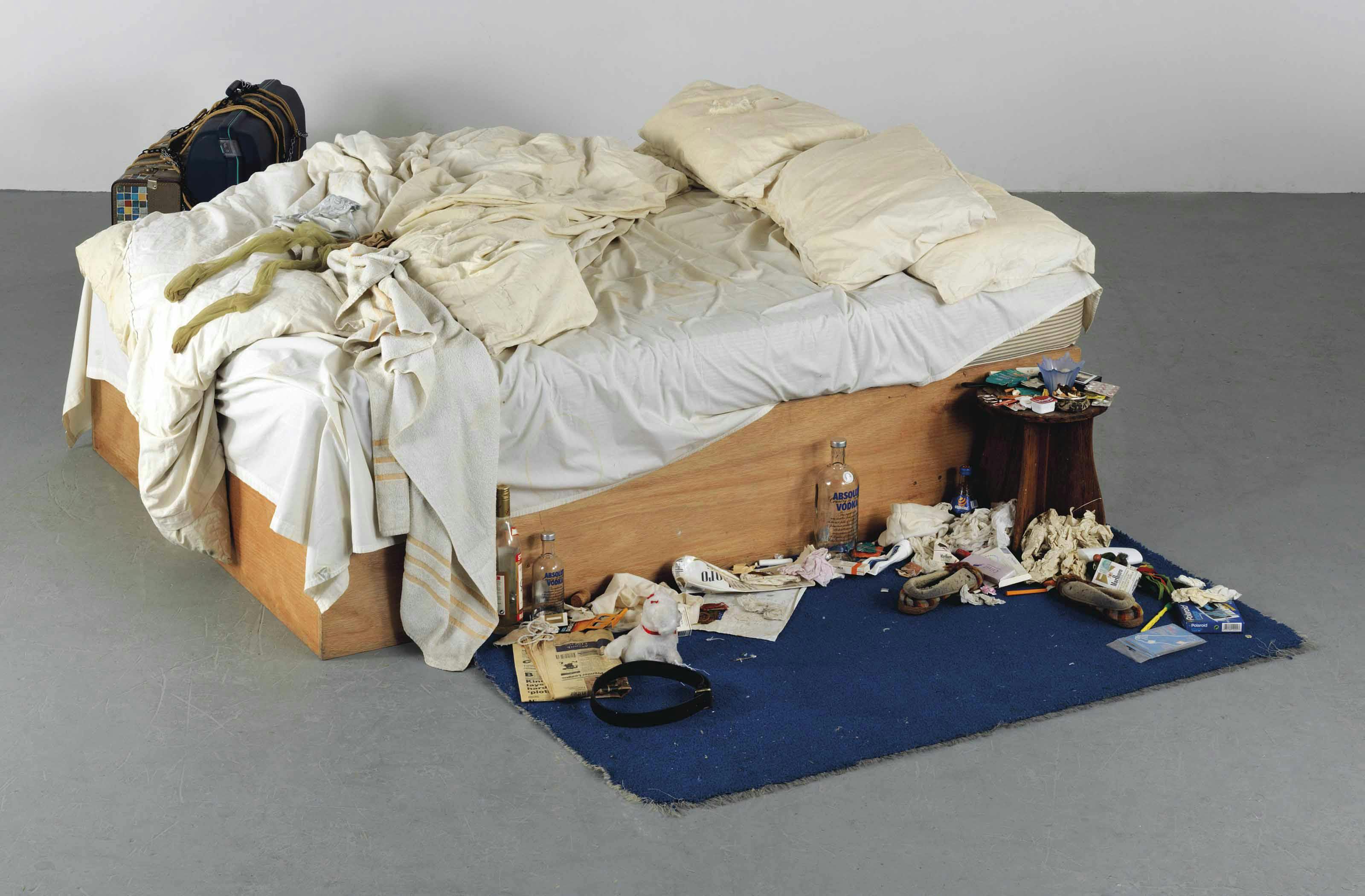
While her work has evolved over time, Emin has stayed committed to portraying her emotions and thoughts. What is probably her most famous work is her own bed that she presented under the title My Bed at Tate Britain’s 1999 Turner Prize exhibition. It depicted the state of her bed after a week-long depression and included condoms, bloody clothes and cigarettes. It was shortlisted for the Turner Prize and sold at Christie’s in 2014 for $4.3 million. It is now part of the permanent collection of Tate Modern.
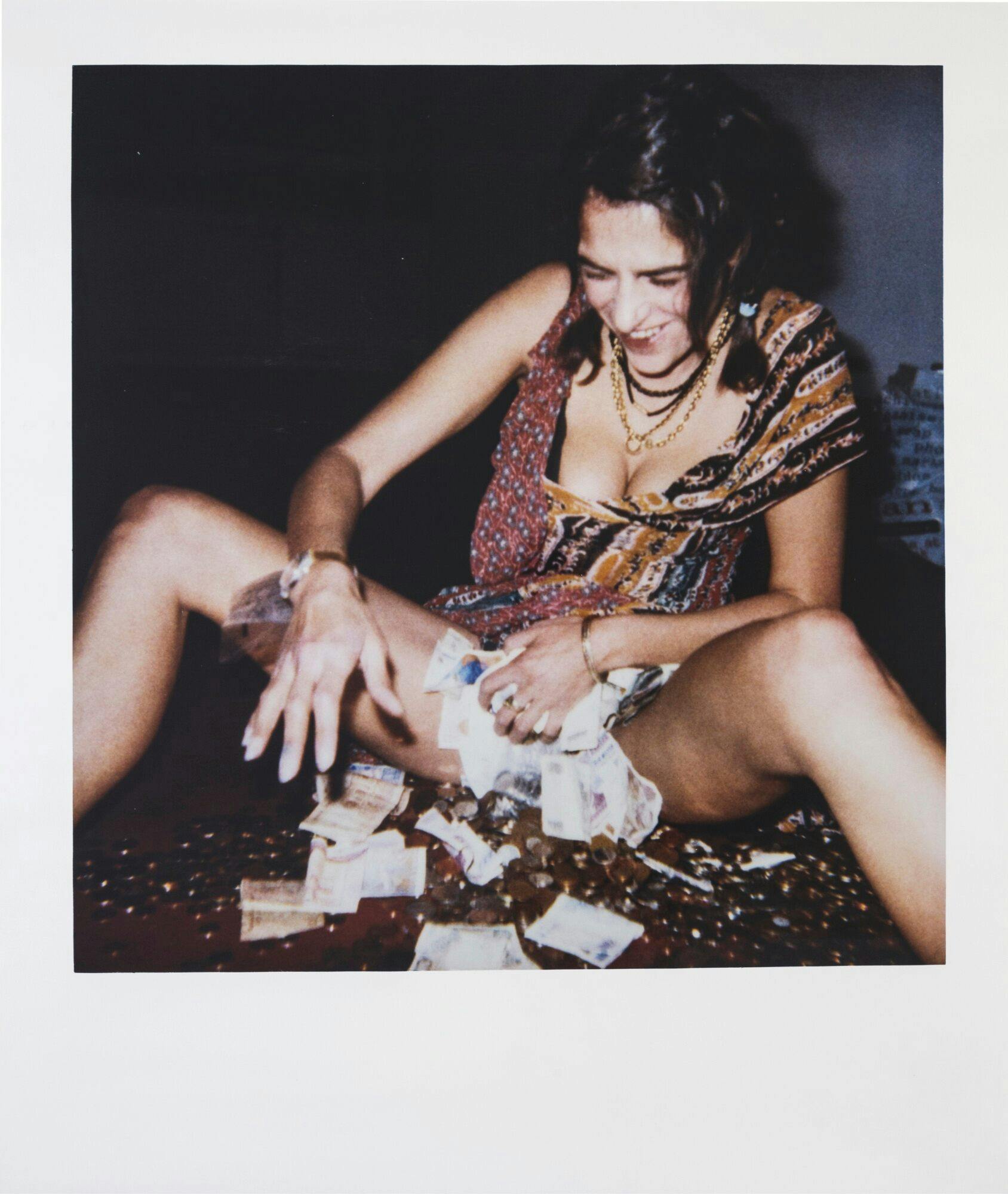
Emin is part of the Young British Artists – a movement defined by Tate as “a loose group of British artists who began to exhibit together in 1988 and who became known for their openness to materials and processes, shock tactics and entrepreneurial attitude”. Today, Emin is also a member of the Royal Academy of Arts, and also teaches various drawing classes and gives guest lectures. Her works are shown all around the world and though she has found a more comfortable and calm way of living, this does not stop her from continuing to create deeply personal art.
More recently, her style has evolved towards making more figurative works. During an interview with the BCC, she stated about her old work: ‘they were quite sexual and I find it a bit embarrassing... I need to move on and my work needs to be a lot freer.’
Discover more about Tracey Emin on Barnebys
Article by Sophie Bubmann