Saatchi was born in Baghdad in 1943. In 1947, his Jewish family fled persecution in the Middle East and settled in England. The arrival in Europe led to a sort of culture shock for the young Charles, and he discovered consumer society and became passionate about musicians such as Elvis Presley, Little Richard and Chuck Berry. In 1965, he joined the advertising firm Benton & Bowles in London, where he met the woman who would become his first wife, Doris Lockhart. Gradually he developed his network in the advertising world, and in 1967, created the consulting firm Cramer Saatchi with art director Ross Cramer.

Saatchi’s interest in art was born around the same time. Fascinated by American Minimalism, in 1969 he bought his first painting for a few hundred dollars, a work by Sol LeWitt. In 1970, he founded the Saatchi & Saatchi agency with his brother Maurice. Both men applied aggressive market strategies and quickly gained a variety of important customers. Two years after its inception, the company was listed on the stock exchange, and by the 1980s it was the largest advertising agency in the world, with 600 offices by 1986.
See also: The Barolo Chapel: Sol LeWitt’s Colourful Church in Italy
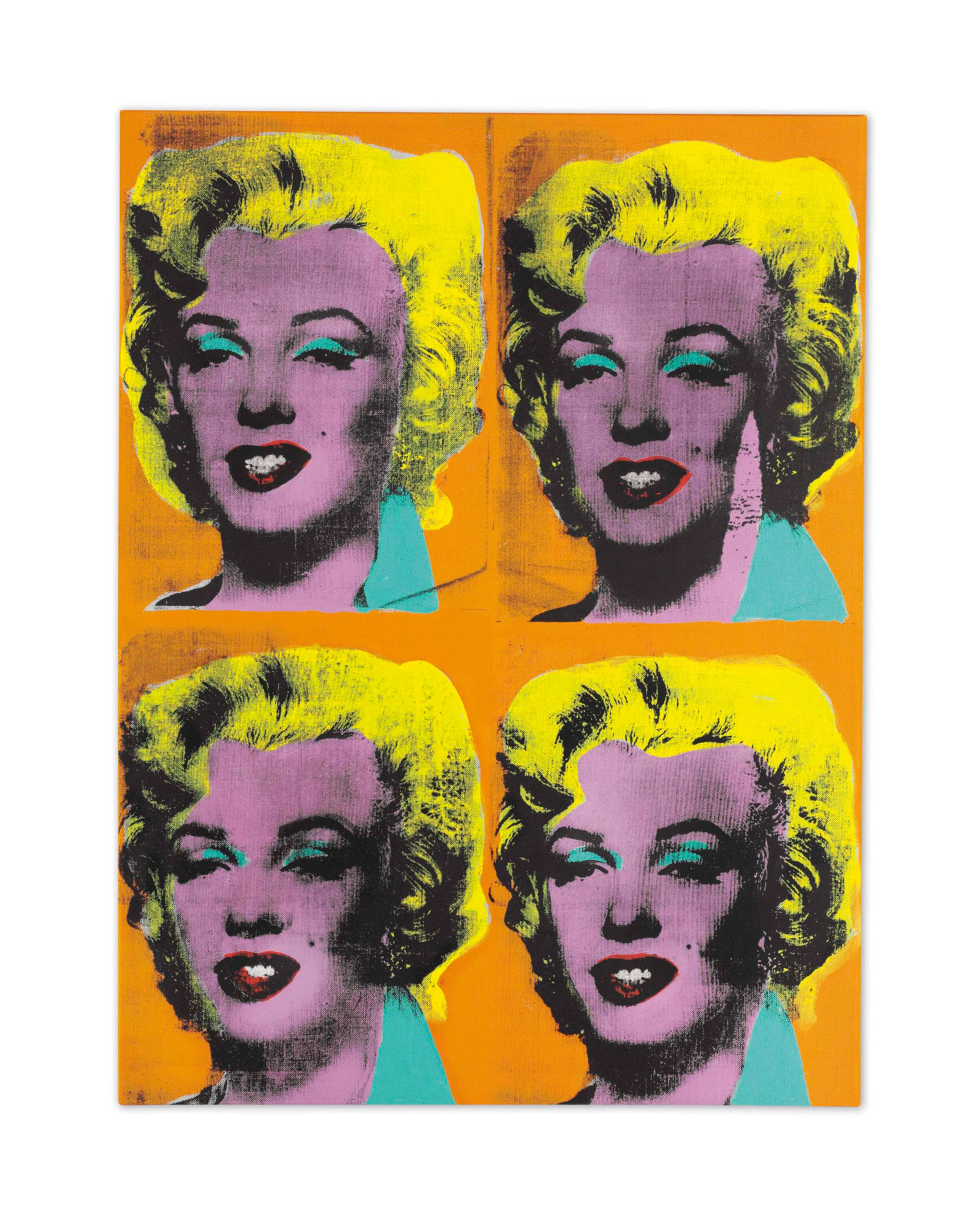
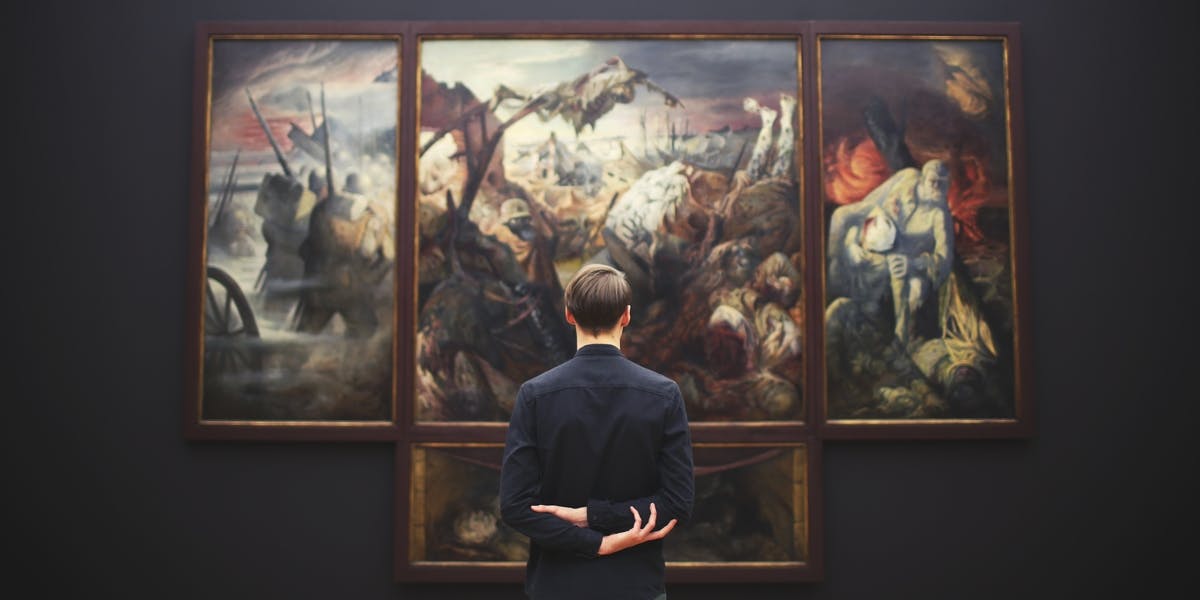
After the success of his company, Charles Saatchi was free to invest in art. He built up an important collection and bought a 2,800 m² building in London to house it. Renovated by the architect Max Gordon, the place received its first exhibitions in 1985. And thus, the Saatchi Gallery was born. Established artists, such as Sol LeWitt, Andy Warhol and Anselm Kiefer were displayed, as well as more obscure artists, such as Robert Mangold. The gallery became a media success that contrasted drastically with the discreet personality of the owner. Meanwhile, on the advertising side of things, both brothers were getting further from the management of their company and left Saatchi & Saatchi to found the rival M&C Saatchi.
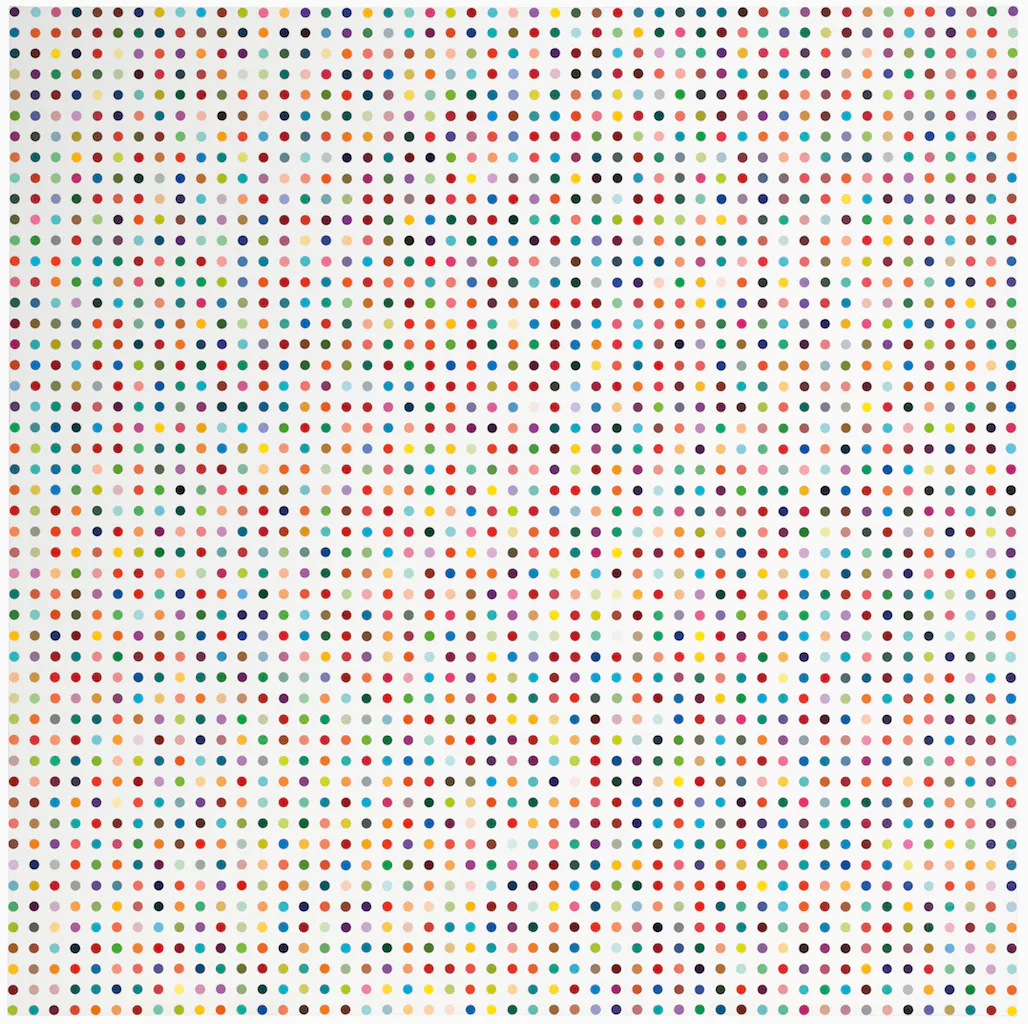
Around the same time, Saatchi moved away from American Minimalism and became interested in the group of contemporary English artists that would later become known as the YBAs (Young British Artists). He bought his first works from Damien Hirst, including A Thousand Years (1990) and The Physical Impossibility of Death in the Mind of Someone Living (1991). He also acquired pieces from Marc Quinn and Rachael Whiteread, and his collection has been growing ever since. More than ever, Saatchi is, as he himself put it, an ‘artoholic’.
See also: Bankably Banksy
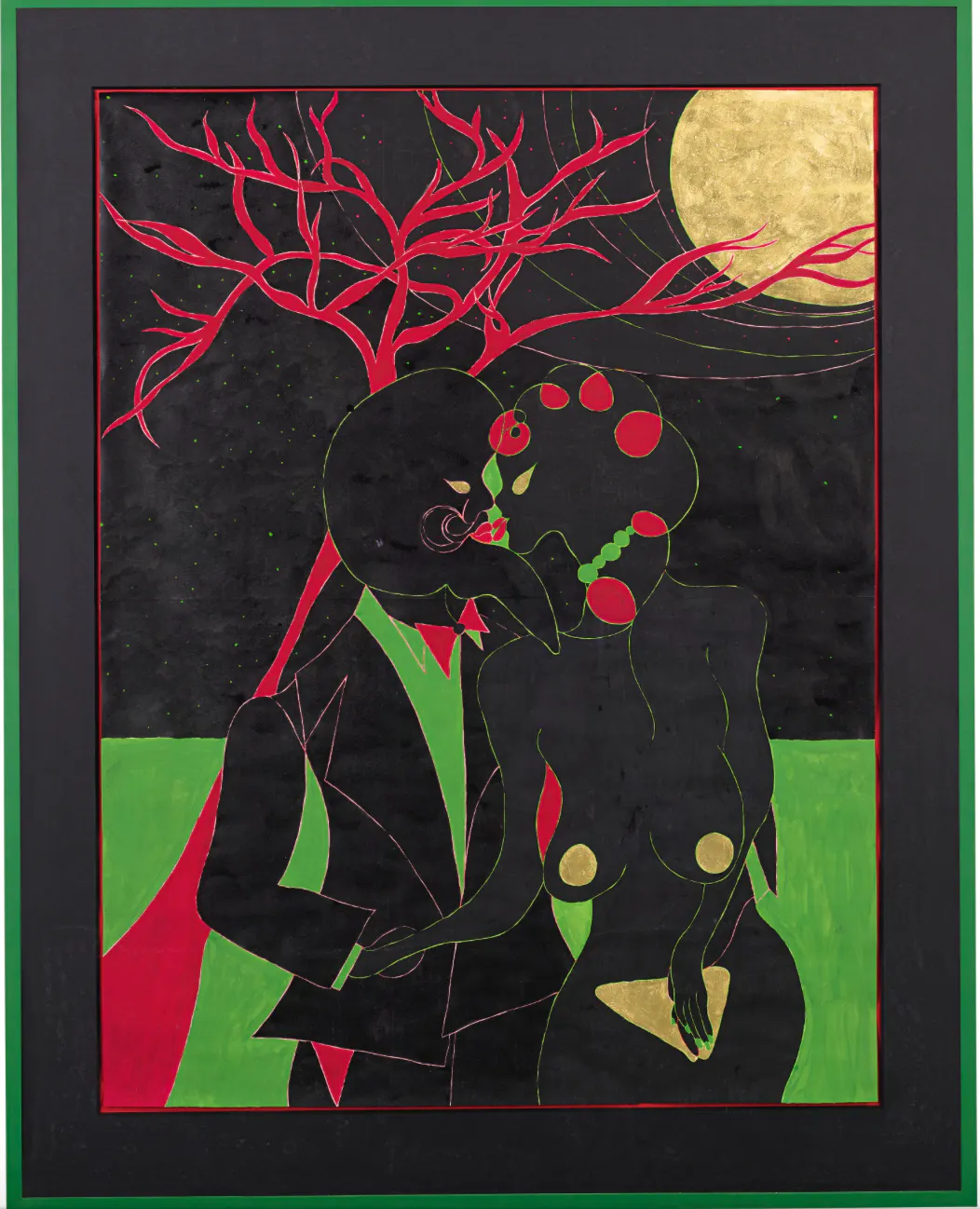
The spectacular rise in the price and popularity of YBA works has led to many accusing Saatchi of speculation, the idea that he is storing artists’ works in order to generate a significant added value in the future. These increased returns aren’t guaranteed, but are very likely and especially for pieces by artists like Damien Hirst. In 1997, a selection of Saatchi’s collection was exhibited at the Royal Academy of Arts in London as the controversial and provocative show Sensation. 110 pieces by 42 different artists (mostly YBAs) were displayed, including Marcus Harvey’s Myra (1995), a depiction of the serial killer Myra Hindley, and Chris Ofili’s The Holy Virgin Mary (1996), which is noted for its inclusion of elephant dung. The touring show caused heated reactions, and when it was installed in the Brooklyn Museum in New York, then-mayor Rudy Giuliani took exception to the display, and to Ofili’s work in particular.
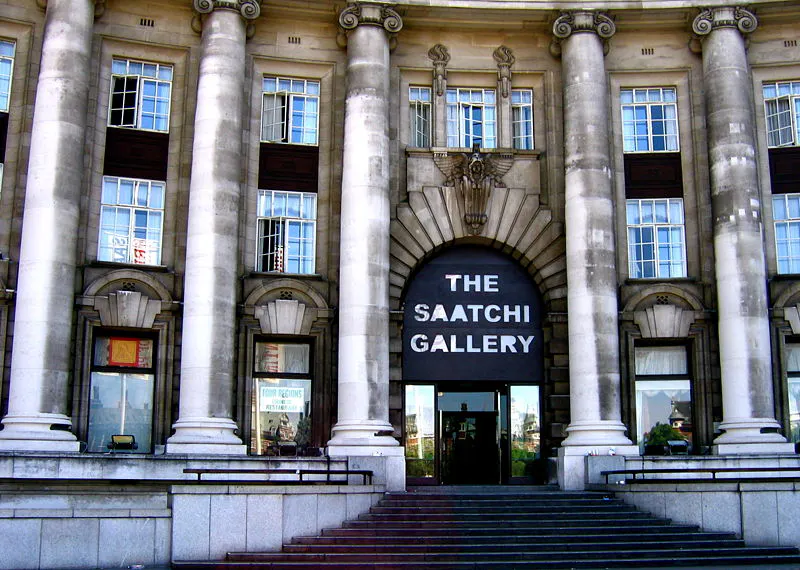
During the same period, Saatchi began developing his reputation as a philanthropist and innovator. In 1998, he donated 130 works to organise a sale at Christie’s, and the resulting US$1.7 million (£1.32 mil) in proceeds were donated to London schools. In 1999, he offered 100 works to the Arts Council. In 2006, he launched the website saatchiart.com, a platform that allows individual artists to sell to collectors with Saatchi taking a 35% commission on sales. The site now boasts 60,000 artists from all over the world, with 1.6 million monthly visitors. In 2008, the Saatchi Gallery moved to its new headquarters on Duke of York Square, in a location of more than 6,500 m². It welcomes more than than 1.5 million free visitors per year. In 2009, Saatchi collaborated with the BBC to broadcast the four-part program School of Saatchi. The show melded the art world with reality TV, with young artists competing against each other for a chance to be chosen by Saatchi to have their work displayed in a gallery.
See also: Yayoi Kusama: The Queen of Cool
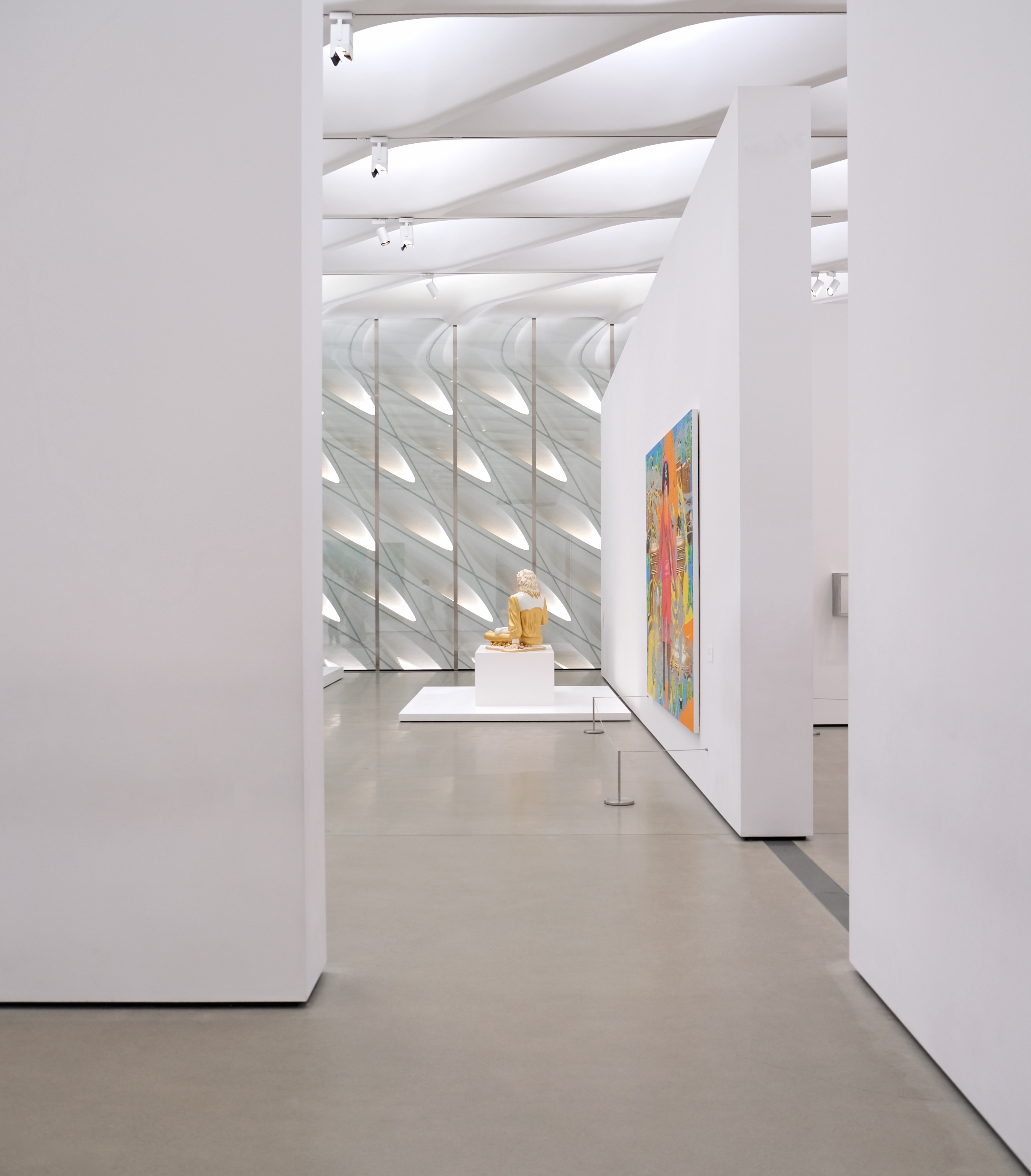
In July 2010, Saatchi announced that he was offering his collection to the Arts Council. The audience effect is guaranteed, but logistically the transfer to a public institution is difficult. The gallery owner did make his preference of keeping his art publicly visible very clear – in a 2011 opinion piece in the Guardian, Saachi offers a scathing description of the super-rich who use art as a tool to appear cultured but can’t actually tell a good artist from a weak one. This is almost ironic coming from the man, who, maybe more than anyone else, helped to build this system. Perhaps it was his background in advertising, but Saatchi’s taste and gallery shows have been marked by provocative material that leads to controversy, and, ultimately, publicity. Although he denies any significant financial gain from his art collecting, Saatchi remains an important yet divisive character in the contemporary art scene.