If everyone played a ukulele, the world would be a better place.
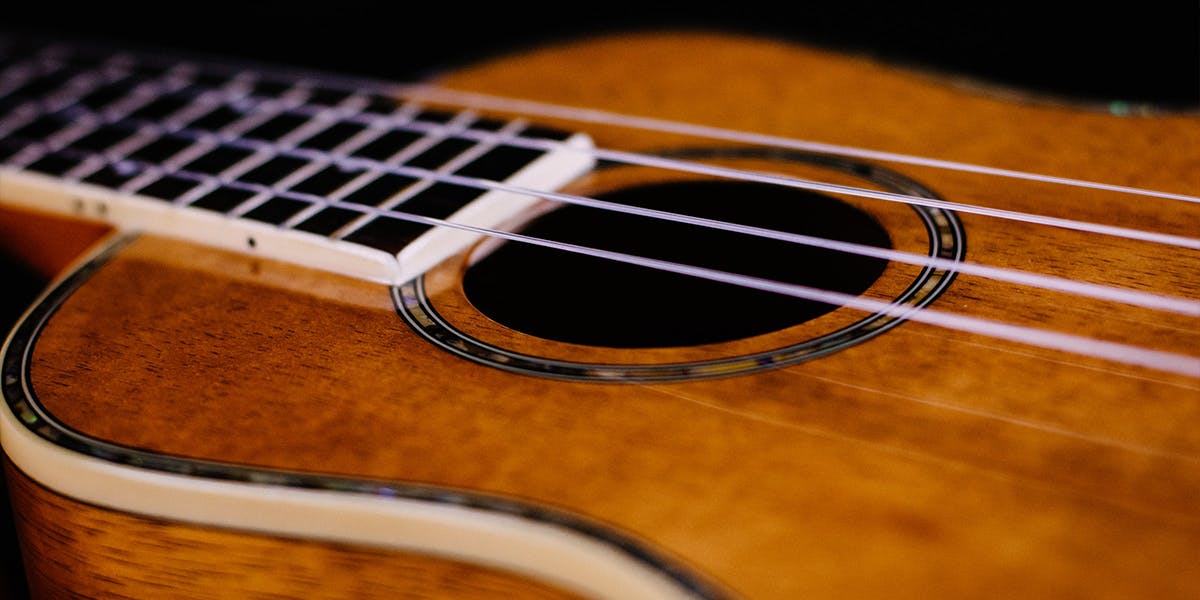
Ukulele: smaller than a guitar, easy to transport, simple to learn, and with a cheerful and fun sound. In recent years, the ukulele – sometimes abbreviated to ‘uke’ – has won the hearts of many people. Even the word ukulele, meaning ‘hopping flea’ in the Hawaiian language, sounds fun. This term most likely refers to the speed with which it is played, with the fingers moving very quickly across the strings. Let's find out more about this very special musical instrument together.
Related: The Appeal of Antique and Vintage Board Games
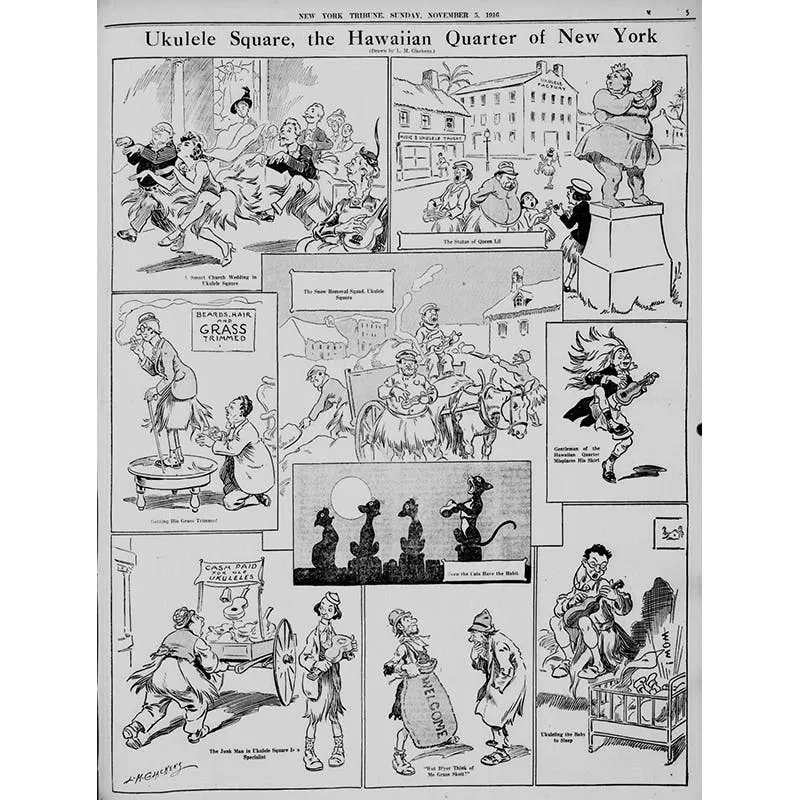
The ukulele was invented in the second half of the nineteenth century, around 1879, by Portuguese immigrants from Madeira who moved to Hawaii to work in the sugar cane fields. Some of these immigrants were expert luthiers and created this new instrument as a combination of the braguinha and rajão, which were typical Portuguese chordophones. In the United States, the ukulele was popularized by musicians like Roy Smeck (1900-1994), who was even nicknamed ‘The Wizard of the Strings’. While the Great Depression of the 1930s in the US had negative repercussions on the ukulele, the instrument was experiencing a moment of splendor in Great Britain, thanks to actor, songwriter and comedian George Formby (1904-1961), who became famous for his films of the 1930s and ‘40s as well as his comic songs played on the ukulele and the banjolele. From the end of the 1940s to the end of the ‘60s, the Italian luthier, guitarist, businessman and inventor Mario Maccaferri (1900-1993) crafted around 9 million ukuleles with relatively low prices. This helped contribute to the further spread of the instrument.

The 1960s saw a new resurgence in the popularity of ukulele in the United States, thanks to bands like the Beach Boys, who sometimes used the instrument to compose their songs. During this same period, fan clubs of the ukulele rose up around the world.
Despite another dip in popularity after the 1960s, the ‘90s saw another revival as the ukulele started being used by more and more musicians. The Hawaiian artist Israel Kamakawiwo'ole became famous during this time. He created medleys to the reggae rhythms of the songs ‘What a Wonderful World’ and the well-known ‘Somewhere over the Rainbow’, which appeared on various media channels, further popularizing the ukulele. Sadly, Israel Kamakawiwo'ole passed away at just 38 years old in 1997, but the dreamy spirit of his voice, accompanied by the lighthearted melodies of his ukulele, continues to make millions dream through the videos that made him famous.
Related: Over the Rainbow
The advent of YouTube and the interpretation of famous songs by some YouTubers has further contributed to the growing interest in this instrument. A video of the song ‘While My Guitar Gently Weeps’ by George Harrison, played by the American composer Jake Shimabukuro, went viral with over 17 million views. Shimabukuro once said, “If everyone played a ukulele, the world would be a better place”.

Related: Vintage Luggage & Trunks: Where to Begin
YouTube is teeming with ukulele-related videos: covers of famous songs, tutorials, various tips on ‘How to play the ukulele’, ‘Which ukulele to buy to get started’, ‘Songs for Beginners’, ‘The First Chords’, etc. The amount of multimedia content dedicated to the ukulele is astounding. During the Covid-19 pandemic, many started playing the ukulele. Not only because it’s easy to learn, especially compared to other instruments, but also because of its nature as a happy instrument, with the ability to raise morale in such difficult times.
Related: Globes: All Around the World
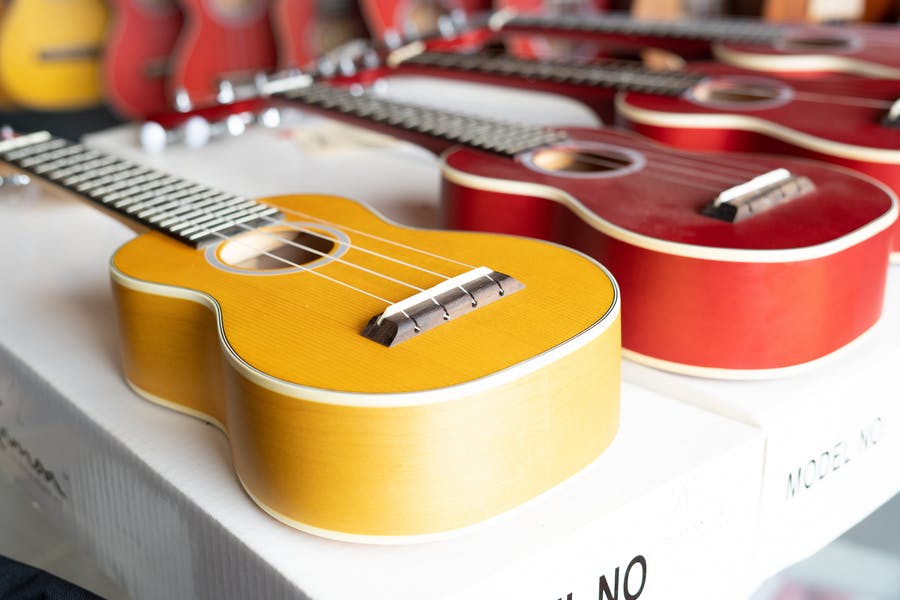
Beyond the cheerful sound of the instrument, ukuleles are also sold in a wide variety of fun colors and materials, like plastic. This has the advantage of being more resilient and waterproof, making the instrument an excellent travel companion. However, not all plastic brands have the best sound quality. As such, many prefer wooden ukuleles as the material provides a better sound return.
How many types of ukuleles are there?
Overall, there are six different types of ukuleles. First, the Sopranino, considered the ‘little one’ of the family, is notable for its small measurements and rarity. The Soprano, on the other hand, is one of the most common and is perfect for beginners. Measuring just fifty-centimeters long, it is the most suitable for children to play. The Concerto ukulele is slightly larger than the Soprano, about sixty centimeters, and it has a better sound, but a higher cost.
Related: 5 Italian Design Brands You Ought to Know
Then, we have the Tenor, a favourite of soloists and skilled players, which is about 65-centimeters long with a warmer and deeper sound. It is suitable for playing both chords and single notes. The Baritone is much less common, perhaps because of its 75-centimeter size. It looks more like the guitar, which reduces the beloved portability of the instrument. Finally, the Bass is considered the least manageable compared to other ukuleles as a result of its size, which is slightly larger than the baritone, as well as its rarity.
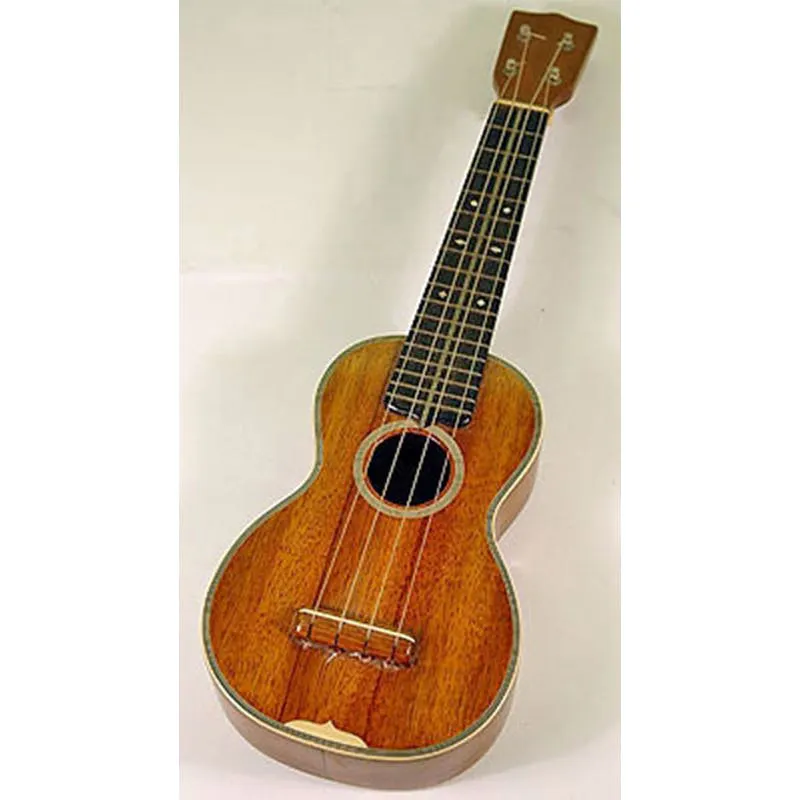
Looking now at the vintage market, there’s a niche interest in ukuleles among collectors and enthusiasts, particularly for Sopranos of the 1920s and Martin ukuleles. Martin & Co., the world's oldest surviving ukulele maker, has been producing high-quality instruments since the early 1900s. Uke Martins are considered the best in craftsmanship and sound. The Koa wood models in particular are prized as highly-collectable items.
Do you want to receive collecting articles straight to your inbox? Sign up to our free newsletter
When it comes to buying your Martin ukulele, there are certain steps to take. The first ukuleles from this manufacturer, built in 1916, have serial numbers ranging from one to around 200. Ukuleles made after 1916 have no serial numbers and may be dated according to other specifications. For example, ukuleles made until 1935 bear the Martin trademark on the back of the headstock. Headstock decals are not found in catalogue photos until after WWII, and Martin & Co. added ‘Made in USA’ to the internal label in 1962.

This cheerful little guitar has won over adults and children alike. Since the first three chords are relatively easy to learn, the ukulele is particularly good for kids. Some schools have even begun teaching it instead of the more classic flute. The ukulele also allows you to sing as you play, unlike the wind instrument, making the experience even more fun.
If you haven't fallen in love with the ukulele already, here are a few final curiosities. In some hospitals, ward clowns offer relief to patients by playing ukuleles, spreading cheer with their happy little notes. Additionally, the soundbox of the ukulele resonates like a small drum, which means it can be enjoyed by the visually impaired. Ukuleles have also become a large part of music therapy, and are used throughout interactions between psychotherapists and their patients.
From its undisputed homeland in Hawaii, the ukulele has quickly spread all over the world, winning the hearts of millions of people. Able to be enjoyed alone or together with a group of friends, the social characteristics of this instrument continuously remain important. The versatility of this cheerful instrument is sure to remain a musical success.