Tis God gives skill, But not without men's hands: He could not make Antonio Stradivari's violins, Without Antonio.
The violin came to popularity during the Renaissance in Italy and was played for all stratums of society by street and court musicians. Violin makers (also called luthiers) began designing and constructing beautiful instruments in the main regions of Brescia, Cremona and Venice in Italy. The 18th century was the golden age of violin making, a period when the pinnacle of craftsmanship was achieved and design and acoustics perfected.
Related: The Story of Marilyn's White Piano
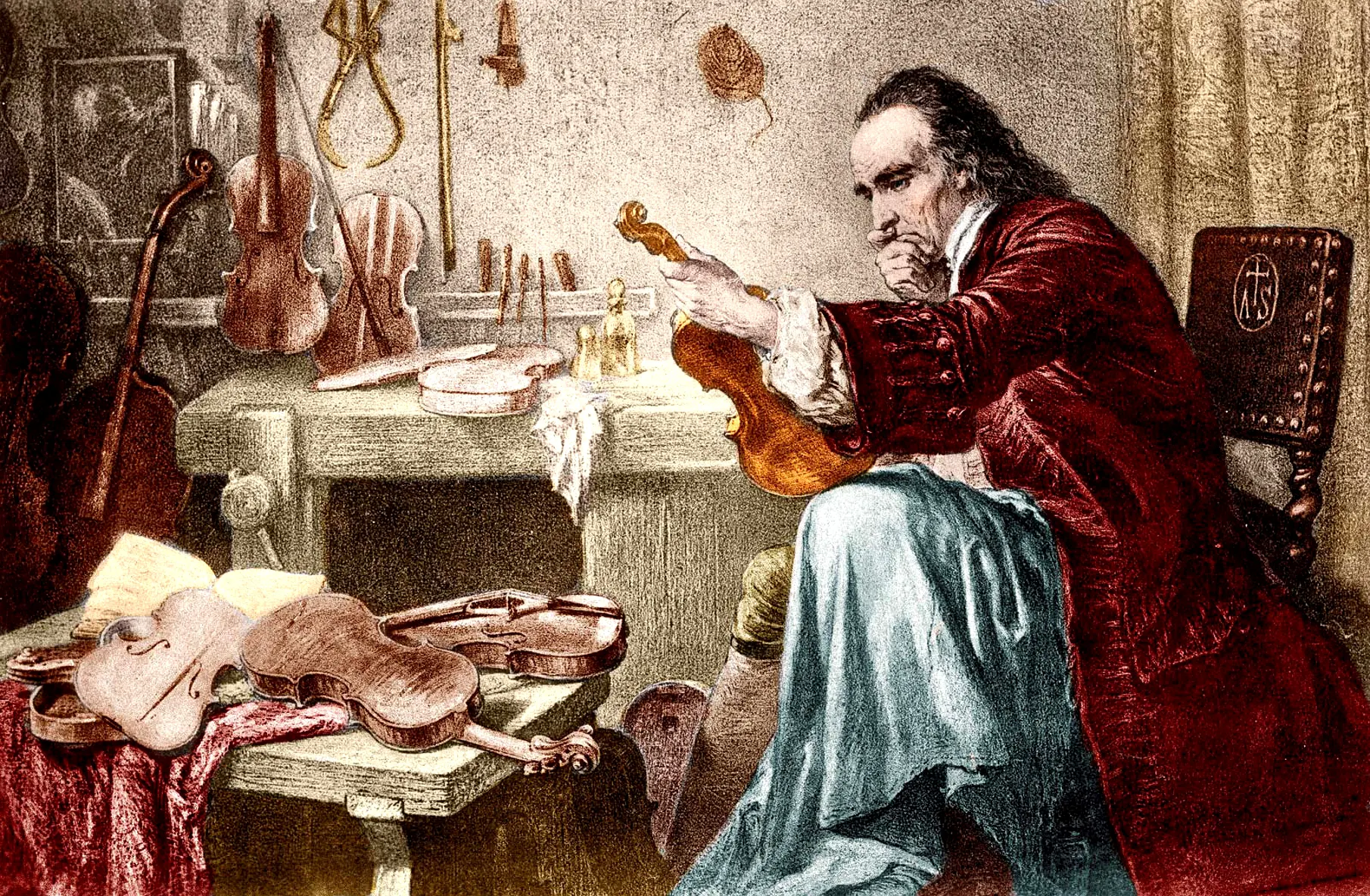
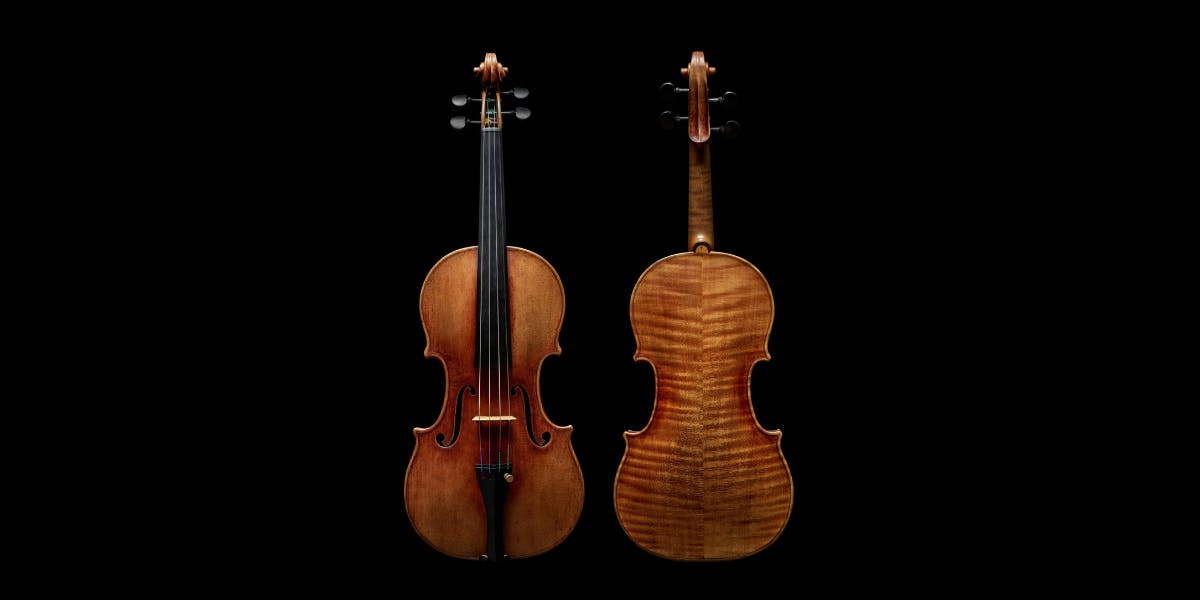
The finest violins in history, called Stradivarius (or Strads), were made by the hands of Antonio Stradivari (1644-1737), who was born in Cremona, a city in northern Italy. The city had a reputation as a musical center beginning in the 16th century and was a place of instrument manufacture. Young Antonio was likely apprenticed to a luthier, often thought to be Nicola Amati, because of a label affixed to a violin of his from 1666.
Get more articles like this straight to your inbox! Subscribe to our free newsletter here.
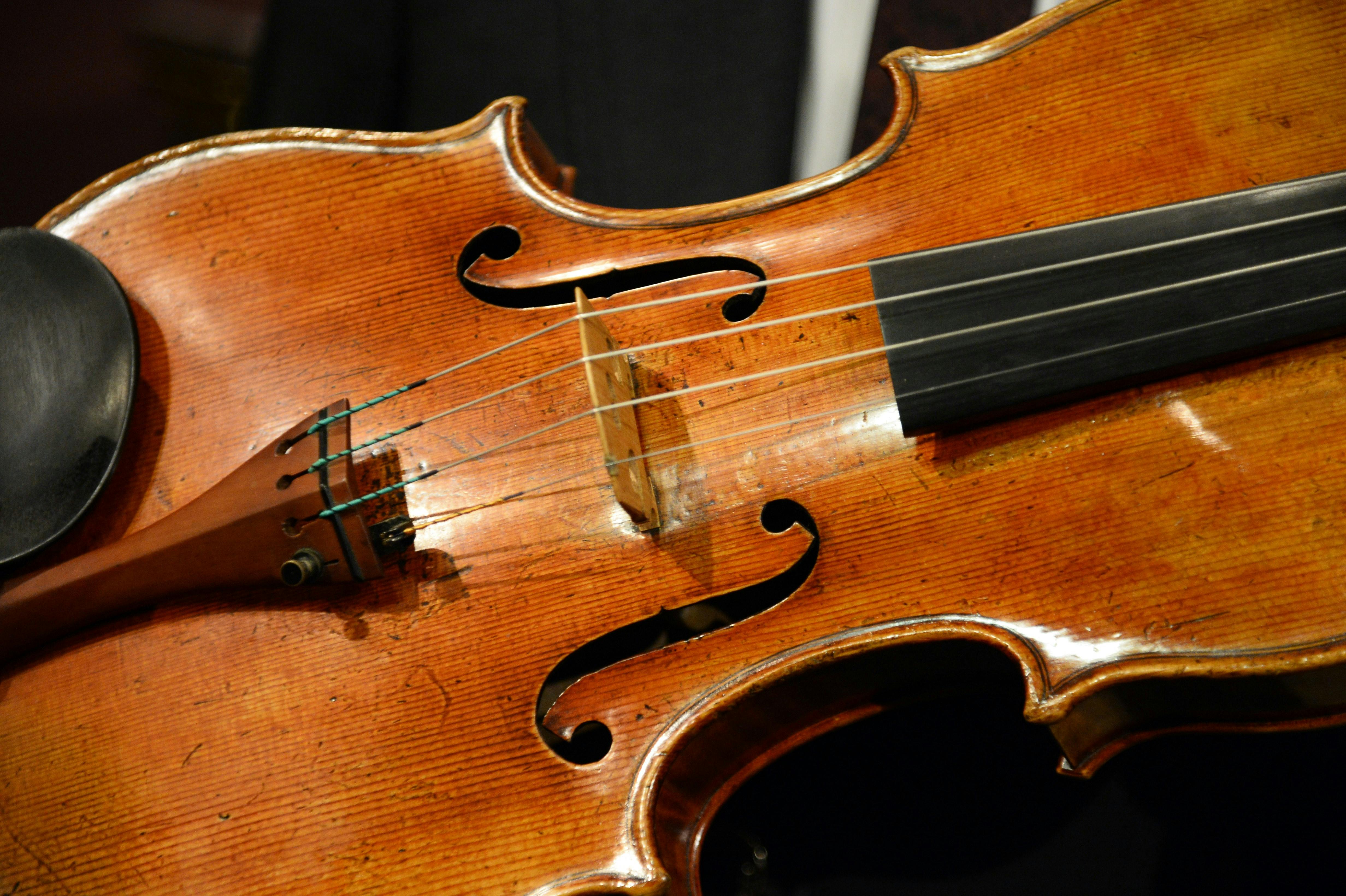
Stradivari's innate gift of violin making soon became apparent and he drew high-profile clients, like Cosimo III d'Medici, the Grand Duke of Tuscany, who purchased his instruments. His career of violin making was marked by much experimentation, with his earlier violins being smaller than his later editions, and differing with varnish. The violins made between 1700-1725 are considered the pinnacle of his craftsmanship because of their perfect proportions and rich acoustics.
Related: How the Medici Family Influenced Renaissance Florence
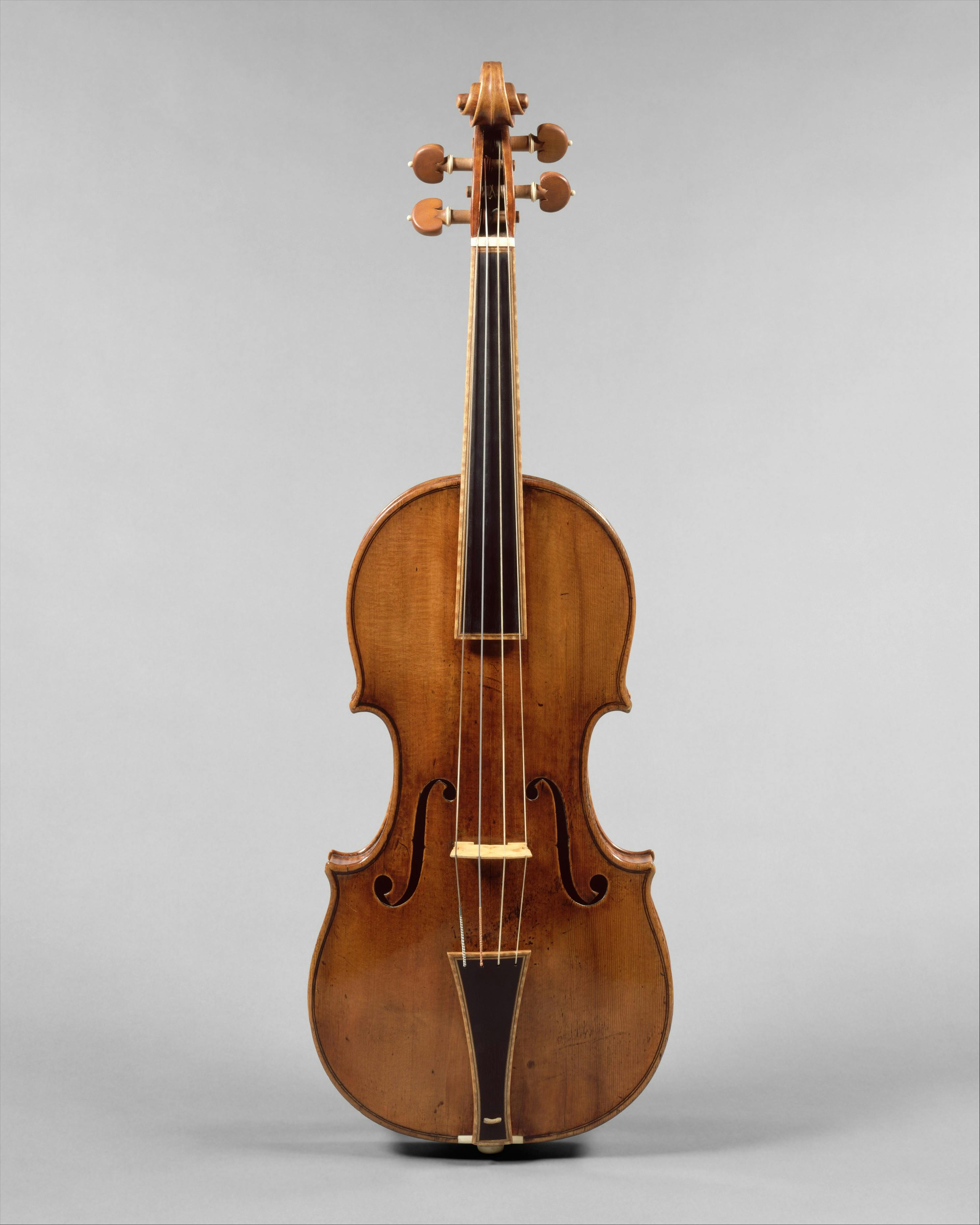
Many have wondered how Stradivarius violins, which were made hundreds of years ago, are still considered the best violins when new technology is available now. Research conducted at the Texas A&M University in 2021 revealed that the chemicals used in treating the wood of Stradivarius violins, and how Stradivari conducted this process, affected the acoustics and tone of the violins. However, how the wood was treated is still a mystery and can likely never be replicated, making original Stradivarius violins special time capsules of knowledge.
Related: This is Why the Ukulele is So Popular
“This new study reveals that Stradivari and Guarneri [another master luthier] had their own individual proprietary method of wood processing, to which they could have attributed a considerable significance,” said Joseph Nagvary, professor emeritus of biochemistry at Texas A&M. “They could have come to realize that the special salts they used for impregnation of the wood also imparted to it some beneficial mechanical strength and acoustical advantages. These methods were kept secret. There were no patents in those times. How the wood was manipulated with chemicals was impossible to guess by the visual inspection of the finished product."
Want to know what your violin is worth? Start the appraisal process with ValueMyStuff
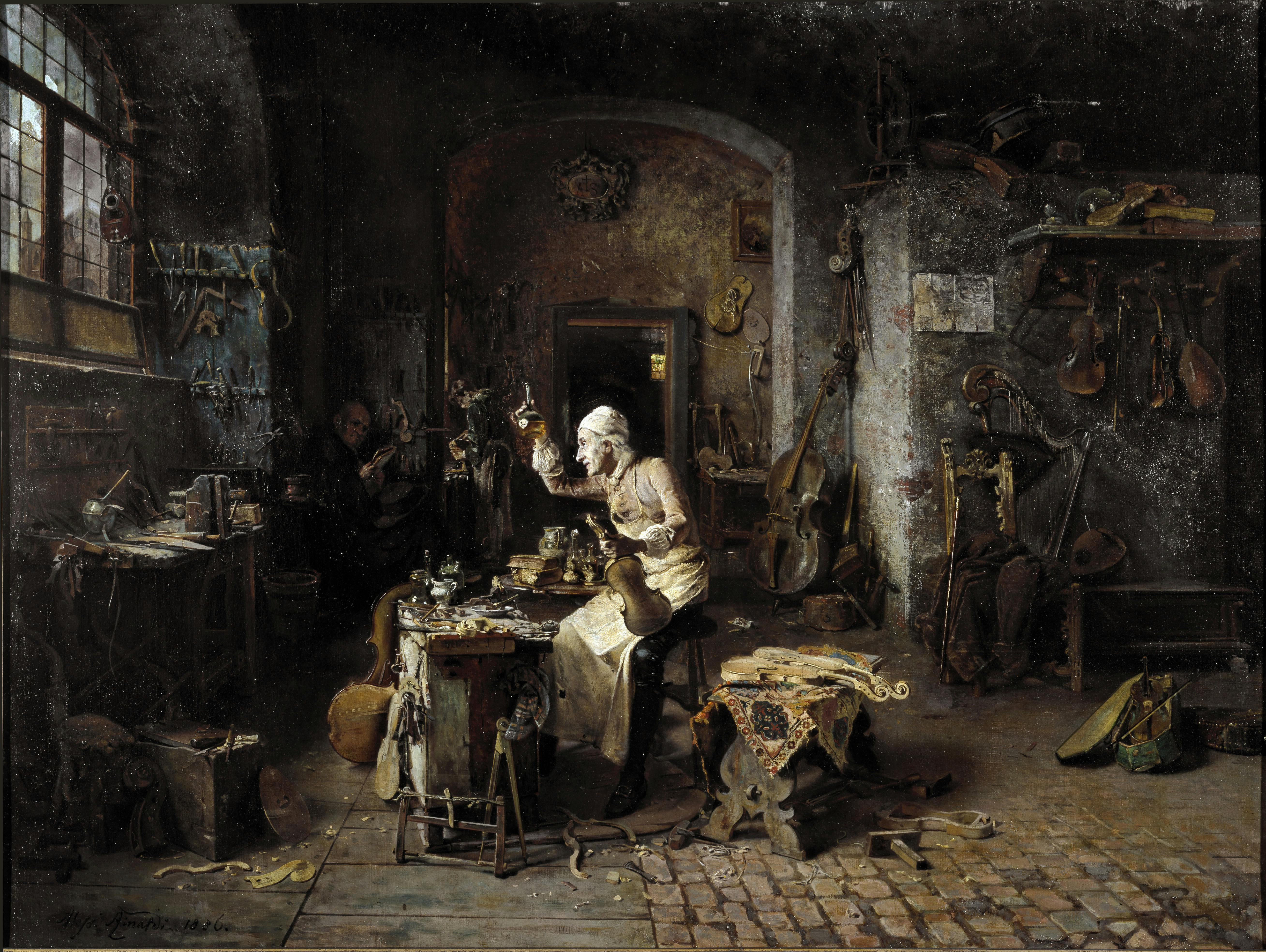
Stradivari made about a thousand string instruments, including violins, cellos, violas and more, with the help of his workshop, which included two of his sons, Omobono and Francesco. He achieved great wealth during his lifetime and his violins were extremely expensive, only sold to very wealthy patrons and royals. However, only about 500-600 of his instruments are known to exist today.
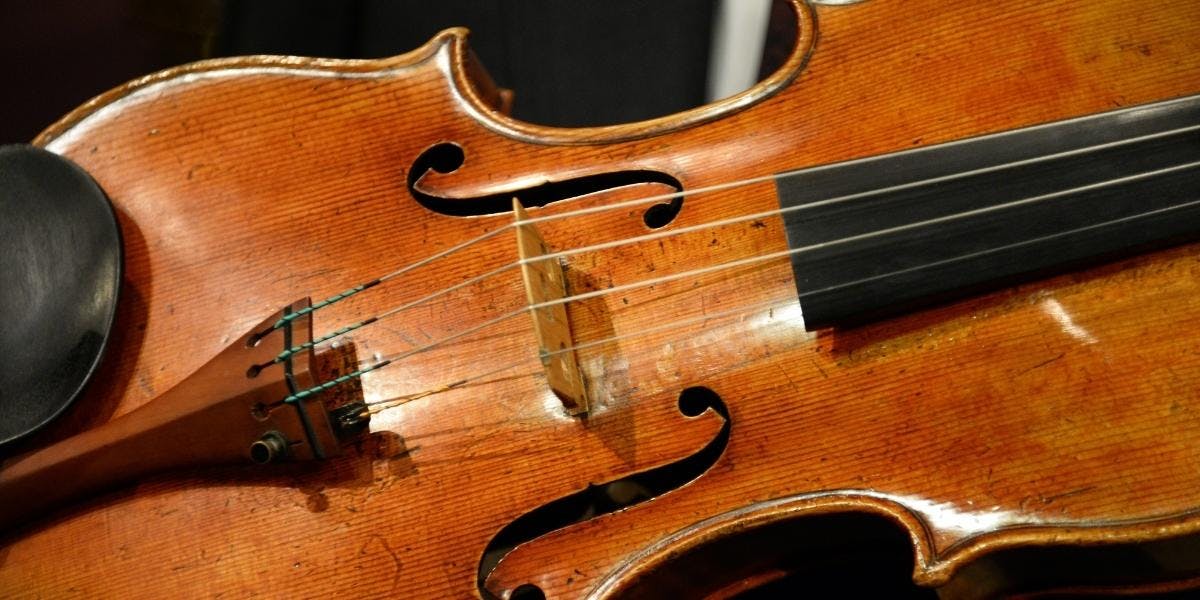
Though some blind experiments over the last 300 years have found little difference between the sounds of Stradivari-made violins and newer models, the mystique of a Strad instrument has continued to ensure its popularity and especially its value. They are held in the world's most prominent institutions and played by the top musicians, including Yo-Yo Ma and Julian Lloyd Webber. Strad instruments are found in the collections of the Metropolitan Museum of Art, the Library of Congress, the Spanish royal collection at the Royal Palace of Madrid and the Royal Academy of Music in London. The most famous Stradivarius violin is the Messiah from 1716, which is considered the best-preserved Strad and is exhibited at the Ashmolean Museum in Oxford.
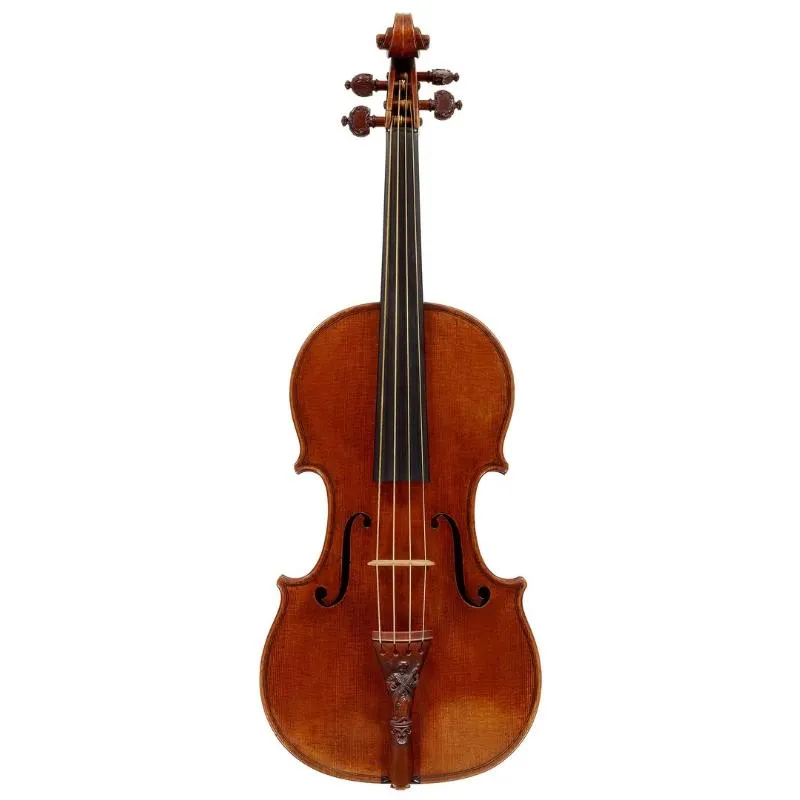
Many Stradivarius instruments have sold for over a million dollars at auction, but the record is held by the Lady Blunt violin, named for one of its early owners, Lady Anne Blunt, who was an influential breeder of Arabian horses and the granddaughter of Lord Byron. It sold for $15.9 million at a charity auction benefiting victims of the 2011 Tōhoku earthquake and tsunami, replacing the previous auction record of $3.6 million set the year before.
Related: Collecting Opera and Ballet in Art
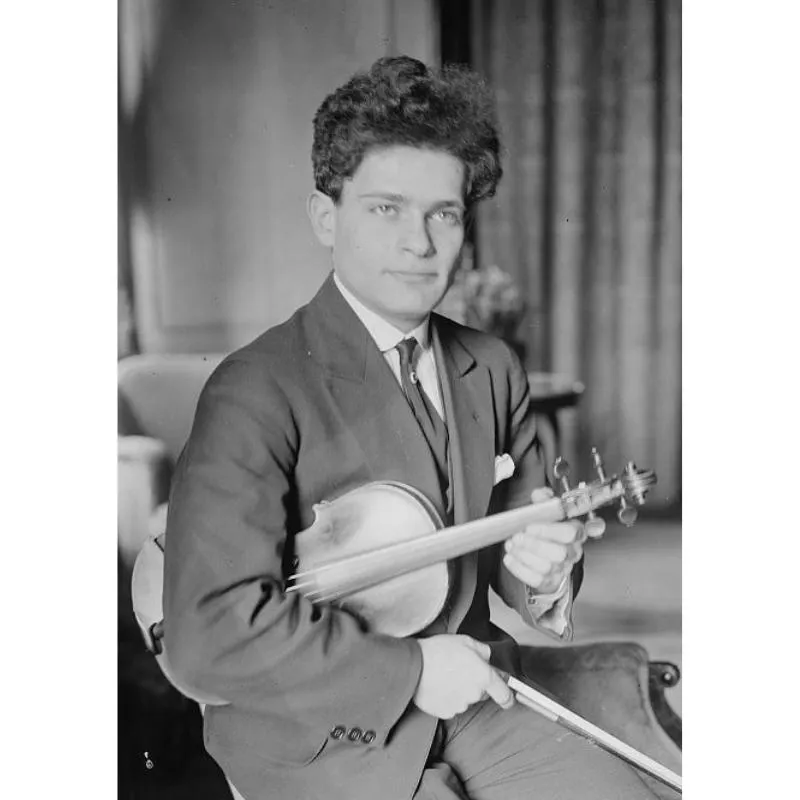
However, that record could be broken once again. The Stradivarius violin owned by the great Russian violinist Toscha Seidel, who played it in Hollywood productions like The Wizard of Oz (1939), is now headed to auction. The instrument dates to 1714 and was purchased by Seidel in 1924 for $25,000 (over $400,000 today).
The Siedel Stradivarius will be offered by Tarisio Auctions (who have sold the Messiah and Lady Blunt models) from May 18 through June 9. According to Carlos Tome, a co-owner of Tarisio, the violin could fetch $15-20 million because of its unique Hollywood provenance and the fact that it comes from Stradivari's golden age of craftsmanship. As George Eliot wrote, "Tis God gives skill, But not without men's hands: He could not make Antonio Stradivari's violins, Without Antonio."