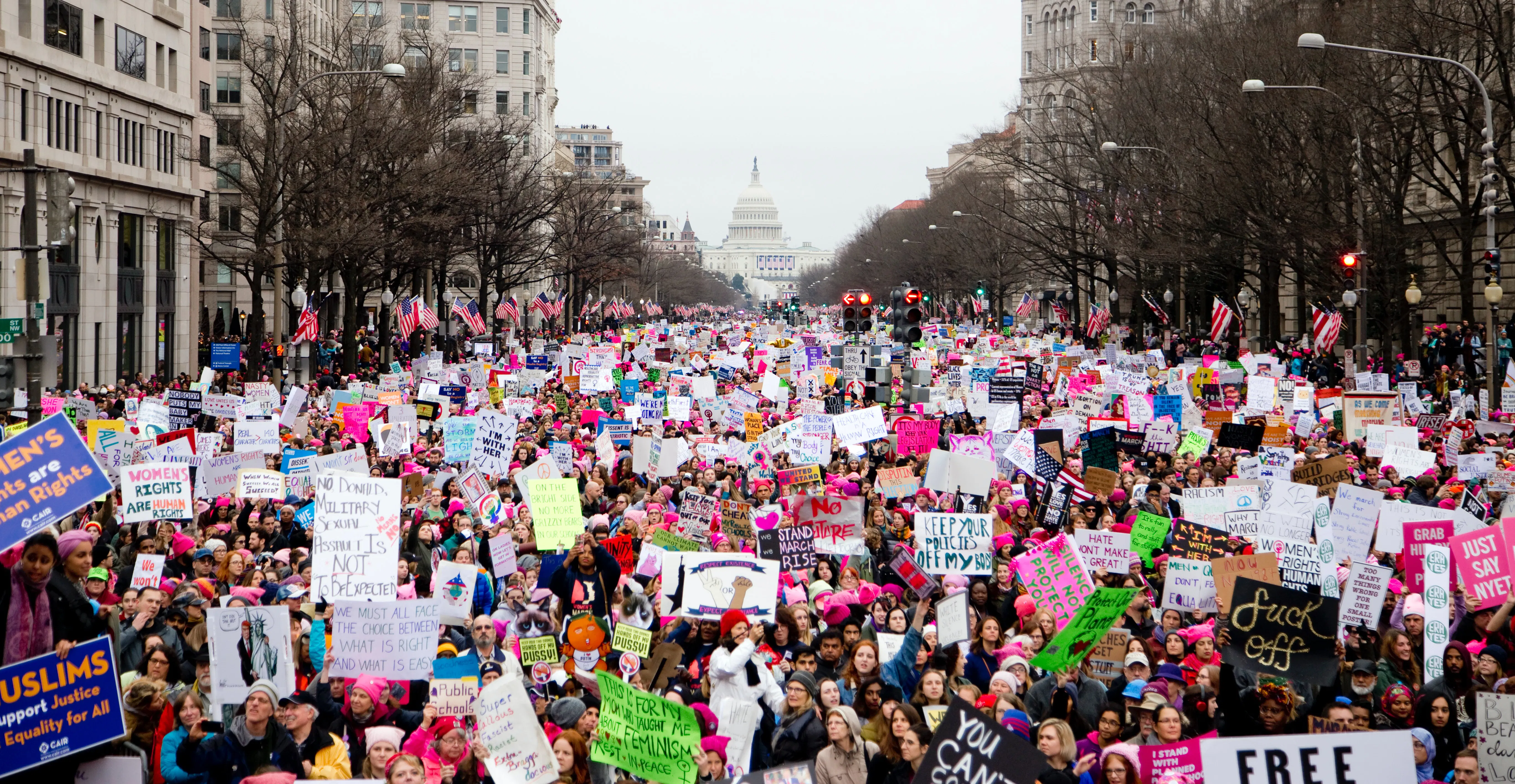
Around 10 years ago, American women’s rights activist Tarana Burke used the words “Me Too” to launch her campaign to raise awareness about sexual abuse in society. Although the campaign initially had some effect, it wasn’t, as so often, until more famous names began supporting the important cause that it gained the attention it deserved. In this instance, actress Alyssa Milano used social media to encourage all women who had been sexually abused to reply to her tweet with the words “Me too”. Replies flooded in and #MeToo became not only a viral phenomenon but spread like wildfire from social media to the front pages of major newspapers and on protest placards around the world.
The hashtag that many people thought would fade away was suddenly indelible. It actually expanded and intensified the more certain people tried to make it go away. It wasn’t long before equivalent campaigns appeared for basically every professional group in large parts of the world. In many countries, the consequences of the MeToo campaign had unforeseen repercussions. This included Sweden, where the world’s greatest award for literature was put on ice after allegations of rape were made against a so-called ‘cultural profile’ with close connections to the Swedish Academy, which led to a crisis as one member after another resigned.
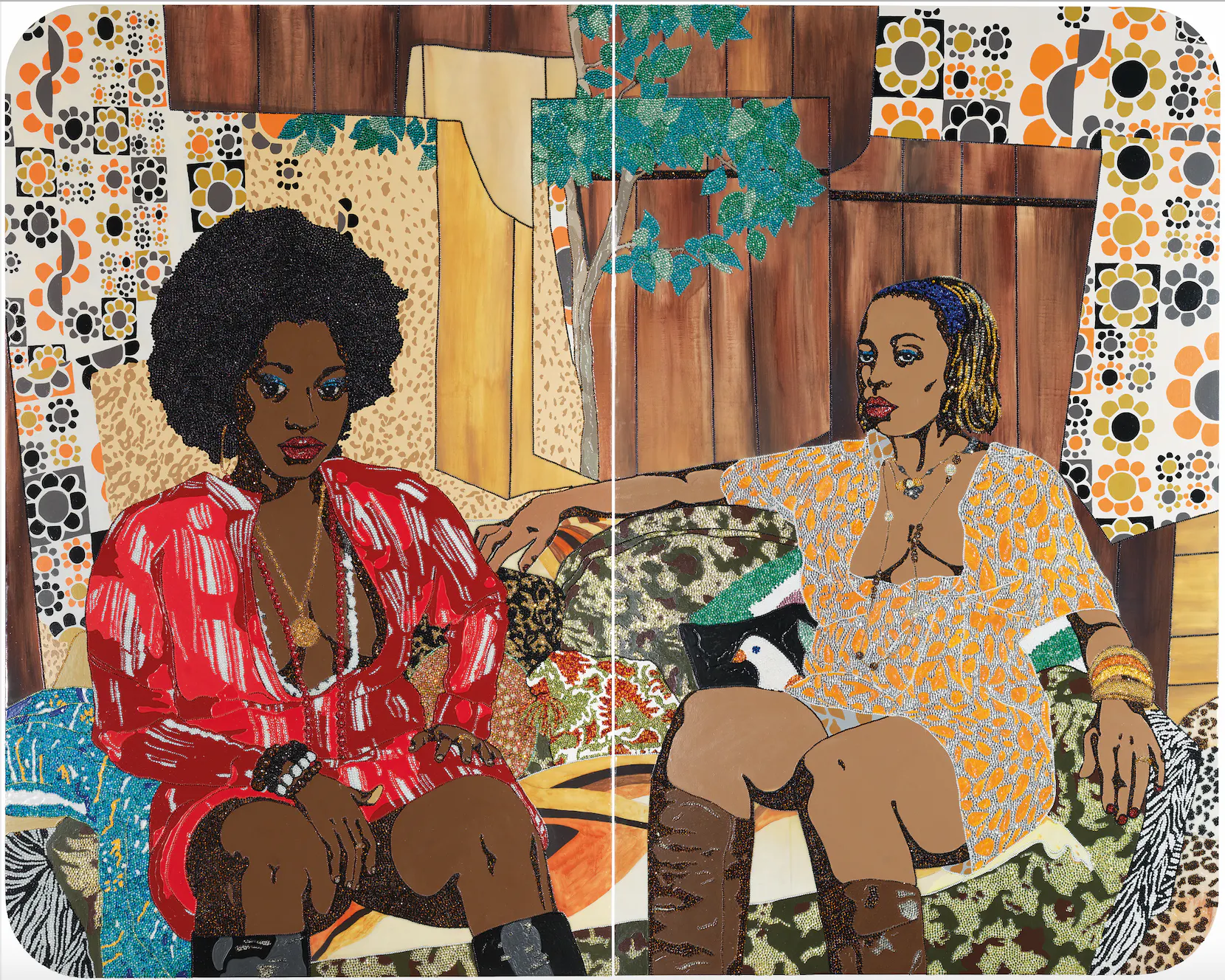
I often say that art is a mirror of society in general. Historically, that has largely been true, even though the reflection doesn’t always appear in the actual works, but rather in what is not seen in them. One also sees in art – besides the latest trends in fashion, jewelry and hairstyles – everything including the influence of religion in people’s everyday lives, changes in the geographical region and the spread of industrialization. But also periods of sexual liberation and equality. Everyone who has visited any of the world’s leading museums that show art from the 17th century to postmodernism certainly understands what I mean. Throughout, the world is illustrated by paintings, drawings, sculptures and photographs made by men, and almost exclusively commissioned by men. For centuries, powerful, wealthy and more or less successful men have had their portraits done. In many cases with attributes that symbolize their status and important deeds to the surrounding world. In exceptional cases, a woman may appear in the picture, often in the background, conducting a household chore or with a bulging belly to further emphasize the man’s successful career, this time in bed.
See also: The Dinner Party: A Table for the World’s Most Influential Women
However, in recent years, society’s focus has shifted. There is a greater interest in equality. As inherited patterns of behavior are put into question, strong women have emerged even in the art world. An increasing number of women have been appointed as museum directors, intendants, curators and, not least, teachers at art schools, which influences new generations of artists. With completely new ways to look at, analyze and describe both history and contemporary times, artists such as Tracey Emin, Marina Abramović, Louise Bourgeois and Jenny Saville are represented by the world’s leading gallerists and shown in museums all over the world.
One that is capable of growth and its inner character expresses balance...
In addition, we’re seeing more art critics, journalists and writers who are women, compared to before, which in turn has an effect on the art market. This enables greater reflection on society from the perspective of equality, where feminism is often a fundamental and prioritized point of departure for much of the creative work. There is no reversal of this development; collectors and curators who continue to exclude women from art history will soon be a mere memory.
See also: The 15 Most Expensive Female Artists
One of the most recent talked-about museum exhibitions was perhaps Hilma af Klint’s grand entry into New York when the Guggenheim showed her retrospective Hilma af Klint: Paintings for the Future. Almost 75 years after her death, the artist is more current than ever and the art critics all agree: art history needs to be rewritten.
Af Klint is best described as the very first abstract modernist and her visionary imagery, imbued with symbolism and philosophy, was made years before Wassily Kandinsky’s, Robert Delaunay’s and Piet Mondrian’s, who were long regarded as the forerunners of abstract art.

The majority of the 167 works shown by the Guggenheim were part of af Klint’s series Paintings for the Temple, which were made between 1906 and 1915. The suite was intended to eventually hang in a temple, and in one of her notebooks from 1906 she writes: “The temple you are seeking to reach is in transformation, one that is capable of growth and its inner character expresses balance, a curved building constantly in motion and yet stationary.” That the suite was originally made for a curved building fits with star architect Frank Lloyd Wright’s Guggenheim building like a hand in a glove. The series ‘Paintings for the Temple’ changed the artist’s life as well as modern art; they are the first works of abstract art the western world has ever seen.
See also: Artemisia Gentileschi: Passionate Feminist Artist
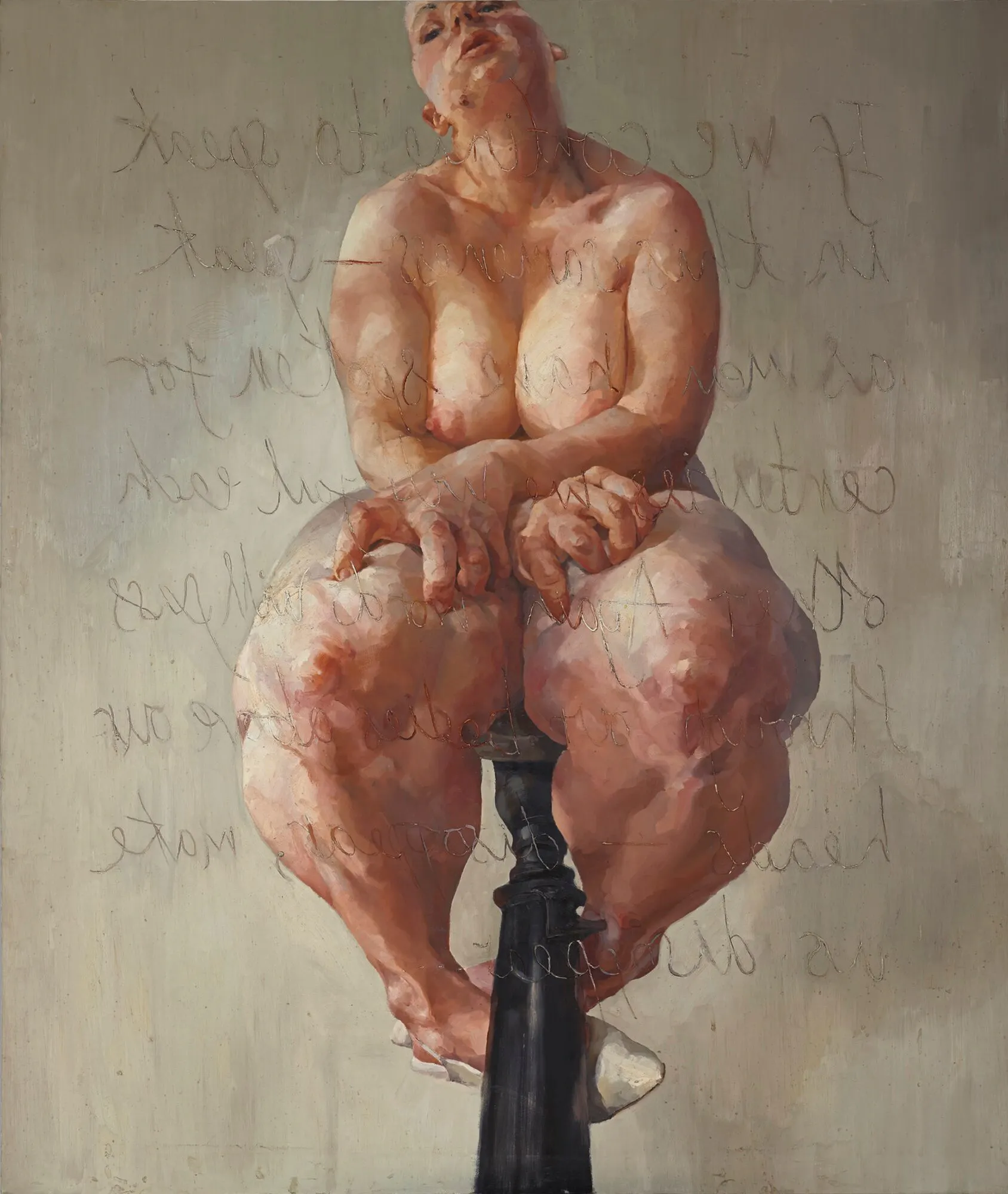
At auction, many works by female artists went for record amounts in the past year and British artist Jenny Saville became historic when her self-portrait Propped from 1992 sold for $12.4 million at Sotheby’s in London after a long duel between eight bidders. The sale meant it was the most expensive work ever sold by a living female artist. And in New York, Sotheby’s started the auction year with an inaugural auction of female-only Old Masters.
Without a doubt, the 2020s will be the women’s decade of revenge. Both in the art market and society at large.
Maybe something to think about when you buy your next work? That applies to me, too.