When I was a child, I was told it was rude and unseemly to speak about money. Especially, as I understood much later, in the cultural world.
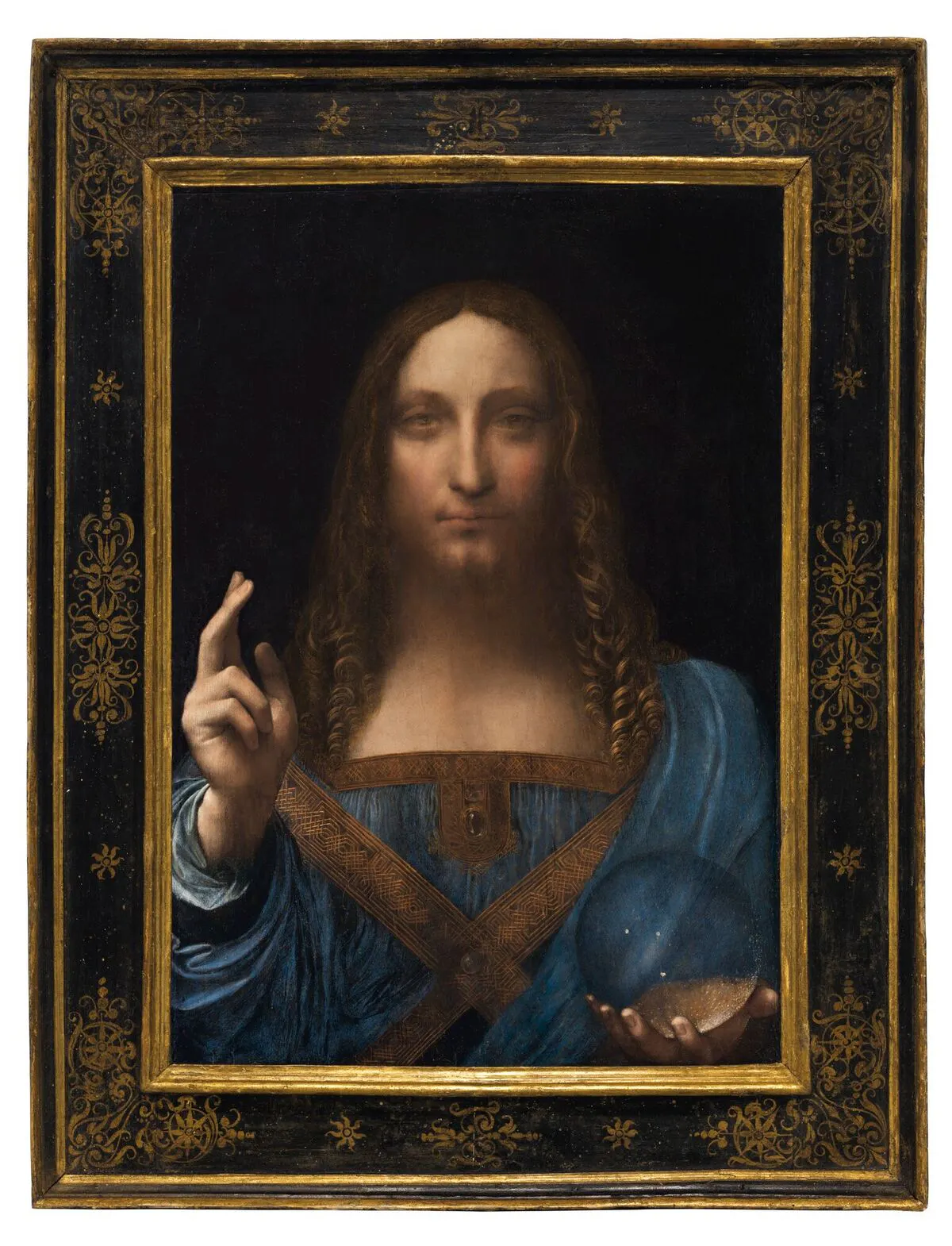
But for those who are yet to speak of it, there is a great interest. For example, how can a 20-inch painting cost over $450 million? – as occurred over a year ago, when one of the art world’s most famous personalities graced not only Christie’s but the entire auction market.
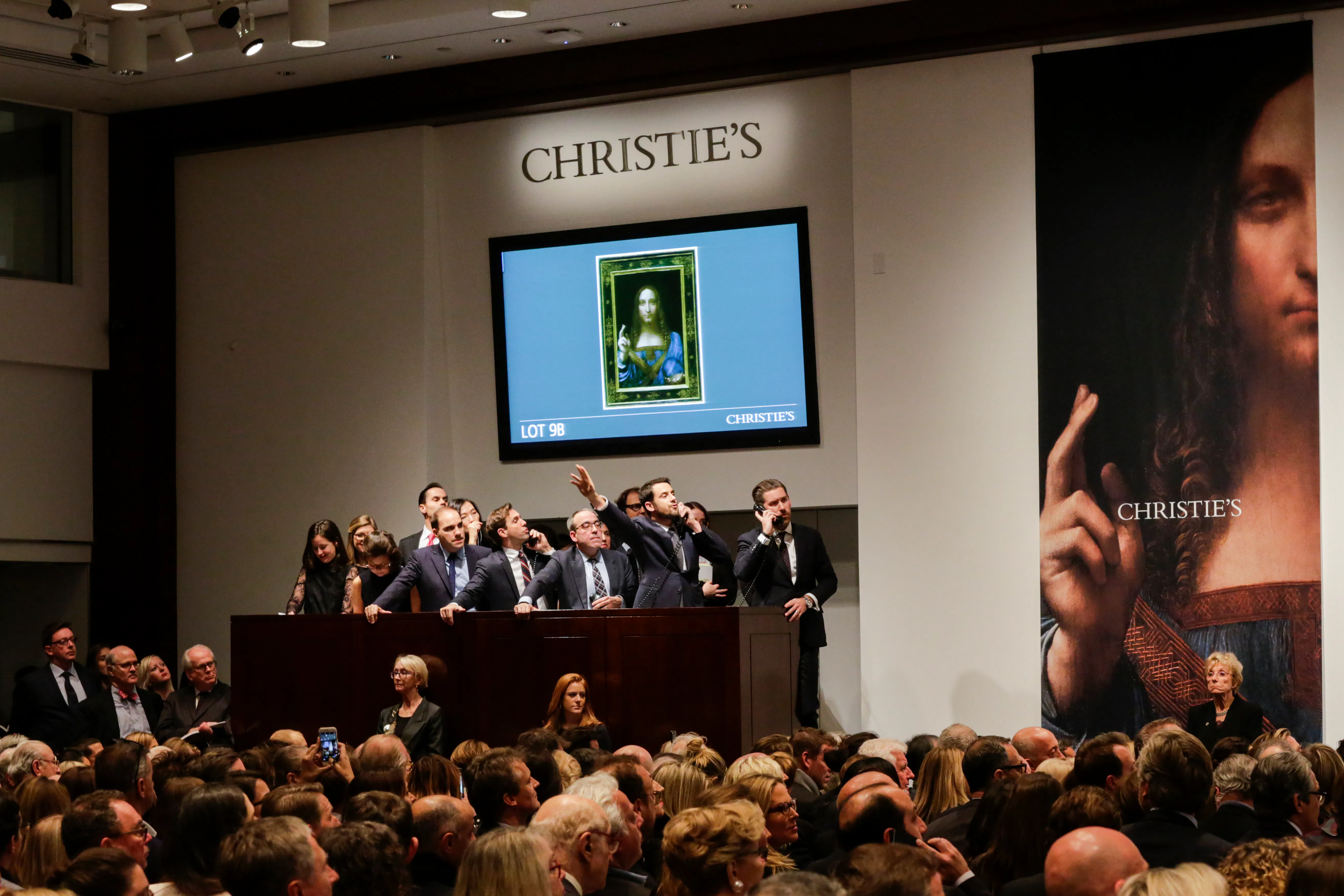
This, of course, was when universal genius Leonardo da Vinci’s rediscovered painting Salvator Mundi went under the hammer in New York. After 19 thrilling minutes of dueling among six bidders, the painting sold for $450 million in a crowded, cheering auction room. The price was easily the highest ever paid for a work of art.
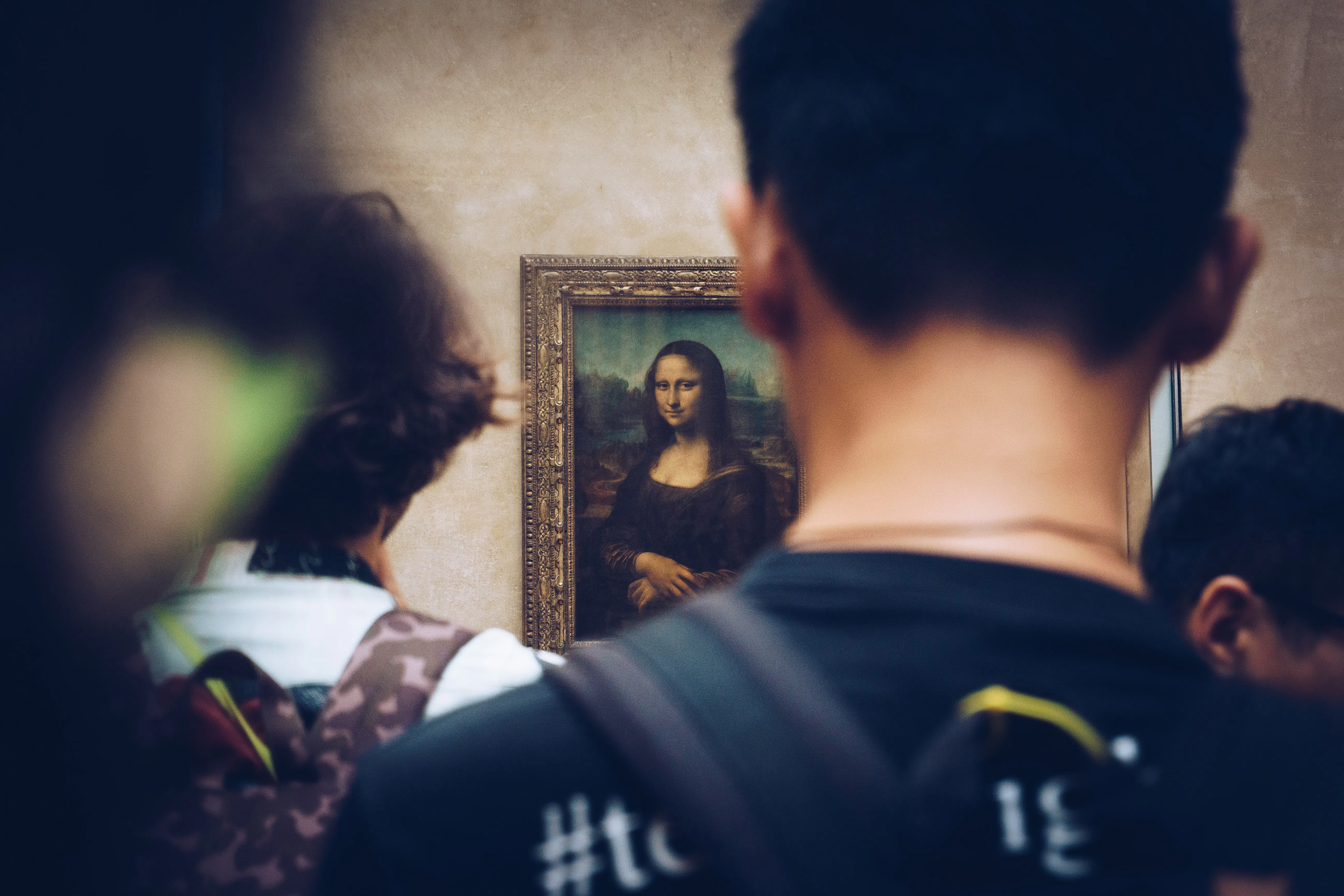
Interest in what seems to be the last privately-owned painting by the Italian master broke all records, and was hardly diminished when Christie’s experts chose to tour the painting extensively and called it “a male Mona Lisa”. That it came with royal provenance, as well as scandals and surprises across centuries, did little to lessen the avarice of prospective speculators. Christie’s knew exactly how to raise expectations and get the attention of the right kinds of bidders.
The painting was commissioned by French King Louis XII at the start of the 16th century; thereafter it was owned by several English kings before ‘disappearing’ in 1763. Not until 150 years later did the painting reappear, but then as an assumed work by da Vinci’s disciple Bernardino Luini. It was bought by the British art collector Sir Charles Robinson on behalf of the ‘The Cook Collection’, but just several decades later was again sold at auction. In 1958 the harshly restored and overpainted picture of Jesus was bought in poor condition for £45 by an anonymous buyer, and once again the painting disappeared without a trace. Until it emerged at a small auction in Louisiana (2005), this time attributed to Antonio Boltraffio.
The buyer was a consortium of art dealers represented by the New York-based art collector and da Vinci expert Robert Simon and art dealer Alexander Parish. It sold for $10,000.
The new owners took the painting, scarred by retouching and damage, to conservator Dianne Dwyer Modestini, professor at New York University for the restoration of paintings. She began a process that would take several years to complete. With great care, she removed layer after layer of paint, dirt and varnish. Slowly but surely, she was increasingly confident that the painting in front of her was an authentic work by Leonardo da Vinci. After compiling statements from various art experts, technical evidence, comparisons with original works and copies, conservator Dianne Dwyer Modestini felt she was as close to the truth as she could get.
Six years after the gentlemen bought the painting from the small auction house in Louisiana, many world experts were unanimous that this was another painting, the sixteenth, by one of the most famous artists in the history of art. Furthermore, it was privately owned and on the open market. It was a natural sensation.
Related: The 10 Most Expensive Sculptures Sold at Auction
This incredible discovery was displayed the same year at the National Gallery in London, at the exhibition Leonardo da Vinci: Painter in the Court of Milan where it was described as one of the most important paintings in the world. And also one of the world’s most expensive. Two years later, Simon, Parish and Warren Adelson sold the painting for S$80 million to a company owned by Swiss businessman and art dealer Yves Bouvier, who is also the man behind Le Freeport, considered to be the world’s most hi-tech, advanced art storage facilities in Luxembourg and Singapore. From $10,000 to $80 million, in just a few years.
However, the new buyer’s art facilities in Luxemburg were only a stopover. Bouvier ‘flipped’ the painting a year later to Russian billionaire Dmitry Rybolovlev for $127.5 million. A quick profit of nearly $50 million for the Swiss businessman. But Rybolovlev, alerted about the crazy price gap, reported Bouvier and Sotheby’s, who had brokered the deal, which led to one of the biggest scandals in art history and proved to be just the tip of the iceberg, that melts faster and faster in front of the bars behind which Bouvier is detained.
At the same time, a rumor spread as fast as an email. There was yet another original work by Leonardo da Vinci, on a wall in a castle in Scotland. The painting was said to have been stolen a long time ago, which was why the owners let it remain anonymous. And the rumors continued gathering pace among the art dealers of New York and the streets of Mayfair in London. Sooner or later, it will surely reach the market. Who knows, perhaps even this year?
Related: Top 10 Rediscovered Masterpieces
And sure, it is rather crass to speak about money, but it is unavoidable in trying to understand how a painting can cost over $450 million. But try to understand the unique conditions of the art market and, above all, appreciate the value of culture. Particularly because it won’t be the last time that fantastic sums of money are paid for paintings by artists dead and buried. First and foremost, we can quickly say that the world’s rich are getting richer, and in addition, more numerous. We can also state that art in every era has been used as a social lubricant and is more status-enhancing than anything else. Not least, because since ancient times it has involved a combination of money, taste, knowledge and uniqueness. But there simply isn’t enough ‘good’ art to go around. Particularly not when you know that more museums have been built in the past decade than in the 19th and 20th centuries combined. Meanwhile, simultaneously, increasing numbers of nouveau riche have started collecting art and they desire what ‘everyone else has’.
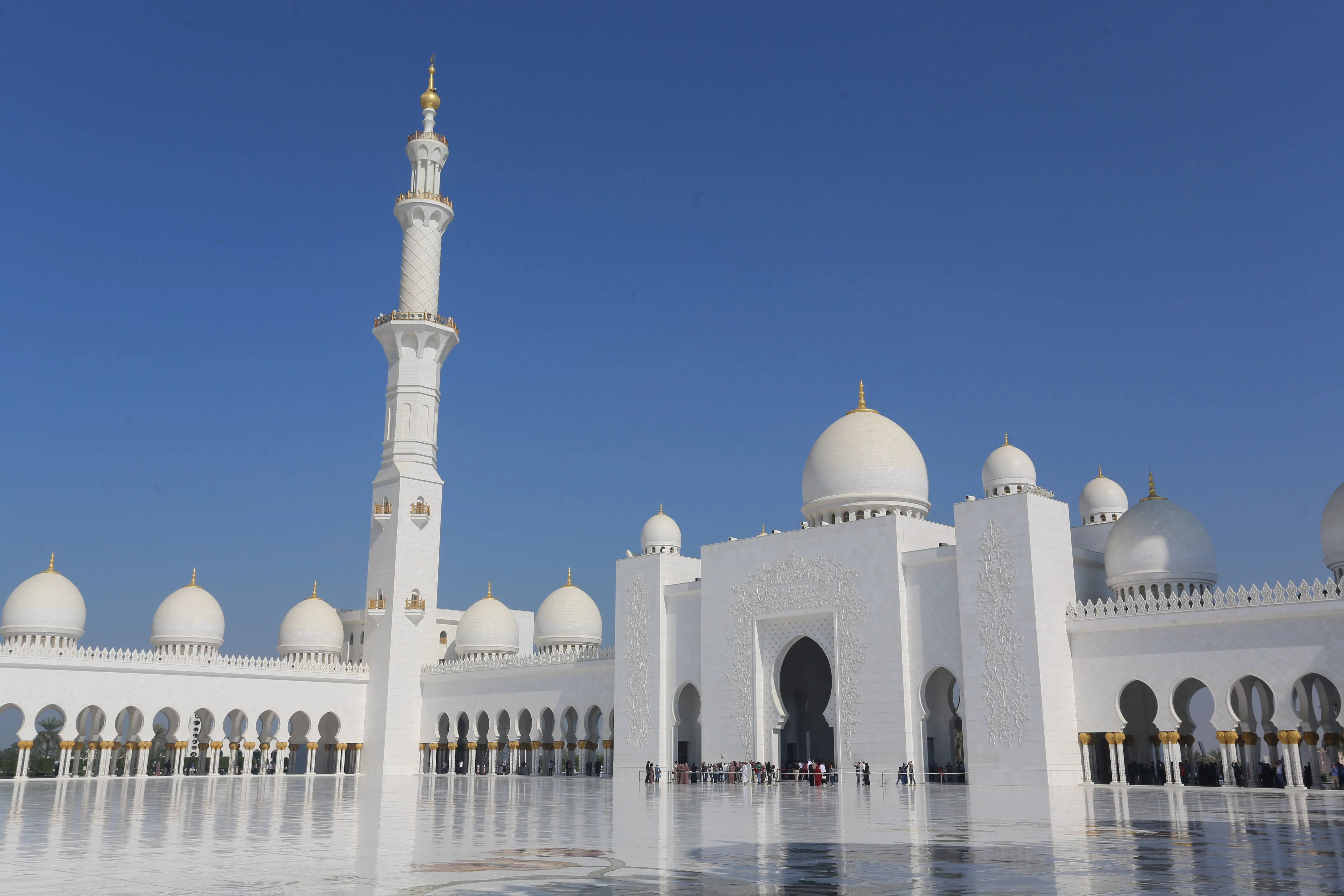
Some of the foremost works of art sold in recent years have ended up in Abu Dhabi. As the largest of the seven emirates in the UAE, a country founded in its present form only in 1971, it hopes to attract both guest workers and tourists even after all the oil has been pumped out, and needs more attractions than sun and beaches. Culture is the heart of a nation. And a nation without art is a country without oxygen, without a pulse. Culture has a capital that is endlessly valuable.
Related: New Secrets About Munch's 'The Scream' are Revealed
When auction history was made, in a crowded, jubilant auction room, the winning bid came from Arab Prince Bader bin Abdullah bin Mohammed bin Farhan Al Saud, who had bought the painting on behalf of the Crown Prince of Saudi Arabia, the then 32-year-old Mohammed bin Salman. Soon after the sale, the Louvre tweeted that the painting would be deposited at the Louvre’s offshoot in Abu Dhabi.

Allow me to do the math. Last year, the Louvre in Paris had 10.2 million visitors. Suppose that 8 million of them paid for tickets and the entrance fee was around $15. Visitors from around the world paid $120 million. And that is the entrance fee alone.
Let us now assume that the museum’s outpost in Abu Dhabi can attract half of the number of visitors to see da Vinci’s masterpiece from Renaissance Italy, as well as Piet Mondrian’s thrilling abstract works with geometric shapes. In this case, the museum can easily earn in four years the purchase price of the world’s most expensive painting, and the beauty of it all is that one of the world’s richest men, the Saudi Crown Prince, keeps the painting with a price-tag that is hardly going to decrease. In addition, you can include the revenues from hotel nights, fully booked restaurants, guides and flight tickets for the home airlines.
The country’s GDP suddenly gets a performance boost like a doped Russian skier in the 1970s. I don’t know if it is okay to say that. What do you think?
The country’s GDP has extreme potential to experience an enormous performance boost within the next few years due to the Louvre Abu Dhabi and this painting alone. And, rather quickly, we realize art’s true value. Even if part of the story includes the current most expensive painting in the world being sold in 1958 for only $60.