Founded in 1920, the Society of Dublin Painters was a collective of Irish artists that aimed to usher in a new era of artistic expression in Ireland, breaking away from the traditional academic painting styles that had dominated the Irish art scene.
Related: Ceramics 101: British Studio Pottery
Its founders, while not mandating a specific style, were influenced by the avant-garde movements of the time, especially cubism and fauvism, which they had encountered during their respective studies and travels abroad. Seeking to bring modernism to Ireland, they were seen as providing an alternative to the otherwise conservative Royal Hibernian Society, founded in 1823, which favored landscape and portraiture and did not exhibit modern art.
The society organized exhibitions twice a year in spring and autumn, and artists had the opportunity to hold solo exhibitions within the studio once a year. Among the notable artists involved were Jack B. Yeats, Clare Marsh, Paul Henry, Grace Henry, Mary Swanzy, E.M. O'Rourke Dickey, Letitia Hamilton, and James Sleator. Each artist brought their unique style and perspective to the group.
Related: The History of the Claddagh: An Irish Symbol of Love and Loyalty
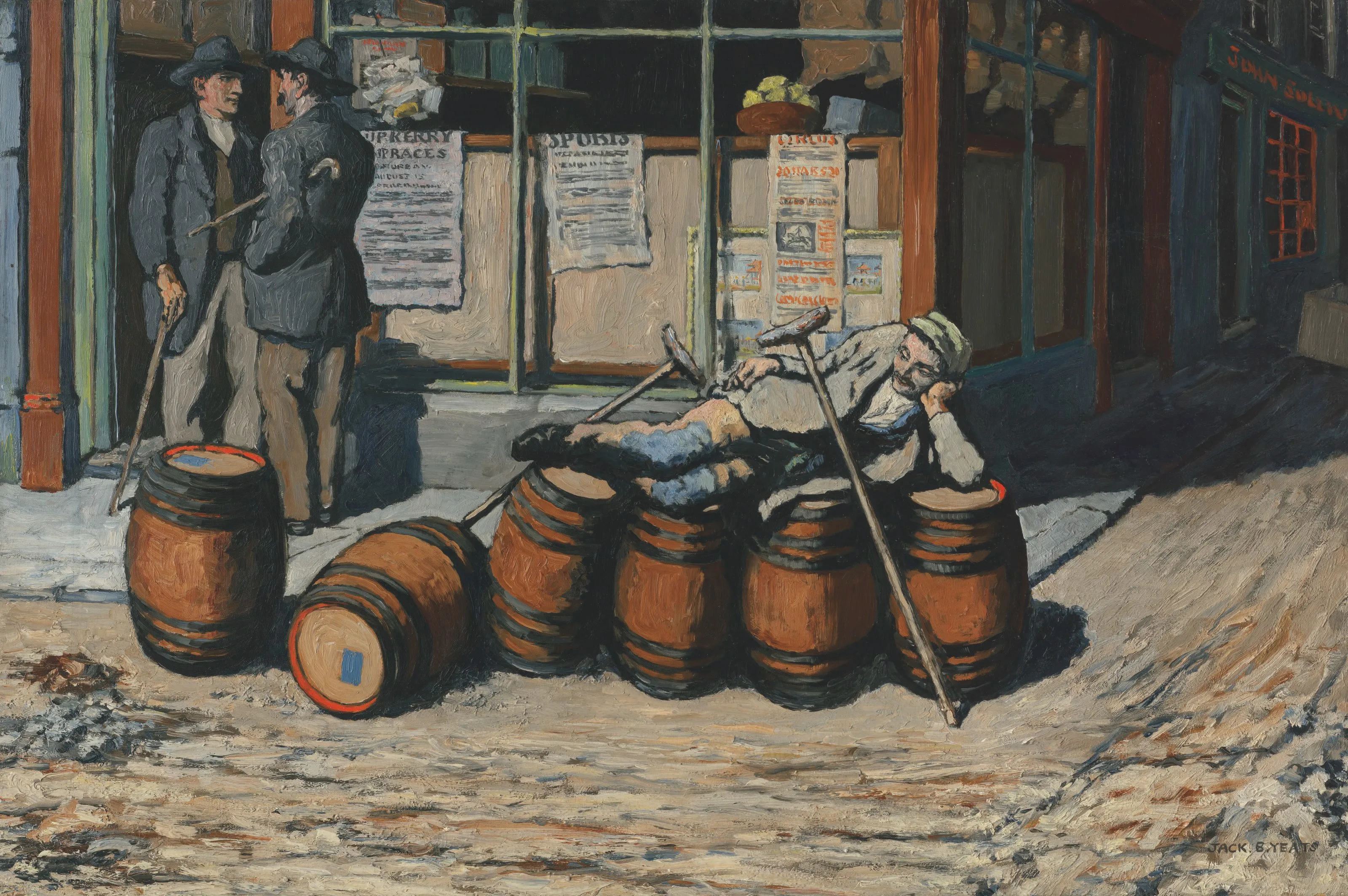
Jack B. Yeats, born in London but raised in Sligo, is arguably one of Ireland's best-known artists. Early on in his career, he was influenced by French Impressionism, but later developed his own style of Expressionism. His work is celebrated for creating a sense of the 'real' Ireland, his subjects often including Celtic myth and everyday Irish life. He used his paintings to address larger narratives of national suffering through intimate scenes, which contributed to the artistic representation of the movement for Irish independence. He continued to exhibit with the group until 1923.
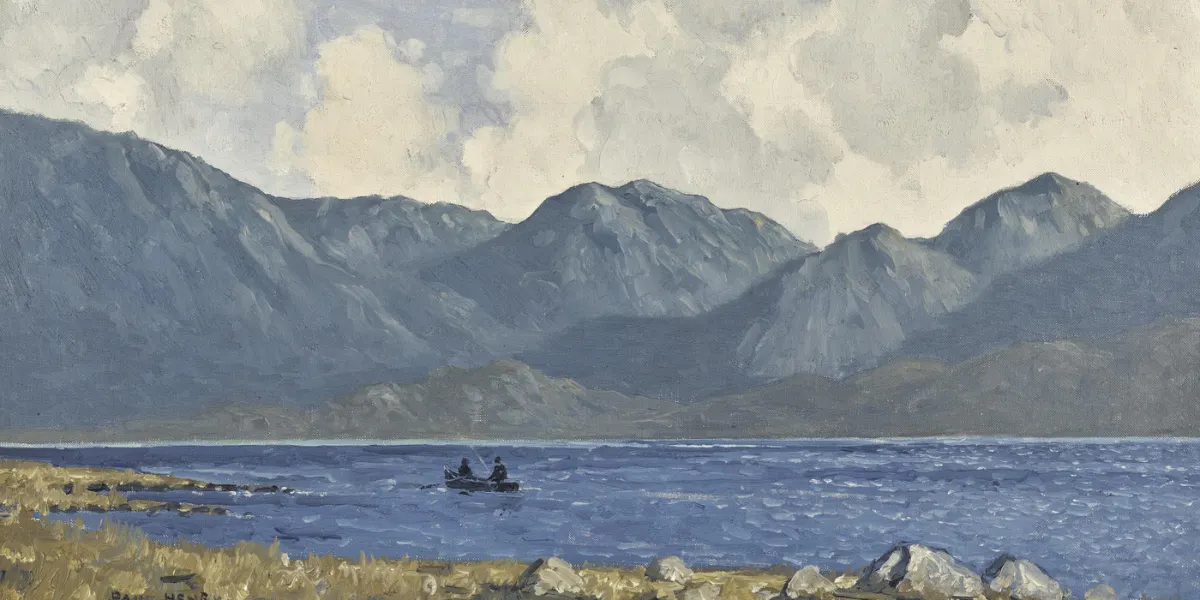
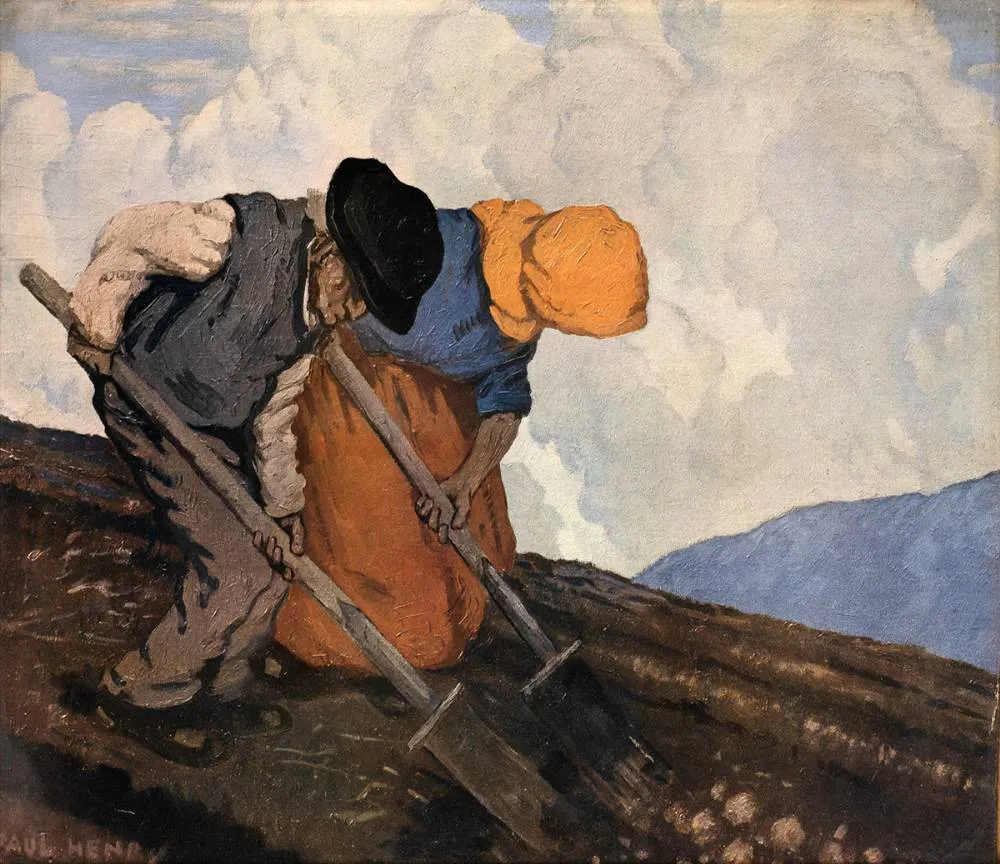
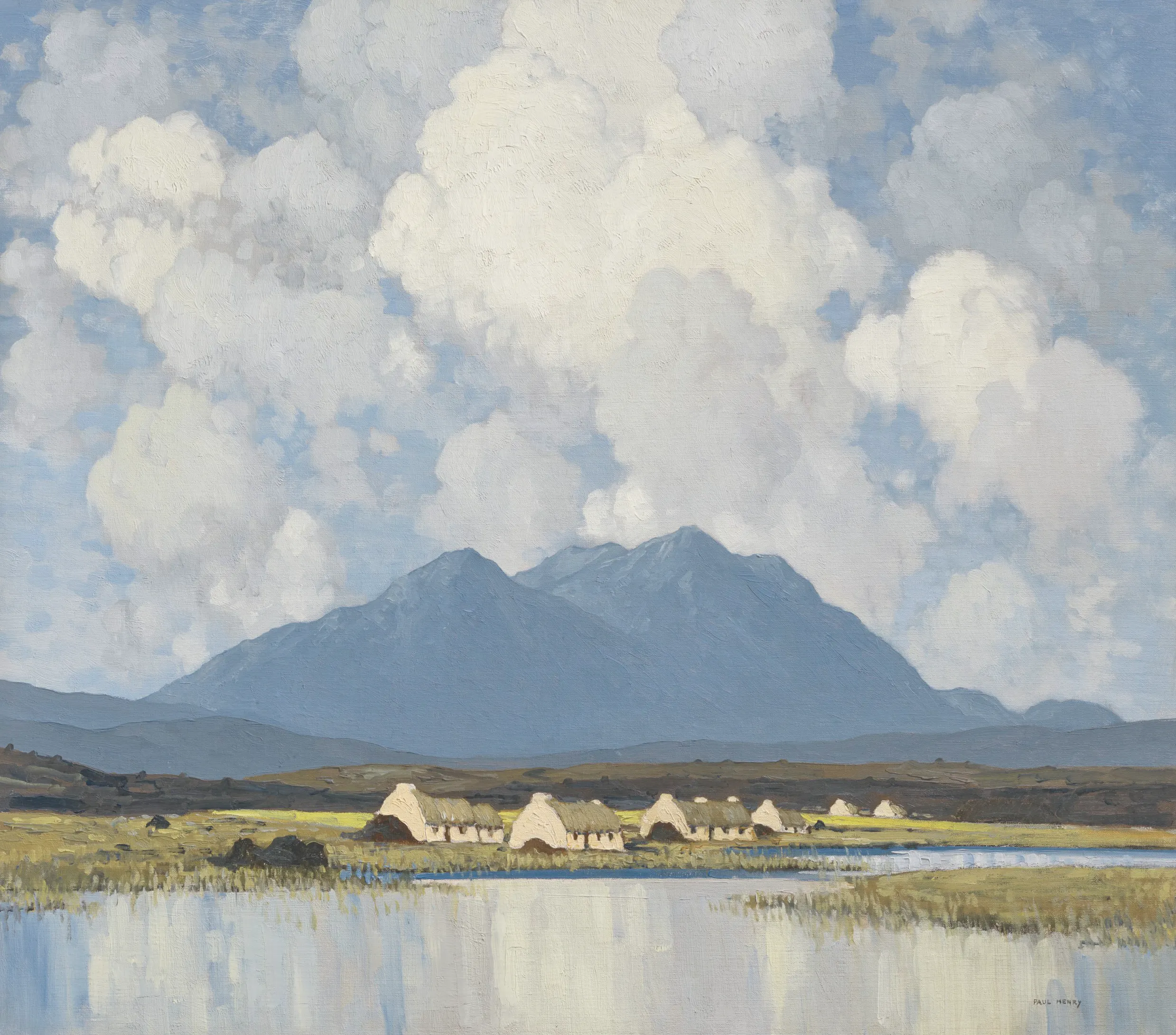
Paul Henry, who played a vital role in the formation of the Society of Dublin Painters, painted landscapes, particularly those of Connacht. Railway companies even used his serene images of West Ireland in the 1920s and Bord Fáilte, the Irish tourism board, used them in the 1940s.
Related: Thomas Gainsborough: Grand Portraits in Nature
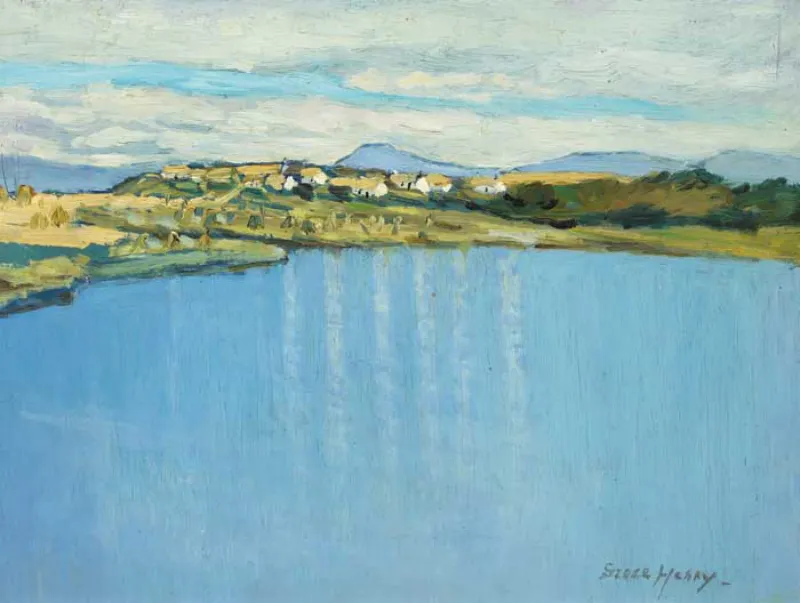
As the wife of Paul Henry, Grace Henry brought her own unique perspective to the Society of Dublin Painters. In the early 1900s she studied in Paris, where she was influenced by modernist movements. She focused on shape and color, and like her husband, her art also celebrated the west of Ireland. She remained associated with the society until around 1923, when she returned to Paris, and though her contributions became more sporadic, she continued to exhibit with the Dublin Painters until the 1950s.
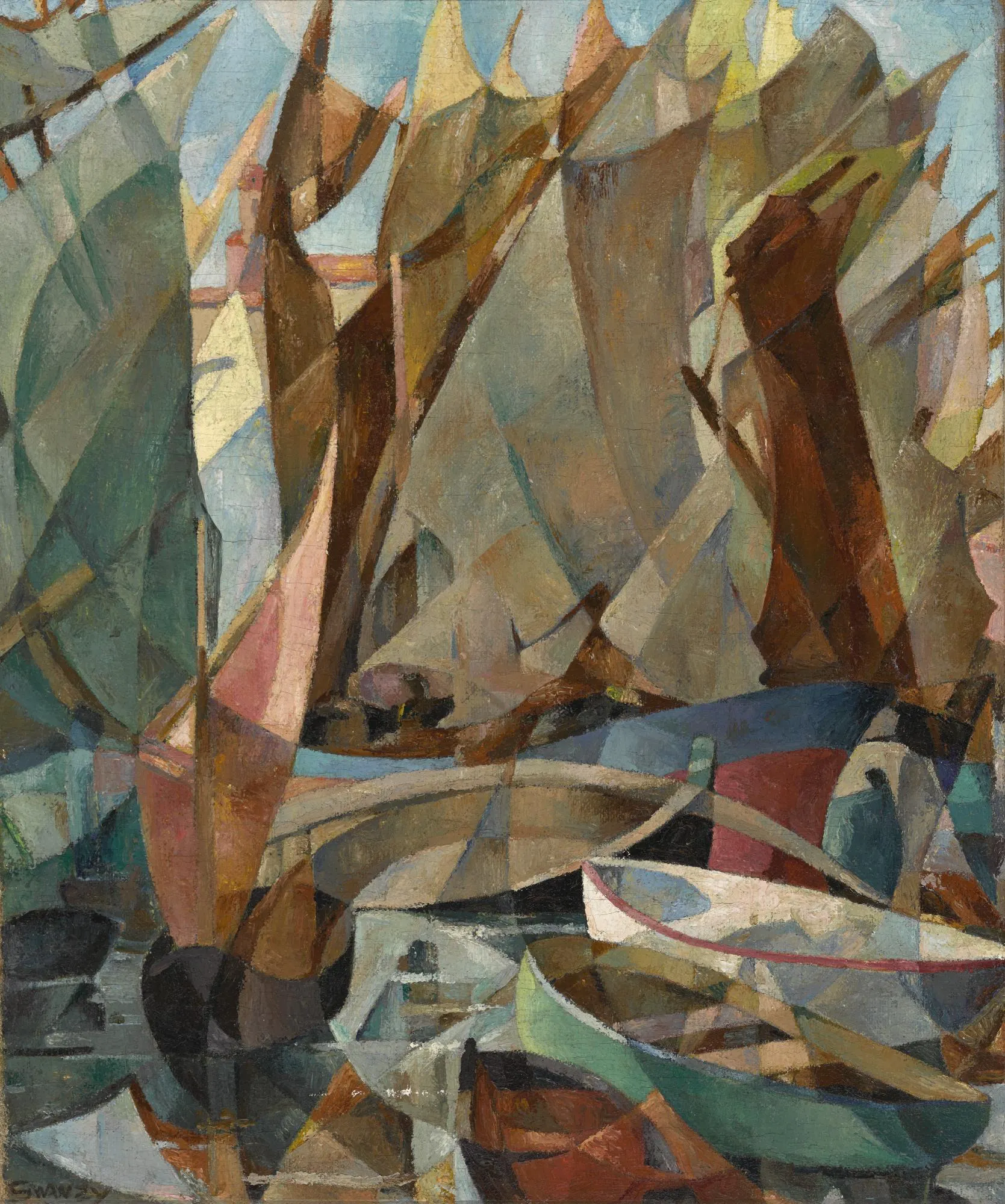
Mary Swanzy, who studied under John Butler Yeats, the father of Jack B. Yeats, exhibited in the society's shows for two years, before her artistic journey took her to Hawaii and Samoa. She was noted for her style which shared similarities with E.M. O'Rorke Dickey, a Belfast born wood engraver, better known for his role as educator in fine art and modernist theory.
Related: How Cubism Changed the World
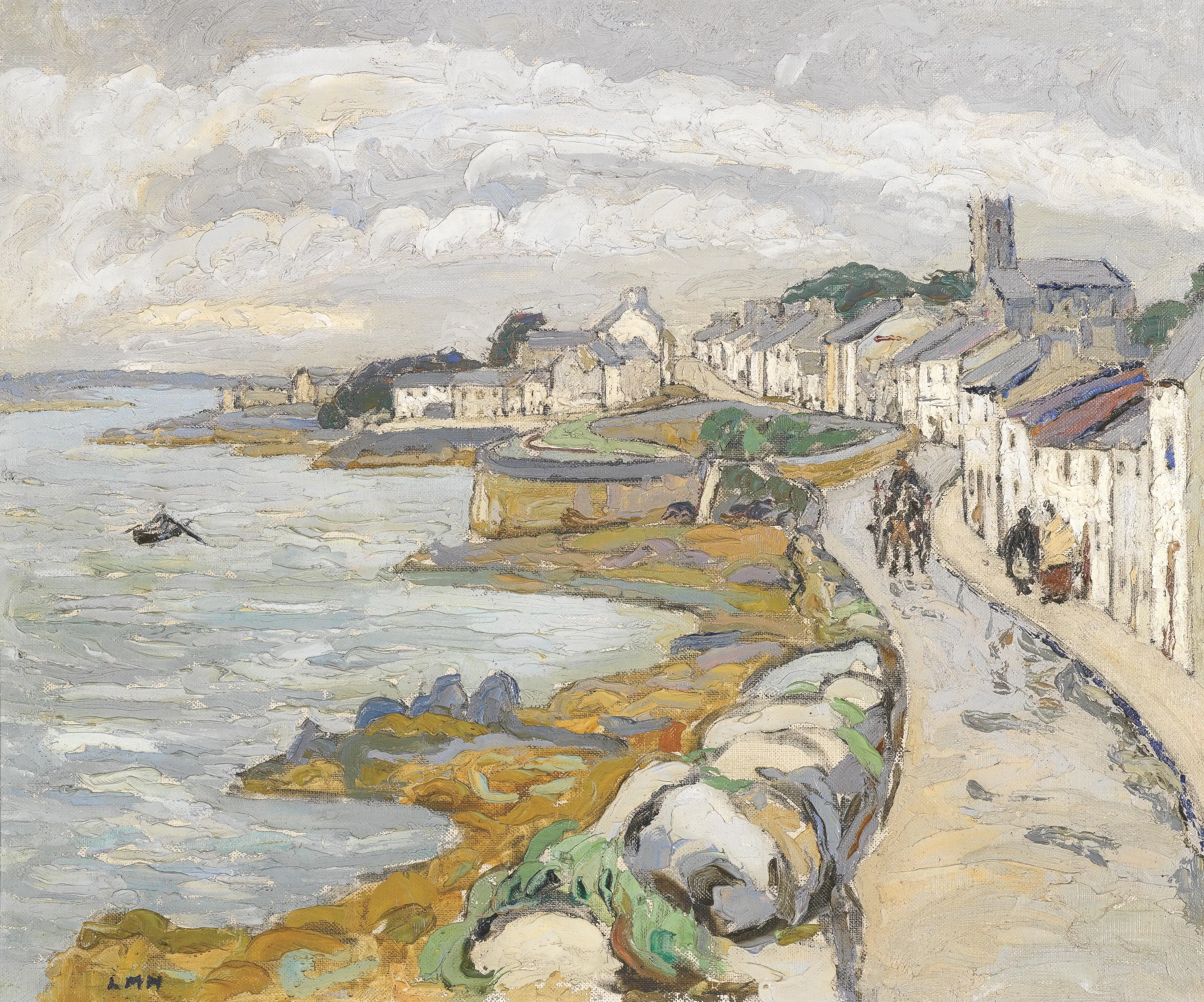
Clare Marsh exhibited consistently in the Society's shows from 1920 to 1923. Her work included landscapes and portraiture. Unfortunately, her career was cut short, as she passed away from appendicitis in 1923. Her early death has led to limited recognition of her work.
See also: Abstract Art: From Genre to Movement
Letitia Hamilton's artistic style was influenced by art nouveau, which was characterized by abstract qualities in her use of color and form. She exhibited with various Irish art groups throughout her career, including the RHA, Watercolour Society of Dublin, and the Scottish Society of Women Artists.
James Sleator's association with the Society of Dublin Painters was also relatively short-lived. He initially participated in the society's first exhibition but departed soon after due to artistic differences. Trained by the famous Irish artist William Orpen, Sleator had a more traditional style, which contrasted with the avant-garde approach of the group. His departure led to his eventual presidency of the RHA, where he continued to champion traditional styles.
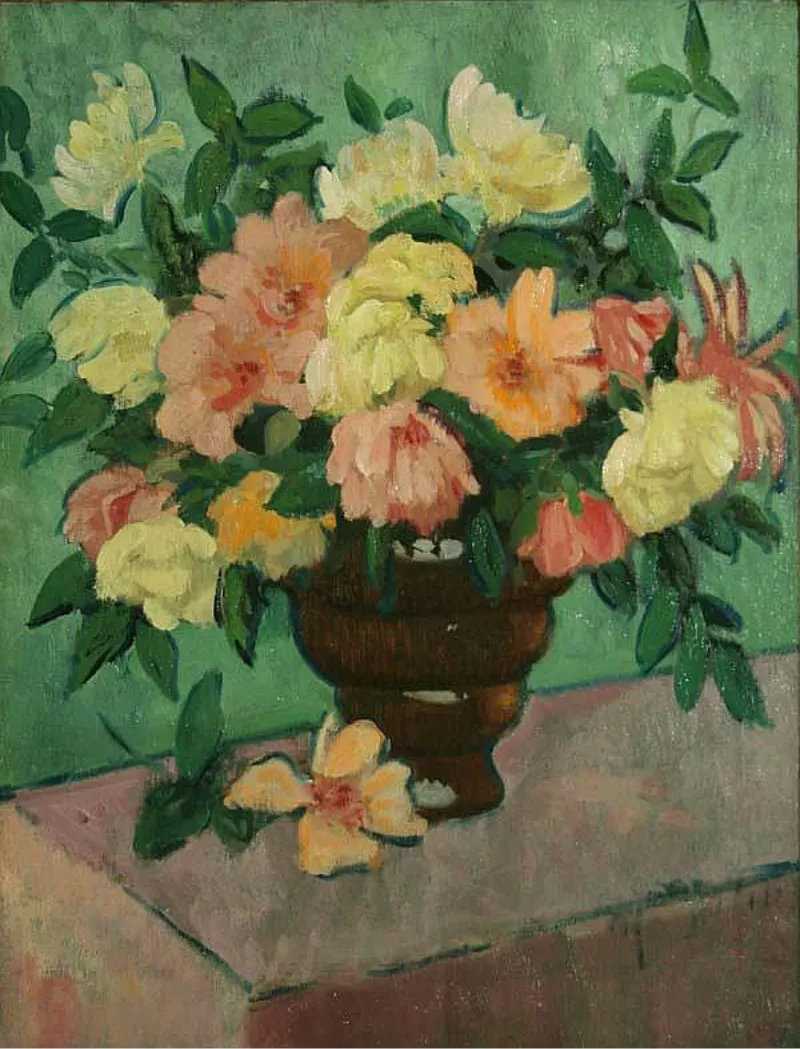
Over the years, the society hosted numerous artists, including Mainie Jellett, Evie Hone, and Charles Lamb, who made contributions that marked significant shifts in Irish art. Mainie Jellett, for instance, presented the first cubist-inspired paintings in Ireland at the Dublin Painters Show in 1923.
Want more articles like this straight to your inbox? Subscribe to our free newsletter!
The society hosted regular exhibitions until the 1950s, serving as a platform for artists to embrace modernist influences and exhibit their work. The artists associated with the society, while diverse in style, collectively paved the way for modernism in Irish art and continued to inspire future generations of artists.