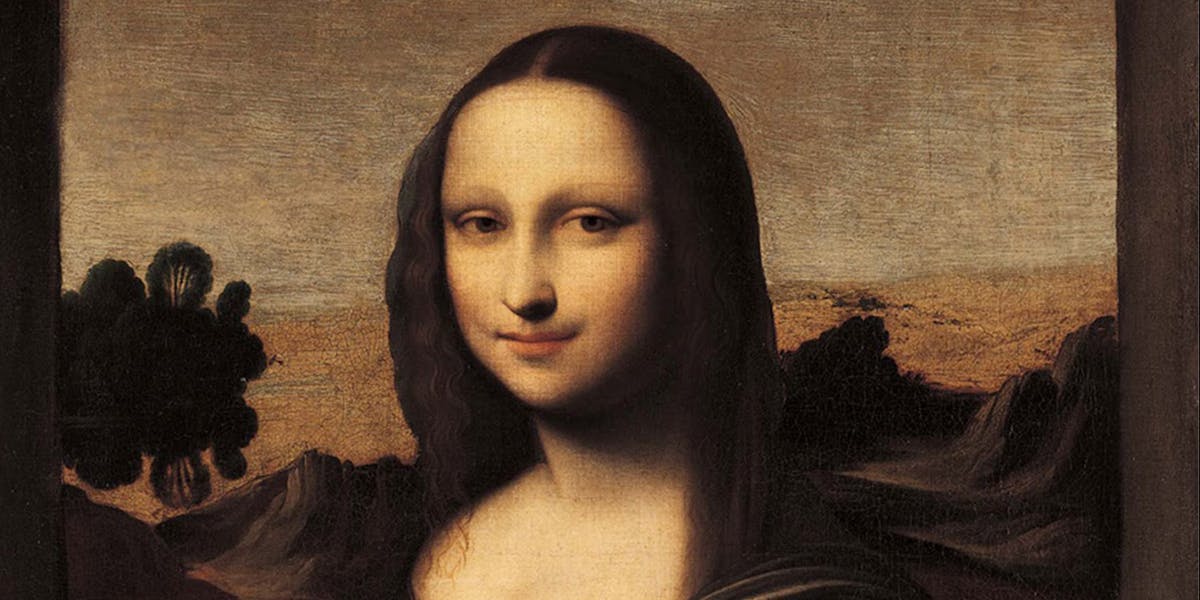
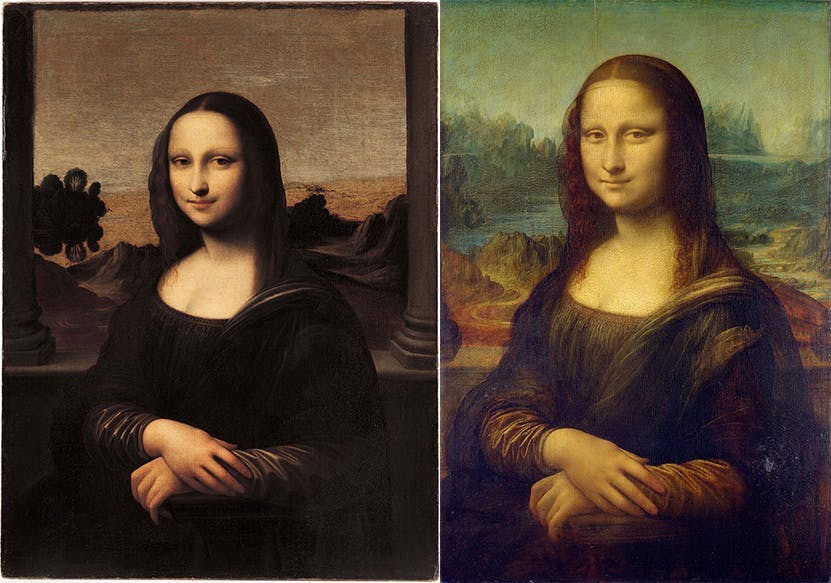
From June 10 to July 30, 2019, a portrait of a woman known as the Isleworth Mona Lisa was exhibited at the Palazzo Bastogi in Florence. Debates have swirled for decades whether it is an authentic, earlier version of Leonardo da Vinci's most famous work, which attracts millions of visitors each year to the Louvre. The expert opinions, however, vary widely. Following the exhibit, the secretive owner consortium of the painting was called into question as the partial shareholders of the work wanted to make sure it is kept in public view.
Related: Mona Lisa: Art History's Ultimate Muse

The modern history of the painting begins in 1913, when English art collector and patron Hugh Blaker bought the painting from Earl Brownlow, who had acquired it in Italy under the belief that it was an original work by Leonardo da Vinci. Blaker took the painting to his home in London's Isleworth district, dubbing it the Isleworth Mona Lisa.
Related: New Secrets About Mona Lisa Revealed
Blaker's stepfather, John Eyre, later published his thesis that it was an earlier version of Leonardo's Mona Lisa, based on passages from Giorgio Vasari's Leonardo da Vinci biography, which asserted the master had painted an unfinished portrait of the Mona Lisa in 1503.
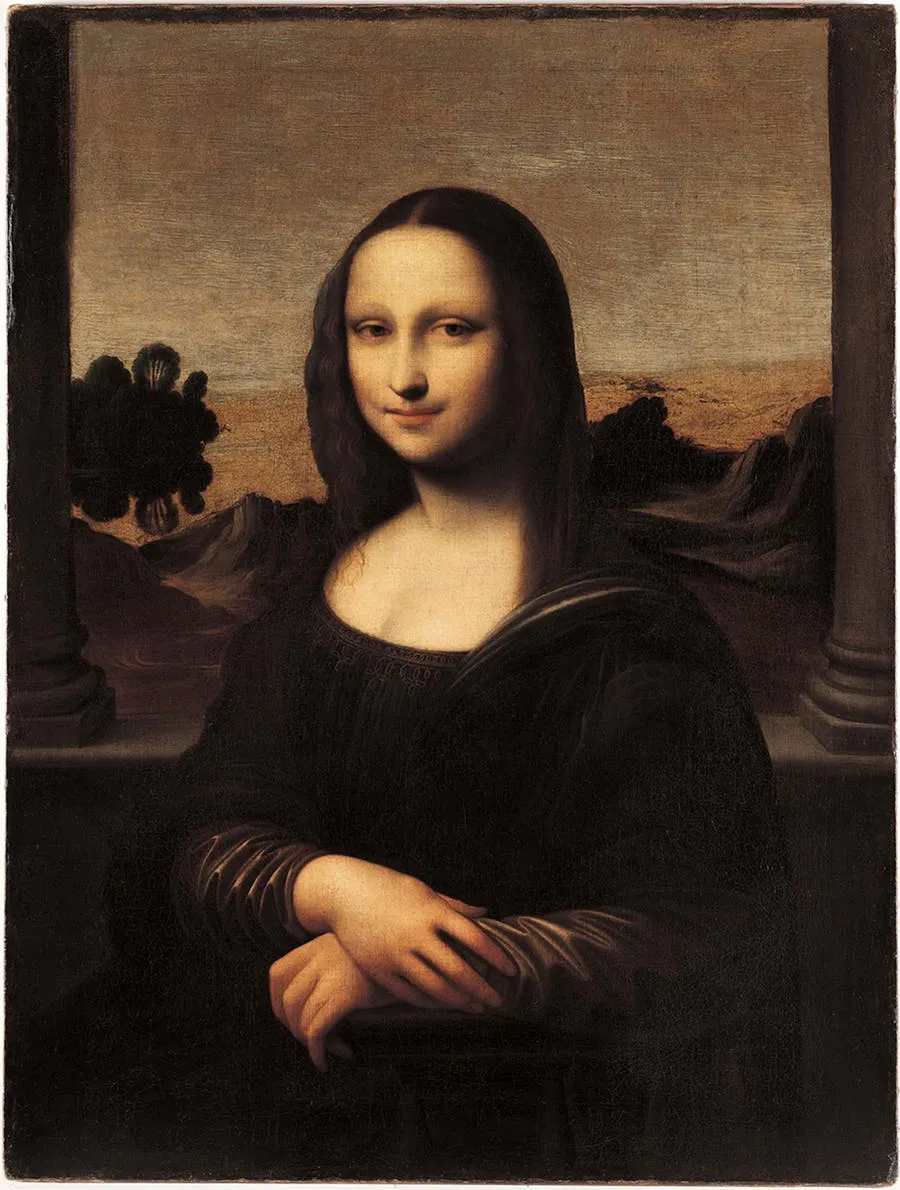
Subsequently, the Isleworth Mona Lisa was bought by the art historian Henry F. Pulitzer, who first introduced the painting to the public in his 1966 book. Pulitzer sold 25% of the painting to the Portuguese porcelain manufacturer Leland Gilbert, with the remaining 75% going to Pulitzer's partner Elizabeth Meyer. After Meyer's death in 2008, her shares went to an international consortium, which founded the Mona Lisa Foundation in Switzerland. The Foundation's mission was to confirm the authenticity of the Isleworth Mona Lisa as a work by Leonardo da Vinci. At that time, the painting had already disappeared from the public for more than 30 years, having been locked away in a Swiss bank vault.
Related: The 10 Most Famous Works of Art and Where to Find Them
In 2012, the Mona Lisa Foundation published the results of its research, which confirmed the authenticity of the painting. However, this verification was immediately challenged by some experts, including the foremost Leonardo da Vinci scholar Martin Kemp of the University of Oxford.
The artist of the Isleworth Mona Lisa has therefore remained a mystery, as well as the identity of the individuals that make up the ownership consortium. However, the heirs of Leland Gilbert, who own 25% of the work, wanted to know more about the research, as well as the location of the painting. Giovanni Protti, an attorney for the heirs who wish to remain anonymous, told Artnet News that he turned to the Foundation a few years ago, but their spokesperson stated that they knew nothing about the whereabouts of the painting or about the identity of the owners.
Related: A History of the Smile in Art
In 2016, some light was shed on the mystery when the Panama Papers were leaked to the public, which revealed the identities of the owners, who Protti believes hold the painting through offshore accounts. These names will be announced in court shortly because the Gilbert heirs want to sue for information and ownership claims now. The opportunity to do so was provided by the very exhibition of the painting in Florence, which made a trial in Italy possible in the first place. Likewise, the heirs want to prevent the Isleworth Mona Lisa from disappearing into Swiss bank vault again. “If it is returned to the Swiss vault, the Italian courts will be rendered powerless," Giovanni Protti told The Art Newspaper.
The first hearing in the ownership dispute took place on September 8 in a civil court in Florence. However, the claims were deemed meritless and the painting remains in the private collection. To this day, the artist of the Isleworth Mona Lisa's identity remains a mystery yet to be solved.
This is an updated version of an article originally posted on August 5, 2019