Yngve Ekström (1913-1988)
Yngve Ekström grew up in Hagafors, in southern Sweden. His father lathed cantilever chairs for Hagafors Stolfabrik, and perhaps it was there that Yngve's interest in furniture design was born. Already at an early age, he started working at a carpentry workshop, and studied, among other things, art history. Although he had an academic focus on home decoration, Yngve was basically self-taught. Together with his brother Jerker, he founded the furniture company ESE-möbler in 1945, which later became Swedese.
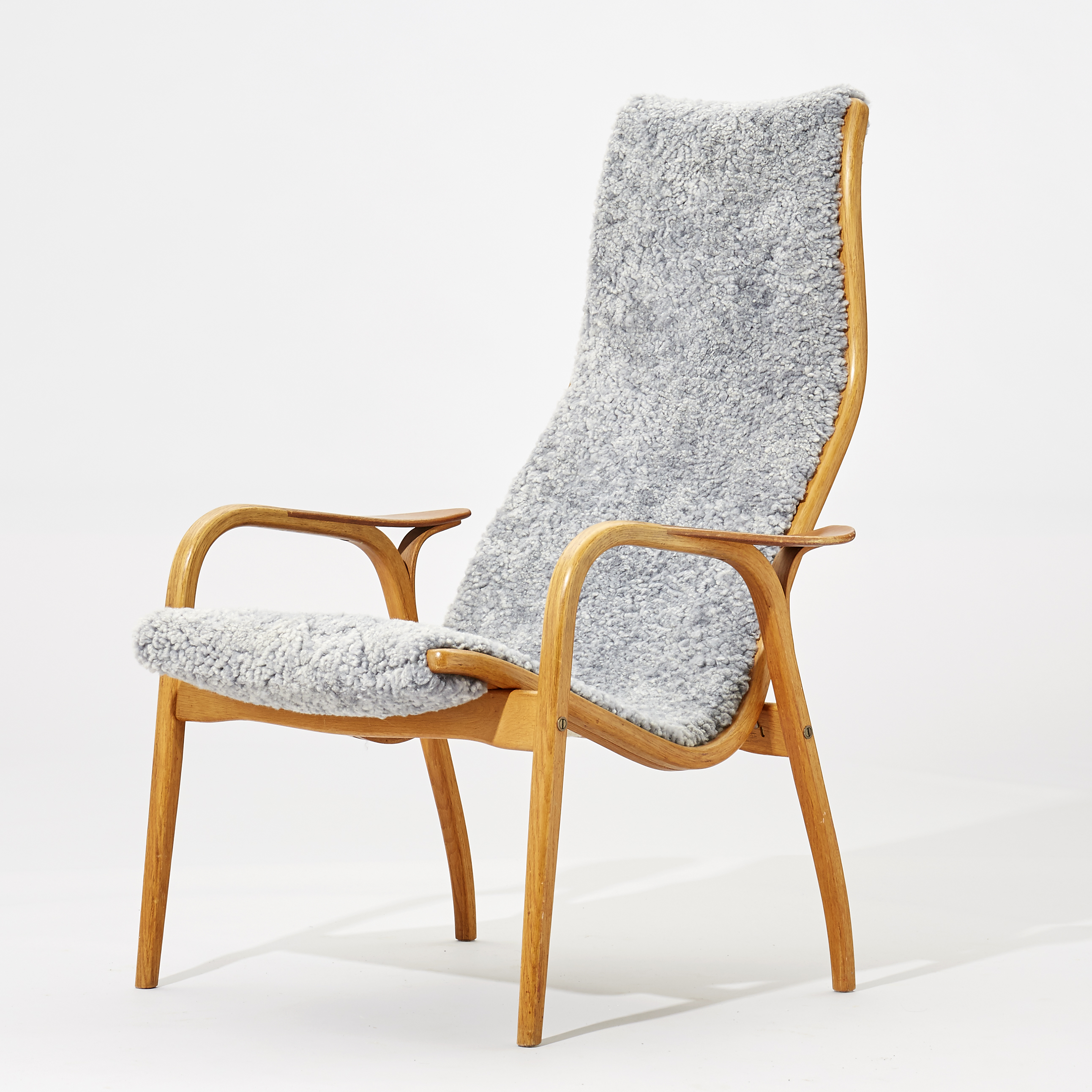
Yngve Ekström experimented with shapes and types of wood, and it was in in 1956 that perhaps his most famous piece of furniture came on the market, the Lamino chair. It was then made of layer-glued bentwood and covered in sheepskin. Lamino was an armchair of its time: functional, comfortable, stylish and affordable. Like several other contemporary designers, simplicity was one of Yngve Ekström's founding principles. In 1999, the Lamino was named the Swedish furniture of the century by the readers of the magazine Sköna Hems, and in 2006 over 250,000 copies of the armchair were produced.
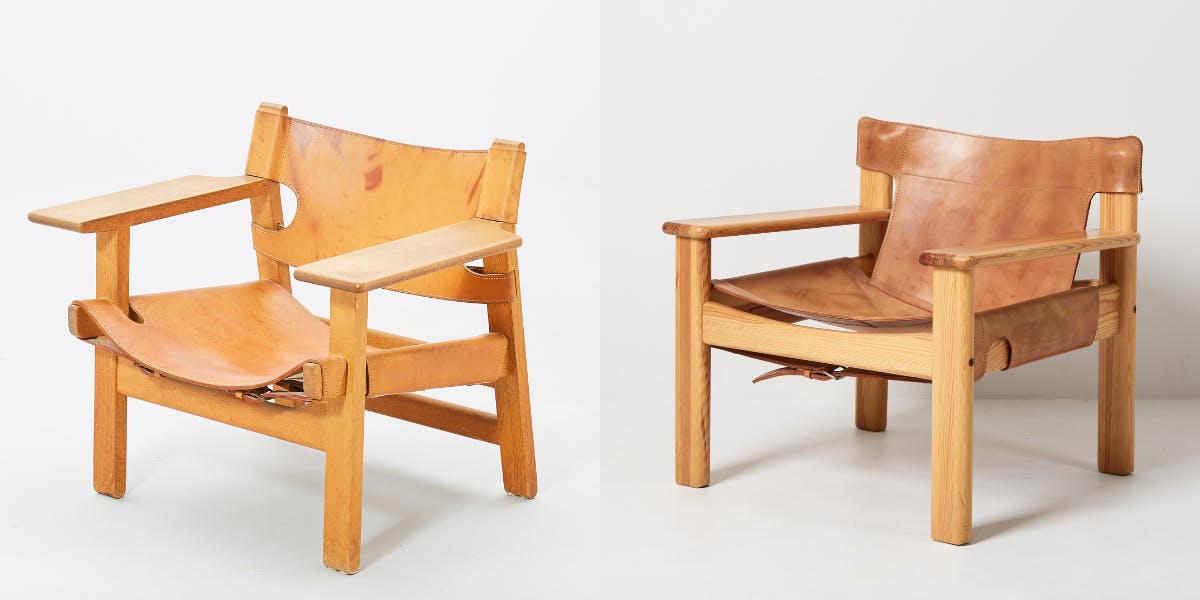
A year before Lamino was released, Yngve Ekström designed a low cane chair for the Småland furniture manufacturer Stolab, which was named Arka. A few years ago, Stolab started making the Arka again, and it is as stylish and practical today as it was in 1955.
Bruno Mathsson (1907-1988)
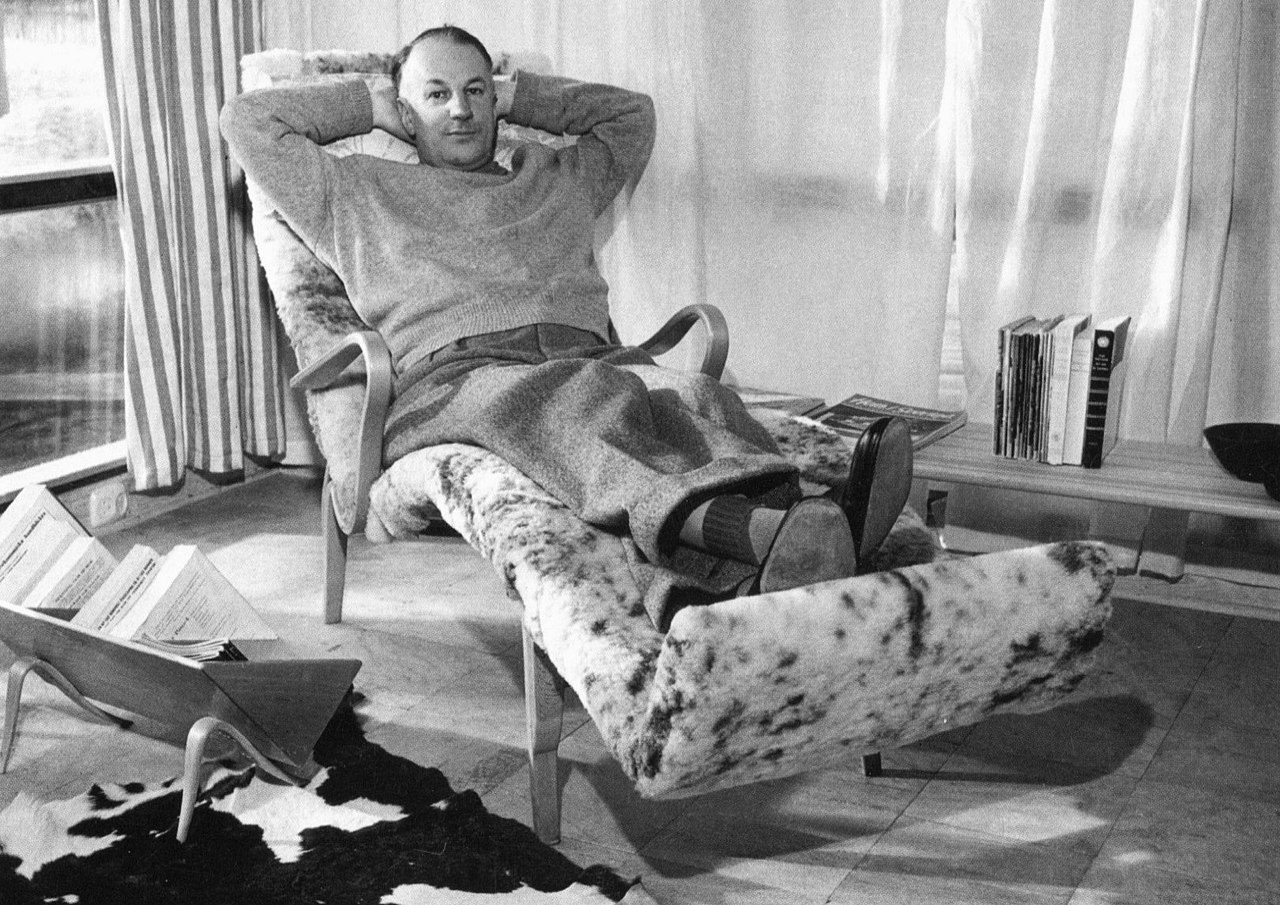
Another successful southern Swede is Bruno Mathsson, who is one of Sweden's most prominent and prolific furniture designers. A year before he was to take his diploma exam, Mathsson dropped out of school and started working instead as an apprentice in his father's carpentry shop in Värnamo. When, a couple of years later, he exhibited a self-made chair at an exhibition arranged by the Värnamo Handicrafts Association, his big breakthrough came. The chair was certainly not what we are used to seeing in Bruno Mathsson's furniture: it was an upholstered armchair in baroque style with turned legs. Nonetheless, the chair won him a prize, and the attention received sent him on to the Stockholm exhibition. There he discovered modernism and functionalism, which came to characterize his entire design career.
Related: The 10 Most Popular Furniture Designers
Like Yngve Ekström, Bruno Mathsson kept comfort and functionality in mind when designing his furniture. He became interested in the methodology of sitting itself, and studied it by sitting in a snowdrift and then examining the print. "Furniture must be made with such art that sitting in it becomes no art at all," he once explained.
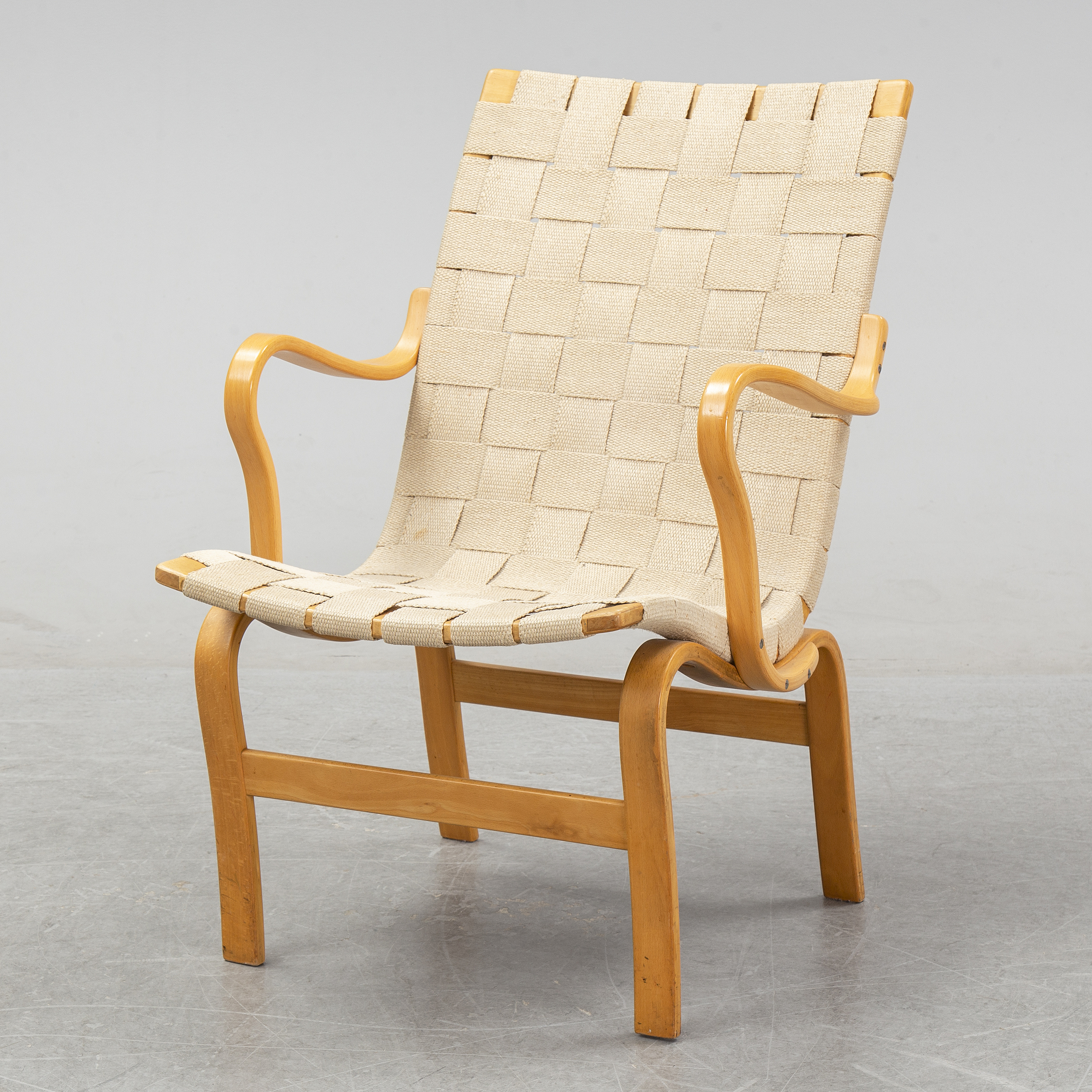
Over the years, Bruno Mathsson designed many pieces of furniture that have become real classics in Swedish homes, including the lounge chair Pernilla from 1943 and the Eva from 1941. The armchair Mina was designed in 1978 and is made of bent wood with durable fabric and has a fantastic level of comfort, which is characteristic of Bruno Mathsson's furniture.
Carl Malmsten (1888-1972)
Carl Malmsten is perhaps Sweden's greatest furniture designer of all time. He was from an upper middle class family, with a father who was a doctor and a grandfather who was a royal physician. Perhaps the idea was that Carl would also study medicine, but when he had problems with his health during his military service and therefore spent some time in Egypt, he began to devote himself to artistic pursuits. When he came back to Stockholm, he took a job as a carpenter's apprentice, and was then a self-taught learner practicing in an architect's office. At just 18 years old, he broke through by winning both first and second prize in a competition for interiors for Stockholm's city hall. Thanks to his victory, the furniture in the Council Hall was designed by him.
Related: A Brief History of Furniture Design
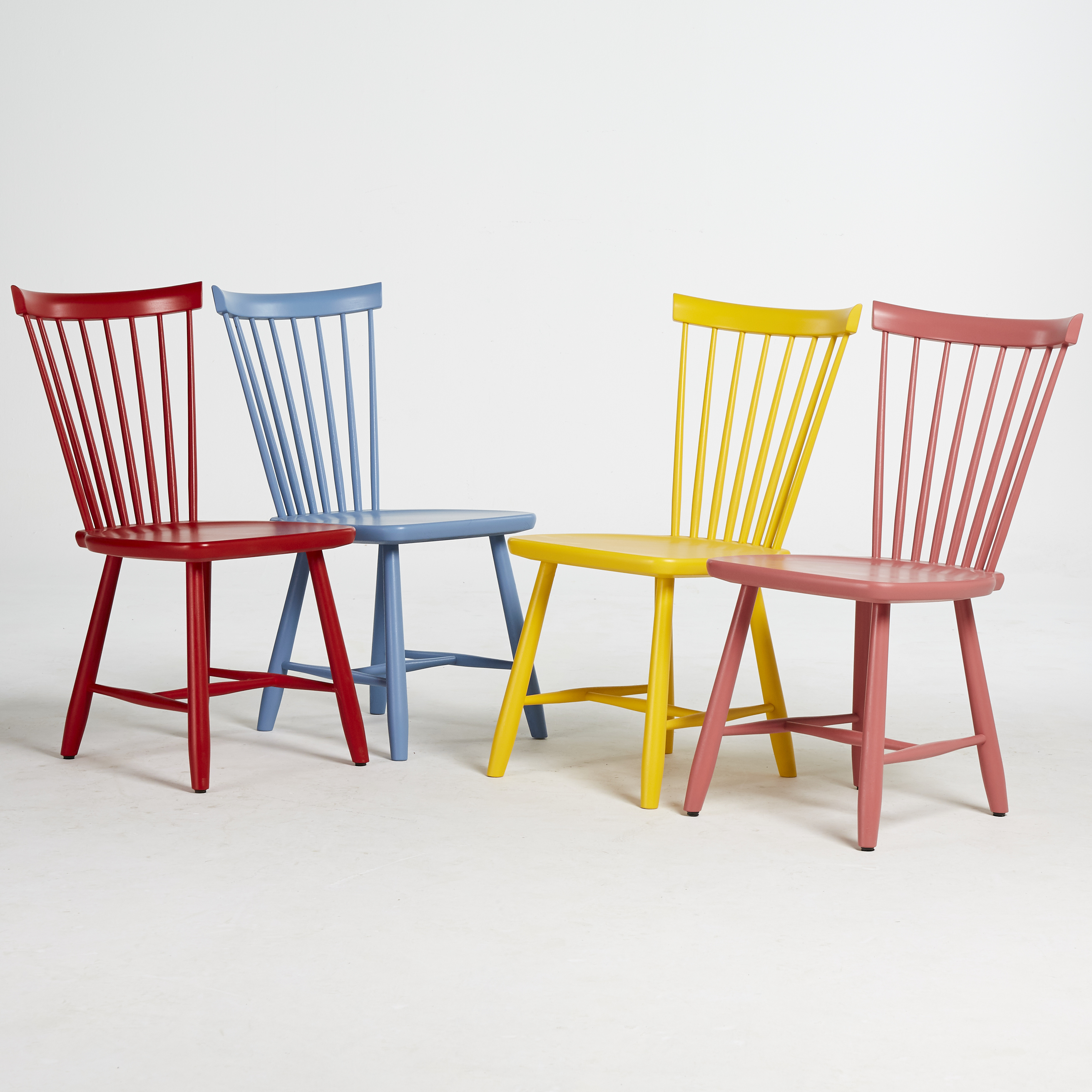
From the beginning, Carl Malmsten was strongly critical of functionalism's entry into Sweden, and was himself a supporter of the Swedish classicism of the 1920s, the so-called Swedish grace. He still kept the human factor in mind in his design, with rounded wood and mild colors in a natural way. He argued that in nature there are no sharp edges, and so rarely made use of them.
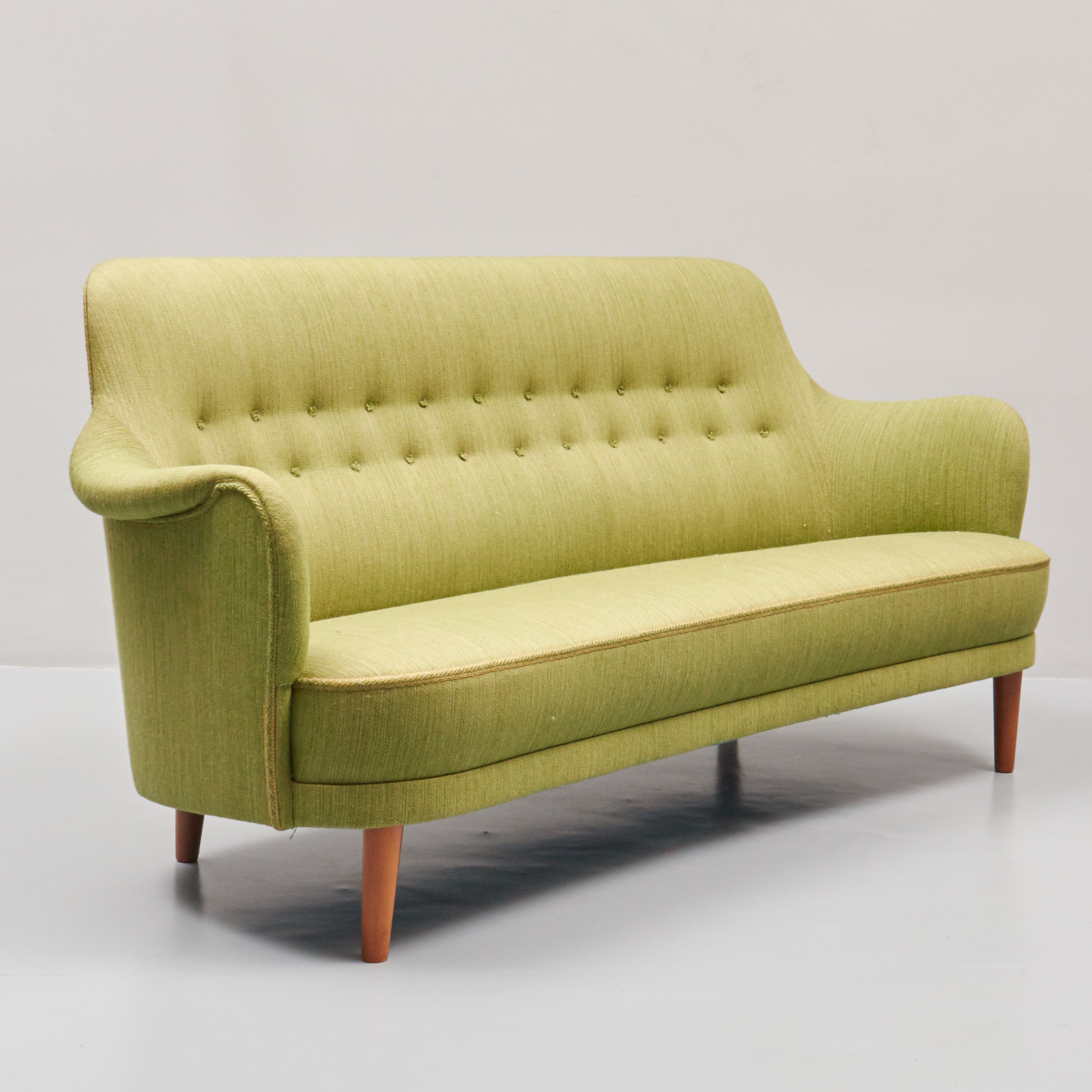
At an exhibition at the Röhsska Konstslöjdmuseet in Gothenburg in 1956, he exhibited furniture for a serial production, after which his designs became popular with a larger clientele. But despite the fact that the furniture was supposed to be produced in larger numbers than before, it was only produced in key workshops, and is still sold today with a limited range. Classics by Malmsten are furniture pieces such as the Samsas sofa, the Farmor armchair and the Lilla Åland chair, designed in 1942.
Josef Frank (1885-1967)
As a designer, Josef Frank has made a deep impression on art history and his designs are still highly sought after. He was originally from Austria and is perhaps primarily associated with the immensely popular design company Svenskt Tenn, which was founded in 1924 by Estrid Ericson.
Related: Josef Frank: The Definition of Modern Swedish Design
Due to the rising of Nazism, Josef Frank, who was Jewish, was forced into exile in 1933 and chose Stockholm as his destination. He had already come into contact with Estrid Ericson at Svenskt Tenn in the late 1920s, and now began to design furniture, wallpaper patterns and fabric prints for Svenskt Tenn.
Related: The Magic of Josef Frank’s Patterns
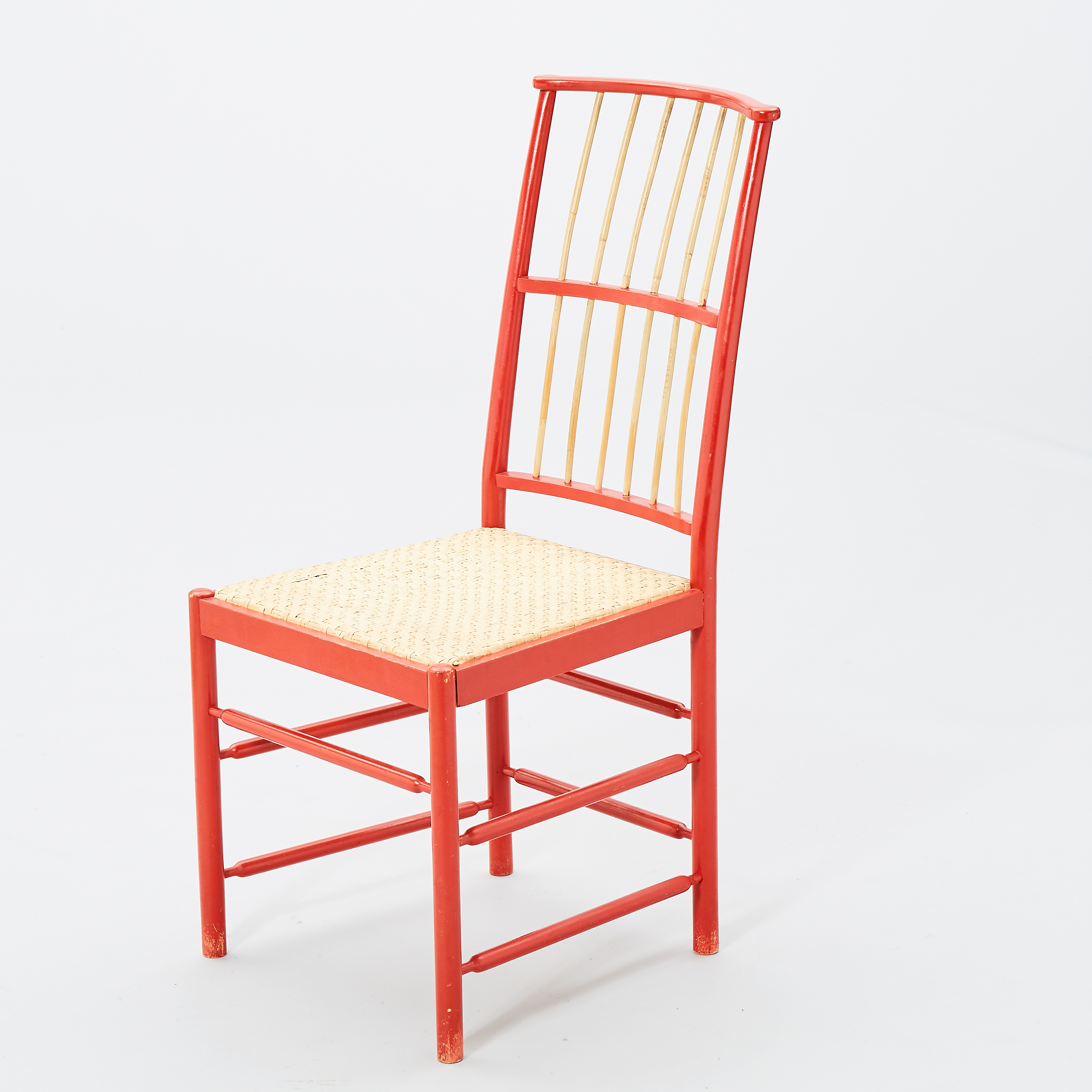
Josef Frank developed a distinctive style ideal. Like Yngve Ekström and Bruno Mathsson, he put comfort at the centre, but also homeliness and richness of color. He loathed tubular steel furniture and wanted instead to incorporate nature's forms into his designs. He preferred furniture that could be seen through: chairs with open backs and cabinets with legs high enough that you could see the line between the floor and wall below.
Want more articles like this delivered straight to your inbox? Subscribe to our free newsletter
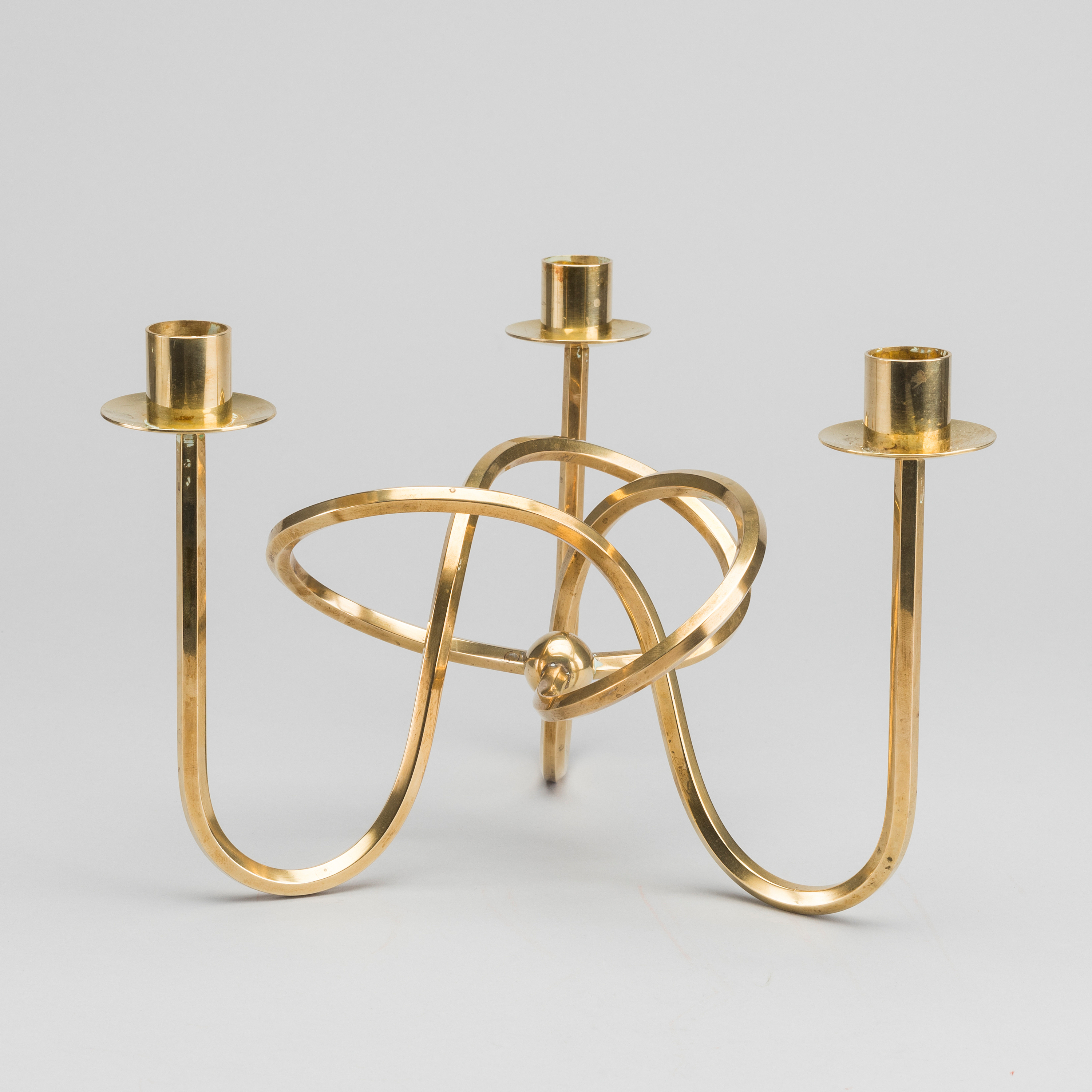
The Vänskapsknuten candlestick was designed by Josef Frank as a symbol of peace and friendship, and the earliest sketch was made in 1938, a year before World War II broke out. Of course, the candlestick was just as relevant then as it is today.
Artur Lindqvist (1897-1983)
A designer whose name may not sound as familiar to most people as the others is Artur Lindqvist. He was born in Grythyttan as the son of a blacksmith who made horseshoes. Artur followed in his father's footsteps, but wanted to make products that went beyond traditional blacksmithing. He was inspired by functionalism and wanted to create beautiful things in people's everyday lives.
Related: Forget the New: Buy Antique Furniture and Revive It
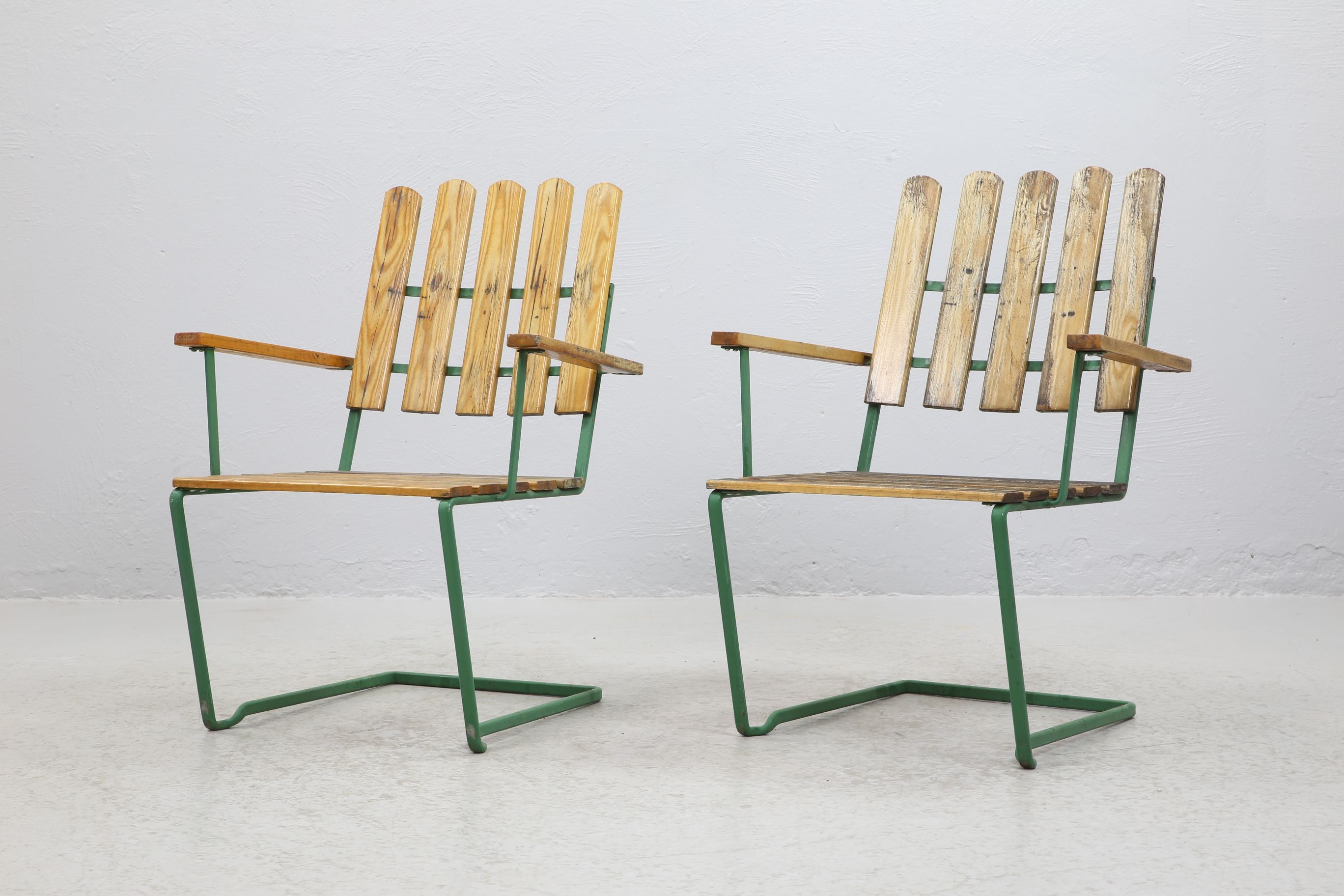
For the Stockholm exhibition in 1930, Artur designed a chair he called Trädgårdsfåtölj Grythyttan mod. A2, which is still its name today, that became a Swedish design classic. After working for a couple of years to bring down the manufacturing cost of the chair, Artur Lindqvist then produced a complete set of garden furniture. The pieces grew in popularity during the 1940s and 50s and later became synonymous with the Swedish summer.
![Britta Marakatt-Labba, Mátki II, 1989/2021 [Färden II /The Journey II] Embroidery and appliqué on cotton/Sákkaldagat ja applikašuvnnat bumbolullu nalde/Embroidery and appliqué on cotton 41,5 × 70 cm Moderna Museet, Stockholm © Britta Marakatt-Labba/Picture copyright 2025 Photo/Photo: Tobias Fischer/Moderna Museet (detail)](https://images.prismic.io/barnebys/aCbw1SdWJ-7kSMzl_Untitleddesign-1-.png?auto=format,compress)