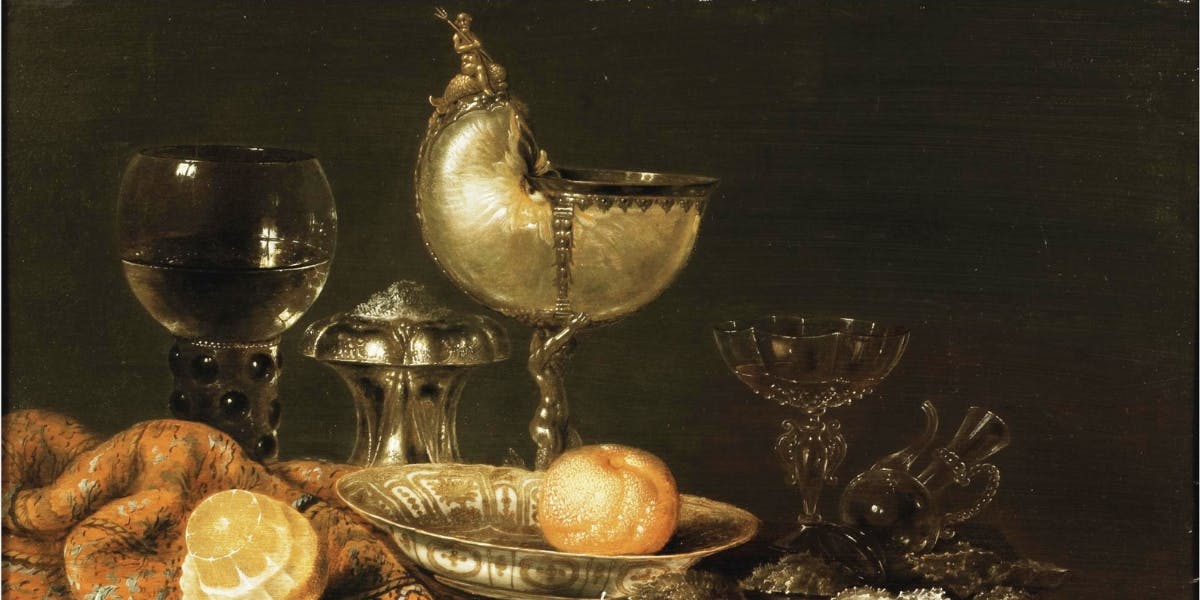
To a certain extent, those who lived in the age of Rococo were not even aware of it. The term, which describes the decorative style of the period from about 1720 to 1770, was only coined at the end of the 18th century by the French artist Pierre-Maurice Quay, a representative of strict classicism and a pupil of Jacques-Louis David. When he used the term 'rococo', he was referring to the rocaille ('shellwork'), the central element of the playful style.
As is often the case when it comes to fashion, Rococo originates in France, where a pompous baroque classicism had been in style until the death of Louis XIV, making the Sun King's court the most magnificent in all of Europe. As the King gathered France's nobility in the huge Palace of Versailles, the building (and thus Louis himself) became the center of social life.
Related: Baroque Silver Furniture: A Symbol of Power
When Louis XIV died in 1715, his successor, his great-grandson Louis XV, was only five years old, and the nephew of the former king, Philippe, Duke of Orléans, was appointed as regent for the new king. The following phase, which lasted until 1723, is known as the Régence and formed the basis for the subsequent Rococo style.
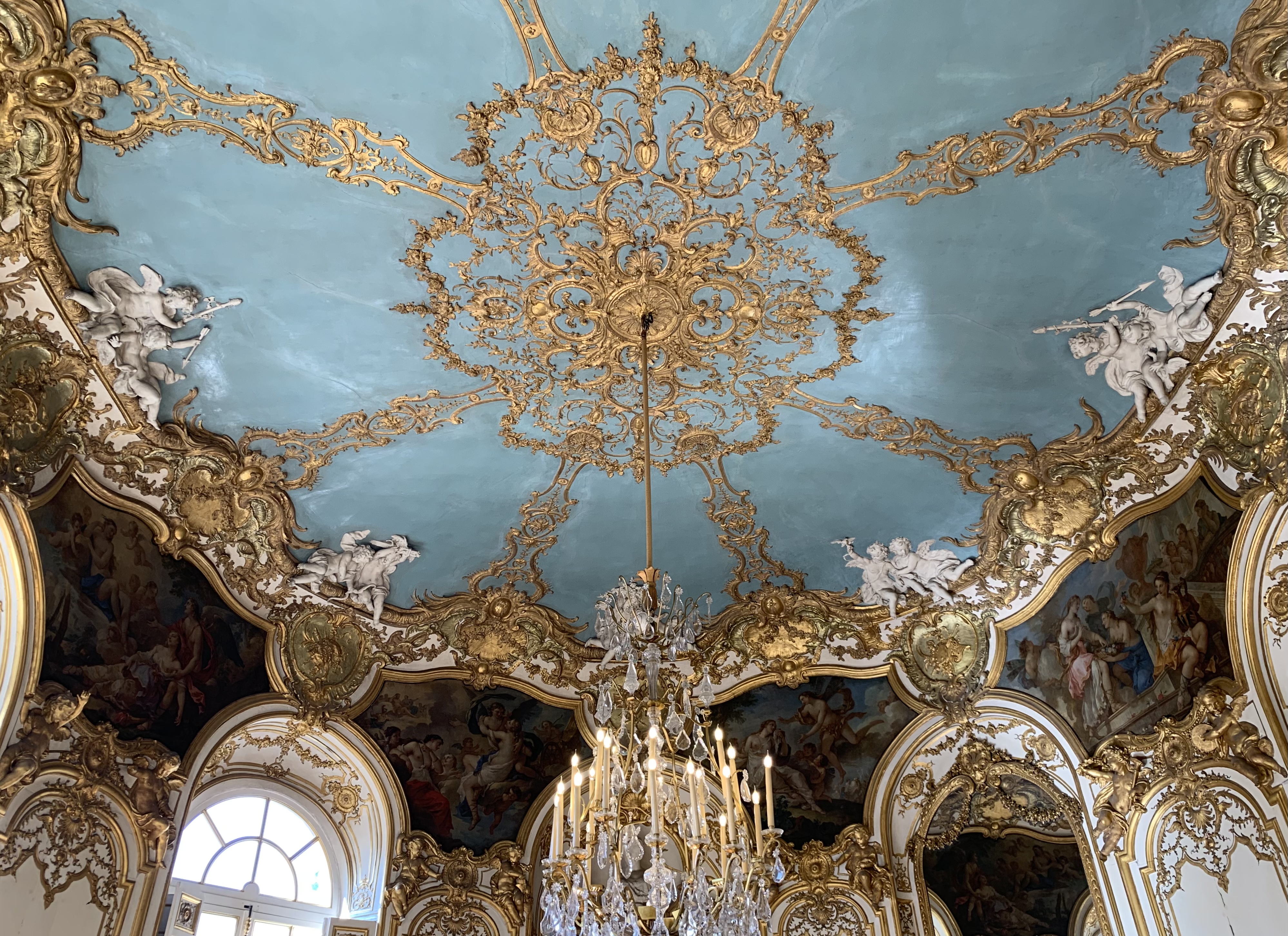
With Philippe of Orleáns, the court moved back to Paris, where the regent resided in the Palais Royal, his family's residence. The nobility also moved with him to the capital, where they lived in the lavish town houses called hôtels particulier, instead of in small chambers in the Palace of Versailles. They enjoyed big-city life and met philosophers and scientists, poets, and men and women of the salons.
Want more articles like this delivered straight to your inbox? Subscribe to our free newsletter!
Instead of flattering the king with a public life at court and hoping for some function in the strict structure of courtly protocol, private life began to play a stronger role, which was noticeable in art, decoration and fashion. Inspiration came from nature, which conquered the rooms with dainty elements, for the first time not dominated by strict geometry. The more private the room, the more 'rococo' its décor. It was a private style that was supposed to make one forget all protocol. Pleasure palaces furnished in this way sprung everywhere.
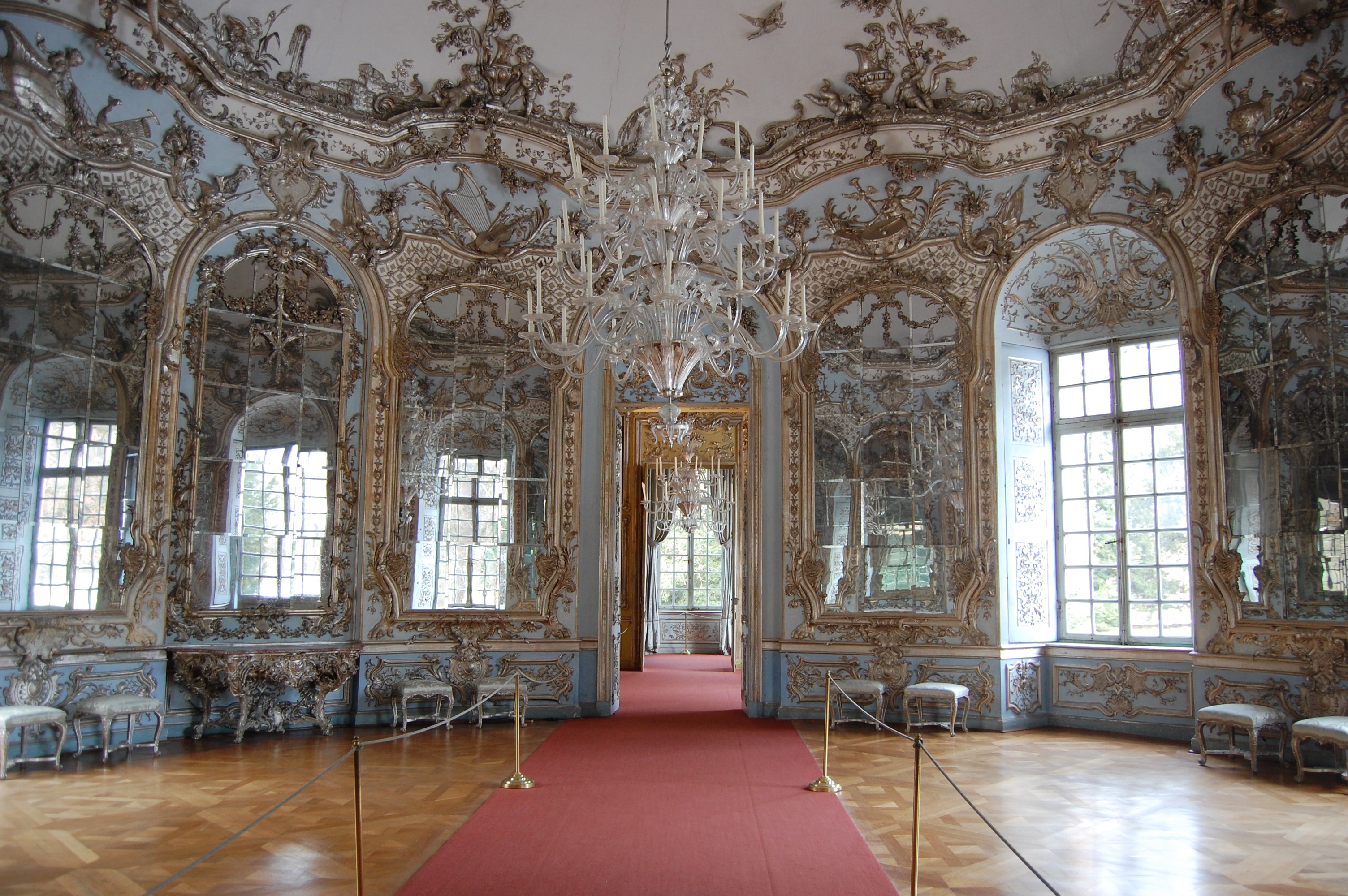
The central element from 1730 onwards was the rocaille, the 'shellwork', which came in asymmetrical c- or s-shaped scrolls. This gave rise to imaginative tendrils of stucco and wood carvings that formed a frame for ceilings and walls, paintings and mirrors as well as for all kinds of furniture. To look refined, the frames were usually decorated with gold or silver leaf, and in the case of particularly luxurious room decorations, the wall decoration and the furniture merged into one another to create an harmonious whole.
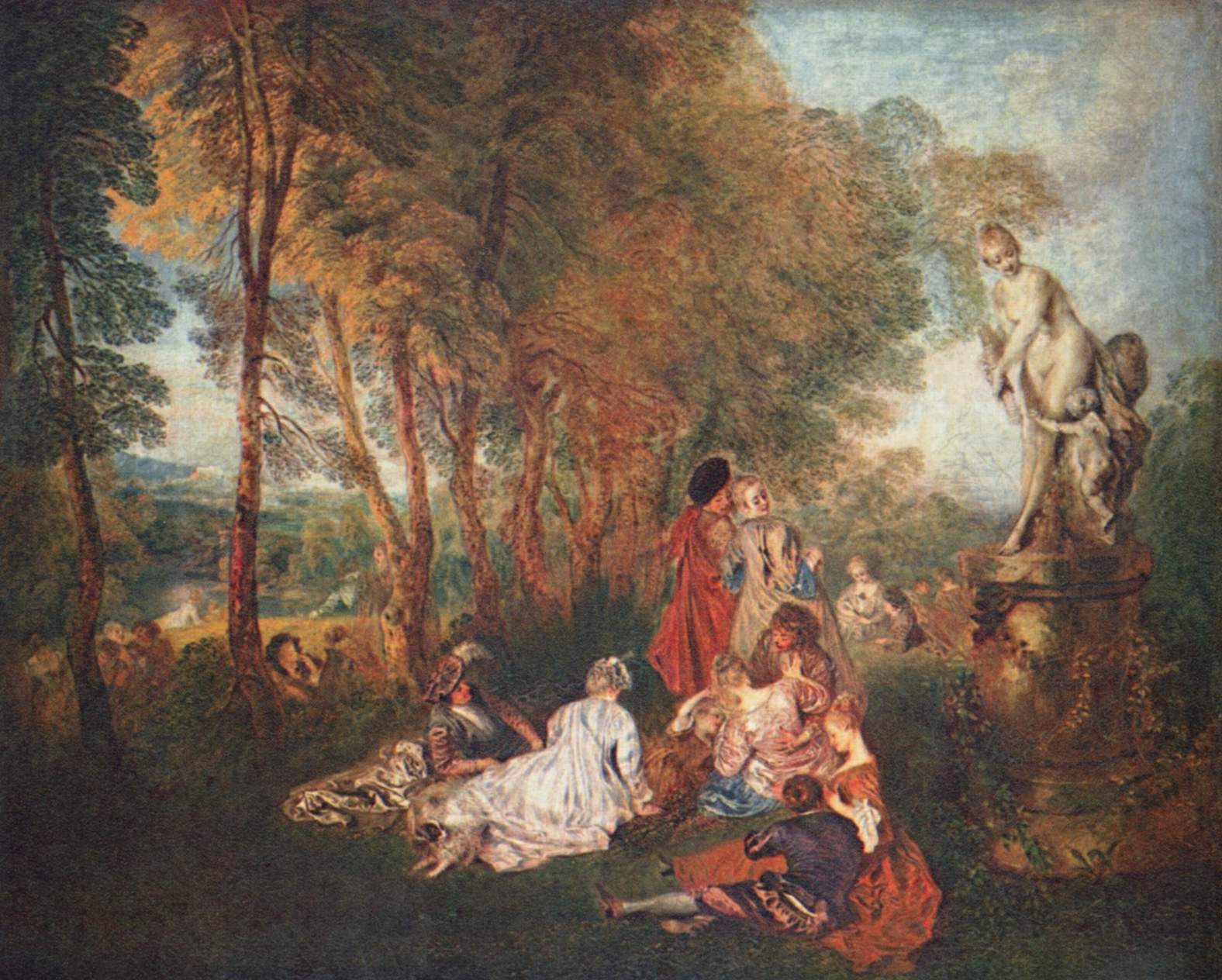
The frames were complemented by pictures of various origins. Some were the fêtes galantes, which Antoine Watteau introduced into art during the Régence. They show courtly society indulging in love-making in Arcadian surroundings.
Related: Antoine Watteau: Frivolity and Melancholy
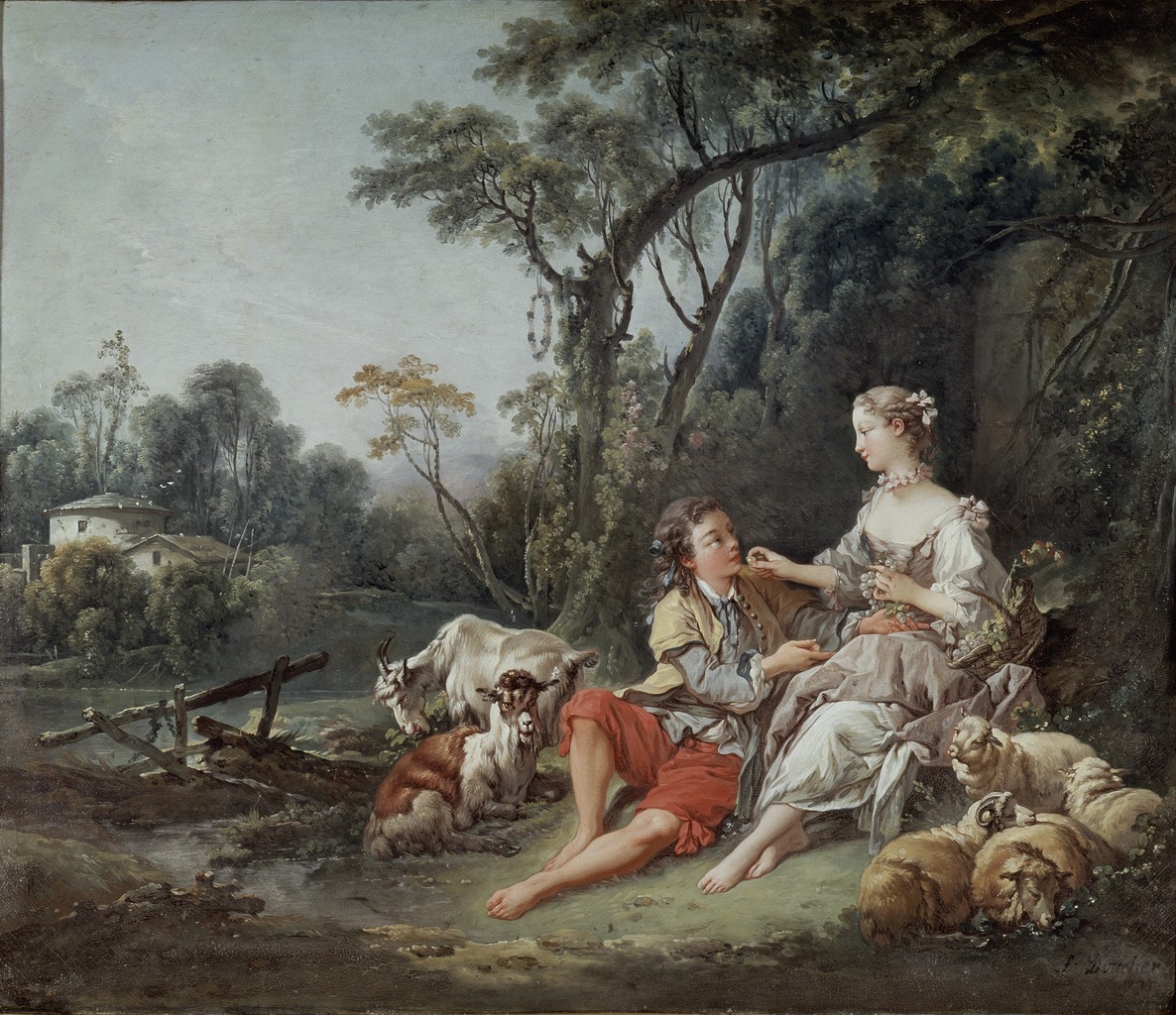
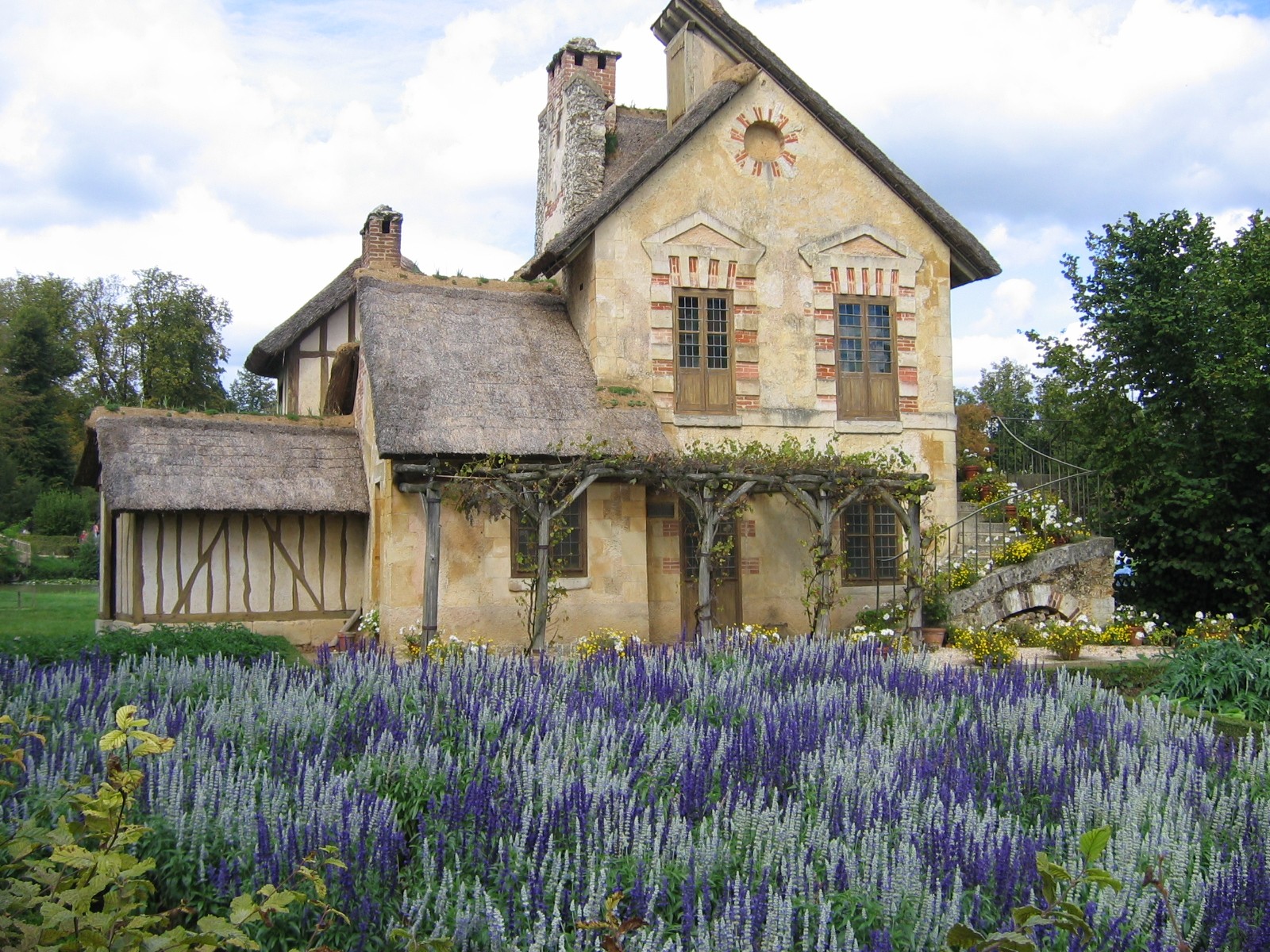
The increasing turn to nature also gave rise to the pastoral scenes settled in a similar setting, which made the aristocracy and the growing bourgeoisie dream of a simple life in the countryside. These reveries, fueled by the writings of philosophers such as Jean-Jacques Rosseau, went so far as to make the wealthy elites build set villages in the parks of their chateaus in an effort to reenact pastoral life. The most famous example of this is undoubtedly Marie Antoinette's Hameau in the park of the Palace of Versailles.
Related: Élisabeth Vigée Le Brun: The Royal Favorite
But the trend towards the rural also came from England, where people gradually left behind the strict symmetry of Baroque gardens with their trimmed hedges and dead-straight avenues to stroll instead in natural-looking but constructed landscape gardens, where artificial grottos, Greek temples and Chinese pagodas were accosted to 'fake' farmhouses.
Related: The Art of Fashion: Fashion in Art
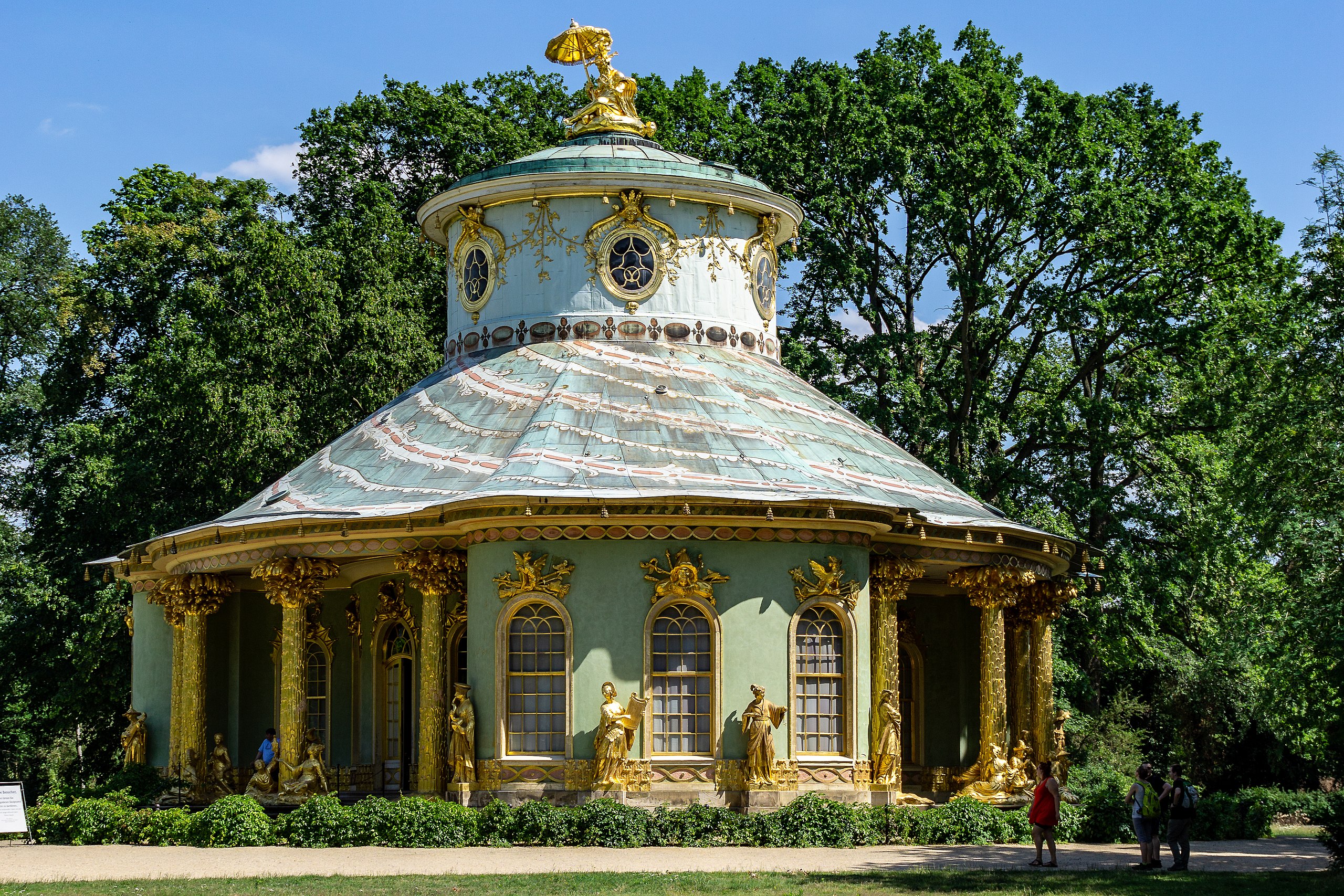
Speaking of 'Chinese', exotic decorations with motifs from the Far East, the so-called chinoiseries, were another component of the Rococo, serving as another fantasy world alongside Arcadia and pastoral idylls. Through the East Asian trade, Chinese and Japanese lacquerware and porcelain had become fashionable in Europe and was readily imported. They depicted landscapes with staffage and exotic plants and animals that presented a life of harmony in the two distant empires.
Related: The Gilded Bronzes of the Empire Style
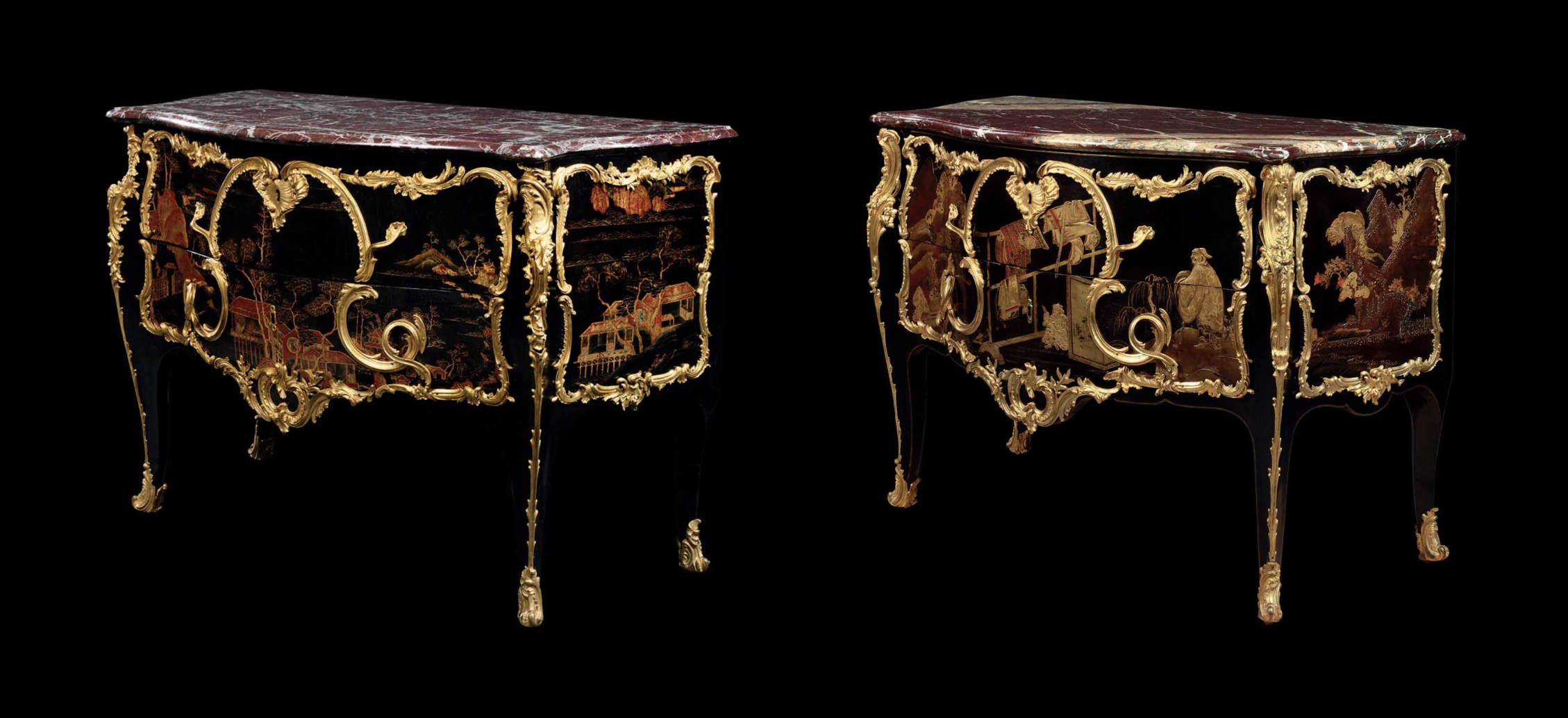
The outstanding cabinetmakers of the 18th century used lacquer boards to make chests of drawers, cabinets and desks. Entire rooms were also furnished with them. A fine example of this is the Japanese Cabinet in the Old Palace of the Hermitage Park in Bayreuth, furnished in 1739. The client was the Margravine of Bayreuth, Wilhelmine, a Princess of Prussia and favorite sister of Frederick the Great. Wilhelmine created her very own expression of Rococo in Bayreuth, just as her royal brother did with the Friderizian Rococo in Potsdam.

Porcelain was also given a lot of attention in dedicated rooms. These were initially reserved for imports from China until European porcelain was invented in Meissen and the first manufactory was founded in 1710. There, they initially copied the originals from China, but quickly found their own style, which fitted perfectly into the Rococo era and played a significant part in its identity. The consoles, tables and mantelpieces were now populated by filigree vases, gallant groups of figures, naturalistic representatives of fauna and gods of Olympus, which were taken out of the kiln in Meissen, Sèvres, Vienna, Munich or Berlin.
Related: Collecting Like a King: Meissen Porcelain 101
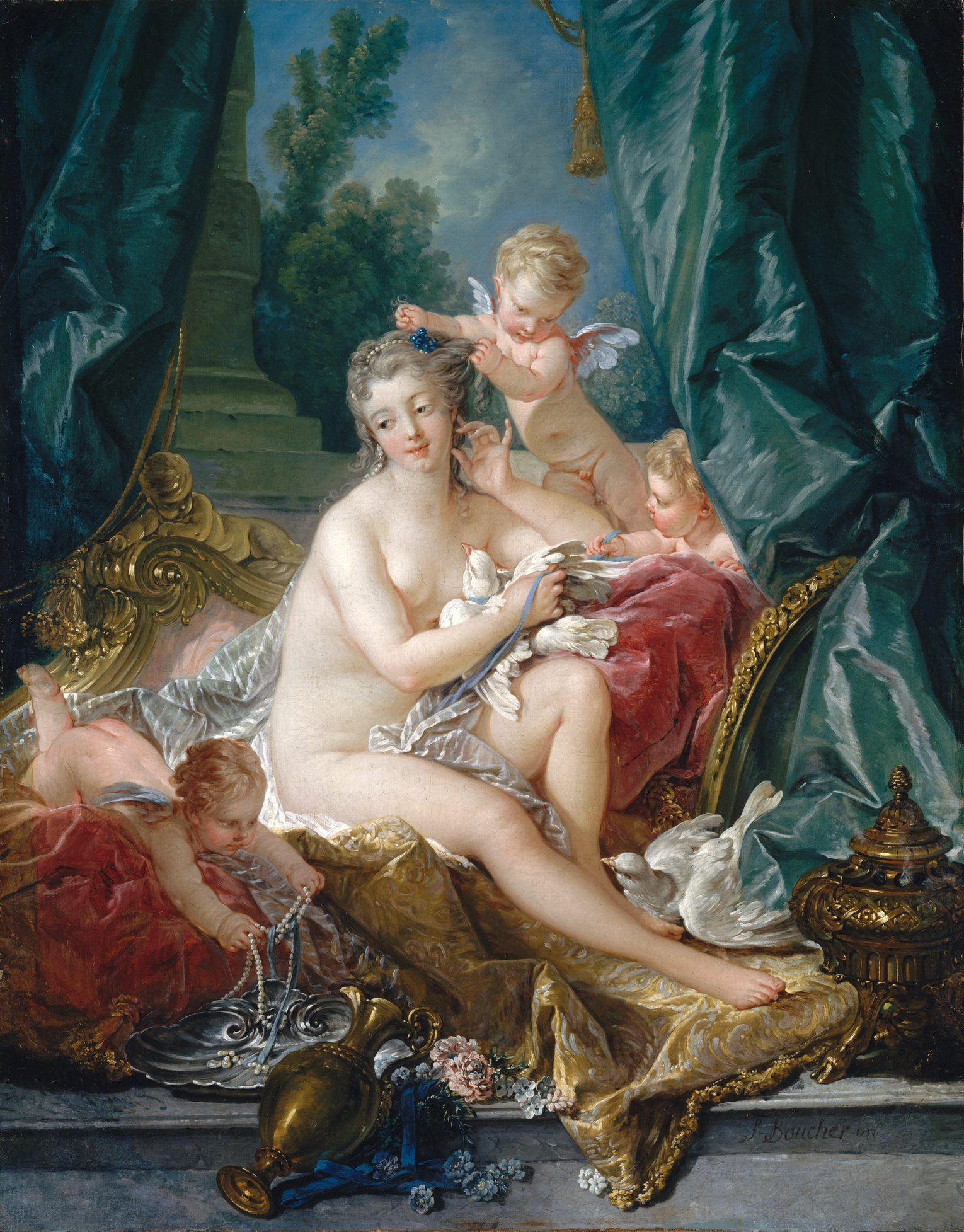
Similar themes can be found in the development of rococo painting with its shadowless nudes, rural idylls, elegant genre scenes and portraits in delicate pastel shades. The master of it was François Boucher, who painted the exposed Venus as well as his patroness, the all-powerful royal mistress Madame de Pompadour, or genre scenes that provide private insights into the world of the Rococo.
Related: François Boucher and the 18th-century Pin-Up
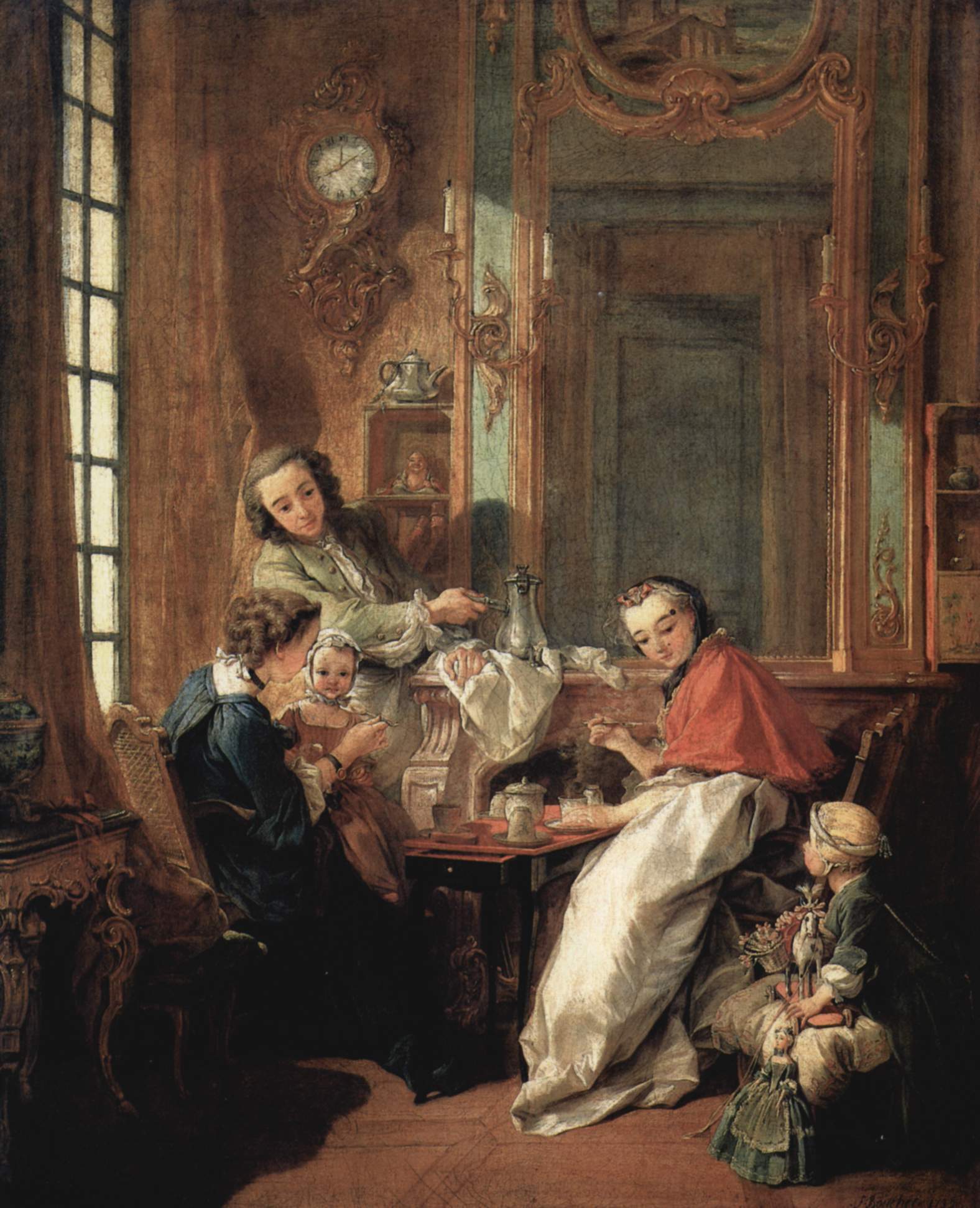
The Rococo was characterized by contrasts, in which the inspiration of nature met with a particularly ornate embellishment. In this way, the style reflected perfectly its time, in which alchemy became chemistry and superstition became science; in which reason and faith, immorality and the emerging Romanticism, and finally even monarchy and republic were juxtaposed – like a swan song to an age that was doomed.
Related: The Louis XVI Clock: A Triumph of Neoclassicism
The Rococo period pretty much covers the reign of Louis XV of France (1723-74), which is why Louis XV-style furniture and decoration are typical pieces of rococo furniture to buy. Buyers, however, should be aware that the 19th century saw a renaissance of the Rococo, which copied it, sometimes for better, sometimes for worse.
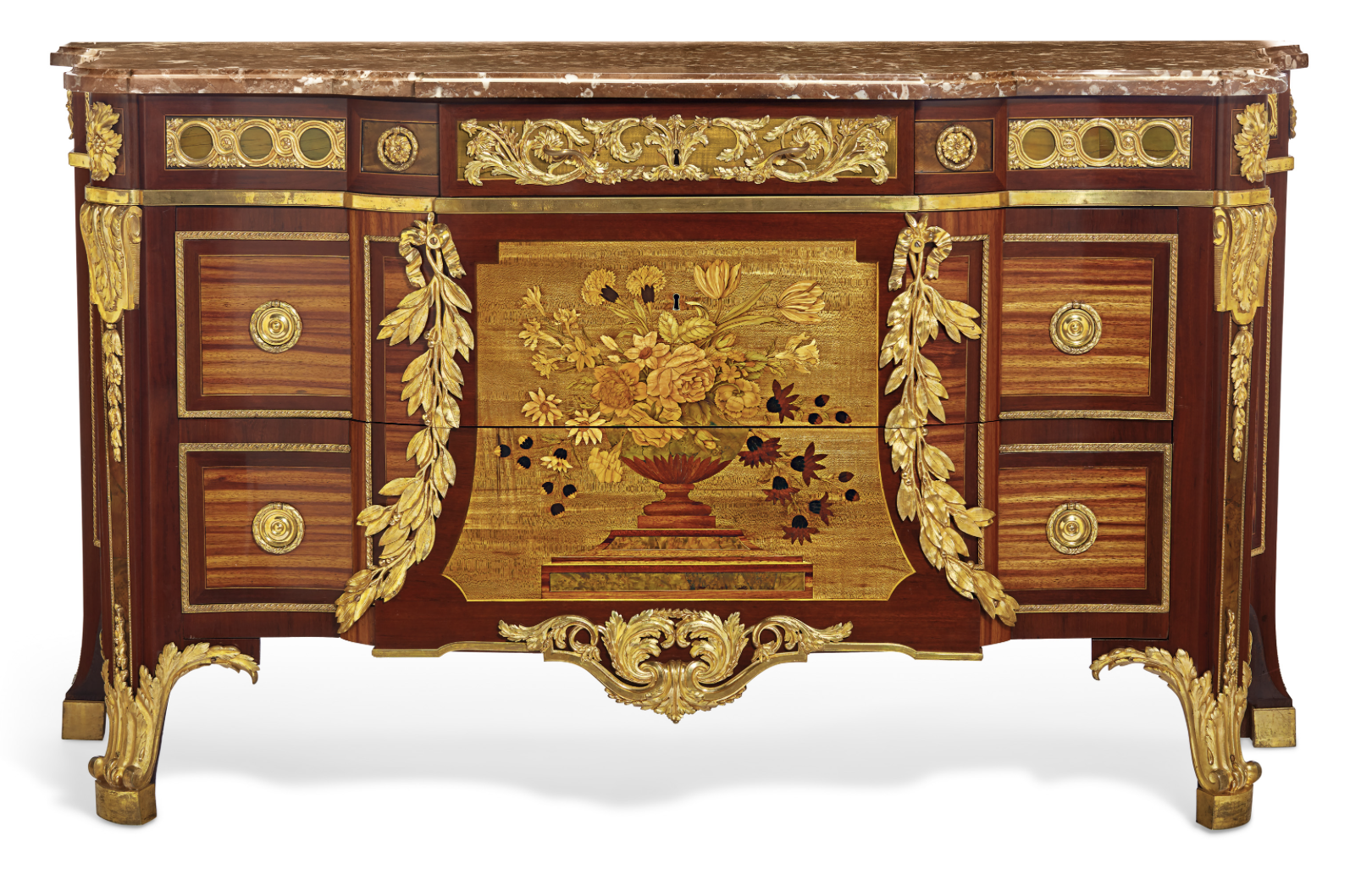
The Rococo, in fact, did not disappear from the salons overnight. It was a development that began around 1760-70 and was triggered by the rediscovery of Greco-Roman ideals, in which the excavations in Pompeii from 1763 played a significant role. On the way to classicism, a transitional style emerged, named after the new French king, Louis XVI (reigned 1774-1792), although it was actually his wife Marie Antoinette who particularly influenced it with her taste. Here, the playfulness of the Rococo in the form of garlands met the straight lines of Classicism - a worthy conclusion to an epoch marked by contrasts.