
“Watteau, carnival where the loves of many famous hearts
Flutter capriciously like butterflies with gaudy wings;
Cool, airy settings where the candelabras' light
Touches with madness the couples whirling in the dance”
Excerpt from Beacons by Charles Baudelaire
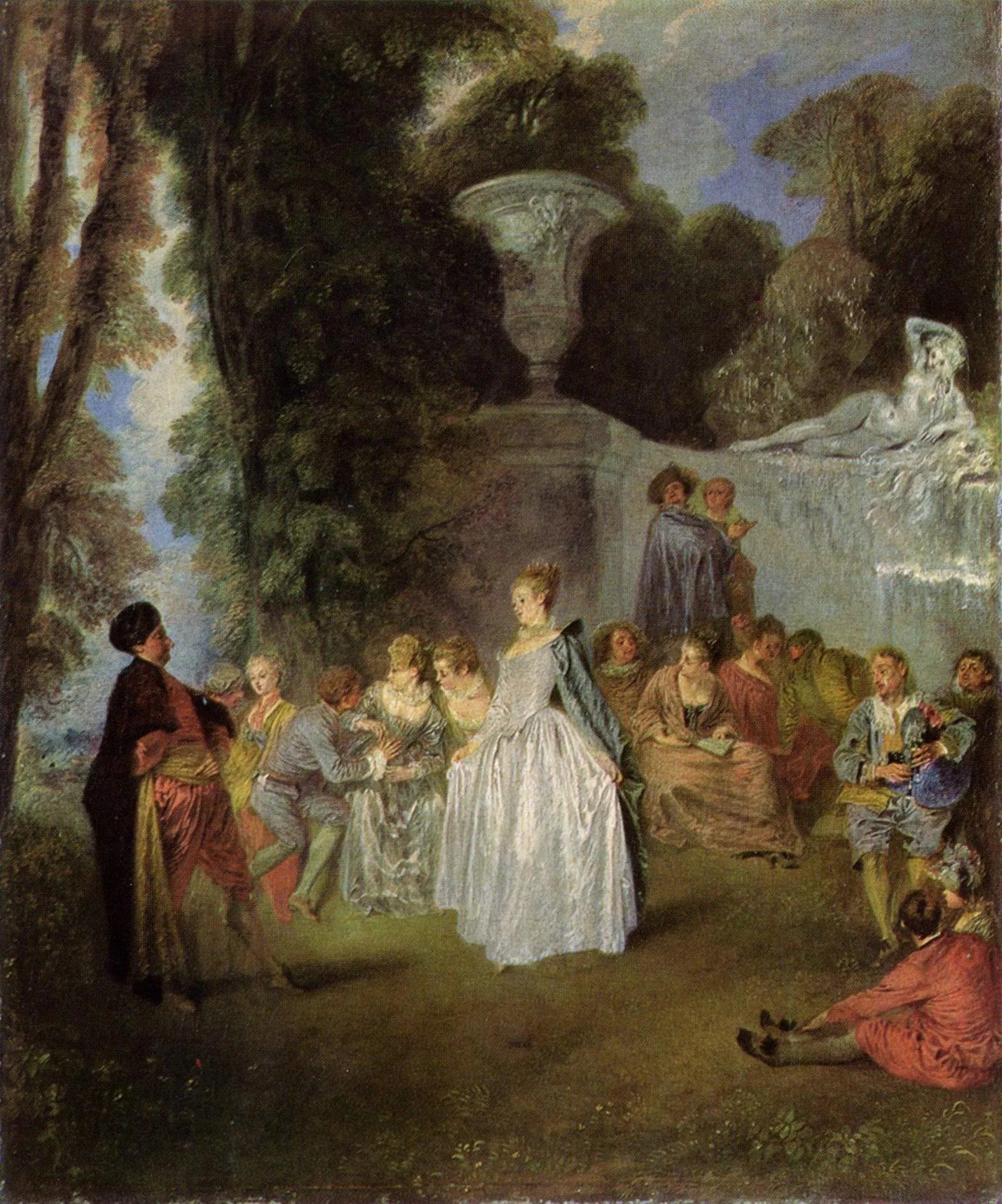
Romantic writers and poets such as Baudelaire did much for the posterity of Antoine Watteau. The painter died at the height of his glory in 1721, when he contracted tuberculosis and passed away at the age of 37. Before Baudelaire, Nerval had already paid Watteau a tribute, by titling the fourth chapter of one of his short stories Un voyage à Cythère. This referenced the mythological island depicted by Watteau, where the goddess Aphrodite had been born. Verlaine praised Watteau in verse, as have Rainer Maria Rilke, Paul Claudel, and, more recently, Philippe Sollers. Clearly these great names of 19th and 20th century literature recognized themselves in the paintings of the rococo master, seeing, behind the seeming lightness of his gallant fantasies, the soul of a great poet.
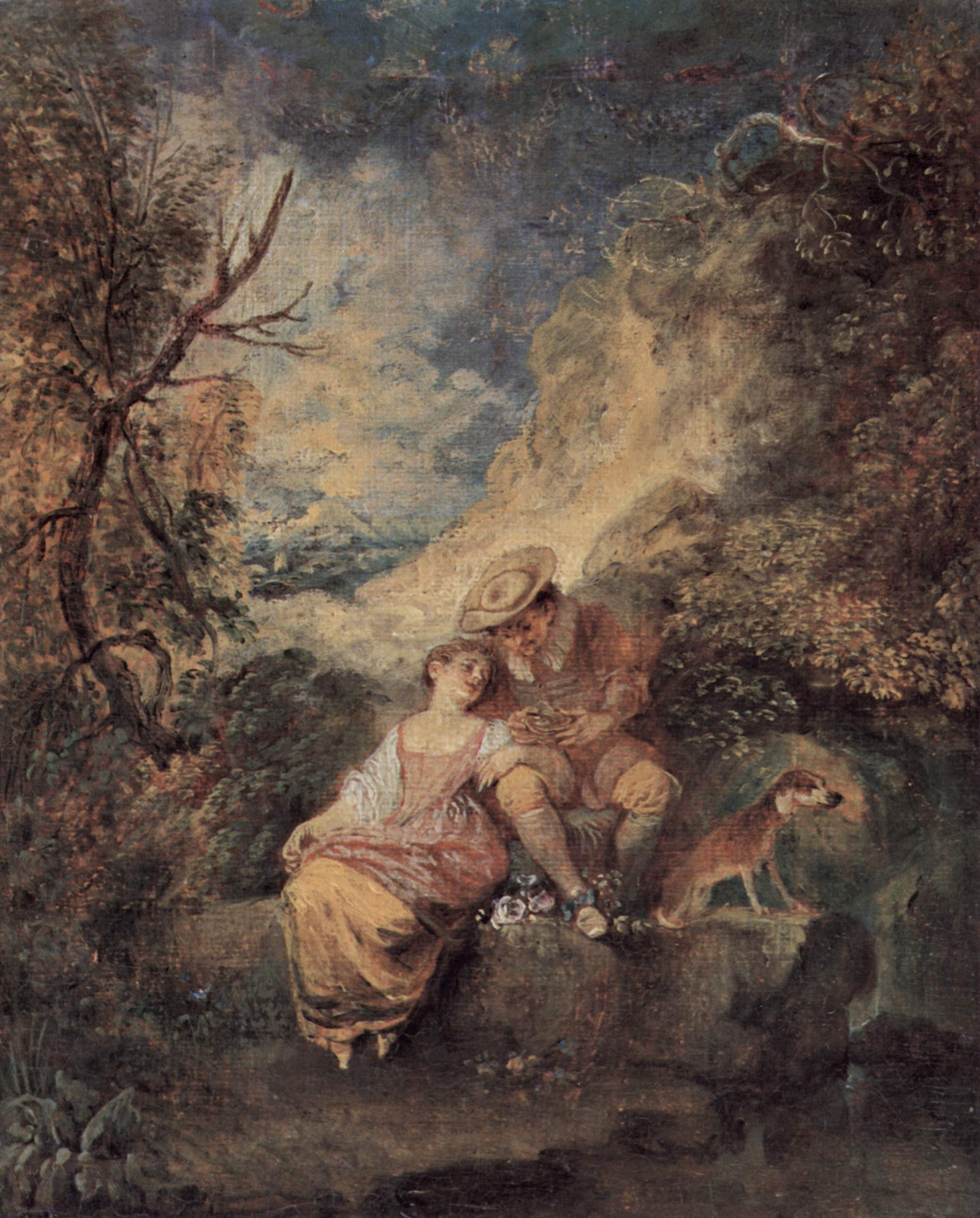
Jean-Antoine Watteau was born in Valenciennes in 1684, the second of the four sons of a master builder. His father was a drinker and his hand did not spare his children, which perhaps explains Antoine's fragile health and withdrawal into himself. Nevertheless, his family encouraged his artistic vocation very early on, and at barely ten years old he apprenticed with Jacques-Albert Gérin, a renowned painter from the northern city who was inspired by the Flemish style. When Watteau moved to Paris in 1702, artists of Flemish origin such as Nicolas Vleughels or Jean-Jacques Spoëde extended his pictorial instruction, which he mainly used in copies of religious scenes or other popular genre paintings that he would sell to make ends meet.
See also: Caravaggio, the Renaissance Rebel
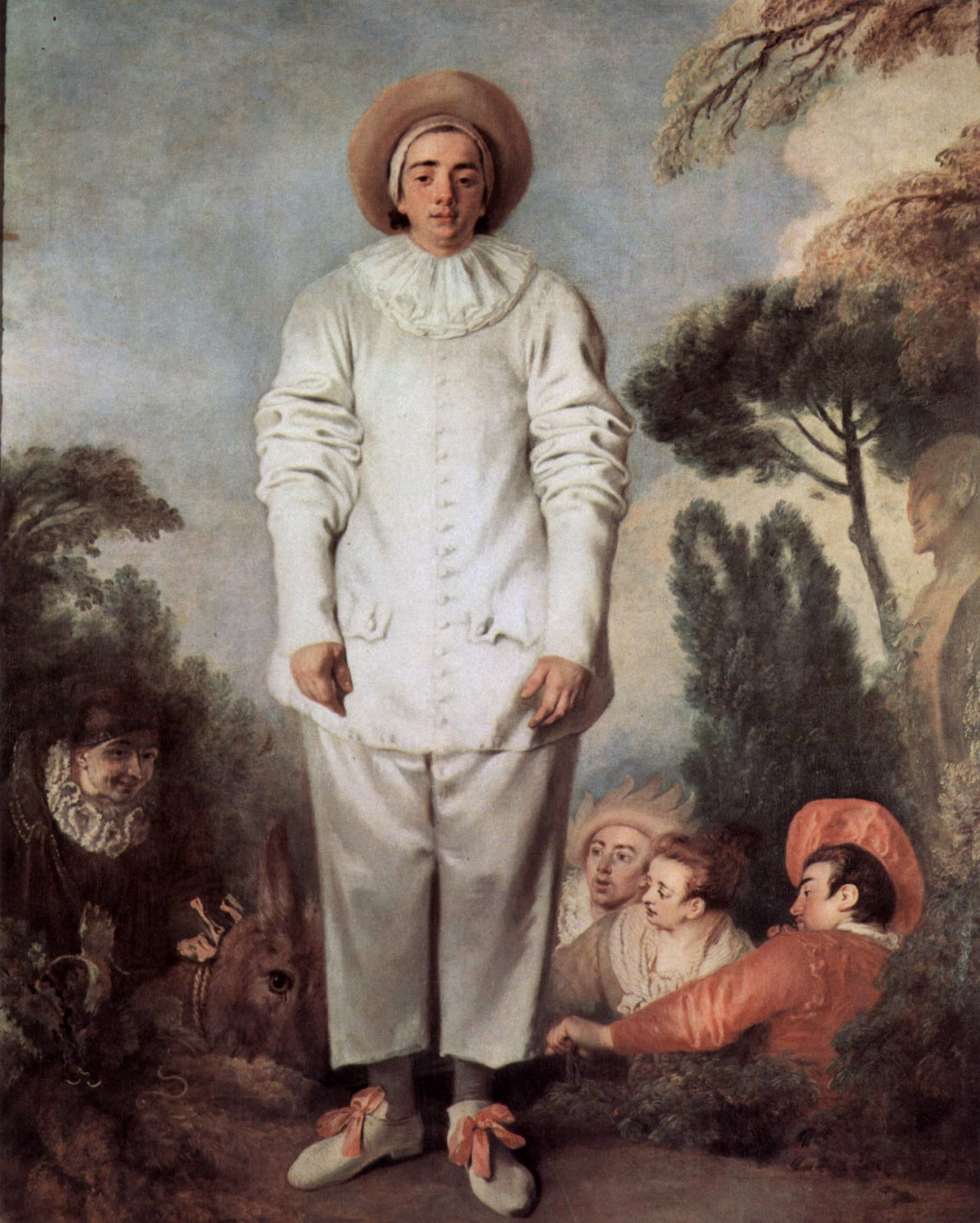
Watteau forged his stylistic character in Paris, most notably with the whimsical Claude Gillot, with whom he immersed himself in the theatre scene (commedia dell’arte would have a great influence on his work), worldly galleries, and various Parisian shows of the early 18th century. He learned about decorative art from Gillot and the renowned engraver Claude Audran III, and participated in the decoration of the Château de la Muette and several private mansions. In 1709, he obtained second place in a competitive scholarship put on by the Royal Academy, and had to give up on the year-long trip to Rome that was awarded to the first place winner. He tried again in 1712, but was considered so good that instead of the year abroad, he was accepted as a full member of the Academy.
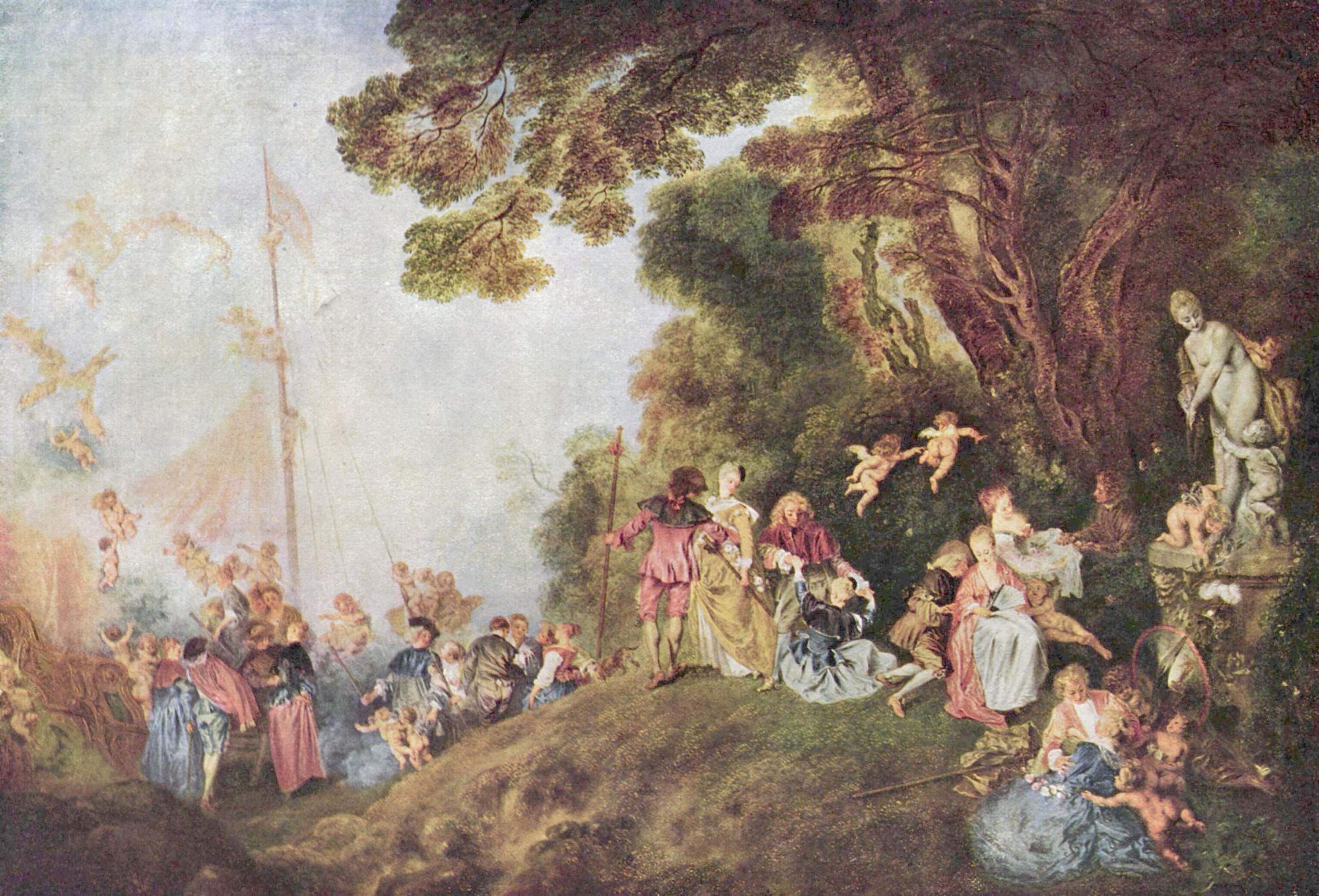
He didn’t present his required reception piece until 1717, but it was worth the wait – it was his masterpiece The Embarkation for Cythera, characteristic for its soft brushwork and coloring, already touched by a kind of grace. Since the beginning of the decade, Watteau had been working with military subjects and excelled in depicting, all in elegance and delicacy, gallant celebrations and country scenes. These were idealized to the extreme, and the fresh and rosy complexions of the lovers, shepherds, or musicians, blended with the shimmer of fabrics and the landscapes imbued with the radiance of fragile happiness.
See also: The 10 Most Famous Works of Art and Where to Find Them
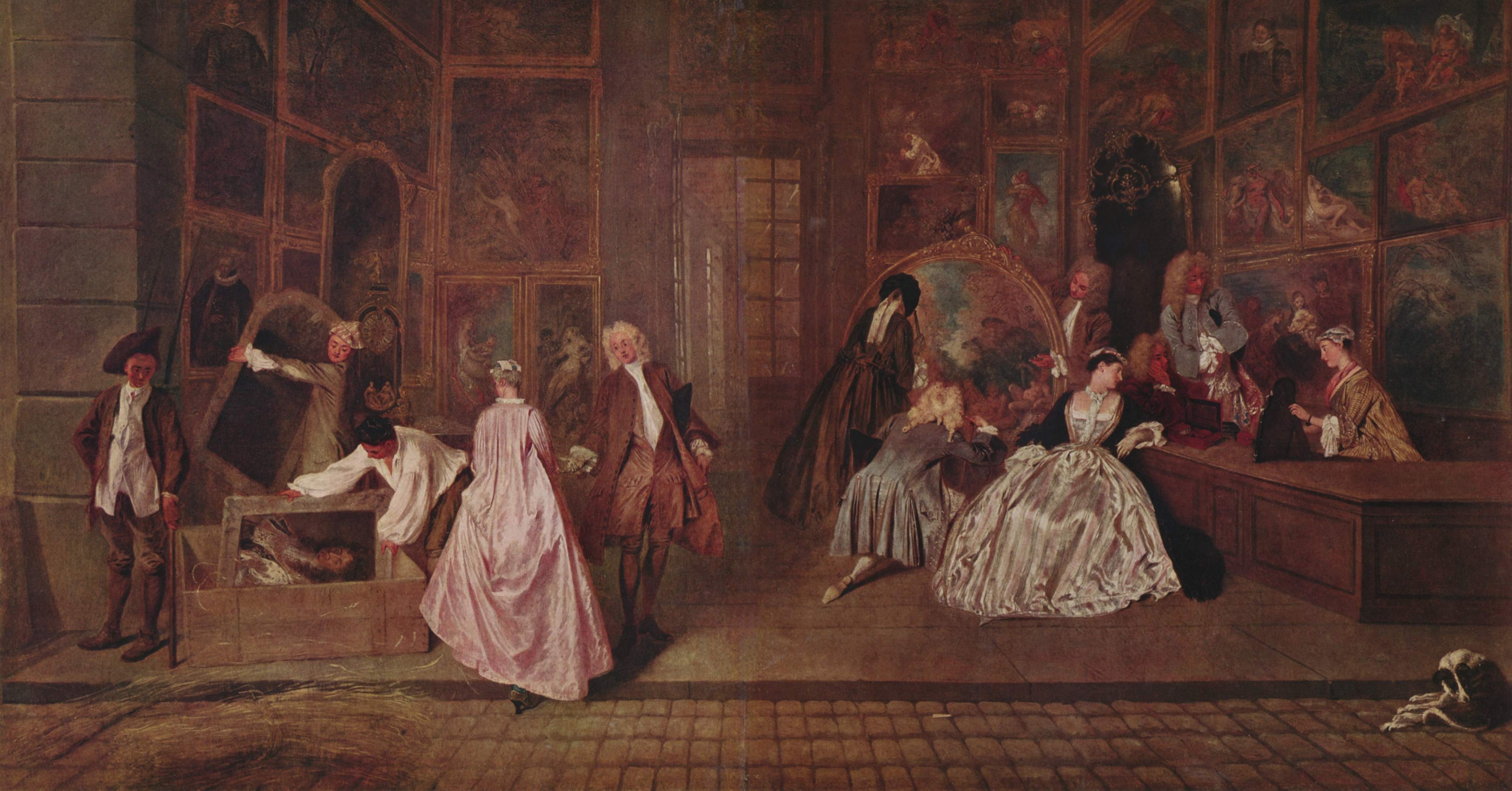
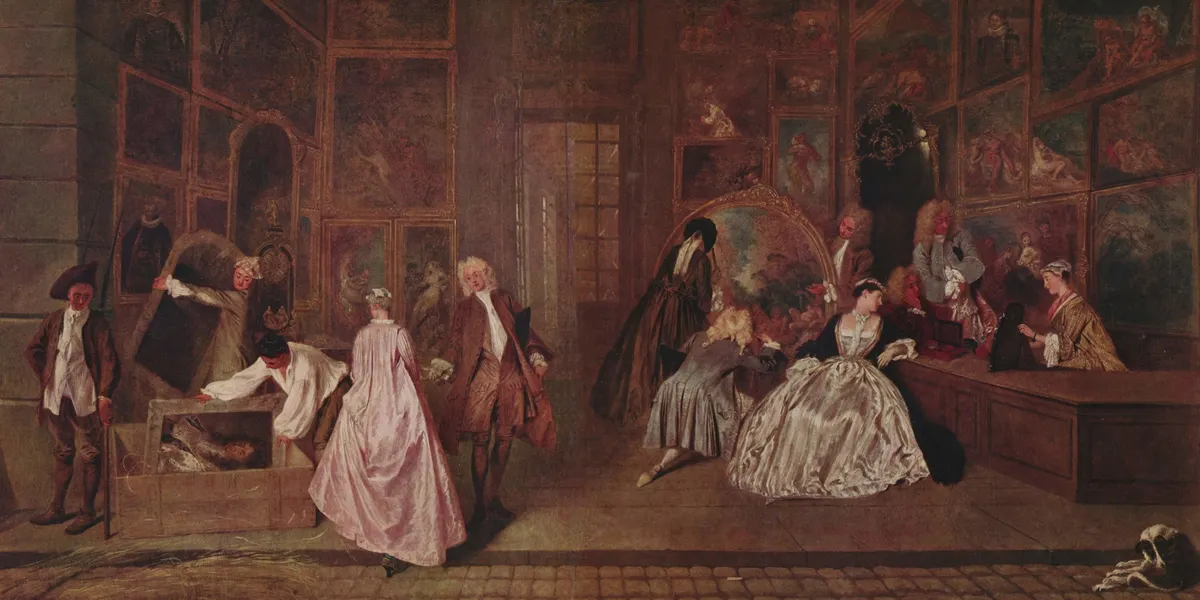
Watteau traveled to London between 1718 and 1720, probably with the idea of consulting Dr Richard Mead, a specialist in communicable diseases. There he met other French artists who produced engravings inspired by his paintings, which later influenced the portrait and landscape painter Thomas Gainsborough. The polluted air in the British capital did nothing to help his lungs, and, back in Paris, while Watteau’s fame increased his health continued to decline. At the end of 1720, he produced L’Enseigne de Gersaint, one of his rare urban genre scenes, for his merchant friend whose shop had recently moved to the Notre-Dame Bridge. This oil on canvas is considered one of his masterpieces, because in addition to the painter's characteristic features, such as the finesse of details and the vaporous softness of the colors, it has an atypical realism for the time and is more than a century ahead of the similar modernity of Courbet or Manet.
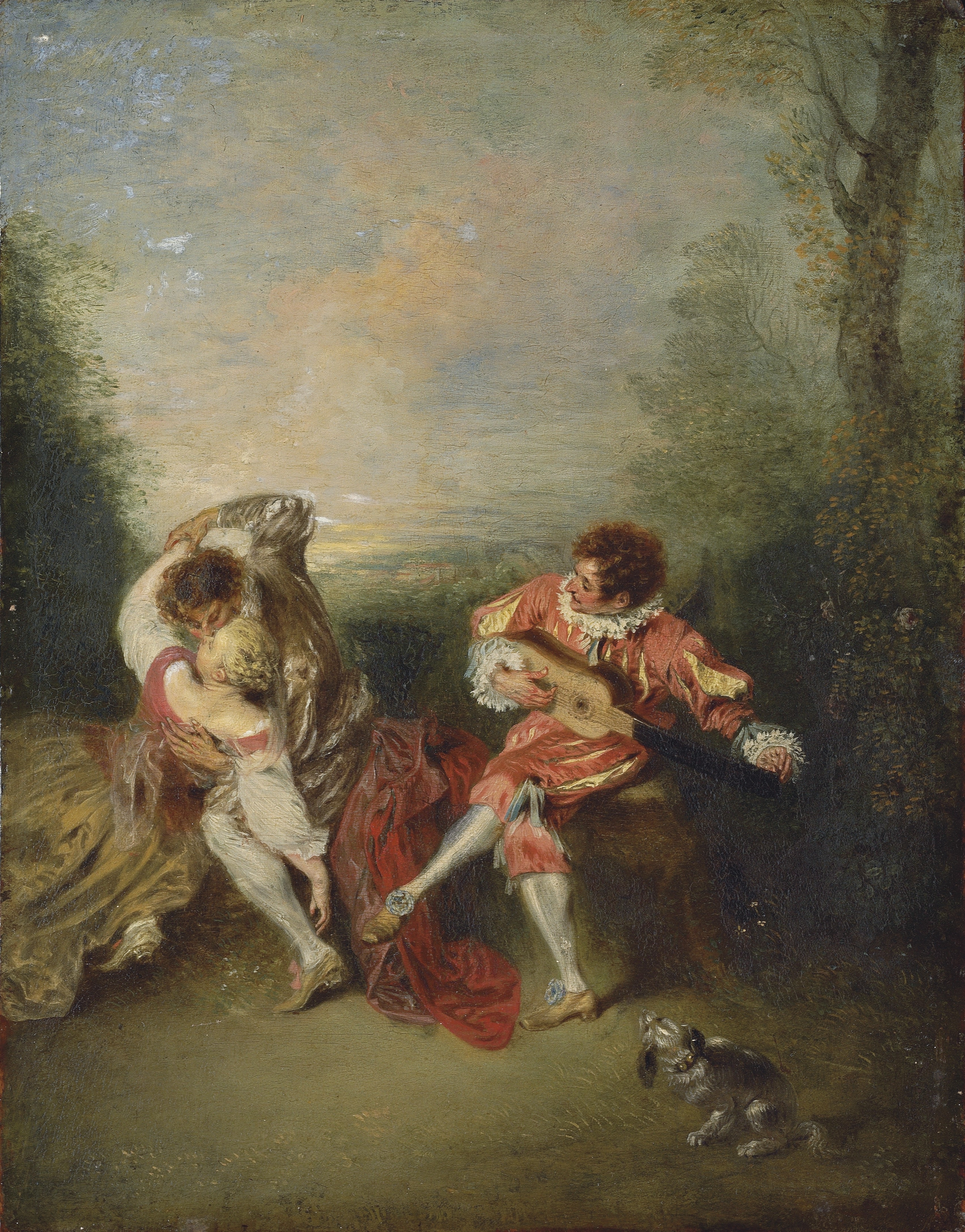
Watteau died on July 18, 1721 in Nogent-sur-Marne, where his friend Father Haranger had sent him to the Intendant of the King's Menus-Pleasures to take a break. After his death, his popular work was imitated and even copied by many followers, to the point that, of the approximately 200 paintings attributed to him, less than forty are considered authentic by some art historians. In 2008, La Surprise (1718), one of his authentic paintings that was thought to have disappeared forever, resurfaced in the home of a British collector who had ignored its author, and its potential value. It sold on July 8, 2008 at Christie’s London for three times its estimate, at $24.6 million. A record for this artist, the precursor of the baroque movement, who, for poets and lovers of romanticism, may have other surprises and moments of grace in store.